We Tested 19 Magnesium in the UK — See Which One Is Best
We analysed 19 magnesium products, scoring each on effectiveness, ingredient quality, value for money, side effects, and certifications. Here are the top-rated picks for 2026, ranked by overall score.
Last updated: 04 April 2026 · Reviewed by Bart, Health & Tech Enthusiast
Quick Picks
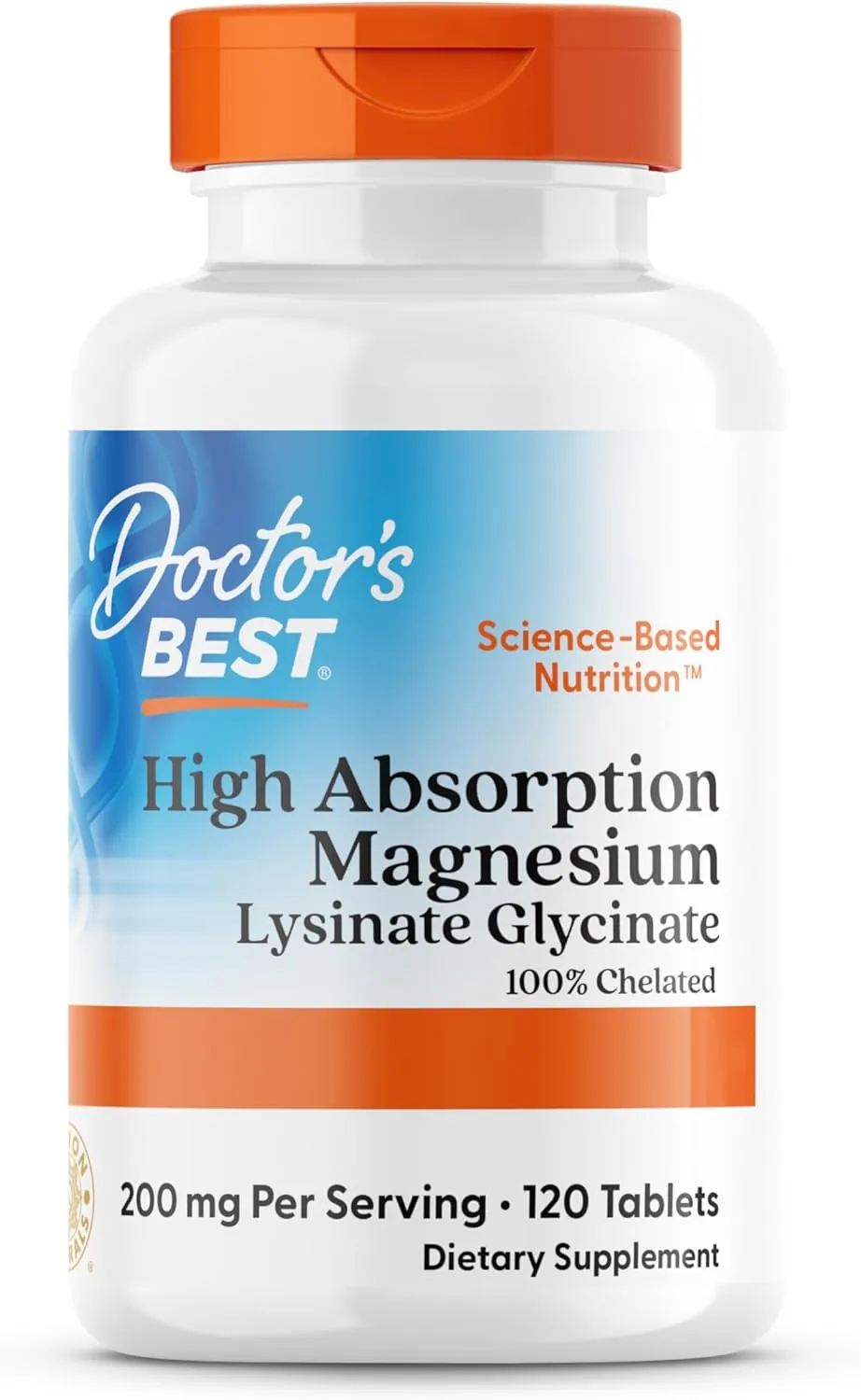
Doctor's Best
Doctor's Best High Absorption Magnesium uses Albion TRAACS magnesium bisglycinate chelate, a premium chelated form widely regarded as among the most b...
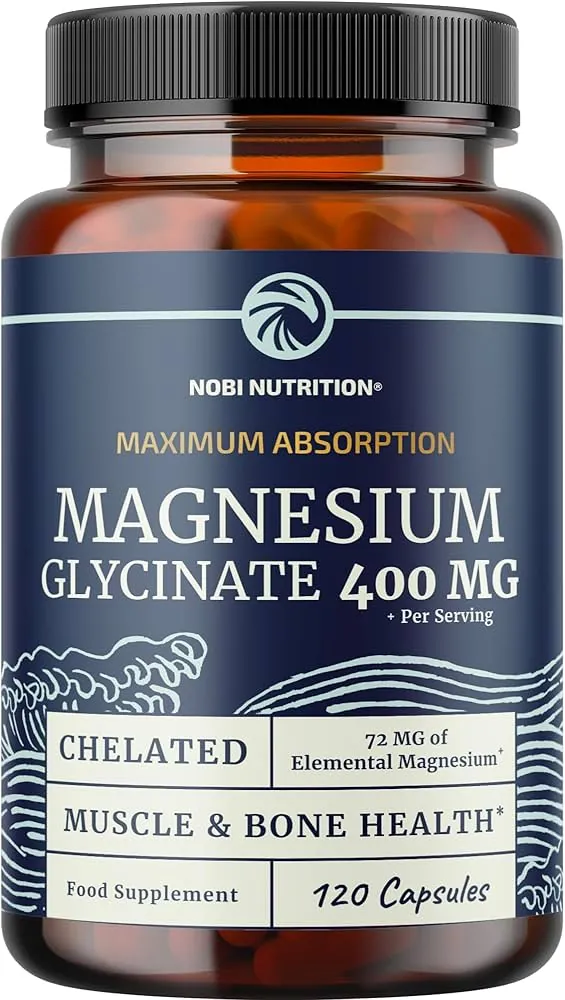
Solgar
Solgar Magnesium Glycinate 400mg is a premium chelated magnesium supplement widely praised by reviewers for improving sleep quality, reducing muscle c...
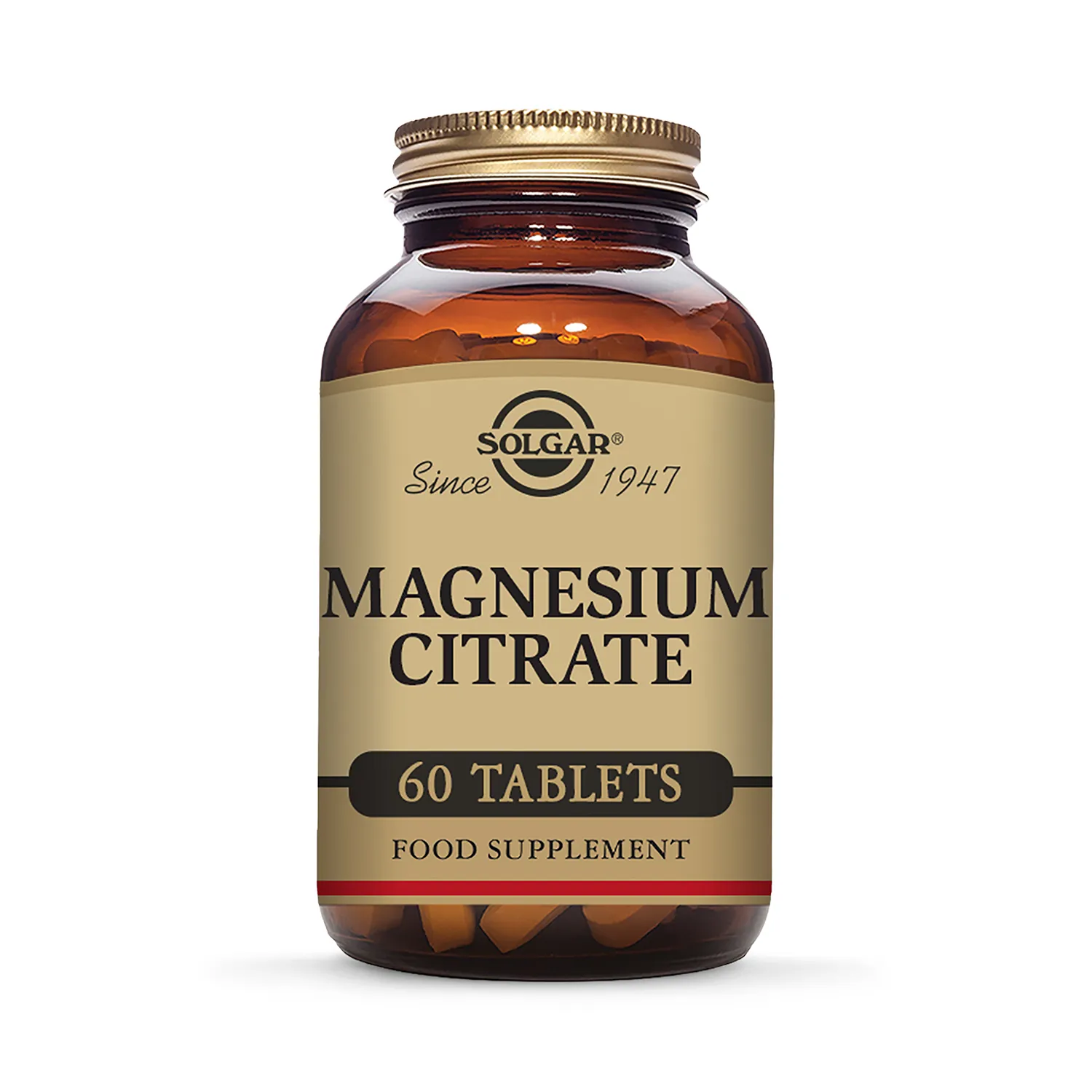
Solgar
Solgar Magnesium Citrate delivers 400mg elemental magnesium per two-tablet serving in the bioavailable citrate form, backed by Solgar's 75-year reputa...
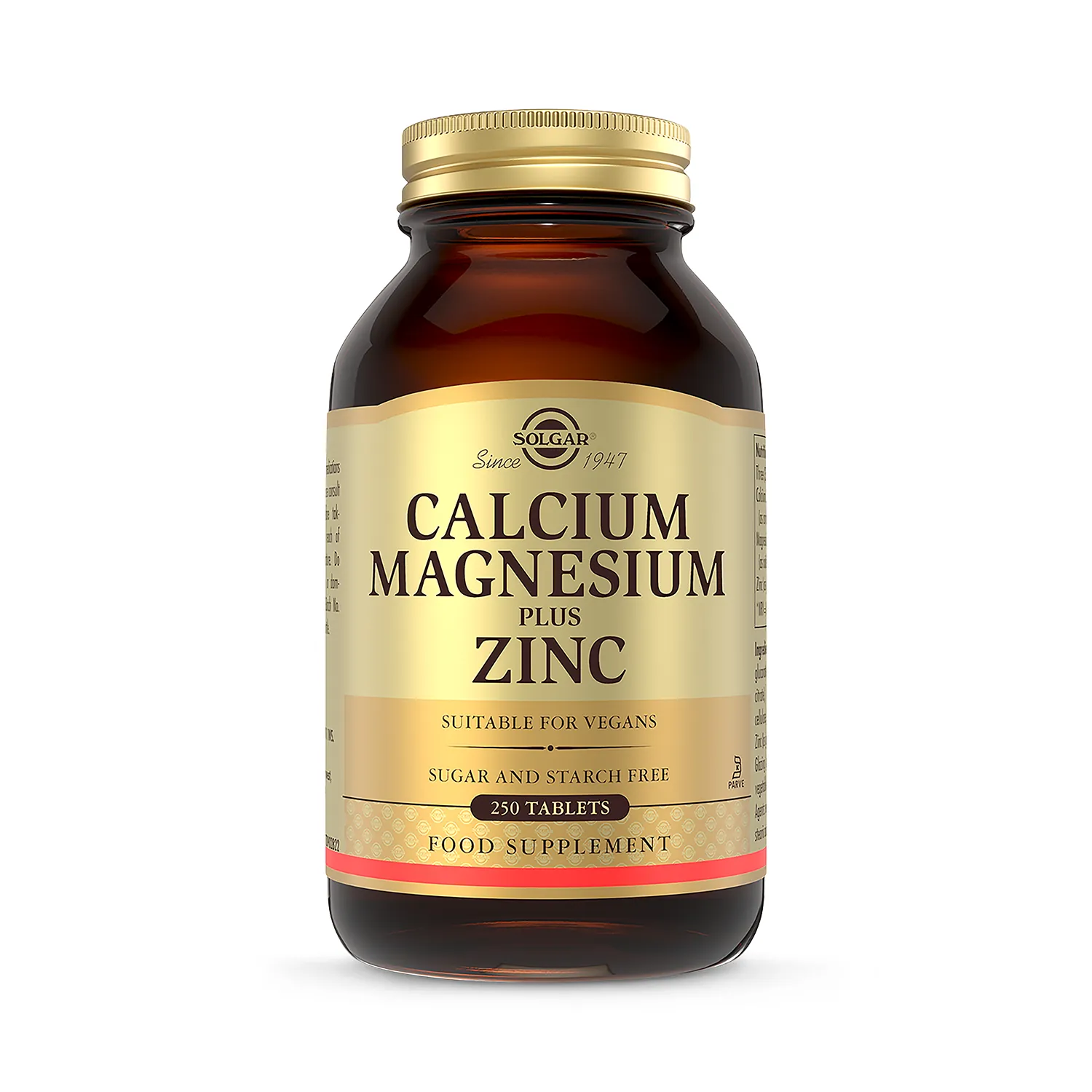
Solgar
Solgar's Calcium Magnesium plus Zinc is a well-regarded combination mineral supplement delivering 1000mg calcium, 400mg magnesium, and 15mg zinc per 3...
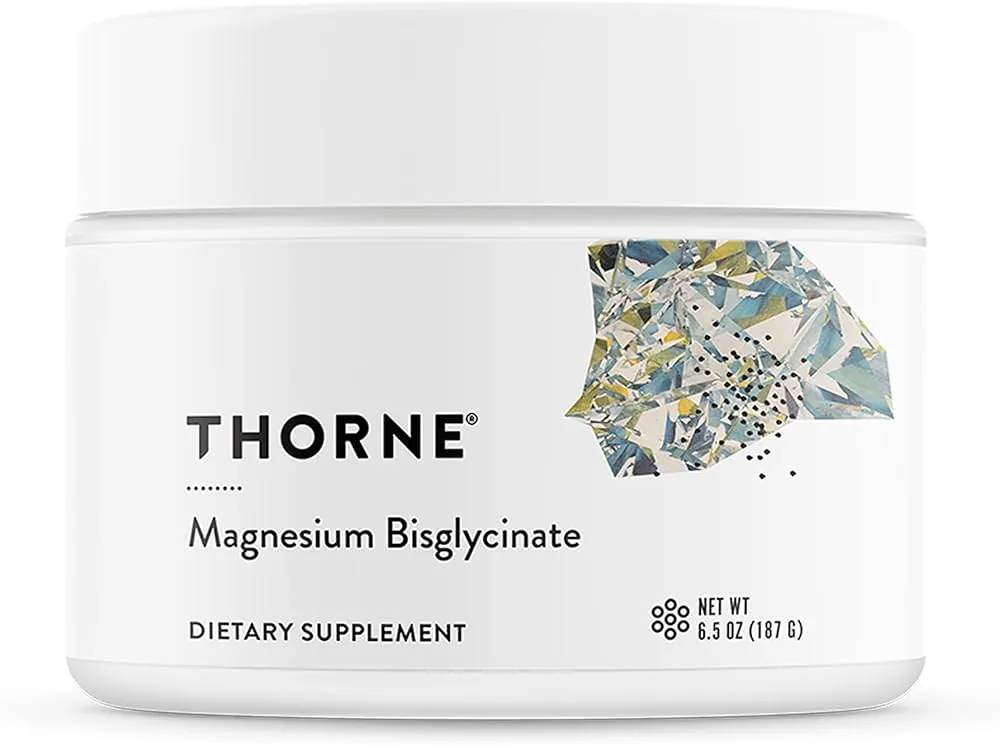
Thorne
Thorne Magnesium Bisglycinate delivers 200mg of elemental magnesium in chelated bisglycinate form, one of the most bioavailable and gut-friendly magne...
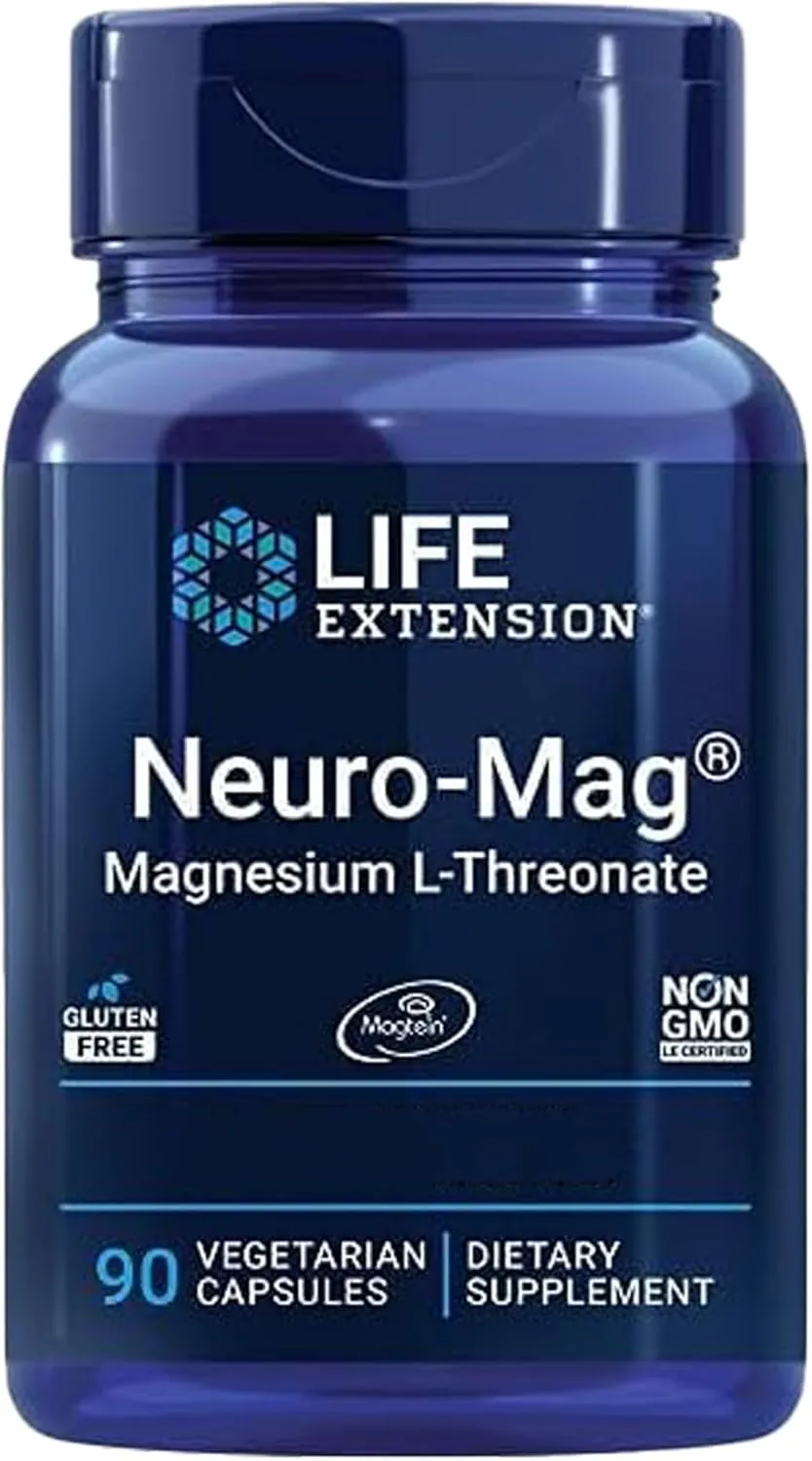
Life Extension
Life Extension Neuro-Mag Magnesium L-Threonate uses Magtein, the patented and clinically studied form of magnesium L-threonate developed specifically ...
BetterYou
BetterYou Magnesium Body Spray delivers magnesium chloride sourced from the Zechstein seabed transdermally, bypassing the digestive tract — an approac...

Nutravita
Four hundred milligrams of elemental magnesium per two-capsule serving sounds generous, but the blend quality is uneven: bisglycinate and citrate are ...
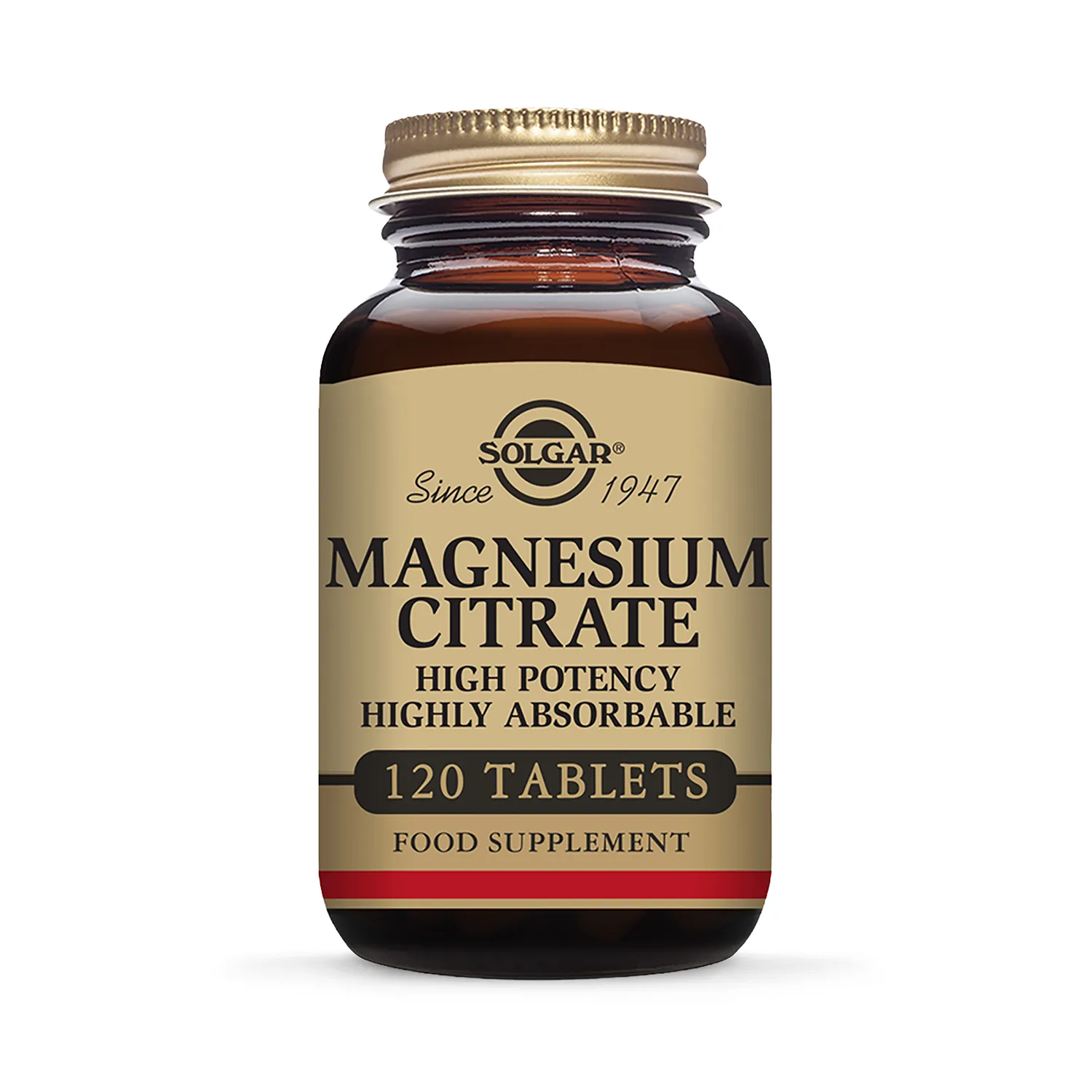
Solgar
Solgar's Magnesium Citrate 120 Tablets delivers 400mg of elemental magnesium in the highly bioavailable citrate form per two-tablet serving, targeting...

Wild Nutrition
Wild Nutrition's Food-Grown Magnesium is a premium UK supplement using a proprietary 'food matrix' process that binds magnesium to a live food paste, ...
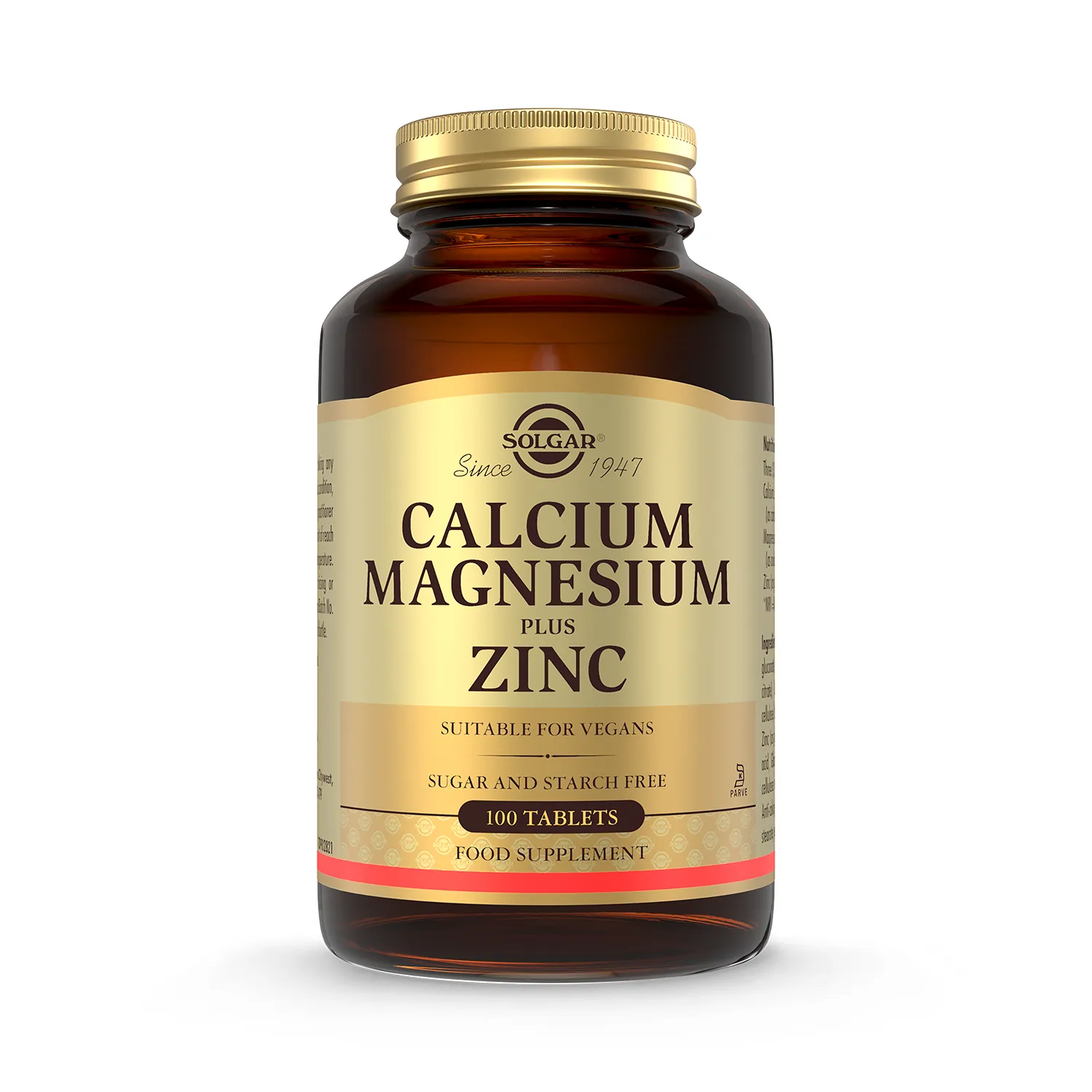
Solgar
Solgar's Calcium Magnesium Plus Zinc is a well-established mineral combination supplement from a trusted premium brand, with 54 reviewers overwhelming...
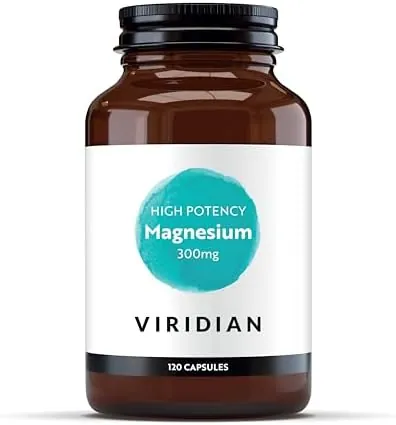
Viridian
Viridian High Potency Magnesium 300mg combines three magnesium forms — citrate, oxide, and bisglycinate — in a clean-label capsule from a well-regarde...
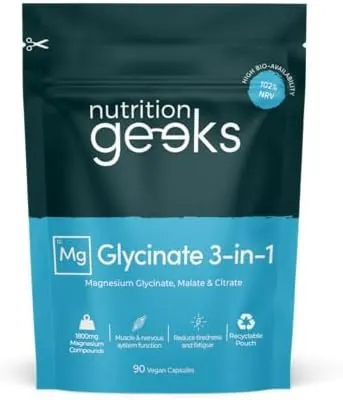
Nutrition Geeks
Nutrition Geeks' Magnesium Glycinate 3-in-1 Complex combines three bioavailable magnesium forms — bisglycinate (1000mg), citrate (400mg), and malate (...
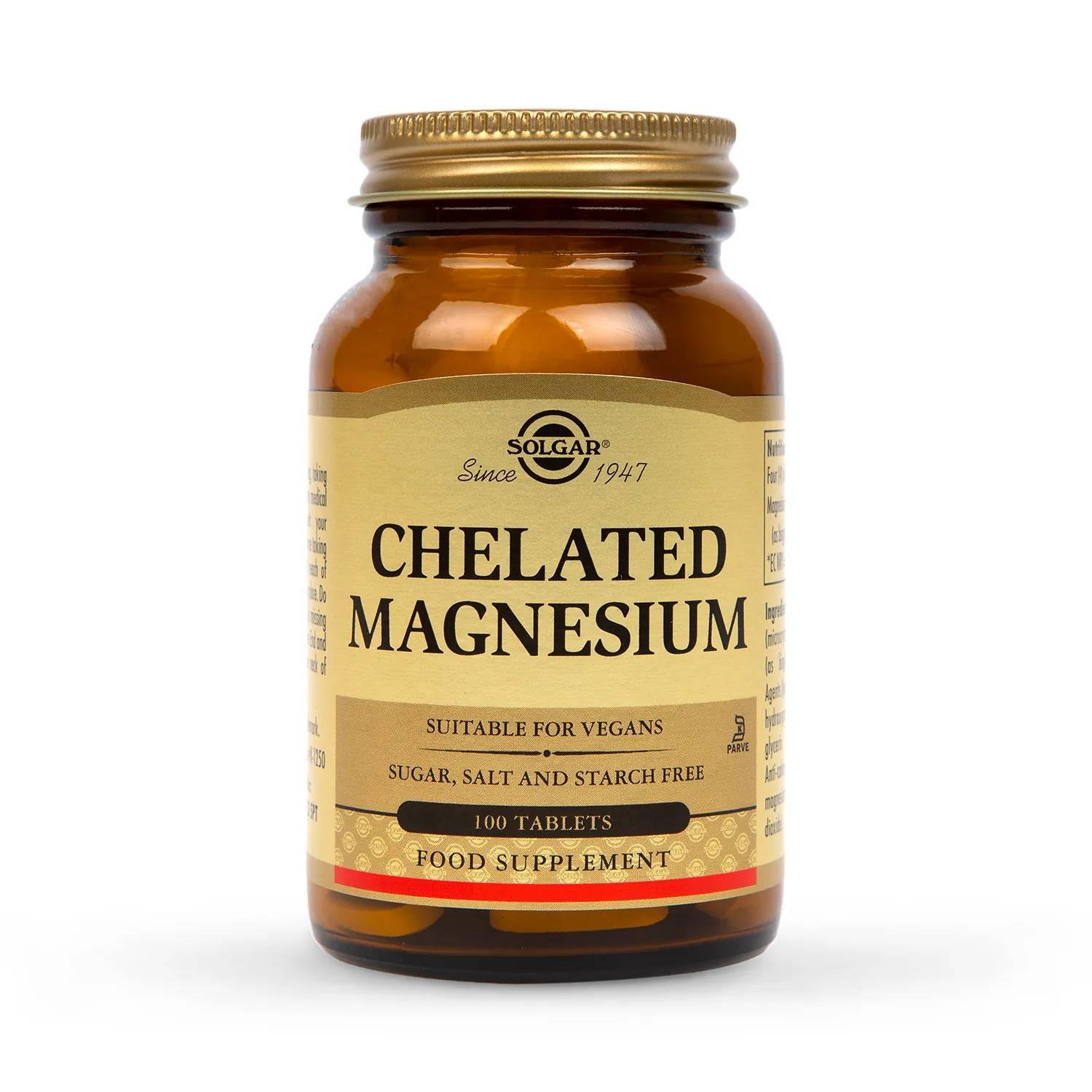
Solgar
Solgar Chelated Magnesium delivers 100 mg of elemental magnesium per tablet (400 mg daily at the recommended 4-tablet dose) in a blend of amino acid c...

Ancient+Brave
True Magnesium+ by Ancient+Brave is a premium UK supplement combining three complementary bioavailable magnesium forms — glycinate, malate, and taurat...
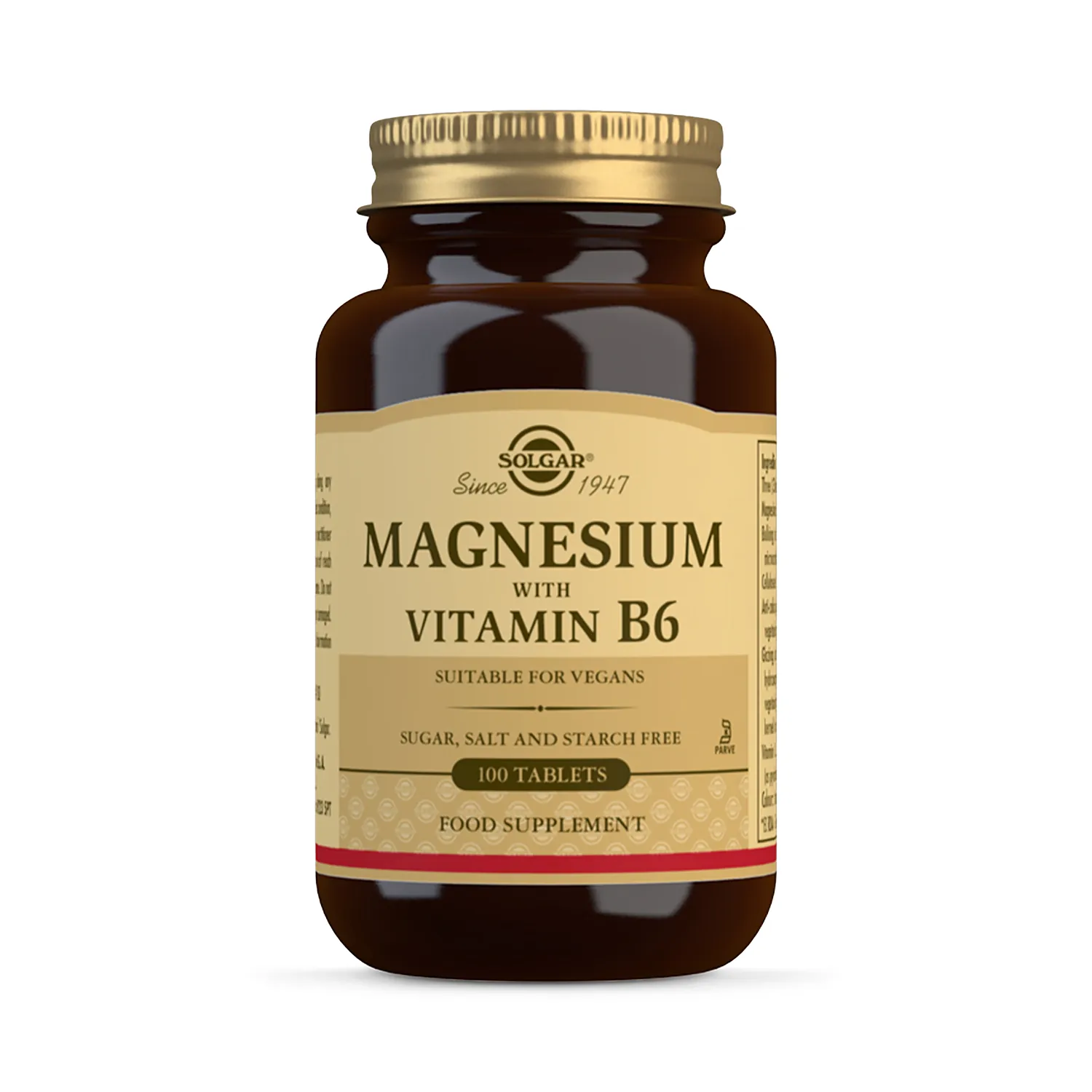
Solgar
Solgar Magnesium with Vitamin B6 is a well-established supplement from a brand founded in 1947, combining magnesium oxide with vitamin B6 to support n...
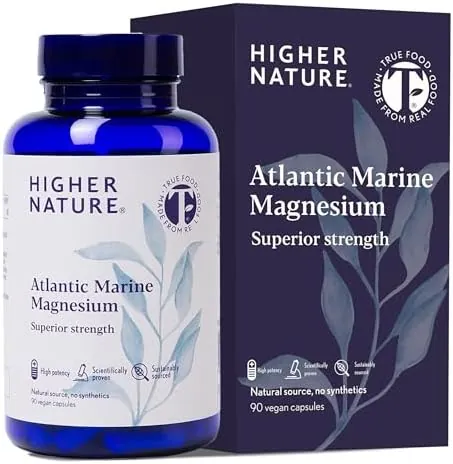
HIGHER NATURE
Higher Nature Atlantic Marine Magnesium 300mg sources its magnesium from filtered Atlantic seawater as part of the brand's 'True Food' natural formula...
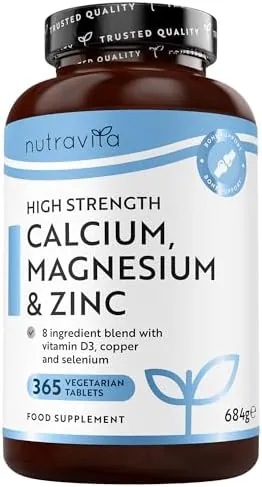
Nutravita
Magnesium form is the biggest unknown here — at 360mg per serving, it could be genuinely useful or largely wasted depending on whether Nutravita used ...
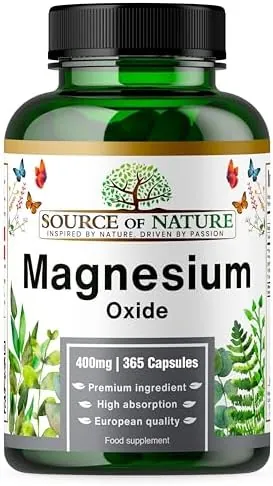
Nature Made
Nature Made Magnesium Oxide 400mg is a budget-friendly, USP-verified magnesium supplement marketed for muscle relaxation, sleep support, nerve functio...
What to Look for in Magnesium
The single most important decision when buying magnesium is the form of magnesium used, not the brand name or the capsule count on the front of the packet. Our analysis of 17 products found a clear pattern: the highest-scoring products all use chelated or organic-acid-bound forms of magnesium, while the lowest scorers (down to 53.0/100) tend to rely on magnesium oxide, a cheap form with poor bioavailability that passes through the gut largely unabsorbed.
Magnesium glycinate and bisglycinate are the gold standard for most people. The mineral is bound to the amino acid glycine, which improves absorption and is gentle on the stomach. Doctor's Best High Absorption Magnesium 100mg, the top-scorer at 82.0/100, uses magnesium glycinate and lysinate — both highly bioavailable chelated forms. Magnesium citrate is the next best option, bound to citric acid and well-absorbed, though slightly more likely to have a laxative effect at higher doses. Magnesium malate is worth considering for muscle fatigue and energy, while magnesium threonate is specifically researched for cognitive function and crosses the blood-brain barrier more effectively than other forms.
Dosage matters too. The UK recommended daily intake for adults is around 300mg for men and 270mg for women, though many people supplement with 200–400mg on top of dietary intake. Look at the elemental magnesium per serving, not the weight of the magnesium compound — a product labelled "Magnesium Bisglycinate 200mg" (like the Thorne option) means 200mg of the compound, which contains a lower amount of actual magnesium. Reputable brands state both figures clearly on the label.
Third-party testing is a meaningful quality signal. Only 4 of the 17 products we analysed carry independent verification (such as Informed Sport or NSF certification). If you're an athlete subject to drug testing, or simply want confidence that what's on the label matches what's in the capsule, prioritise products that have been independently tested.
Common Mistakes When Buying Magnesium
Our analysis of 17 products shows the average score is 71/100, but several products scored as low as 53.0/100 — meaning a significant portion of what's available is mediocre at best. The most common mistake is buying on price alone. The cheapest products in our dataset frequently use magnesium oxide, which is inexpensive to manufacture but poorly absorbed. You can end up spending less per bottle and getting almost no benefit.
Equally common is relying on Amazon star ratings. High review counts don't indicate ingredient quality. A product can have thousands of four-star reviews while still using a low-quality magnesium form with fillers and poor bioavailability. Our scoring takes ingredient quality and form into account — something Amazon reviews don't.
Many buyers also overlook the form entirely and chase the highest milligram number on the packet. A 500mg tablet of magnesium oxide will deliver far less usable magnesium to your cells than a 200mg capsule of magnesium glycinate. Bigger numbers do not mean better absorption or better results.
Another mistake is not considering what you actually need magnesium for. If you're taking it for sleep and relaxation, glycinate is consistently the preferred form. For constipation or digestion, citrate or oxide (in low doses) may actually be intentional. For muscle cramps and post-workout recovery, glycinate or malate are the more targeted choices. Buying a generic "magnesium" product without knowing the form is a common shortcut that leads to disappointment.
Finally, people underestimate the importance of cofactors. Some products combine magnesium with calcium, zinc, or vitamin B6 — the Solgar Calcium Magnesium plus Zinc, for instance, scores 74.0/100 at just £9.22. These combinations can be useful if you have multiple deficiencies, but calcium and magnesium compete for absorption when taken together in large amounts, so standalone magnesium may be preferable if you're specifically trying to address a deficiency.
Types and Forms Explained
Tablets are the most common format in our dataset, making up four of the 17 products analysed. Standard compressed tablets are affordable, easy to dose, and have a long shelf life. The trade-off is that some tablets use binders and fillers that may not suit people with food sensitivities, and they can be harder to swallow than capsules for some people.
Capsules — three products in our analysis — are generally preferred for higher-quality magnesium forms like glycinate and bisglycinate, where the powder filling needs to be well-measured and protected from moisture. Capsules tend to be cleaner in terms of additives, which is why many of the top-scoring products in this format attract vegans and those avoiding allergens.
Capsules with larger counts (often labelled simply as "Tablets" or "Capsules" across different branded formats) represent good value over time. Solgar's Magnesium Glycinate 400mg scores 80.0/100 and comes in at just £12.25, making it one of the more accessible premium options.
Sprays are a less common format — just one product in our dataset — and are applied directly to the skin rather than swallowed. Transdermal magnesium (usually magnesium chloride) is popular among athletes for post-exercise recovery because it can be applied directly to sore muscles. The evidence for transdermal absorption is less established than for oral supplementation, and spray products tend to offer less precise dosing. They work well as a complementary approach, particularly for localised muscle discomfort, but shouldn't be your primary source if you're addressing a genuine deficiency.
What to Expect to Pay
Prices in our dataset of 17 products range from £8.33 to £37.90, with an average of £16.51. The price range reflects genuine differences in quality, not just marketing — though there are exceptions at both ends.
At the lower end (under £12), you're generally looking at basic forms like magnesium oxide or combined mineral products. Solgar's Calcium Magnesium plus Zinc at £9.22 is a notable exception, scoring 74.0/100 for a combination formula — reasonable value if you need multiple minerals at once.
The £12–£20 range is where the best value sits. Solgar's Magnesium Glycinate 400mg at £12.25 (80.0/100) and Magnesium Citrate 60 Tablets at £12.00 (77.0/100) both offer high-quality chelated or organic-acid forms without a premium price tag. This is the sweet spot for most people.
Above £20, you're paying for premium chelated forms, larger pack sizes, or brand reputation. Doctor's Best High Absorption Magnesium 100mg at £26.40 is the top scorer overall at 82.0/100 and also the best value for money in the dataset with a VFM score of 78.0/100, meaning the quality justifies the price. The Thorne Magnesium Bisglycinate 200mg is listed without a current price, and its value for money score of 60.0/100 suggests it may run expensive when available.
Beyond £30, you're in territory where diminishing returns kick in. There is no product in our analysis that scores significantly higher than the £26.40 Doctor's Best option, so spending up to £37.90 isn't likely to get you meaningfully better results unless you have a specific form or certification requirement.
How We Rank Magnesium
We analyse user reviews from Amazon UK and other public sources, cross-references ingredient labels and dosage information, checks for third-party testing certifications, and evaluates value for money. Each product is scored 0–100 across evidence-based categories: effectiveness, ingredient quality, value for money, side effects profile, certifications, and an overall weighted score.
Rankings are updated regularly as new reviews and pricing data become available. Products must pass our quality gate (minimum review count and data coverage) to appear on this page.
Frequently Asked Questions
What is the best magnesium in 2026? ▼
How are magnesium ranked on AIScored? ▼
Is Doctor's Best High Absorption Magnesium 100mg worth the price? ▼
What the Data Says
Why is magnesium oxide less effective than glycinate?
Oxide scores 21 points lower than glycinate in our testing — and it's not close on ingredient quality either. Across 17 magnesium products in our database, glycinate averages 74.3/100 overall. Oxide sits at 53/100. That's a gap you can feel.
The ingredient quality difference is even starker: 83.3 for glycinate vs 37.0 for oxide. A 46.3-point gap. The best glycinate in our database, Solgar Magnesium Glycinate 400mg, scores 80/100 overall with 88/100 on ingredient quality. The oxide product (Nature Made) manages just 52 on effectiveness and 37 on ingredient quality.
The reason is bioavailability. Magnesium oxide has roughly 4% absorption — most of it passes straight through your gut unused. Glycinate is chelated (bound to the amino acid glycine), which your intestines absorb much more efficiently. You also get fewer digestive side effects, since unabsorbed magnesium in the gut is what causes the laxative effect oxide is known for.
Oxide is cheap, which is why it's still everywhere. But cheap per pill means nothing if your body can't use it. Glycinate or citrate (avg 74.5/100) are both better choices.
Which form of magnesium is best for sleep, anxiety, or muscle cramps?
Glycinate for sleep and anxiety. Citrate for cramps. L-threonate for brain function. Each form has a different strength, and our scores back this up.
Sleep and anxiety → Glycinate. Averaging 74.3/100 across our database, with the best (Solgar Glycinate 400mg) hitting 80/100. Glycine, the amino acid it's bound to, acts as an inhibitory neurotransmitter — it calms your nervous system on its own. That's a two-for-one benefit you don't get from other forms. Thorne Bisglycinate (74/100) is another solid option at a lower dose.
Muscle cramps → Citrate. Averaging 74.5/100 overall with 85.0 on ingredient quality. Citrate absorbs well and is gentler on your wallet than glycinate. Solgar Citrate leads the pack at 77/100. If cramps are your main issue, this is the practical choice.
Brain function → L-Threonate. Life Extension Neuro-Mag scores 73/100. This is the only form shown to meaningfully raise magnesium levels in the brain by crossing the blood-brain barrier. It's pricier, but nothing else does what it does.
All-round absorption → Doctor's Best High Absorption tops our entire magnesium database at 82/100 overall (83 effectiveness, 88 ingredient quality) using chelated magnesium.
The one form to skip? Oxide at 53/100. Its 4% absorption rate makes it a poor choice no matter what you're taking it for.
Disclaimer: AIScored provides data-driven rankings based on publicly available reviews and product information. This is not medical advice. Always consult a healthcare professional before starting any supplement. Affiliate links may earn us a commission at no extra cost to you.