We Tested 3 Minerals in the UK — See Which One Is Best
We analysed 3 minerals products, scoring each on effectiveness, ingredient quality, value for money, side effects, and certifications. Here are the top-rated picks for 2026, ranked by overall score.
Last updated: 07 April 2026 · Reviewed by Bart, Health & Tech Enthusiast
Quick Picks
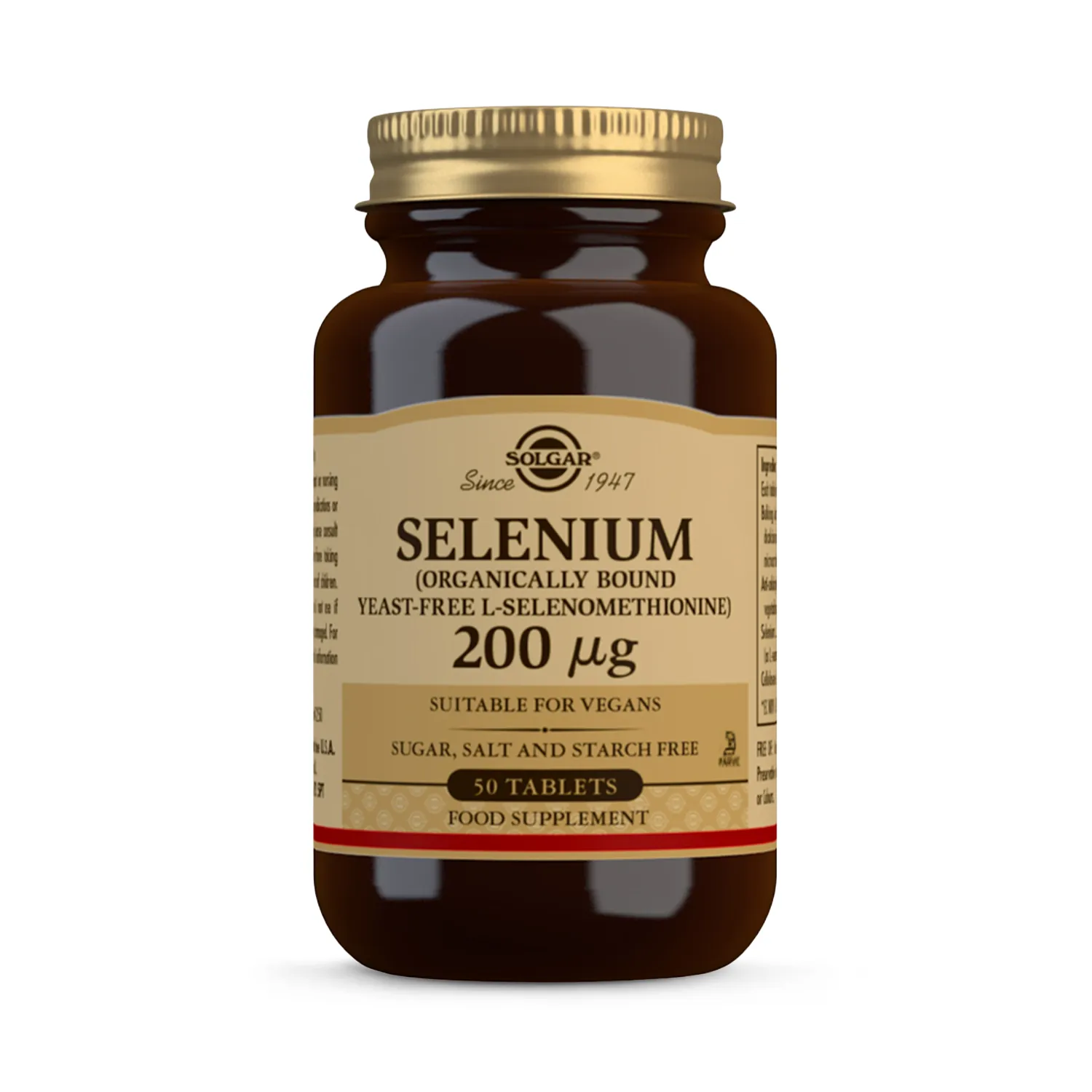
Solgar
Solgar's Selenium (Yeast-Free) 200µg delivers L-selenomethionine — one of the most bioavailable forms of the mineral — and is overwhelmingly well-rece...
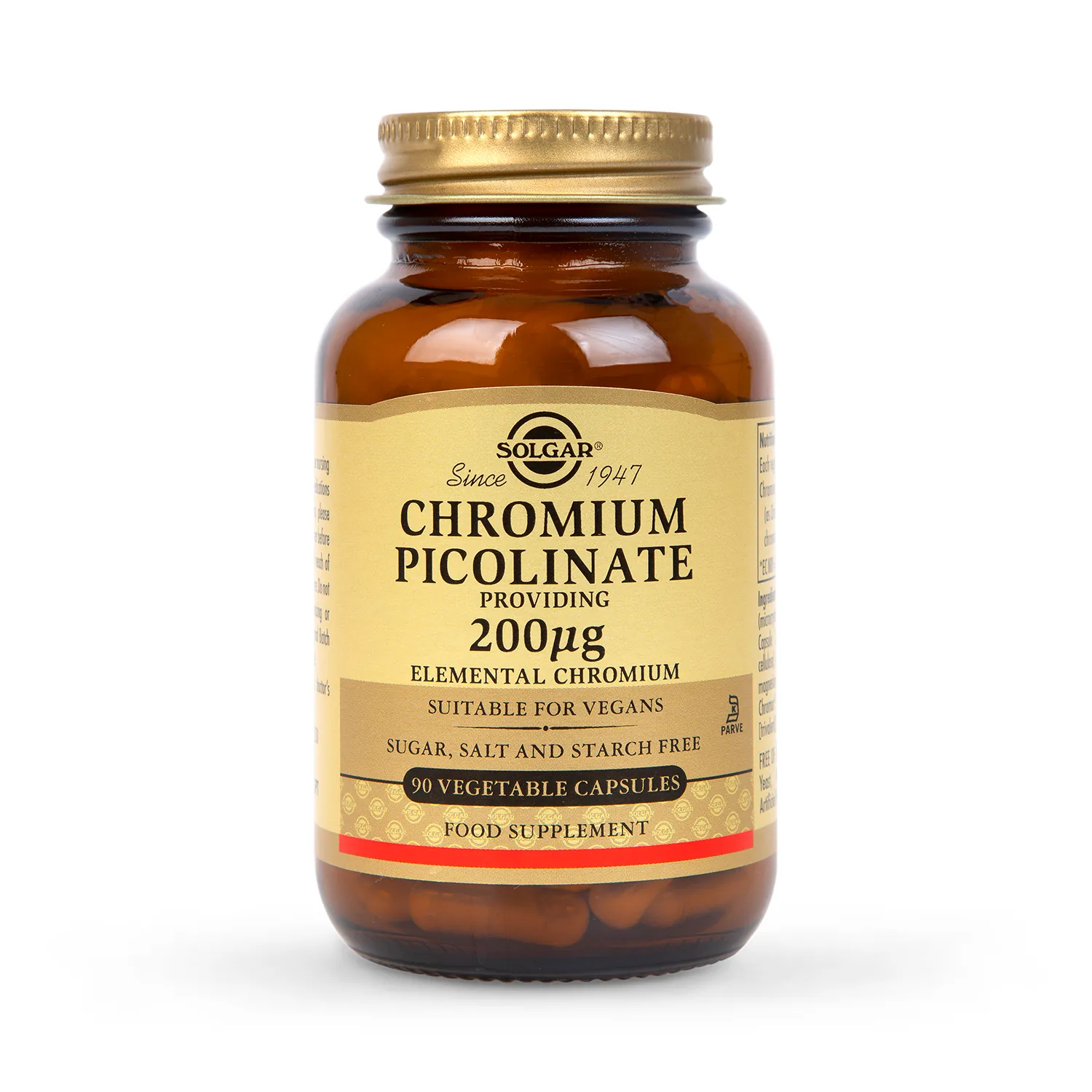
Solgar
Solgar's Chromium Picolinate 200µg uses the patented Chromax® chromium picolinate form, a well-researched chelated source with good bioavailability. A...
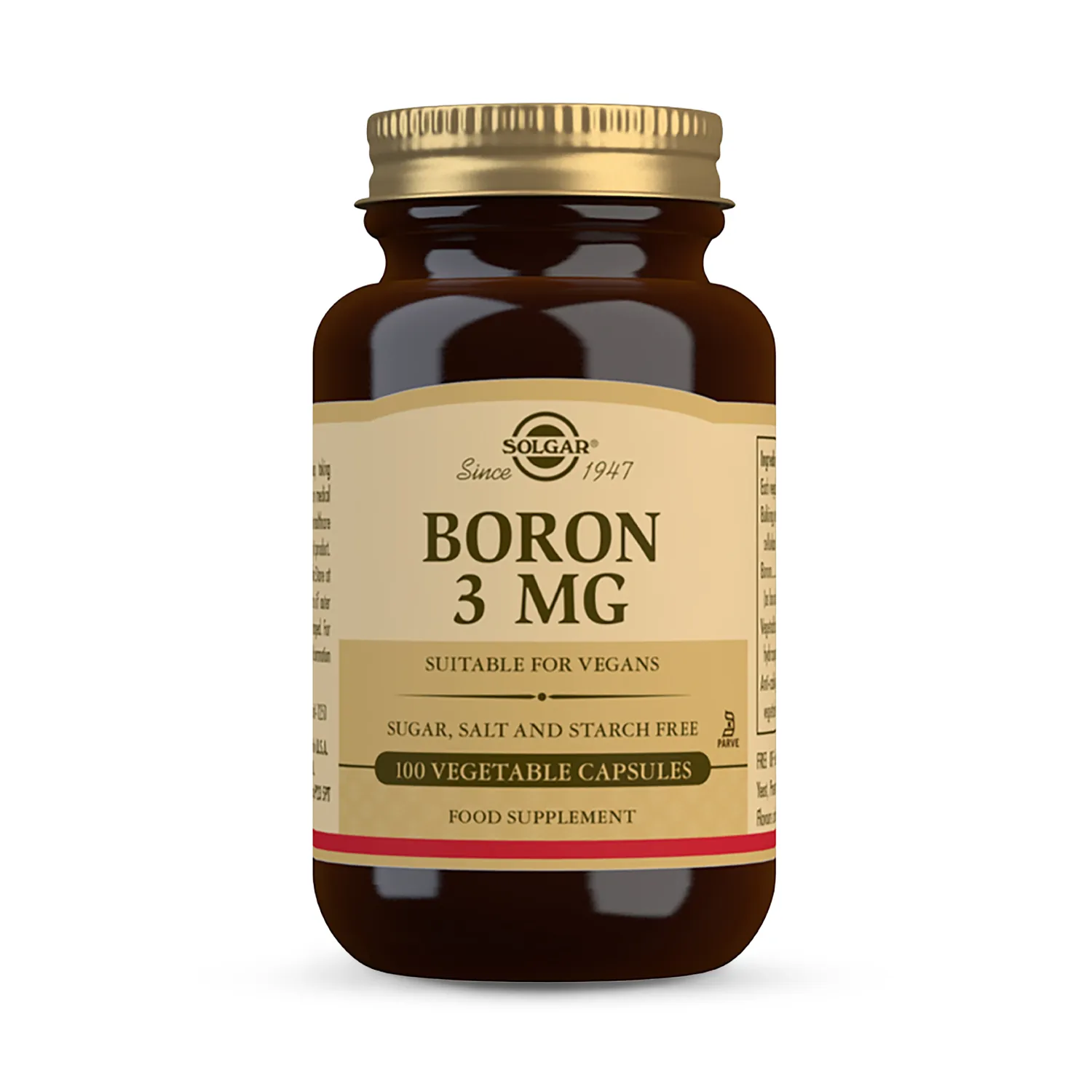
Solgar
Solgar Boron 3mg is a well-regarded mineral supplement from a trusted UK brand, offered in vegan-friendly vegetable capsules at a competitive price po...
What to Look for in Minerals
The single most important factor when choosing a mineral supplement is the form of the mineral itself. Looking at the iron supplements in our analysis, the top performers — including Thorne Iron Bisglycinate 25mg (84/100) and Solgar Gentle Iron 20mg (82/100) — all use iron bisglycinate rather than cheaper ferrous sulfate. Bisglycinate is a chelated form, meaning the mineral is bound to an amino acid, which significantly improves absorption and dramatically reduces the gut irritation that puts so many people off iron supplements. If a product doesn't state its form clearly on the label, that's a red flag.
Dosage matters, but bigger isn't always better. The 25mg in Thorne's bisglycinate and the 20mg in Solgar's version are both effective because chelated iron is better absorbed than the 65mg+ you often see in cheaper ferrous sulfate tablets. When the form is right, you need less of it. Look for products that specify elemental iron content — some manufacturers quote the total salt weight, which looks impressive but tells you very little about how much iron you're actually absorbing.
Third-party testing is another dividing line. Of the 14 products we analysed, only one carried independent third-party certification. This is strikingly low. Third-party testing — particularly NSF Certified for Sport or Informed Sport — confirms that what's on the label is actually in the capsule, and that there are no contaminants. For athletes subject to doping controls, or anyone who wants genuine assurance, this certification is worth seeking out specifically. Thorne's products are NSF Certified for Sport, which partly explains their high scores.
Clean formulations also separate the better products from the rest. The top-rated supplements in this analysis avoid unnecessary binders, fillers, and allergens. If you're vegan, check that the capsule shell is plant-based (hypromellose, not gelatin). The best products state this clearly.
Common Mistakes When Buying Minerals
Our analysis of 14 mineral supplements shows a price range of £6.99 to £22.99, with an average of £16.12. The most common mistake is treating price as a proxy for quality. The cheapest products often use the cheapest forms — ferrous sulfate, ferrous fumarate, or oxide — which are harder to absorb and far more likely to cause constipation and nausea. Paying £6.99 for a mineral supplement that you can't tolerate is worse value than paying £16.99 for one that actually works.
The second mistake is ignoring Amazon ratings. Star ratings don't distinguish between tolerability and effectiveness. A ferrous sulfate tablet might have thousands of four-star reviews from people who simply haven't noticed side effects — or who stopped taking it without leaving a review. Our scoring system weights ingredient quality heavily, which is why the score range in this category (50 to 84 out of 100) is wider than the price range suggests. There are genuinely poor-quality products in this space, and price alone won't tell you which ones to avoid.
A third mistake specific to iron is taking it with calcium-rich foods or drinks. Calcium directly competes with iron for absorption. Many people take their supplement with a glass of milk and then wonder why their levels don't improve. Similarly, taking iron alongside tea or coffee reduces absorption markedly. This is basic but frequently overlooked.
Finally, many buyers purchase a general multivitamin when they actually need a targeted iron supplement. If you have confirmed low ferritin or iron-deficiency anaemia, a multivitamin containing 5–14mg of iron is unlikely to make a meaningful difference. You need a dedicated product at an appropriate therapeutic dose.
Types and Forms Explained
The products we analysed come in capsules and tablets, and that distinction matters more than it might seem. Capsules — which account for the majority of the top-rated products in this set — tend to dissolve more predictably and allow manufacturers to avoid the binders and compression agents needed to hold a tablet together. For people with sensitive digestion, this can make a noticeable difference. Capsules are also easier to open and mix with food or a smoothie if swallowing is difficult.
Tablets are generally cheaper to produce, which is reflected in lower price points. They're not inherently inferior, but the trade-off is that the formulation often includes more excipients — the inactive ingredients used to bind the tablet. If you're sensitive to specific fillers or following a strict diet, check the inactive ingredients list, not just the active ones.
Active Iron uses a specific protein matrix technology — their capsules and tablets are formulated to release iron in the small intestine rather than the stomach, which is where most of the irritation from conventional iron supplements occurs. Their 30-capsule standard product and Women's 60-capsule version both scored 80/100, reflecting a genuinely differentiated approach to delivery. The pregnancy formulation (30 tablets plus 30 capsules) uses a combination format designed to separate nutrients that compete for absorption.
For most people starting with iron supplementation, a standard vegetable capsule containing iron bisglycinate is the most straightforward place to begin. If you've had problems with constipation or nausea on previous iron supplements, a protein matrix product like Active Iron is worth the slightly higher cost.
What to Expect to Pay
Across the 14 products we analysed, prices run from £6.99 at the bottom to £22.99 at the top, with the average sitting at £16.12. At the lower end of the range, you're almost certainly getting ferrous sulfate or another poorly absorbed form. These products may technically deliver iron, but the likelihood of side effects and poor absorption makes them a poor investment for anyone with a diagnosed deficiency.
In the £14–£18 range, you start to find properly formulated products using chelated iron. This is where the best value sits. Thorne Iron Bisglycinate 25mg at £16.99 is the highest-rated product in our analysis at 84/100 — it's third-party certified, allergen-free, and well-dosed. Solgar Gentle Iron 20mg at £18.84 scored 82/100 and offers a larger capsule count per pack, which brings the cost per serving down.
Active Iron for Women at £19.95 is the top value-for-money pick in this analysis, scoring 80/100 with a value-for-money sub-score of 80/100. The 60-capsule count means a two-month supply for a price that compares favourably to many shorter-run premium products. The Active Iron pregnancy formulation at £22.99 is the most expensive in this set, but it's a specialist product combining two supplement types in a single pack, which justifies the premium for a specific use case.
As a general guide: spend at least £14–£15 to get a chelated iron form in a clean capsule. Below that price point, read the ingredients carefully — you're likely to find ferrous sulfate, which works, but comes with trade-offs most people would prefer to avoid.
How We Rank Minerals
We analyse user reviews from Amazon UK and other public sources, cross-references ingredient labels and dosage information, checks for third-party testing certifications, and evaluates value for money. Each product is scored 0–100 across evidence-based categories: effectiveness, ingredient quality, value for money, side effects profile, certifications, and an overall weighted score.
Rankings are updated regularly as new reviews and pricing data become available. Products must pass our quality gate (minimum review count and data coverage) to appear on this page.
Frequently Asked Questions
What is the best minerals in 2026? ▼
How are minerals ranked on AIScored? ▼
Is Selenium (Yeast-Free) 200µg 50 Tablets worth the price? ▼
Disclaimer: AIScored provides data-driven rankings based on publicly available reviews and product information. This is not medical advice. Always consult a healthcare professional before starting any supplement. Affiliate links may earn us a commission at no extra cost to you.