We Tested 20 Plant Protein in the UK — See Which One Is Best
We analysed 20 plant protein products, scoring each on effectiveness, ingredient quality, value for money, side effects, and certifications. Here are the top-rated picks for 2026, ranked by overall score.
Last updated: 04 April 2026 · Reviewed by Bart, Health & Tech Enthusiast
Quick Picks

Boho
Boho's Unflavoured Organic Vegan Protein Powder is a multi-source plant blend combining pea, pumpkin, sunflower, flax, and chia proteins, certified or...
Sunwarrior
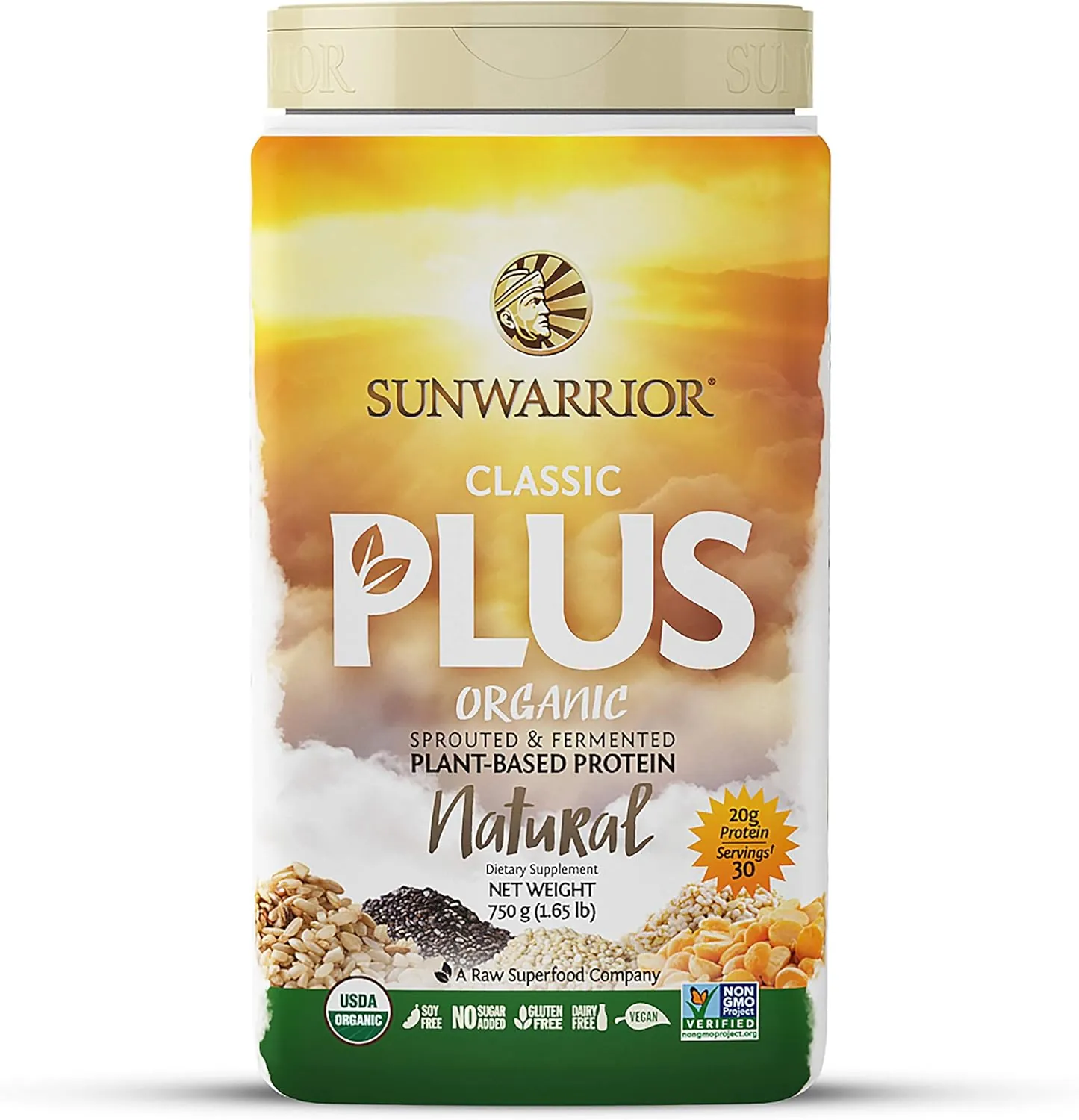
Sunwarrior Classic Plus Organic Plant Protein is a multi-source vegan protein blend combining pea, hemp, goji berry, and quinoa proteins, certified US...

Form
Form Performance Protein is a premium UK plant-based protein powder delivering 30g protein per two-scoop serving from an organic blend of pea, brown r...
Garden of Life
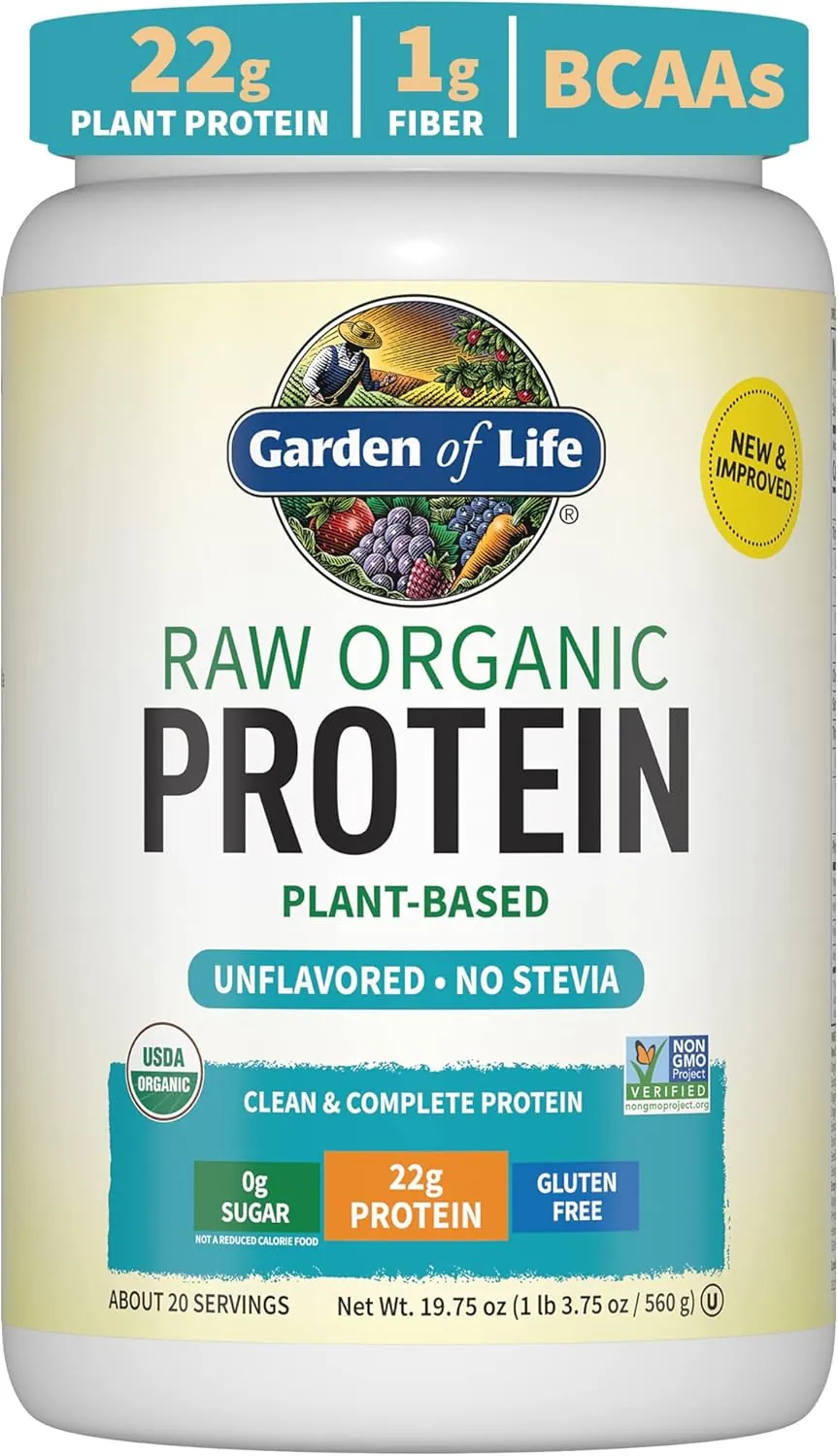
Garden of Life Raw Organic Protein Unflavoured is a premium plant-based protein made from 13 organic sprouted grains, seeds, and legumes, widely prais...
Vivo Life
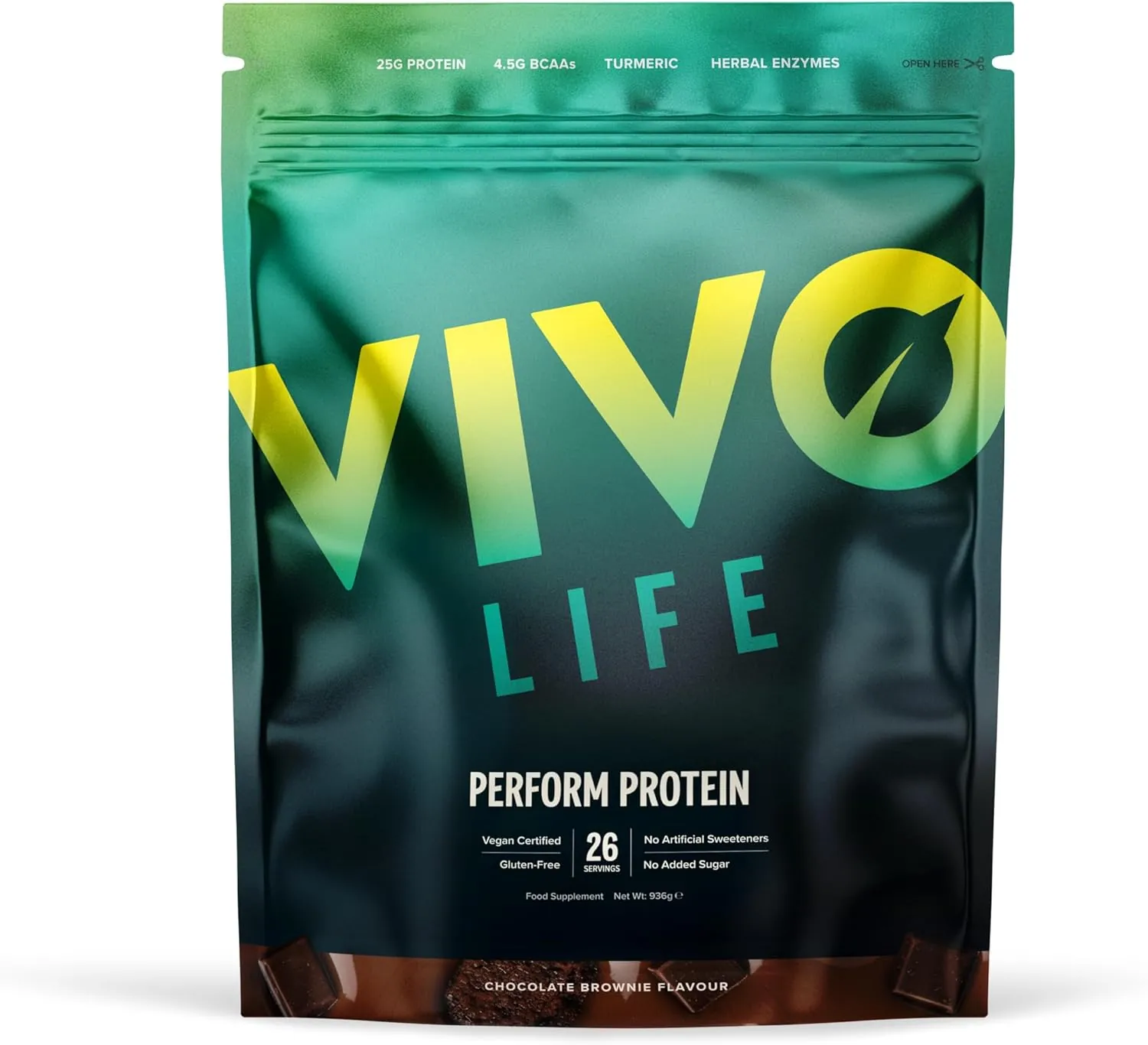
Vivo Life Perform is a premium UK-made plant protein combining pea protein isolate and organic brown rice protein for a complete amino acid profile, w...

BodyMe
BodyMe Organic Vegan Protein Powder Blend is a clean, unflavoured plant protein combining organic pea, sprouted brown rice, and hemp seed proteins to ...
EarthChamp
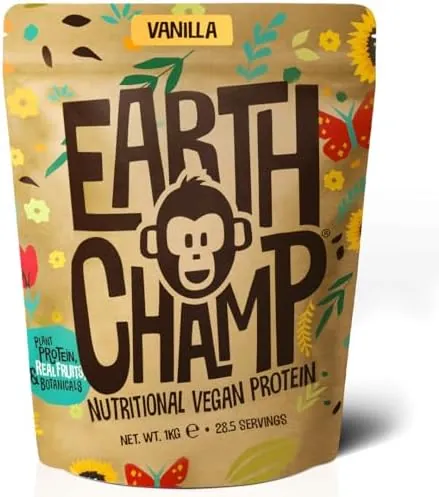
EarthChamp by Wyldsson is a clean-label plant-based protein powder made in Ireland, delivering 20g protein per 35g serving from an organic plant blend...
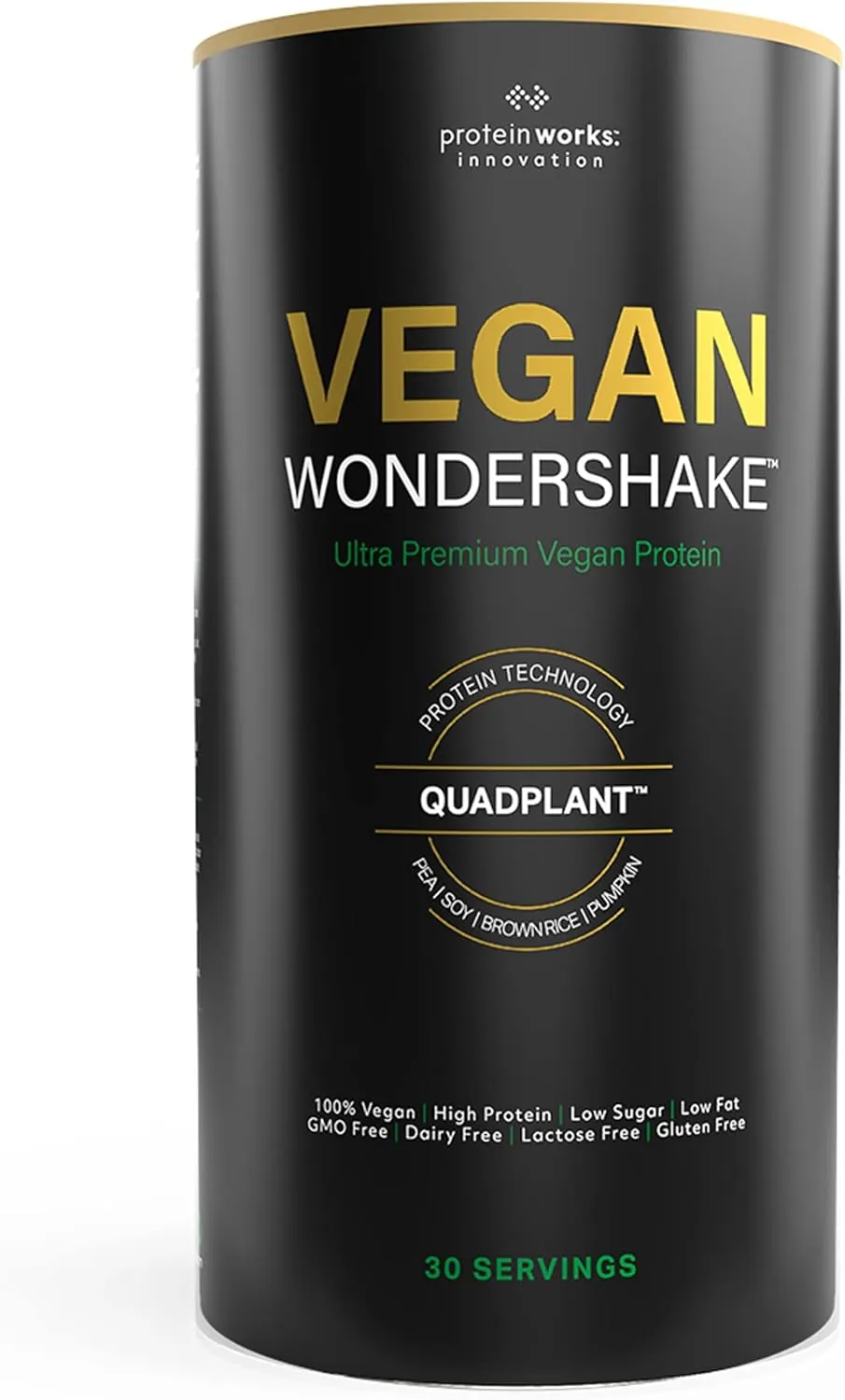
The Protein Works
The Protein Works Vegan Wondershake is a multi-source plant protein (pea, faba bean, pumpkin seed) delivering 21g protein per 30g serving, developed b...

EXALT
EXALT Nutrition's Vegan Protein Powder in Ghanaian Cacao is a pea and brown rice dual-release blend providing 20g of complete protein per serving, swe...
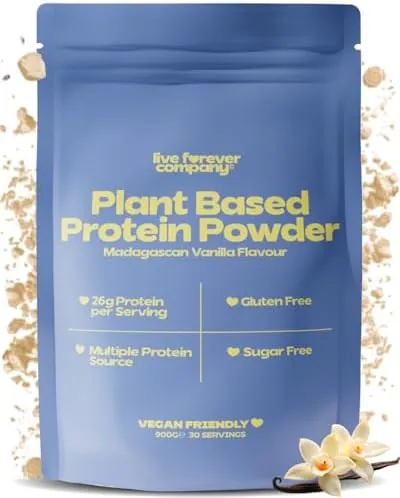
Live Forever Company
Live Forever Company's Vegan Protein Powder delivers an impressive 26g protein at just 110kcal per serving using a pea, rice, and soy protein isolate ...

PhD
PhD Nutrition Diet Plant is a vegan-positioned, low-calorie plant protein powder (under 100 kcal/serving) enriched with CLA and L-Carnitine, aimed at ...

Optimum Nutrition
Optimum Nutrition's Gold Standard 100% Plant Based Protein delivers 24g of protein per serving with a complete amino acid profile, Vegan Society appro...

Bulk
Bulk's Vegan Protein Powder is a multi-source plant blend (soya, pea, pumpkin seed, quinoa flour, flaxseed) delivering 24g protein per serving with th...

Applied Nutrition
Applied Nutrition's Critical Plant Protein is a triple-blend powder combining pea protein isolate, soya protein, and brown rice protein, delivering 24...
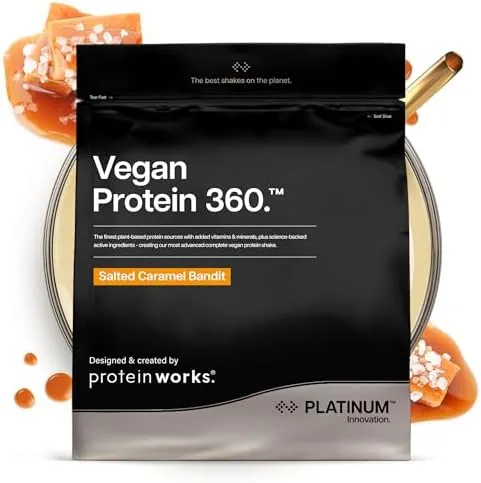
THE PROTEIN WORKS
Twenty-nine grams of protein from soy, pea, pumpkin seed, and brown rice gives this a better amino acid spread than single-source plant powders. The 3...

Reflex
Reflex Nutrition Plant Based Protein is a three-source vegan blend (pea, brown rice, pumpkin seed) delivering 21g of complete protein per serving, enh...
![PhD Nutrition Diet Plant, Vegan Protein Powder Plant Based, Salted Caramel, 20g of Plant Protein, 40 Servings Per 1 Kg Bag [Packaging May Vary]](/static/images/products/phd-phd-nutrition-diet-plant-vegan-protein-powder-plant-based-salted-caramel.webp)
PhD
PhD Nutrition Diet Plant is a low-calorie, low-sugar vegan protein powder delivering 20g of plant-based protein per serving, enriched with CLA and L-C...
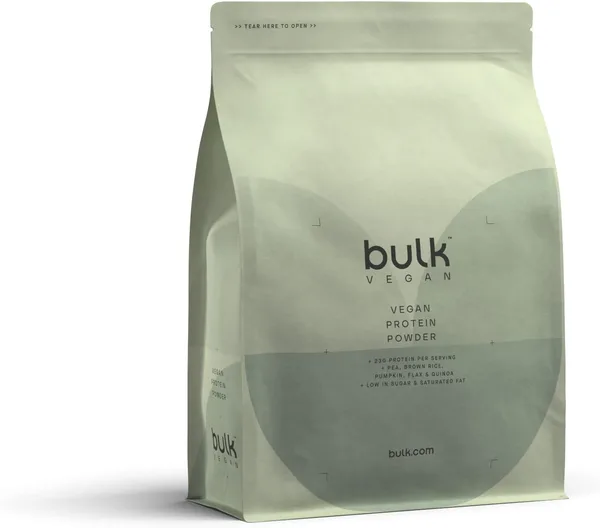
Bulk
Bulk's Vegan Protein Powder is a multi-source plant blend (soya, pea, pumpkin seed, quinoa, flaxseed) delivering 23g of protein per 30g serving at a c...
Bulk
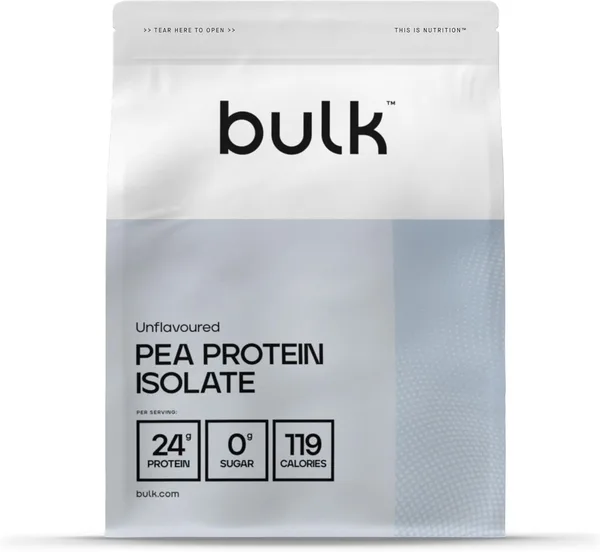
Bulk Pea Protein Isolate is a budget-friendly plant-based protein delivering 24g per 30g serving from European yellow split peas, free from dairy, soy...

SCI-MX
SCI-MX Ultra Plant Chocolate Hazelnut is a vegan protein blend combining hydrolysed pea protein, pea protein isolate, and rice protein to deliver 34g ...
What to Look for in Plant Protein
The most important thing to check with any plant protein is the amino acid profile. Unlike whey, most single-source plant proteins are incomplete — they lack sufficient amounts of one or more essential amino acids. Pea protein, for instance, is low in methionine, while rice protein falls short on lysine. The best products in our analysis solve this by blending sources: pea with brown rice, hemp, or quinoa to create a complete profile. The top-rated product in our analysis, Boho's Unflavoured Organic Vegan Protein Blend, scores 80/100 in part because it combines multiple plant sources rather than relying on a single isolate.
Protein content per serving matters enormously. Aim for at least 20g of actual protein per serving — not just a large serving size padded with fillers. Form's Performance Protein delivers 30g per serving, which puts it among the more generous options at £26.99. Garden of Life's Raw Organic Protein at £36.99 also focuses on raw, sprouted sources, which some research suggests may improve digestibility. Check the label for protein as a percentage of total serving weight: anything above 75% is good, above 80% is excellent.
Third-party testing is a significant differentiator. Out of 20 products we analysed, only 2 carry independent third-party testing certification. This matters because plant proteins can contain heavy metals — cadmium and lead in particular accumulate in some plant sources. Brands like Garden of Life and Sunwarrior have stronger reputations here. If you're using protein powder daily, this isn't a trivial concern.
Digestive enzymes are worth looking for if you've ever experienced bloating from plant protein. Form's Performance Protein includes them alongside BCAAs, which is why it suits people who've had digestive trouble with cheaper plant blends. Sweeteners and additives are another factor: if you're blending into meals or smoothies, unflavoured options give you more flexibility and avoid artificial sweeteners entirely, which some people are sensitive to.
Common Mistakes When Buying Plant Protein
Our analysis of 20 plant protein products shows a score range of 58 to 80 out of 100, with an average of 68. That gap is wider than many buyers assume — not all plant proteins are created equal, and the lowest-scoring products we reviewed are genuinely poor value regardless of price. The first mistake is treating all plant protein as interchangeable.
The second mistake is relying on Amazon star ratings. Many mid-tier plant proteins sell heavily on flavour reviews and brand familiarity rather than nutritional quality. A product can have thousands of positive reviews primarily because it tastes good, even if its protein content per pound is underwhelming or it uses low-quality isolates. Our scoring weights ingredient quality and amino acid completeness — factors most Amazon reviewers don't assess.
Overpaying for flavour development is common. Some brands invest heavily in making their product taste like a chocolate bar, which involves a long list of flavourings, sweeteners, and thickeners. That's fine if flavour is your priority, but you're often paying a premium for the flavour science rather than the protein itself. If you're adding it to cooking, porridge, or smoothies with other ingredients, you're usually better off buying unflavoured.
Buying single-source protein without checking amino acid completeness is probably the most nutritionally significant mistake. Many buyers pick up a straightforward pea protein isolate at a low price without realising they may be consistently short on methionine. Over weeks and months of daily use, this adds up. Blended formulas cost more upfront but address this properly.
Finally, ignoring serving count when comparing prices leads to bad decisions. A £14 bag that lasts 15 servings is more expensive per serving than a £37.99 product with 40 servings. Always calculate cost per serving and cost per gram of actual protein — not just the headline price.
Types and Forms Explained
Virtually all plant protein products in this category come as powder — 19 of the 20 products we analysed are in powder form. This makes practical sense: powder allows flexible dosing, blends easily into liquids and food, and stores well. The distinction that actually matters isn't powder versus something else — it's what type of plant source or blend is inside.
Pea protein concentrate or isolate is the most common base. It's relatively affordable, has a decent amino acid profile, and is neutral enough to flavour. Pea isolate typically has higher protein purity than concentrate, though both work well. On its own, pea protein is short on methionine — which is why blending matters.
Brown rice protein is often paired with pea to cover the amino acid gaps each one has individually. The pea-rice combination is now the standard in quality blended plant proteins, and it's what you'll find underpinning products like Boho and Form's range. Sunwarrior's Classic Plus uses a different approach — combining pea with amaranth, quinoa, and other ancient grains, which gives a broader micronutrient profile alongside the protein.
Hemp protein is another option, though it tends to have lower protein content per serving (often around 50% protein by weight). It does bring omega-3 fatty acids and fibre, which some people value. It's better suited as part of a blend than as a standalone protein source if hitting high daily protein targets is your goal.
Sprouted and raw protein blends, like Garden of Life's Raw Organic range, use sprouted seeds and legumes. The sprouting process is said to improve digestibility and nutrient absorption. The evidence is fairly limited, but this format suits people who've had digestive issues with standard plant proteins.
What to Expect to Pay
Plant protein in the UK currently runs from £14.00 to £37.99 in our analysis, with an average price of £25.29. Where you land in that range should depend on what you're actually getting, not just brand recognition.
At the lower end — around £14 to £18 — you're generally looking at single-source products, often pea protein alone, with simpler formulations and less attention to amino acid completeness or third-party testing. These can be fine for occasional use or if budget is the overriding concern, but the quality gap is real.
The mid-range of £22 to £29 is where value starts to improve meaningfully. Form's Performance Protein at £26.99 and Boho's Organic Blend at £27.99 both sit here, and they represent the strongest overall value in our analysis. Boho scores 80/100 with a value-for-money rating of 80/100 — the highest both of any product we reviewed — making it the clearest recommendation if you want quality without overpaying. It's organic, unflavoured, multi-source, and delivers 57 servings per kilogram bag.
At the upper end — £35 to £38 — you're paying for organic certification, proprietary blends, or brand positioning. Sunwarrior Classic Plus at £37.99 and Garden of Life at £36.99 are both well-regarded, and Sunwarrior scores 78/100. If you specifically want a well-known brand, broad-spectrum plant blend, or certified raw and organic credentials, the higher price is justifiable. But the honest answer is that the extra spend doesn't automatically mean better results for most people — the mid-range options are competitive on the things that matter most.
How We Rank Plant Protein
We analyse user reviews from Amazon UK and other public sources, cross-references ingredient labels and dosage information, checks for third-party testing certifications, and evaluates value for money. Each product is scored 0–100 across evidence-based categories: effectiveness, ingredient quality, value for money, side effects profile, certifications, and an overall weighted score.
Rankings are updated regularly as new reviews and pricing data become available. Products must pass our quality gate (minimum review count and data coverage) to appear on this page.
Frequently Asked Questions
What is the best plant protein in 2026? ▼
How are plant protein ranked on AIScored? ▼
Is Boho Unflavoured Organic Vegan Protein Powder Blend (1kg - 57 Servings) Plain & Unsweetened, Organic Plant Based Protein, Dairy Free, Gluten Free, Lactose Free, Pea, Plant Protein Powder worth the price? ▼
Disclaimer: AIScored provides data-driven rankings based on publicly available reviews and product information. This is not medical advice. Always consult a healthcare professional before starting any supplement. Affiliate links may earn us a commission at no extra cost to you.