We Tested 13 Protein Powders in the UK — See Which One Is Best
We analysed 13 protein powders products, scoring each on effectiveness, ingredient quality, value for money, side effects, and certifications. Here are the top-rated picks for 2026, ranked by overall score.
Last updated: 04 April 2026 · Reviewed by Bart, Health & Tech Enthusiast
Quick Picks
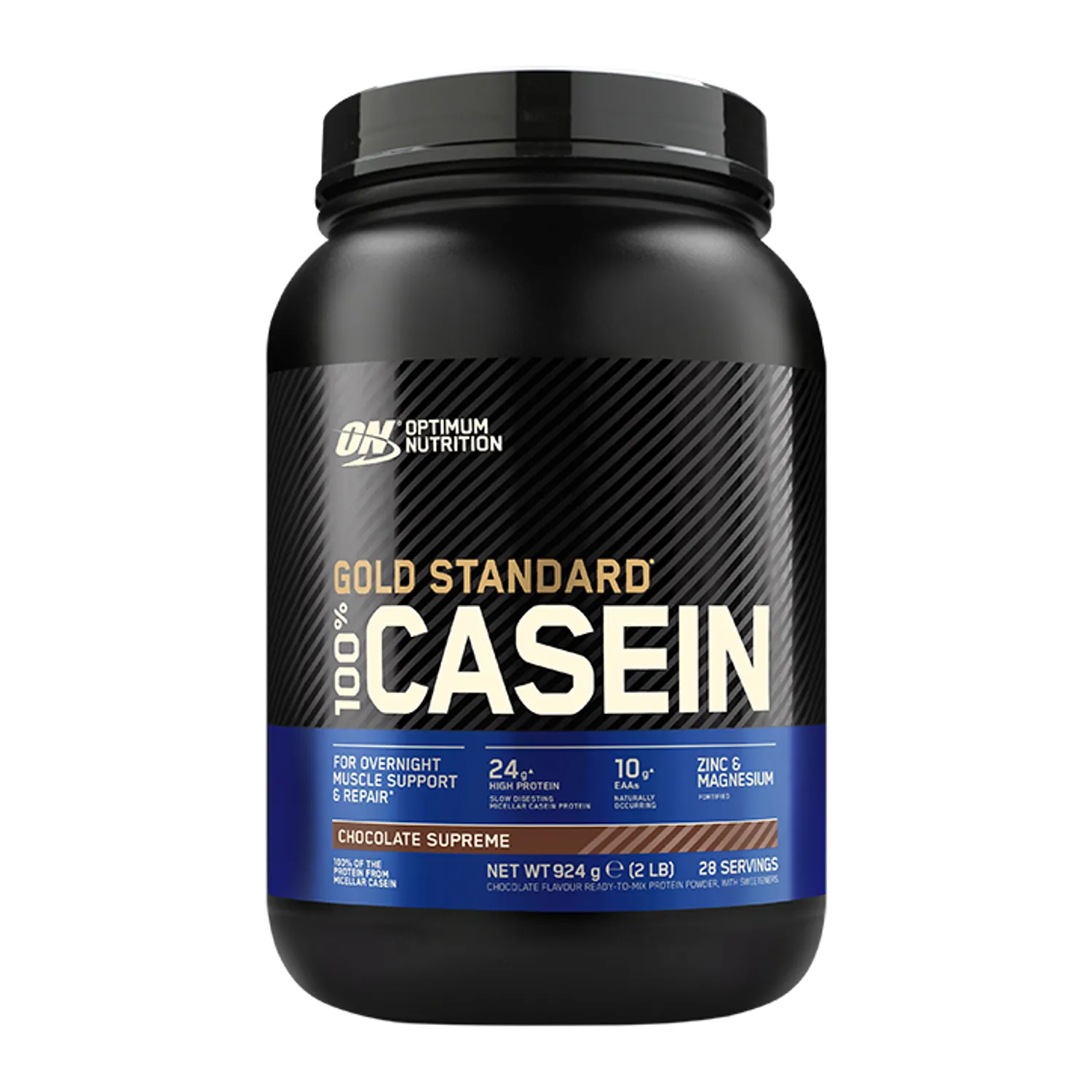
Optimum Nutrition
Optimum Nutrition's Gold Standard 100% Casein Powder delivers 24g of micellar casein per serving with minimal fat and sugar, designed for slow protein...
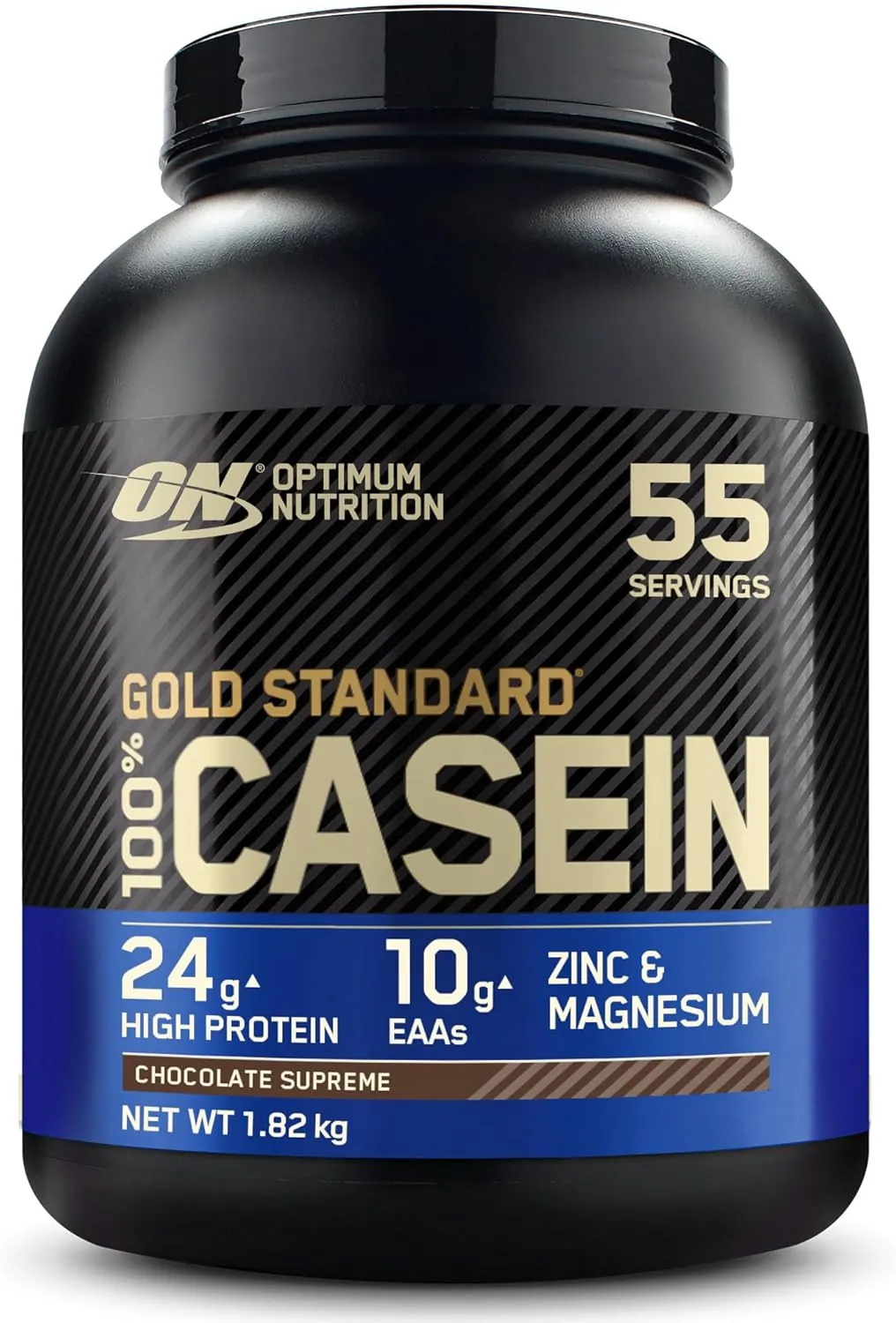
Optimum Nutrition
Optimum Nutrition Gold Standard 100% Casein is a benchmark slow-digesting protein powder built around micellar casein, widely used as a pre-sleep supp...
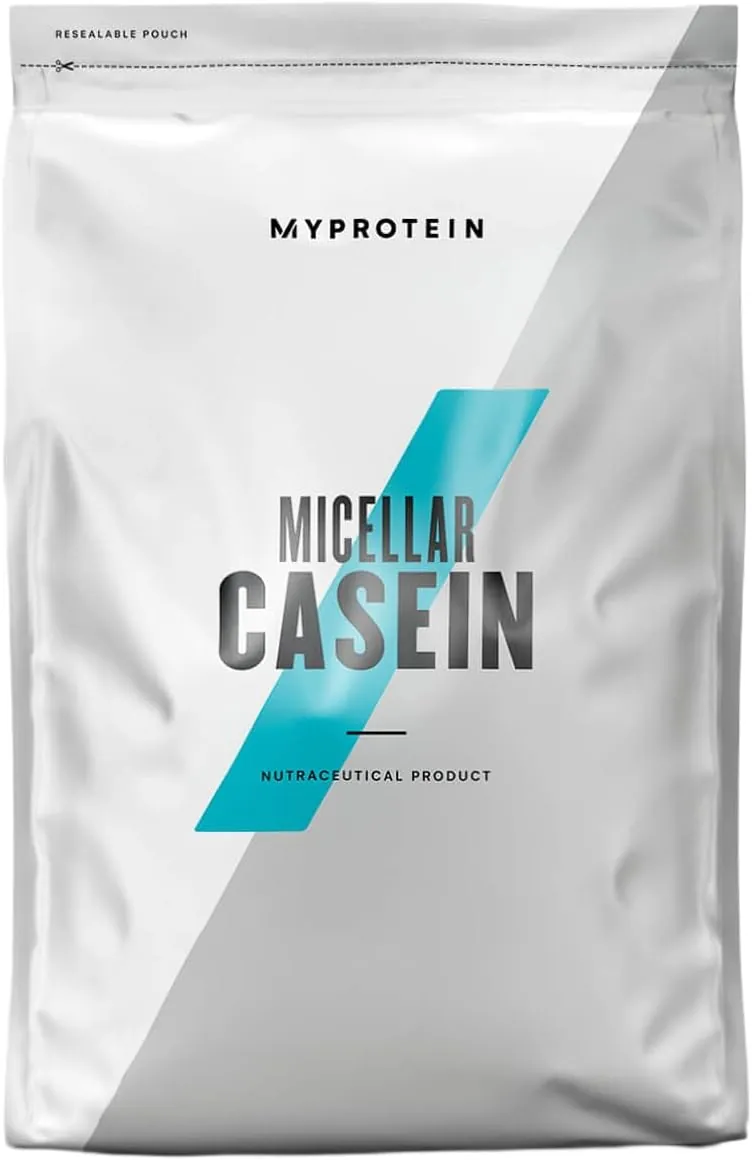
Myprotein
Myprotein Slow-Release Casein 2.5kg uses micellar casein — the gold standard slow-digesting protein form — delivering 23g protein per 30g serving acro...
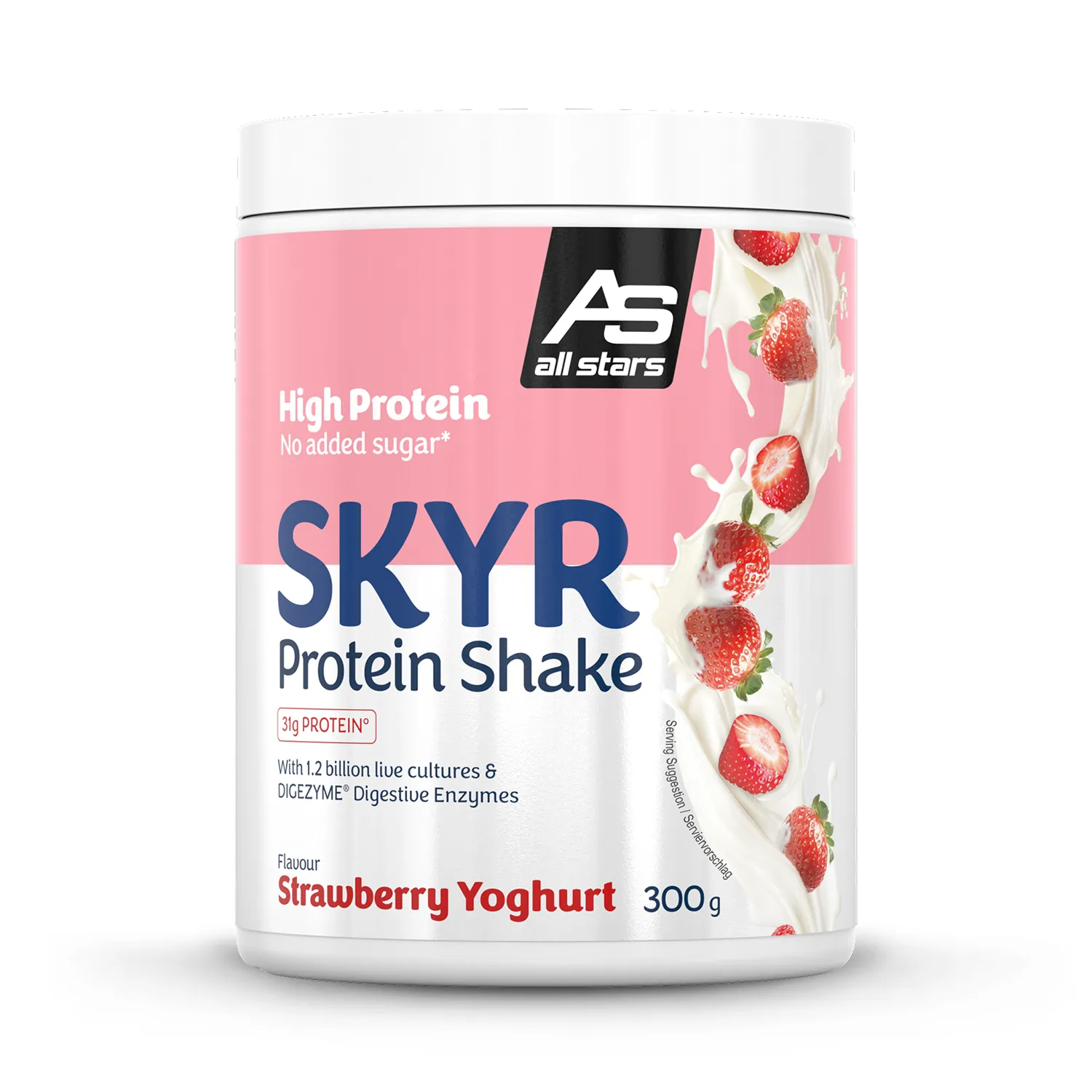
All Stars
Skyr Protein Shake Strawberry Yoghurt by All Stars is a cultured Icelandic dairy-based protein product with reviewers consistently praising its taste ...
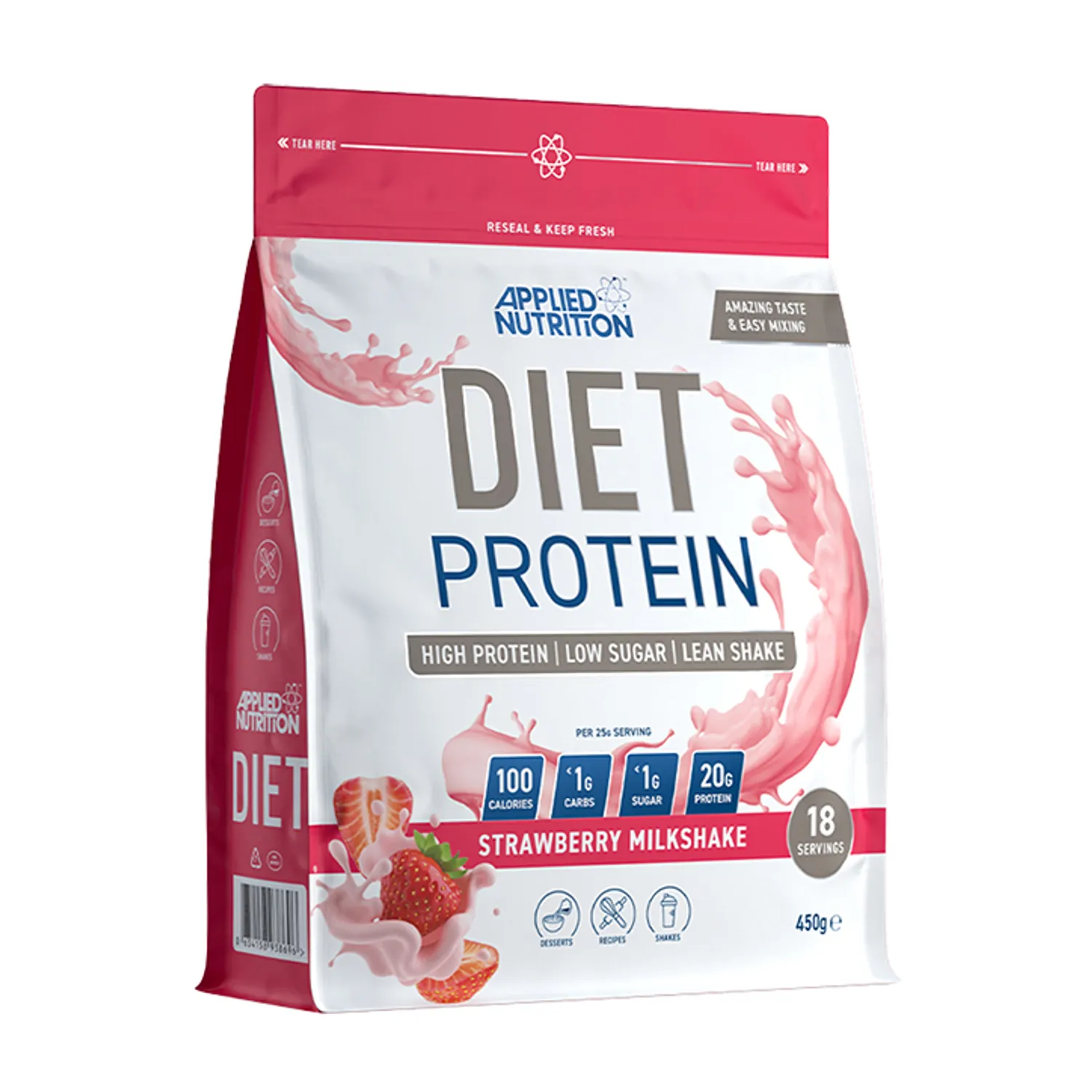
Applied Nutrition
Applied Nutrition Diet Protein Strawberry Milkshake receives unanimous 5/5 ratings from 4 reviewers who praise its taste, mixability, and muscle recov...
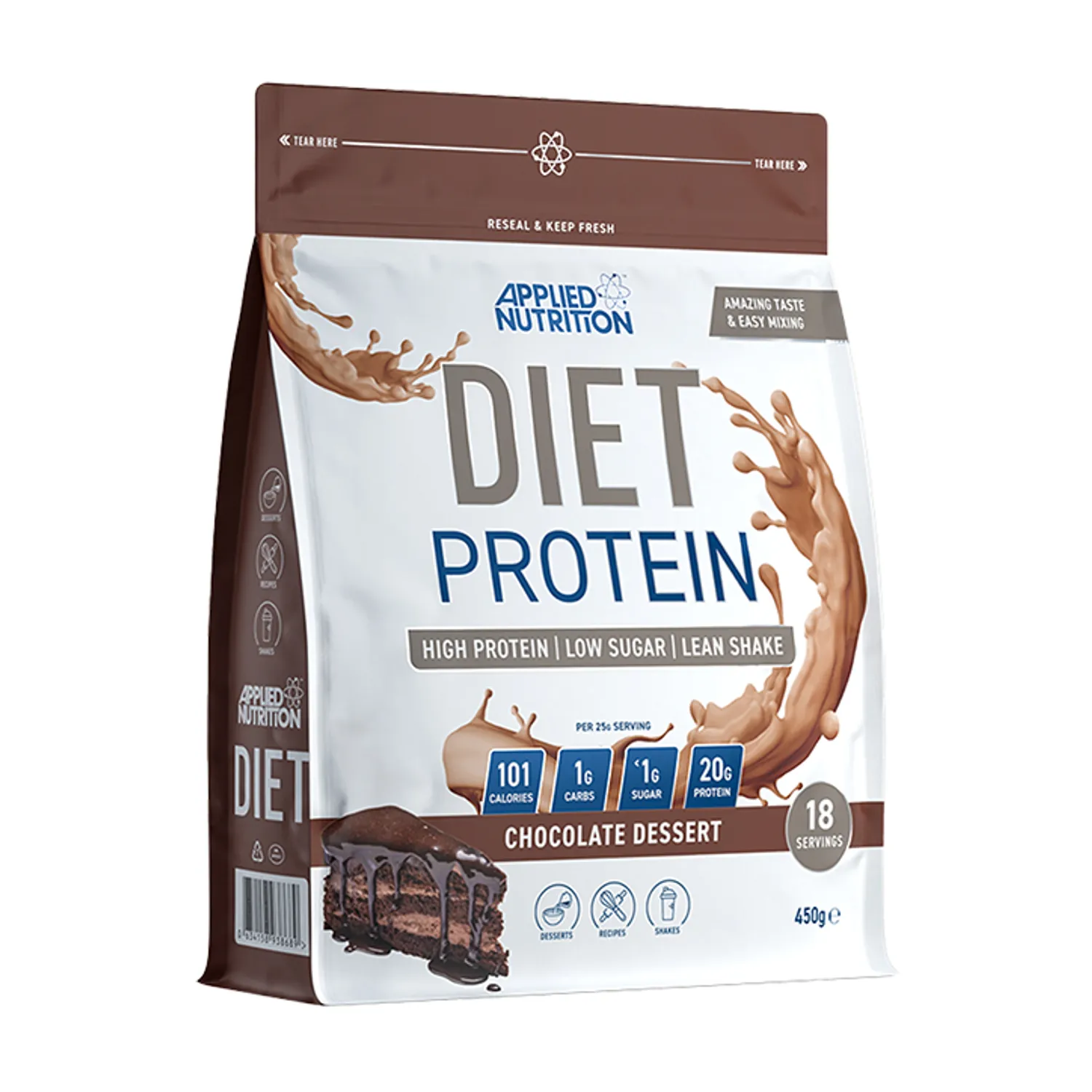
Applied Nutrition
Applied Nutrition Diet Whey Protein Chocolate Dessert is a 20g-per-serving whey protein powder formulated with weight management ingredients (CLA, L-C...
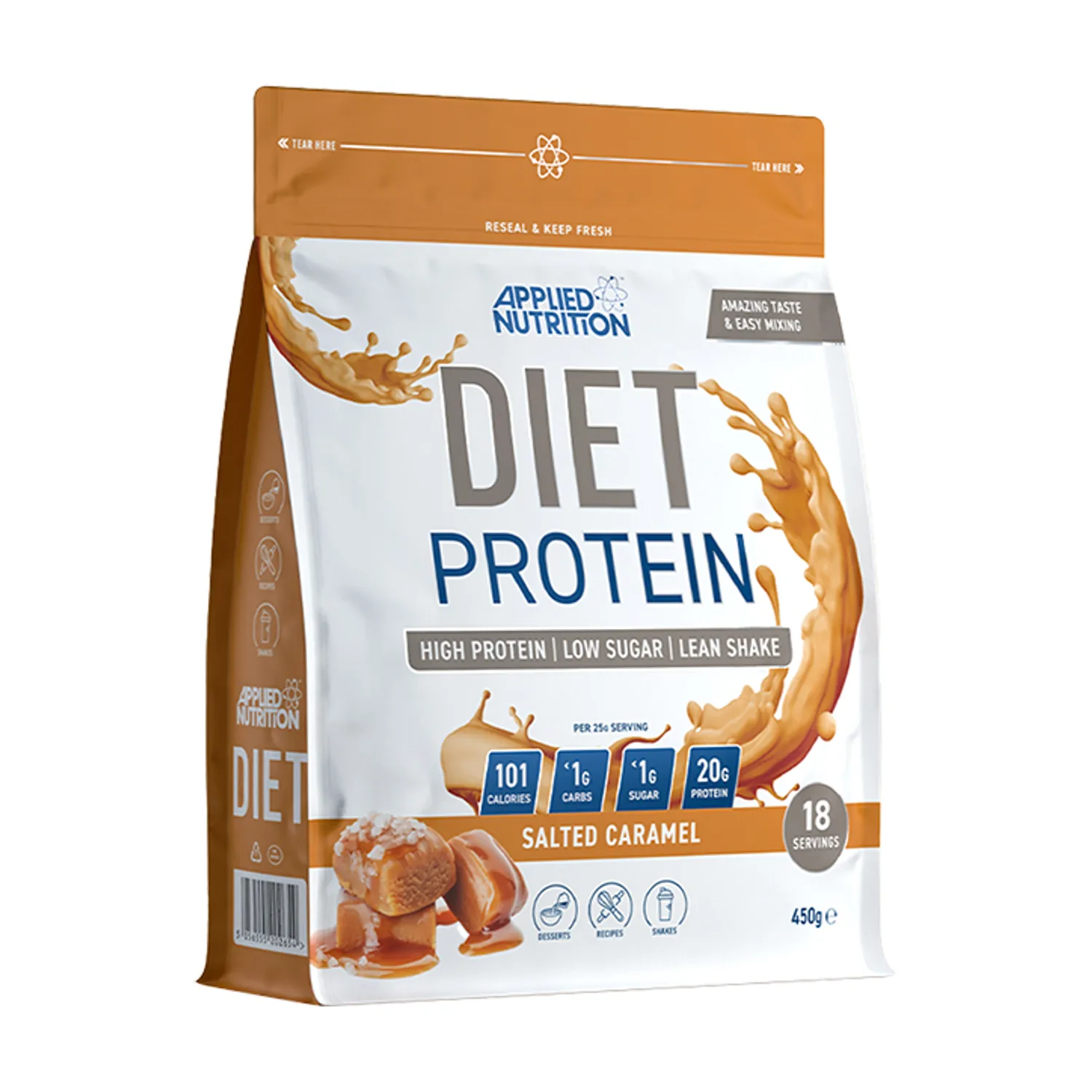
Applied Nutrition
Applied Nutrition Diet Protein is a 20g-per-serving whey-based protein powder with added weight-management ingredients (CLA, L-Carnitine, Green Tea). ...
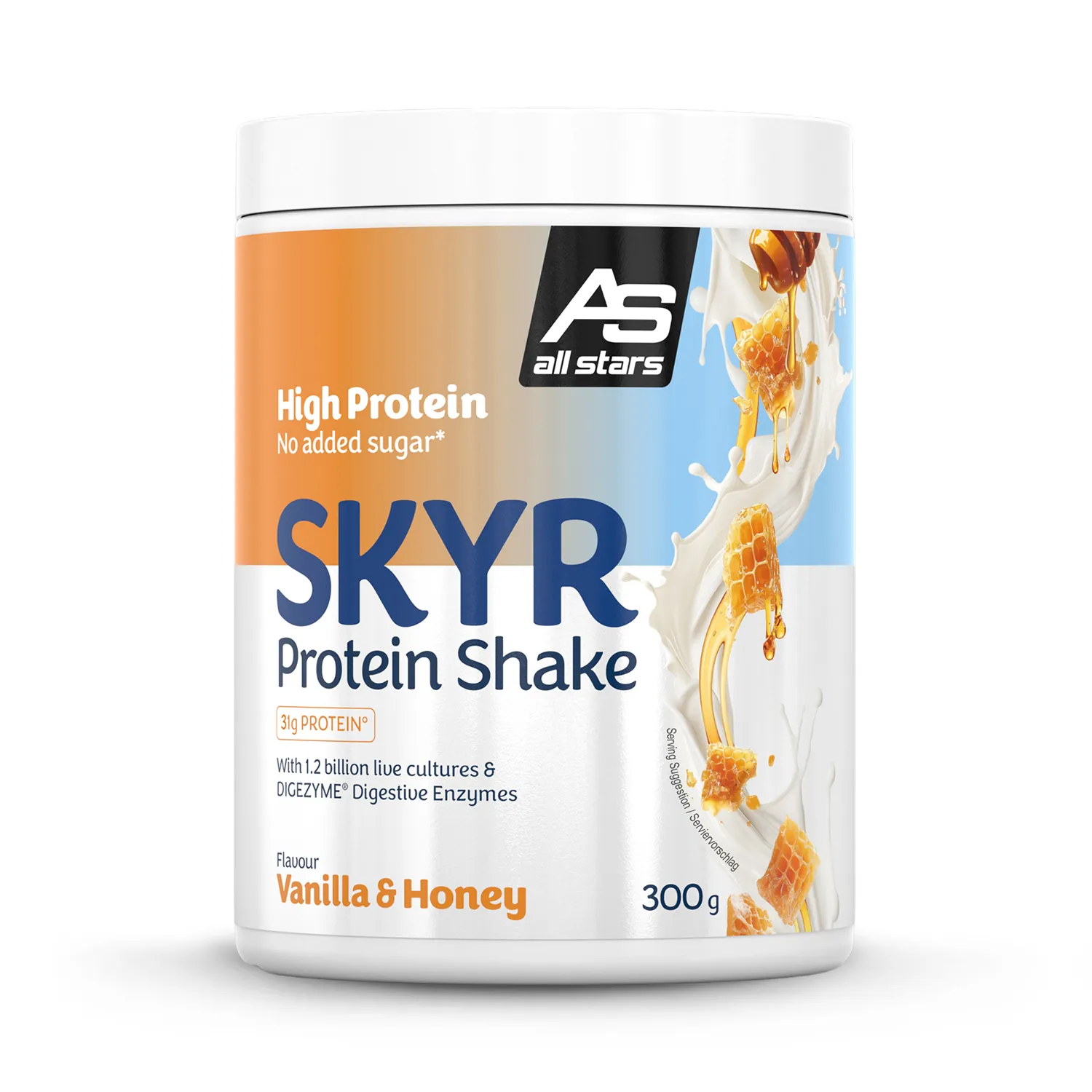
All Stars
All Stars Skyr Protein Shake is an Icelandic cultured dairy protein product positioned as a nutrient-dense, high-protein alternative to traditional wh...

Huel
Huel's powder packs 400 kcal per two-scoop serving around pea protein, oat flour, and flaxseed, with 27 vitamins and minerals added — making it one of...
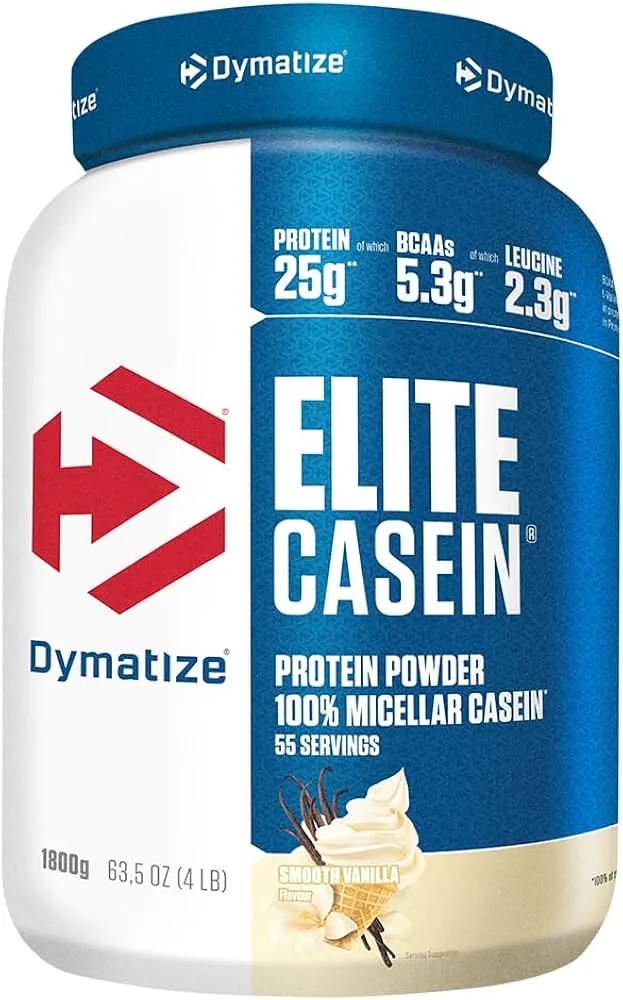
Dymatize
Dymatize Elite Casein is a micellar casein protein powder designed for slow-release protein delivery over 4–8 hours, making it particularly well-suite...
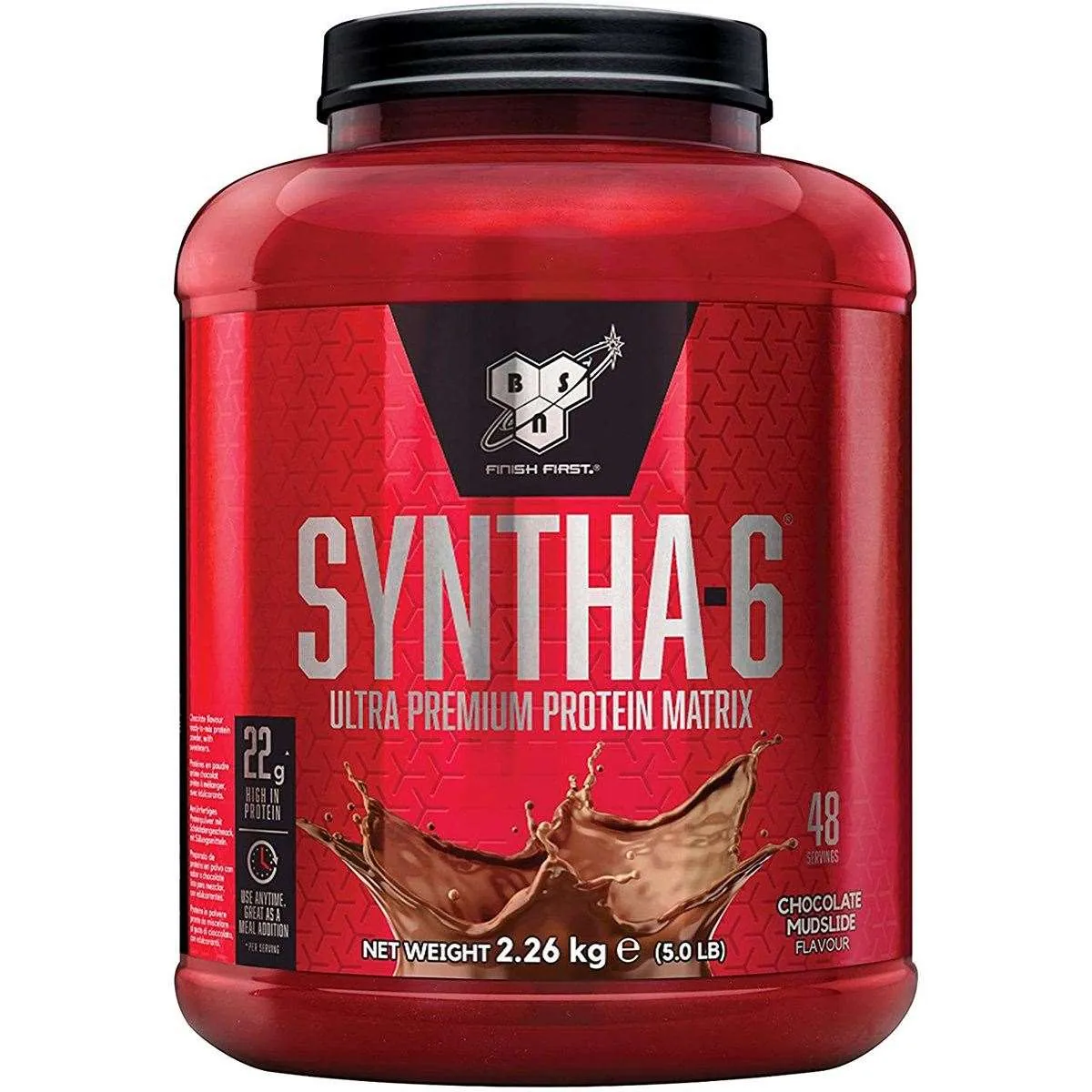
BSN
BSN Syntha-6 Chocolate 2.27kg is a popular multi-source protein blend combining whey concentrate, whey isolate, whey hydrolysate, casein, milk protein...
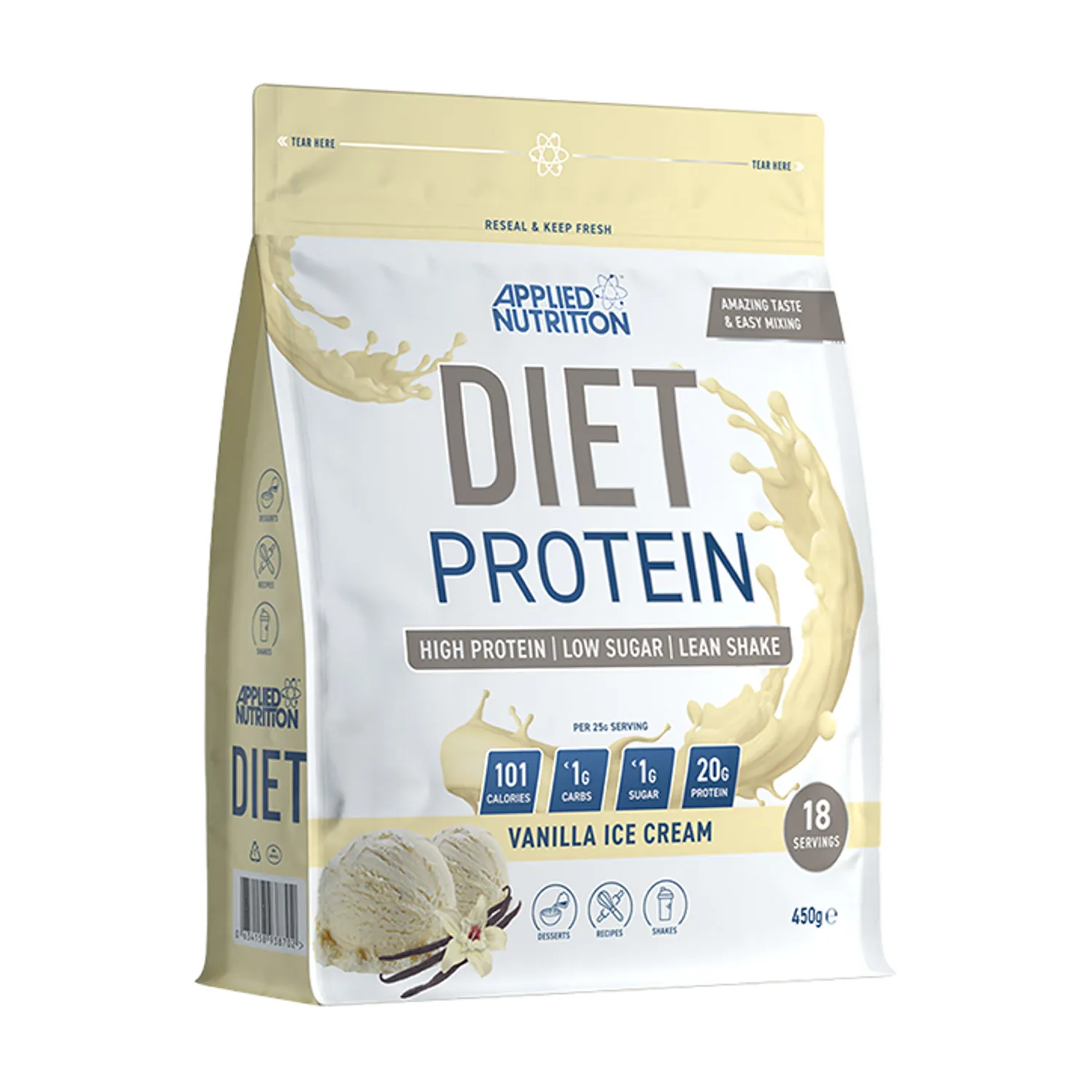
Applied Nutrition
Applied Nutrition's Diet Protein Vanilla Ice Cream is a low-calorie whey blend delivering 20g protein and 4g+ BCAAs per 25g serving, augmented with CL...

Huel
Huel Black Edition delivers 40g of pea and rice protein per serving alongside 27 vitamins and minerals — an unusually complete nutritional profile for...
What to Look for in Protein Powders
Protein quality is the starting point. The products in our analysis are predominantly casein-based, which means you're looking at a slow-digesting protein derived from milk. Unlike whey, which spikes amino acids quickly, casein forms a gel in the stomach and releases protein gradually over four to seven hours. This makes it particularly useful before bed, when your body does most of its muscle repair. If you're buying casein specifically, look for micellar casein as the primary listed ingredient rather than calcium caseinate, which is cheaper to produce but digests faster and offers less of the sustained-release benefit.
Protein content per serving matters more than the headline scoop size. A good casein powder should deliver at least 24g of protein per 33–36g serving, with minimal fillers padding out the scoop weight. Check the leucine content too if it's listed — leucine is the branched-chain amino acid most responsible for triggering muscle protein synthesis, and casein naturally contains less of it than whey, so some manufacturers add extra leucine or blend in BCAAs.
In our analysis, the top scorer — Gold Standard 100% Casein at 80/100 — earned its position through a clean ingredient profile, reliable protein yield per serving, and a well-established manufacturing process from Optimum Nutrition. The bottom-scoring products (60/100) typically had lower protein density per pound of product or relied on less premium ingredient sourcing. The gap between the best and worst here isn't enormous, but it's consistent across ingredient quality and value metrics.
Third-party testing is another factor worth paying attention to. Only 1 of the 12 products in our analysis carried third-party certification. This matters because protein powder is a supplement category that has historically seen issues with label accuracy — some products have tested lower in actual protein content than their labels claim. For competitive athletes who are subject to anti-doping rules, a certified product isn't optional; it's essential.
Common Mistakes When Buying Protein Powders
The biggest mistake is treating all protein powders as interchangeable. Our analysis of 12 products shows that buyers are often choosing between very different product types — a slow-digesting casein designed for overnight use and a fast-digesting whey concentrate designed for post-workout are not substitutes for each other, even if both bags say "protein powder" on the front. Buying the wrong type for your goal is the most common and costly error.
Focusing on price per tub rather than price per gram of protein leads people astray. Our data shows prices ranging from £0.85 to £67.95 — but that £0.85 product is a single-serve 300g ready-to-drink shake, while the £67.95 option is a 1.82kg tub. Without breaking costs down to pence per gram of protein, you genuinely cannot compare these products. The best-value pick in our analysis, Myprotein Slow-Release Casein 2.5kg, costs £67.64 upfront — which looks expensive — but earns a value-for-money score of 82/100 because the cost per gram of protein is very competitive across that larger quantity.
Amazon ratings are another trap. Our analysis found no meaningful correlation between Amazon star ratings and the actual quality scores we awarded. Popular doesn't mean effective. A product with thousands of four-star reviews might be scoring well on taste while underdelivering on protein content or ingredient quality.
Many buyers also overlook serving frequency. If you're taking one scoop of casein before bed five nights a week, a 924g tub at 28 servings will run out in roughly six weeks. Factor that into your per-use cost, not just the sticker price.
Types and Forms Explained
The products in our analysis are predominantly powders, which is the standard and most practical format for protein supplementation. Powders offer the best cost-per-gram value, flexible dosing, and easy storage. You mix them with water, milk, or a milk alternative. The quality of the powder experience varies — cheaper products can be gritty or clump badly, while better-formulated ones (like the top-scoring Optimum Nutrition products) dissolve smoothly even when stirred rather than blended.
Within casein powders specifically, micellar casein is the premium form. It's the naturally occurring form of casein in milk and retains its slow-digesting properties most faithfully. Calcium caseinate is processed differently and digests more quickly — it's cheaper and more common in lower-cost products, but if you're specifically after overnight sustained release, it's a compromise.
Ready-to-drink formats, like the Skyr Protein Shake options in our data, serve a different purpose. At 300g per serving, they're a convenient grab-and-go option rather than a cost-effective bulk supplement. They're useful when you can't easily mix a powder — at work, on the commute, or post-gym when you don't have a shaker. But they score the same as mid-tier powders in overall quality (70/100 for the All Stars Skyr shakes) while being far less economical over time.
If you train in the evenings and want something to cover your overnight protein needs, casein powder mixed with milk before bed is the practical choice. If your priority is immediate post-workout recovery, whey protein is typically more appropriate — though that's a category with different products entirely.
What to Expect to Pay
Our analysis of 12 protein powder products shows a price range of £0.85 to £67.95, with an average spend of £33.64. These headline figures are slightly misleading because they mix single-serve drinks with large tubs, so a direct comparison requires looking at cost per serving or per 100g of protein.
At the lower end of the market (under £20 per tub equivalent), you're typically getting smaller quantities, less premium ingredient sourcing, or ready-to-drink convenience formats. The All Stars Skyr shakes at £0.85 to £20 per unit sit here — fine as an occasional convenience product but not a cost-efficient way to hit daily protein targets.
The mid-range (£30–£55 for a reasonably sized tub) tends to offer the best balance of quality and value. Our highest-scoring product, Gold Standard 100% Casein 924g at £50.00, falls in this bracket. It scored 80/100 overall — the highest in our analysis — making it the top pick for most buyers who want a reliable, well-formulated casein powder without paying over the odds.
Larger tubs from £55 to £70 can represent strong value if you consume protein powder consistently. The Myprotein Slow-Release Casein 2.5kg at £67.64 is the best-value option in our dataset, earning a value-for-money score of 82/100 despite the higher upfront cost. Buying in bulk only makes sense if you'll use it before it expires (typically 12–18 months after opening) and if storage isn't an issue. The Optimum Nutrition 1.82kg tub at £67.95 scored 76/100 — slightly lower than the smaller 924g version, suggesting it may be pushing its price point without a proportional quality advantage.
As a general guide: if you're new to casein supplementation, start with a mid-sized tub (around 900g–1kg) to confirm you like the texture and flavour before committing to a 2.5kg bulk purchase. If you've used casein before and have a preferred brand, the larger formats offer meaningful savings per serving.
How We Rank Protein Powders
We analyse user reviews from Amazon UK and other public sources, cross-references ingredient labels and dosage information, checks for third-party testing certifications, and evaluates value for money. Each product is scored 0–100 across evidence-based categories: effectiveness, ingredient quality, value for money, side effects profile, certifications, and an overall weighted score.
Rankings are updated regularly as new reviews and pricing data become available. Products must pass our quality gate (minimum review count and data coverage) to appear on this page.
Frequently Asked Questions
What is the best protein powders in 2026? ▼
How are protein powders ranked on AIScored? ▼
Is Gold Standard 100% Casein Powder Chocolate 924g worth the price? ▼
Disclaimer: AIScored provides data-driven rankings based on publicly available reviews and product information. This is not medical advice. Always consult a healthcare professional before starting any supplement. Affiliate links may earn us a commission at no extra cost to you.