We Tested 38 Retinol & Retinoids in the UK — See Which One Is Best
We analysed 38 retinol & retinoids products, scoring each on effectiveness, ingredient quality, skin compatibility, texture, and value for money. Here are the top-rated picks for 2026, ranked by overall score.
Last updated: 04 April 2026 · Reviewed by Bart, Health & Tech Enthusiast
Quick Picks

Naturium
Naturium's Retinaldehyde Cream Serum 0.05% uses retinaldehyde — a retinoid that converts directly to retinoic acid in a single enzymatic step, making ...
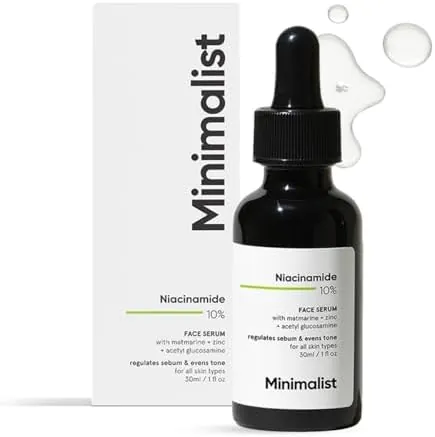
Minimalis
Minimalist's 10% Niacinamide + Zinc serum delivers a clinically relevant dose of Vitamin B3 alongside Zinc PCA and Aloe Vera, targeting sebum regulati...

Medik8
Medik8 Crystal Retinal 3 delivers 0.03% retinaldehyde, a Vitamin A derivative that sits one metabolic step closer to active retinoic acid than retinol...
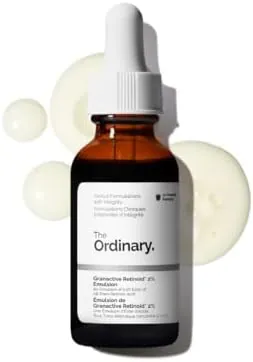
The Ordinary
The Ordinary Granactive Retinoid 2% Emulsion uses Hydroxypinacolone Retinoate (HPR), a next-generation retinoic acid ester that binds directly to reti...
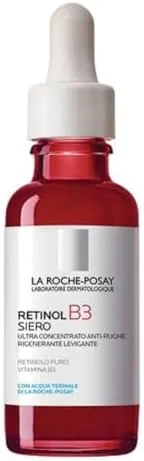
La Roche-Posay Retinol B3 is a stabilised retinol serum pairing a moderate-strength retinol (estimated 0.3%) with niacinamide (Vitamin B3) — a well-ev...

PAULA'S CHOICE
Paula's Choice CLINICAL 1% Retinol Treatment is a high-concentration, fragrance-free retinol serum that sits at the top end of over-the-counter retino...
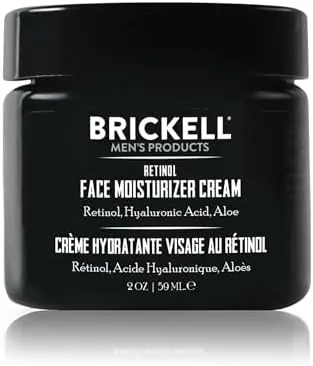
Brickell Men's Products
Brickell's Retinol Face Moisturizer is an aloe-based night cream positioned as natural and organic, featuring retinol and hyaluronic acid as its key a...

INDEED
Indeed Labs Retinol Reface combines encapsulated slow-release retinol with bakuchiol, a plant-derived compound that activates similar signalling pathw...

TOSOWOONG
TOSOWOONG Pink Peptide 12 PDRN Serum is a Korean biotech-forward formula built around polydeoxyribonucleotide (PDRN) at 10,320ppm — a clinically studi...
CeraVe
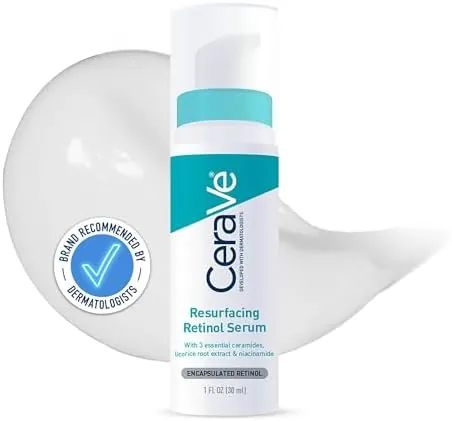
CeraVe Resurfacing Retinol Serum is a well-formulated entry-level retinol combining encapsulated retinol with niacinamide, three ceramides (NP, AP, EO...
La Roche-Posay
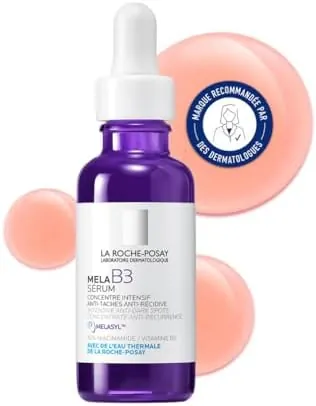
La Roche-Posay Mela B3 Serum combines LRP's proprietary Melasyl molecule with a clinically significant 10% Niacinamide concentration to target hyperpi...
Revolution Beauty London
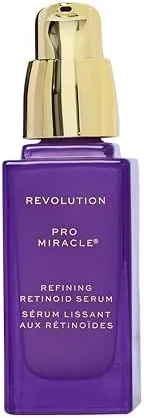
Revolution Pro Miracle Retinoid Refining Face Serum pairs a 'gentle retinoid complex' with niacinamide and hyaluronic acid — a well-conceived trio for...
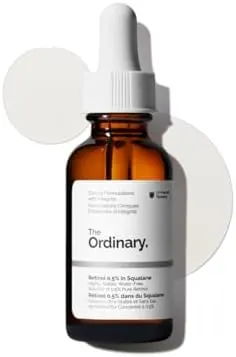
The Ordinary Retinol 0.5% in Squalane is a minimalist, fragrance-free and alcohol-free formulation — pure retinol at intermediate 0.5% concentration s...
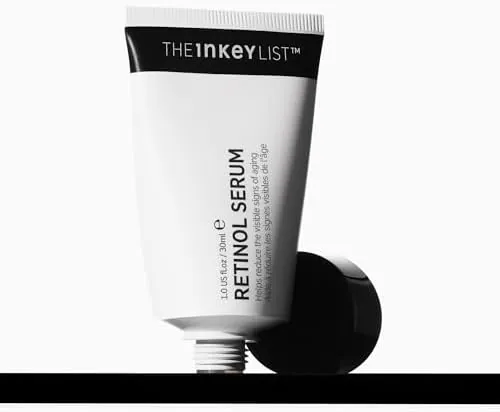
The INKEY Lis
The INKEY List Retinol Serum uses Retinyl Acetate — a vitamin A ester requiring multi-step enzymatic conversion (Retinyl Acetate → Retinol → Retinalde...

Neutrogena
Neutrogena Collagen Bank is a peptide-and-bakuchiol moisturiser positioned as a gentler alternative to retinol-based anti-ageing products. The formula...

L'Oreal Paris
L'Oreal Revitalift Laser Pure Retinol Serum delivers a high concentration of pure (unconverted) retinol in a lightweight silicone-based carrier, suppl...
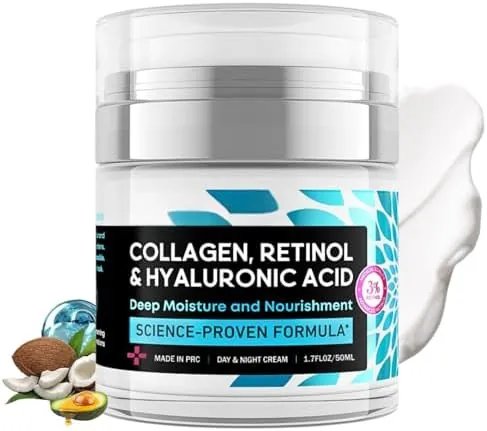
IZBEAUVO
IZBEAUVO's 3% Retinol Collagen Cream claims advanced anti-aging benefits with stated retinol concentration at 2.5%+ threshold for efficacy. User revie...
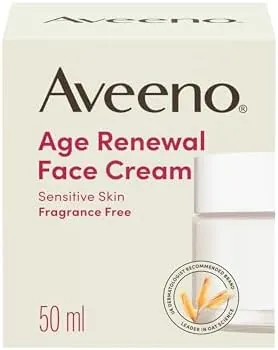
Aveen
AVEENO Age Renewal Face Cream combines colloidal oat (Avena Sativa kernel flour) — a clinically validated skin-barrier ingredient — with a retinol alt...

Neutrogena
Neutrogena Rapid Wrinkle Repair is a widely accessible OTC retinol moisturizer pairing retinol (or retinyl propionate) with sodium hyaluronate and gly...
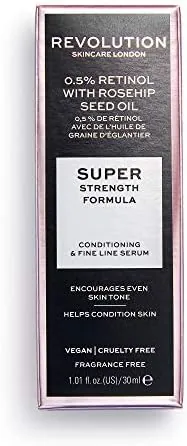
Revolution Beauty London
Revolution Skincare's 0.5% Retinol Serum is a budget-friendly entry into active retinoid skincare, pairing a moderate OTC retinol concentration with r...

A313
A313's cream formulation uses Retinyl Palmitate — the mildest retinoid ester — which requires multiple enzymatic conversion steps to reach active reti...
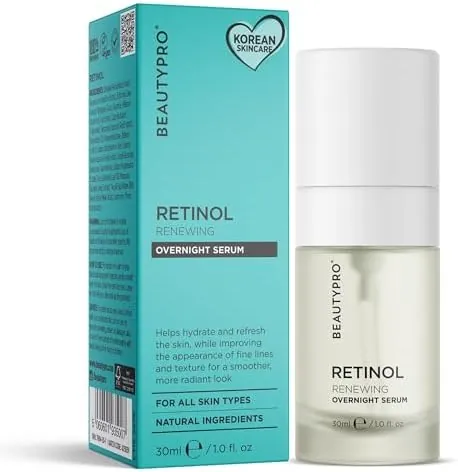
BeautyP
BeautyPro's Retinol Renewing Face Serum is notable for using 'Ocean Retinol' — a plant-derived, seaweed kelp-based retinol alternative rather than con...
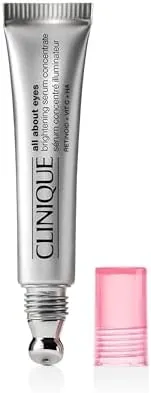
Clinique
Clinique All About Eyes Brightening Serum Concentrate combines hyaluronic acid for hydration, a stabilised Vitamin C derivative for brightening, and a...

PAULA'S CHOICE
Paula's Choice CLINICAL Pro Retinaldehyde Dual-Retinoid Treatment combines 0.1% encapsulated retinaldehyde (one conversion step closer to retinoic aci...

Skincyclopedia
Skincyclopedia's 1% Retinol Serum is an oil-based formulation built around a high-strength retinol concentration, paired with squalane as the primary ...
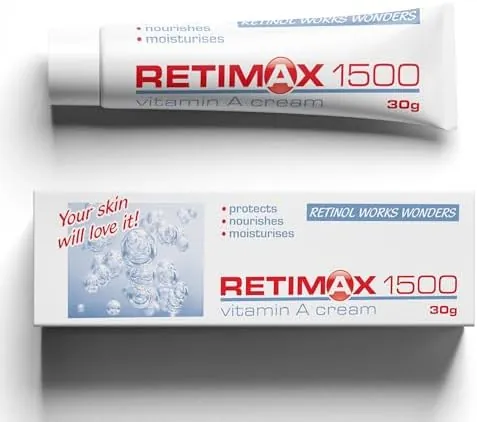
Retimax
Retimax 1500 is a minimalist, fragrance-free and preservative-free occlusive ointment built around a petrolatum, lanolin, and beeswax base with 1500 I...

NIVEA
NIVEA MEN Anti-Age Hyaluron SPF15 is a mass-market daily moisturiser combining sodium hyaluronate for humectant hydration with retinyl palmitate (labe...
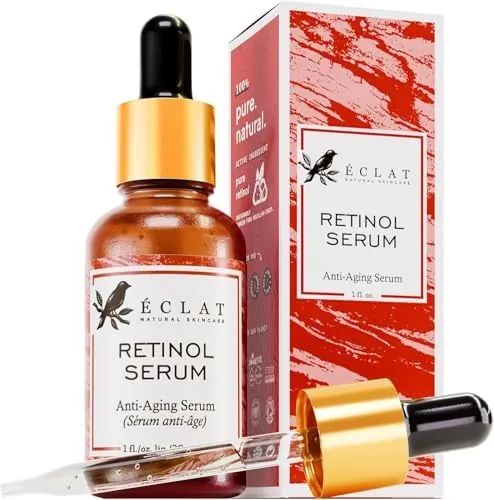
Elegance & You
E-c-l-a-t Retinol Serum claims a 2.5% retinol concentration alongside hyaluronic acid and vitamin B5 (panthenol), a reasonable anti-aging combination ...
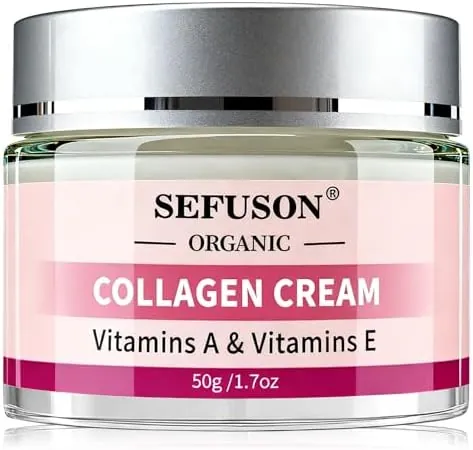
SEFUSON
SEFUSON's Collagen Cream markets a retinol-hyaluronic acid-hydrolyzed collagen combination at a budget price point, but no INCI list is available to v...
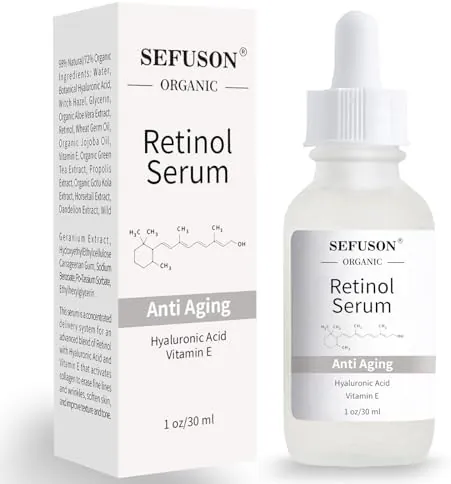
SEFUSON
SEFUSON Retinol Serum is a budget-friendly, multi-active formula combining retinol with hyaluronic acid, vitamin E, jojoba oil, and green tea extract,...
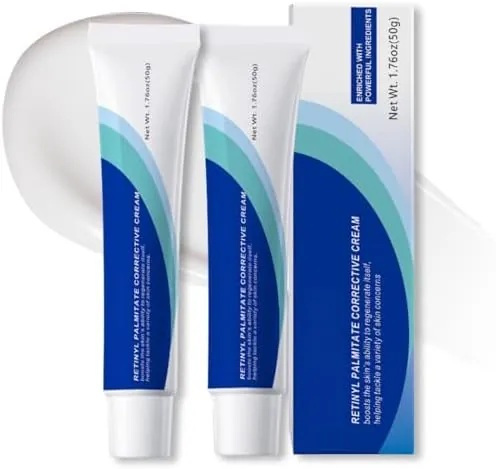
DeepFav
This DeepFav cream uses retinyl palmitate — the mildest, most indirect form of Vitamin A — which must convert through two enzymatic steps to reach act...
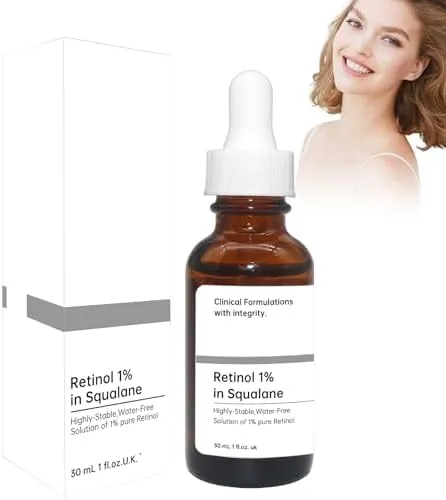
MEIEGOU
A retinol serum claiming 1% retinol concentration in squalane base, positioned as a high-strength anti-aging product. User reviews are mixed: positive...
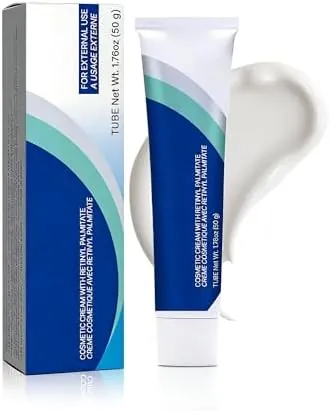
TMYIOYC
Angel Silk A-313 by TMYIOYC is marketed as a retinoid-based anti-aging and acne-prevention cream, though the exact INCI list and retinoid type/concent...
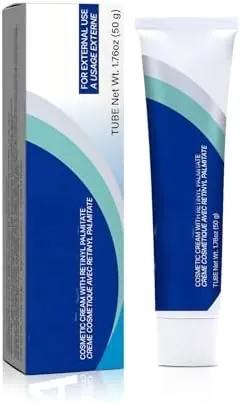
EneriWell
Angel Silk A-313 is a lightweight retinol cream relying primarily on Retinyl Palmitate (likely 1-2%) in a PEG-based solvent system. User feedback is m...
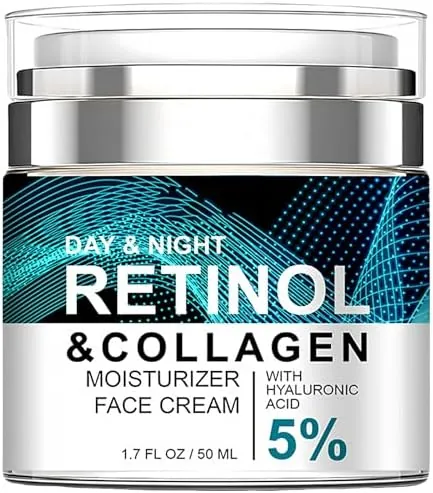
SinceReal
SinceReal Retinol Cream combines retinol, 5% hyaluronic acid, and collagen in a lightweight, fast-absorbing formulation marketed for anti-aging. With ...
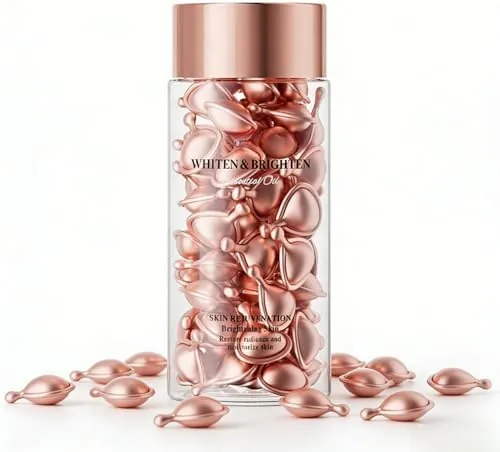
Barevel
Barevel's Retinol Capsules serum uses a single-dose encapsulated format, which is genuinely beneficial for preserving retinol stability and preventing...
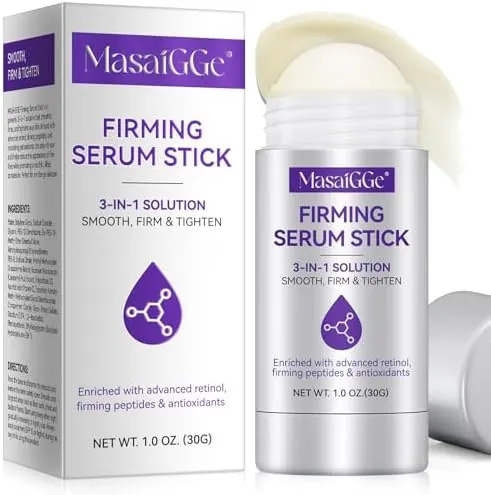
OEDPMFYL
The OEDPMFYL Firming Retinol Serum Stick is a novelty-format retinol product in a twist-up stick applicator that reviewers consistently praise for con...
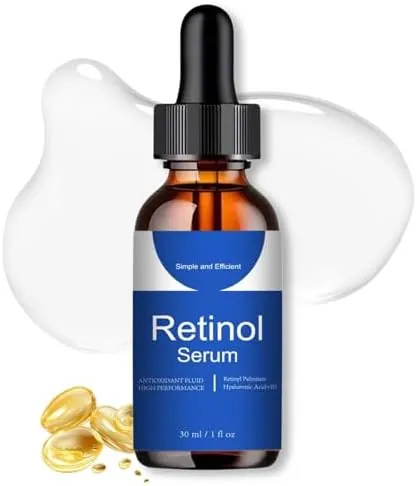
IZBEAUVO
IZBEAUVO Retinol Facial Serum is a budget retinol-hyaluronic acid combination serum marketed with extensive anti-aging and brightening claims, but cri...
What to Look for in Retinol & Retinoids
The most important thing to understand before buying any retinol or retinoid product is that not all vitamin A derivatives are created equal. The conversion chain goes: retinyl esters → retinol → retinaldehyde → retinoic acid. The further along the chain, the less your skin needs to convert it before it works — meaning faster, more visible results but also a greater chance of irritation. Retinaldehyde (sometimes called retinal) sits just one step away from the active form, which is why the top-scoring product in our analysis, Naturium Retinaldehyde Cream Serum 0.05%, scored 83/100 despite containing a relatively low percentage. Concentration alone doesn't tell the whole story — the form of vitamin A matters enormously.
For beginners, look for gentler derivatives such as granactive retinoid (hydroxypinacolone retinoate) or retinyl propionate. These work more slowly but cause far less flaking and redness during the adjustment period. Retinol in concentrations of 0.025% to 0.3% is the middle ground — effective over time but requiring a few weeks of adaptation. Retinaldehyde at 0.01% to 0.1% is stronger, and prescription-only tretinoin (retinoic acid) is the most potent but not available over the counter in the UK.
Beyond the active ingredient, look at the supporting formula. Niacinamide, hyaluronic acid, and peptides alongside vitamin A help buffer irritation and maintain the skin barrier. The La Roche-Posay Retinol B3 serum scored 77/100 partly because of its thoughtful combination of retinol with vitamin B3 (niacinamide), making it suitable for sensitive skin. A well-formulated product also uses an airtight or opaque pump — retinoids degrade on contact with air and light, so a jar is a red flag regardless of what the marketing says.
Pay attention to the pH and vehicle too. Oil-based or emulsion formats tend to be gentler and more stable. Watery serums with a low pH can increase irritation. Our top five products all used cream or emulsion formats, which isn't a coincidence.
Common Mistakes When Buying Retinol & Retinoids
Our analysis of 42 products shows a price range stretching from £2.99 to £96.66, with an average of £18.20. One of the most common mistakes UK buyers make is assuming that a higher price signals a stronger or better product. Several products in the upper price range scored lower than budget-friendly alternatives — the best-value product in our dataset, The Ordinary Granactive Retinoid 2% Emulsion, scored 78/100 and costs just £8.80, earning a value-for-money score of 92/100. Meanwhile, some products priced above £50 scored in the low-to-mid 60s.
Another frequent error is starting too strong. New users buying a 0.5% or 1% retinol because they want "real results" often end up with a damaged barrier, persistent dryness, and a product they abandon within two weeks. The adjustment phase is real. Starting at 0.025%–0.1% retinol, or an equivalent low-strength retinaldehyde, and using it two to three nights per week before building up is the approach that actually works long-term. None of the top-scoring products in our analysis used aggressive concentrations without buffering ingredients.
Buyers also underestimate the importance of sunscreen. Retinoids increase photosensitivity — using one without a daily SPF 30 or higher during the day will actively work against your results and increase pigmentation risk, particularly relevant for hyperpigmentation concerns which were among the most cited use cases in our dataset. This isn't optional.
Finally, Amazon star ratings are a poor guide here. Products with thousands of reviews and high ratings sometimes scored in the 40s and 50s in our analysis — often because of poor formulation stability, misleading concentration claims, or a formula that feels pleasant but contains a retinoid form too weak to produce meaningful results.
Types and Forms Explained
Retinyl esters (retinyl palmitate, retinyl propionate) are the mildest form, suitable for very sensitive skin or those completely new to vitamin A. They require multiple conversion steps in the skin and work slowly. Good for a first introduction but don't expect dramatic results quickly.
Retinol is the most widely available and well-researched over-the-counter option. Decades of clinical evidence support its ability to reduce fine lines, improve texture, and address hyperpigmentation with consistent use. Look for products in the 0.025%–0.5% range, formulated with barrier-supporting ingredients. The Ordinary Granactive Retinoid 2% Emulsion uses hydroxypinacolone retinoate, a retinoid ester of retinoic acid that behaves somewhat like retinol but with less irritation — a good option for those who've reacted badly to traditional retinol.
Retinaldehyde (retinal) is where things get more interesting. It converts to retinoic acid in just one step, making it roughly 11 times more effective than retinol at equivalent concentrations — a claim backed by the formulation approach behind the Medik8 Crystal Retinal 3, which scored 79/100 in our analysis. At concentrations of 0.03%–0.1%, retinaldehyde delivers visible results faster than retinol while remaining available without a prescription. It suits intermediate users who've already tolerated retinol well.
Granactive retinoid is a newer ester form that works without the classic irritation profile. It's particularly well-suited to those with reactive or combination skin who still want anti-ageing results. It appears frequently in mid-range and budget products and punches above its price point when well-formulated.
Tretinoin (retinoic acid) is prescription-only in the UK and not covered here, but worth knowing exists if over-the-counter options have stopped producing results after six or more months of consistent use.
What to Expect to Pay
Based on 42 products analysed, the market spans from £2.99 to £96.66. At the budget end, below £12, you'll find options like The Ordinary Granactive Retinoid 2% Emulsion at £8.80 — which scored 78/100 and represents the best value for money in our entire dataset at a VFM score of 92/100. If you're new to retinoids or want a no-fuss, effective formula without paying for branding, this is where to start.
The £12–£30 range covers most mid-tier retinols and some retinaldehyde options. This is where formula quality becomes more consistent — products in this bracket tend to use better stabilisation packaging and more thoughtfully combined actives. Expect solid formulas suitable for regular use at this price point.
Between £30 and £55, you're paying for either premium vitamin A forms (retinaldehyde), clinical-brand positioning (Medik8 at £49.00, La Roche-Posay at £36.00), or both. The Naturium Retinaldehyde Cream Serum at £30.42 topped our entire analysis at 83/100 — the highest score across 42 products — so the £30–£35 bracket can absolutely deliver the best results if you choose wisely.
Above £55, returns diminish quickly. Several products in the £70–£97 range scored in the 55–65 range in our analysis — no better than well-chosen mid-range products. You are primarily paying for packaging, brand heritage, or luxury positioning. Unless you have a specific reason to choose a premium brand (a dermatologist recommendation, a unique delivery system), there is little objective evidence that spending more than £35–£40 on a retinoid product improves outcomes.
How We Rank Retinol & Retinoids
We analyse user reviews from Amazon UK and other public sources, cross-references ingredient labels and dosage information, checks for third-party testing certifications, and evaluates value for money. Each product is scored 0–100 across evidence-based categories: effectiveness, ingredient quality, skin compatibility, texture & experience, value for money, and an overall weighted score.
Rankings are updated regularly as new reviews and pricing data become available. Products must pass our quality gate (minimum review count and data coverage) to appear on this page.
Frequently Asked Questions
What is the best retinol & retinoids in 2026? ▼
How are retinol & retinoids ranked on AIScored? ▼
Is Naturium Retinaldehyde Cream Serum 0.05%, Advanced Anti-Ageing & Smoothing Face & Skin Care worth the price? ▼
What the Data Says
Retinol vs retinaldehyde: which actually scores higher?
Retinaldehyde leads by 17.2 points on effectiveness. Across 42 retinol/retinoid products we scored, the 3 retinaldehyde products average 78.3 on effectiveness versus 61.1 for 31 retinol products.
The retinaldehyde products in our database:
- Naturium Retinaldehyde Cream Serum 0.05% — 80 effectiveness, 83 overall
- Paula's Choice CLINICAL Pro Retinaldehyde — 74 effectiveness, 64 overall
- Medik8 Crystal Retinal 3 — 81 effectiveness, 79 overall (uses retinaldehyde despite the name)
All three beat the retinol average on effectiveness. The biological reason: retinaldehyde sits one conversion step closer to retinoic acid, the form your skin actually uses. Retinol requires two conversions; retinaldehyde requires one.
The honest caveat: 3 products is a small sample. The gap is wide enough to take seriously, but we'd want more retinaldehyde products on the market before calling it definitive. For now, the data favours retinaldehyde — but your options are limited.
Why do most retinol products score below average?
31 retinol products average 61.1 on effectiveness. Most land in mediocre territory. The molecule works — but the average product doesn't deliver it well.
The top retinol performers prove it can be done right:
- Paula's Choice CLINICAL 1% Retinol — 82 effectiveness, 76 overall
- Indeed Labs Retinol Reface — 80 effectiveness, 75 overall
- The Ordinary Retinol 0.5% in Squalane — 75 effectiveness, 74 overall
Three factors separate winners from the rest:
- Concentration. Products with clearly stated, meaningful percentages (0.5%–1%) score higher. Many products list retinol without disclosing how much.
- Stability. Retinol degrades with light and air exposure. Good packaging (airless pumps, opaque tubes) and encapsulation technology keep the molecule intact.
- Supporting ingredients. Top scorers pair retinol with stabilisers, squalane, or delivery systems that protect it until it reaches your skin.
The average retinol product fails on one or more of these. A retinol label doesn't guarantee results — the formulation behind it determines whether you're getting active retinol or degraded filler.
Disclaimer: AIScored provides data-driven rankings based on publicly available reviews and product information. This is not medical advice. Always consult a healthcare professional before starting any supplement. Affiliate links may earn us a commission at no extra cost to you.