We Tested 19 Vitamin C in the UK — See Which One Is Best
We analysed 19 vitamin c products, scoring each on effectiveness, ingredient quality, value for money, side effects, and certifications. Here are the top-rated picks for 2026, ranked by overall score.
Last updated: 04 April 2026 · Reviewed by Bart, Health & Tech Enthusiast
Quick Picks
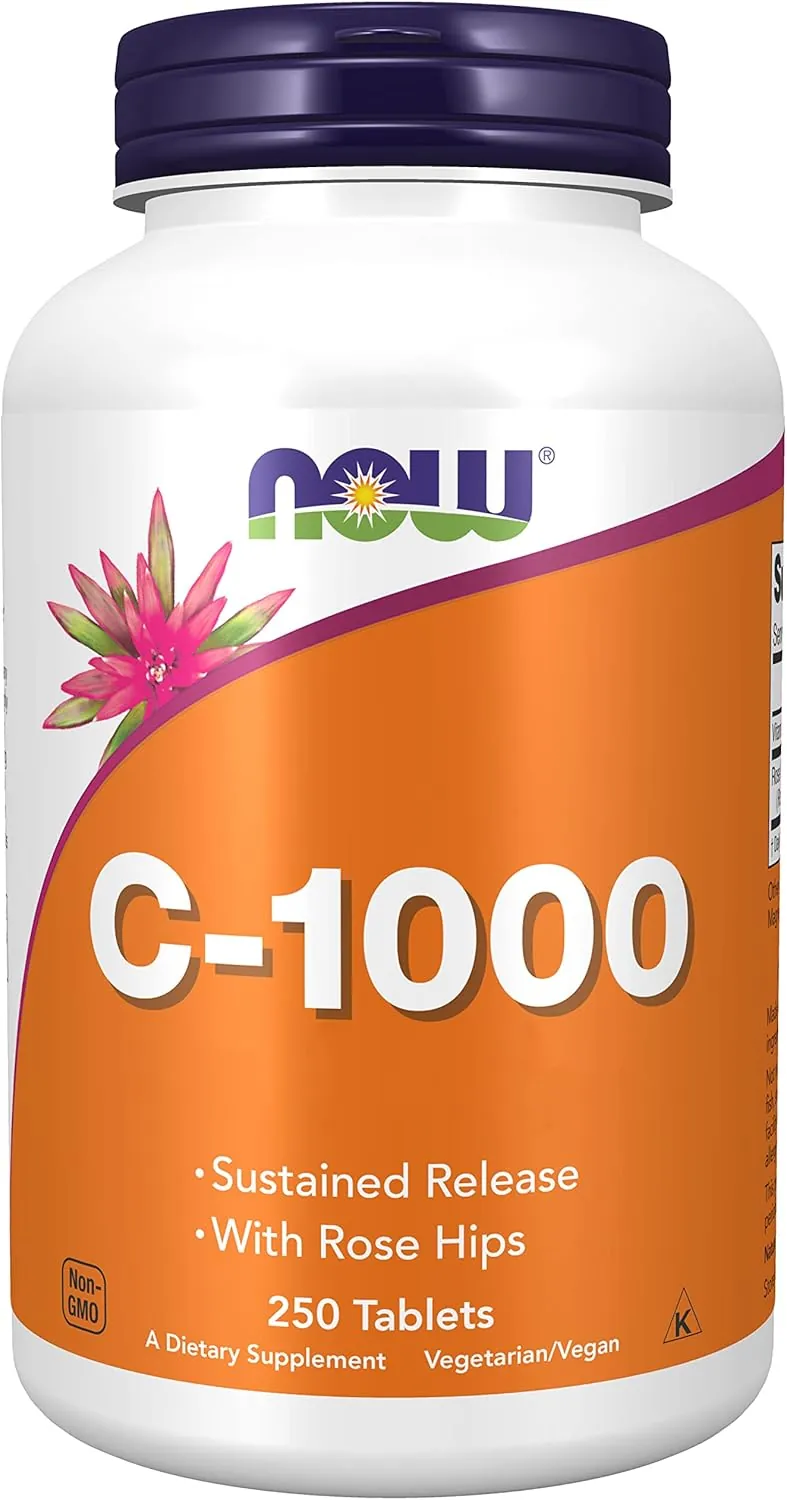
NOW Foods
NOW Foods Vitamin C-1000 is a well-regarded daily immune support supplement delivering 1,000 mg of ascorbic acid per tablet, enhanced with 100 mg of c...
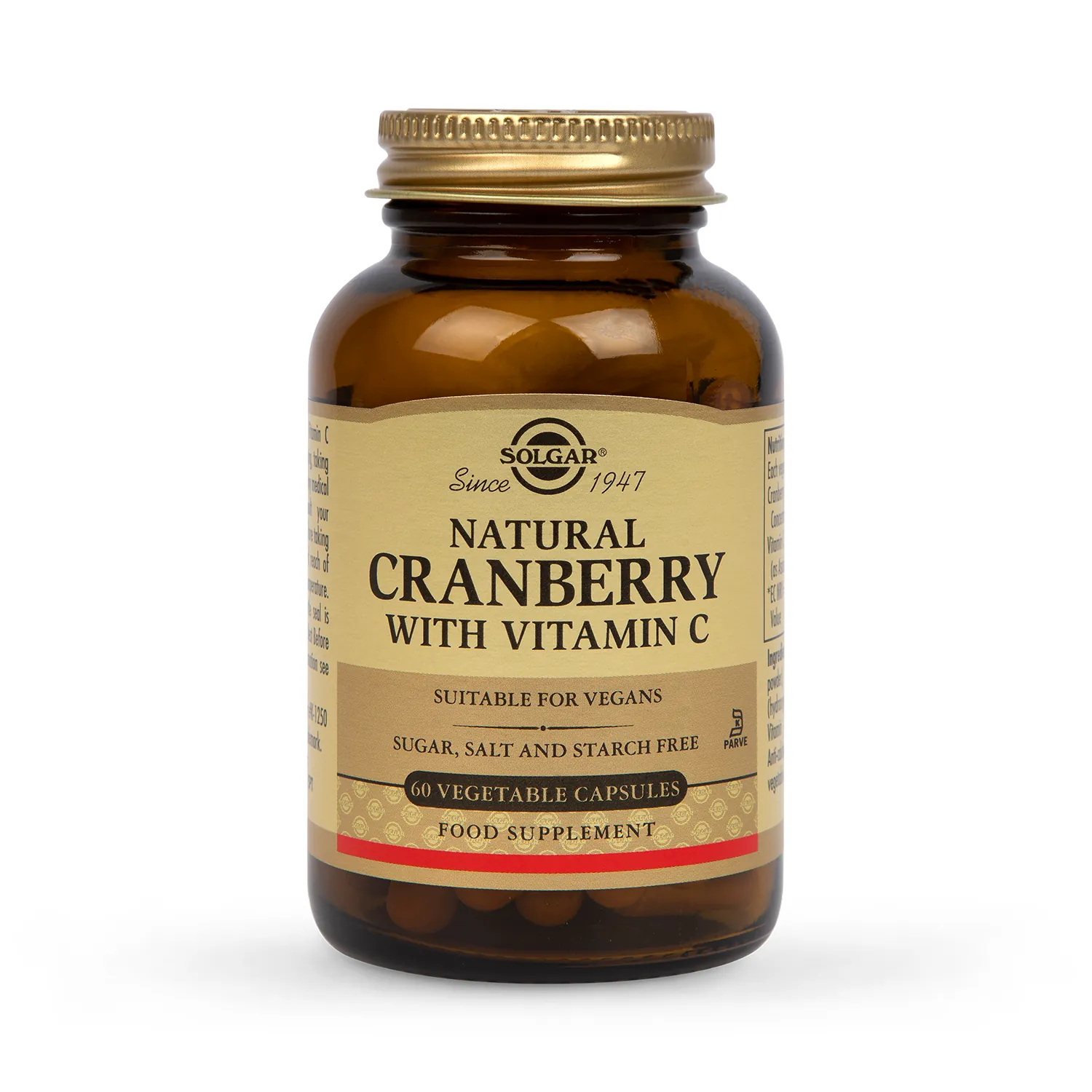
Solgar
Solgar's Natural Cranberry with Vitamin C is a premium vegan supplement pairing fresh cranberry extract with Vitamin C, aimed primarily at urinary tra...
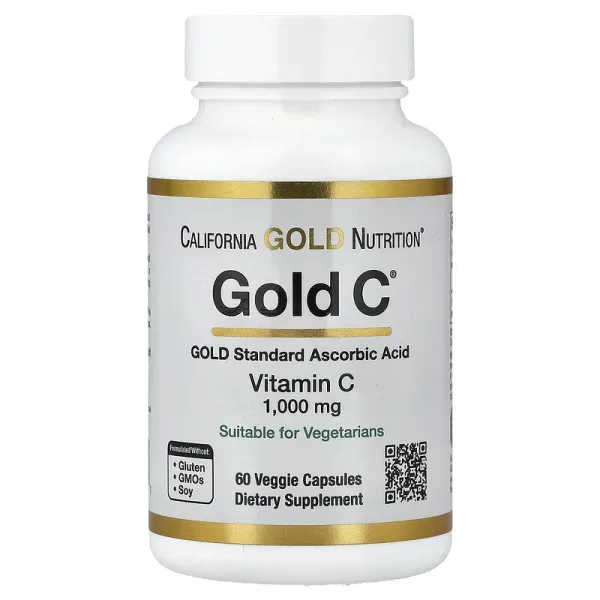
California Gold Nutrition
1,000 mg of pure ascorbic acid per capsule, with just a hypromellose capsule and magnesium stearate — the formula is about as stripped-back as it gets...
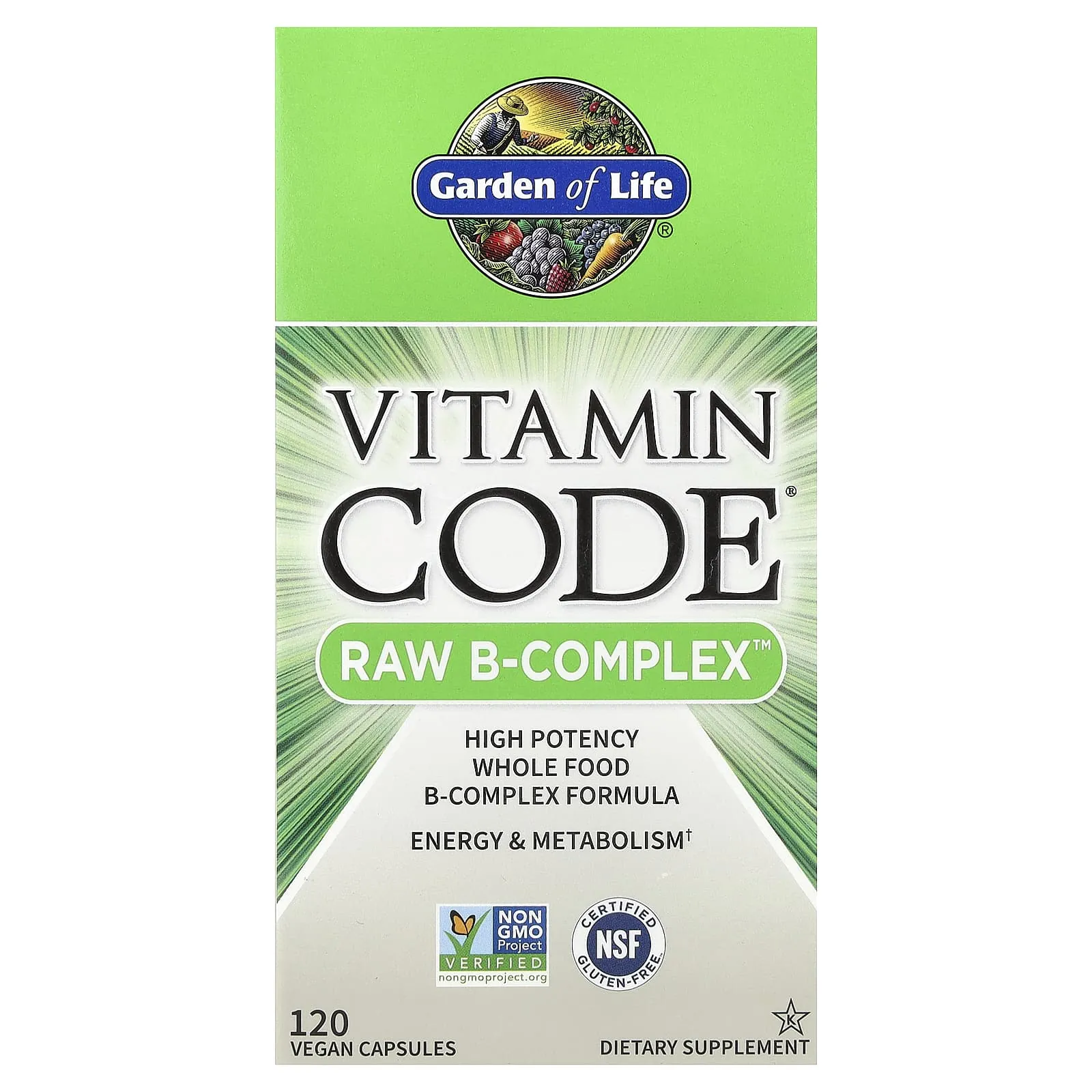
Garden of Life
Garden of Life Vitamin Code RAW B-Complex is a whole food B-vitamin supplement delivering all eight B vitamins sourced from a blend of 23 organic frui...
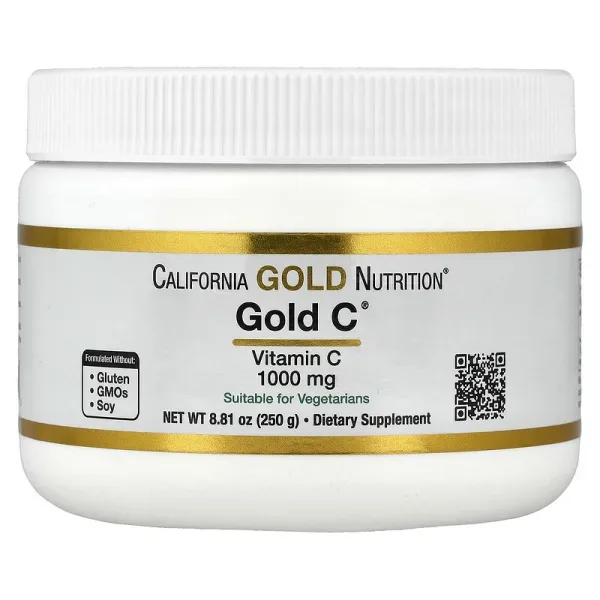
California Gold Nutrition
Pure L-ascorbic acid at 1,000 mg per scoop, with absolutely nothing else added — no fillers, no flavours, no binders. Fifty reviews skew heavily posit...
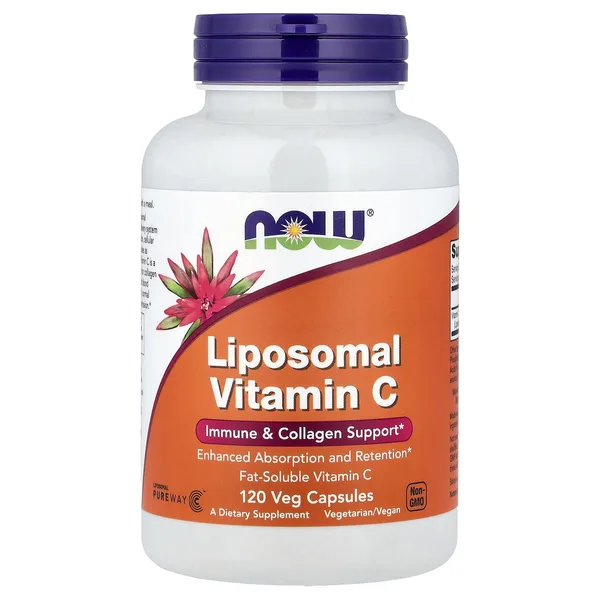
NOW Foods
PureWay-C™ puts this product a step above standard ascorbic acid — the liposomal, fat-soluble delivery system has published clinical data showing bett...
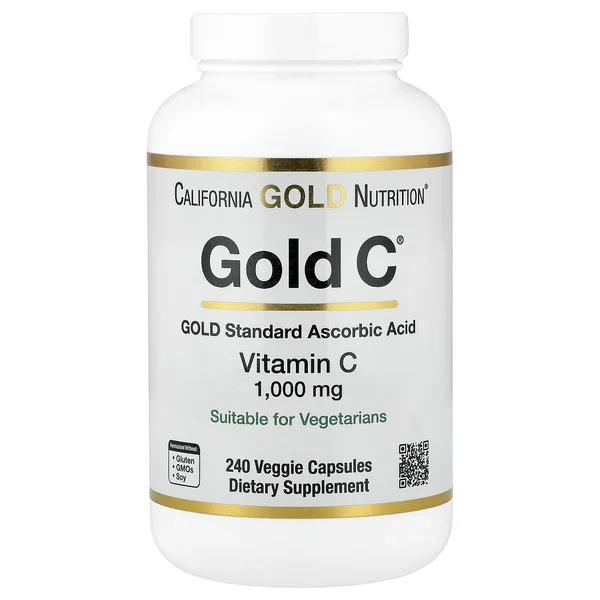
California Gold Nutrition
At 1,000 mg ascorbic acid per veggie capsule, this is a high-dose vitamin C with an unusually clean formula — the active ingredient, hypromellose caps...
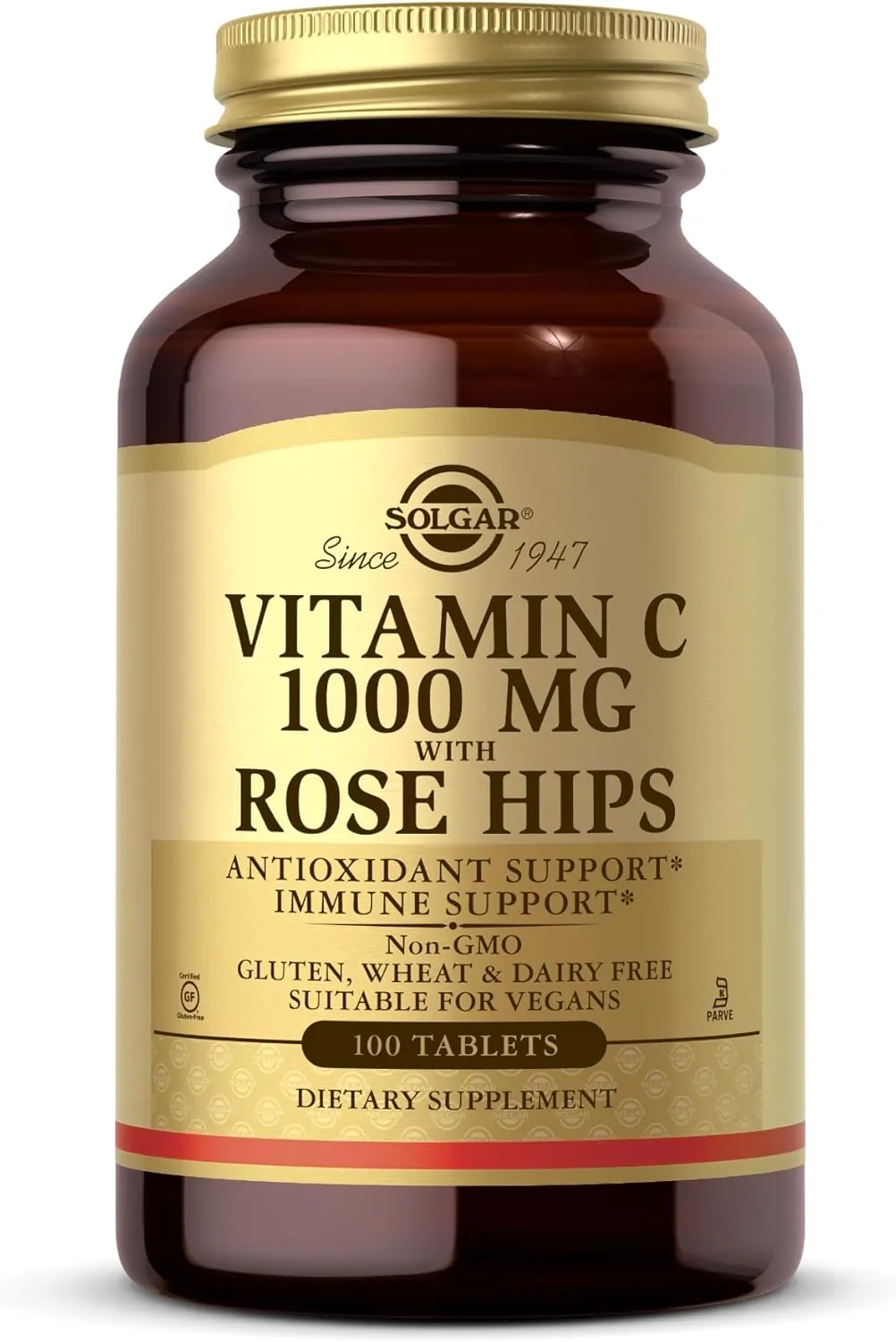
Solgar
Solgar Vitamin C 1000mg with Rose Hips is a high-dose daily supplement from a brand with decades of trust, with the majority of reviewers citing consi...
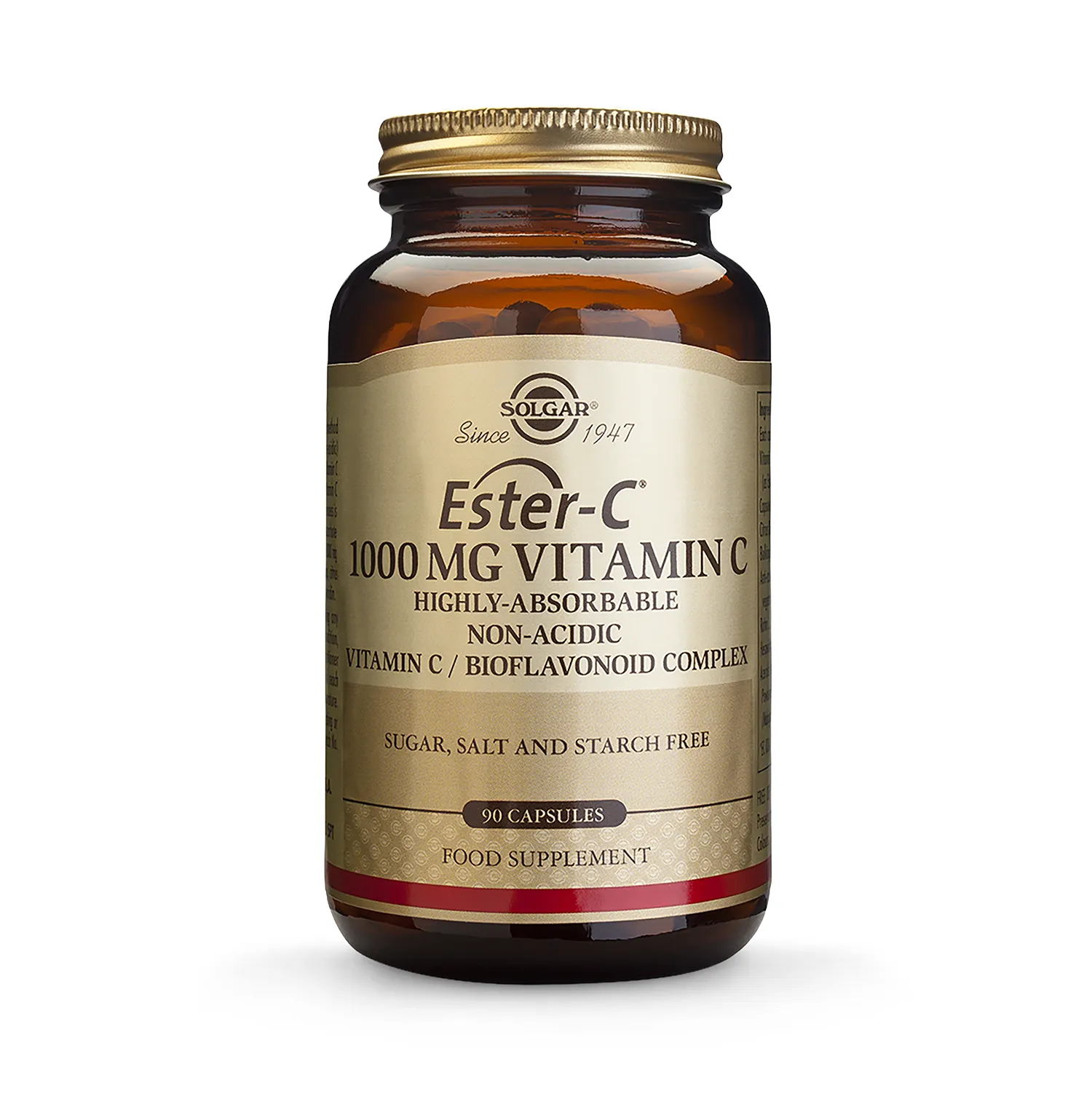
Solgar
Solgar Ester-C 1000mg is a premium, pH-neutral form of vitamin C (calcium ascorbate) that reviewers consistently praise for immune support, particular...
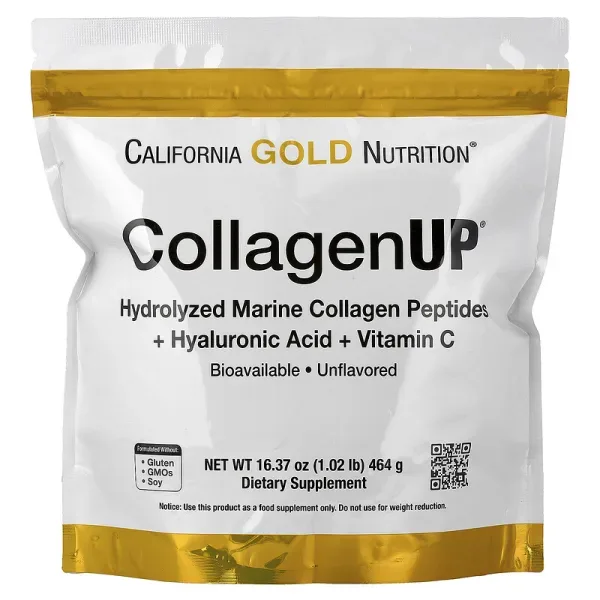
California Gold Nutrition
At 5g per scoop, CollagenUP delivers hydrolysed marine collagen peptides alongside hyaluronic acid and vitamin C as calcium ascorbate — the right co-f...

Nutravita
Nutravita's 1000mg Vitamin C is a high-strength ascorbic acid tablet enhanced with citrus bioflavonoids and rosehip, offering a 6-month supply at a co...
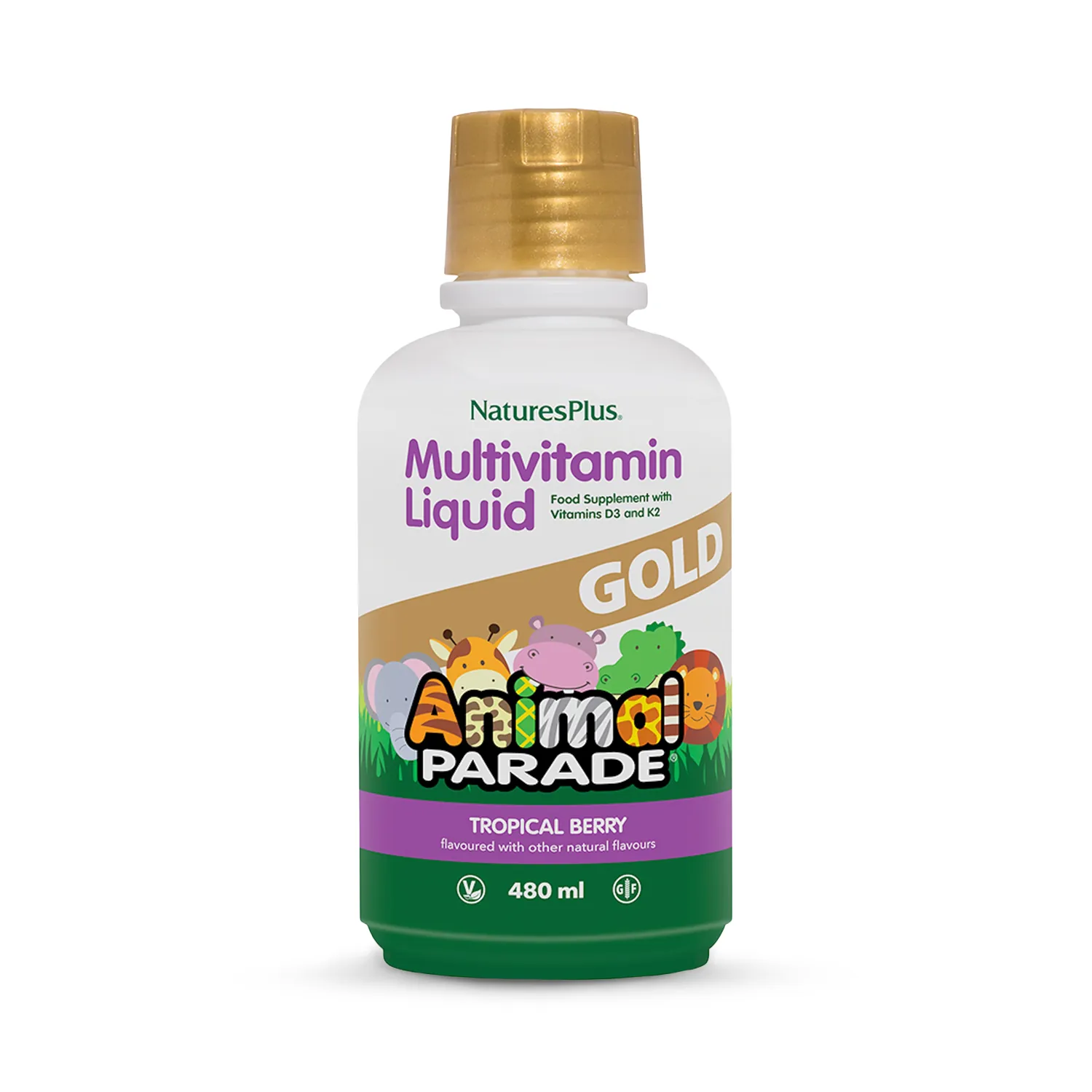
NaturesPlus
Animal Parade GOLD is a well-regarded liquid multivitamin for children by NaturesPlus, built around a whole-food blend of 20+ organic fruits and veget...
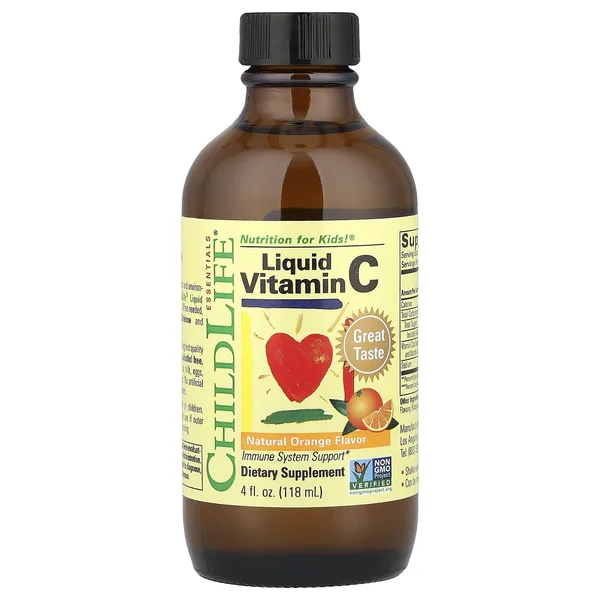
ChildLife Essentials
ChildLife's liquid vitamin C delivers ascorbic acid in a fructose-sweetened natural orange base that children across 50 reviews consistently drink wit...
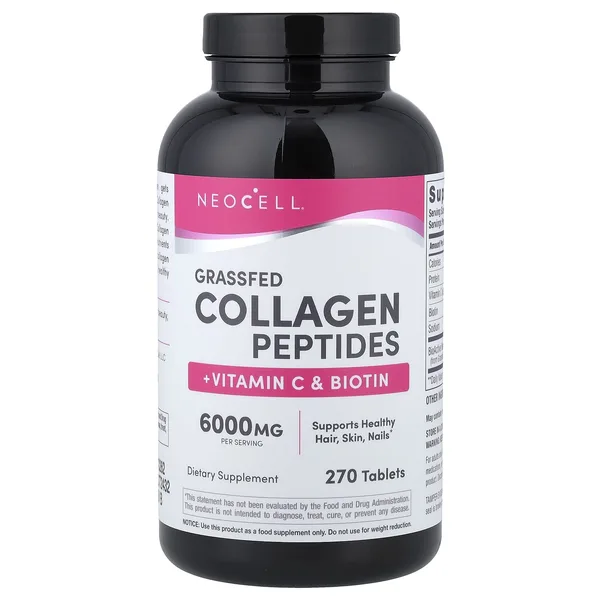
NeoCell
NeoCell delivers 6,000mg of hydrolyzed Type 1 & 3 collagen peptides per serving from grass-fed bovine sources, pairing them with 60mg vitamin C (as ca...
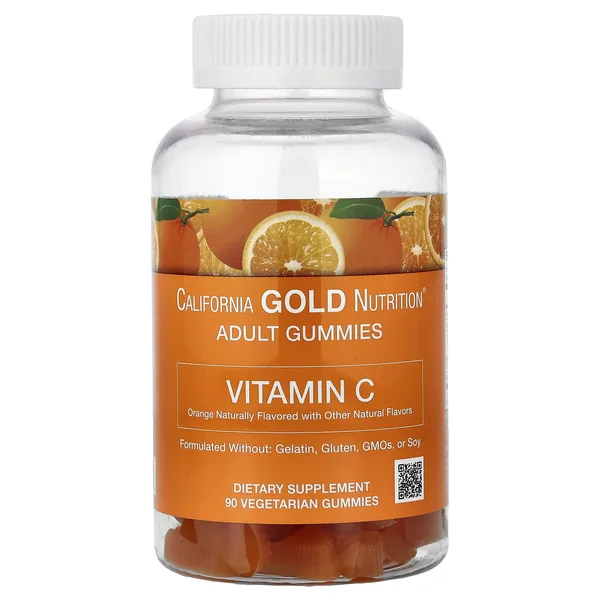
California Gold Nutrition
Each serving delivers 250mg of vitamin C as ascorbic acid alongside vitamin A from 100% beta-carotene — a sensible pairing, since beta-carotene carrie...
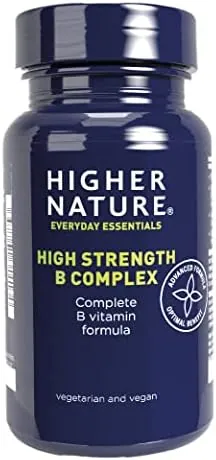
HIGHER NATURE
Higher Nature's Vitamin B Complex receives strong user ratings (4.4/5 average) with reviewers reporting improved energy and reduced tiredness. Most us...
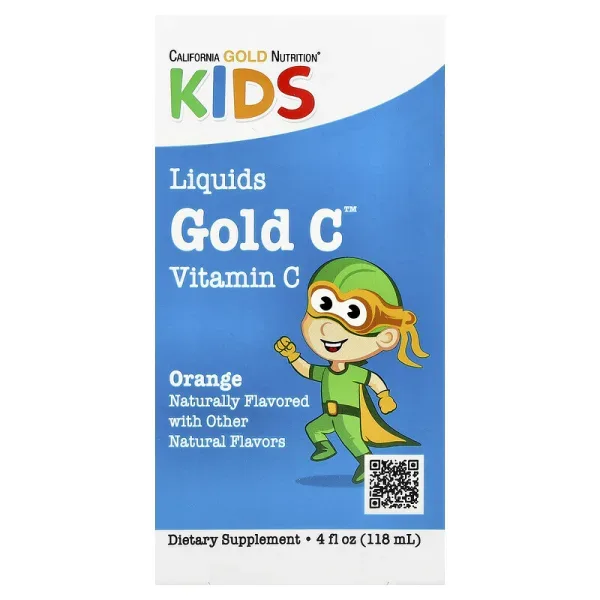
California Gold Nutrition
The standout feature here is simple: children actually drink it. Across 47 reviews, the dominant theme is that kids take this without a fight — the ta...
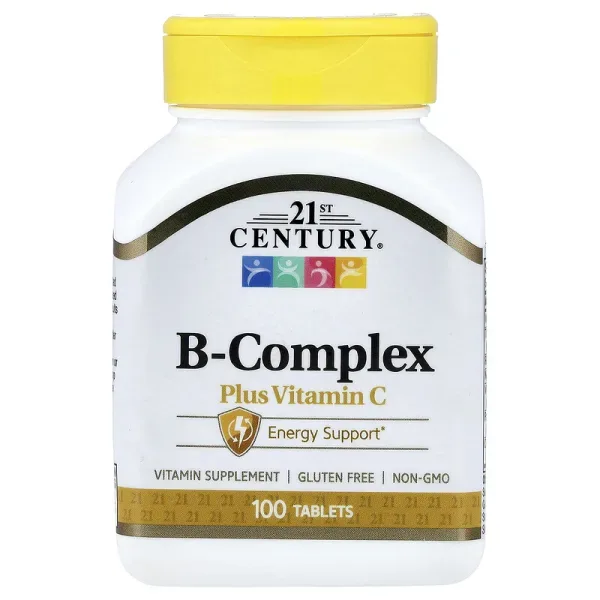
21st Century
At 15mg of thiamin (1,250% RI), 50mg niacin, and 300mg vitamin C per tablet, the dosing here is firmly in therapeutic territory rather than token supp...
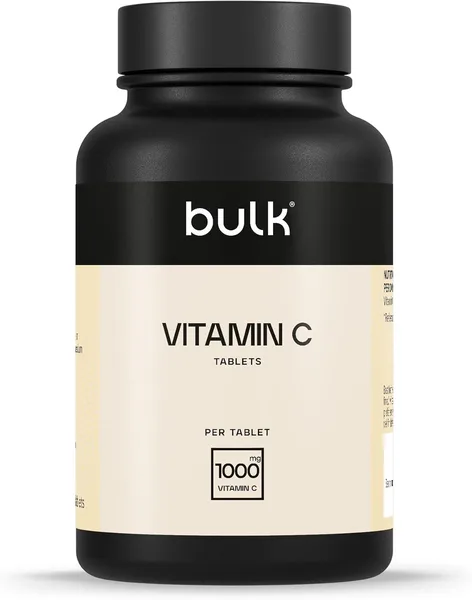
Bulk
Bulk's Vitamin C 1000mg delivers a straightforward 1250% NRV dose of ascorbic acid across an impressive 270-tablet supply, making it one of the best-v...
What to Look for in Vitamin C
The single most important thing to check is the form of vitamin C. Most supplements use ascorbic acid, which is fine for most people, but if you have a sensitive stomach, you'll want to look for buffered forms such as calcium ascorbate or sodium ascorbate — these are gentler because they're less acidic. A handful of products also combine ascorbic acid with bioflavonoids and rose hips, which may improve absorption slightly, though the evidence is modest.
Dosage matters more than most labels let on. The NHS recommends 40mg per day for adults, but most supplements on the market deliver 1,000mg per serving — that's the level commonly used in research on immune support and collagen synthesis. At that dose, vitamin C is water-soluble, so any excess is excreted. The 1,000mg standard is a sensible sweet spot, and you'll find it across our top-rated products including the California Gold Nutrition Gold C capsules, which scored 87 out of 100.
Look for third-party testing. Of the 19 products we analysed, only one carries independent third-party verification. USP-grade certification — as seen on the top-rated Gold C capsules — means the product has been independently tested for purity, potency, and dissolution. That matters because vitamin C supplements can vary widely in actual content versus what's stated on the label. If a product carries no certification and no USP designation, you're largely taking the manufacturer's word for it.
Ingredient lists should be short. The best-performing products in our analysis use minimal fillers and binders. Veggie capsules are preferable if you're vegetarian or vegan, and they tend to indicate a cleaner overall formulation. If you're specifically looking to support collagen production or skin health, some products combine vitamin C with marine collagen peptides and hyaluronic acid — like the CollagenUP by California Gold Nutrition, which scored 83 out of 100 — though these are a different proposition and cost considerably more.
Common Mistakes When Buying Vitamin C
Our analysis of 19 products shows a price range from £4.00 to £50.99, and spending more does not reliably get you a better supplement. The top-scoring product costs just £15.39. The most expensive product we reviewed costs over three times that. A lot of the premium pricing reflects branding, packaging, or added ingredients like collagen that serve a different purpose than straight vitamin C supplementation.
Many buyers fall for Amazon star ratings without checking what's actually in the product. A 4.5-star supplement with thousands of reviews might score 67 out of 100 on ingredient quality and third-party verification — which is exactly what we found at the bottom of our rankings. Reviews reflect buyer satisfaction, not objective quality. People often feel fine taking a subpar supplement, so the ratings can be misleading.
Another common error is ignoring the cost per serving. A bottle that looks cheap at £4 might only contain 30 servings, while a £15 bottle with 240 capsules works out far cheaper per dose. Always calculate the price per tablet or capsule before buying. The Gold C Powder at £8.16 for 250 grams delivers approximately 250 daily servings, which works out to about 3p per dose — that's exceptional value, reflected in its value-for-money score of 93 out of 100.
Buying combinations you don't need is also a waste. Products that include zinc, elderberry, or echinacea are sometimes marketed as superior immune formulas, but if you're already getting those nutrients elsewhere, you're paying for ingredients that don't add anything for you. Keep it simple unless you have a specific reason to stack.
Types and Forms Explained
Tablets are the most widely available form and generally the cheapest to manufacture. They tend to have a longer shelf life and are easy to split if you want a lower dose. The trade-off is that tablets sometimes contain more binders and excipients, and they can be harder to swallow for some people. NOW Foods' Vitamin C-1000 with Rose Hips and Bioflavonoids comes in tablet form and scored 83 out of 100 — a reliable option if you prefer tablets.
Capsules, particularly veggie capsules, are a cleaner option for most buyers. They dissolve faster in the gut and typically contain fewer additives. The California Gold Nutrition Gold C capsules — both the 60-count and 240-count versions — are the highest-scoring products in our analysis, and both use veggie capsules. If you have no preference between tablets and capsules, capsules are generally the better default.
Powder form is worth considering if you want flexibility in dosing or dislike swallowing pills. The Gold C Powder at £8.16 allows you to adjust your dose and mix it into drinks. Ascorbic acid powder is quite tart, so some people prefer mixing it with juice. It's also one of the most cost-efficient formats, and our data confirms it — it scored 85 out of 100 overall with a value-for-money score of 93.
Liquid vitamin C is less common and tends to cost significantly more per dose. It can be useful for people who struggle with capsules or tablets, including older adults or those with swallowing difficulties. However, liquid formulas often contain sweeteners, flavourings, or preservatives, so check the ingredients carefully. Unless you have a specific reason to choose liquid, the powder or capsule formats offer better value and simpler ingredients.
What to Expect to Pay
Across the 19 products we reviewed, prices ranged from £4.00 to £50.99, with an average of £18.69. The good news is that you do not need to spend anywhere near the average to get a high-quality supplement.
At the lower end — roughly £4 to £10 — you can find products that deliver 1,000mg of vitamin C per serving in a clean format. The Gold C Powder at £8.16 is the best example: it scored 85 out of 100 and has the highest value-for-money score in our entire dataset at 93 out of 100. The 60-capsule Gold C at £5.08 is also worth noting as an entry point if you want to try the brand before committing to a larger quantity.
In the £10 to £20 range, you get the best overall combination of quality, dosage, and quantity. The 240-capsule Gold C at £15.39 is the highest-scoring product across all 19 we analysed at 87 out of 100. This is where we'd direct most buyers — the per-serving cost is low, the quality is verified, and the supply lasts months.
Above £20, you're mostly paying for added ingredients rather than better vitamin C. The NOW Foods 250-tablet product costs £24.99 and scored 83 out of 100 — respectable, but not meaningfully better than cheaper options. The CollagenUP product at £33.84 serves a different purpose, combining marine collagen with vitamin C and hyaluronic acid, which justifies a higher price only if you specifically want that combination. Anything over £35 for a plain vitamin C supplement is difficult to justify based on what our data shows.
How We Rank Vitamin C
We analyse user reviews from Amazon UK and other public sources, cross-references ingredient labels and dosage information, checks for third-party testing certifications, and evaluates value for money. Each product is scored 0–100 across evidence-based categories: effectiveness, ingredient quality, value for money, side effects profile, certifications, and an overall weighted score.
Rankings are updated regularly as new reviews and pricing data become available. Products must pass our quality gate (minimum review count and data coverage) to appear on this page.
Frequently Asked Questions
What is the best vitamin c in 2026? ▼
How are vitamin c ranked on AIScored? ▼
Is NOW Foods Vitamin C-1000 with Rose Hips & Bioflavonoids - 250 Tablets worth the price? ▼
Disclaimer: AIScored provides data-driven rankings based on publicly available reviews and product information. This is not medical advice. Always consult a healthcare professional before starting any supplement. Affiliate links may earn us a commission at no extra cost to you.