La Roche-Posay Retinol B3 Anti-wrinkles Anti-Ageing Serum With Retinol And Vitamin B3 Suitable For Sensitive Skin 30ml vs CeraVe Resurfacing Retinol Serum with Ceramides & Niacinamide for Blemish-Prone Skin 30ml
Side-by-side comparison of scores, ingredients, prices and real customer feedback for La Roche-Posay Retinol B3 Anti-wrinkles Anti-Ageing Serum With Retinol And Vitamin B3 Suitable For Sensitive Skin 30ml and CeraVe Resurfacing Retinol Serum with Ceramides & Niacinamide for Blemish-Prone Skin 30ml.
Last verified: 07 Apr 2026 · Based on 24 reviews
La Roche-Posay Retinol B3 Anti-wrinkles Anti-Ageing Serum With Retinol And Vitamin B3 Suitable For Sensitive Skin 30ml scores 77.0/100 vs CeraVe Resurfacing Retinol Serum with Ceramides & Niacinamide for Blemish-Prone Skin 30ml at 75.0/100. La Roche-Posay Retinol B3 Anti-wrinkles Anti-Ageing Serum With Retinol And Vitamin B3 Suitable For Sensitive Skin 30ml wins on effectiveness, skin compatibility, value for money.
Which is better: La Roche-Posay Retinol B3 A... or CeraVe Resurfacing Retinol ...?
La Roche-Posay edges ahead with a 77 vs 75 score, but CeraVe wins on value at nearly half the price (£17.24 vs £36.00), making it the smarter pick for most users. Choose CeraVe if you have blemish-prone or oily skin and want an affordable entry into retinol. Opt for La Roche-Posay if you have sensitive skin and prefer a dermatologist brand with a stronger track record for tolerability.
— AIScored Editorial Team
How Do the Scores Compare?
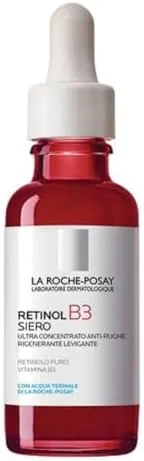
La Roche-Posay Retinol B3 A...
|
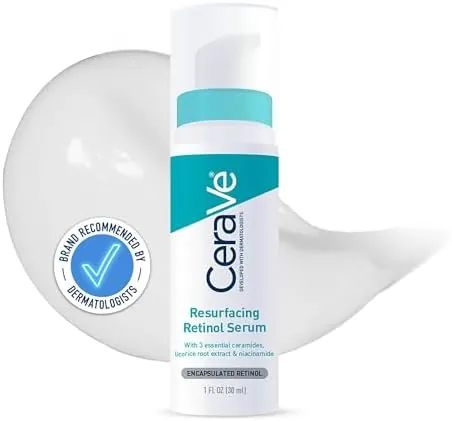
CeraVe Resurfacing Retinol ...
CeraVe
|
|
|---|---|---|
| Overall Score | 77.0 | 75.0 |
| Effectiveness |
73.0/100
Best
|
72.0/100 |
| Ingredient Quality |
81.0/100
Best
|
81.0/100
Best
|
| Skin Compatibility |
79.0/100
Best
|
76.0/100 |
| Texture & UX |
82.0/100
Best
|
82.0/100
Best
|
| Value for Money |
68.0/100
Best
|
64.0/100 |
| Best Price | £36.00 Amazon UK → |
£17.24
Amazon UK →
Cheapest
|
| Form | N/A | N/A |
| Dose | N/A | N/A |
| Third-Party Tested | ✗ No | ✗ No |
| Reviews Analysed | 12 | 12 |
La Roche-Posay Retinol B3 Anti-w...
Pros
- ✓Retinol + niacinamide combination is clinically supported — niacinamide buffers irritation and adds independent anti-aging, brightening, and barrier-repair benefits
- ✓Multiple users with sensitive skin report good tolerance with minimal irritation or purging
- ✓Lightweight serum texture absorbs quickly without heaviness or greasiness
- ✓Visible improvement in skin texture, smoothness, and fine lines reported within 1–4 weeks
Cons
- ✗No INCI list provided — cannot confirm retinol % or verify absence of fragrance/alcohol; some LRP serums contain small amounts of alcohol denat
- ✗Limited efficacy for hyperpigmentation and blemishes per user reports — retinol primarily targets texture and fine lines, not post-inflammatory pigmentation
- ✗30ml bottle at premium price point offers a relatively short supply for daily/nightly users
- ✗One counterfeit product report noted via Amazon marketplace — unsealed, discoloured product caused breakouts (a marketplace integrity issue, not a formulation issue)
Best For
CeraVe Resurfacing Retinol Serum...
Pros
- ✓Gentle retinol delivery via encapsulation — lower irritation risk vs. standard retinol serums
- ✓Synergistic formula: ceramides and niacinamide actively support barrier function while retinol works
- ✓Lightweight, non-greasy texture absorbs well — well-tolerated on oily and combination skin
- ✓Fragrance-free and non-comedogenic — low risk for sensitive and acne-prone skin
Cons
- ✗Retinol concentration not disclosed — limits ability to compare efficacy or titrate dosing
- ✗30ml size is small for the price point; some users find it expensive relative to volume
- ✗Less effective for pigmentation compared to AHA-based alternatives (e.g. glycolic acid) per user report
- ✗Initial stinging and dryness reported if used too frequently before skin acclimatises
Best For
What does the data say about La Roche-Posay Retinol... vs CeraVe Resurfacing Ret...?
Both serums share the same ingredient quality score (81/100) and land close together on effectiveness (73 vs 72), but the formulations take different angles. La Roche-Posay pairs retinol with niacinamide (vitamin B3) in a straightforward delivery system, leaning on that combination's well-documented synergy — the niacinamide helps buffer irritation while adding its own brightening and barrier-repair activity. CeraVe uses encapsulated retinol, which releases the active more gradually and tends to reduce the redness and peeling that catch beginners off guard. CeraVe also adds ceramides to the mix, making barrier support more explicit in the formula rather than incidental. Neither brand discloses the actual retinol concentration, which is a genuine frustration if you want to know what you're working with or plan to step up to a higher strength later.
On price, the gap is significant. The La Roche-Posay serum costs £36.00 and scores 68/100 for value; CeraVe comes in at £17.24 with a value score of 64/100 — so neither is exceptional on cost-per-ml, but LRP is noticeably more expensive for the same 30ml size. If budget matters and you're just starting out, CeraVe is the more sensible first step, particularly for oily or blemish-prone skin where the ceramide-and-niacinamide combo actively helps manage congestion and post-acne marks. The LRP serum suits someone who has already confirmed they tolerate retinol and wants a reputable option specifically aimed at fine lines and early texture concerns on sensitive skin, and is willing to pay more for the brand's dermatological positioning.
Practically speaking, both are fragrance-described as suitable for sensitive skin, though LRP's full INCI hasn't been independently verified here, and some products in their range do contain small amounts of alcohol denat — worth checking the box before buying if that's a concern. Both are available widely across UK pharmacies and online, so accessibility isn't a limiting factor. If you're choosing between them purely on starting a retinol habit safely, CeraVe's encapsulated delivery and lower price make it the lower-risk entry; LRP earns its higher score (77/100 vs 75/100) mainly through slightly better real-world tolerability reports from sensitive-skin users rather than any dramatic formula difference.
La Roche-Posay Retinol B3 is a stabilised retinol serum pairing a moderate-strength retinol (estimated 0.3%) with niacinamide (Vitamin B3) — a well-evidenced combination that allows retinol to address fine lines and texture while niacinamide buffers potential irritation, strengthens the barrier, and adds brightening benefits.
What are the key differences?
Frequently Asked Questions
Which is better, La Roche-Posay Retinol B3 Anti-wrinkles Anti-Ageing Serum With Retinol And Vitamin B3 Suitable For Sensitive Skin 30ml or CeraVe Resurfacing Retinol Serum with Ceramides & Niacinamide for Blemish-Prone Skin 30ml? ▼
Is La Roche-Posay Retinol B3 Anti-wrinkles Anti-Ageing Serum With Retinol And Vitamin B3 Suitable For Sensitive Skin 30ml worth the price compared to CeraVe Resurfacing Retinol Serum with Ceramides & Niacinamide for Blemish-Prone Skin 30ml? ▼
Related Product Comparisons
Naturium Retinaldehyde Cream Serum 0.05%, Advanced Anti-Ageing & Smoothing Face & Skin Care
vs La Roche-Posay Retinol B3 Anti-wrinkles Anti-Ageing Serum With Retinol And Vitamin B3 Suitable For Sensitive Skin 30ml
Naturium Retinaldehyde Cream Serum 0.05%, Advanced Anti-Ageing & Smoothing Face & Skin Care
vs CeraVe Resurfacing Retinol Serum with Ceramides & Niacinamide for Blemish-Prone Skin 30ml
Minimalist 10% Niacinamide Face Serum for Acne Marks, Blemishes & Oil Balancing with Zinc
vs La Roche-Posay Retinol B3 Anti-wrinkles Anti-Ageing Serum With Retinol And Vitamin B3 Suitable For Sensitive Skin 30ml
Minimalist 10% Niacinamide Face Serum for Acne Marks, Blemishes & Oil Balancing with Zinc
vs CeraVe Resurfacing Retinol Serum with Ceramides & Niacinamide for Blemish-Prone Skin 30ml
Medik8 Crystal Retinal 3 - Age-Defying Night Serum - Improves Wrinkles & Skin Firmness- 0.03% Retinal Strength - 11x Faster than Retinol - For New Vitamin A Users - 30ml
vs La Roche-Posay Retinol B3 Anti-wrinkles Anti-Ageing Serum With Retinol And Vitamin B3 Suitable For Sensitive Skin 30ml
Medik8 Crystal Retinal 3 - Age-Defying Night Serum - Improves Wrinkles & Skin Firmness- 0.03% Retinal Strength - 11x Faster than Retinol - For New Vitamin A Users - 30ml
vs CeraVe Resurfacing Retinol Serum with Ceramides & Niacinamide for Blemish-Prone Skin 30ml
What the Data Says
Retinol vs retinaldehyde: which actually scores higher?
Retinaldehyde leads by 17.2 points on effectiveness. Across 42 retinol/retinoid products we scored, the 3 retinaldehyde products average 78.3 on effectiveness versus 61.1 for 31 retinol products.
The retinaldehyde products in our database:
- Naturium Retinaldehyde Cream Serum 0.05% — 80 effectiveness, 83 overall
- Paula's Choice CLINICAL Pro Retinaldehyde — 74 effectiveness, 64 overall
- Medik8 Crystal Retinal 3 — 81 effectiveness, 79 overall (uses retinaldehyde despite the name)
All three beat the retinol average on effectiveness. The biological reason: retinaldehyde sits one conversion step closer to retinoic acid, the form your skin actually uses. Retinol requires two conversions; retinaldehyde requires one.
The honest caveat: 3 products is a small sample. The gap is wide enough to take seriously, but we'd want more retinaldehyde products on the market before calling it definitive. For now, the data favours retinaldehyde — but your options are limited.
Why do most retinol products score below average?
31 retinol products average 61.1 on effectiveness. Most land in mediocre territory. The molecule works — but the average product doesn't deliver it well.
The top retinol performers prove it can be done right:
- Paula's Choice CLINICAL 1% Retinol — 82 effectiveness, 76 overall
- Indeed Labs Retinol Reface — 80 effectiveness, 75 overall
- The Ordinary Retinol 0.5% in Squalane — 75 effectiveness, 74 overall
Three factors separate winners from the rest:
- Concentration. Products with clearly stated, meaningful percentages (0.5%–1%) score higher. Many products list retinol without disclosing how much.
- Stability. Retinol degrades with light and air exposure. Good packaging (airless pumps, opaque tubes) and encapsulation technology keep the molecule intact.
- Supporting ingredients. Top scorers pair retinol with stabilisers, squalane, or delivery systems that protect it until it reaches your skin.
The average retinol product fails on one or more of these. A retinol label doesn't guarantee results — the formulation behind it determines whether you're getting active retinol or degraded filler.
Disclaimer: AIScored provides data-driven comparisons based on publicly available reviews. This is not medical advice. Affiliate links may earn us a commission at no extra cost to you.
Feedback & Suggestions
Spotted an issue? Wrong price, incorrect data, or something else off? Let us know and we'll fix it.
Missing a product you'd like us to review? Tell us the product name and we'll consider adding it.