Two-a-Day Multivitamin, 60 Tablets vs Two-a-Day Multivitamin, 120 Capsules
Side-by-side comparison of scores, ingredients, prices and real customer feedback for Two-a-Day Multivitamin, 60 Tablets and Two-a-Day Multivitamin, 120 Capsules.
Last verified: 07 Apr 2026 · Based on 99 reviews
Two-a-Day Multivitamin, 60 Tablets scores 82.0/100 vs Two-a-Day Multivitamin, 120 Capsules at 80.0/100. Two-a-Day Multivitamin, 60 Tablets wins on effectiveness, ingredient quality, value for money.
Which is better: Two-a-Day Multivitamin, 60 Tablets or Two-a-Day Multivitamin, 120...?
The 60-tablet version edges ahead on ingredient quality (91 vs 90) while costing nearly half the price at £8.95, making it the better buy for most. Opt for the 120-capsule pack if you prefer capsules over large tablets or want a longer-running supply at a slightly lower per-dose cost.
— AIScored Editorial Team
How Do the Scores Compare?
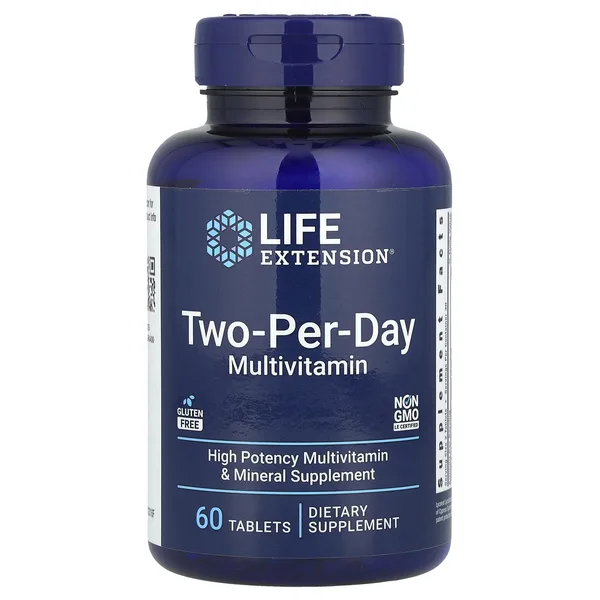
Two-a-Day Multivitamin, 60 Tablets
Life Extension
|
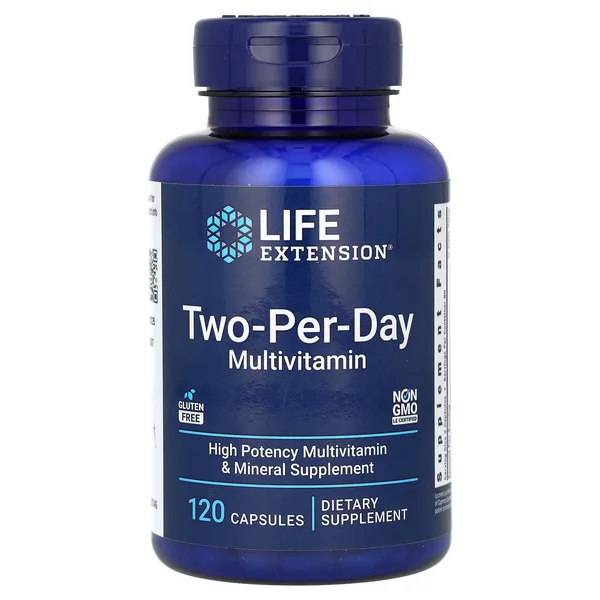
Two-a-Day Multivitamin, 120...
Life Extension
|
|
|---|---|---|
| Overall Score | 82.0 | 80.0 |
| Effectiveness |
83.0/100
Best
|
82.0/100 |
| Ingredient Quality |
90.0/100
Best
|
84.0/100 |
| Value for Money |
77.0/100
Best
|
76.0/100 |
| Side Effects |
77.0/100
Best
|
72.0/100 |
| Certifications |
55.0/100
Best
|
50.0/100 |
| Best Price |
£8.95
iHerb →
Cheapest
|
£16.67 iHerb → |
| Form | None | None |
| Dose | None | None |
| Third-Party Tested | ✗ No | ✗ No |
| Reviews Analysed | 49 | 50 |
Two-a-Day Multivitamin, 60 Tablets
Pros
- ✓Uses premium, active vitamin forms: methylcobalamin B12, 5-MTHF folate (not folic acid), and P-5-P B6 — multiple reviewers specifically highlight this as a differentiator
- ✓High-potency formula meets or exceeds RDA across nearly every nutrient, with phytosomal quercetin and antioxidants beyond the standard mineral-vitamin list
- ✓Consistent reports of improved energy and reduced fatigue across the majority of reviews, including long-term users of 3+ years
- ✓Gluten-free and Non-GMO verified; split twice-daily dosing maintains steadier nutrient levels than a single large dose
Cons
- ✗Tablets are large — several reviewers note their partners or family members struggle with the size and prefer taking just one
- ✗Bright yellow urine is reported by multiple users; harmless B2 effect but consistently surprising to first-time takers
- ✗One reviewer reported dizziness, headaches, and vertigo at the full two-tablet dose; a few others reduced to one tablet daily
- ✗No independent third-party certification (NSF, USP, or similar) despite the premium price point
Best For
Two-a-Day Multivitamin, 120 Capsules
Pros
- ✓Active B-vitamin forms (methylfolate, methylcobalamin, P5P) improve uptake, especially for people with MTHFR variants
- ✓Includes lutein, zeaxanthin, lycopene, and quercetin — phytonutrients absent from most basic multivitamins
- ✓Omits calcium and iron by design, reducing mineral competition and making it easy to tailor those separately
- ✓Consistent reports of reduced fatigue and improved energy, with multiple reviewers noting effects within two to four weeks
Cons
- ✗High vitamin B6 dose — one reviewer reported peripheral numbness in extremities from sustained full-dose daily use
- ✗No vitamin K2, which matters for those relying on the formula's vitamin D3 long-term
- ✗Magnesium partly supplied as oxide, which has lower bioavailability than citrate or glycinate forms
- ✗Not independently third-party tested for purity or label accuracy despite premium brand positioning
Best For
What does the data say about Two-a-Day Multivitamin... vs Two-a-Day Multivitamin...?
Both products come from Life Extension and share a two-per-day dosing schedule, but their forms differ: the 120-capsule version uses capsules, while the 60-tablet version comes in tablet form. Both formulas use the same family of active B-vitamin forms — methylcobalamin B12, 5-MTHF folate instead of folic acid, and P-5-P B6 — making either a meaningful step up from cheaper multivitamins that use cheaper, less readily absorbed equivalents. The 60-tablet version scores higher across every category: 82/100 overall versus 80/100, ingredient quality of 90/100 versus 84/100, and effectiveness of 83/100 versus 82/100. The main practical difference is price: £8.95 for 60 tablets against £16.67 for 120 capsules. At one month's supply each, both work out similarly per dose, but the tablet option is noticeably cheaper upfront.
The 120-capsule version has one notable gap: no vitamin K2, which matters when you're taking D3 long-term. There's also a reported concern with B6 — at least one reviewer experienced peripheral numbness from sustained full-dose daily use. The 60-tablet version doesn't flag the same B6 issue in its reviews, and users report consistent energy improvements including from people who've used it for over three years.
The tablets are large. Several reviewers note that family members struggle with the size. If swallowing large tablets is a problem for you or someone in your household, the capsule format of the 120-count version is the more practical choice. For everyone else, the 60-tablet version is the better formula at the lower price.
Life Extension Two-Per-Day's real strength is its use of bioavailable vitamin forms: methylcobalamin B12, 5-MTHF folate, and pyridoxal-5-phosphate B6 — active forms that matter most for people with MTHFR variants or poor conversion ability.
What are the key differences?
Frequently Asked Questions
Which is better, Two-a-Day Multivitamin, 60 Tablets or Two-a-Day Multivitamin, 120 Capsules? ▼
Is Two-a-Day Multivitamin, 60 Tablets worth the price compared to Two-a-Day Multivitamin, 120 Capsules? ▼
Which has fewer side effects? ▼
Related Product Comparisons
Life Extension Two-Per-Day Multivitamin - 120 Tablets
vs Two-a-Day Multivitamin, 60 Tablets
Life Extension Two-Per-Day Multivitamin - 120 Tablets
vs Two-a-Day Multivitamin, 120 Capsules
Two-Per-Day Multivitamin, V2, 120 Tablets
vs Two-a-Day Multivitamin, 60 Tablets
Two-Per-Day Multivitamin, V2, 120 Tablets
vs Two-a-Day Multivitamin, 120 Capsules
Two-a-Day Multivitamin, 60 Tablets
vs Two-a-Day Multivitamin, 120 Tablets
Two-a-Day Multivitamin, 60 Tablets
vs Daily Multivitamin Gummies Vegan
Disclaimer: AIScored provides data-driven comparisons based on publicly available reviews. This is not medical advice. Affiliate links may earn us a commission at no extra cost to you.
Feedback & Suggestions
Spotted an issue? Wrong price, incorrect data, or something else off? Let us know and we'll fix it.
Missing a product you'd like us to review? Tell us the product name and we'll consider adding it.