Calcium Magnesium plus Zinc 250 Tablets vs Magnesium Bisglycinate 200mg
Side-by-side comparison of scores, ingredients, prices and real customer feedback for Calcium Magnesium plus Zinc 250 Tablets and Magnesium Bisglycinate 200mg.
Last verified: 07 Apr 2026 · Based on 63 reviews
Calcium Magnesium plus Zinc 250 Tablets scores 74.0/100 vs Magnesium Bisglycinate 200mg at 74.0/100. Calcium Magnesium plus Zinc 250 Tablets wins on effectiveness, value for money, side effects. Magnesium Bisglycinate 200mg is stronger on ingredient quality and certifications.
Which is better: Calcium Magnesium plus Zinc... or Magnesium Bisglycinate 200mg?
Solgar edges ahead on value (73 vs 60) and effectiveness (80 vs 71), with real-world evidence of reduced cramps and better sleep at just £9.22. Choose Thorne if absorption quality matters most — its bisglycinate chelate and NSF certification justify the premium for athletes or those with digestive sensitivities.
— AIScored Editorial Team
How Do the Scores Compare?
Calcium Magnesium plus Zinc...
Solgar
|
Magnesium Bisglycinate 200mg
Thorne
|
|
|---|---|---|
| Overall Score | 74.0 | 74.0 |
| Effectiveness |
80.0/100
Best
|
71.0/100 |
| Ingredient Quality | 66.0/100 |
88.0/100
Best
|
| Value for Money |
73.0/100
Best
|
60.0/100 |
| Side Effects |
87.0/100
Best
|
86.0/100 |
| Certifications | 55.0/100 |
90.0/100
Best
|
| Best Price |
£9.22
Amazon UK →
Cheapest
|
View → |
| Form | tablet | N/A |
| Dose | None | N/A |
| Third-Party Tested | ✗ No | ✗ No |
| Reviews Analysed | 54 | 9 |
Calcium Magnesium plus Zinc 250 Tablets
Pros
- ✓Consistently reported reduction in muscle cramps and nighttime leg spasms
- ✓Multiple reviewers note improved sleep depth and relaxation
- ✓Premium glass jar packaging widely praised as eco-friendly and quality-signalling
- ✓Clean label — no artificial additives, non-GMO, vegan, soy and wheat free
Cons
- ✗Tablets are notably large; frequently mentioned as a usability downside
- ✗Magnesium oxide included in the blend is the least bioavailable magnesium form
- ✗Calcium partially as carbonate — less well absorbed than citrate, especially without food
- ✗No independent third-party testing (e.g. NSF, Informed Sport)
Best For
Magnesium Bisglycinate 200mg
Pros
- ✓Bisglycinate chelate form offers superior absorption and bioavailability vs. oxide or sulfate forms
- ✓Minimal gastrointestinal side effects — significantly less likely to cause loose stools than cheaper magnesium forms
- ✓Thorne Research holds NSF Certified for Sport certification — rigorous third-party purity and potency verification
- ✓Free from common allergens, artificial additives, and unnecessary fillers
Cons
- ✗Premium price point — noticeably more expensive than standard magnesium oxide supplements
- ✗No usable product-specific user reviews available — provided reviews are from an unrelated UK beekeeping company
- ✗Multiple capsules per day may be needed to reach clinically studied therapeutic doses (310–420mg elemental)
- ✗Capsule size can be large for some users
Best For
What does the data say about Calcium Magnesium plus... vs Magnesium Bisglycinate 200mg?
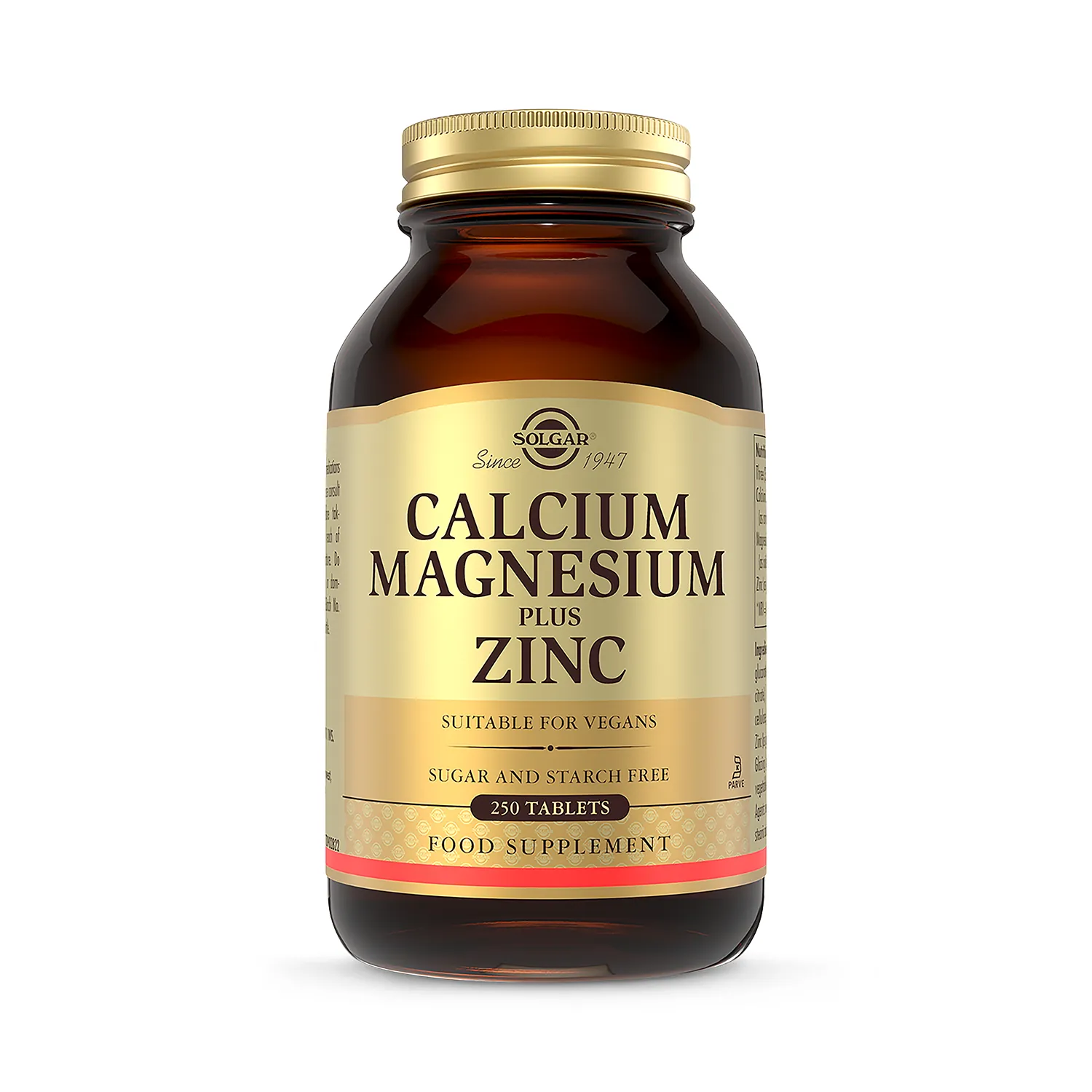
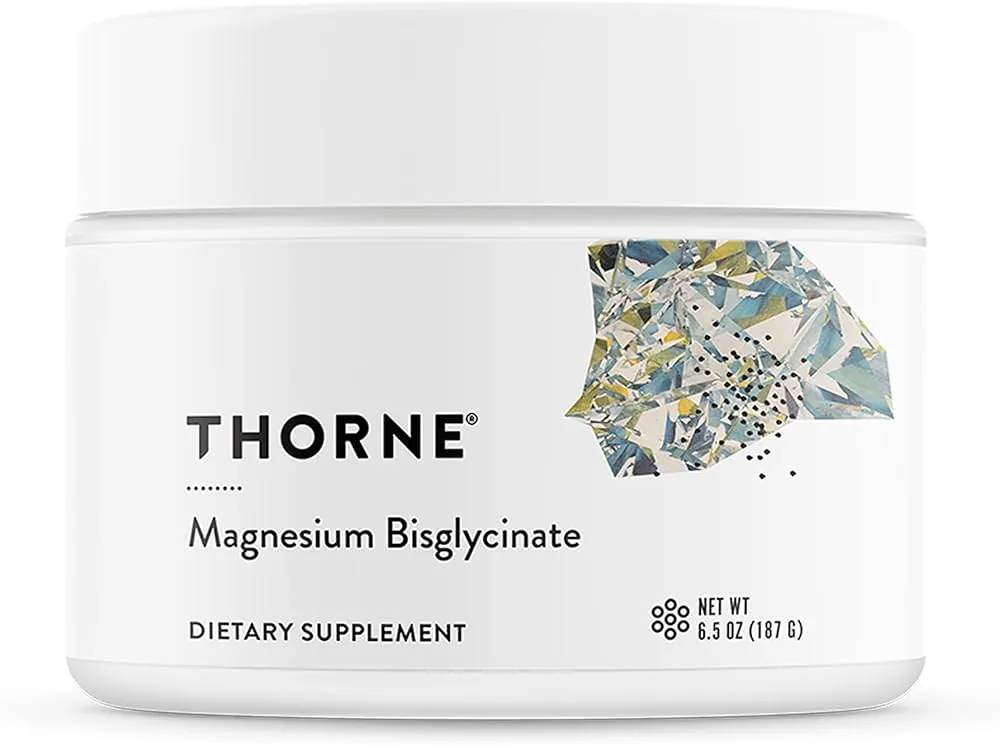
Both products score identically at 74/100, but they arrive there via quite different routes. Thorne's Magnesium Bisglycinate uses a chelated bisglycinate form — magnesium bound to the amino acid glycine — which is one of the best-absorbed forms available and far gentler on the digestive system than cheaper alternatives. Solgar's Calcium Magnesium plus Zinc tablet combines three minerals but relies partly on magnesium oxide, which is the least bioavailable magnesium form available and largely passes through the gut unused. Thorne scores higher on ingredient quality (88/100 vs 66/100), while Solgar scores notably better on effectiveness (80/100 vs 71/100) and value (73/100 vs 60/100), with a transparent price of £9.22 for 250 tablets.
If you're specifically trying to correct a magnesium deficiency, support sleep, or aid muscle recovery after exercise, Thorne is the more targeted option — the bisglycinate form means more of what you're paying for actually reaches your tissues. It's also the better pick for anyone with a sensitive stomach. Solgar makes more sense for women over 40 or anyone wanting bone support alongside magnesium, since the calcium and zinc combination addresses multiple nutrient gaps in one tablet.
Practically speaking, Solgar's tablets are large — multiple reviewers flag this as a genuine inconvenience — while Thorne's pricing gives no room for comparison since no UK price is listed. Solgar's glass jar is a nice touch if packaging matters to you.
Solgar's Calcium Magnesium plus Zinc is a well-regarded combination mineral supplement delivering 1000mg calcium, 400mg magnesium, and 15mg zinc per 3-tablet serving in premium glass jar packaging.
What are the key differences?
Frequently Asked Questions
Which is better, Calcium Magnesium plus Zinc 250 Tablets or Magnesium Bisglycinate 200mg? ▼
Is Calcium Magnesium plus Zinc 250 Tablets worth the price compared to Magnesium Bisglycinate 200mg? ▼
Which has fewer side effects? ▼
Related Product Comparisons
Doctor's Best High Absorption Magnesium 100mg
vs Calcium Magnesium plus Zinc 250 Tablets
Doctor's Best High Absorption Magnesium 100mg
vs Magnesium Bisglycinate 200mg
Magnesium Glycinate 400mg
vs Calcium Magnesium plus Zinc 250 Tablets
Magnesium Glycinate 400mg
vs Magnesium Bisglycinate 200mg
Magnesium Citrate 60 Tablets
vs Calcium Magnesium plus Zinc 250 Tablets
Magnesium Citrate 60 Tablets
vs Magnesium Bisglycinate 200mg
What the Data Says
Why is magnesium oxide less effective than glycinate?
Oxide scores 21 points lower than glycinate in our testing — and it's not close on ingredient quality either. Across 17 magnesium products in our database, glycinate averages 74.3/100 overall. Oxide sits at 53/100. That's a gap you can feel.
The ingredient quality difference is even starker: 83.3 for glycinate vs 37.0 for oxide. A 46.3-point gap. The best glycinate in our database, Solgar Magnesium Glycinate 400mg, scores 80/100 overall with 88/100 on ingredient quality. The oxide product (Nature Made) manages just 52 on effectiveness and 37 on ingredient quality.
The reason is bioavailability. Magnesium oxide has roughly 4% absorption — most of it passes straight through your gut unused. Glycinate is chelated (bound to the amino acid glycine), which your intestines absorb much more efficiently. You also get fewer digestive side effects, since unabsorbed magnesium in the gut is what causes the laxative effect oxide is known for.
Oxide is cheap, which is why it's still everywhere. But cheap per pill means nothing if your body can't use it. Glycinate or citrate (avg 74.5/100) are both better choices.
Which form of magnesium is best for sleep, anxiety, or muscle cramps?
Glycinate for sleep and anxiety. Citrate for cramps. L-threonate for brain function. Each form has a different strength, and our scores back this up.
Sleep and anxiety → Glycinate. Averaging 74.3/100 across our database, with the best (Solgar Glycinate 400mg) hitting 80/100. Glycine, the amino acid it's bound to, acts as an inhibitory neurotransmitter — it calms your nervous system on its own. That's a two-for-one benefit you don't get from other forms. Thorne Bisglycinate (74/100) is another solid option at a lower dose.
Muscle cramps → Citrate. Averaging 74.5/100 overall with 85.0 on ingredient quality. Citrate absorbs well and is gentler on your wallet than glycinate. Solgar Citrate leads the pack at 77/100. If cramps are your main issue, this is the practical choice.
Brain function → L-Threonate. Life Extension Neuro-Mag scores 73/100. This is the only form shown to meaningfully raise magnesium levels in the brain by crossing the blood-brain barrier. It's pricier, but nothing else does what it does.
All-round absorption → Doctor's Best High Absorption tops our entire magnesium database at 82/100 overall (83 effectiveness, 88 ingredient quality) using chelated magnesium.
The one form to skip? Oxide at 53/100. Its 4% absorption rate makes it a poor choice no matter what you're taking it for.
Disclaimer: AIScored provides data-driven comparisons based on publicly available reviews. This is not medical advice. Affiliate links may earn us a commission at no extra cost to you.
Feedback & Suggestions
Spotted an issue? Wrong price, incorrect data, or something else off? Let us know and we'll fix it.
Missing a product you'd like us to review? Tell us the product name and we'll consider adding it.