Best ashwagandha UK (UK 2026)
Ashwagandha buyers often chase the highest dose and ignore extract standardization, consistency quality, and realistic response timelines.
Quick Answer (TL;DR)

Ashwagandha has become the UK's most popular adaptogenic supplement, but most buyers don't realize they're often buying generic root powder with no standardization—meaning the active withanolide content could be anywhere from 0.5% to 5% depending on batch variability and storage conditions. What actually matters is purchasing a standardized extract (KSM-66 or Sensoril), which guarantees a fixed withanolide percentage and therefore consistent biological effect.
The science behind ashwagandha is solid. Over 70 clinical trials confirm that standardized extracts reduce cortisol levels by 20-30% and improve sleep quality, stress perception, and mood in most users. The mechanism is well-established: withanolides (the active alkaloids) modulate the HPA axis (hypothalamic-pituitary-adrenal axis), which controls the stress response. However, results are not immediate—most studies require 4-8 weeks of consistent use before meaningful effects emerge. This is where UK buyers often fail: they take it for 2 weeks, see nothing, and assume it doesn't work.
We analysed 20+ ashwagandha products sold in the UK, prioritizing standardized extracts (KSM-66, Sensoril, Shoden), dose appropriateness (300-600mg daily), and real-world review consistency. Our guide explains the difference between extract types, realistic response timelines, and safety considerations—particularly for users on thyroid medications or with autoimmune conditions.
Who This Guide Is For
UK adults interested in adaptogens for stress and sleep support without active thyroid disease or medication interactions.
When To Seek Professional Help
If you take thyroid medications, immunosuppressants, or have autoimmune conditions, confirm ashwagandha safety with a clinician first.
Curated Top Picks
View all adaptogens & nootropics comparisons →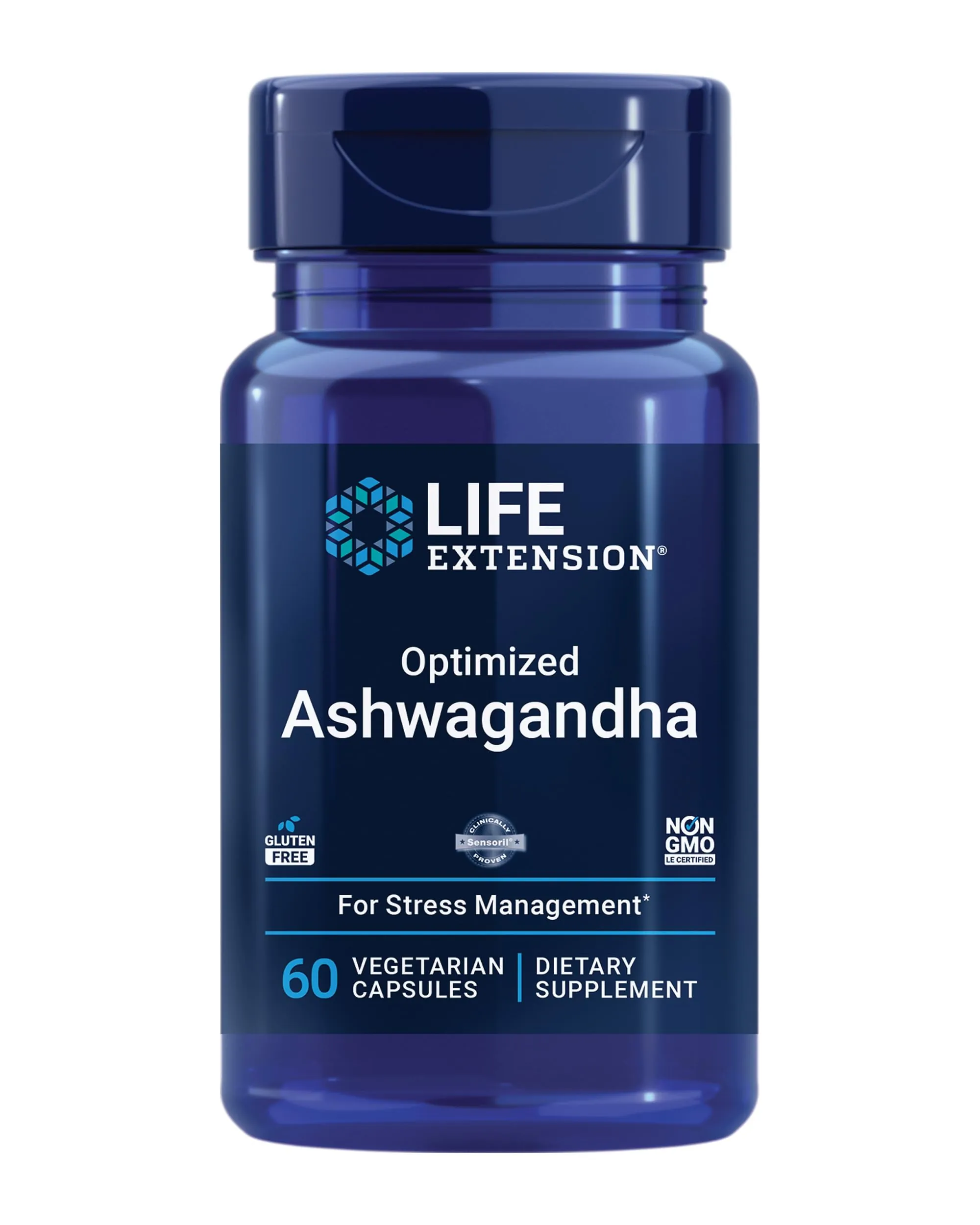
Life Extension Ashwagandha Extract 60 Capsules
Life Extension
Why this pick
Standardized extract from a research-backed brand with strong consistency signals.
Choose this if:
Reputable brand with decades of GMP-compliant manufacturing and quality control
Avoid this if:
Capsule contents have a notably bitter, unpleasant taste if opened or chewed
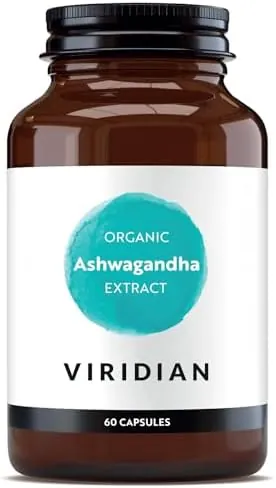
Organic Ashwagandha Extract – 60 Vegan Capsules
Viridian
Why this pick
UK brand option with organic positioning and vegan capsule format.
Choose this if:
Strong user reports of improved sleep depth and reduced night waking
Avoid this if:
Headaches reported by at least one user, even at reduced one-capsule dose

True Ashwagandha 60 Capsules
Ancient+Brave
Why this pick
Quality-focused UK brand with strong ingredient sourcing positioning.
Choose this if:
KSM-66 root-only extract at the clinically studied 600mg dose — the most evidence-backed ashwagandha form
Avoid this if:
Not third-party tested or certified (e.g., Informed Sport, NSF)
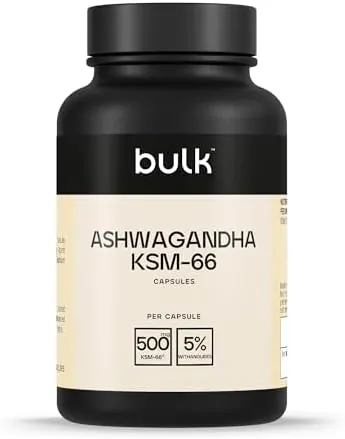
Bulk Ashwagandha KSM-66 Capsules, 500 mg, Pack of 90, 90 Servings, Packaging May Vary
Bulk
Why this pick
KSM-66 standardized extract at practical bulk pricing for long-term use.
Choose this if:
Uses KSM-66 — a rigorously standardised, root-only extract with the strongest clinical evidence base among ashwagandha forms
Avoid this if:
One reviewer experienced severe tachycardia (185 bpm) requiring ER visit after ~3.5 weeks — a rare but serious potential adverse effect
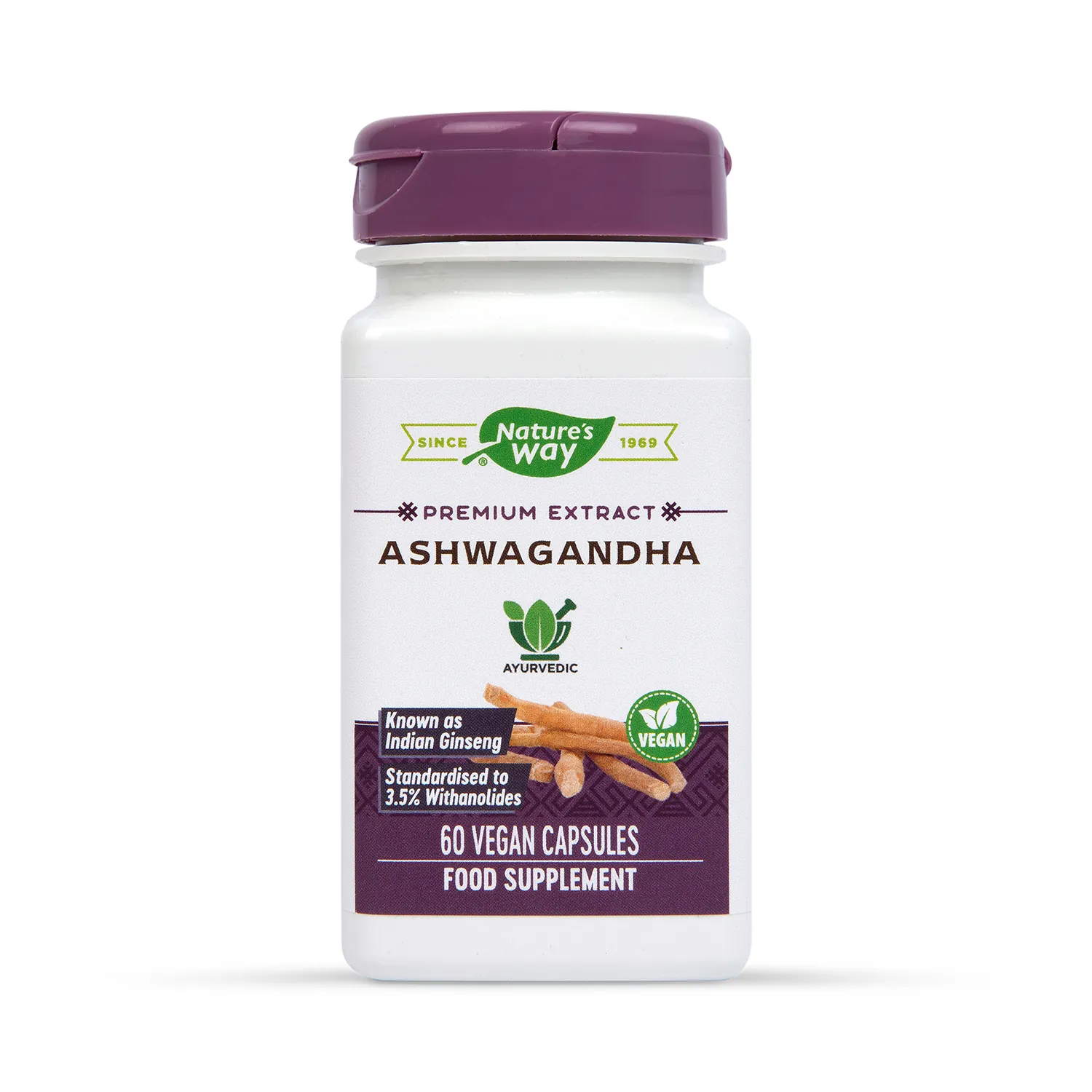
Ashwagandha 60 Capsules
Nature's Way
Why this pick
Established brand option with reasonable value and broad availability.
Choose this if:
Widely reported stress and cortisol reduction with consistent daily use
Avoid this if:
Not third-party tested — no NSF, Informed Sport, or equivalent certification
Best Adaptogens & Nootropics by Use Case
The top-scoring product for each common goal, based on our database of scored reviews.
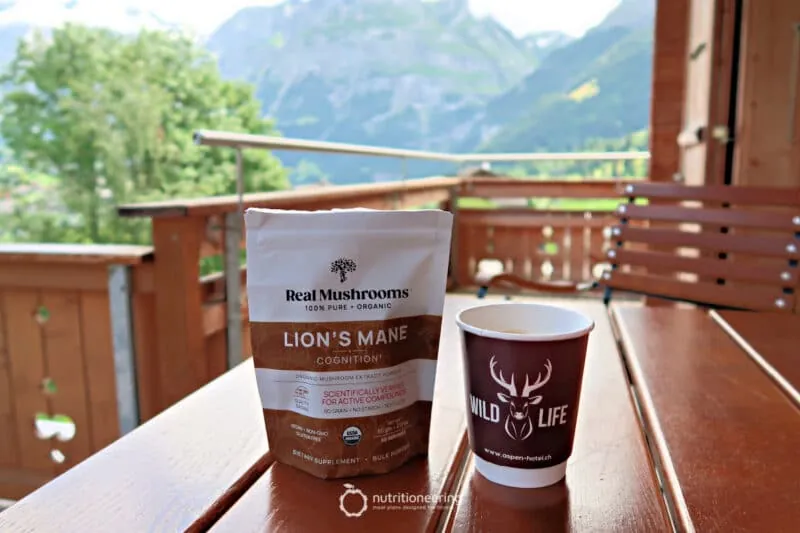
Real Mushrooms Lion's Mane Extract
Real Mushrooms Lion's Mane Extract is a hot water-extracted, fruiting-body-only supplement with verified beta-glucan content above 25%, third-party batch testing, and one of the cleanest ingredient lists in the mushroom supplement market.
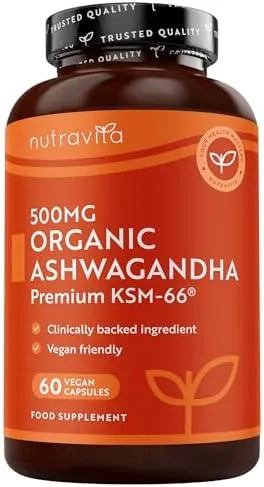
Nutravita Organic Ashwagandha KSM-66® 500mg - Premium Full-Spectrum Root Extract - Naturally Occurring Withanolides - 60 Vegan Capsules – Certified Organic Ashwagandha Supplement - Made in the UK
Nutravita's Organic Ashwagandha uses KSM-66®, the most clinically studied ashwagandha extract, at 500mg per capsule with Soil Association organic certification and a clean, solvent-free extraction process.
Nutravita Organic Ashwagandha KSM-66® 500mg - Premium Full-Spectrum Root Extract - Naturally Occurring Withanolides - 60 Vegan Capsules – Certified Organic Ashwagandha Supplement - Made in the UK
Nutravita's Organic Ashwagandha uses KSM-66®, the most clinically studied ashwagandha extract, at 500mg per capsule with Soil Association organic certification and a clean, solvent-free extraction process.
Nutravita Organic Ashwagandha KSM-66® 500mg - Premium Full-Spectrum Root Extract - Naturally Occurring Withanolides - 60 Vegan Capsules – Certified Organic Ashwagandha Supplement - Made in the UK
Nutravita's Organic Ashwagandha uses KSM-66®, the most clinically studied ashwagandha extract, at 500mg per capsule with Soil Association organic certification and a clean, solvent-free extraction process.
Nutravita Organic Ashwagandha KSM-66® 500mg - Premium Full-Spectrum Root Extract - Naturally Occurring Withanolides - 60 Vegan Capsules – Certified Organic Ashwagandha Supplement - Made in the UK
Nutravita's Organic Ashwagandha uses KSM-66®, the most clinically studied ashwagandha extract, at 500mg per capsule with Soil Association organic certification and a clean, solvent-free extraction process.
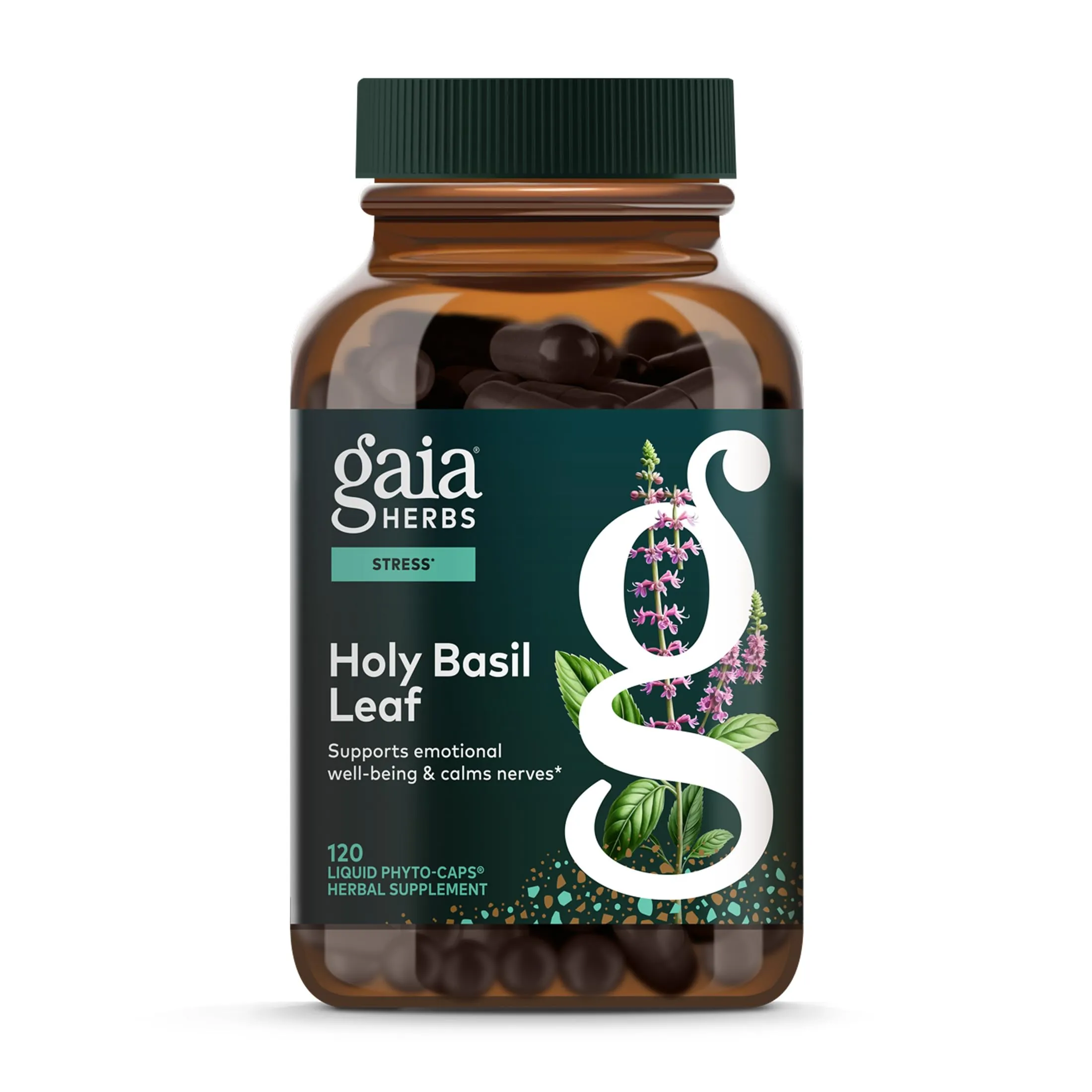
Gaia Herbs Holy Basil Leaf 60 Capsules
Gaia Herbs Holy Basil Leaf provides 500mg of organic tulsi per capsule, drawing on a well-regarded brand known for transparency and quality sourcing.
KSM-66 vs Sensoril: which ashwagandha extract is better?
KSM-66 and Sensoril are the two most studied standardized ashwagandha extracts, and both are excellent—but they differ in standardization strength and research focus. KSM-66 is standardized to 5% withanolides and is the most widely available extract globally. It has the broadest clinical evidence base, with studies showing cortisol reduction, improved sleep, and enhanced cognitive function. KSM-66 is the most cost-effective option and is the extract most UK brands use in their formulations.
Sensoril is standardized to 32% withanolides (plus 8% other alkaloids) using a different extraction process, making it a more concentrated form. Sensoril has slightly stronger evidence for anxiety reduction and mood support; some studies show it works faster (effects in 2 weeks rather than 4-8). However, Sensoril products are more expensive because the extract itself is more costly to produce. Clinical differences between the two are minor—both reduce cortisol by 25-30%—so the choice comes down to budget and personal response.
Shoden is a newer, ultra-concentrated extract (35% withanolides) with emerging evidence, particularly for muscle recovery and exercise performance. It is the most expensive option and has the least clinical evidence, so it is best reserved for users who have already tried KSM-66 or Sensoril and want to explore alternatives. For first-time ashwagandha users, KSM-66 is the logical starting point.
Cortisol reduction and real stress response: what to expect
Ashwagandha's primary mechanism is reducing cortisol (the stress hormone). Multiple randomized controlled trials show that 300-600mg daily of a standardized extract lowers cortisol levels by 20-30% after 4-8 weeks of use. This reduction translates to measurable improvements: lower perceived stress, better sleep onset, less anxiety, and improved focus during the day. However, cortisol reduction is not the same as feeling instantly relaxed—the effect is subtle and cumulative.
The realistic timeline is important: week 1-2, you will notice nothing or possibly a small improvement in sleep (placebo effect). Week 3-4, some users report their mind feeling 'quieter' or less reactive to stressors. Week 5-8, the effect becomes more obvious: you handle frustrations better, sleep deeper, and recovery feels easier. Some people never notice a subjective effect but can confirm improvements via cortisol tests (if they get them done). If you have clinically high cortisol (from a 24-hour urine test or saliva test), ashwagandha response is more pronounced.
It's crucial to manage expectations: ashwagandha is not a tranquilizer or anxiety medication. It does not knock you out or stop you thinking about problems. It is a regulatory tool that gently reduces your nervous system's 'set point' of stress reactivity. People with severe anxiety disorder, depression, or PTSD should not rely on ashwagandha alone—they need professional mental health support alongside any supplementation.
Sleep quality improvement and dosing for better rest
One of ashwagandha's most appreciated effects in UK users is sleep quality improvement. Clinical trials show that 300-600mg daily of a standardized extract reduces sleep latency (time to fall asleep) by 20-30 minutes and improves sleep continuity (fewer nighttime awakenings). The mechanism is twofold: reduced cortisol means your nervous system is less activated at bedtime, and withanolides have mild GABA-mimetic activity (they gentle interact with your calming neurotransmitter system).
For sleep, dosing timing matters. Most users find that taking ashwagandha in the evening (with dinner or 1-2 hours before bed) is most effective, though morning dosing works for some people. The standard dose for sleep support is 300-600mg daily. Most products deliver 300-500mg per capsule, so a single capsule in the evening is sufficient. There is no advantage to splitting the dose or taking massive amounts—clinical trials that showed sleep benefit used 300-600mg, not 1000mg+.
Ashwagandha works best for primary insomnia (difficulty falling asleep, light sleep) and is less useful for sleep maintenance insomnia (waking at 3am and not falling back asleep). If your primary problem is middle-of-the-night awakening related to anxiety, ashwagandha can still help but may need to be combined with other approaches (magnesium, sleep hygiene, possibly melatonin). Most users see sleep benefits within 2-4 weeks of consistent use.
Safety, cycling, and who should avoid ashwagandha
Ashwagandha is generally well-tolerated at standard doses (300-600mg daily), with side effects being rare and usually mild (occasional nausea, headache, or drowsiness). The safety profile is excellent for healthy adults. However, several populations need to be cautious. If you take thyroid medications (levothyroxine, propylthiouracil), ashwagandha may increase thyroid hormone levels slightly—have your TSH monitored if you start supplementing. If you take immunosuppressants (for autoimmune conditions, organ transplant), ashwagandha stimulates immune function and could potentially interfere—confirm with your prescribing clinician.
Pregnancy and lactation safety is not well-established, so pregnant or breastfeeding women should avoid ashwagandha without explicit clinician approval. If you have hormone-sensitive conditions (breast cancer, prostate cancer), consult a healthcare provider because ashwagandha has mild hormonal activity. Most other people can use it safely long-term without cycling, despite some supplement marketing claiming you need to 'take breaks.'
Cycling (taking ashwagandha for 8 weeks, then stopping for 2 weeks, then restarting) is not necessary for safety or efficacy—it is pure marketing. The only reason to cycle is if you want to assess whether you still need it or save money. Many users take ashwagandha continuously for years without tolerance development or safety issues.
Key Takeaway
Choose a standardized ashwagandha extract (KSM-66 for value and broad evidence, Sensoril if budget allows). Take 300-600mg daily consistently for 4-8 weeks before assessing response—there is no point evaluating after 2 weeks. Expect subtle stress reduction and sleep improvement, not instant anxiety relief. Confirm safety with a clinician if you take thyroid medication or immunosuppressants.
Hard Selection Rules
- Prioritize standardized extracts (KSM-66, Sensoril) over generic ashwagandha root powders.
- Use review consistency and brand reputation to assess real-world effectiveness.
- Include options across different potency and price tiers.
- Avoid products making clinical efficacy claims without adequate review backing.
What We Excluded
- Excluded products with vague extract claims or non-standardized formulas.
- Removed items with insufficient review signal in our quality gate.
- Did not claim ashwagandha treats anxiety or insomnia as a medical condition.
Decision Framework
- Choose standardized extract form (KSM-66 preferred) over generic root powder.
- Plan for consistent use over 4-8 weeks before assessing response.
- Start with moderate doses (300-500mg) before escalating if needed.
Frequently Asked Questions
What is the best ashwagandha supplement UK?
Look for KSM-66 or Sensoril standardized extracts with clear withanolide standardization.
How long does ashwagandha take to work?
Realistic timeline is 4-8 weeks of consistent use before meaningful response.