Best iron supplement UK (UK 2026)
Iron supplement buyers often overshoot dosing based on marketing and ignore form tolerance, absorption timing, and individual deficiency confirmation.
Iron deficiency is the most common nutritional deficiency in the UK, particularly affecting women of childbearing age and vegetarians. Approximately 27% of women aged 19-64 have iron stores below optimal (ferritin below 15 micrograms/L), though frank anemia (hemoglobin below normal) affects only 3-5%. This distinction matters: low iron stores do not necessarily cause symptoms, but when iron becomes severely depleted, anemia develops, causing fatigue, breathlessness, and cognitive impairment. Supplementation is only warranted if deficiency is confirmed via blood testing (ferritin, serum iron, hemoglobin).
The iron supplementation market is frustrating because the most effective forms (ferrous sulfate, ferrous fumarate) are also the most likely to cause GI side effects: constipation, nausea, dark stools, abdominal discomfort. This is why many people start iron supplementation, experience GI upset, and abandon it—missing out on weeks of treatment. Newer forms (iron bisglycinate, Active Iron with special absorption technology) are gentler but more expensive. Understanding form choice and absorption timing is crucial for consistent supplementation.
We analysed 12 iron products sold in the UK, comparing form quality (absorption and GI tolerance), dose appropriateness, absorption enhancers/inhibitors, and real-world user experience. This guide explains UK iron deficiency patterns, how to confirm deficiency before supplementing, and how to choose forms and timing that maximize tolerance and absorption.
Who This Guide Is For
UK adults with diagnosed or suspected iron deficiency seeking supplementation support without overloading intake.
When To Seek Professional Help
If you have iron overload conditions, hemochromatosis, or are pregnant, confirm iron dosing with a clinician before supplementation.
Curated Top Picks
View all minerals comparisons →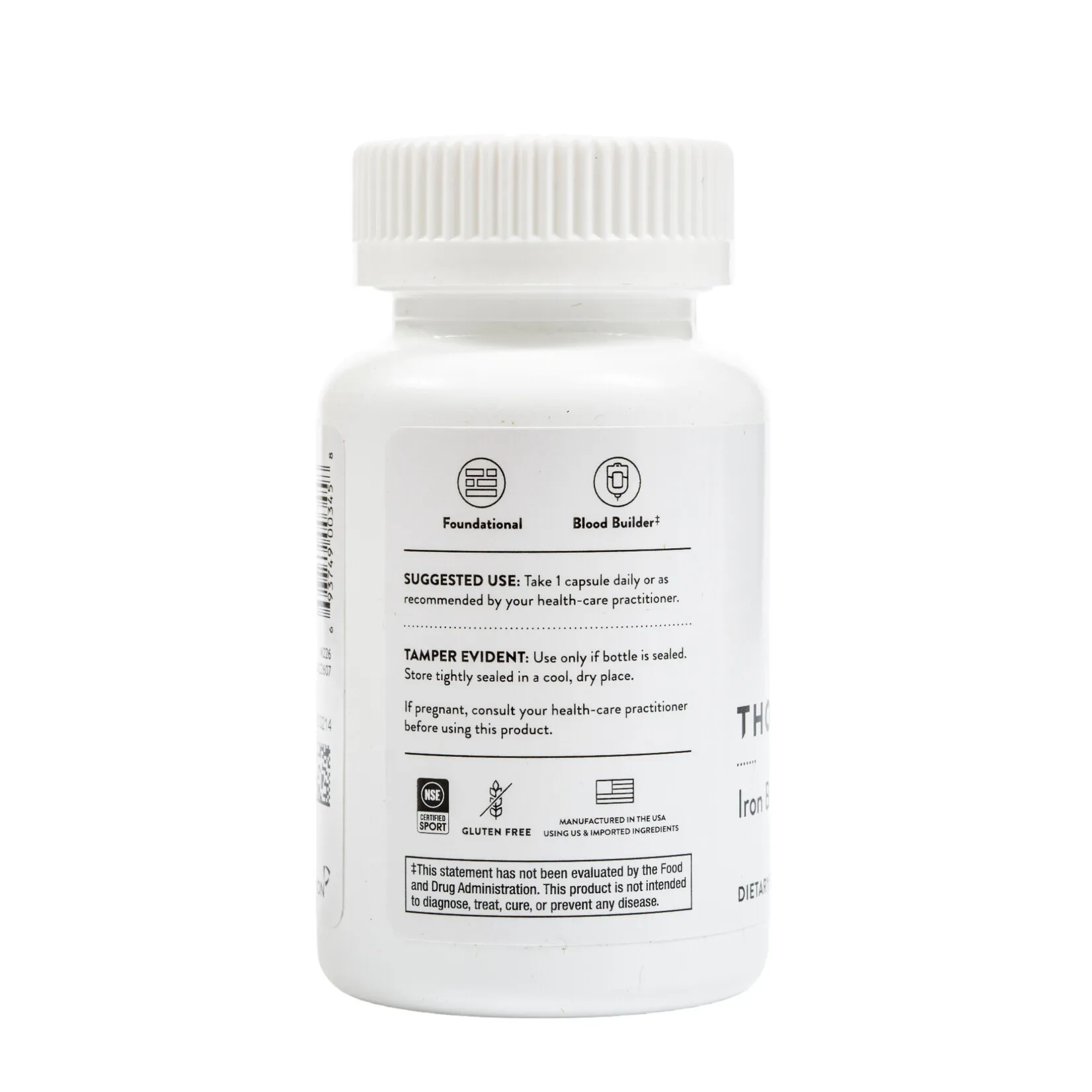
Thorne Iron Bisglycinate 25mg
Thorne
- Why this pick
- Well-tolerated bisglycinate form from quality-focused brand with strong consistency.
- Best for
- Users wanting gentler iron form with reliable brand quality.
- Watch out
- Premium bisglycinate pricing is higher than basic ferrous salt alternatives.
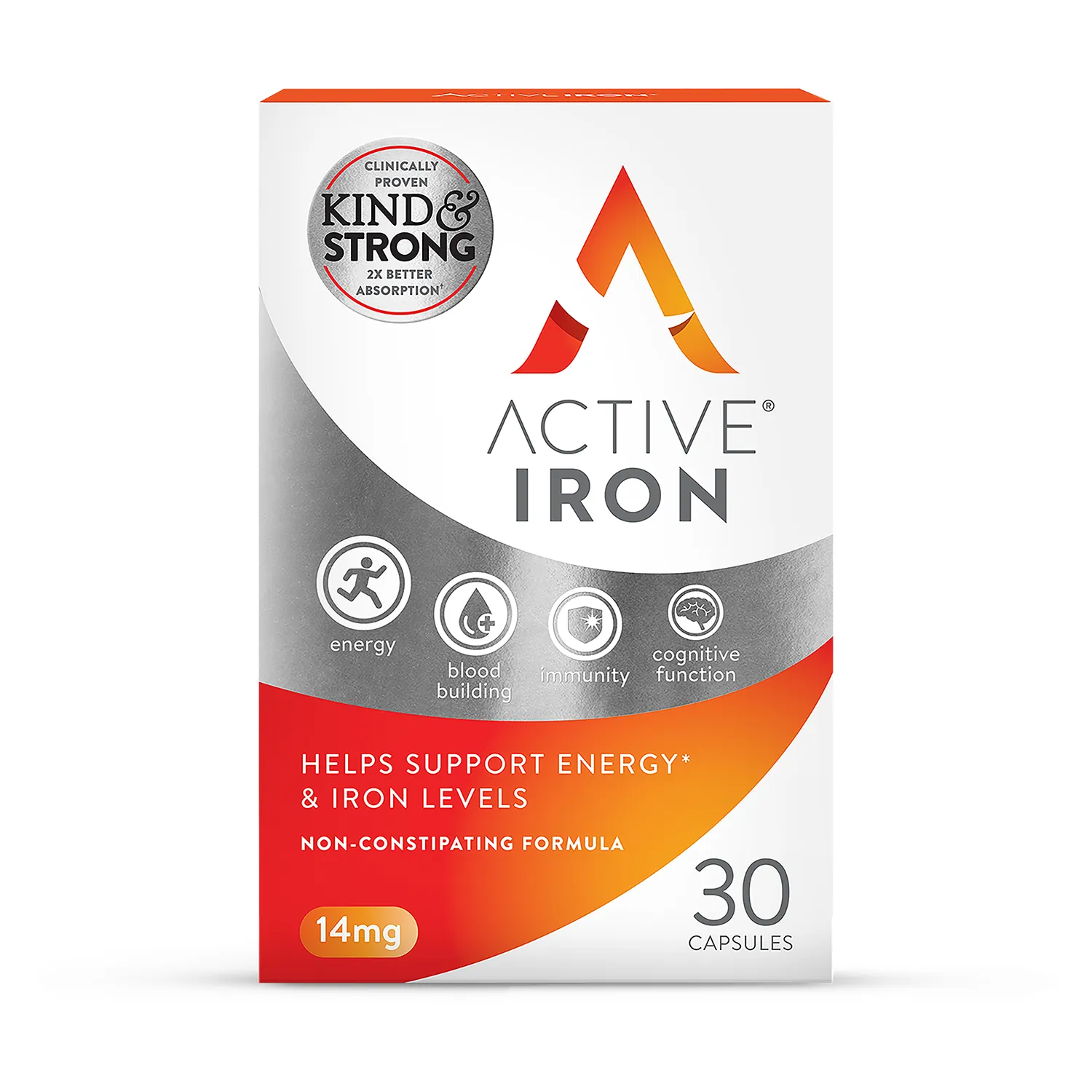
30 Capsules
Active Iron
- Why this pick
- Active iron form with unique absorption technology for improved tolerability.
- Best for
- Users wanting innovative form to minimize GI side effects.
- Watch out
- Limited review signal means outcomes are less predictable.
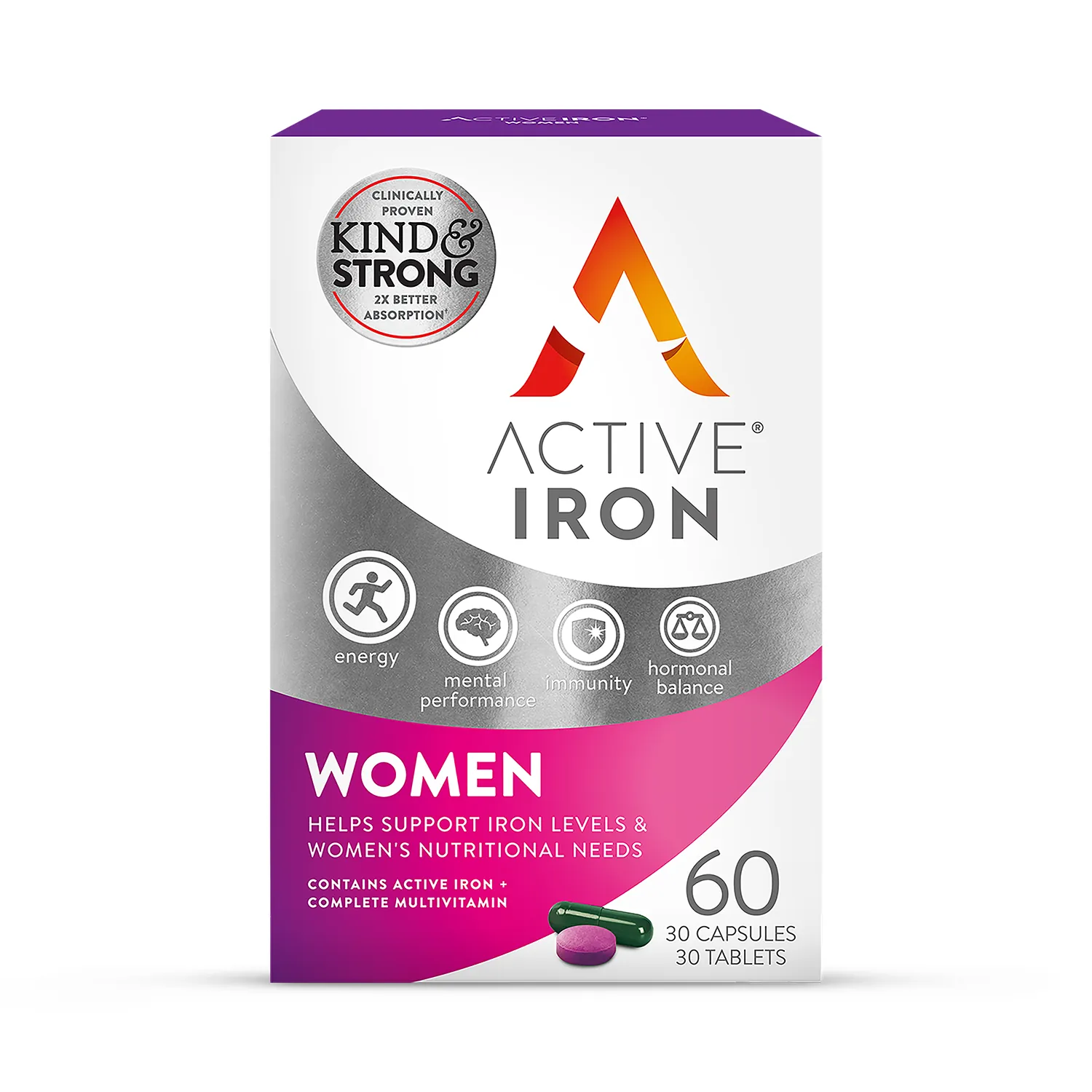
Active Iron for Women 60 Capsules
Active Iron
- Why this pick
- Women-specific iron formula with targeted dosing relevant for menstruating women.
- Best for
- Women with higher iron needs due to menstrual losses.
- Watch out
- Women-specific positioning does not change core tolerance properties.
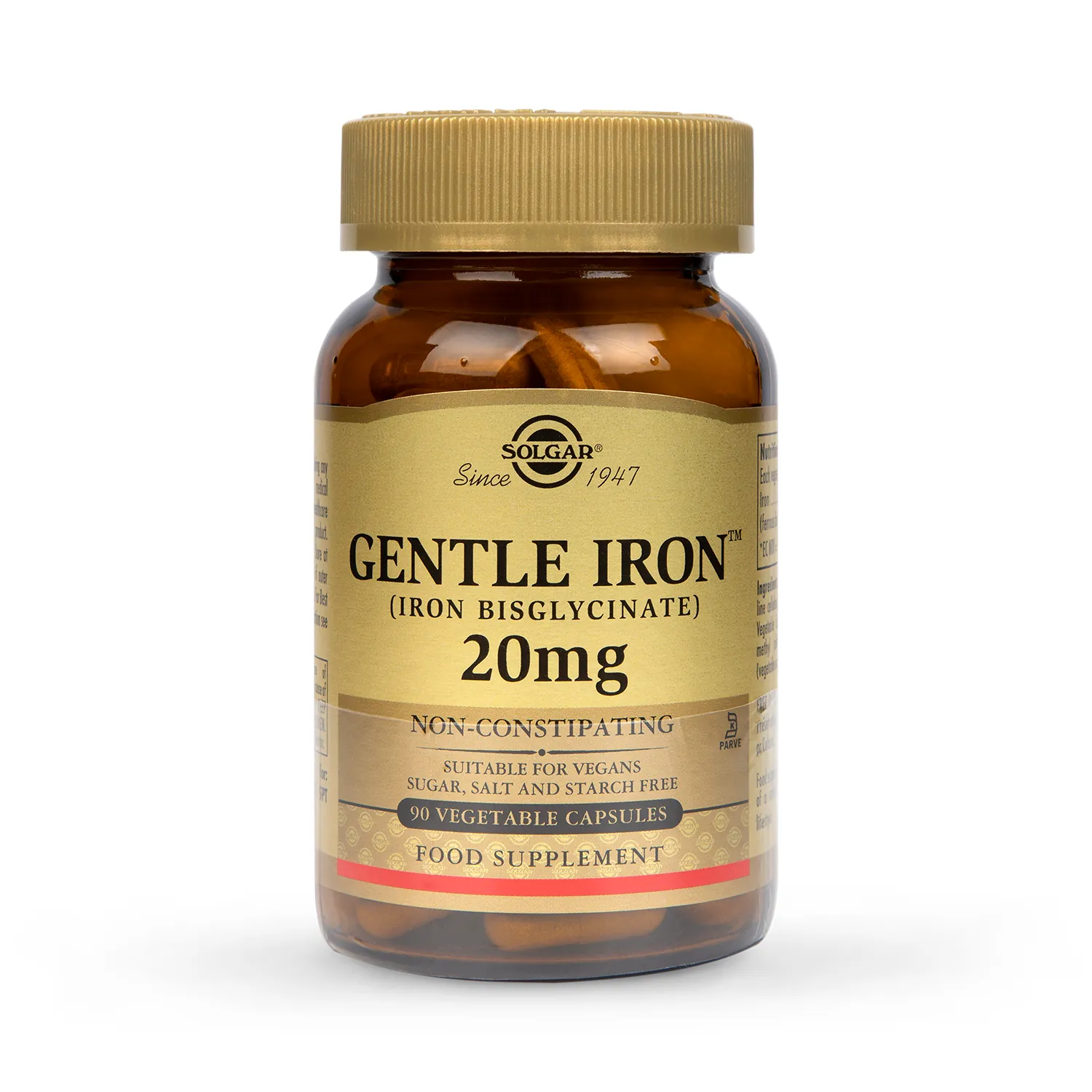
Gentle Iron 20mg 90 Vegi Capsules
Solgar
- Why this pick
- Gentle iron positioning with vegetable capsule format and consistent quality.
- Best for
- Vegetarian users wanting plant-based capsule option.
- Watch out
- Limited review signal and lower potency than other options.
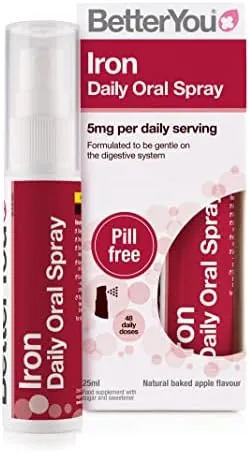
Better You Iron Daily Oral Spray 25ml (Pack of 3)
BetterYou
- Why this pick
- Topical spray format for users who struggle with oral iron tolerance.
- Best for
- Users seeking non-oral delivery to avoid GI side effects.
- Watch out
- Topical absorption is not well-established for iron.
UK iron deficiency: who is at risk and what the numbers show
Iron deficiency is significantly more common in women than men due to menstrual blood loss. Studies show that 27% of UK women aged 19-64 have depleted iron stores (ferritin below 15 micrograms/L), and 5-10% have iron-deficiency anemia. In contrast, iron deficiency in men is usually secondary to disease (GI bleeding, chronic kidney disease) rather than dietary insufficiency. For women, menstrual losses of 30-40 mg iron monthly are typical—heavy periods (menorrhagia) can exceed 100 mg monthly, rapidly depleting stores.
Vegetarians and vegans have elevated deficiency risk because plant-based iron (non-heme iron) is absorbed at 2-20% compared to 15-35% for animal-derived (heme) iron. This is why vegetarian women, in particular, have high deficiency prevalence (up to 40% in some studies). Older adults, particularly women over 70 (when absorption declines), and people with GI disorders (coeliac, Crohn's, post-gastric bypass) are at heightened risk.
The most important point: do not supplement iron without confirmation of deficiency. Iron overload (from excessive supplementation) causes oxidative damage and increases cardiovascular disease and cancer risk. A simple blood test (CBC with differential, ferritin level, possibly serum iron and TIBC) identifies deficiency. If ferritin is above 30 micrograms/L and hemoglobin is normal, iron supplementation provides no benefit.
Iron forms and absorption: bisglycinate vs ferrous salts vs Active Iron
Ferrous sulfate is the standard, most effective, and cheapest iron supplement. It delivers 65 mg elemental iron per tablet, is well-absorbed (20-30%), and has the most clinical evidence. However, it frequently causes constipation, nausea, and dark/tarry stools (harmless but unpleasant). This form causes more side effects than any other, which is why patient adherence is poor.
Iron bisglycinate (iron bound to the amino acid glycine) is gentler on the GI system—it is absorbed via amino acid transporters, not the standard iron uptake mechanism. Bioavailability is slightly lower than ferrous sulfate (15-20%), but GI tolerance is dramatically better. Most users can take bisglycinate without constipation or nausea. The tradeoff: bisglycinate typically contains 25 mg elemental iron (vs 65 mg for ferrous sulfate) and costs 2-3x more. For people who cannot tolerate ferrous salts, bisglycinate is worth the premium.
Active Iron (a newer technology) uses a special protein-bound form to enhance absorption and reduce GI side effects. Bioavailability is comparable to ferrous sulfate, but user tolerance is better. Active Iron products typically contain 25-30 mg elemental iron and cost moderately more than ferrous sulfate. Real-world evidence suggests Active Iron is well-tolerated by most people.
Absorption enhancers and blockers: timing and meal strategy matter
Iron absorption is enhanced dramatically by vitamin C (ascorbic acid). Taking iron with a source of vitamin C (orange juice, kiwi, citrus fruit, or a 100-200 mg vitamin C tablet) increases absorption by 3-4 fold. This is one of the most important practical adjustments for iron supplementation. If you are taking ferrous sulfate and experiencing slow iron recovery on blood tests, ensure you are always taking it with vitamin C source.
Iron absorption is strongly inhibited by several food components and medications. Tea and coffee contain tannins that bind iron and prevent absorption—consume these at least 1-2 hours away from iron supplementation. Calcium supplements, dairy products, and calcium-fortified foods also inhibit absorption. PPIs (proton pump inhibitors) and H2 blockers reduce stomach acid, essential for iron solubilization. If you take these medications, discuss iron timing with your doctor—you may need to take iron tablets on a different schedule.
Practical timing strategy: take iron supplement on an empty stomach (ideally with vitamin C and water) for best absorption. If GI upset is severe, you can take it with food (reduces absorption but improves tolerance). Never take iron with tea, coffee, dairy, or calcium supplements—wait 2 hours between iron and these substances. Evening dosing often works better than morning because evening GI symptoms are often less noticeable.
Supplementation timeline and what to expect
Iron supplementation works slowly. Ferritin (iron stores) begins rising within 1-2 weeks of consistent supplementation, but hemoglobin (circulating iron) takes 6-8 weeks to normalize. Most clinical guidelines recommend treating iron deficiency for 8-12 weeks, then retesting to confirm normalization before stopping. Many people stop supplementation too early (after 4-6 weeks) when they feel better but iron stores are not yet repleted—this increases relapse risk.
Expect gradual symptom improvement: fatigue and breathlessness improve within 2-4 weeks as hemoglobin rises. Concentration, mood, and exercise capacity improve by week 4-8. You won't feel dramatically 'better'—the improvement is often subtle (less winded on stairs, clearer thinking). Ironically, this is why many people assume supplementation isn't working and quit early.
For menstruating women with iron deficiency, supplementation alone is often insufficient if menstrual losses are very heavy. Discuss menstrual management with your doctor—hormonal contraception (oral pills, IUS) can reduce losses dramatically. If you supplement iron for 8-12 weeks, retest, and iron deficiency recurs quickly, investigate underlying causes (heavy periods, GI bleeding) rather than just repeating supplementation.
Key Takeaway
Confirm iron deficiency with blood tests (ferritin, hemoglobin) before supplementing—iron overload is a real risk from inappropriate supplementation. Choose ferrous sulfate for cost-effectiveness if GI tolerance is acceptable, or iron bisglycinate/Active Iron if you need gentler absorption. Always take iron with vitamin C source for enhanced absorption. Avoid tea, coffee, dairy, and calcium within 2 hours of dosing. Supplement for 8-12 weeks minimum before retesting; symptom improvement alone is not enough to confirm iron repletion.
Hard Selection Rules
- Prioritize well-tolerated forms (bisglycinate, active iron) over basic ferrous salts.
- Include both oral and topical options to support different adherence preferences.
- Use review consistency to identify products with predictable user experience.
- Balance dose effectiveness with practical GI tolerance.
What We Excluded
- Excluded high-dose iron blends without clinical indications.
- Removed items with insufficient review signal in our quality gate.
- Did not claim iron supplements treat anemia without deficiency confirmation.
Decision Framework
- Choose well-tolerated form (bisglycinate preferred) over standard ferrous sulfate if possible.
- Take with vitamin C for enhanced absorption away from dairy and calcium.
- Plan for consistent use over 8-12 weeks to assess blood iron recovery.
Frequently Asked Questions
What is the best iron supplement UK?
Choose bisglycinate or active iron forms with 15-25mg elemental iron from established brands.
Does iron supplementation cause constipation?
Yes, typical iron salts often cause GI side effects. Gentler forms like bisglycinate are better tolerated.