Best magnesium UK (UK 2026)
Magnesium shoppers often buy based on dose size alone and miss form quality, bioavailability, and tolerance patterns that actually determine effectiveness.
Magnesium is involved in over 300 enzymatic reactions in the body — from energy production and muscle contraction to nervous system regulation and sleep quality. Despite its importance, national nutrition surveys in the UK (NDNS) consistently show that a significant proportion of adults fall below the recommended intake of 300mg daily for men and 270mg daily for women. Many people experience magnesium deficiency symptoms including muscle cramps, poor sleep, anxiety, and irregular heart rhythm without ever testing for it.
The UK magnesium market is crowded with products that differ dramatically in form, bioavailability, and tolerability. Magnesium oxide — the cheapest and most common form — is poorly absorbed and often causes laxative effects, making it unsuitable for long-term daily use. In contrast, citrate and glycinate forms are substantially better tolerated and more bioavailable, making them far more practical for consistent supplementation. Specialized forms like threonate can cross the blood-brain barrier and support cognitive function, while topical sprays offer an alternative route for users who struggle with pills.
This guide compares the most effective magnesium products available in the UK, focusing on form quality, bioavailability, tolerance patterns, and real-world user experience. We analysed customer reviews and product specifications to identify the options with the strongest track record for consistent results.
Who This Guide Is For
UK adults seeking magnesium supplementation for sleep, muscle recovery, anxiety, or general wellness with realistic tolerance expectations and evidence-based form guidance.
When To Seek Professional Help
If you have kidney disease, take medications affecting mineral absorption, or experience persistent GI issues, consult a clinician before supplementing.
Curated Top Picks
View all magnesium comparisons →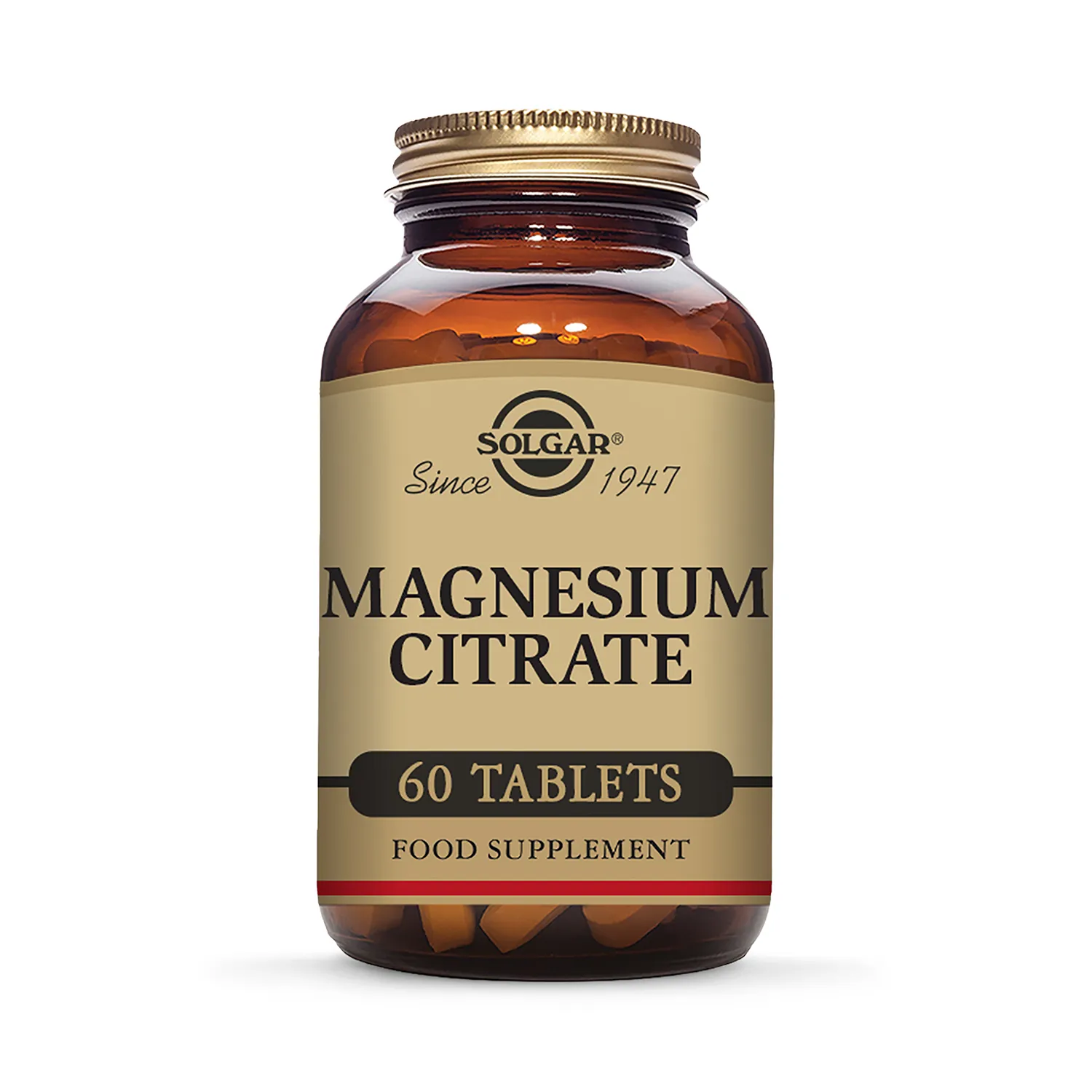
Magnesium Citrate 60 Tablets
Solgar
- Why this pick
- Citrate form with excellent bioavailability and well-documented sleep and relaxation support. This is the standard choice for users seeking fast, reliable absorption without GI stress.
- Best for
- Users wanting a straightforward, well-tolerated magnesium option with proven real-world results for sleep and muscle relaxation.
- Watch out
- Citrate form may have mild laxative effect in sensitive individuals; if this occurs, switch to glycinate.
BetterYou Magnesium Body Spray
BetterYou
- Why this pick
- Topical transdermal spray offering a non-oral delivery route with strong user feedback for evening relaxation and sleep preparation. Ideal for users who struggle with pills or experience GI discomfort from oral magnesium.
- Best for
- Users preferring non-oral delivery, those with sensitive digestion, or anyone seeking a convenient pre-bed application ritual.
- Watch out
- Topical absorption is less predictable than oral forms. If seeking strong reliable results, pair with a low-dose oral supplement or use as a complementary tool.

Atlantic Marine Magnesium 300mg - Natural Source - True Food® Formula - High Strength Magnesium Supplements - Enhance Natural Calm, Supports Bone, Muscle, Sleep & Energy - 90 Capsules
HIGHER NATURE
- Why this pick
- Natural marine mineral source positioning with food-based delivery for users prioritizing whole-food nutrition philosophy. Provides approximately 300mg elemental magnesium per serving from sustainable ocean minerals.
- Best for
- Health-conscious users interested in naturally derived mineral supplementation and environmental sustainability.
- Watch out
- Premium pricing reflects sourcing claims rather than superior bioavailability or outcomes versus standard citrate.

WILD NUTRITION Food-Grown Magnesium Supplements
Wild Nutrition
- Why this pick
- Food-grown formula with synergistic nutrient co-factors for users wanting a whole-food mineral approach. Delivers magnesium alongside complementary minerals and phytonutrients.
- Best for
- Health-conscious buyers prioritizing food-based mineral forms and accepting premium pricing for this positioning.
- Watch out
- Premium cost does not deliver measurably better absorption or outcomes versus standard citrate or glycinate. Choose based on philosophical preference, not expected superior efficacy.
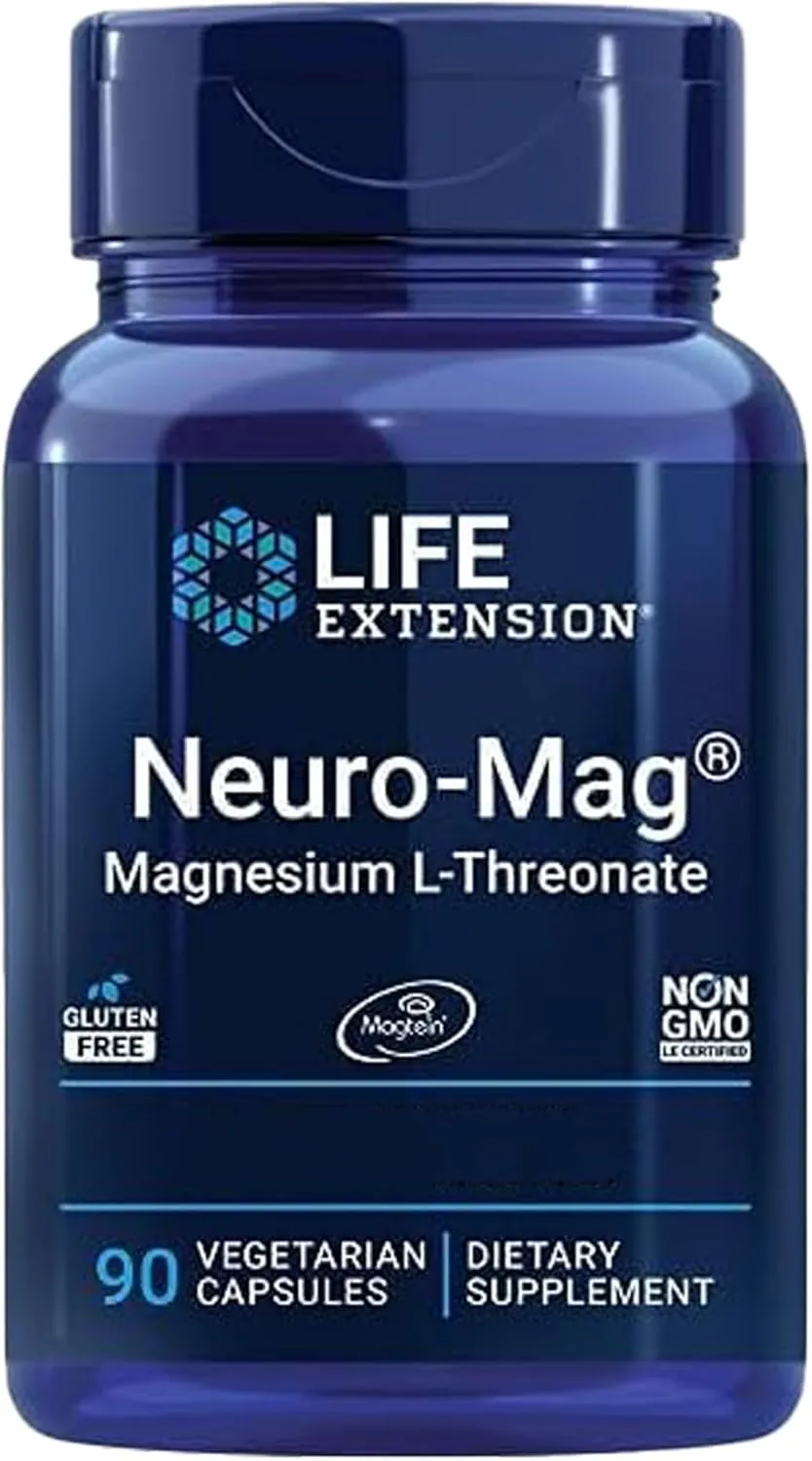
Life Extension Neuro-Mag Magnesium L-Threonate
Life Extension
- Why this pick
- Specialized magnesium threonate formulation uniquely designed to cross the blood-brain barrier for cognitive support, neuroprotection, and brain health. This is the only form with evidence for neurological penetration — standard magnesium cannot achieve this.
- Best for
- Users interested in magnesium specifically for cognitive function, memory support, focus, and brain health rather than general muscle and sleep support.
- Watch out
- Premium pricing (significantly higher than citrate or glycinate) reflects the specialized formulation. Not cost-effective for general magnesium intake; reserve for cognitive-specific goals.
Which form of magnesium is best?
Magnesium citrate is the most practical form for most users. It has good bioavailability (the body absorbs approximately 25-30%), and it works quickly — many people notice effects within days. Citrate is well-studied in real-world use and is the form used in most clinical research on magnesium and sleep. The main drawback is that it has a mild laxative effect in some users, which can actually be beneficial for those struggling with constipation but problematic for others.
Magnesium glycinate (or bisglycinate) is the gentlest option and ideal for users with sensitive digestive systems. The glycine component is itself relaxing and may enhance the sleep-supporting benefits of magnesium. Because it is bound to glycine, this form is absorbed via a different transporter and does not trigger laxative effects. It is more expensive than citrate but worth it for users experiencing GI discomfort.
Magnesium threonate is specialized and designed to cross the blood-brain barrier, making it the preferred choice for cognitive support, focus, and memory. If your goal is specifically brain health and neuroprotection, threonate is the evidence-backed option, though it is significantly more expensive than general-purpose forms. Standard magnesium forms do not cross the BBB efficiently, so they cannot deliver the same neurological benefits.
Magnesium oxide is the cheapest and most available form in supermarkets, but it has poor bioavailability (only 4%) and commonly causes diarrhoea. Unless cost is the only variable, avoid oxide for daily long-term use. Topical magnesium sprays are an alternative delivery route that can help users who struggle with pills. Absorption through skin is less predictable than oral forms, but real users report benefits for evening relaxation and sleep preparation.
How much magnesium should you take?
The UK NHS RNI (Reference Nutrient Intake) is 300mg daily for adult men and 270mg daily for adult women. Most people getting insufficient magnesium are falling 50-100mg short of this target. If your dietary intake is adequate (green leafy vegetables, nuts, seeds, whole grains are good sources), supplementing an additional 150-300mg daily is often sufficient.
For sleep or anxiety support specifically, most research uses doses in the 200-400mg range of elemental magnesium. It is important to distinguish between the dose on the label (total compound weight) and the elemental magnesium content (the amount your body actually absorbs). For example, a 500mg magnesium citrate tablet contains only about 100-120mg of elemental magnesium — the rest is the citrate part. Always check the 'elemental magnesium' line on the label.
Start with a standard dose (150-300mg elemental) and use consistently for 2-4 weeks before assessing effects. Many people expect immediate results, but magnesium builds up in the body gradually. Muscle relaxation and sleep improvements are more pronounced after 2-3 weeks of daily use. Higher doses (400-500mg elemental) can be useful for specific goals but increase the risk of laxative effects and should be introduced gradually.
Magnesium for sleep and anxiety
Magnesium's role in sleep and anxiety is well-established. It activates the parasympathetic nervous system — your body's 'rest and digest' mode — and helps regulate neurotransmitters like GABA and serotonin that influence mood and sleep quality. Users supplementing with magnesium frequently report falling asleep faster, sleeping more deeply, and waking less often during the night. The effect is usually subtle at first (improved sleep quality rather than dramatic knock-out effect) but becomes more pronounced over weeks.
For anxiety, magnesium works alongside lifestyle factors like exercise and sleep. Research shows that deficiency is linked to increased anxiety, and correction through supplementation often reduces anxiety scores. Magnesium glycinate is particularly valued for this purpose because glycine itself enhances sleep and calm. Timing matters: take magnesium 30-60 minutes before bed to allow absorption and give it time to activate your nervous system. Some users also take a dose earlier in the day for general anxiety support.
If you are already taking anxiety medication or sleeping tablets, inform your clinician before adding magnesium. While magnesium is safe and well-tolerated, interactions are possible with certain pharmaceutical classes.
Signs of magnesium deficiency
Magnesium deficiency symptoms are often mistaken for other conditions. Common early signs include muscle tension and cramps (especially in the legs and back), poor sleep quality despite adequate sleep time, and anxiety or irritability. More serious deficiency signs include heart palpitations or irregular heartbeat, migraines, and severe muscle weakness. If you experience heart rhythm issues, seek medical evaluation to rule out other causes before assuming magnesium is responsible.
The NDNS data shows that deficiency is particularly common in older adults, people on long-term medications (especially diuretics and PPIs for heartburn), and those eating diets low in vegetables and whole grains. If you have symptoms consistent with deficiency, a simple blood test can check your magnesium level, though blood tests can underestimate deficiency because the body maintains serum levels at the expense of tissue stores. Many practitioners consider a trial of supplementation reasonable even if blood levels are technically 'normal'.
Key Takeaway
For UK adults, magnesium citrate or glycinate is the practical choice: both are well-absorbed, well-tolerated, and backed by strong real-world evidence. Start with 150-300mg elemental magnesium daily for 2-4 weeks before assessing sleep and anxiety benefits. If GI sensitivity is an issue, choose glycinate. For cognitive support, threonate is the only form with evidence for crossing the blood-brain barrier. Avoid oxide forms for daily use. Consistency matters more than dose — daily use is far more important than chasing mega-doses.
Hard Selection Rules
- Prioritize forms with stronger tolerance profiles (citrate, glycinate) over oxide-heavy blends.
- Include both oral and topical options to reflect diverse adherence preferences.
- Use review consistency to identify products with predictable user experience.
- Balance dose effectiveness with practical daily adherence.
- Ensure clear elemental magnesium labeling on all picks.
What We Excluded
- Excluded oxide-only formulas where GI tolerance is a known friction point.
- Removed items with insufficient review signal in our quality gate.
- Did not claim magnesium alone treats medical conditions.
Decision Framework
- Assess your tolerance preference: start with well-tolerated forms (citrate/glycinate) before high-dose oxide options.
- Choose delivery format you will actually use daily (capsule, spray, or powder).
- Monitor personal response over 2-4 weeks before escalating dose.
- If goal is cognitive support, choose threonate specifically.
Frequently Asked Questions
What is the best magnesium supplement UK?
Form matters as much as dose. For general wellness and sleep, magnesium citrate and glycinate are best — both have good absorption and tolerance. Citrate (200-400mg elemental daily) works quickly and is cost-effective. Glycinate is gentler on the stomach, especially for sensitive users. Threonate is the only form with evidence for cognitive benefits and crossing the blood-brain barrier, but it is significantly more expensive. Avoid oxide forms for long-term daily use because poor absorption and laxative effects make adherence difficult.
How much magnesium should I take daily?
The NHS RNI is 300mg daily for men and 270mg for women. In practice, supplementing with 150-300mg of elemental magnesium daily closes most gaps. Always read the 'elemental magnesium' label line — the total tablet weight is misleading because much of it is the binding form (citrate, glycinate, oxide). For sleep support, 200-400mg elemental is typical in research. Start at the lower end and increase gradually if well-tolerated.
Is topical magnesium effective?
Evidence is mixed. Absorption through skin is not as predictable or efficient as oral forms. However, real users frequently report improved evening relaxation and sleep quality with sprays. Topical is best used as a complementary tool or for users who cannot tolerate oral forms. If you are seeking strong consistent results, oral citrate or glycinate is more reliable.
What is the difference between magnesium citrate and glycinate?
Citrate has slightly better bioavailability and works faster (effects within days), but has a mild laxative effect for some users. Glycinate is gentler and includes glycine, which enhances relaxation. It is absorbed via a different pathway and does not cause laxative effects. Glycinate is more expensive per milligram but worth it for users with sensitive digestion. For most people without GI issues, citrate offers better value.