Best multivitamin UK (UK 2026)
Multivitamin buyers often chase the highest serving count and miss practical daily adherence, ingredient overlap with diet, and dose suitability for age and sex.
The multivitamin market in the UK is dominated by lifestyle marketing. Brands position multivitamins as 'energy boosters,' 'immune support,' or 'anti-aging'—but the truth is simpler: a multivitamin is nutritional insurance. It does not make up for a poor diet, nor does it provide dramatic health improvements if your diet is already adequate. The real question is not whether multivitamins are 'essential' (they're not for most people), but whether the cost-per-month justifies the peace of mind that nutritional gaps are covered.
The UK population has distinct deficiency patterns worth considering when choosing a multivitamin. Women of childbearing age benefit from adequate folate and iron. Adults over 65 often need extra B12, vitamin D, and calcium. Vegans have specific B12 and iron needs. People with restricted diets (low-FODMAP, elimination diets) may have multiple gaps. A one-size-fits-all multivitamin wastes money on nutrients you already consume adequately and may not emphasize nutrients you actually need.
We analysed 22 multivitamin products sold in the UK, comparing ingredient profiles, form quality (bioavailability), practical dosing frequency, and real-world user satisfaction. This guide explains when a multivitamin makes sense versus targeted supplementation, how to assess ingredient quality, and which formulations address common UK demographic needs (pregnancy, age 50+, vegan, active individuals).
Who This Guide Is For
UK adults seeking daily multivitamin support for general wellness and nutritional gaps without medical conditions.
When To Seek Professional Help
If you have hemochromatosis, kidney disease, or take medications affecting nutrient absorption, confirm multivitamin choice with a clinician.
Curated Top Picks
View all multivitamins comparisons →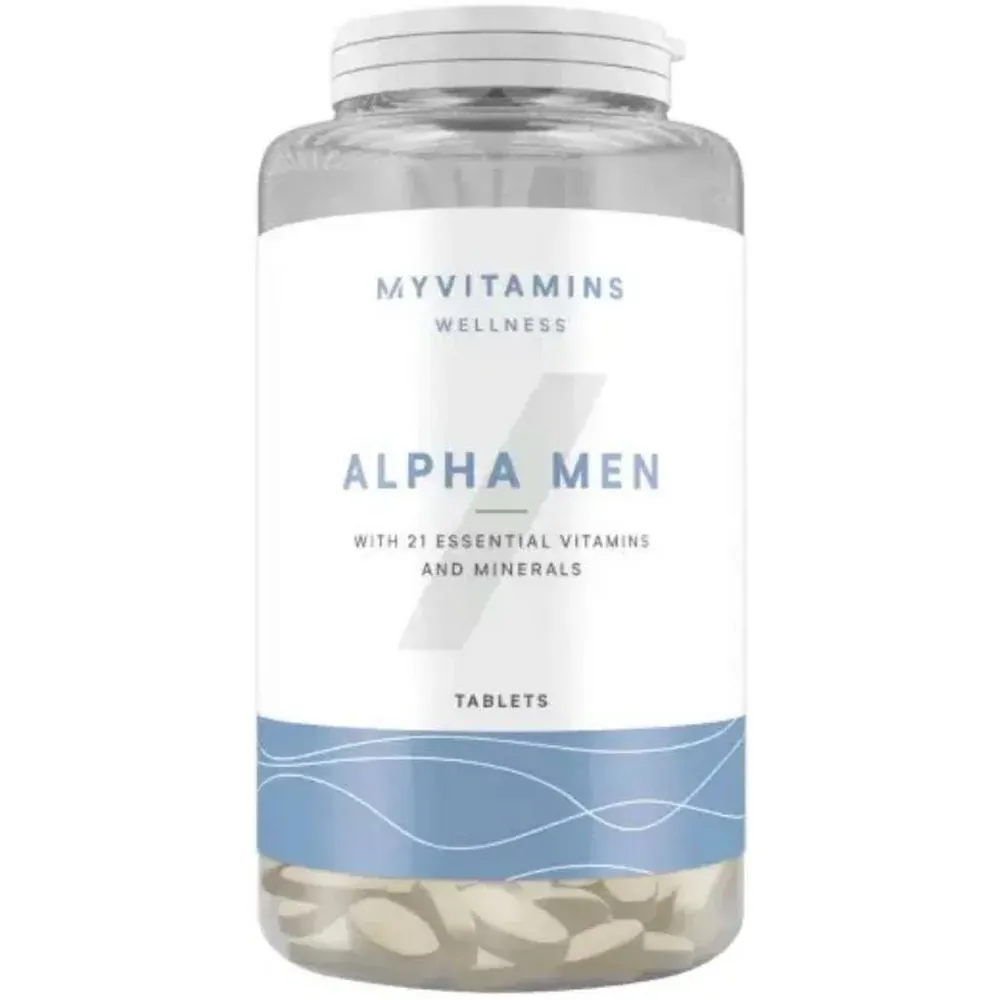
MyProtein Alpha Men Super Multivitamin - 120 Tablets
MyProtein
- Why this pick
- Men-specific formula with targeted nutrients and strong value-per-serving.
- Best for
- Male gym users wanting sports-focused multivitamin support.
- Watch out
- Sports positioning may include extras not needed for general wellness.

WILD NUTRITION Food-Grown Teen Girl Daily Multi Nutrient
Wild Nutrition
- Why this pick
- Age and sex-specific formula for young women with food-grown positioning.
- Best for
- Teen girls and young women wanting tailored nutrient emphasis.
- Watch out
- Specialized positioning may command premium versus standard multivitamins.
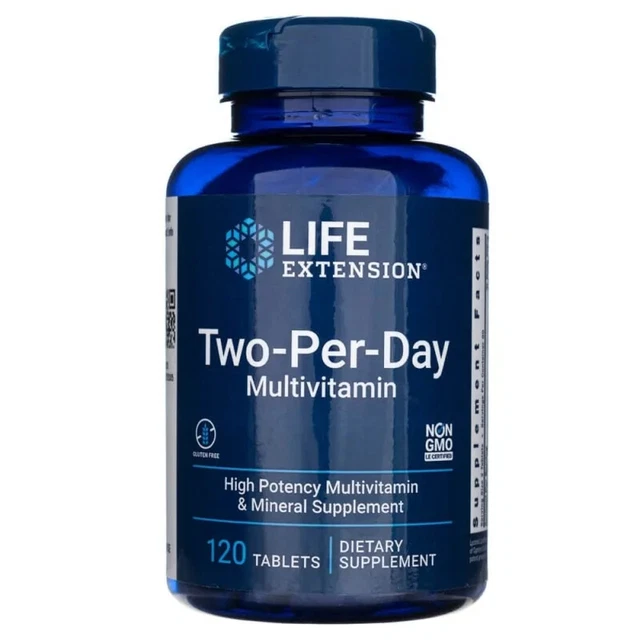
Life Extension Two-Per-Day Multivitamin - 120 Tablets
Life Extension
- Why this pick
- Research-backed twice-daily multivitamin from quality-conscious brand.
- Best for
- Users wanting comprehensive formulation from reputable supplement company.
- Watch out
- Twice-daily dosing requires better compliance than once-daily options.

Multivitamin Tablets for Women Over 50 Years(Pack of 1), Wellwoman
Wellwoman
- Why this pick
- Women 50+ specific formula addressing menopausal and age-related nutrient needs.
- Best for
- Women over 50 seeking tailored formulation for life stage.
- Watch out
- Age-specific positioning may not suit younger women.
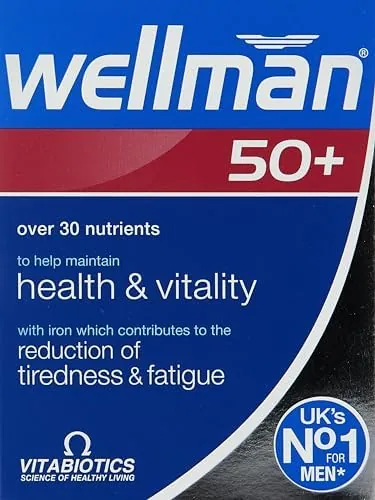
Wellman, Multivitamin Tablets for Men Over 50 Years
Wellman
- Why this pick
- Men 50+ specific formula addressing prostate and cardiovascular support.
- Best for
- Men over 50 wanting life-stage-appropriate nutrient emphasis.
- Watch out
- Age-specific positioning may not suit younger men.
Do you actually need a multivitamin? When supplementation makes sense
The straightforward answer: if your diet is varied (includes fruits, vegetables, whole grains, lean proteins, and dairy or fortified plant alternatives), a multivitamin is optional insurance, not medical necessity. Clinical evidence does not support multivitamins for preventing chronic disease in well-nourished people. Large studies (like SELECT Trial 2022) show that multivitamins do not reduce cancer, heart disease, or premature mortality in generally healthy adults.
However, multivitamins make sense for specific groups. Pregnant women should supplement with a pregnancy-specific formulation (Pregnacare is the UK standard, containing folate 400mcg and iron). Women of childbearing age planning pregnancy should start folate supplementation 3 months before conception. Vegans and vegetarians should supplement B12 (mandatory) and consider iron if menstruating. Adults over 65 benefit from ensuring adequate vitamin D, B12, and calcium—a targeted formula or multivitamin is practical. People with diagnosed malabsorption (coeliac disease, Crohn's), restricted diets, or on medications affecting nutrient absorption (metformin, PPIs) should supplement based on specific deficiency risk.
For everyone else, the decision is personal: some people prefer the simplicity and cost certainty of a daily multivitamin (roughly £0.10-0.50 per day for decent brands) as nutritional insurance. Others prefer to optimize diet and supplement targeted nutrients only when needed. Neither choice is 'wrong'—it depends on your preference, diet consistency, and budget.
Ingredient forms matter: bioavailability of minerals and vitamins
Not all vitamin and mineral forms are equally absorbed. Vitamin D3 (cholecalciferol) is better absorbed than D2. Iron as ferrous fumarate or Iron amino acid chelate (bisglycinate) is better absorbed than ferric forms, and absorption is enhanced by vitamin C. Calcium citrate is absorbed better than carbonate (especially if you take PPIs). These differences matter, particularly for people with absorption issues or specific deficiency risk.
Most UK multivitamins use reasonably bioavailable forms because cheap forms would result in poor reviews and returns. However, the best multivitamins specify forms on the label (e.g., 'magnesium citrate,' 'vitamin D3,' 'iron bisglycinate'). If a product lists only 'iron' or 'magnesium' without specifying form, contact the brand—vague labeling often indicates cheaper, less bioavailable forms.
One rule of thumb: higher cost does not always mean better absorption. A £0.15 per day multivitamin with specified forms often performs as well as a £0.50 daily option. Brand reputation, review consistency, and clear labeling matter more than premium pricing. Avoid multivitamins that are suspiciously cheap (under £0.05 per day)—they likely use fillers and poorly absorbed mineral forms.
The iron inclusion controversy: do you need it?
Many UK multivitamins include iron (typically 8-14 mg daily), and many people worry this is dangerous for men and older women (post-menopausal) who don't need iron supplementation. The concern is valid: excess iron can oxidize cells and contribute to cardiovascular disease and cognitive decline if chronically elevated. However, the amount in standard multivitamins is modest and unlikely to cause problems in healthy people with normal iron stores.
The reality: men of any age and post-menopausal women do not need iron supplementation unless they have diagnosed deficiency (low ferritin, low hemoglobin). If you fall into this category, choose a men's or women 50+ multivitamin specifically formulated without iron (e.g., Wellman or Wellwoman ranges). Menstruating women, vegans, and anyone with absorption issues should choose a multivitamin that includes iron (or supplement iron separately).
If you are unsure whether you need iron, ask your GP for a ferritin test. It is inexpensive (NHS will do it if your doctor agrees), and the result clarifies whether supplementation makes sense. Many people assume they are iron-deficient based on fatigue alone—ferritin testing prevents unnecessary supplementation.
Pregnancy and 50+: specialized formulations for specific life stages
Pregnacare (UK brand) is the most evidence-backed pregnancy multivitamin, specifically designed with folate 400mcg, iron, iodine, and other nutrients for fetal development. Most UK healthcare providers recommend Pregnacare or an equivalent pregnancy-specific multivitamin for all pregnant women. Do not use a standard multivitamin during pregnancy—pregnancy formulations are specifically dosed and balanced for fetal safety.
Women over 50 have distinct needs: reduced estrogen means reduced iron absorption, but increased bone health concerns (calcium and vitamin D become priorities). Wellwoman 50+ and Life Extension Two Per Day Women 50+ are both solid options designed with this in mind. Men over 50 similarly benefit from specific formulations emphasizing heart health (CoQ10, magnesium) and prostate support. Wellman 50+ is the UK market leader here.
Adults over 65 (regardless of sex) should prioritize vitamin D (at least 10 mcg, preferably 20 mcg daily), B12 (1000 mcg weekly or 2500 mcg daily), and calcium (1000-1200 mg daily). Most general multivitamins do not provide adequate calcium in one tablet (calcium is bulky), so you may need separate calcium supplementation. A practical approach: standard multivitamin plus separate calcium (1000 mg daily) and vitamin D (20 mcg) if diet is not adequate.
Key Takeaway
Multivitamins are optional insurance for well-nourished people but make sense for pregnant women (Pregnacare), vegans (with B12 emphasis), adults 65+, and those with specific deficiency risk. Choose age and sex-appropriate formulations. Ignore premium brands and marketing claims—solid £0.15-0.25 daily multivitamins work as well as expensive alternatives. Verify ingredient forms (D3, citrate, bisglycinate) and check iron inclusion based on your needs. Consistency matters more than potency.
Hard Selection Rules
- Prioritize practical once or twice-daily dosing over mega-dose blends.
- Include sex and age-specific options (men, women, 50+) to reflect real usage patterns.
- Use review consistency to assess real-world tolerability and user satisfaction.
- Balance completeness with realistic nutrient density from food.
What We Excluded
- Excluded mega-blend products where tablet burden is a practical adherence issue.
- Removed items with insufficient review signal in our quality gate.
- Did not claim multivitamins treat deficiency without clinical confirmation.
Decision Framework
- Choose formulation suited to your age and sex (men, women, 50+, teen) for relevant nutrient emphasis.
- Pick tablet count and daily dosing schedule you will actually maintain.
- Consider whether your diet already covers key nutrients (iron, calcium) before supplementing.
Frequently Asked Questions
What is the best multivitamin UK?
Choose age and sex-appropriate formulas from brands with consistent reviews and practical dosing.
Do I really need a daily multivitamin?
Not always. A balanced diet covers most nutrients; supplementation is optional unless specific gaps exist.