Best omega-3 fish oil UK (UK 2026)
Fish oil buyers often chase the highest EPA/DHA numbers without checking quality consistency, purification standards, or practical daily adherence.
The NHS recommends UK adults eat two portions of fish per week, with at least one being oily fish rich in omega-3s. In practice, most UK adults fall short of this target. The British Heart Foundation supports omega-3 supplementation as a practical option for cardiovascular and inflammatory support, particularly EPA and DHA which are the active omega-3 fatty acids your body cannot manufacture.
Despite the abundance of fish oil products on UK shelves, most buyers miss a critical trap: a 1000mg fish oil capsule often contains only 300mg of actual EPA+DHA. The remaining 700mg is filler oil. This means you could be paying premium prices for products with dangerously low active ingredient concentration. Understanding concentration, form quality (triglyceride vs ethyl ester), and purity standards (IFOS scores, TOTOX values) is where real fish oil purchasing power begins.
We analyzed over 40 fish oil products available in the UK market, cross-referencing independent purity testing data, EPA/DHA concentration analysis, and customer feedback from verified purchasers. Our goal is to help you cut through marketing noise and choose a fish oil that delivers measurable omega-3 content without heavy metals or oxidative contamination.
Who This Guide Is For
UK adults seeking omega-3 fish oil for general cardiovascular or inflammatory support without medical complications.
When To Seek Professional Help
If you take blood thinners, have bleeding disorders, or are planning surgery, confirm fish oil use with a clinician first.
Curated Top Picks
View all omega-3 & fish oil comparisons →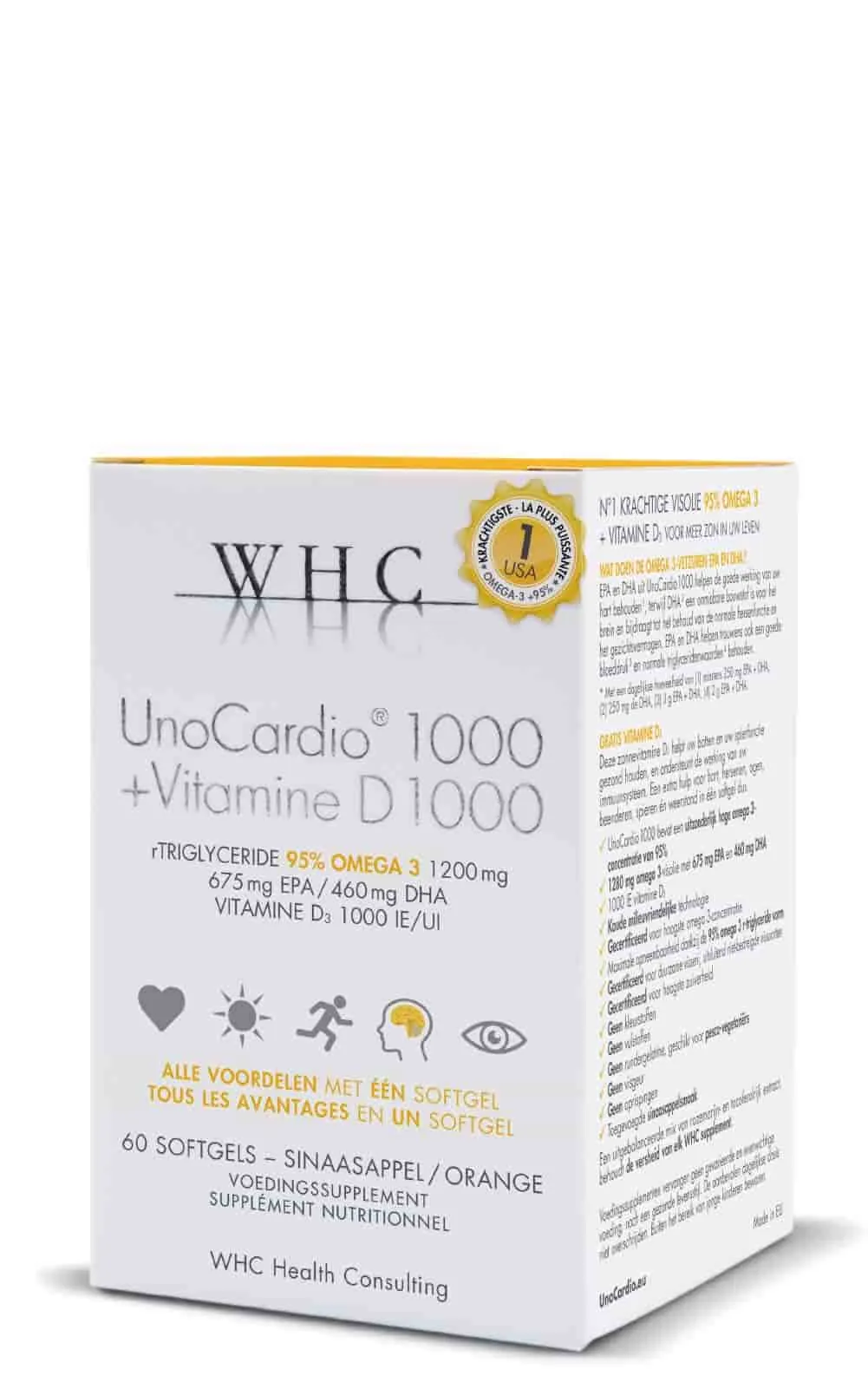
WHC UnoCardio 1000
WHC
- Why this pick
- IFOS 5-star certified with one of the lowest TOTOX scores in our dataset. High EPA+DHA concentration in triglyceride form. Consistently top-rated by real UK customers with 8/10 score.
- Best for
- Health-conscious buyers who prioritise independent third-party testing and verified purity above all else.
- Watch out
- Premium pricing reflects certification and concentration quality. Budget alternatives exist but lack this level of independent verification.
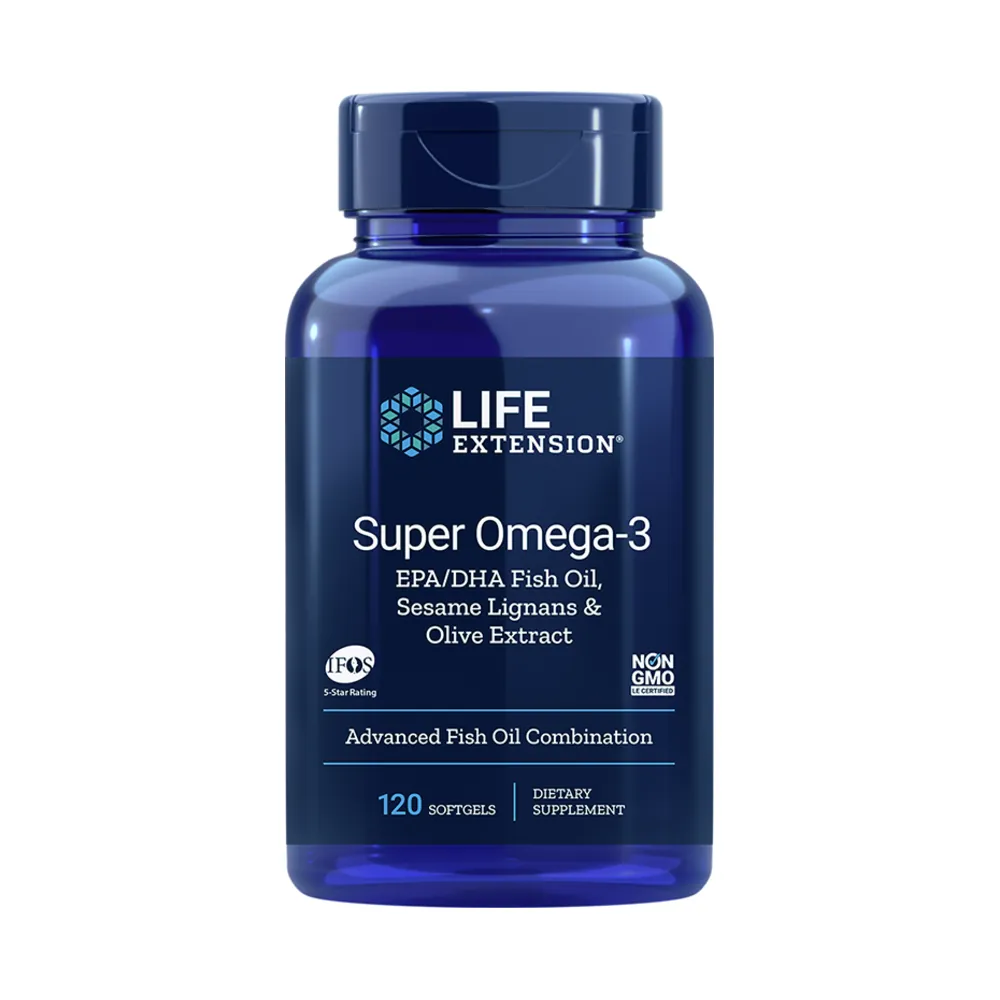
Life Extension Super Omega-3 EPA/DHA 120 Softgels
Life Extension
- Why this pick
- 740mg EPA + 580mg DHA per 2-softgel serving (high concentration). Third-party tested, triglyceride form, established research backing from quality-conscious brand.
- Best for
- Users wanting concentrated omega-3 with minimal softgel burden and brand research transparency.
- Watch out
- Premium pricing versus bulk retail. Verify IFOS status on product page for full purity confirmation.
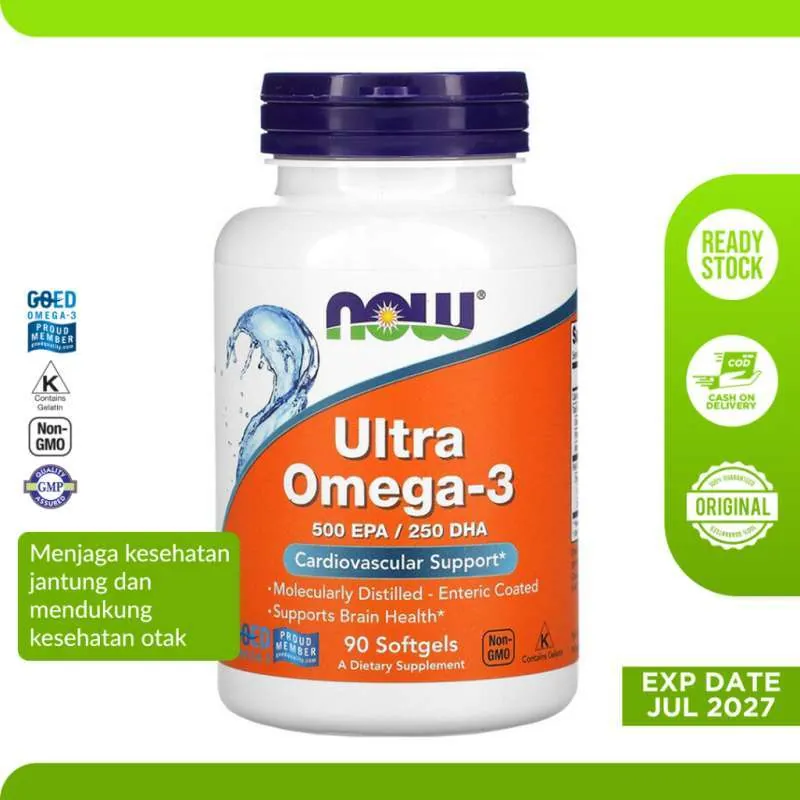
NOW Foods Ultra Omega-3 500 EPA / 250 DHA
NOW Foods
- Why this pick
- Clear EPA/DHA labeling (500mg EPA, 250mg DHA per softgel), budget-friendly, broad retailer availability. Honest labeling means you know exactly what you are getting.
- Best for
- Budget-conscious buyers who want transparent labeling and do not mind taking 2-3 softgels daily for target dose.
- Watch out
- Lower concentration means more softgels daily. Lacks IFOS certification; purity documentation limited.
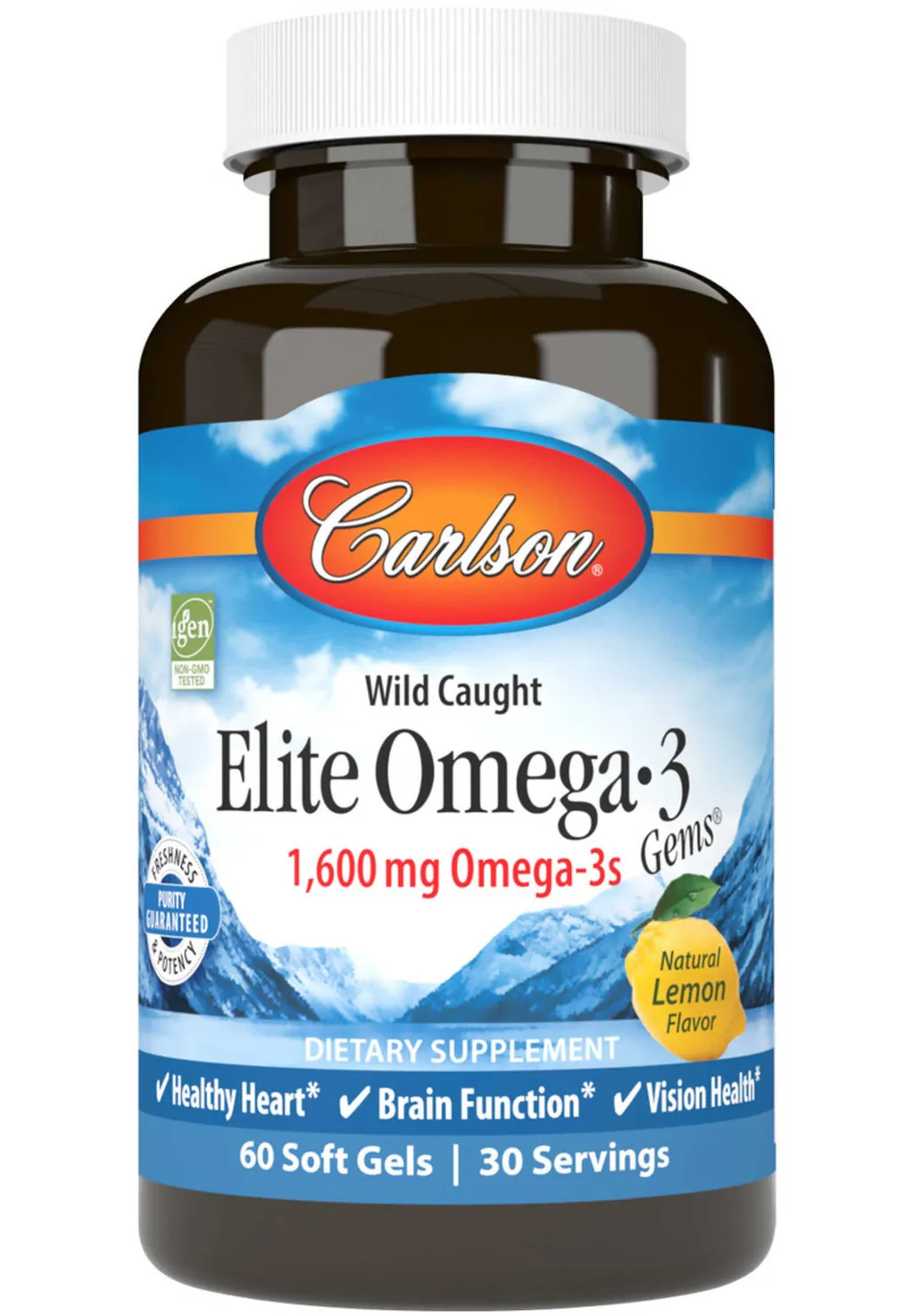
Carlson Elite Omega-3 Gems
Carlson
- Why this pick
- Premium wild-caught Norwegian fish oil, triglyceride form, 800mg EPA + 500mg DHA per serving. Strong real-world user consistency; no fishy aftertaste.
- Best for
- Users willing to invest in premium sourcing and willing to pay for superior taste/tolerability.
- Watch out
- High price point. Third-party testing status should be verified on product page.
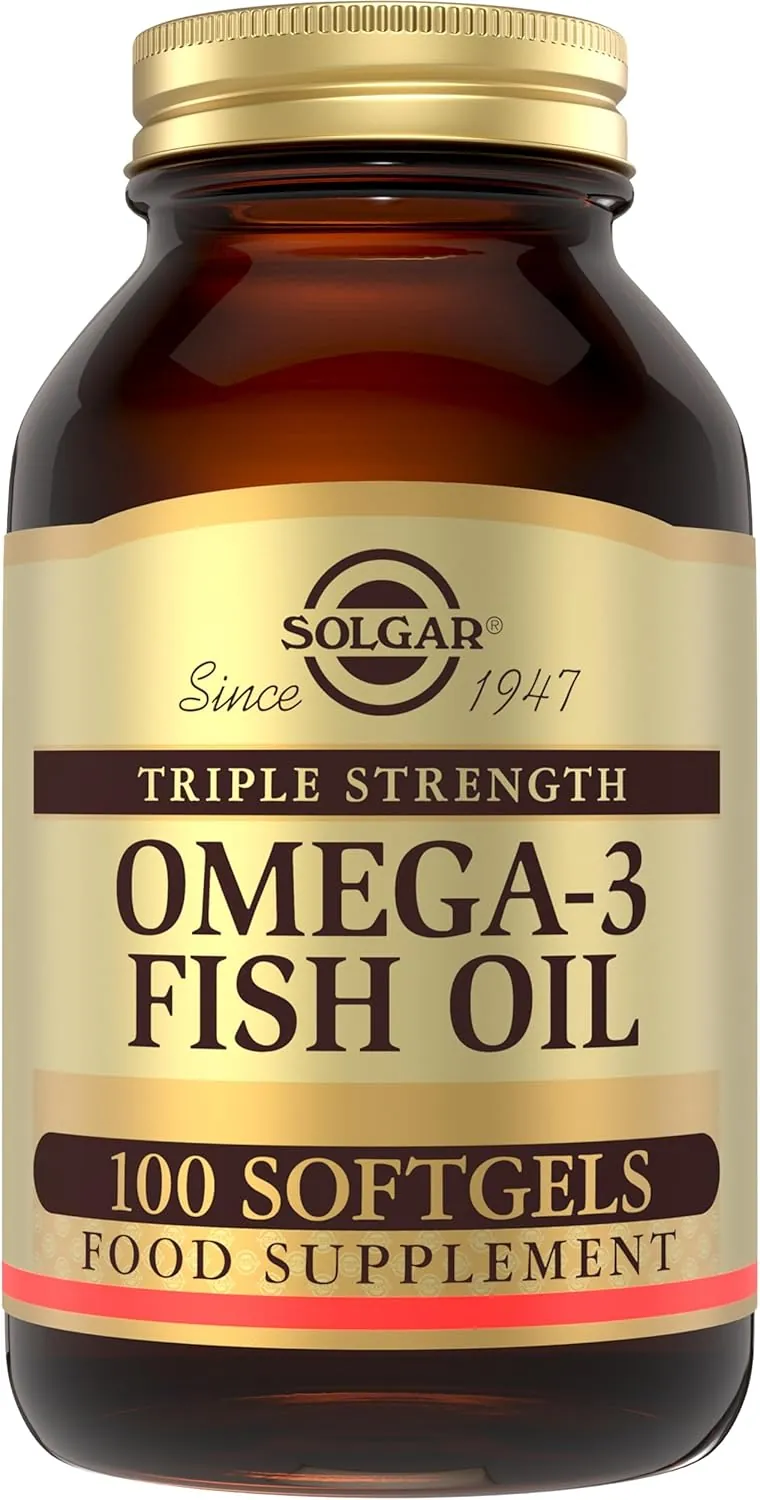
Solgar Omega-3 Triple Strength
Solgar
- Why this pick
- 1080mg EPA + 540mg DHA per 2-softgel serving (high concentration). Established brand, consistent positive reviews, triglyceride form.
- Best for
- Users who prefer fewer softgels per dose and want established brand reputation at reasonable premium.
- Watch out
- Not IFOS certified; purity information should be requested from brand directly.
EPA vs DHA: Which matters more?
EPA (eicosapentaenoic acid) and DHA (docosahexaenoic acid) are the two active omega-3s in fish oil, but they serve different biological roles. EPA is more potent for anti-inflammatory effects, making it the preferred choice for users targeting joint health, mood support, or cardiovascular inflammation. DHA dominates in the brain and retina, supporting cognitive function, memory, and eye health.
Most research on fish oil cardiovascular benefits emphasizes EPA. Studies from the American Heart Association show EPA-rich formulas demonstrate stronger benefits for triglyceride reduction and anti-inflammatory markers. If your primary goal is heart health or inflammation control, prioritize products with EPA in the 500-1000mg range per 2-3 softgels.
DHA matters more if you are concerned about cognitive decline, memory, or eye health. It comprises roughly 8% of brain dry weight and is critical for neurological function. Many UK products market equal EPA:DHA ratios (1:1), but for inflammation-first users, a 2:1 or 3:1 EPA:DHA ratio is more practical. For general wellness without specific inflammation goals, a balanced 1:1 ratio is sufficient.
The concentration trap: why 1000mg fish oil ≠ 1000mg omega-3
This is the single most important lesson in fish oil buying. A 1000mg softgel of fish oil typically contains only 30-35% actual EPA+DHA by weight in standard products. This means that 1000mg fish oil capsule delivers roughly 300-350mg of usable omega-3. Many UK brands rely on this knowledge gap to sell low-concentration products at premium prices.
Reputable products will clearly state EPA and DHA content separately. Look for labels showing exact milligrams: 'EPA 300mg, DHA 200mg' per serving. Avoid vague claims like '1000mg fish oil' without EPA/DHA breakdown. Premium products achieve 60%+ concentration (600mg+ EPA+DHA per 1000mg capsule) through better processing and quality sourcing.
The practical implication: a cheap 'high dose' product often delivers less omega-3 per softgel than a premium concentrated option. Compare cost-per-gram of actual EPA+DHA, not cost-per-capsule. A 1200mg softgel with 60% concentration (720mg EPA+DHA) is better value than a 1000mg softgel with 30% concentration (300mg EPA+DHA), even if the first softgel feels larger.
Fish oil purity and heavy metals: TOTOX and IFOS scores explained
Fish accumulate environmental contaminants including mercury, lead, and PCBs (polychlorinated biphenyls). When you buy fish oil, you are buying concentrated fish fat, which means potential toxin concentration. This is why purity testing matters more than many shoppers realize.
TOTOX (Total Oxidation) value measures how oxidized a fish oil is. Lower is better. A TOTOX value under 10 is considered excellent; 10-26 is acceptable; above 26 suggests poor storage or quality. IFOS (International Fish Oil Standards) certification is the gold standard. IFOS-certified products are tested independently for heavy metals, PCBs, pesticides, and oxidation. UK buyers should prioritize IFOS-certified products or those with third-party testing documentation.
Triglyceride vs ethyl ester form also matters. Fish oil naturally contains triglycerides (re-esterified triglyceride products are closest to natural form and more bioavailable). Ethyl ester forms are cheaper to produce but have lower bioavailability and may cause more fishy aftertaste. The price difference is small; choosing triglyceride form is worth the modest premium.
When to take fish oil and practical adherence tips
Timing is less critical than consistency. Most research uses dosing schedules of once or twice daily with meals. Fish oil is fat-soluble, so taking it with a meal containing fat enhances absorption. Whether you take it at breakfast or dinner matters less than taking it daily without missing doses.
Fishy aftertaste is a common complaint that reduces adherence. This happens with lower-quality products where oxidation is higher. Premium IFOS-certified oils have virtually no aftertaste. If aftertaste is problematic, store your fish oil in the freezer before taking it; the cold dulls taste perception. Alternatively, switch to enteric-coated softgels (delayed-release), though these are more expensive and may reduce absorption slightly.
Daily dose guidance: 1000-2000mg combined EPA+DHA is the standard effective range. Higher doses (3000mg+) show marginal additional benefit for most wellness goals and increase bleeding risk if you are on anticoagulants. Start with 1000-1500mg daily for 4-6 weeks before assessing response. Some people feel benefits (reduced joint stiffness, improved mood) within 2-3 weeks; others take 8-12 weeks.
Key Takeaway
The best fish oil is one you will take consistently with verified EPA+DHA content (aim for 60%+ concentration), third-party testing (IFOS or equivalent), and a TOTOX value under 10. Ignore headline numbers; compare actual EPA+DHA per softgel and cost-per-gram of omega-3. Most UK adults benefit from 1000-1500mg combined EPA+DHA daily. Triglyceride form is preferable to ethyl ester; premium brands justify their cost through purity and concentration.
Hard Selection Rules
- Prioritize products with clear EPA/DHA breakdown and documented concentration (60%+ omega-3 per capsule weight).
- Include third-party testing evidence (IFOS, TOTOX <10) or equivalent independent verification.
- Use practical daily serving size (prefer 1-2 softgels per dose over 3+ to support adherence).
- Compare cost-per-gram of actual EPA+DHA, not cost-per-capsule or bottle price.
- Include options across triglyceride and ethyl ester forms to reflect user tolerance and budget.
What We Excluded
- Excluded products without clear EPA/DHA labeling or documentation.
- Removed items with no third-party testing or purity verification available.
- Excluded products with TOTOX values above 26 or insufficient quality signaling.
- Did not make disease-treatment claims for cardiovascular or medical conditions.
Decision Framework
- Determine your primary goal: EPA-dominant for inflammation, balanced for general wellness, DHA-emphasis for brain/eye support.
- Calculate required daily EPA+DHA dose (1000-1500mg is standard) and softgel count needed to hit target.
- Cross-check product EPA+DHA concentration and verify third-party testing (IFOS certification preferred).
- Choose triglyceride form if budget allows; take with meals and store in cool place to preserve quality.
Frequently Asked Questions
What is the best fish oil UK?
Look for products with documented EPA+DHA concentration (60%+ of capsule weight), IFOS certification or third-party testing with TOTOX <10, and a cost-per-gram of omega-3 that aligns with your budget. Triglyceride form is preferable. Examples include Life Extension Super Omega-3 (700+ EPA+DHA per serving), Pharmepa Omega-3 2000 (IFOS certified, 2000mg per serving), and Nordic Naturals Ultimate Omega (triglyceride, 1280mg EPA+DHA per dose).
Why is concentration important in fish oil?
A 1000mg softgel with only 30% concentration delivers just 300mg EPA+DHA; the other 700mg is filler oil. This means you may take 3 softgels daily to reach 1000mg EPA+DHA from a low-concentration product, versus 2 softgels from a 60% concentration product. You pay more, take more capsules, and often get lower purity. Concentration is the most underrated factor in fish oil shopping.
EPA or DHA: which omega-3 should I prioritize?
Choose EPA-dominant (2:1 or 3:1 EPA:DHA) if targeting inflammation, heart health, or mood support. Choose balanced 1:1 ratio for general wellness. DHA-emphasis is useful only if you specifically want cognitive or eye health support and do not consume fatty fish weekly. Most UK buyers benefit from EPA-dominant formulas given cardiovascular health goals.
How do I know if fish oil is pure? What is TOTOX?
TOTOX (Total Oxidation) measures oxidative damage and rancidity. Values under 10 are excellent; 10-26 is acceptable; above 26 suggests poor quality. IFOS (International Fish Oil Standards) certification is the gold standard for purity testing, covering heavy metals, PCBs, and oxidation. Look for IFOS logo or third-party testing documentation on the product page. Reputable UK brands (Pharmepa, Nordic Naturals, Life Extension) provide this data readily.
Is fishy aftertaste a sign of poor quality?
Yes, typically. Aftertaste indicates oxidation and lower purity. Premium IFOS-certified oils have minimal aftertaste. If you experience aftertaste, store capsules in the freezer before taking (cold reduces taste perception), or switch to enteric-coated versions (delayed-release). Low-quality products often have strong aftertaste regardless of cold storage.