Best pre-workout for beginners (UK 2026)
Beginners often jump into aggressive stimulant formulas and then quit pre-workouts after crashes or jitters.
Pre-workout supplements for beginners are often a disaster: a novice gym-goer purchases a mainstream pre-workout (C4, Ghost, Applied Nutrition), takes the full serving without assessing tolerance, experiences jitters, headache, and a caffeine crash mid-afternoon, and concludes pre-workouts are not for them. The actual problem is not pre-workouts—it is starting with full-dose of an aggressive formula without building up. A structured beginner approach requires half-doses, tolerance monitoring, and gradual escalation.
The beginner mistake is treating all pre-workouts the same. High-stimulant formulas (200-300 mg caffeine per serving) are designed for experienced users whose tolerance is already elevated. Beginning users should start with much lower doses: 75-100 mg caffeine, single-ingredient options (just citrulline or beta-alanine), or complete stim-free formulas. Building tolerance gradually prevents crashes and allows honest assessment of whether pre-workout actually benefits your training.
We analysed 16 pre-workout products suited to beginners, prioritizing controllable stimulation, half-dose feasibility, low crash risk, and realistic beginner use cases. This guide explains how to start pre-workouts safely, what to monitor, when to escalate, and when to abandon pre-workouts entirely if they don't suit your physiology.
Who This Guide Is For
Newer gym users who need a controlled entry into performance supplements with fewer side-effect surprises.
When To Seek Professional Help
If you have cardiovascular conditions, blood pressure issues, or stimulant sensitivity, seek medical advice before use.
Curated Top Picks
View all pre-workout & performance comparisons →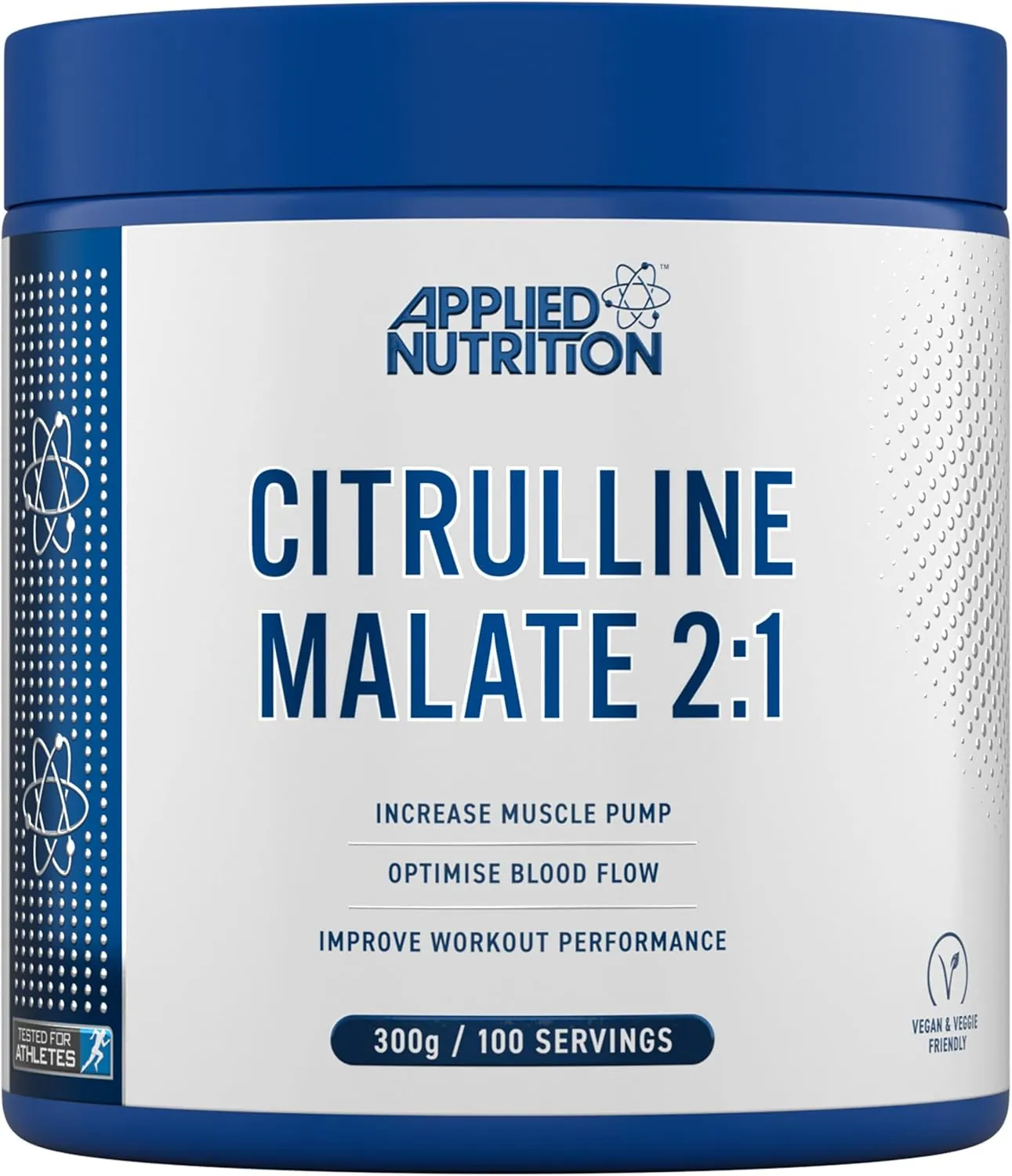
Applied Nutrition Citrulline Malate
Applied Nutrition
- Why this pick
- Simple lower-friction entry option that avoids stacked stimulant complexity.
- Best for
- Users wanting performance support without heavy stimulant load.
- Watch out
- Single-ingredient route may feel subtle versus full formulas.
NOW Foods Beta-Alanine Pure Powder
NOW Foods
- Why this pick
- Controlled single-ingredient approach useful for gradual beginner experimentation.
- Best for
- Users testing tolerance and effect one variable at a time.
- Watch out
- Tingling sensation can be uncomfortable for some users.
Optimum Nutrition Gold Standard Pre-Workout
Optimum Nutrition
- Why this pick
- Mainstream balanced formula with practical accessibility and routine-friendly profile.
- Best for
- Beginners wanting one all-in-one formula from a known brand.
- Watch out
- Still stimulant-containing; timing and dose matter.
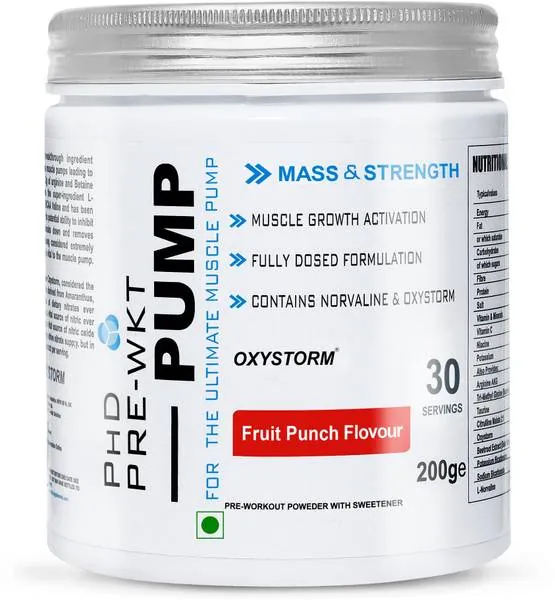
PhD Nutrition Pre-Workout Pump
PhD Nutrition
- Why this pick
- Pump-focused alternative for users who want lower-stim training support.
- Best for
- Evening trainers and stimulant-sensitive users.
- Watch out
- Users expecting strong stimulant kick may find it underpowered.
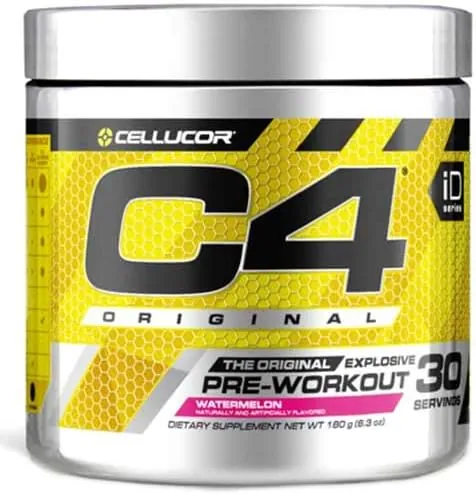
Cellucor C4 Original
Cellucor
- Why this pick
- Widely used benchmark formula that is easy to compare against other beginner options.
- Best for
- Users who want familiar mainstream pre-workout baseline.
- Watch out
- Stimulant response variability is high; start conservative.
Starting with half-doses: tolerance assessment and side-effect monitoring
Your first pre-workout session should use half the recommended serving (roughly 75-100 mg caffeine, half the stated ingredient amounts). This is not a weakness—it is smart dose titration. Track how you feel: do you experience jitters, anxiety, or headache? Does your heart rate spike uncomfortably? Do you feel focused and energized, or anxious and scattered?
Many beginners feel nothing on half-dose and assume it is not working. This is normal—half-dose is subthreshold for many people. The goal is not to feel dramatic effects; it is to confirm you tolerate caffeine without side effects. After a few sessions at half-dose with no negative effects, increase to full serving and re-assess. If full serving causes discomfort, return to half-dose or switch to a lower-stimulant product.
Side effects to monitor: elevated heart rate (sustained >110 bpm), jitters (trembling hands, nervous energy), headache (common 4-6 hours post-dose), GI upset, or anxiety. If any occur, reduce dose. If they persist at half-dose, stop the product—your physiology may be stimulant-sensitive, and pre-workout may not suit you.
Lower-stim and stim-free options: building tolerance gradually
Single-ingredient supplements (citrulline malate alone, beta-alanine alone, or creatine alone) allow safe, isolated introduction to pre-workout concepts without stimulant complexity. Citrulline malate (6-8g, no caffeine) improves blood flow and training endurance with zero crash risk. Beta-alanine (3-5g, no caffeine) delays fatigue with only the harmless tingling side effect as a note. Creatine monohydrate (3-5g, no caffeine) supports strength with no side effects.
Stim-free pre-workout formulas (combining citrulline, beta-alanine, and creatine without caffeine) provide a practical 'all-in-one' beginner option that eliminates stimulant worry entirely. These are ideal for beginner evening trainers (after-work gym sessions where caffeine would disrupt sleep) or people with documented stimulant sensitivity.
Beginner progression example: week 1-2, use single-ingredient citrulline malate (no caffeine), assess tolerance and energy effect. Week 3-4, add beta-alanine (still no caffeine). Week 5-6, use stim-free all-in-one formula. Only after 6 weeks of acclimatization with zero-stim options should you introduce caffeine (low-dose pre-workout at 75-100 mg). This gradual approach prevents crashes and allows honest assessment of whether pre-workout benefits you.
Timing, sleep impact, and evening training considerations
Pre-workout should be taken 30-45 minutes before training. If you are training in morning or early afternoon (before 4 pm), caffeine-based pre-workout is unproblematic—caffeine is cleared from your system by bedtime. However, if you train evening (after 5-6 pm), caffeine remains in your bloodstream at bedtime, disrupting sleep. Sleep quality is far more important for training progress than pre-workout stimulation, so for evening trainers, non-stimulant pre-workout is mandatory.
Coffee comparison: if you normally drink coffee at 3 pm and notice it affects your sleep, pre-workout at 5 pm will have similar effect. Individual caffeine sensitivity varies—some people clear caffeine efficiently (no sleep effect), others are highly sensitive (6-8 hour disruption from afternoon coffee). Test by taking pre-workout at your training time and objectively assessing sleep quality (sleep app, wearable, or simply wake-up feeling) over several nights.
If pre-workout disrupts sleep, your options: train earlier in the day (morning training before 11 am, pre-workout at 10-10:30 am), use non-stimulant pre-workout, or skip pre-workout entirely and rely on sleep, hydration, and consistent programming.
Realistic expectations and when to quit pre-workout entirely
Pre-workout provides modest ergogenic benefit: 1-3% improvement in strength endurance, slightly improved focus, and possibly 10-15 more reps in your last set. These are measurable benefits if you track training, but subjectively subtle—you might not 'feel' much different. Many beginners expect dramatic energy boost or superhuman strength; when they don't experience this, they assume pre-workout doesn't work. This expectation is unrealistic.
Realistic benchmark: are you maintaining or slightly improving strength/endurance week-to-week? Pre-workout contributes marginally to this. Are you sleeping better, recovering faster, or feeling less fatigued? Pre-workout is a small factor alongside sleep quality, nutrition, and programming. If 4-8 weeks of pre-workout use shows no training improvement and you dislike the taste or side effects, it is reasonable to quit—pre-workout is optional, not mandatory.
The most honest truth: 95% of beginner training progress comes from sleep, hydration, protein intake, and consistent programming. Pre-workout is a ~5% optimization for people who have already dialed in the basics. Do not prioritize pre-workout over sleep. If pre-workout causes sleep disruption, the cost exceeds the benefit.
Key Takeaway
Start pre-workout supplementation with half-doses (75-100 mg caffeine) to assess tolerance before escalating. Begin with stim-free options (citrulline, beta-alanine, creatine alone) for 4-6 weeks before introducing caffeine. Avoid evening training with stimulant pre-workout if it disrupts sleep—sleep quality matters more than pre-workout effect. Track training metrics objectively; realistic benefit is 1-3% strength improvement, not dramatic transformation. If pre-workout causes discomfort or doesn't improve training after 8 weeks, quit—pre-workout is optional supplementation, not mandatory.
Hard Selection Rules
- Prioritize controllable stimulation and practical beginner dosing behavior.
- Keep at least one low-stim and one stim-free route in the shortlist.
- Down-rank products with frequent crash/jitter patterns in user feedback.
- Use value and consistency together rather than hype ingredients alone.
What We Excluded
- Excluded products with weak quality-gate signal.
- Did not rank by marketing claims without adequate review backing.
- No claim that any pre-workout is required for training progress.
Decision Framework
- Start from half-servings on first sessions to assess tolerance.
- If jittery, move to lower-stim or single-ingredient options.
- If training late, avoid high-stim formulas to protect sleep.
Frequently Asked Questions
Do beginners need pre-workout at all?
No. It is optional. Sleep, hydration, and consistent training matter more.
What is the safest starting pattern?
Use half-dose, track tolerance for several sessions, then adjust gradually.