Best pre-workout UK (UK 2026)
Pre-workout buyers often chase the most aggressive stimulant formulas and ignore tolerance building, timing, and training context.
Pre-workout supplements are among the most heavily marketed supplements in the UK gym industry, yet they are also the least necessary for actual training progress. Sleep, hydration, consistent programming, and adequate protein drive 95% of training outcomes. Pre-workout supplements can provide modest, measurable ergogenic benefits (1-3% improvement in strength or power output)—but this is meaningful only to competitive athletes, not casual gym users.
The pre-workout market is dominated by proprietary blends, where manufacturers hide the exact amount of each ingredient behind trade secrecy. This is the opposite of transparency and makes it impossible to assess whether a formula is actually dosed appropriately. A 'proprietary blend' of 3000 mg could contain 2800 mg of fillers and 200 mg of actual active ingredients. UK brands like Applied Nutrition are better about transparency, listing individual ingredient amounts.
We analysed 16 pre-workout products sold in the UK, focusing on ingredient transparency, dose appropriateness (caffeine 150-300 mg, citrulline 6-8 g, beta-alanine 3.2 g as standards), real-world user feedback, and practical timing considerations. This guide explains how pre-workout works, individual tolerance factors, and when (or if) supplementation makes sense for your training context.
Who This Guide Is For
UK strength and endurance athletes comparing pre-workout supplements with emphasis on performance outcomes and personal tolerance.
When To Seek Professional Help
If you have cardiovascular conditions, high blood pressure, or caffeine sensitivity, seek medical advice before pre-workout use.
Curated Top Picks
View all pre-workout & performance comparisons →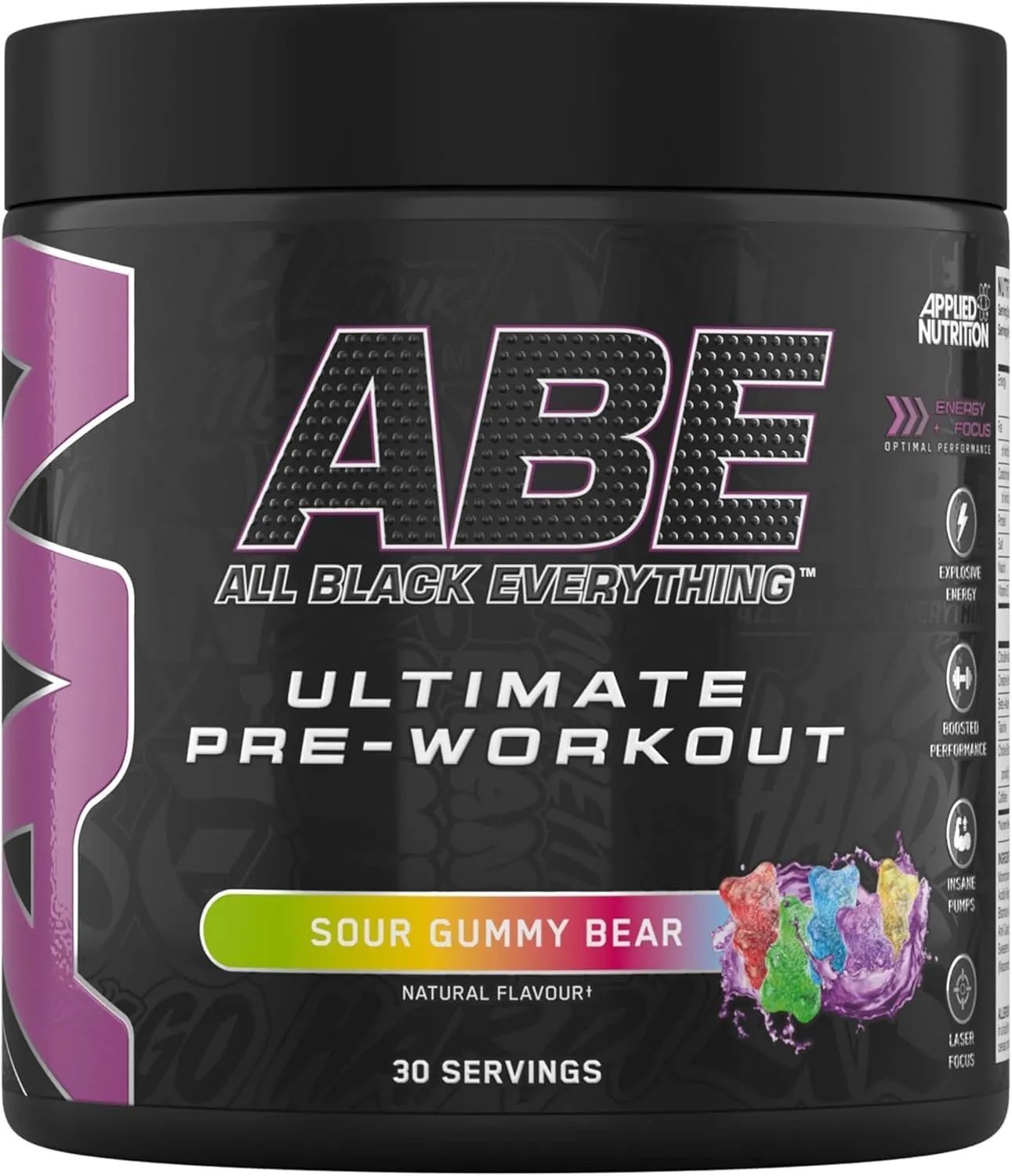
Applied Nutrition ABE (All Black Everything)
Applied Nutrition
- Why this pick
- Black series positioning with strong user feedback and practical balanced formula.
- Best for
- UK athletes wanting research-backed stimulant pre-workout.
- Watch out
- Stimulant content requires appropriate timing and tolerance assessment.
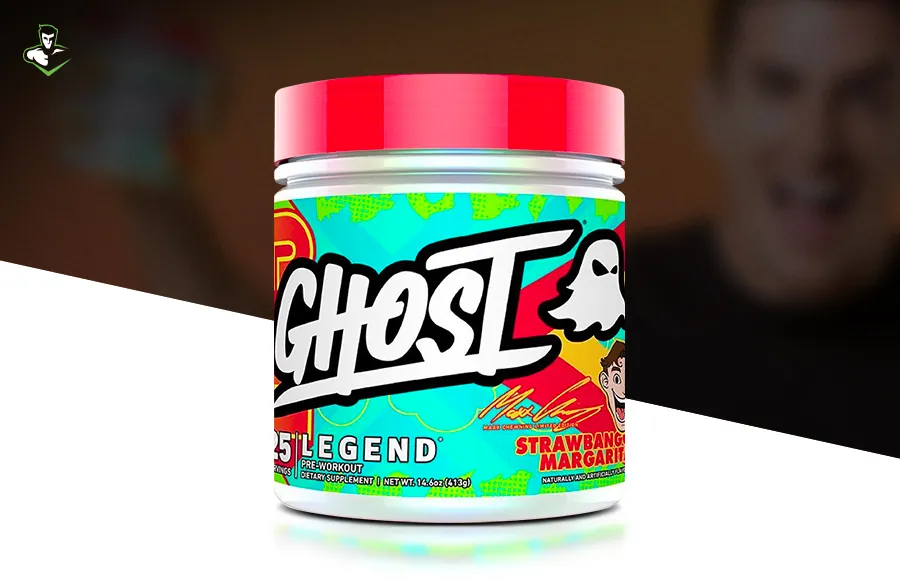
Ghost Legend V2
Ghost
- Why this pick
- Brand reputation-driven option with strong consistency and practical training use signals.
- Best for
- Users wanting established brand credibility with reliable performance support.
- Watch out
- Brand premium may be reflected in pricing.
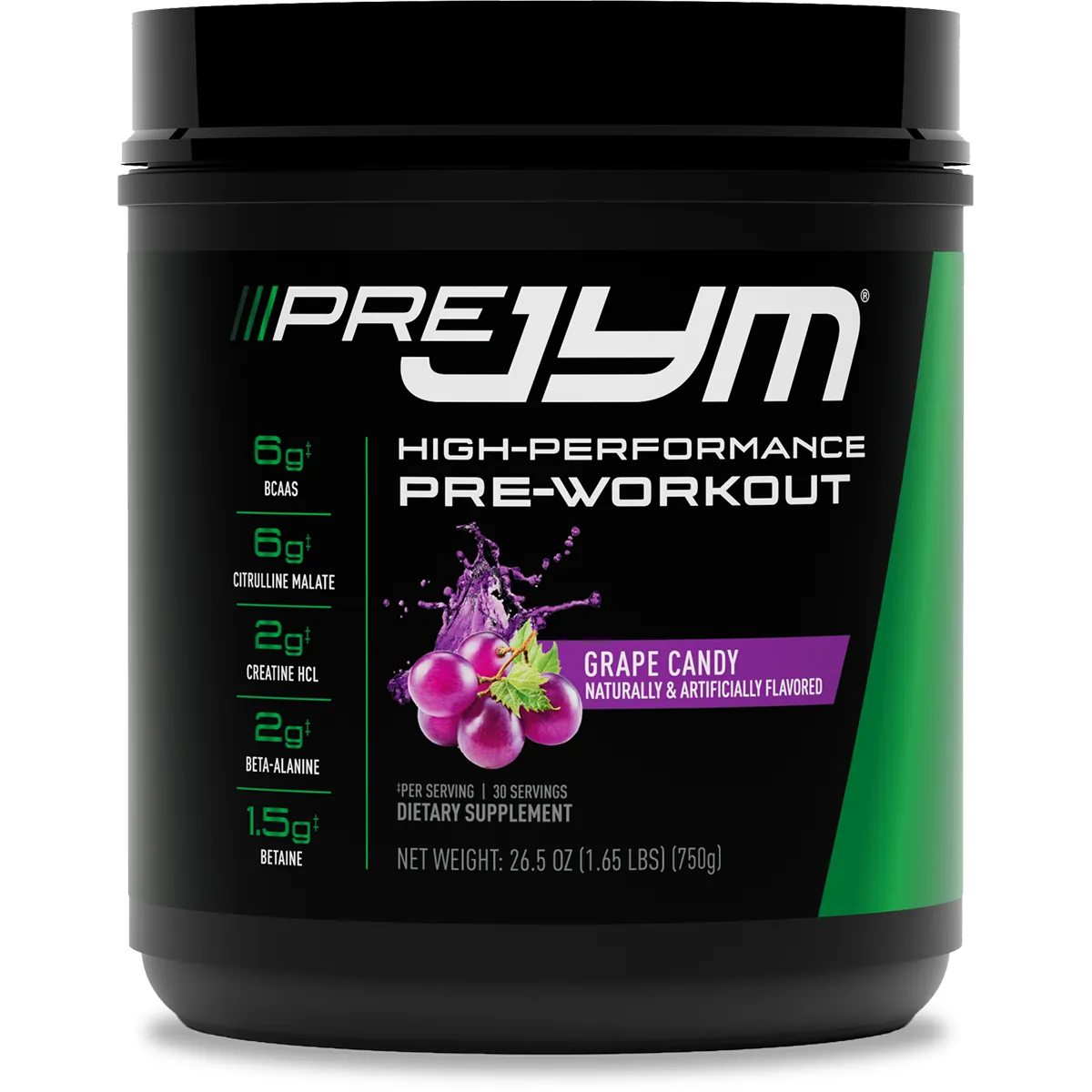
Pre-Jym Pre Workout
JYM Supplement Science
- Why this pick
- Research-backed formula positioning with transparent ingredient choices.
- Best for
- Users interested in science-informed pre-workout composition.
- Watch out
- Premium pricing reflects research backing versus mainstream alternatives.
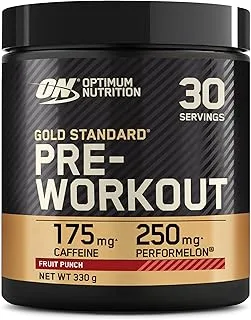
Optimum Nutrition Gold Standard Pre-Workout
Optimum Nutrition
- Why this pick
- Mainstream balanced option from trusted brand with broad availability.
- Best for
- Users wanting reliable familiar pre-workout from established company.
- Watch out
- Mainstream positioning may obscure individual tolerance variability.
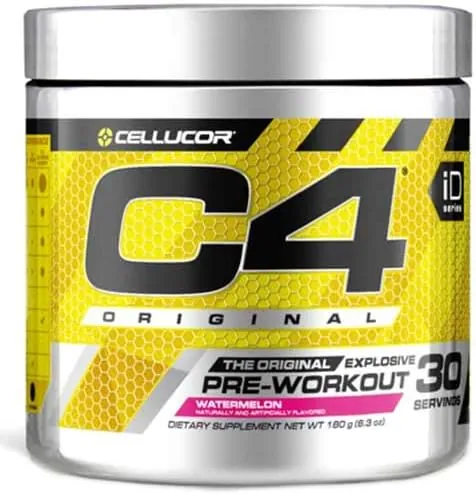
Cellucor C4 Original
Cellucor
- Why this pick
- Benchmark formula widely used for comparison with strong market presence.
- Best for
- Users wanting familiar mainstream pre-workout option.
- Watch out
- Stimulant response is highly variable; start conservative.
Key pre-workout ingredients: what actually works and at what dose
Caffeine is the primary active ingredient in most pre-workouts. The effective dose for athletic performance is 150-300 mg taken 30-45 minutes before training. Doses below 150 mg are subthreshold; doses above 300 mg increase side effects (anxiety, jitters, sleep disruption) without proportional performance gain. Individual tolerance varies widely: someone accustomed to daily coffee may feel 200 mg as a gentle lift, while a non-coffee drinker might find it intense. UK pre-workouts typically contain 150-250 mg caffeine per serving—a reasonable range.
Citrulline (usually as citrulline malate) is included for its role in nitric oxide (NO) production, which improves blood flow and nutrient delivery to muscles. The effective dose is 6-8 grams. Studies show that citrulline supplementation improves strength endurance (ability to maintain power in later sets) and reduces delayed-onset muscle soreness (DOMS). Unlike caffeine, citrulline has minimal side effects and works best if taken consistently for 1-2 weeks before effect is noticeable.
Beta-alanine is an amino acid that buffers lactic acid accumulation, theoretically delaying muscle fatigue. The effective dose is 3.2 grams daily (often split into smaller doses). Clinical evidence supports a 2-3% improvement in high-intensity endurance (8-35 minute efforts). A common side effect is harmless paresthesia (tingling sensation on skin) that emerges 15-30 minutes post-dose. This is not dangerous, but it surprises unprepared users.
Creatine monohydrate (typically 3-5 grams in pre-workouts) supports ATP resynthesis and strength-power output. It is the most researched supplement ever; evidence is overwhelming. However, creatine works best when taken consistently daily over weeks—a single pre-workout dose offers minimal acute benefit.
Proprietary blends: why transparency matters and how to evaluate them
A 'proprietary blend' label means the manufacturer is hiding the individual amounts of ingredients. This is a major red flag. You cannot assess whether a product is dosed appropriately without knowing exact amounts. A pre-workout might list 'performance blend (3000 mg)' containing caffeine, citrulline, beta-alanine, and five other ingredients—but you have no idea if it has 100 mg or 500 mg of caffeine.
Best practice: avoid proprietary blends if possible. Brands like Applied Nutrition, Ghost, and Optimum Nutrition Gold Standard list every ingredient with clear dosing. These transparent formulations cost similarly to proprietary-blend products and allow you to make informed decisions. If a brand uses proprietary blends, contact them directly asking for full disclosure—their refusal or vague response indicates they have something to hide.
Red flags in pre-workout formulas: ingredients you have never heard of (marketing fluff with no evidence), extremely high stimulant doses (over 400 mg caffeine), and vague proprietary blend structure. If a product promises 'extreme energy' or 'the most powerful pre-workout ever,' it is marketing hype, not science.
Individual stimulant sensitivity and tolerance building
Caffeine sensitivity varies massively. People with low caffeine consumption (never drink coffee) experience noticeable effects at 100 mg; heavy coffee drinkers often feel nothing below 250 mg. Genetic variation in caffeine metabolism (CYP1A2 gene polymorphisms) means some people break down caffeine slowly, extending effects and side effects, while others clear it rapidly.
If you are new to pre-workout or have low caffeine tolerance, start with the lowest effective dose (150 mg) or even a non-stimulant pre-workout initially. Take it consistently for a week, then assess effects on strength, endurance, and side effects (jitters, anxiety, sleep disruption). If you tolerate it well and see no performance difference, increasing dose or switching products makes sense. If you feel anxious or have disrupted sleep, reduce dose or switch to a non-stim option.
Tolerance develops over 4-8 weeks of consistent stimulant use—your nervous system adapts and the effect becomes more muted. This is normal. Users sometimes respond by taking higher doses, which is counterproductive (increased side effects, potential health risk). A better approach: cycle pre-workout use (8 weeks on, 2 weeks off) to reset tolerance. Alternatively, use pre-workout only on specific hard training days rather than daily.
Timing and training context: morning vs evening and individual factors
Pre-workout should be taken 30-45 minutes before training to allow caffeine absorption and ingredient effects to manifest. Taking it immediately before training means the workout is halfway done before the supplement is working. Most users consume pre-workout with 200-300 ml water and wait 30-40 minutes before starting.
Timing relative to meals matters. Pre-workout on an empty stomach is absorbed fastest but may cause nausea in sensitive people. Taking it 1-2 hours after a light meal (banana, toast, small meal) typically works well—food slows absorption slightly but reduces GI upset. Never take pre-workout immediately after a large heavy meal—absorption will be delayed and some users experience GI distress.
Evening training (after 4-5 pm) requires careful pre-workout timing. If you take stimulant pre-workout at 5 pm for evening training, caffeine is still in your bloodstream at bedtime (peak effects last 3-5 hours), potentially disrupting sleep. For evening training, choose a non-stimulant pre-workout (citrulline, beta-alanine, creatine without caffeine) or take stimulant pre-workout only for morning/early-afternoon sessions. Sleep quality matters more than pre-workout performance—do not sacrifice sleep for supplementation.
Key Takeaway
Pre-workout can provide modest (1-3%) performance benefit, but only for consistent athletes training hard. Key ingredients are caffeine (150-300 mg), citrulline (6-8 g), beta-alanine (3.2 g)—demand transparent labeling of amounts. Start conservatively with lowest effective dose, assess tolerance over 1-2 weeks, and adjust accordingly. Avoid proprietary blends. Never prioritize pre-workout over sleep. For casual gym users, pre-workout is optional—consistent training and adequate recovery matter far more.
Hard Selection Rules
- Prioritize quality signaling and user consistency over stimulant dose marketing alone.
- Include both stim and non-stim options to support different training times and preferences.
- Use review volume to identify products with predictable user experience.
- Balance ingredient complexity with practical training adherence.
What We Excluded
- Excluded products with weak quality-gate signal.
- Did not rank by marketing claims without adequate review backing.
- No claim that any pre-workout is required for training progress.
Decision Framework
- Assess tolerance to caffeine and stimulants before choosing stim-heavy formulas.
- Pick timing based on when you train (morning vs evening impacts stimulant choice).
- Use consistent dosing and tracking to assess real training impact.
Frequently Asked Questions
What is the best pre-workout UK?
Look for formulas with transparent ingredient profiles and consistent user feedback from established brands.
Is pre-workout necessary for training performance?
No. Sleep, hydration, and consistent programming drive outcomes more than supplements.