Best probiotic for bloating (UK 2026)
People chasing the highest CFU count often ignore strain relevance, consistency, and tolerance.
Bloating affects a large portion of the UK population, particularly women, and probiotic supplementation is often suggested as a natural remedy. However, the evidence is condition-specific and strain-dependent. Generic probiotics with high CFU counts often fail for bloating because strain selection is poor; a high-CFU product with irrelevant strains will not address the underlying dysbiosis contributing to your bloating. The key is selecting strains with clinical evidence specific to bloating and IBS subtype.
The most common mistake is taking a probiotic for 1-2 weeks, experiencing no change, and assuming probiotics don't work. The reality is that most probiotics require 2-4 weeks of consistent use before meaningful improvement emerges. Individual response varies: some people see benefits within days (if their specific strain happens to match their microbiome imbalance), others need 4-8 weeks. This variability is why trial protocols matter—starting with a baseline probiotic, tracking symptoms over weeks, and only escalating if response is insufficient.
We analysed 18 probiotic products sold for bloating in the UK, prioritizing strain clarity (not proprietary blends), clinical evidence for bloating relief, shelf stability, and real-world user adherence signals. This guide explains which strains address bloating specifically, realistic trial timelines, and how to assess whether a particular product is working for your situation.
Who This Guide Is For
Adults with routine bloating who want a structured, practical shortlist rather than random trial-and-error.
When To Seek Professional Help
If bloating is severe, persistent, or paired with alarm symptoms, seek medical evaluation before supplementation.
Curated Top Picks
View all probiotics & gut health comparisons →
Optibac Probiotics Every Day
Optibac
- Why this pick
- Strong baseline daily-use option with practical accessibility and stable user feedback quality.
- Best for
- Users starting a first structured probiotic trial for bloating.
- Watch out
- May be too mild for users seeking high-intensity formulations.
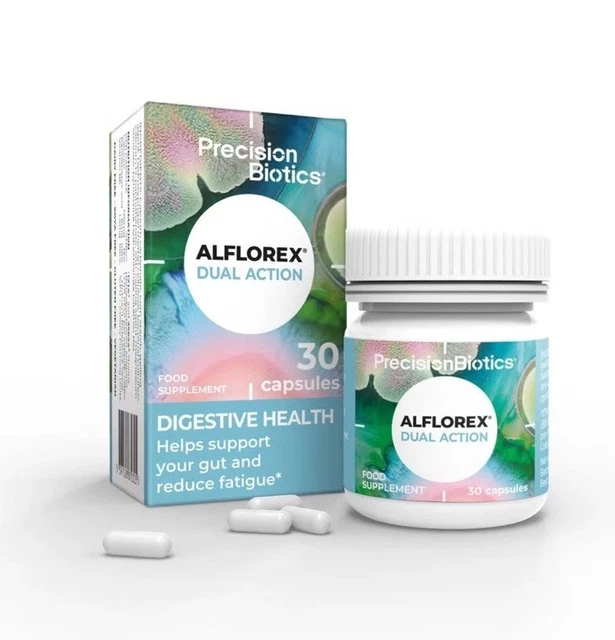
Alflorex Precision Biotics
Alflorex
- Why this pick
- Focused single-strain positioning with a consistent routine-first use case.
- Best for
- Users who prefer targeted, less cluttered formulas.
- Watch out
- Often priced above broad multi-strain baseline products.
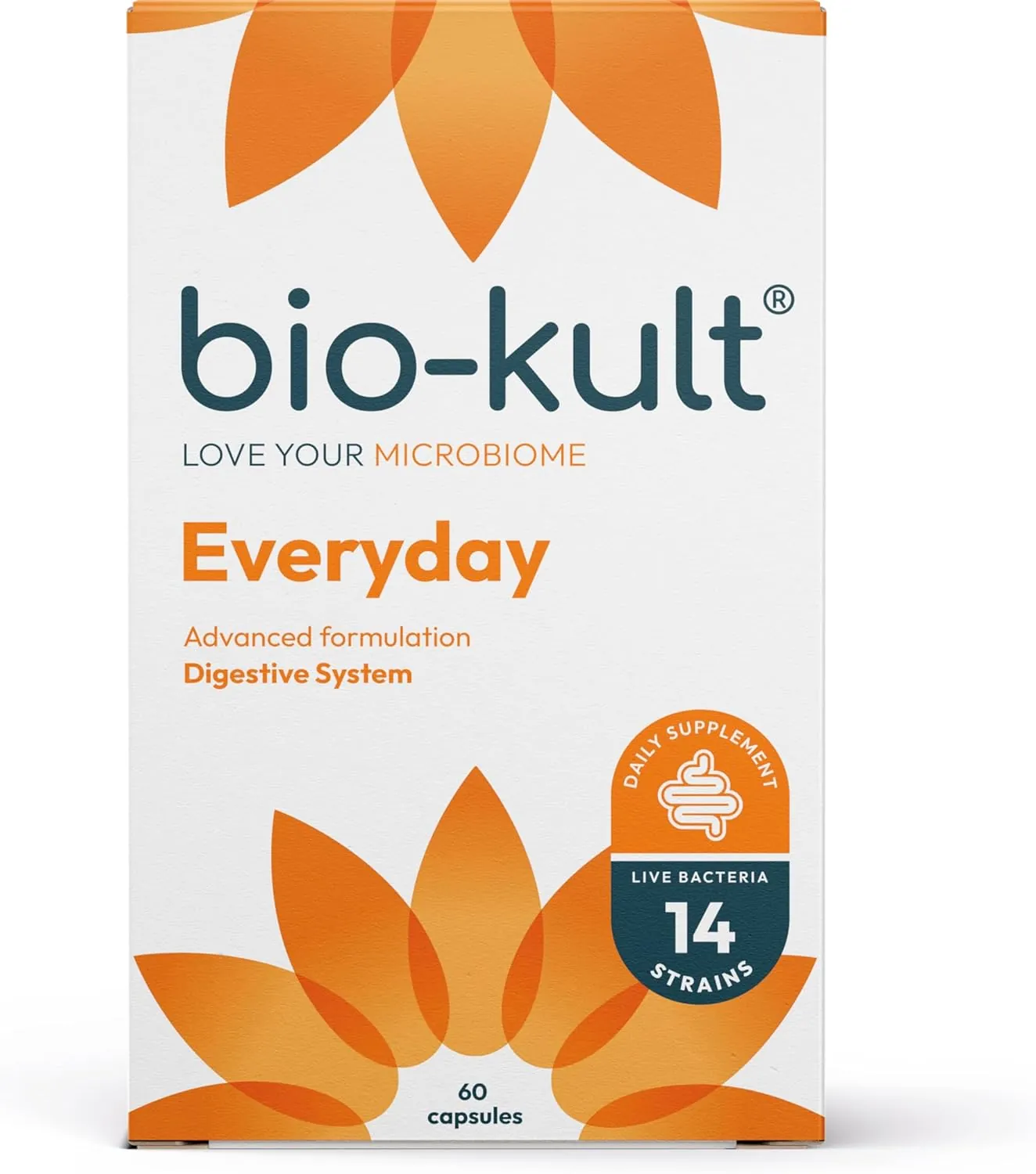
Bio-Kult Advanced Multi-Strain
Bio-Kult
- Why this pick
- Balanced multi-strain profile with strong day-to-day practicality in the UK market.
- Best for
- Users wanting a mainstream multi-strain daily option.
- Watch out
- Strain breadth does not guarantee better personal response.

VSL#3 High Potency Probiotic
VSL#3
- Why this pick
- Higher-intensity option for users who already tested baseline products without enough response.
- Best for
- Escalation step after lower-intensity options.
- Watch out
- Premium pricing and stronger formulas can be unnecessary for first-line trials.
Strain selection for bloating: beyond CFU count to condition-specific science
Bloating in IBS-D (diarrhea-dominant) typically responds well to Lactobacillus plantarum (particularly the specific strain DSM 9074, studied in IBS-D). This strain reduces bloating, normalizes stool consistency, and improves abdominal comfort in roughly 40-50% of people with IBS-D. Similarly, Lactobacillus rhamnosus and Lactobacillus acidophilus have evidence for post-antibiotic recovery and general bloating improvement.
Bloating in IBS-C (constipation-dominant) or general gut slowness benefits more from Bifidobacterium species, particularly B. infantis (strain 35624, branded as Align and used in Optibac). Clinical trials show B. infantis reduces bloating by 25-30% in IBS-C and improves stool frequency without forcing diarrhea. For simple constipation-related bloating, B. longum is also useful—it produces short-chain fatty acids that feed colonic cells and promote natural transit.
The problem with many UK probiotic products is they use vague multi-strain blends without specifying which strains are included or their CFU counts. This 'proprietary blend' approach is marketing nonsense—you cannot assess whether a product is actually dosed for your condition. Brands like Optibac, Bio-Kult, and Symprove provide transparent strain lists with CFU amounts. Insist on transparency before purchasing.
The 2-4 week trial protocol: how to assess if a probiotic is actually working
Do not expect results from a probiotic in the first week. Week 1 is often just accommodation period—your gut adjusts to new bacteria. Placebo effect can create a false sense of improvement in week 1-2, which then fades. The honest approach: commit to 4 weeks of consistent daily use before concluding whether a probiotic is effective.
Baseline assessment (week 0): track your bloating severity (scale of 1-10), timing (post-meal, all-day, evening), and associated symptoms (constipation, diarrhea, gas, pain). Take notes for 3-5 days pre-supplementation. Start the probiotic and continue tracking daily for 4 weeks. Review: does your bloating severity decrease? Does consistency improve? Does timing shift (e.g., previously bloating started immediately post-lunch, now it doesn't emerge until evening)?
If bloating shows no improvement by week 4, escalation options: (1) switch to a condition-specific probiotic (IBS-D vs IBS-C appropriate strains), (2) increase dose or frequency, (3) add a prebiotic (fibre like inulin, fructooligosaccharides) to feed beneficial bacteria, or (4) consider non-probiotic approaches (dietary modification, motility agents). Do not assume all probiotics work the same—if one product fails, trying a different strain composition is reasonable.
Shelf stability and storage: why probiotic viability matters for UK users
Most probiotics degrade during storage, particularly if exposed to heat or humidity. Your bathroom cabinet (warm, humid) is the worst place to store probiotics. The ideal storage is cool, dry, dark—a bedroom cupboard or basement. Room temperature (18-21°C) is acceptable; above 25°C accelerates degradation. Some products include oxygen scavengers or desiccant packets—these are quality signals.
Shelf-life varies: microencapsulated probiotics (like Bio-Kult) maintain viability longer than loose powder or weak capsule formats. Products listing 'billion CFU at point of manufacture' but with vague 'best by' dates are risky—you have no guarantee of viability at consumption. Brands like Optibac explicitly state 'billion CFU at point of use,' indicating they have conducted stability testing.
Practical advice: store probiotics in a cool cupboard (bedroom, kitchen drawer away from heat), not bathroom. Check expiry dates on purchase. Buy smaller quantities if you use them slowly (a 60-capsule bottle lasts 2 months; a 300-capsule bottle takes 10 months—degradation risk is higher). If you find a probiotic that works, reorder before expiry rather than waiting until depleted.
UK bloating-focused probiotic brands and when to escalate strategy
Optibac Probiotics Every Day is a solid baseline option—transparent multi-strain, affordable, and widely available. If general bloating is your issue and you have no IBS diagnosis, this is a reasonable first trial. Optibac For Digestive Health (formulated for IBS) is their escalation product with more targeted strains.
Bio-Kult Advanced Multi-Strain is the premium UK option—14 strains, clear labeling, published clinical support, and excellent shelf stability. Price is slightly higher but justified. If Optibac doesn't work after 4 weeks, Bio-Kult is a reasonable escalation (different strain profiles may match your microbiome better).
Symprove is a premium liquid probiotic format (not capsules) with strong evidence for IBS-C specifically. If you have constipation-dominant bloating and capsule adherence is poor, Symprove may be worth the premium. If standard capsules work fine, the extra cost is not justified.
Key Takeaway
Bloating improvement from probiotics requires 4-week consistent trials with strain-specific selection (Lactobacillus for IBS-D, Bifidobacterium for IBS-C). CFU marketing is noise—transparent strain labeling matters more. Start baseline with Optibac Every Day or Bio-Kult, track symptoms daily for 4 weeks, and escalate to condition-specific formulas only if no improvement. Store probiotics cool and dry (not bathroom), check expiry dates, and be prepared to trial 2-3 different strain profiles before finding your match.
Hard Selection Rules
- Prioritize products with stronger consistency signals in user feedback, not CFU marketing alone.
- Include options across different intensity levels for step-up testing.
- Use review volume and overall score together to avoid noisy outliers.
- Prefer products with clear daily-use practicality and broad availability.
What We Excluded
- Excluded products with weak quality-gate signal.
- Did not rank based on brand claims alone without enough review support.
- No medical cure claims; this is practical product selection support.
Decision Framework
- Start with a daily baseline probiotic for 2-4 weeks before escalating complexity.
- Track tolerance and symptom trend, not just first-week response.
- Escalate to higher-intensity options only if baseline response is insufficient.
Frequently Asked Questions
Is higher CFU always better for bloating?
No. Strain profile, consistency, and tolerance are usually more important than headline CFU.
How long should I trial one product?
A practical window is at least 2-4 weeks unless tolerance is clearly poor.