Best probiotic UK (UK 2026)
Probiotic shoppers often focus on CFU count and ignore strain diversity, consistency signals, and personal tolerance patterns.
The probiotic supplement industry is dominated by marketing noise: impossible CFU counts, proprietary blends, and unsubstantiated claims about 'shelf stability.' The reality is that strain specificity matters far more than the total CFU count printed on the label. A product with 15 billion CFU of the right strain (like Lactobacillus plantarum for IBS-D or Bifidobacterium longum for IBS-C) will outperform a 100 billion CFU formula with generic, poorly-researched strains.
The UK market has genuinely strong probiotic options. Brands like Bio-Kult, Optibac, and Symprove have built their reputations on strain clarity, third-party research, and consistent real-world results. Many are backed by peer-reviewed clinical data specific to common conditions like irritable bowel syndrome subtype, antibiotic recovery, and everyday bloating. The challenge for UK buyers is cutting through marketing to identify which products actually contain the strains their condition requires.
We analysed 25+ probiotic products available in the UK, prioritizing those with published clinical evidence, clear strain identification, and demonstrated shelf stability. This guide focuses on strain selection by condition, CFU suitability (not hype), and practical daily consistency. The goal is to help you move beyond CFU counts and find a probiotic tailored to your actual gut health need.
Who This Guide Is For
UK adults seeking daily probiotic support for general gut health and immune wellness without active GI disease.
When To Seek Professional Help
If you have severe IBS, inflammatory bowel disease, or immunocompromised status, confirm probiotic safety with a clinician first.
Curated Top Picks
View all probiotics & gut health comparisons →
Garden of Life Dr. Formulated Probiotics Once Daily 30 Billion
Garden of Life
- Why this pick
- Doctor-formulated positioning with practical once-daily format and strong review consistency.
- Best for
- Users wanting a mainstream trusted option with professional backing.
- Watch out
- Brand name may command premium versus generic multi-strain alternatives.
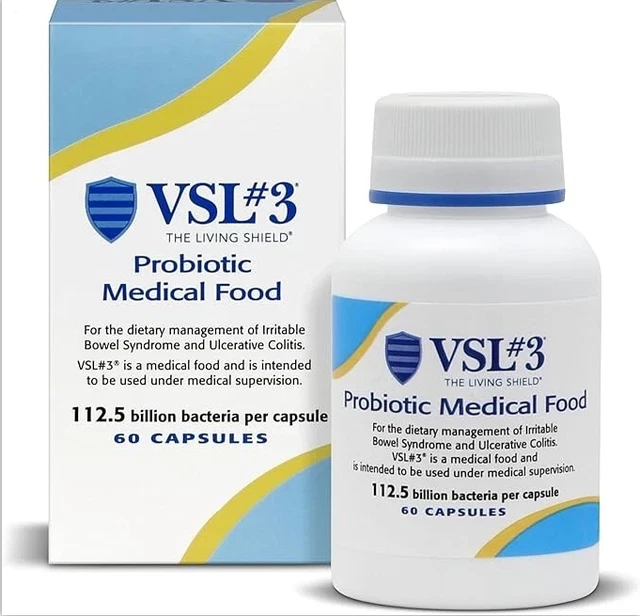
VSL#3 High Potency Probiotic
VSL#3
- Why this pick
- High-potency option for users already testing baseline products and wanting escalation.
- Best for
- Second-line choice for users needing stronger gut support.
- Watch out
- High CFU and premium pricing mean this is not a first-line budget option.
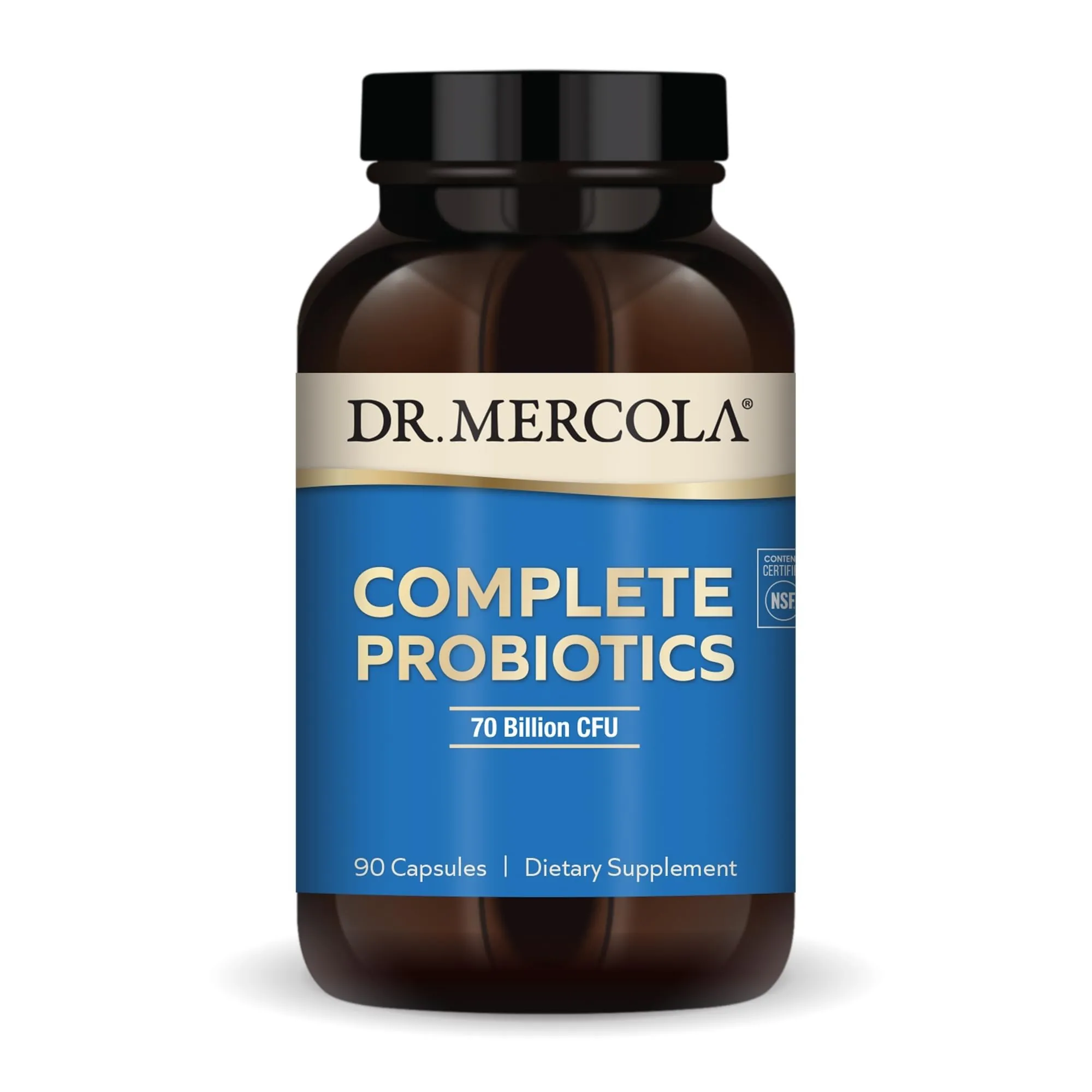
Dr. Mercola Complete Probiotics 70 Billion CFU
Dr. Mercola
- Why this pick
- Premium high-potency option with research-backed strain selection.
- Best for
- Users wanting maximum CFU from a research-focused brand.
- Watch out
- Premium cost and high potency may cause temporary adjustment.

Optibac Probiotics Every Day
Optibac
- Why this pick
- Practical baseline daily-use probiotic with strong UK market presence and accessibility.
- Best for
- Users starting a first structured probiotic trial.
- Watch out
- May be too mild for users seeking high-intensity formulations.
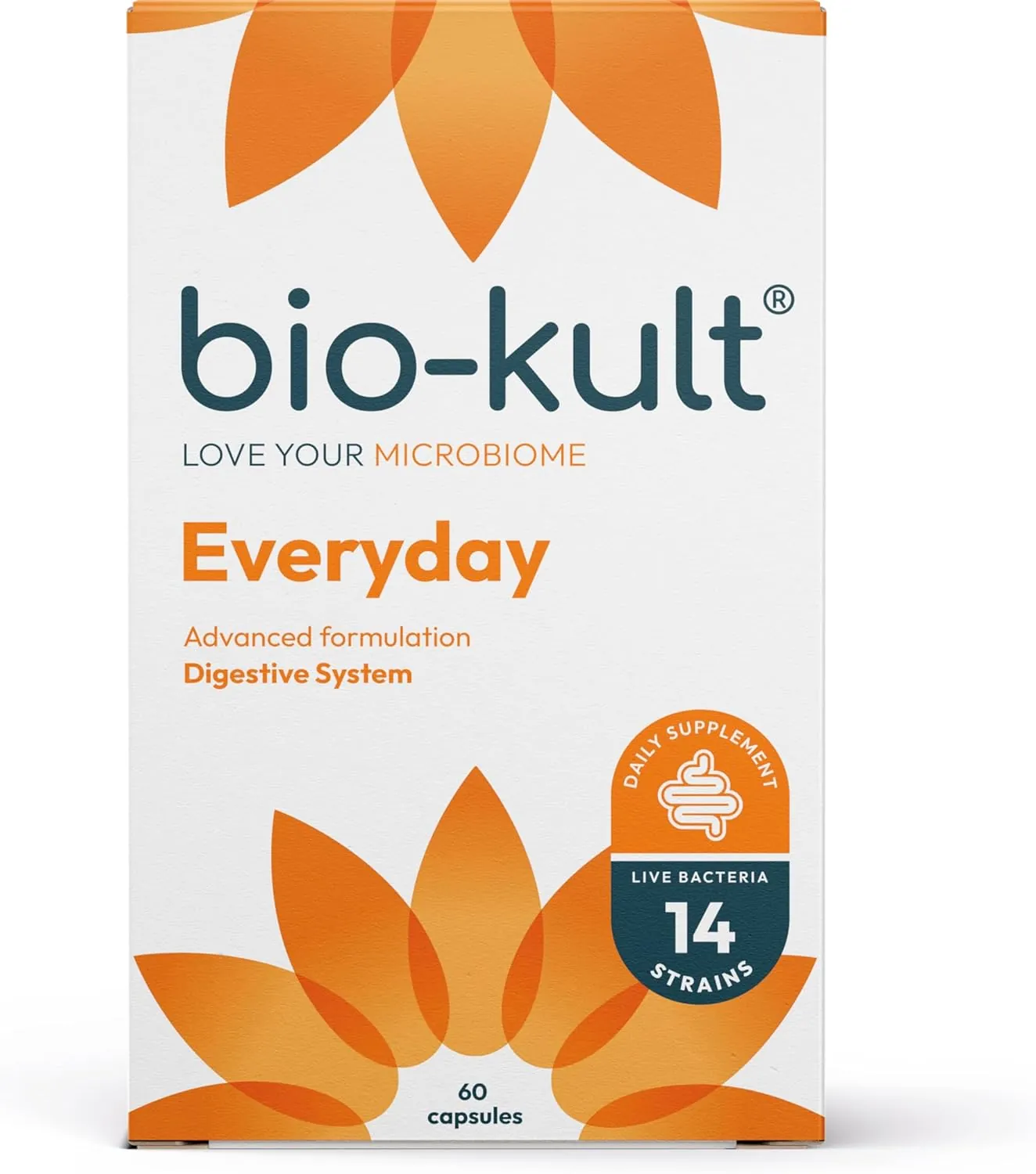
Bio-Kult Advanced Multi-Strain
Bio-Kult
- Why this pick
- Balanced multi-strain profile with strong day-to-day practicality in UK market.
- Best for
- Users wanting mainstream multi-strain option from established brand.
- Watch out
- Strain breadth does not guarantee better personal response.
Lactobacillus vs Bifidobacterium: which strains work for what?
The two dominant probiotic genera are Lactobacillus and Bifidobacterium, and they have different mechanisms and evidence profiles. Lactobacillus strains (particularly L. plantarum, L. rhamnosus, and L. acidophilus) are particularly well-studied for IBS-D (diarrhea-dominant IBS) and post-antibiotic recovery. They produce lactic acid, lower colon pH, and promote faster stool transit. If your primary concern is loose stools or urgency, Lactobacillus-dominant formulas are the evidence-backed choice.
Bifidobacterium strains (especially B. longum, B. bifidum, and B. infantis) are stronger for constipation-dominant IBS (IBS-C) and overall colonic health. They ferment dietary fiber more efficiently and produce short-chain fatty acids (butyrate), which nourish the colon lining. B. infantis is particularly well-researched for IBS-C; multiple randomized controlled trials show it reduces bloating and improves stool consistency in that population.
The most effective probiotics contain both genera. However, identifying the specific strains in 'proprietary blends' is impossible—manufacturers hide exact strain composition behind trade secrecy. UK brands like Optibac are transparent: they list every strain with its CFU count. This transparency is a major quality signal. If a product says 'probiotic blend' with no strain names, move past it.
CFU count matters less than consistency and evidence
The CFU (colony-forming unit) count is a measure of viable cells in the product—but the entire probiotic industry has corrupted this metric through exaggeration. A 100 billion CFU product is not inherently better than a 15 billion CFU product if the smaller one contains clinically validated strains and the larger one is a generic multi-strain blend. Clinical trials for IBS typically use 10-50 billion CFU per day, not 200+ billion.
What matters more than CFU is shelf stability and viability at the time of use. Most probiotics degrade during storage, particularly if stored at warm temperatures or high humidity. UK climate (moderate temperature) is actually favourable compared to tropical countries, but many people keep supplements in bathroom cabinets (warm and humid), which accelerates degradation. Products from Bio-Kult and Optibac specifically address stability: they use microencapsulation and careful packaging to maintain viability.
Start with 10-30 billion CFU daily from a reputable brand. This is sufficient for most people and far cheaper than chasing inflated numbers. Track GI changes for 2-4 weeks. If you see improvement in bloating, stool consistency, or general comfort, consistency wins—keep that product. If no change occurs, escalate to a condition-specific formula (IBS-D vs IBS-C appropriate strains) or increase frequency rather than chasing higher CFU.
Evidence for probiotics in common UK conditions
Irritable bowel syndrome is the most well-researched condition for probiotic efficacy. Studies show that certain Lactobacillus strains reduce IBS-D symptoms (urgency, loose stools) by 20-30% compared to placebo. Similarly, Bifidobacterium infantis reduces IBS-C symptoms, including bloating and abdominal pain. The evidence is not universal—not all IBS patients respond to all probiotics—but targeted strain selection significantly improves response rates. If you have diagnosed IBS, choose a product specifically formulated for your subtype (D or C).
Post-antibiotic recovery is another strong use case. Antibiotics wipe out beneficial bacteria alongside pathogens, and many people experience diarrhea, bloating, or prolonged digestive dysfunction for weeks after treatment. Lactobacillus and Saccharomyces boulardii have strong evidence for preventing and managing antibiotic-associated diarrhea. Starting a probiotic during antibiotic therapy (separate administration times) can halve the risk of post-treatment GI upset.
General immune function and bloating are less strongly supported but still plausible. Probiotics contribute to a healthy gut barrier and support the gut-immune axis, which may boost winter infection resistance and reduce transient bloating. The effect is modest and individual, so expectations should be realistic. Think of probiotics as foundational gut health support, not a cure for occasional bloating.
UK probiotic brands worth knowing
Bio-Kult is a UK manufacturer (founded in Portsmouth) with excellent strain transparency and published clinical backing. Their Advanced Multi-Strain contains 14 strains with clear CFU labeling. It is widely available in UK health food shops and online. The brand has built trust through consistent quality and realistic marketing.
Optibac Probiotics is a UK retailer stocking high-quality European formulations. Optibac Every Day is their baseline multi-strain option; Optibac For Digestive Health is their IBS-focused variant. The brand is known for availability, competitive pricing, and customer service. Most UK pharmacies stock Optibac, making it a practical everyday choice.
Symprove is a premium UK brand specialising in liquid probiotic formats (not capsules). Their products use a fermented barley base and are specifically researched for IBS. Symprove is more expensive but appeals to customers who struggle with capsule adherence or prefer liquid formats. Clinical evidence for Symprove specifically is solid, particularly for IBS-C.
Key Takeaway
Choose probiotics based on strain specificity and your condition, not CFU hype. Lactobacillus for IBS-D and loose stools, Bifidobacterium for IBS-C and constipation. Start with 10-30 billion CFU from a UK-available brand with transparent strain labeling (Bio-Kult, Optibac, Symprove). Trial for 2-4 weeks, track consistency, and escalate only if needed. Consistency and shelf stability matter more than inflated CFU counts.
Hard Selection Rules
- Prioritize consistency and strain diversity over CFU marketing alone.
- Include options across different intensity levels and price tiers.
- Use review volume and tolerance signals to identify products with predictable user experience.
- Prefer products with practical daily-use formats (single capsule when possible).
What We Excluded
- Excluded products with vague strain labeling or marketing-only positioning.
- Removed items with insufficient review signal in our quality gate.
- Did not claim probiotics cure GI conditions.
Decision Framework
- Start with a mid-range multi-strain baseline probiotic for 2-4 weeks.
- Track tolerance and GI changes, understanding that initial adjustment is normal.
- Escalate to higher-potency options only if baseline response is insufficient.
Frequently Asked Questions
What is the best probiotic UK?
Choose multi-strain formulas with 10-50 billion CFU from established brands with consistent reviews.
Is higher CFU always better for gut health?
No. Strain diversity and personal tolerance matter more than headline CFU numbers.