Best vitamin C UK (UK 2026)
Vitamin C shoppers often overpay for mega-dose tablets or expensive alternatives and miss practical daily adherence and form tolerance.
Vitamin C is the most overhyped supplement in the UK market. Marketing claims promise immunity-boosting power, anti-aging effects, and cold prevention—yet the evidence is modest and highly context-dependent. The reality is that 200 mg daily of vitamin C covers the Linus Pauling Institute's evidence-backed recommendation for optimal health in most people. Beyond that dose, absorption drops sharply (your kidney simply excretes excess). This is why megadose vitamin C supplements (2000 mg+) sold in UK pharmacies are largely waste money.
The UK RNI (Reference Nutrient Intake) is only 40 mg daily for adults—a deliberately conservative estimate to prevent scurvy in deficient populations. However, the Linus Pauling Institute and more recent nutritional research suggest 200 mg daily is closer to optimal for antioxidant activity and collagen synthesis. Most UK diets easily provide this from food (one orange has 70 mg; one kiwi has 100 mg). Supplementation becomes relevant only if you want insurance against occasional deficiency or are managing specific health conditions.
We analysed 18 vitamin C products sold in the UK, comparing forms (ascorbic acid, buffered, liposomal), dose suitability, bioavailability, and real-world user tolerance. This guide explains the dose-response curve for vitamin C, why form matters for GI tolerance, and when supplementation actually makes practical sense.
Who This Guide Is For
UK adults seeking reliable vitamin C supplementation for immune and antioxidant support with practical daily use.
When To Seek Professional Help
If you have kidney stones, glucose-6-phosphate dehydrogenase deficiency, or take iron supplements, discuss vitamin C dosing with a clinician.
Curated Top Picks
View all vitamin c comparisons →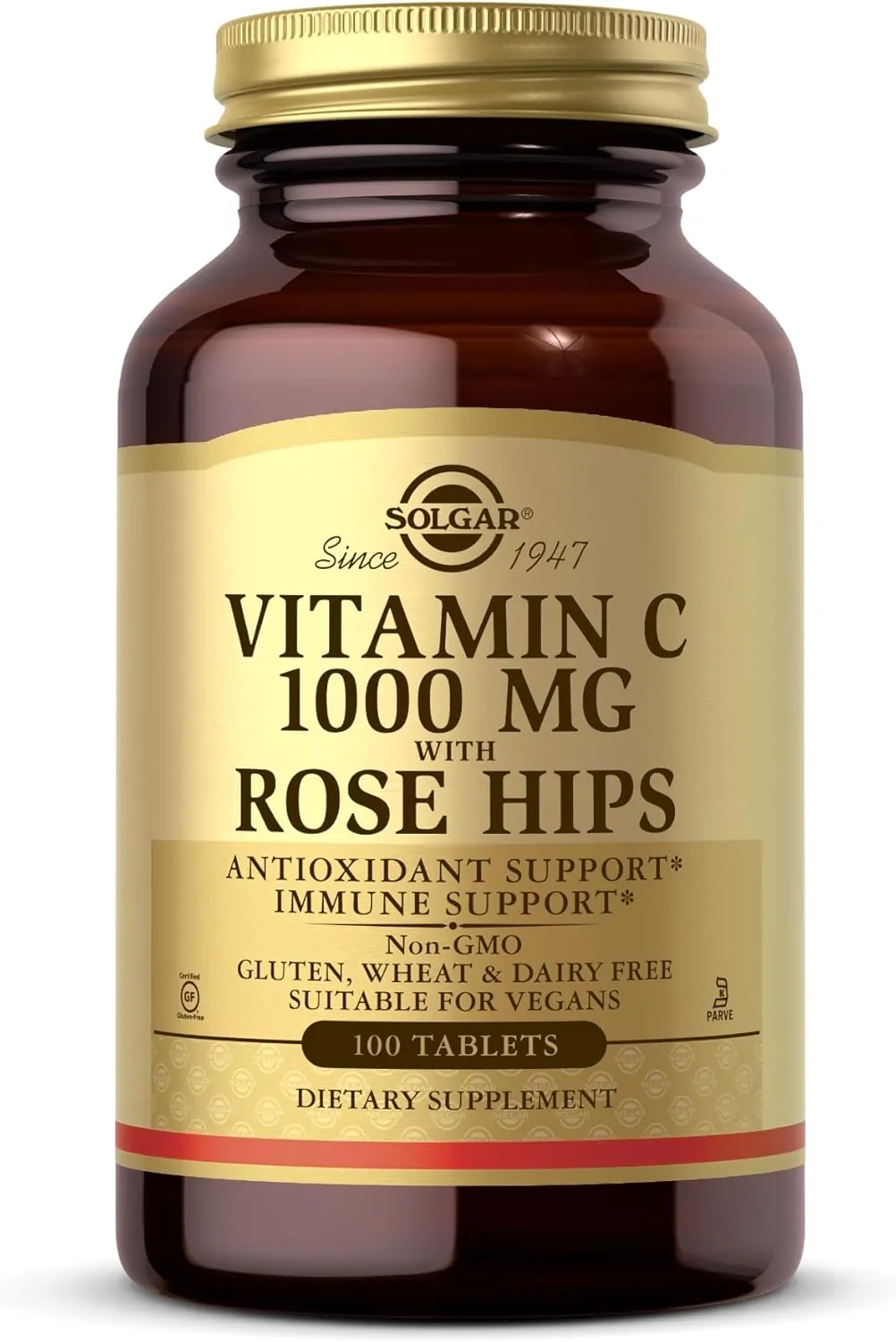
Solgar Vitamin C 1000mg with Rose Hips - 100 Tablets
Solgar
- Why this pick
- Rose hips combination offers gentle form with practical 1000mg dosing.
- Best for
- Users wanting vitamin C with complementary bioflavonoids.
- Watch out
- Rose hips addition increases tablet size and cost.
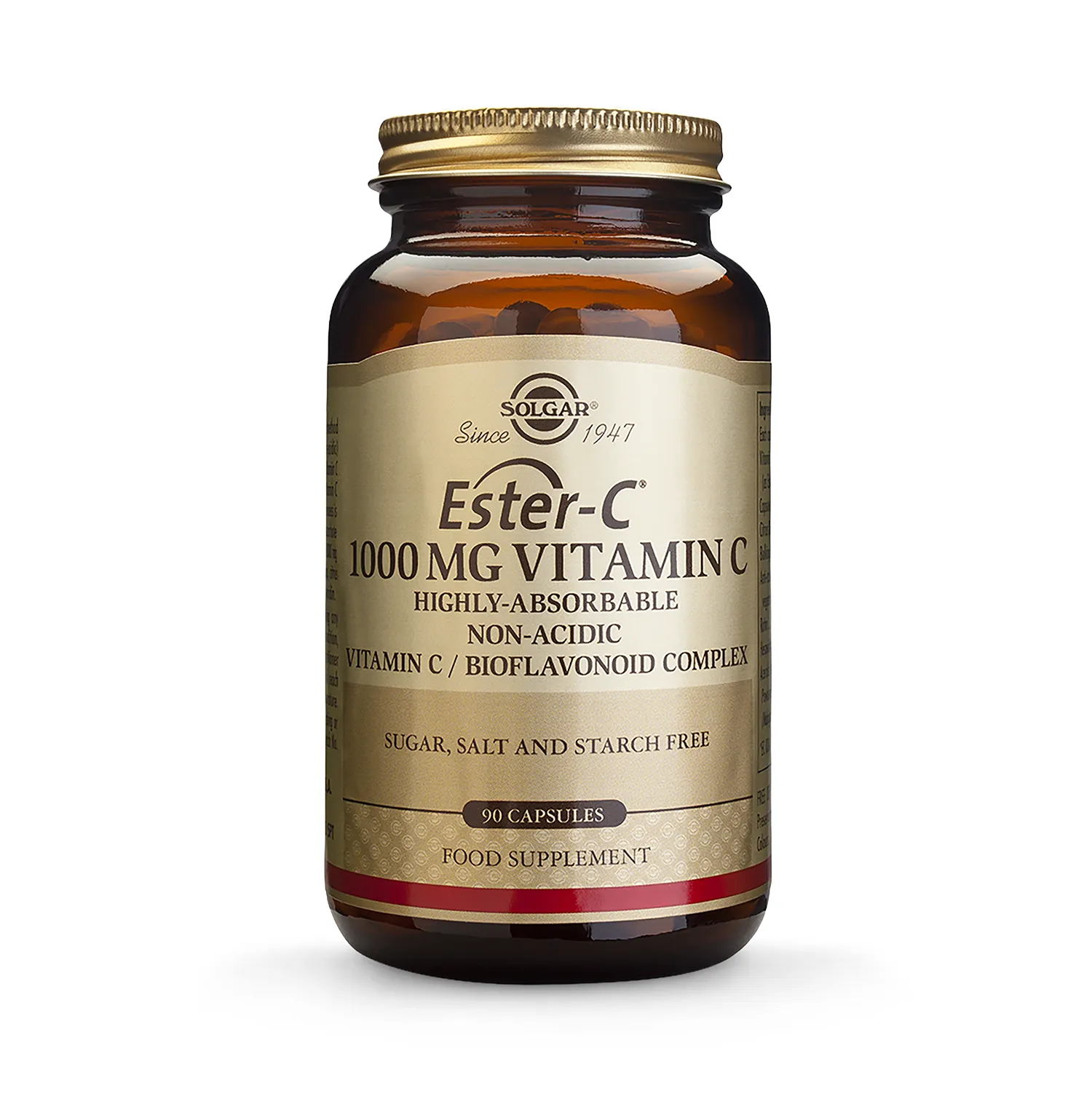
Ester-C 1000mg Vitamin C 90 Capsules
Solgar
- Why this pick
- Ester-C form for users seeking gentler GI profile without additives.
- Best for
- Users with sensitive digestion wanting premium vitamin C form.
- Watch out
- Ester-C premium pricing versus standard ascorbic acid.
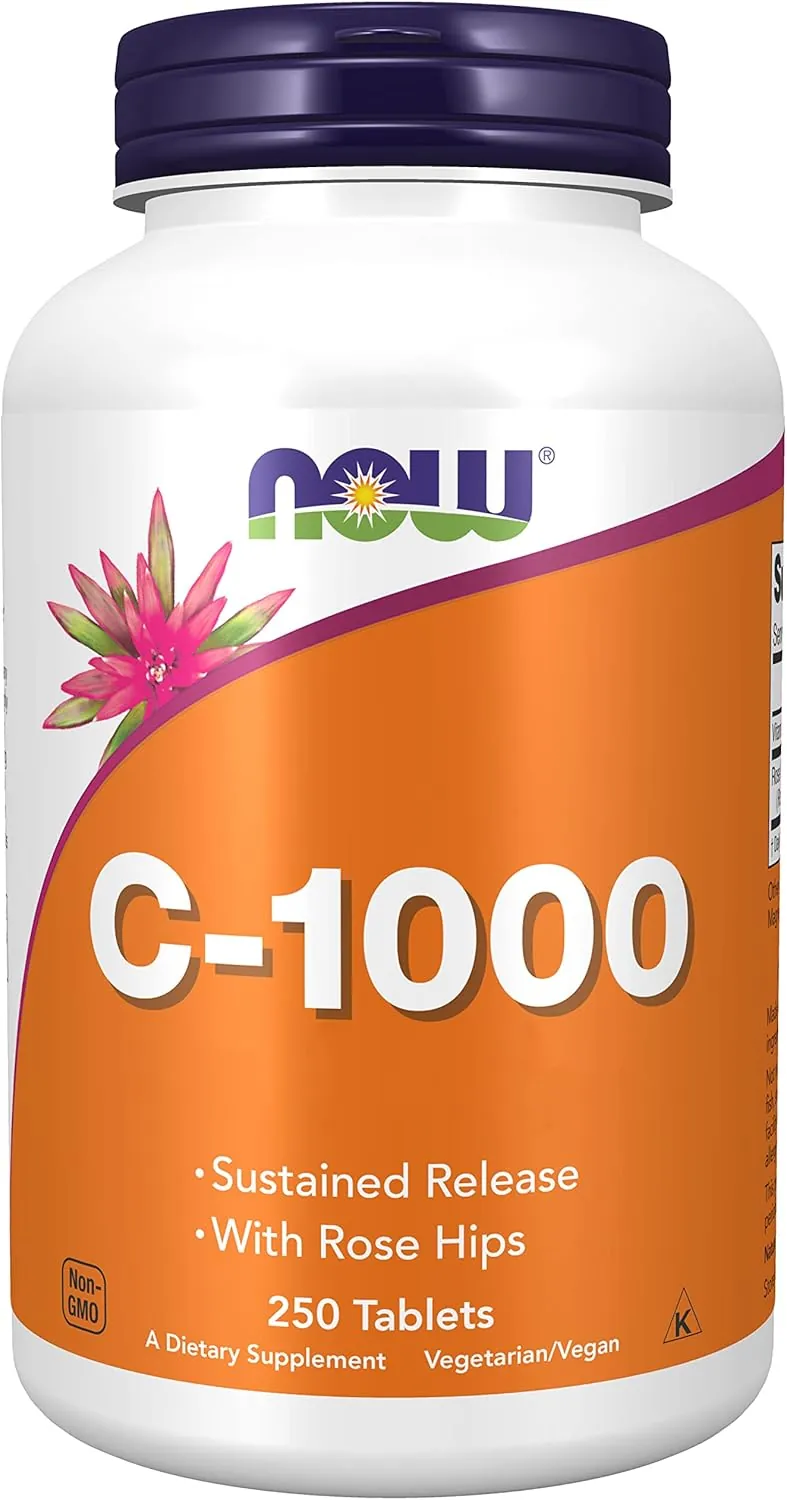
NOW Foods Vitamin C-1000 with Rose Hips & Bioflavonoids - 250 Tablets
NOW Foods
- Why this pick
- Practical large quantity with rose hips and bioflavonoids at reasonable value.
- Best for
- Budget-conscious buyers wanting long-term supply with complementary factors.
- Watch out
- Large tablet count requires proper storage.
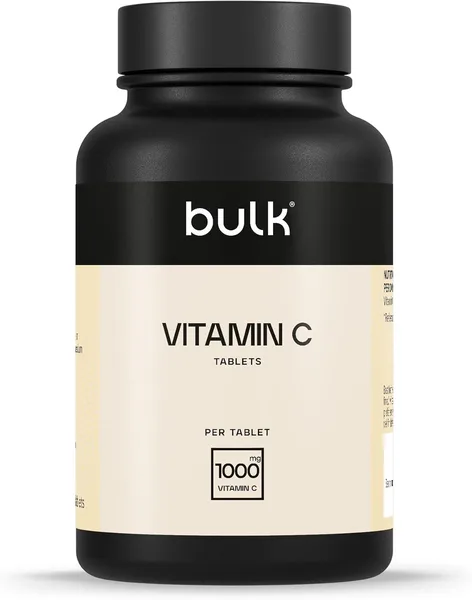
Vitamin C 1000mg, 270 Tablets
Bulk
- Why this pick
- Straightforward ascorbic acid at bulk pricing for cost-conscious users.
- Best for
- Price-first buyers wanting simple standard vitamin C.
- Watch out
- Generic formulation with limited brand backing or quality signals.
Vitamin C forms: ascorbic acid vs buffered vs liposomal
Standard vitamin C supplement is ascorbic acid—inexpensive, well-absorbed, and effective. It is slightly acidic (pH around 3.1), which is why some people experience mild GI upset: stomach acid, nausea, or loose stools. Ascorbic acid is also mildly acidifying to urine, which increases the risk of kidney stones in genetically susceptible people (those with previous stones or high uric acid).
Buffered vitamin C (Ester-C is the most recognized brand) is ascorbic acid combined with minerals (usually magnesium or calcium) to neutralize acidity. This gives a higher pH and theoretically gentler GI profile. Some studies show Ester-C has slightly longer retention in the body, but the practical difference in outcomes is minimal. If you tolerate ascorbic acid fine, buffered forms offer no advantage. If ascorbic acid causes GI upset, buffered vitamin C is worth trying.
Liposomal vitamin C is ascorbic acid enclosed in lipid (fat) particles, claimed to bypass the gut and be absorbed directly into bloodstream. Marketing promises dramatically higher bioavailability and tissue penetration. However, independent research is limited, and most liposomal vitamin C is expensive (5-10x the cost of ascorbic acid) for uncertain benefit. Unless you have documented absorption problems (Crohn's, IBS-D), liposomal vitamin C is a luxury option, not a necessity.
The dose-response curve: more vitamin C does not mean better outcomes
The Linus Pauling Institute recommends 200 mg daily for adults as the optimal dose for antioxidant activity, collagen synthesis, and immune function. This is based on analysis of plasma saturation curves—your blood reaches maximum vitamin C concentration at approximately 200 mg daily; additional intake simply spills into urine without additional benefit.
Clinical trials for common cold prevention typically use 200-1000 mg daily. Meta-analyses show modest benefit only in people under extreme physical stress (endurance athletes, people in Arctic climates)—a 10-20% reduction in cold duration, not prevention. For the average person, vitamin C supplementation offers negligible cold-prevention benefit. The famous Linus Pauling recommendation for megadose vitamin C (10 grams+ daily) for cold prevention was his personal opinion, not supported by modern evidence.
Doses above 2000 mg daily risk kidney stone formation (particularly in susceptible people) and have no additional health benefit. If you supplement vitamin C, aim for 200-500 mg daily (or avoid supplementation if diet is adequate). The UK RNI of 40 mg is conservatively low but sufficient to prevent deficiency. You cannot overdose on vitamin C from food—you would need to eat roughly 300 oranges daily to hit the 2000 mg ceiling of concern.
Immune support: what the evidence actually shows
Vitamin C is essential for immune cell function—it is a cofactor for enzymes that produce interferons and support lymphocyte proliferation. However, this does not mean supplementation 'boosts' immunity in healthy people. If you are vitamin C-deficient (scurvy, extremely restricted diet), supplementation will restore immune function. If you are already replete (from diet), additional vitamin C has negligible effect on immune responsiveness.
The commonly cited Cochrane review (2013) concluded that regular vitamin C supplementation (200 mg+ daily) does not prevent common colds in the general population. It may shorten cold duration by 5-10% (roughly half a day) in people under extreme stress. For the average UK adult with a balanced diet, vitamin C supplementation is not an effective cold prevention strategy—sleep, handwashing, and avoiding infected people matter far more.
Where vitamin C does have reasonable evidence is in supporting wound healing (collagen synthesis requires it) and in managing certain inflammatory conditions as a supportive nutrient. If you are recovering from surgery or injury, ensuring adequate vitamin C (200 mg+ daily) is prudent. For general immune health in healthy people, adequate diet is sufficient—supplementation is optional.
Practical vitamin C supplementation: who should consider it?
You should consider vitamin C supplementation if: you follow a very restrictive diet (less than 3-5 servings of fruits/vegetables daily), you are managing chronic stress and want supportive nutrition, you are recovering from surgery or injury, or you are interested in antioxidant insurance. A practical dose is 200-500 mg daily of ascorbic acid. Cost-per-day is typically £0.03-0.08 for decent brands, so cost is not a barrier.
You do not need vitamin C supplementation if: your diet regularly includes citrus fruits, kiwis, bell peppers, broccoli, or other vitamin C-rich foods (most UK diets manage this easily), you are not under extreme physical stress, and you are not recovering from acute illness or surgery. Save your money and buy more vegetables instead.
If you choose to supplement, ascorbic acid is the standard choice. Buffered forms are fine if ascorbic acid upsets your stomach. Liposomal and other exotic forms are marketing—save the money. Consistency matters more than form: taking 200 mg ascorbic acid daily beats sporadically taking 1000 mg of premium formulation.
Key Takeaway
200 mg daily of standard ascorbic acid vitamin C is the evidence-backed optimal dose for most UK adults. Beyond 200 mg, absorption drops and excess spills into urine—megadose supplements (2000 mg+) are waste. Food (citrus, kiwi, peppers, broccoli) provides this easily; supplementation is optional insurance. If you supplement, ascorbic acid works as well as expensive buffered or liposomal forms. Skip the marketing hype.
Hard Selection Rules
- Prioritize practical 500-1000mg daily doses over mega-dose 2000mg+ tablets.
- Include traditional ascorbic acid and gentler forms to reflect tolerance preferences.
- Use review consistency to assess real-world satisfaction and adherence.
- Balance price with practical daily convenience.
What We Excluded
- Excluded products with unsubstantiated anti-cold or anti-disease claims.
- Removed items with insufficient review signal in our quality gate.
- Did not promote mega-dosing as required for health benefits.
Decision Framework
- Choose 500-1000mg daily dose as practical balance between intake and tablet burden.
- Pick format (tablet vs powder) based on your adherence preference.
- Consider rose hips or bioflavonoid combinations if standard ascorbic acid causes GI upset.
Frequently Asked Questions
What is the best vitamin C supplement UK?
Look for 500-1000mg tablets from established brands with consistent reviews.
Is ester-C better than regular vitamin C?
Ester-C has claimed gentler GI profile, but standard ascorbic acid is effective and cheaper.