Best vitamin D for children (UK 2026)
Parents often buy vitamin D based on branding, but the real risk is using an unsuitable dose or format that children do not take consistently.
UK children's vitamin D supplementation is officially recommended but practically inconsistent. The NHS and Department of Health recommend that all children age 1-4 receive a 10 mcg (400 IU) daily vitamin D supplement year-round, and children age 4-18 receive supplementation October-March. However, take-up rates are low—many parents either forget daily supplementation or struggle to find suitable formats for young children. The reality is that drops and sprays work far better than capsules for under-10s because they eliminate the swallowing challenge.
The challenge is dose appropriateness. Many children's vitamin D products are either too weak (5 mcg per serving, requiring multiple doses) or too strong (3000 IU, which is excessive). The sweet spot is 10 mcg (400 IU) per daily dose—sufficient for winter coverage, safe even if accidentally doubled, and delivered in a format children will actually take consistently. Parents often overfocus on flavor (brands marketing 'orange-flavored' drops) when format adherence is the real constraint.
We analysed 16 children's vitamin D products sold in the UK, prioritizing format practicality for daily adherence, dose appropriateness by age group, and safety considerations. This guide explains UK recommendations for child dosing, format selection based on age, and what to monitor for adequate supplementation.
Who This Guide Is For
Parents comparing child-friendly vitamin D formats (drops, sprays, softgels) with clear daily-use practicality.
When To Seek Professional Help
If your child has a diagnosed deficiency, chronic condition, or is under specialist care, dosing should be confirmed with a clinician.
Curated Top Picks
View all vitamins comparisons →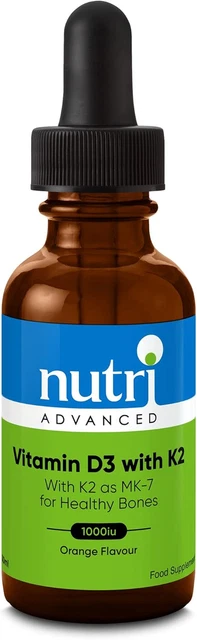
Nutri Advanced Vitamin D3 with K2 Liquid Drops 30ml
Nutri Advanced
- Why this pick
- Liquid format gives the best day-to-day dosing flexibility and adherence potential.
- Best for
- Parents who want adjustable drop-based dosing.
- Watch out
- Contains K2 as well; confirm suitability if you only want standalone vitamin D.
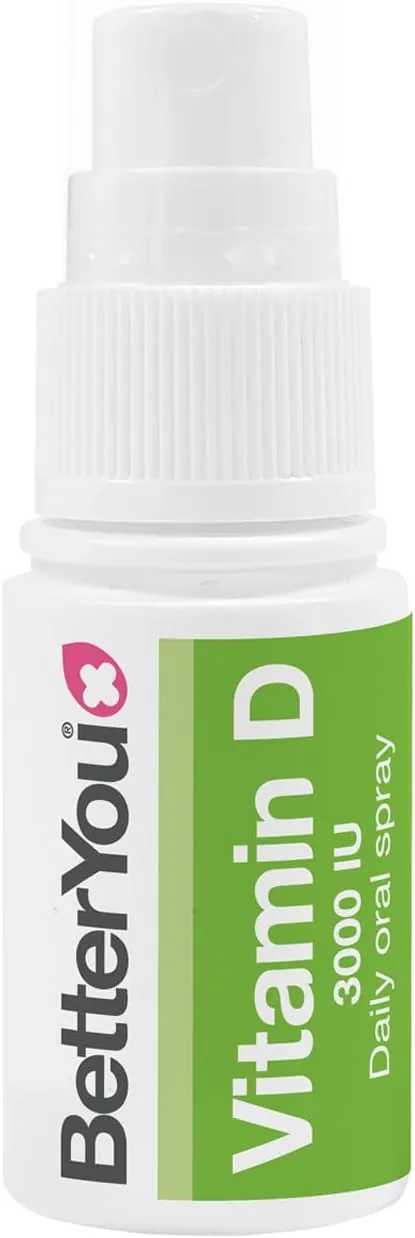
BetterYou Vitamin D3 3000IU Daily Oral Spray 15ml
BetterYou
- Why this pick
- Spray format is practical and quick for routine use with strong real-world adoption signals.
- Best for
- Families prioritizing convenience over tablet formats.
- Watch out
- 3000 IU per serving can be high depending on age and clinical context.
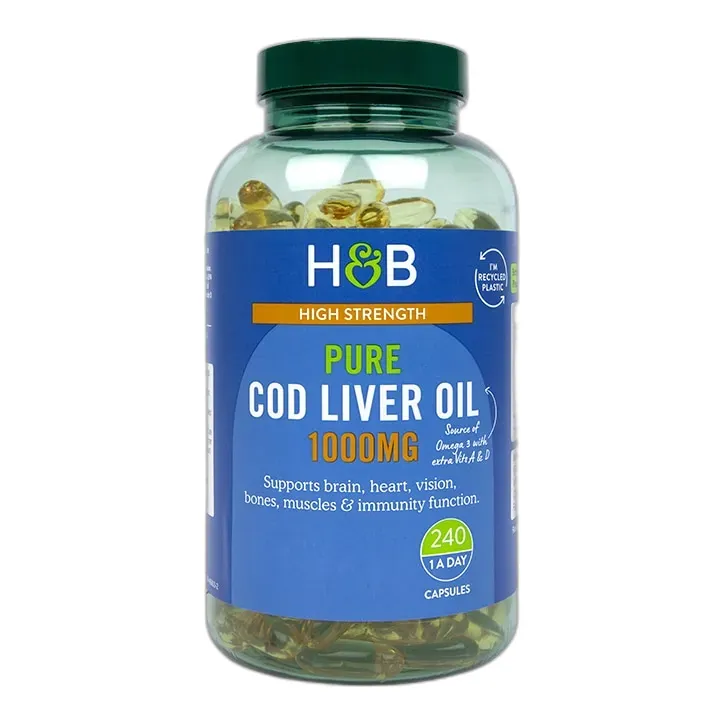
Solgar Vitamin D3 1000 IU (25mcg) Softgels - 250 Count
Solgar
- Why this pick
- Simple single-nutrient D3 profile and stable value-per-serving over large bottle size.
- Best for
- Users who prefer straightforward single-nutrient D3 softgels.
- Watch out
- Softgel format may be less practical for younger children.
UK vitamin D recommendations for children: age-specific dosing
The UK RNI for vitamin D is 10 mcg (400 IU) daily for all children from age 1 upwards. This is a deliberate conservative estimate designed to prevent deficiency, not to optimize vitamin D status (which might require 15-25 mcg). The Department of Health 2016 guidance recommends supplementation from October to March for all children age 1-18, and year-round for darker-skinned children, children with limited sun exposure, or those on low-calcium diets.
In practice, UK sun exposure is insufficient for vitamin D synthesis from April-September for most children due to latitude (51-55°N). Between October and March, vitamin D synthesis is impossible regardless of sun exposure. This is why seasonal supplementation is the standard. However, children indoors for much of the year (shift-worker families, children with chronic illness limiting outdoor time, or those with cultural clothing practices covering skin) benefit from year-round supplementation.
The safety ceiling for children is 50 mcg (2000 IU) daily—toxicity risk is minimal below this dose, even with accidental overdose. Do not stress if your child occasionally receives double the intended dose; single incidents are harmless. However, chronic intake above 50 mcg daily could theoretically increase calcium levels excessively.
Format selection by age: drops for infants/toddlers, sprays for older children
Liquid drops (typically dispensed by dropper into the mouth) are the most practical format for children under age 5. Drops are precise (you can adjust volume for flexibility), can be mixed into food if needed, and eliminate swallowing barriers. Brands like BetterYou and Nutri-Advanced produce drops that are palatable without being overly sweet. A typical drop delivers 400 IU (10 mcg) per drop, making dosing straightforward.
Oral sprays (liquid sprayed directly into the mouth) work well for ages 5-12. They are quick (one spray per day), practical for school-lunch routines, and well-tolerated. However, absorption depends on how long the liquid stays in the mouth—immediate swallowing may reduce bioavailability slightly compared to drops. Real-world evidence suggests sprays work effectively for most children when taken daily.
Softgels and capsules should be reserved for ages 10+ when swallowing confidence is established. Softgels (capsules containing oil) are easier to swallow than tablets but still require the ability to swallow without chewing. Some children will chew them (which is fine), others will refuse—assess your child's capability before purchasing softgel formats.
Winter deficiency prevention and practical adherence strategies
October-March supplementation is not negotiable in the UK for most children—genuine vitamin D deficiency occurs in 15-20% of UK children not receiving supplementation during winter. Deficiency increases respiratory infection risk, impairs bone development, and may affect mood (though evidence is modest). A simple daily 10 mcg supplement prevents this entirely.
The biggest barrier to adherence is forgetting. Unlike adults managing their own health, children depend on parental consistency. Best strategies: link supplementation to an established routine (breakfast table, before teeth-brushing, or school-lunch prep). Set phone reminders October-March. Keep supplements in a visible location (not hidden in a cupboard where they are forgotten). Some parents include their partner's reminder for redundancy.
Practical adherence troubleshooting: if your child refuses drops, try sprays or dissolving tablets. If they refuse sprays, drops may be accepted when mixed into juice (vitamin D is fat-soluble, so it stays dissolved in most liquids). If all oral formats fail, discuss topical sprays with a healthcare provider—evidence for skin absorption is limited but some parents report success.
Safety, monitoring, and when to seek professional guidance
Standard supplementation at 10 mcg daily is entirely safe—toxicity from dietary and supplemental vitamin D is extraordinarily rare in children and requires chronic intake above 100 mcg daily. Single accidental overdoses (even 50 mcg from a full dropper swallowed instead of one drop) are harmless. Do not stress about occasional mistakes.
Monitoring is straightforward: if your child is receiving 10 mcg daily October-March and is generally well (normal growth, few respiratory infections, no bone pain or deformity), supplementation is working. Clinical blood testing for vitamin D level is unnecessary unless your child has chronic illness, malabsorption, darker skin with very limited sun exposure, or symptoms suggesting deficiency (bone pain, muscle weakness, frequent infections).
Seek professional guidance if your child is diagnosed with vitamin D deficiency (blood level below 30 nmol/L), if supplementation causes unexpected reactions (GI upset, rash), or if your child is on medications affecting nutrient absorption (anticonvulsants, antifungals). For children with diagnosed deficiency, higher-dose supplementation (15-25 mcg daily) may be temporarily prescribed by a doctor.
Key Takeaway
All UK children age 1-18 should receive 10 mcg (400 IU) vitamin D daily October-March; year-round supplementation for darker-skinned children or those with limited sun exposure. Choose drops for infants/toddlers, sprays for ages 5-12, and softgels for 10+. Link supplementation to an established daily routine for consistency. 10 mcg daily is entirely safe; toxicity is not a practical concern. If your child refuses oral formats, discuss alternatives with a healthcare provider.
Hard Selection Rules
- Include only products with vitamin D present in the core formula and enough review signal in our dataset.
- Prioritize formats with easier daily adherence (drops/sprays first, then capsules/softgels).
- Down-rank products where practical dosing flexibility is weaker for family use.
- Surface price and review strength together, not price alone.
What We Excluded
- Removed products that are not centered on vitamin D.
- Removed items with insufficient review signal in our quality gate.
- Did not rank products on child flavor claims because our dataset does not store taste panel data.
Decision Framework
- Pick format first: drops/spray for easier adherence, softgel only if swallowing is not an issue.
- Check dose practicality for your child age and clinician advice.
- Compare best live price from product pages before checkout.
Frequently Asked Questions
Are these pediatric-only products?
No. This guide ranks products in our vitamin dataset that can be considered for family workflows. Child dosing always needs age-appropriate review.
Should higher IU always rank higher?
No. Dose suitability and consistency matter more than chasing the highest number.