Best whey protein for weight loss (UK 2026)
Weight-loss buyers often optimize for flavor only and miss protein density, satiety profile, and value per gram.
Weight loss requires a calorie deficit and adequate protein intake to preserve muscle mass. Whey protein is one of the most cost-effective ways to hit protein targets without excessive calories—a single 30g serving delivers 20-25g protein for roughly 100-120 calories. However, most weight-loss buyers make suboptimal choices: they prioritize flavor, pay excessive prices, or choose low-protein-density products that actually undermine their calorie budget.
The key metric for weight-loss supplementation is protein-per-serving combined with total macros. A 25g protein serving should deliver this in 25-30g total powder weight with minimal added carbs and fat. Isolate-based whey (micro-filtered to remove lactose and fat) is more expensive but gives tighter macros; concentrate (less processing) is cheaper but higher in carbs/fat. For users managing macros tightly (400-calorie daily allowance), isolate makes sense. For users with more calorie flexibility, concentrate offers equivalent muscle preservation at lower cost.
We analysed 15 whey protein products positioned for weight loss in the UK, comparing protein density, cost-per-gram, amino acid profiles (particularly leucine, which triggers muscle protein synthesis), and real-world adherence signals. This guide explains isolate vs concentrate tradeoffs, when casein makes sense for satiety, and how to choose products that genuinely support fat loss without derailing macros.
Who This Guide Is For
Adults in a calorie deficit who want to maintain protein intake without wasting money on low-value blends.
When To Seek Professional Help
If you have kidney disease, eating disorder history, or specialist dietary restrictions, confirm intake strategy with a clinician.
Curated Top Picks
View all protein powders comparisons →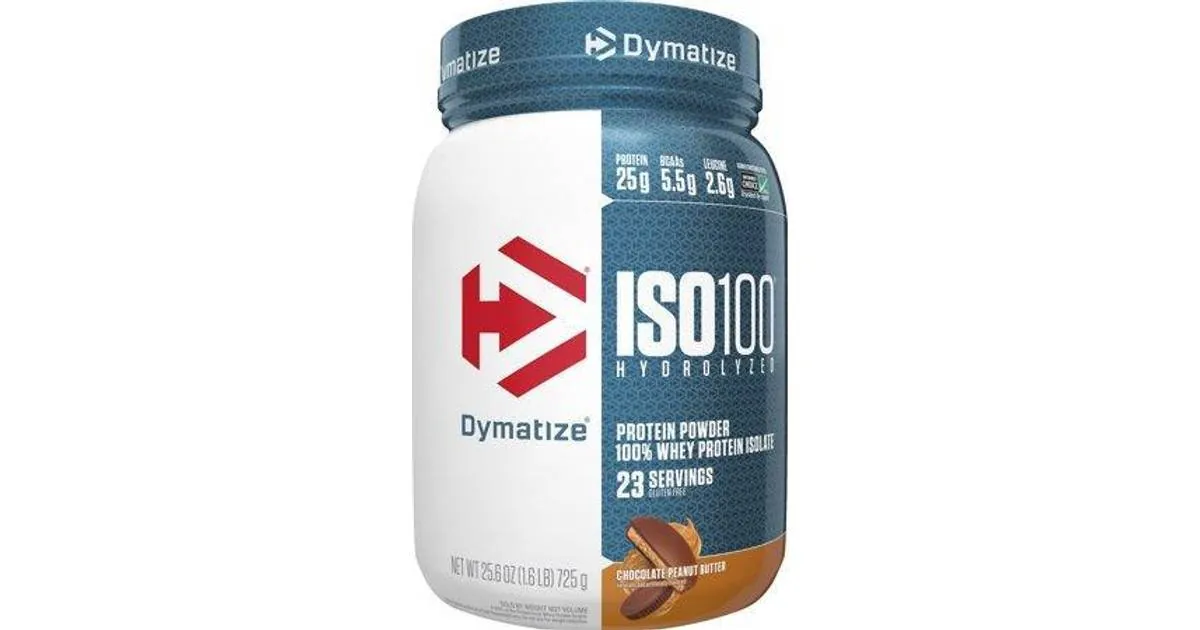
Dymatize ISO100 Hydrolyzed Whey Protein Isolate 2.2kg
Dymatize
- Why this pick
- Lean isolate profile and strong quality signaling for tighter calorie budgets.
- Best for
- Users prioritizing macro efficiency and lower carb/fat carryover.
- Watch out
- Price premium is significant versus mainstream blends.
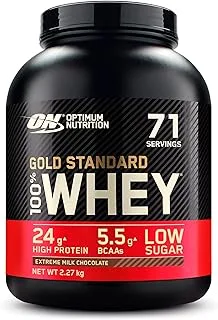
Optimum Nutrition Gold Standard 100% Whey Protein 2.27kg
Optimum Nutrition
- Why this pick
- Reliable all-rounder with strong consistency in mixability, availability, and broad user trust.
- Best for
- Users wanting a balanced default option with low friction.
- Watch out
- Not always cheapest per gram despite mainstream positioning.
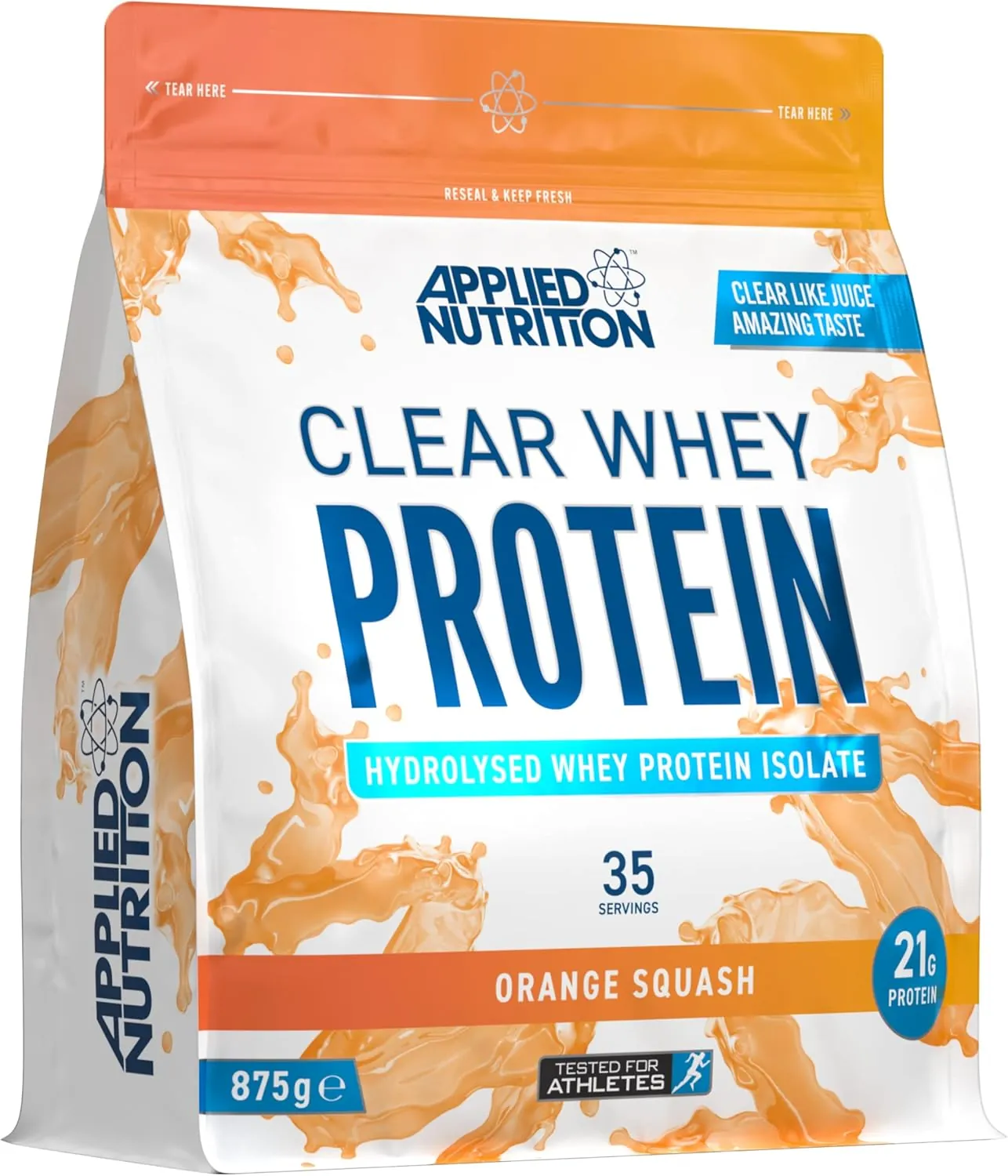
Applied Nutrition Clear Whey Protein 875g
Applied Nutrition
- Why this pick
- Clear whey style can improve adherence for users who dislike milky shake textures.
- Best for
- Users who skip protein shakes due to texture fatigue.
- Watch out
- Flavor preference is highly individual and often divisive.
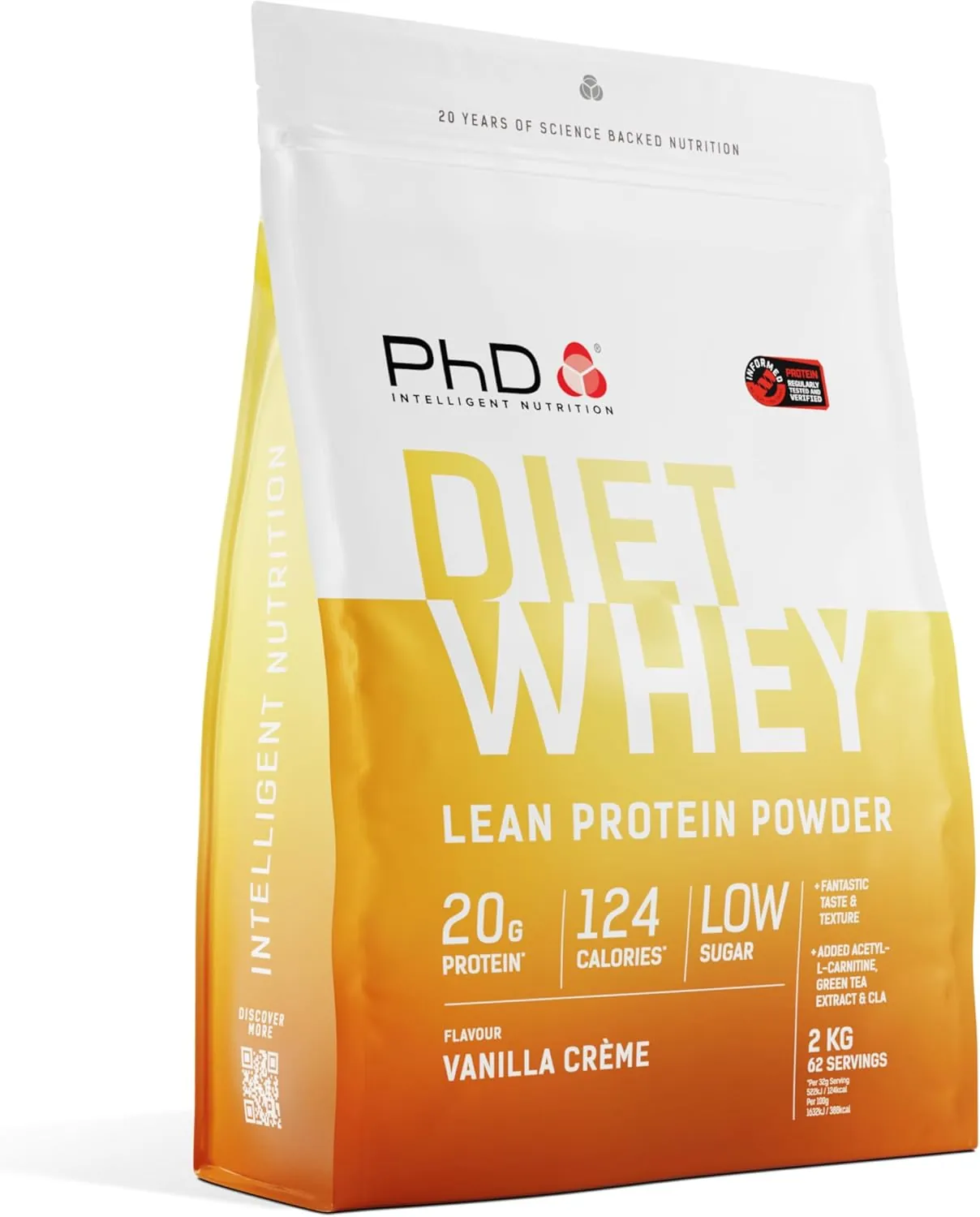
PhD Diet Whey Protein Powder 2kg
PhD Nutrition
- Why this pick
- Diet-positioned blend with practical satiety use case for deficit phases.
- Best for
- Users who value convenience in meal-replacement-style workflows.
- Watch out
- Formula style may include extras not needed in minimalist protein plans.
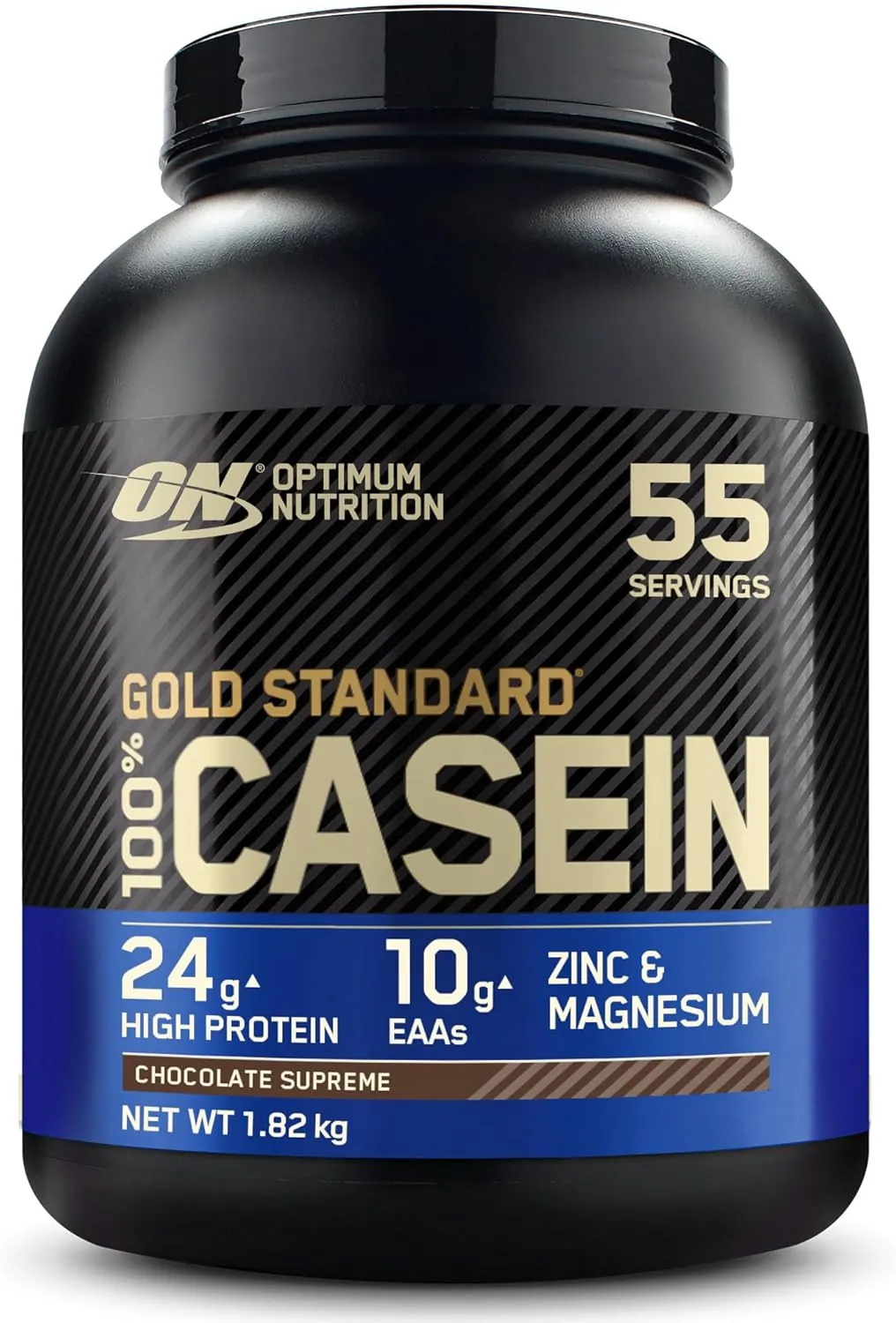
Optimum Nutrition Gold Standard 100% Casein 1.82kg
Optimum Nutrition
- Why this pick
- Slow-digesting option for evening satiety and appetite control use cases.
- Best for
- Users who struggle with late-day hunger during a cut.
- Watch out
- Thicker texture and slower digestion are not ideal for every routine.
Isolate vs concentrate: which whey form matches your weight-loss goals?
Whey concentrate (70-80% protein, 20-30% lactose and fat) costs less per gram of total powder but delivers lower protein density. A typical concentrate serving is 35g powder providing 25g protein—meaning 10g powder is non-protein (carbs, fat). For calorie-conscious users, this carb/fat carryover matters. Cost-per-gram of protein is roughly £0.015-0.020 for decent concentrates.
Whey isolate (90%+ protein, minimal lactose and fat) is microfiltered to remove non-protein content. A typical isolate serving is 30g powder providing 25g protein—minimal carryover. Cost-per-gram of protein is roughly £0.025-0.030, significantly higher. For users in a 500+ calorie deficit managing strict macros, isolate's macro efficiency justifies the premium. For users with moderate calorie deficit or flexible macro planning, concentrate is economical.
Whey hydrolysate (partially broken-down protein) is marketed as 'fastest absorbing,' but absorption difference versus concentrate or isolate is marginal (10-20 minutes faster, not significant for most weight loss contexts). Hydrolysate is the most expensive and rarely cost-effective for weight loss. Start with concentrate or isolate; only switch to hydrolysate if you have specific GI absorption issues.
Leucine content and muscle protein synthesis: why amino acid profile matters
Whey protein is rich in branched-chain amino acids (BCAAs), particularly leucine, which is the primary trigger for muscle protein synthesis. Clinical evidence shows that 2-3g of leucine per protein serving (25-30g protein) maximally triggers muscle protein synthesis. Most whey products deliver 2.1-2.5g leucine per 25g serving, which is sufficient.
This means that additional leucine supplementation (beyond whey protein) is unnecessary for weight loss—whey protein alone delivers adequate leucine stimulus. Do not overpay for products claiming 'enhanced leucine content' or including added BCAAs. Standard whey concentrate and isolate have nearly identical amino acid profiles; the difference is total calories/carbs, not amino acid quality.
For weight loss, consistency in protein intake matters far more than amino acid optimization. 25g protein thrice daily (75g total) from concentrate is nutritionally superior to sporadically hitting 100g+ from premium hydrolysate. Commit to a product you will use daily rather than chasing the 'optimal' formula.
Cost-per-gram and value: avoiding premium markup traps
UK whey protein costs vary dramatically: budget brands (Myprotein, Bulk) cost £0.12-0.15 per serving; mainstream brands (Optimum Nutrition) cost £0.18-0.25; premium brands (Allmax, Ghost) cost £0.25-0.35. Quality differences across this range are minimal. A £0.12 concentrate and a £0.25 isolate deliver equivalent muscle preservation—the primary difference is macro composition and brand reputation.
Trap to avoid: 'premium' brands with minimal performance advantage (paying 2x for brand name rather than ingredient quality). Compare cost-per-gram across products, not package price. A 2.5kg tub of Myprotein concentrate at £30 is cheaper per serving than a 1kg tub of 'premium' brand at £30, despite perceived quality positioning.
Best value strategy: buy whatever whey product offers lowest cost-per-gram from brands with strong review consistency (Myprotein, Bulk, Optimum Nutrition, ON Gold Standard). Flavor preference varies individually—cheaper bulk purchases risk poor adherence if you hate the taste. Start with trial-size (single serving packets) if unsure before committing to large tubs.
Casein vs whey timing: when slower-digesting protein makes sense for weight loss
Casein is a slower-digesting milk protein that reaches peak amino acid availability 60-90 minutes post-consumption (versus 30-60 minutes for whey). This slower absorption may improve satiety—your stomach feels full longer because it is slowly releasing amino acids. For users struggling with hunger during a cut, casein in the evening (before bed) can support appetite control.
Clinical evidence for casein's satiety advantage is modest (roughly 10-15% greater fullness compared to whey), and it only benefits users whose primary weight-loss barrier is hunger. If you are hitting protein targets easily and not struggling with hunger, casein offers no advantage. The cost-per-gram is typically higher than whey, so it is not a weight-loss-first choice.
Practical use: if evening hunger is your bottleneck, a 30g casein shake before bed (roughly 120 calories, 25g protein) is a reasonable appetite-control tool. Otherwise, whey concentrate or isolate is the standard choice for weight loss.
Key Takeaway
For weight loss, whey protein (concentrate or isolate) provides the best cost-effectiveness for muscle preservation. Isolate makes sense for users in strict calorie deficits managing macros tightly; concentrate is economical for everyone else. Prioritize cost-per-gram over brand prestige. 25g protein per serving is sufficient; amino acid profile differences are minimal across products. Consider casein only if evening hunger is a specific barrier. Consistency and daily adherence matter more than formula optimization.
Hard Selection Rules
- Prioritize high protein-per-serving with clearer macro efficiency.
- Use value-per-gram perspective, not tub sticker price alone.
- Balance mixability and adherence because consistency drives outcomes.
- Include at least one slower-digesting option for satiety-focused routines.
What We Excluded
- Excluded products where formula style is less aligned with weight-loss use case.
- Excluded entries that did not pass the publishability quality gate.
- Did not use fat-loss claims without practical nutrition context.
Decision Framework
- Set daily protein target first, then choose format you will use consistently.
- Use isolate-leaning options around tighter calorie budgets.
- Use slower proteins if hunger control is the bigger bottleneck.
Frequently Asked Questions
Should I always choose isolate for cutting?
Not always. Isolate helps macro efficiency, but adherence and cost-per-gram still matter.
Can casein be useful for weight loss?
Yes, especially when appetite control and evening satiety are priorities.