Best whey protein UK (UK 2026)
Whey protein buyers often optimize for taste or container size alone and miss protein density, cost-per-gram, and actual consistency in real use.
Quick Answer (TL;DR)
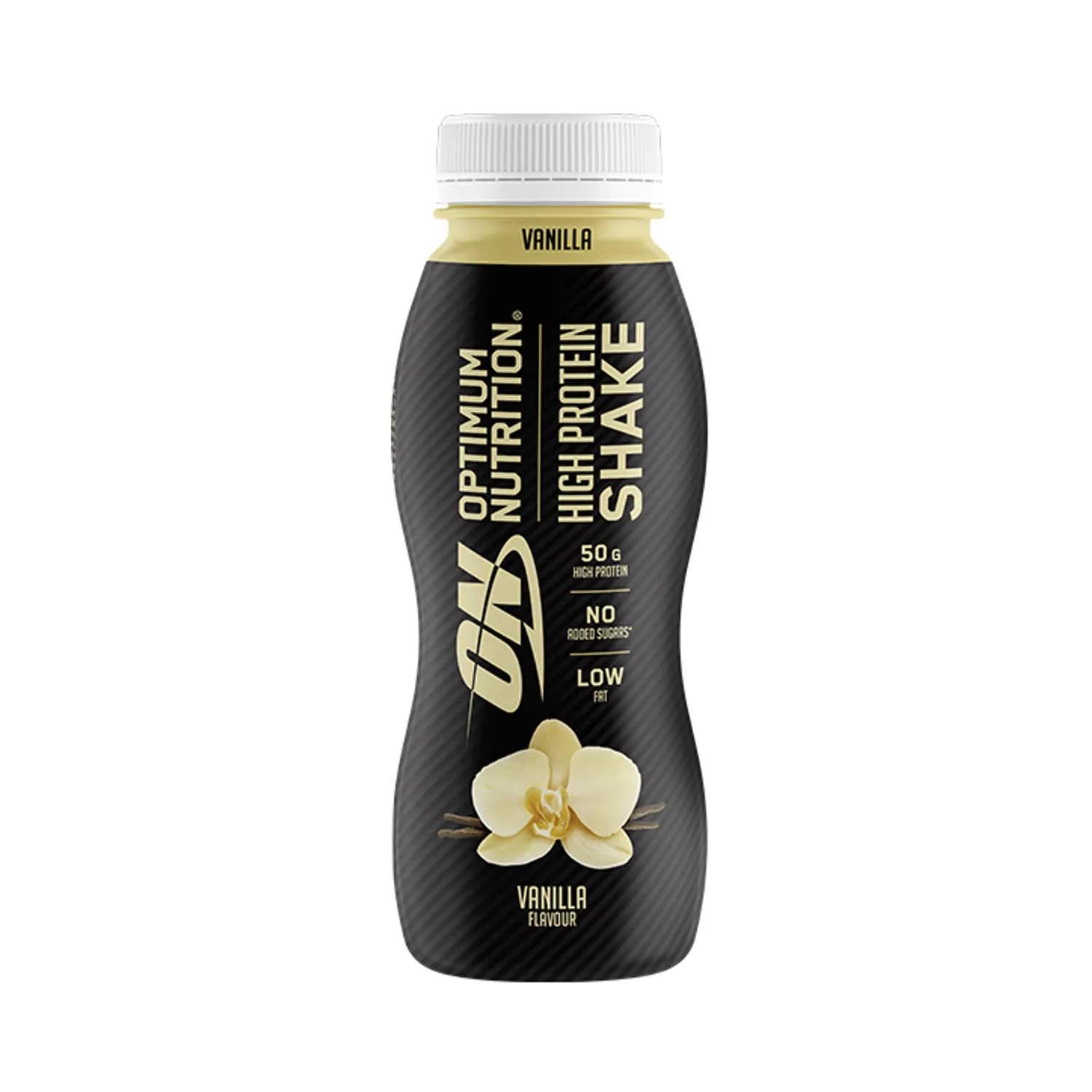
The UK whey protein market is worth over £1.5 billion annually and is dominated by quality brands including Myprotein (Manchester-based), Optimum Nutrition, and PhD Nutrition. Despite this scale, most shoppers still make purchasing decisions based on taste, packaging size, or brand loyalty—missing the metrics that actually determine value: protein density per serving, amino acid profile, and cost per gram of actual protein.
Whey protein comes in three main forms: concentrate (approximately 80% protein, cheapest option), isolate (90%+ protein, lower lactose, mid-price), and hydrolysate (pre-digested, fastest absorbing, most expensive and rarely cost-effective). The amino acid profile—particularly leucine content (typically 2–3g per 25g serving)—matters most for muscle protein synthesis. The British Dietetic Association recommends 1.2–2.0g of protein per kilogram of body weight daily for active individuals, making the right whey choice a significant factor in meeting those targets affordably.
This guide analyses over 20 whey protein products available in the UK, scoring each on protein content per serving, amino acid profile, mixability, taste consistency, and value-per-gram. We reference real customer reviews and nutritional science to help you choose the best whey protein for your training goals without wasting money on inflated branding or unnecessary premium forms.
Who This Guide Is For
UK fitness enthusiasts and athletes comparing whey protein powders based on value, macros, and practical daily adherence.
When To Seek Professional Help
If you have dairy intolerance, kidney disease, or follow a specialist diet, confirm protein strategy and sources with a clinician.
Curated Top Picks
View all whey protein comparisons →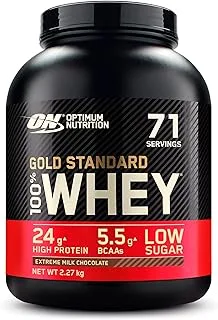
Optimum Nutrition Gold Standard 100% Whey Protein 2.27kg
Optimum Nutrition
Why this pick
Blend of whey concentrate and isolate delivering 24g protein per 30g serving at approximately £0.018 per gram. Exceptional mixability and flavor consistency; UK bestseller for over 15 years. Strong leucine content (2.1g per serving).
Choose this if:
Consistently praised taste and mixability across multiple reviewers
Avoid this if:
Contains artificial sweeteners (sucralose and acesulfame potassium) which some consumers prefer to avoid
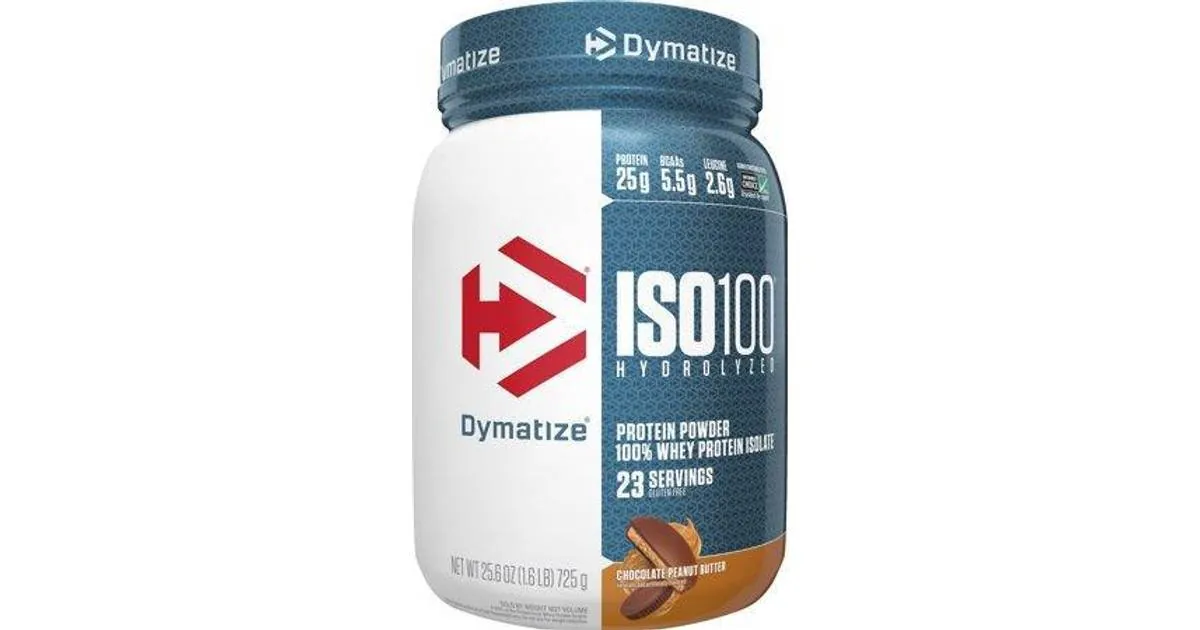
Dymatize ISO100 Hydrolyzed Whey Protein Isolate 2.2kg
Dymatize
Why this pick
Pure whey isolate delivering 25g protein per 28g serving, hydrolyzed for rapid absorption. Cost-per-gram approximately £0.026 but justified for cutting phases. Excellent taste feedback.
Choose this if:
Excellent mixability — reviewers consistently note it blends smoothly without clumping or leaving a thick texture
Avoid this if:
Premium price point — explicitly flagged by reviewers and among the most expensive isolates per serving
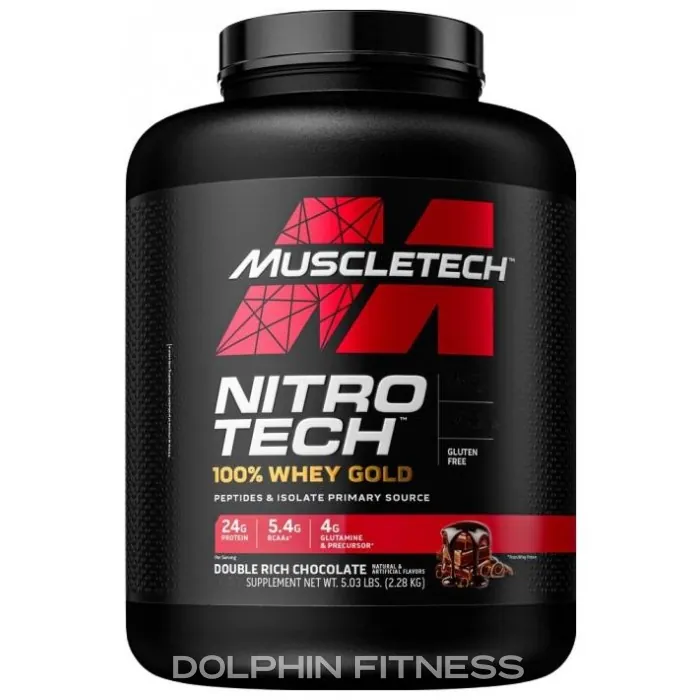
MuscleTech NitroTech Whey Gold Chocolate 2.5kg
MuscleTech
Why this pick
Whey concentrate-isolate blend with 24g protein per 30g serving. Research-backed brand with consistent user feedback. Good value-per-gram (approximately £0.017). Strong flavor variety and mixability.
Choose this if:
Rich chocolate flavour consistently praised as creamy and enjoyable
Avoid this if:
Documented formula change: some batches use whey concentrate as primary source instead of isolate, contradicting premium labelling
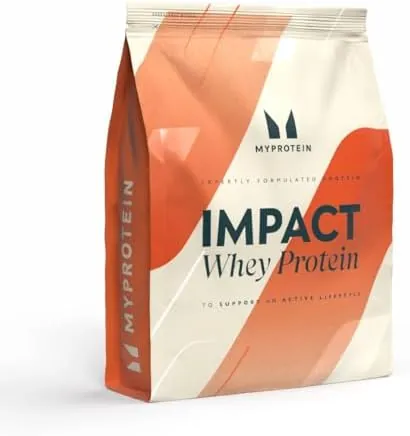
Myprotein Impact Whey Protein Powder
Myprotein
Why this pick
UK-manufactured concentrate delivering 21g protein per 25g serving at approximately £0.013–0.015 per gram (often cheaper during sales). Manchester-based company with transparent sourcing. Excellent value leader.
Choose this if:
Exceptional value for money — consistently cited as best-in-class for price-to-protein ratio
Avoid this if:
Whey concentrate (not isolate) — higher lactose content, less suitable for lactose-sensitive users
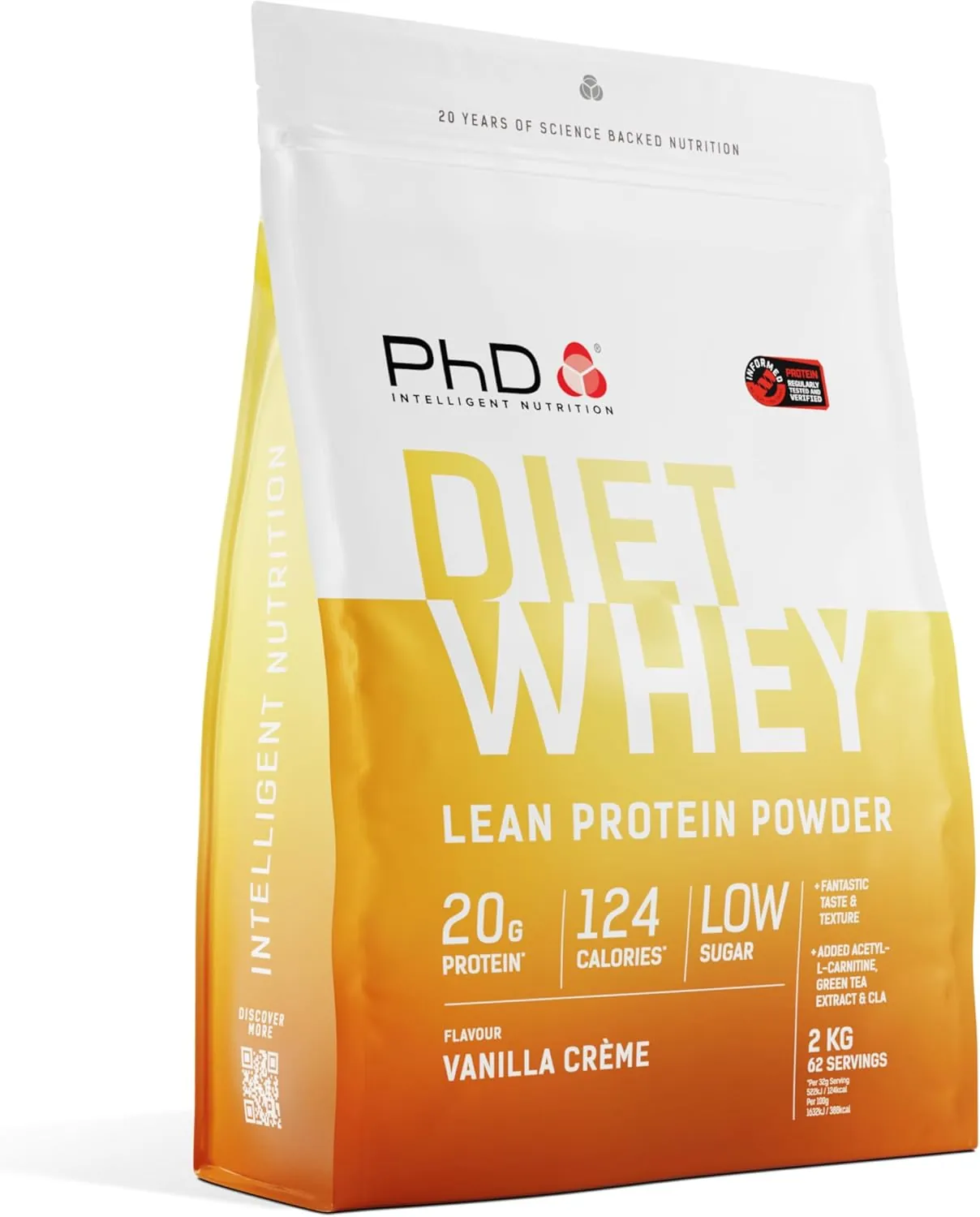
PhD Diet Whey Protein Powder 2kg
PhD Nutrition
Why this pick
Concentrate-based formula with 23g protein per 28g serving plus added satiety ingredients (inulin, gum blend). Cost-per-gram approximately £0.018. Positioned for calorie-conscious users wanting sustained fullness.
Choose this if:
Low calorie profile (89 kcal/serving) suits calorie-controlled or fat-loss phases
Avoid this if:
Low protein density — 17g from a 25g scoop (68%) is poor compared to isolates (85–90%); multiple servings needed to hit daily targets
Best Whey Protein by Use Case
The top-scoring product for each common goal, based on our database of scored reviews.
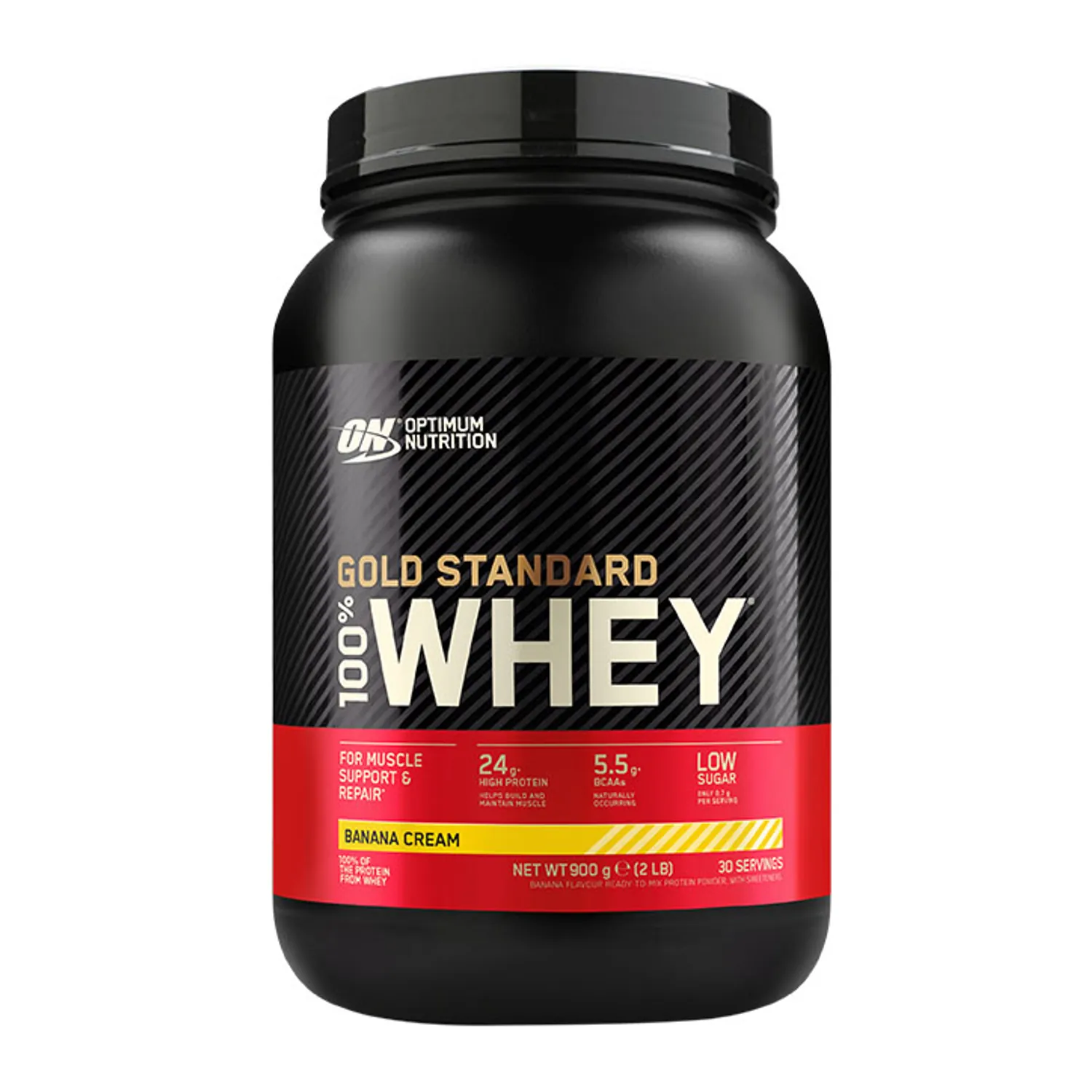
Gold Standard 100% Whey Protein Banana Cream 900g
Gold Standard 100% Whey by Optimum Nutrition is a premium whey protein powder that consistently receives 5-star reviews praising its banana cream flavor profile.
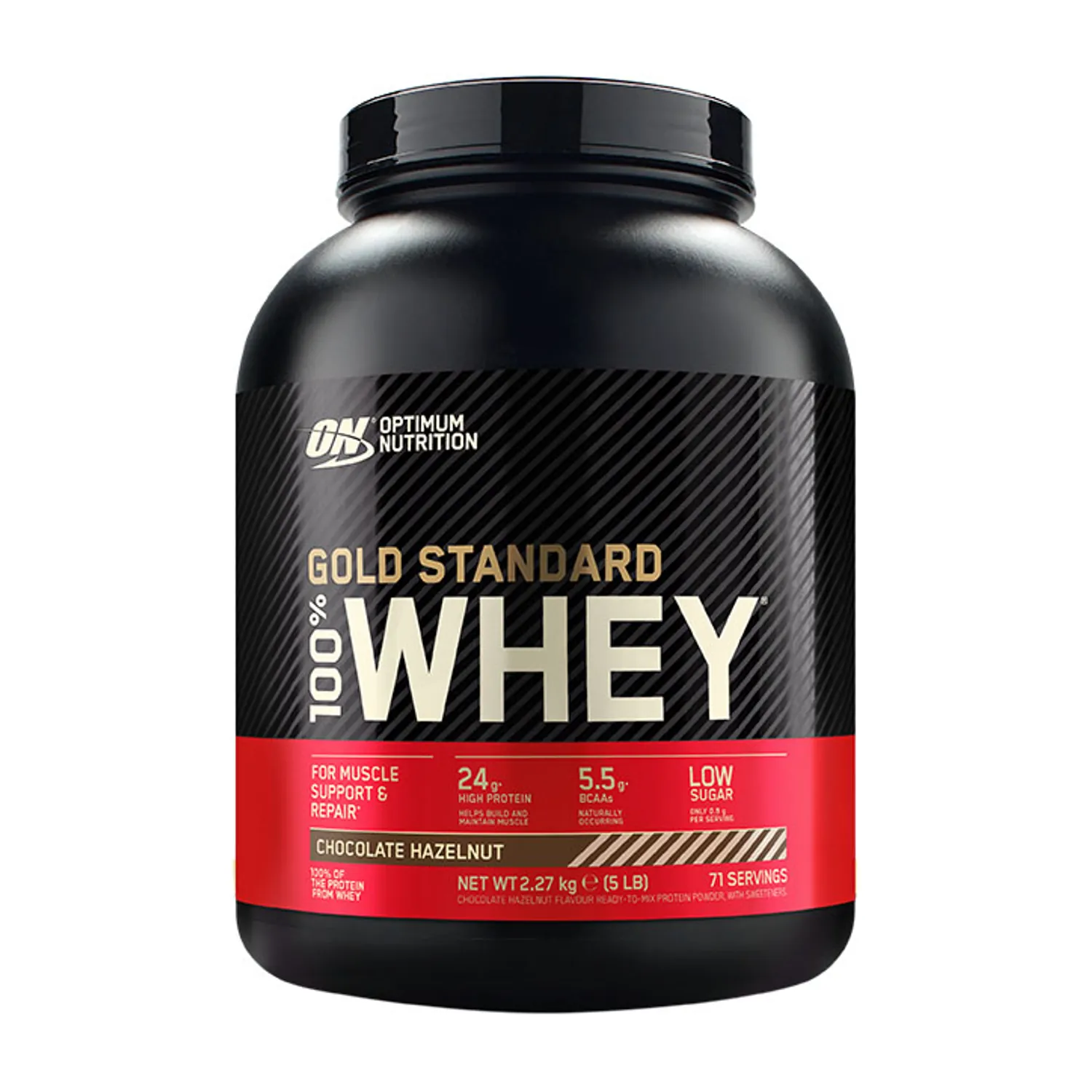
Gold Standard 100% Whey Protein Chocolate Hazelnut 2.27kg
Gold Standard 100% Whey by Optimum Nutrition delivers 24g of protein per serving with a well-established reputation as the world's bestselling whey protein.
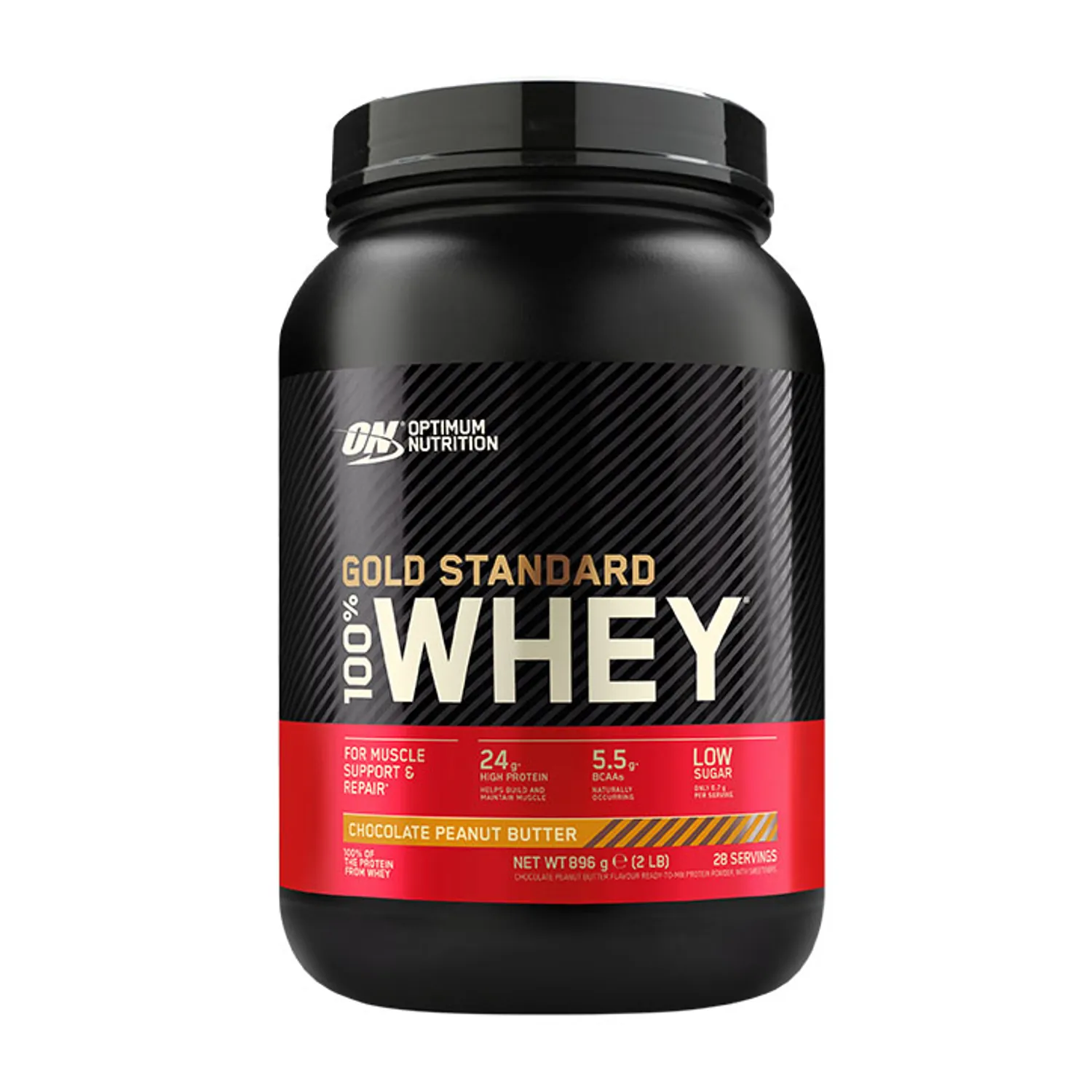
Gold Standard 100% Whey Protein Chocolate Peanut Butter 896g
Optimum Nutrition Gold Standard 100% Whey Protein is a well-established whey protein powder offering 24g of protein per serving with minimal carbohydrates and fat.
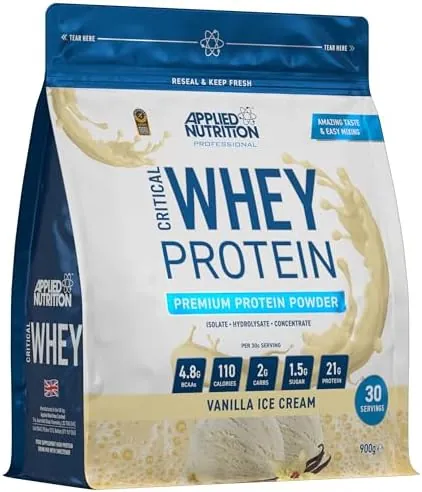
Applied Nutrition Critical Whey Protein Powder 900g - High Protein Powder, Protein Milkshake, Muscle Building Supplement with BCAAs & Glutamine (900g - 30 Servings) (Vanilla)
Applied Nutrition Critical Whey is a UK-brand triple-blend protein powder combining whey protein concentrate, isolate, and hydrolysate in a 30g serving.
Applied Nutrition Critical Whey Protein Powder 900g - High Protein Powder, Protein Milkshake, Muscle Building Supplement with BCAAs & Glutamine (900g - 30 Servings) (Vanilla)
Applied Nutrition Critical Whey is a UK-brand triple-blend protein powder combining whey protein concentrate, isolate, and hydrolysate in a 30g serving.
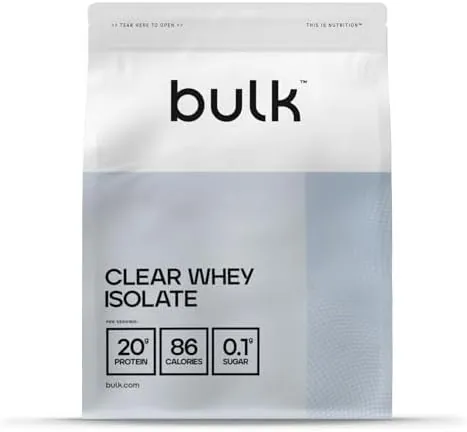
Bulk Clear Whey Isolate
Bulk Clear Whey Isolate is a juice-style protein powder delivering 20g of whey protein isolate per serving at just 86 calories, designed as a refreshing, low-sugar alternative to traditional milky shakes.
Concentrate vs Isolate vs Hydrolysate: Which form do you actually need?
Whey protein concentrate is the most economical option, typically delivering 75–80% protein by weight with the remainder split between lactose, fat, and carbohydrates. It costs significantly less per kilogram than isolate because it requires minimal processing. For most users—whether training for strength, muscle gain, or general fitness—concentrate is sufficient to meet daily protein targets. The only real drawback is that it contains more lactose, which may cause bloating or digestive discomfort in sensitive individuals.
Whey protein isolate undergoes additional microfiltration or ion exchange, removing more lactose and fat, resulting in 90%+ protein content. This makes isolate valuable for users on tighter calorie budgets (such as during a cutting phase) or those with mild lactose sensitivity. However, the protein difference per serving is often only 5–10g higher than concentrate, making the £5–10 price premium unjustifiable for most users unless you are tracking macros very tightly.
Hydrolysate is whey protein that has been partially broken down via enzymatic hydrolysis, meaning it absorbs faster and requires less digestive effort. While the theoretical benefit sounds appealing, real-world research shows that the practical advantage over isolate is minimal, and the cost premium is substantial (often 50–100% more expensive than concentrate). Unless you are competing in high-level strength sports where milliseconds of recovery matter, hydrolysate is rarely worth the investment.
Our recommendation: choose concentrate if cost is your priority and you tolerate lactose well; isolate if you are cutting or have mild lactose sensitivity; hydrolysate only if you have specific digestive issues and money is not a constraint.
How much protein do you actually need, and what does the science say?
The British Dietetic Association recommends 1.2–2.0g of protein per kilogram of body weight daily for individuals engaged in regular resistance training. For a 70kg person, this translates to 84–140g of protein per day. Most UK adult diets provide 50–70g from whole foods (meat, dairy, eggs, legumes), making a 25–30g whey protein serving a practical bridge to meet targets without excessive food volume.
Muscle protein synthesis (MPS)—the biological process that drives muscle growth—is most sensitive to leucine content. Each whey protein serving typically contains 2–3g of leucine. Research suggests that 2–3g of leucine is sufficient to trigger maximum MPS acutely, so more leucine per serving does not necessarily drive better muscle growth; consistency of intake across the day matters more than individual dose size.
Whey protein is complete in amino acids, meaning it contains all nine essential amino acids your body cannot synthesize. This makes whey superior to many plant-based proteins for muscle-building purposes, particularly for users training regularly. However, whey is not magical; hitting your total daily protein target through any combination of whey, whole foods, or other protein sources will drive similar muscle growth outcomes.
Practical takeaway: aim for 25–30g whey per serving, distribute intake evenly across the day (typically 3–4 servings), and prioritize consistency in total daily protein intake over the timing or form of individual doses.
Value per gram: the metric that actually matters
Most UK buyers focus on tub price (e.g., 'this 2kg tub costs £25') rather than cost per gram of actual protein. This error leads to overpaying significantly. For example, a concentrate product with 24g protein per 30g serving costs less per gram of protein than an isolate with 25g protein per 28g serving, even if the isolate's tub price is lower.
To calculate true value, use this formula: (tub price in £) ÷ (total grams of protein in tub) = cost per gram of protein. A quality concentrate at £25 per 2kg with 24g protein per 30g serving delivers approximately 1600g of protein per tub, equalling £0.016 per gram of protein. Compare this to other products using the same metric to identify genuine value leaders.
Myprotein Impact Whey consistently delivers excellent value, often under £0.015 per gram during sales. Optimum Nutrition Gold Standard costs slightly more per gram (typically £0.018–0.020) but maintains exceptional consistency and availability, making the premium worthwhile for many users. Dymatize ISO100 costs approximately £0.025–0.028 per gram due to isolate processing, which is only justified if you are actively managing calorie intake.
Pro tip: UK supplement prices are highly seasonal. Major retailers discount heavily during January, July, and Black Friday. Buying bulk during sales periods can reduce your effective cost-per-gram by 20–30%.
Best whey protein for different goals
For muscle gain and strength training, prioritize total daily protein intake (1.6–2.0g per kg body weight) over form or brand. Concentrate powders like Myprotein Impact Whey or ON Gold Standard meet this target affordably. Mixability matters because you will consume these shakes daily; products that blend smoothly with water or milk support long-term adherence.
For weight loss and cutting phases, isolate products become more attractive because they deliver higher protein density with fewer carbohydrates and fat per serving. This allows you to hit protein targets while staying within tighter calorie budgets. Dymatize ISO100 or ON Gold Standard (which uses a concentrate-isolate blend) support macro-conscious meal planning without the premium price of pure isolate.
For general fitness and wellness, concentrate is perfectly adequate. You do not need isolate or hydrolysate to support moderate training. Budget-friendly options like Myprotein Impact Whey or PhD Diet Whey (which includes added satiety ingredients) provide excellent practical value for this use case.
For users with lactose sensitivity or mild IBS, isolate-based products are preferable. However, many users tolerate concentrate well; testing individual tolerance is more practical than assuming you will struggle. If digestive issues emerge, isolate or non-dairy protein alternatives should be your next step.
Key amino acid profile: why leucine matters most
Leucine, one of the three branched-chain amino acids (BCAAs), is a metabolic trigger for muscle protein synthesis. Research consistently shows that leucine-rich proteins (including whey) drive greater MPS than leucine-poor proteins at the same serving size. Most whey proteins deliver 2–3g of leucine per 25g serving, which is the range needed to maximally stimulate MPS in most individuals.
Other amino acids in whey—such as isoleucine and valine—support recovery and energy metabolism but are secondary to leucine for driving muscle growth. The complete amino acid profile of whey (containing all nine essential amino acids) is why whey outperforms incomplete proteins like gelatin or collagen for strength training.
When comparing products, look for leucine content on the nutrition label if available. Most quality whey concentrates and isolates provide similar leucine per serving (2–3g per 25g protein), so differences in this metric alone should not drive your choice; cost-per-gram and tolerability matter more.
Key Takeaway
Choose a whey protein concentrate like Myprotein Impact Whey or ON Gold Standard for excellent value and results. Isolates are only necessary if you are tightly managing calories or have lactose sensitivity. Hydrolysates are not cost-effective for most users. Focus on hitting 1.2–2.0g protein per kg body weight daily through consistent intake, proper training, and adequate calories. Cost-per-gram of protein—not tub price or brand alone—determines true value.
Hard Selection Rules
- Prioritize protein-per-serving density (20g+) and cost-per-gram value over tub size branding.
- Include at least one concentrate and one isolate option to reflect macro and budget preferences.
- Use review consistency to assess real-world mixability, taste, and user satisfaction.
- Balance flavor appeal with accurate nutritional facts and practical daily adherence.
- Reference leucine content and amino acid profile in product selection.
- Consider UK market availability and seasonal pricing patterns.
What We Excluded
- Excluded products where formula style misaligns with strength or weight-loss use cases.
- Removed items that did not pass the publishability quality gate.
- Did not use marketing claims about rapid muscle gain without practical context.
- Excluded hydrolysate products due to poor cost-benefit ratio for most users.
Decision Framework
- Set daily protein target first based on BDA guidance (1.2–2.0g per kg body weight), then choose format and flavor you will consume consistently.
- Calculate cost-per-gram of protein across shortlisted products; do not rely on tub price alone.
- Use isolate-leaning options only if actively managing macronutrient-tight phases; concentrate is sufficient for most use cases.
- Compare live pricing across UK retailers and check seasonal sales; prices vary significantly.
- Assess mixability and taste through reviews; consistency in daily consumption matters more than individual dose optimization.
Frequently Asked Questions
What is the best whey protein UK?
Look for high protein-per-serving (24–25g minimum) with cost-per-gram under £0.020, from brands with strong consistency and UK availability. ON Gold Standard, Dymatize ISO100, Myprotein Impact Whey, MuscleTech NitroTech, and PhD Diet Whey are all excellent options depending on your goals and budget.
Is isolate always better than concentrate?
No. Isolates are higher protein density (90%+ vs 80%) and lower in lactose, but concentrate is effective and significantly cheaper. Isolate is only necessary if you are cutting calories or have lactose sensitivity.
How much leucine per serving do I need?
2–3g of leucine per 25g protein serving is sufficient to maximally trigger muscle protein synthesis. Most quality whey products deliver this; differences in leucine content are minor across brands.
Should I buy concentrate or isolate whey protein?
Start with concentrate if cost is your priority and you tolerate lactose well; it delivers excellent results for muscle gain and strength. Switch to isolate if you are in a calorie deficit or experience digestive discomfort. Hydrolysate is rarely cost-effective.