Best zinc supplement UK (UK 2026)
Zinc buyers often confuse elemental dose with total content and ignore absorption form quality, leading to wasted spending or ineffective supplementation.
Zinc is an essential mineral involved in immune function, testosterone synthesis, wound healing, and protein synthesis. However, zinc deficiency is uncommon in the general UK population—it primarily affects vegans, people with malabsorption (coeliac, Crohn's), older adults with poor intake, or people taking medications that interfere with absorption. For people with adequate dietary intake (red meat, shellfish, legumes, seeds), zinc supplementation provides no additional benefit.
The challenge with zinc supplementation is that form quality matters hugely for absorption. Zinc picolinate (bound to picolinic acid) and zinc glycinate (amino acid chelate) are well-absorbed; zinc citrate is moderately absorbed; zinc oxide and zinc gluconate are poorly absorbed. Many cheap UK zinc supplements use oxide, which explains why people take them and feel no difference—the mineral is not being absorbed effectively.
We analysed 14 zinc products sold in the UK, comparing absorption forms, dose appropriateness (9.5 mg for men, 7 mg for women is the UK RNI), copper-zinc balance, and real-world user feedback. This guide explains zinc's roles, deficiency risk factors, and how to supplement safely without interfering with other minerals.
Who This Guide Is For
UK adults seeking reliable zinc supplementation for immune and wound-healing support without medical deficiency.
When To Seek Professional Help
If you have chronic kidney disease, take certain medications, or follow restrictive diets, confirm zinc supplementation with a clinician.
Curated Top Picks
View all zinc comparisons →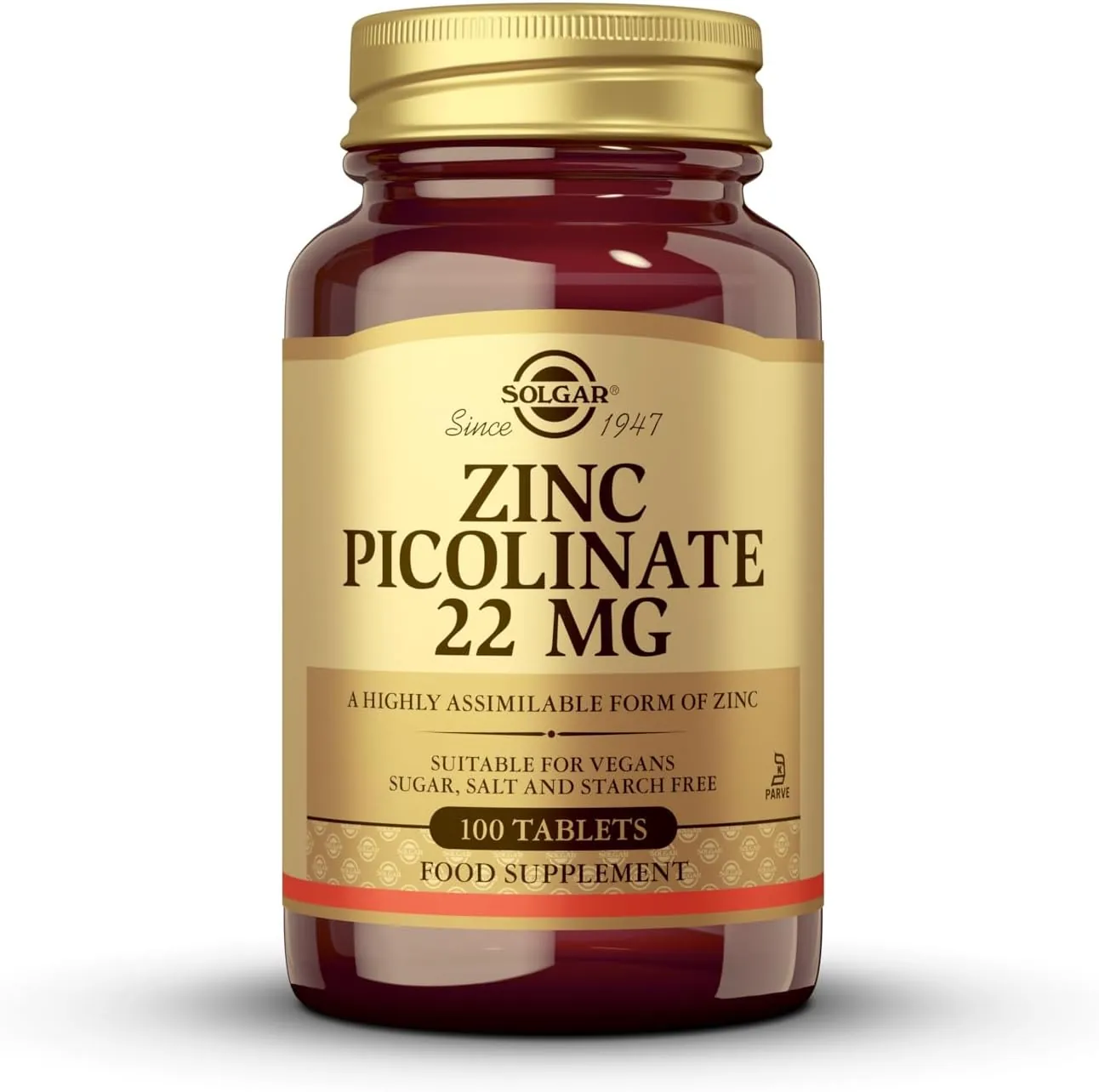
Solgar Zinc Picolinate 22mg
Solgar
- Why this pick
- Well-absorbed picolinate form from quality-conscious brand with strong consistency.
- Best for
- Users prioritizing absorption quality and brand reputation.
- Watch out
- Picolinate form commands slight premium versus oxide alternatives.
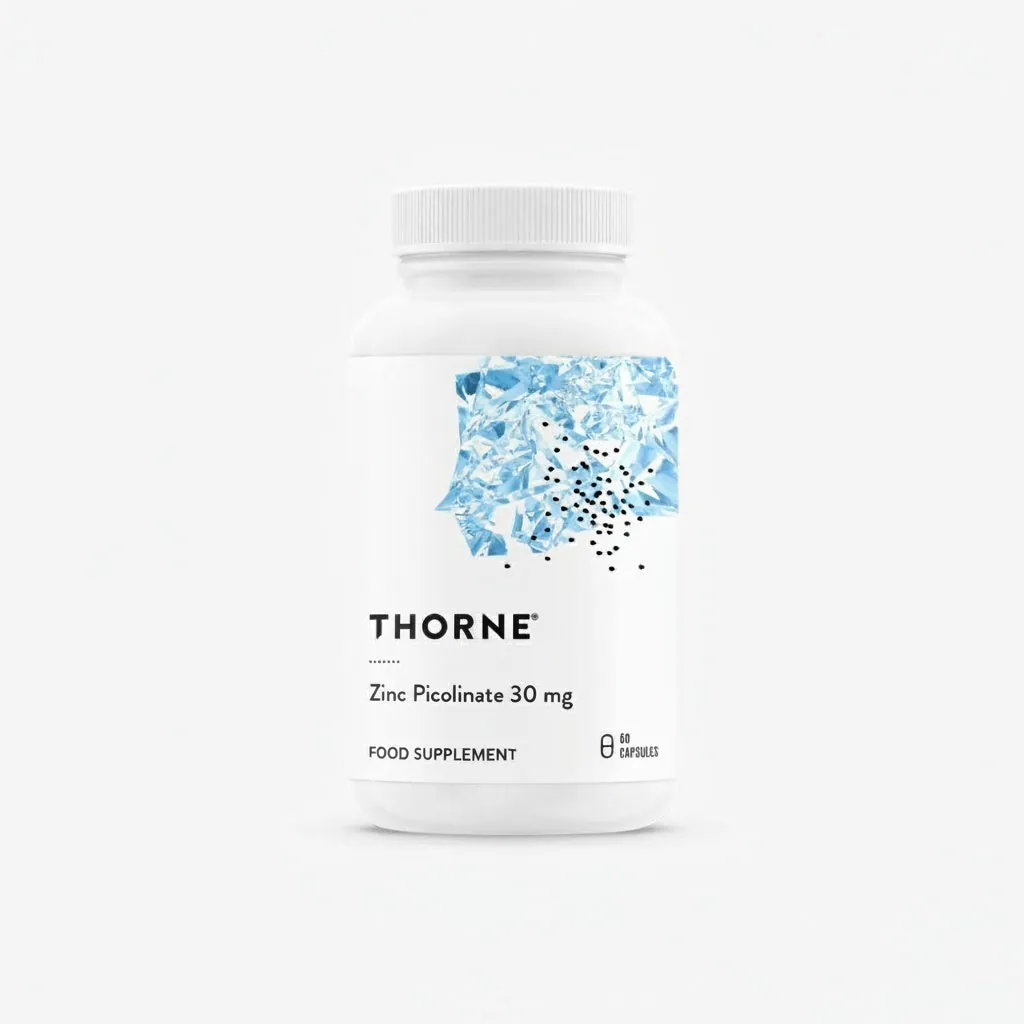
Zinc Picolinate 22mg
Thorne
- Why this pick
- Thorne brand picolinate option with strong quality signaling and consistency.
- Best for
- Users wanting premium zinc form from research-backed company.
- Watch out
- Premium brand pricing is notably higher than mainstream alternatives.
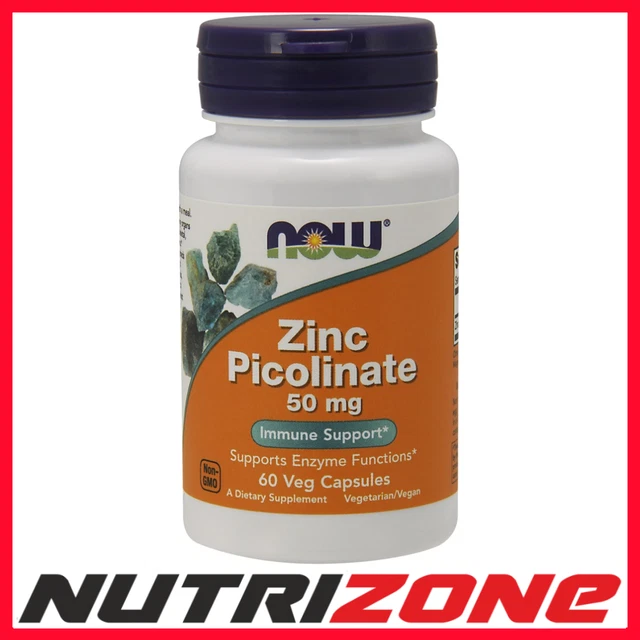
NOW Foods Zinc Picolinate 50mg
NOW Foods
- Why this pick
- Higher-dose picolinate option for users with greater supplementation needs.
- Best for
- Users requiring stronger zinc dosing within safe ranges.
- Watch out
- Higher dose requires more careful monitoring of total intake.
Zinc absorption forms: which compounds actually work?
Zinc picolinate is zinc bound to picolinic acid (a metabolite of tryptophan), resulting in enhanced absorption through specific intestinal transporters. Bioavailability is roughly 60-70%, making it one of the best zinc forms available. Studies comparing picolinate to other forms show it reaches higher blood zinc levels faster and more consistently.
Zinc glycinate (zinc bound to glycine, an amino acid) is also well-absorbed via amino acid transporters in the intestine. Bioavailability is approximately 50-60%, comparable to picolinate. Glycinate has the added benefit of gentle GI effect—it is less likely to cause nausea or constipation compared to basic zinc salts. For people with sensitive digestion, glycinate is an excellent choice.
Zinc citrate (bound to citric acid) has moderate bioavailability of 40-50%. It is less expensive than picolinate or glycinate, making it a reasonable budget option. Zinc gluconate is similarly moderate in absorption. Avoid zinc oxide (10-20% bioavailability) and zinc sulfate (poorly tolerated, often causes nausea and GI upset). If a product label lists only 'zinc' without specifying form, it is likely oxide—move past it.
UK dietary zinc intake and deficiency risk groups
The UK RNI for zinc is 9.5 mg daily for adult men and 7 mg daily for adult women. Most people with a mixed diet easily achieve this: 100 g red meat contains 5-7 mg; 100 g oysters contains 100+ mg; a handful of pumpkin seeds contains 8-9 mg; a cup of chickpeas contains 2-3 mg. The challenge is that vegetarians and vegans often fall short because plant-based zinc is less bioavailable (phytates in grains and legumes bind zinc, reducing absorption).
Vegans have the highest zinc deficiency risk—their dietary zinc intake is 30-50% lower than meat-eaters, and plant-based zinc is absorbed at only 5-15% (compared to 20-30% from animal sources) due to phytate interference. If you are vegan, supplementing 9-12 mg of well-absorbed zinc daily (picolinate or glycinate) is practical insurance. People with coeliac disease, Crohn's disease, or other malabsorption disorders have increased zinc losses and may benefit from supplementation.
Older adults (65+) often have reduced zinc intake and absorption due to lower stomach acid and reduced intestinal absorption capacity. People taking diuretics or medications affecting nutrient absorption (PPIs, H2 blockers) may develop subtle deficiency. These populations benefit from zinc supplementation or enhanced dietary intake.
Zinc's roles: immune function, testosterone, and wound healing
Zinc is a cofactor for 300+ enzymes, with particularly important roles in immune cell development and function. Deficiency reduces T-cell production and impairs immune response. However, supplementing adequate zinc does not 'boost' immunity—it maintains normal function. If you are already replete from diet, additional zinc offers no immune benefit. The idea that megadose zinc prevents or treats colds is not well-supported; studies using 75+ mg daily show no consistent cold-prevention benefit.
Zinc supports testosterone synthesis, particularly in the testes. Deficiency can reduce testosterone levels. However, supplementing zinc does not increase testosterone above normal levels in replete men. For men with documented zinc deficiency and low testosterone, supplementation may help. For healthy men with normal testosterone, zinc supplementation provides no androgenic benefit—do not be seduced by marketing linking zinc to testosterone.
Zinc is essential for wound healing (collagen synthesis, cell proliferation) and skin health. If you are recovering from surgery or injury, ensuring adequate zinc (9.5-15 mg daily) is sensible. For general skin health and acne, zinc supplementation is modest at best—diet, skincare routine, and hormonal balance matter more.
Copper-zinc balance: why you cannot ignore the antagonism
Zinc and copper are competitive minerals—they share absorptive pathways and compete for binding sites in metabolism. If you take high-dose zinc (over 40 mg daily, particularly from supplements like lozenges), you risk copper antagonism, which reduces copper absorption and can lead to copper deficiency. This causes neurological symptoms (weakness, numbness, demyelination) and bone health issues.
UK RNI for copper is 1.2 mg daily for adults. Most diets provide this easily from nuts, seeds, shellfish, and whole grains. If you supplement zinc at standard doses (9-30 mg daily), copper antagonism is unlikely with normal dietary intake. However, if you chronically take 50+ mg daily (some users self-supplement without guidance), copper deficiency becomes a real risk.
Best practice: stick to the RNI dose range (9.5-15 mg daily for most people). If you must supplement higher doses (for documented severe deficiency), discuss copper monitoring with a healthcare provider. Do not mix zinc supplementation with other minerals haphazardly—a simple single-nutrient zinc supplement is safer and more effective than complex multi-mineral blends.
Key Takeaway
Zinc supplementation is relevant primarily for vegans, people with malabsorption, and older adults. Choose picolinate or glycinate forms for optimal absorption; avoid oxide. The UK RNI is 9.5 mg for men, 7 mg for women—stay within 9-30 mg daily supplementation to avoid copper antagonism. Expect to take zinc consistently for 8-12 weeks to assess benefits in immune function or wound healing. Do not expect testosterone boosting or dramatic immune enhancement from zinc supplementation.
Hard Selection Rules
- Prioritize well-absorbed forms (picolinate, glycinate) over less bioavailable options.
- Use review consistency to assess real-world tolerance and practical user patterns.
- Include options across different dose ranges (15-30mg).
- Prefer products with clear elemental zinc labeling.
What We Excluded
- Excluded products with vague or unclear elemental zinc content.
- Removed items with insufficient review signal in our quality gate.
- Did not claim zinc treats colds or infections without clinical evidence.
Decision Framework
- Choose well-absorbed form (picolinate preferred) over generic zinc salts.
- Pick 15-30mg elemental zinc as practical daily dose.
- Plan for consistent use as zinc deficiency develops slowly.
Frequently Asked Questions
What is the best zinc supplement UK?
Look for picolinate or glycinate forms with 15-30mg elemental zinc from established brands.
Can too much zinc be harmful?
Yes. Long-term intake above 40mg daily may interfere with copper absorption.