Probiotics (for Dogs)
Also known as: Beneficial Bacteria, Enterococcus faecium, Lactobacillus acidophilus, Live Cultures
Overview
Probiotics are live beneficial bacteria added to dog food to support digestive health and immune function. The most common strains used in pet food include Enterococcus faecium, Lactobacillus acidophilus, and Bacillus coagulans. They are particularly beneficial after antibiotic treatment or during digestive upset.
How Probiotics (for Dogs) Works
Probiotics work by colonising the gut and competing with harmful bacteria for nutrients and attachment sites. They produce short-chain fatty acids that nourish intestinal cells, strengthen the gut barrier, and modulate the immune system. Some strains also produce antimicrobial substances that inhibit pathogenic bacteria.
Benefits
- • Supports healthy digestion and nutrient absorption
- • Helps restore gut flora after antibiotic treatment
- • May reduce symptoms of diarrhoea and gastrointestinal upset
- • Supports immune function through gut-immune axis
- • May help dogs with food sensitivities by improving gut barrier function
Side Effects & Cautions
- • Mild, temporary gas or bloating when first introduced
- • Viability of probiotics in kibble is debated — heat processing may kill live cultures
- • Some strains may not survive stomach acid to reach the intestines
Who Should Use Probiotics (for Dogs)
Dogs with digestive issues; dogs recovering from antibiotic treatment; puppies transitioning to new food; senior dogs with declining gut health.
Who Should Avoid It
Generally safe for all dogs; dogs with compromised immune systems should consult a vet before starting probiotic supplementation.
Recommended Concentration
10^6 to 10^9 CFU per serving in supplemented dog foods
Scientific Evidence
2 peer-reviewed studies cited. All links lead to PubMed abstracts.
Dogs receiving probiotic supplementation showed improved faecal consistency and reduced episodes of diarrhoea compared to control groups.
E. faecium supplementation increased beneficial Lactobacillus populations in the canine gut and improved faecal quality scores.
Top Probiotics (for Dogs) Products We've Reviewed
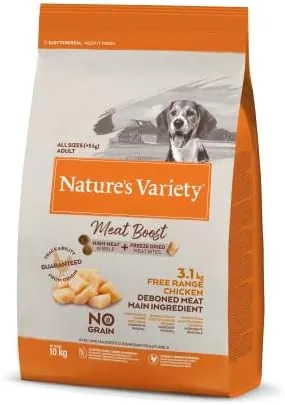
Meat Boost Complete Dry Food Free Range Chicken for Adult Dogs- 10 Kg
Nature's Variety
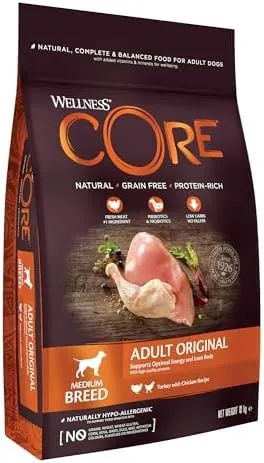
Wellness CORE Original 10 kg, Chicken & Turkey – Dry Dog Food for Medium Breeds, Grain-Free, Natural, Hypoallergenic, Protein-Rich, High Meat Content, Supports Optimal Energy & Lean Body
Wellness CORE
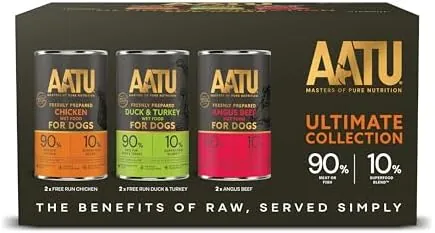
AATU Adult Dog Food Wet Tins - Variety Pack (6x400g) - Grain Free Recipe with No Artificial Ingredients - Good for Low Maintenance Feeding. (Packaging may vary).
AATU
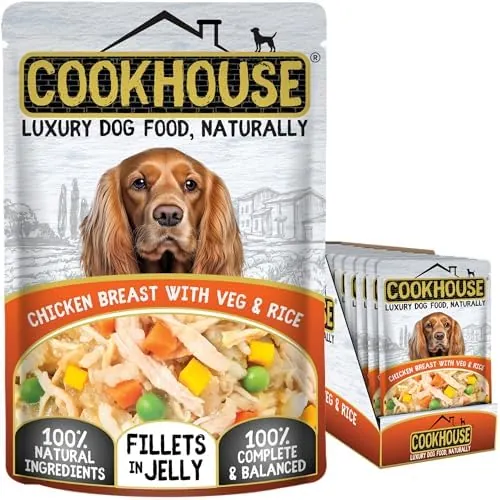
COOKHOUSE 100% Natural & Complete Luxury Wet Dog Food - 15 x 100g - Chicken Breast with Vegetables & Rice - Fillets in Jelly
COOKHOUSE
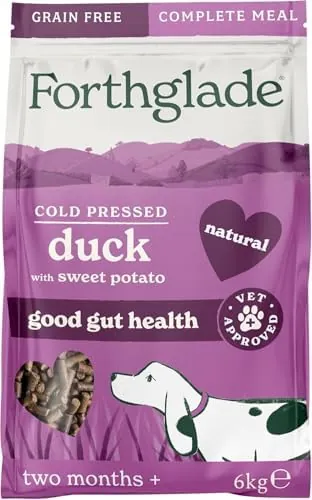
Forthglade Dry Dog Food, Cold Pressed (6kg), Hypoallergenic and Grain Free Dog Food, Duck & Vegetables, Natural Senior, Adult and Puppy Meal, Vet Approved For Good Gut Health
Forthglad
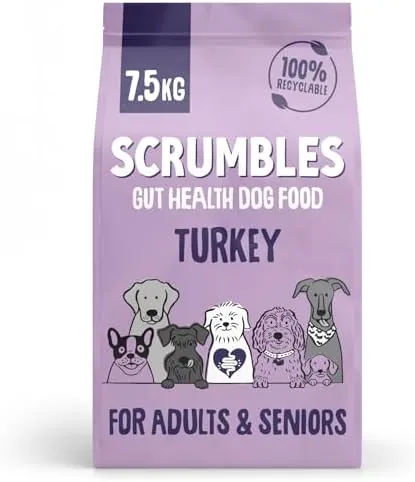
Scrumbles Turkey Dry Dog Food 7.5kg
Scrumbles
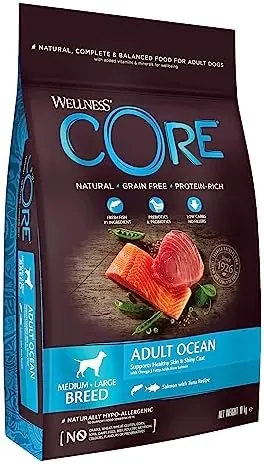
Wellness CORE Ocean 10 kg, Salmon & Tuna – Dry Dog Food for Medium to Large Breeds, Grain-Free, Natural, Hypoallergenic, Protein-Rich, High Fish Content, Supports Healthy Skin & Shiny Coat
Wellness CORE
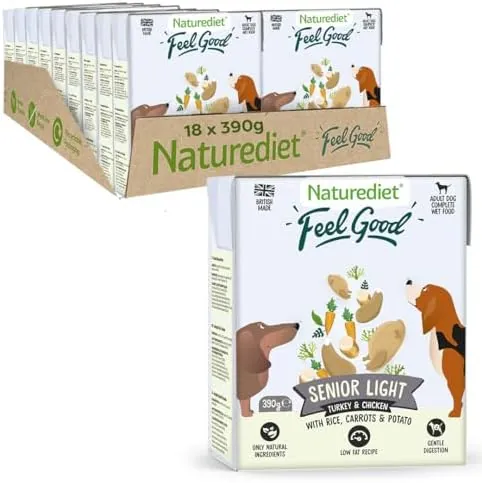
Naturediet - Feel Good Wet Dog Food, Natural and Nutritionally Balanced, Senior-Lite, 390g (Pack of 18)
Naturedi
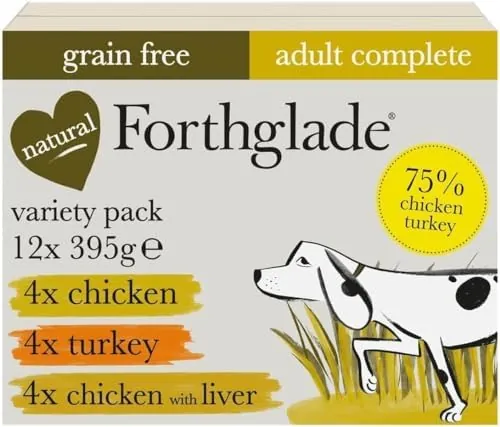
Forthglade Wet Dog Food Variety Pack (12 x 395g Trays) - Grain Free & Hypoallergenic Dog Food, Adult 1 Year+, Chicken, Chicken with Liver & Turkey, Vegetables, Stomach Sensitive, Natural Ingredients
Forthglad