Retinol
Also known as: Vitamin A, Retinoids, Retinal, Retinaldehyde, Retinyl Palmitate
Overview
Retinol is a form of vitamin A and one of the most extensively studied anti-aging ingredients in skincare. It accelerates cell turnover, stimulates collagen production, and reduces the appearance of fine lines, wrinkles, and hyperpigmentation.
How Retinol Works
Retinol is converted to retinoic acid in the skin, where it binds to retinoid receptors in skin cells. This activates genes involved in cell differentiation and proliferation, increases collagen synthesis in the dermis, and normalises keratinisation — reducing clogged pores and improving skin texture.
Benefits
- • Reduces fine lines and wrinkles by stimulating collagen production
- • Improves skin texture and reduces pore appearance
- • Fades hyperpigmentation and evens skin tone
- • Helps treat acne by regulating sebum production and cell turnover
- • Increases skin firmness and elasticity over time
Side Effects & Cautions
- • Initial irritation, dryness, and peeling (retinisation period)
- • Increased sun sensitivity — SPF is essential
- • Not recommended during pregnancy or breastfeeding
- • Can worsen rosacea or eczema if used too aggressively
Who Should Use Retinol
Adults concerned with signs of aging, uneven skin tone, acne, or overall skin texture improvement. Best started in your late 20s as a preventative measure.
Who Should Avoid It
Pregnant or breastfeeding women, those with severe eczema or rosacea (without dermatologist guidance), and anyone not willing to commit to daily SPF use.
Recommended Concentration
0.01% – 1% for over-the-counter products. Prescription retinoids (tretinoin) range from 0.025% – 0.1%.
Scientific Evidence
3 peer-reviewed studies cited. All links lead to PubMed abstracts.
Topical retinoids significantly improve photodamaged skin, including wrinkles, roughness, and hyperpigmentation.
0.1% retinol applied for 12 weeks significantly improved wrinkles and global photodamage.
Retinoids are a cornerstone of acne therapy, normalising follicular keratinisation and reducing inflammation.
Top Retinol Products We've Reviewed
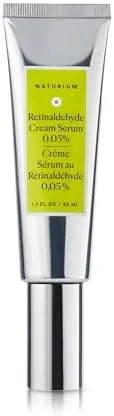
Naturium Retinaldehyde Cream Serum 0.05%, Advanced Anti-Ageing & Smoothing Face & Skin Care
Naturium
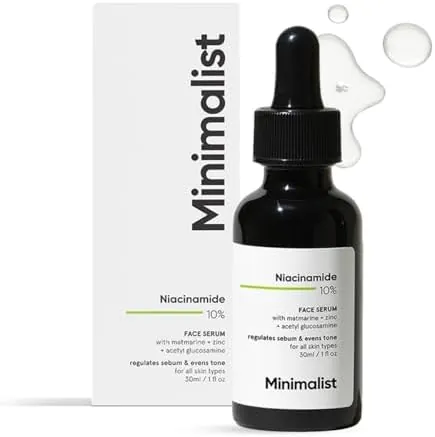
Minimalist 10% Niacinamide Face Serum for Acne Marks, Blemishes & Oil Balancing with Zinc
Minimalis
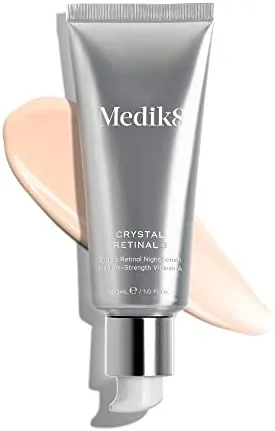
Medik8 Crystal Retinal 3 - Age-Defying Night Serum - Improves Wrinkles & Skin Firmness- 0.03% Retinal Strength - 11x Faster than Retinol - For New Vitamin A Users - 30ml
Medik8
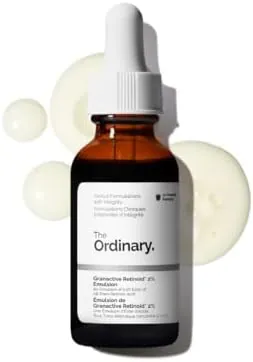
The Ordinary Granactive Retinoid 2% Emulsion, Advanced Retinoid Alternative for Anti-Aging and Skin Texture Improvement, 30ml
The Ordinary
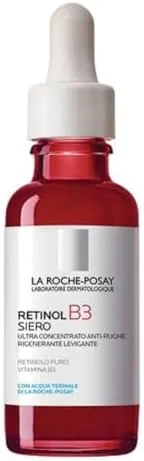
La Roche-Posay Retinol B3 Anti-wrinkles Anti-Ageing Serum With Retinol And Vitamin B3 Suitable For Sensitive Skin 30ml
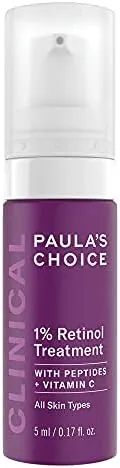
Paula's Choice CLINICAL 1% Retinol Treatment - Anti Aging & Skin Firming Serum for Face - Fights Wrinkles - with Vitamin C & Peptides - All Skin Types - 5 ml
PAULA'S CHOICE
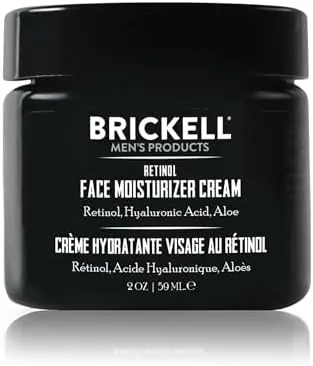
Brickell Men's Retinol Face Moisturizer Cream For Men, Natural & Organic, Anti-Wrinkle Face Night Cream with Retinol & Hyaluronic Acid To Reduce Fine Lines and Even Skin Tone, Fragrance-Free, 59ml
Brickell Men's Products
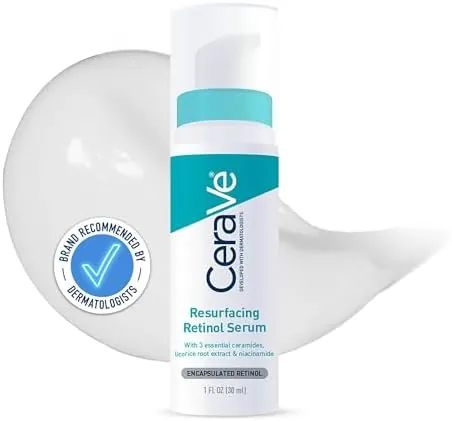
CeraVe Resurfacing Retinol Serum with Ceramides & Niacinamide for Blemish-Prone Skin 30ml
CeraVe
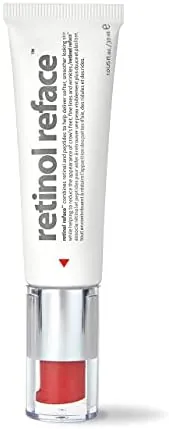
Indeed Labs Retinol Reface Moisturizer Cream For Face/neck, Wrinkle Repair Moisturizer - softer, Smoother, Younger Skin- Vitamin A & Bakuchiol For Wrinkles/lines/acne/aging
INDEED