Sunscreen (SPF Filters)
Also known as: SPF, UV Protection, Broad Spectrum, UVA/UVB
Overview
Sunscreen is the single most important skincare product for preventing premature aging, hyperpigmentation, and skin cancer. UV radiation is responsible for up to 80% of visible facial aging. Consistent SPF use is more effective than any anti-aging treatment.
How Sunscreen (SPF Filters) Works
Chemical (organic) filters absorb UV radiation and convert it to heat — examples include avobenzone, homosalate, and octinoxate. Mineral (inorganic) filters like zinc oxide and titanium dioxide reflect and scatter UV rays. Modern formulations often combine both types for broad-spectrum UVA + UVB protection.
Benefits
- • Prevents up to 80% of UV-induced skin aging
- • Reduces risk of skin cancer significantly
- • Prevents UV-triggered hyperpigmentation and melasma
- • Protects the efficacy of other active ingredients (retinol, vitamin C)
- • Essential after any exfoliating or resurfacing treatment
Side Effects & Cautions
- • Some chemical filters can cause irritation in sensitive skin
- • Mineral sunscreens may leave a white cast on darker skin tones
- • Comedogenic formulations may cause breakouts
- • Some filters are under environmental scrutiny (coral reef impact)
Who Should Use Sunscreen (SPF Filters)
Everyone. Daily SPF 30-50 is recommended for all skin types, regardless of ethnicity or skin tone. Non-negotiable when using retinol, AHAs, BHAs, or vitamin C.
Who Should Avoid It
No one should avoid sunscreen. Those with sensitivity to chemical filters can use mineral-only formulations.
Recommended Concentration
SPF 30 minimum for daily use. SPF 50 for extended outdoor exposure. PA++++ or 5-star UVA rating recommended.
Scientific Evidence
2 peer-reviewed studies cited. All links lead to PubMed abstracts.
Daily sunscreen use prevented detectable skin aging over 4.5 years in a randomised controlled trial of 903 adults.
Broad-spectrum sunscreens significantly reduce UV-induced DNA damage, photoaging, and skin cancer risk.
Top Sunscreen (SPF Filters) Products We've Reviewed
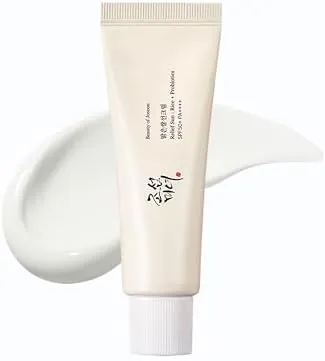
Beauty of Joseon Relief Sun Rice Probiotics SPF 50+ PA++++ Korean Sunscreen sunblock for Face Daily Sunscreen for Men Women Skincare 50ml
Beauty of Joseon
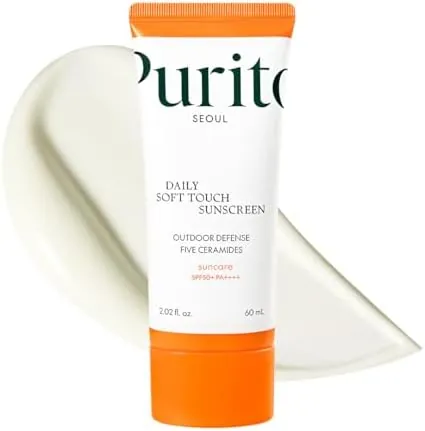
PURITO SEOUL Daily Soft Touch Sunscreen, 60ml, SPF50+ PA++++, Ceramides, Non White Cast, Water-Resistant UVA & UVB Protection, K-Beauty
PURITO
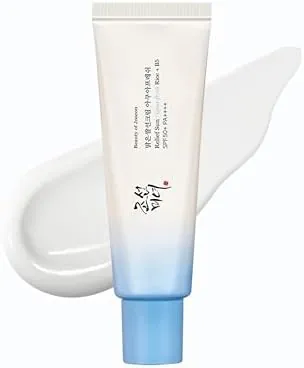
Beauty of Joseon Aqua Fresh Relief Sun : B5 Rice (Spf50 Pa) By
Beauty of Joseon
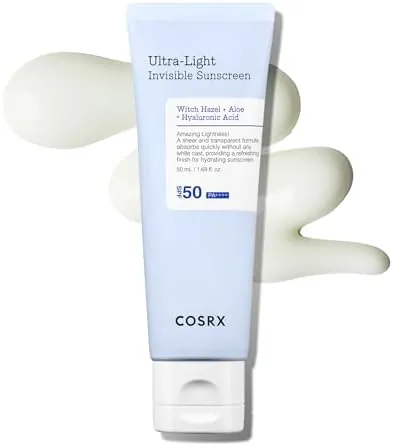
COSRX Ultra-Light Invisible Sunscreen - SPF 50 PA++++, Hydrating Sun Cream With Witch Hazel, Extra High UV Protection, Korean Skincare, 50mL
COSRX
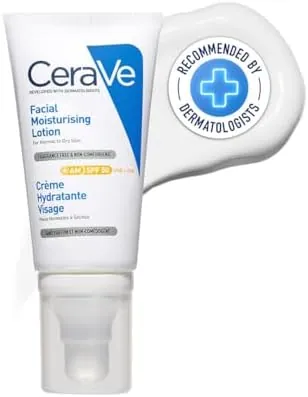
CeraVe AM Facial Moisturising Lotion Normal To Dry Skin 52ml With UV Protection And 3 Essential Ceramides
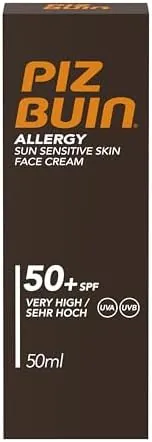
Piz Buin Allergy Sun Sensitive Skin Face Cream SPF 50+ (50ml), Facial Sunscreen with UVA/UVB Filters, Protective Moisturising Lotion for Delicate Complexions, Sweat & Water Resistant
Piz Buin
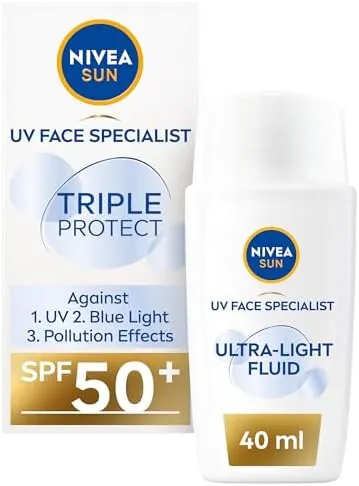
NIVEA SUN Triple Protect Light Sun Fluid SPF50+ (40ml), Face Sun Cream SPF50 with Hyaluron, Protects Against UV, Blue Light and Pollution, Daily Face Sunscreen
Nivea Sun
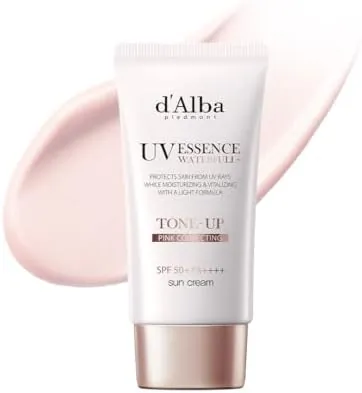
d'Alba Italian White Trufe Waterfull Tone-up suncreen SPF 50+ PA++++,Vegan hybrid UV filters tinted suncreen, glow and brightening suncreen, Korean skincare (50ml)
d'alba Piedmon
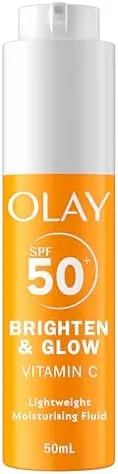
Olay Vitamin C SPF50 Fluid 50ml
Olay