Vitamin C (L-Ascorbic Acid)
Also known as: Ascorbic Acid, Ascorbyl Glucoside, Sodium Ascorbyl Phosphate, Ethyl Ascorbic Acid
Overview
Vitamin C is a potent antioxidant that protects skin from UV-induced free radical damage, inhibits melanin production, and is essential for collagen synthesis. It is one of the few topical ingredients with strong evidence for both photoprotection and anti-aging benefits.
How Vitamin C (L-Ascorbic Acid) Works
L-Ascorbic Acid neutralises reactive oxygen species generated by UV radiation and pollution. It is a required cofactor for prolyl and lysyl hydroxylase enzymes in collagen synthesis. It also inhibits tyrosinase, the enzyme responsible for melanin production, resulting in a brightening effect.
Benefits
- • Powerful antioxidant protection against UV and pollution damage
- • Brightens skin and reduces hyperpigmentation
- • Stimulates collagen production for firmer skin
- • Enhances SPF protection when used underneath sunscreen
- • Reduces inflammation and redness
Side Effects & Cautions
- • Can cause tingling or irritation at higher concentrations (>15%)
- • Unstable in formulations — oxidises when exposed to light and air
- • May cause breakouts in some acne-prone individuals
- • Some derivatives are less effective but more stable
Who Should Use Vitamin C (L-Ascorbic Acid)
Anyone seeking antioxidant protection, brighter skin tone, or anti-aging benefits. Particularly beneficial for those exposed to sun and urban pollution.
Who Should Avoid It
Those with very sensitive skin may need to start with lower concentrations (5-10%) or gentler derivatives like Ascorbyl Glucoside.
Recommended Concentration
10% – 20% for L-Ascorbic Acid serums. Derivatives vary. Below 8% may be less effective for visible results.
Scientific Evidence
3 peer-reviewed studies cited. All links lead to PubMed abstracts.
Vitamin C promotes collagen synthesis, provides photoprotection, and is effective in treating hyperpigmentation.
Topical vitamin C at 10-20% concentration provides measurable antioxidant protection and collagen-stimulating effects.
12 weeks of 10% vitamin C resulted in significant improvement in wrinkling, firmness, and roughness.
Top Vitamin C (L-Ascorbic Acid) Products We've Reviewed
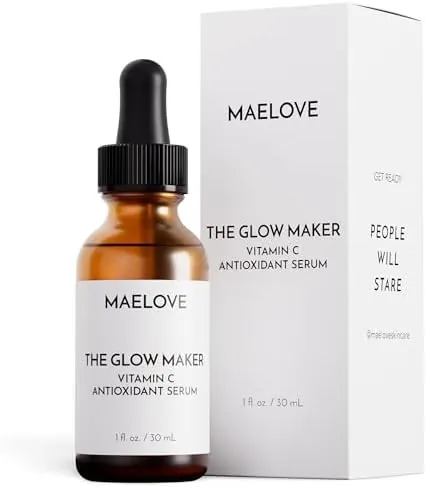
MAELOVE Vitamin C Serum, Glow Maker with Vitamins C, E, Ferulic Acid and Hyaluronic Acid, Fragrance-Free, Award-Winning Highlighting and Moisturizing Face Serum, 50 ml
MAELOVE
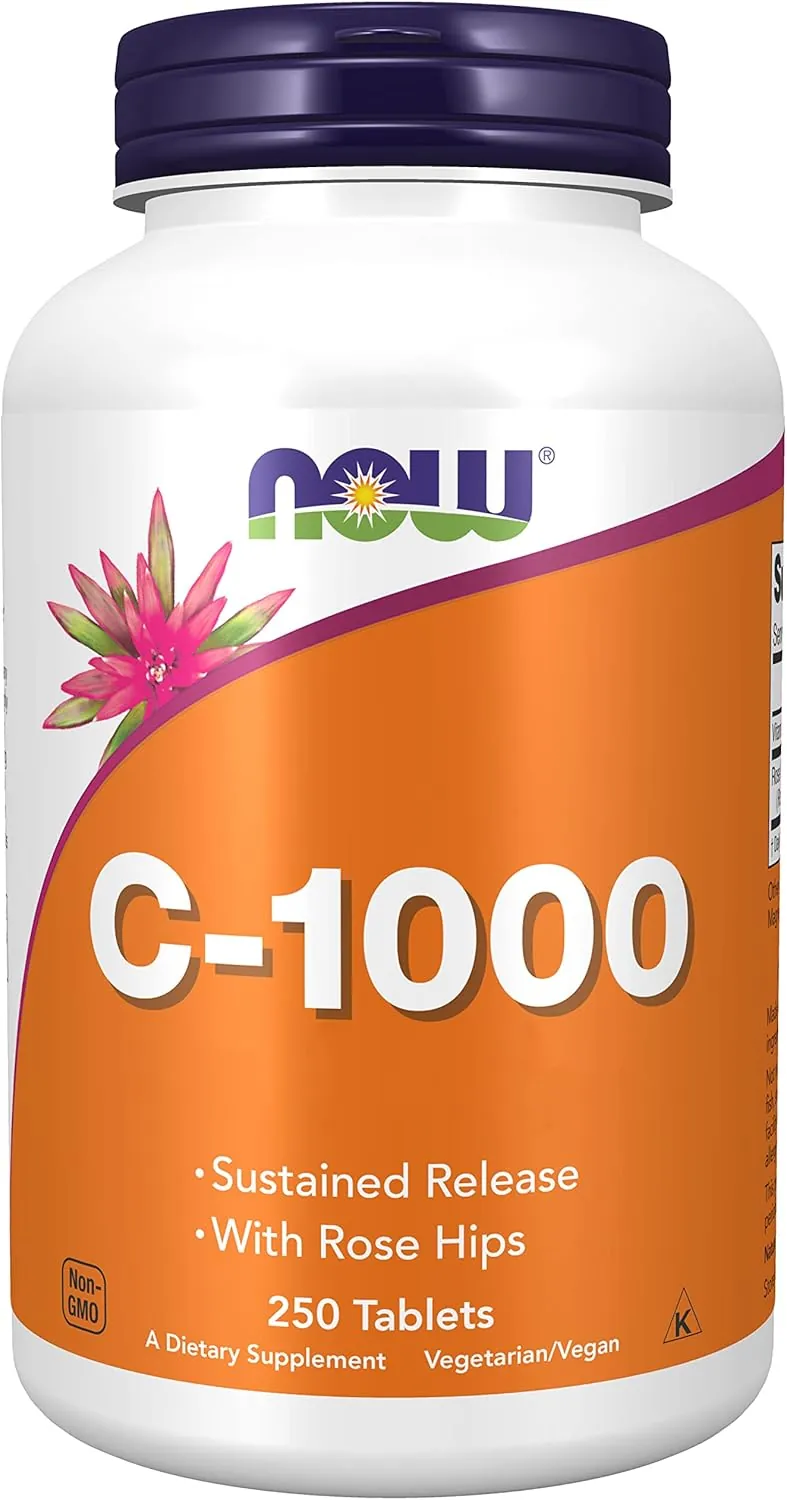
NOW Foods Vitamin C-1000 with Rose Hips & Bioflavonoids - 250 Tablets
NOW Foods
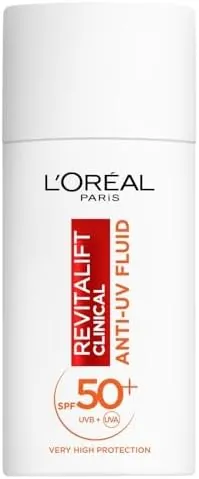
L’Oréal Paris Revitalift Clinical SPF 50+ Invisible UV Fluid, Protect, Prevent and Improve Ageing Signs, Non-Oily Formula for All Skin Tones, Advanced UV Protection and Antioxidant Vitamin C, 50ml
L'Oreal Paris
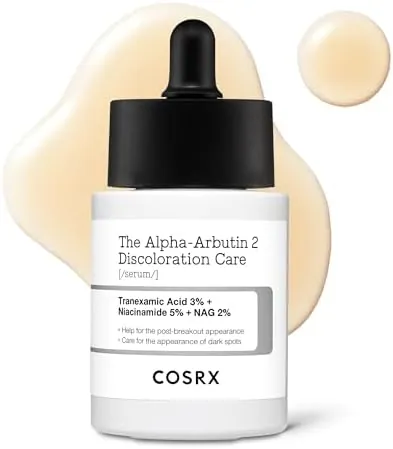
COSRX Alpha-Arbutin 2% Discoloration Serum with Tranexamic Acid 3% Anti-pigmentation Serum for Face with Niacinamide, Blemish Control, Dark Spot Corrector for Even Skin Tone Korean Skincare 50ml
COSRX
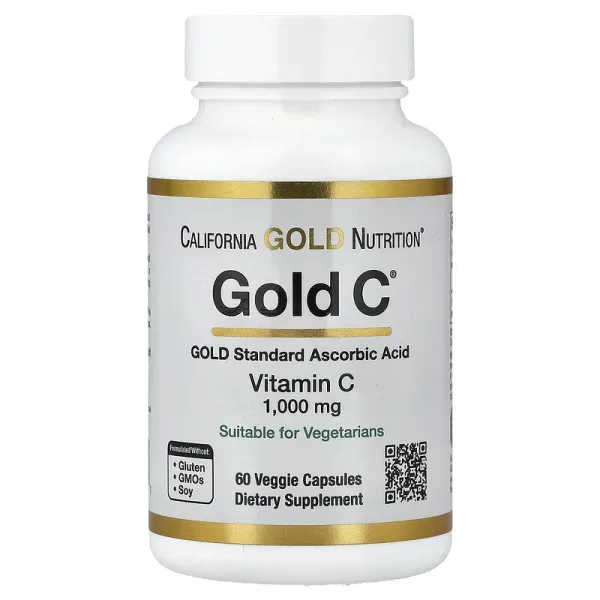
Gold C®, USP-Grade Vitamin C, 1,000 mg, 60 Veggie Capsules
California Gold Nutrition
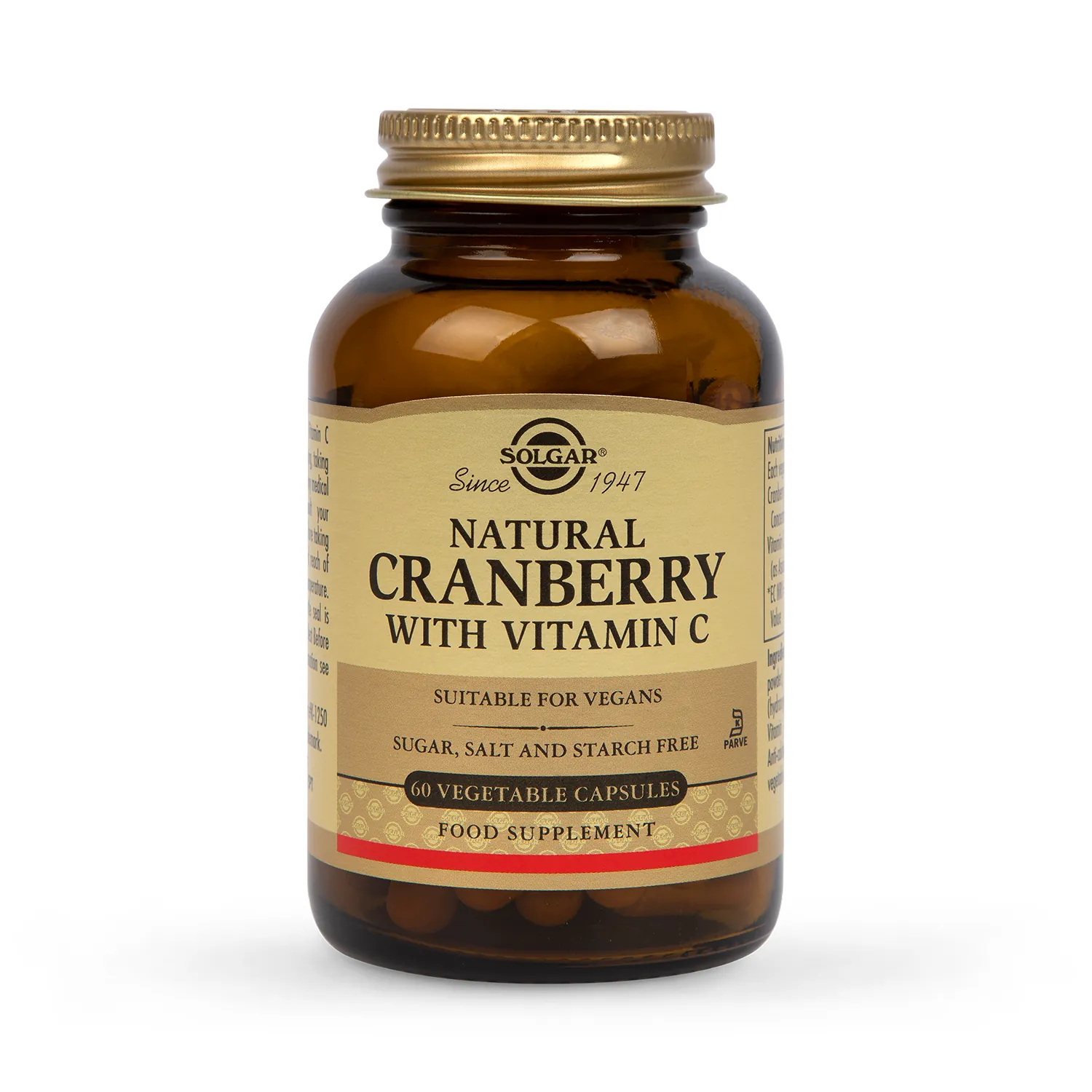
Natural Cranberry with Vitamin C 60 Vegi Capsules
Solgar
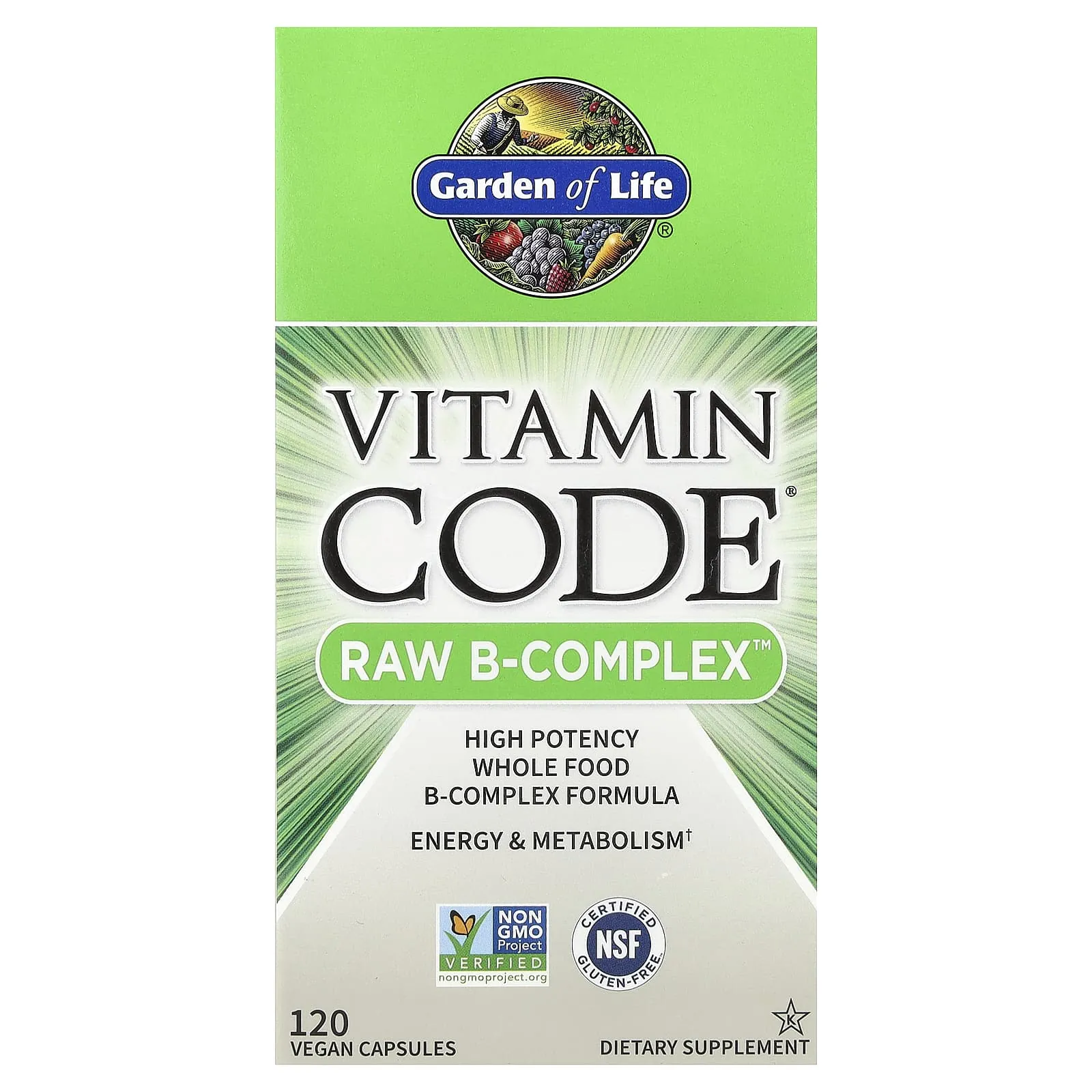
Garden of Life Vitamin Code Raw B-Complex 120 Capsules
Garden of Life
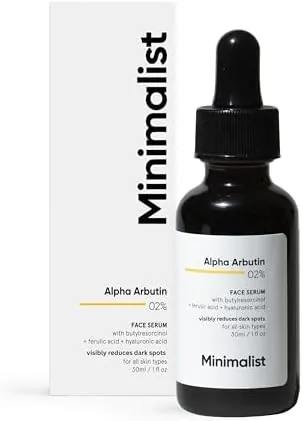
Minimalist 2% Alpha Arbutin Serum for Pigmentation & Dark Spots Removal
Minimalis
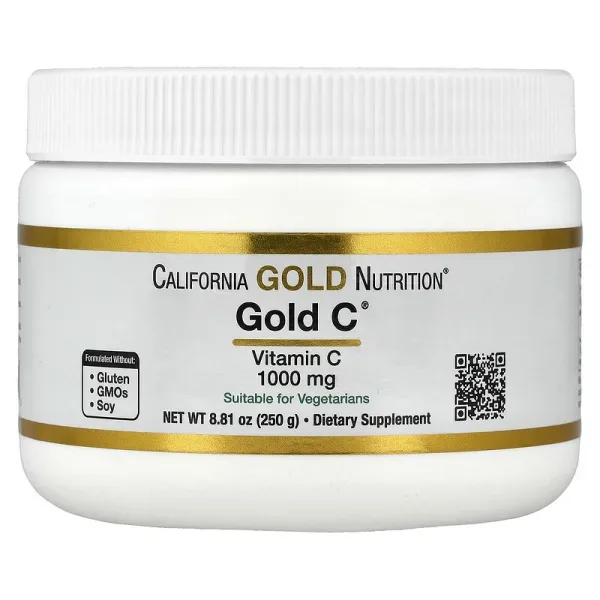
Gold C Powder, Vitamin C, 1,000 mg, 8.81 oz (250 g)
California Gold Nutrition