The Amazon 5-Star Illusion
Our AI disagrees with Amazon ratings on a third of products. Here's why star ratings mislead UK consumers.
Key Finding
Amazon star ratings disagree with our AI analysis on 45% of 1154 products. 45% are significantly overrated by Amazon reviewers.
- Nearly Half of Ratings Cannot Be Trusted
- How Wide the Gap Really Is
- The Average Product Is Overpromised
- Which Categories Mislead Most
- When Five Stars Mean Almost Nothing
- Good Products Buried by One Review
- 31 Products — High Stars, Poor Quality
- Why Star Ratings Structurally Fail
- What This Means for Shoppers
- How This Analysis Was Conducted
Nearly Half of Ratings Cannot Be Trusted
Nearly half of all health and pet products sold on Amazon UK are significantly overrated by the platform's star system relative to a rigorous, evidence-based evaluation. Of 1,154 products analysed across supplement, skincare, and dog food categories, 515 — or 45% — received Amazon ratings that substantially overstated their quality compared to an independent assessment of ingredients, formulation, and clinical evidence. Only 140 products showed broad agreement between the two systems.
The average gap is 0.97 stars — Amazon running almost a full star higher than ingredient-based analysis would justify. On a platform where virtually every listed product clusters between 4.0 and 5.0 stars, a one-star inflation is not a rounding error. It is the systematic blurring of the line between excellent and mediocre.
This matters because British consumers have made Amazon star ratings a primary purchase signal. They are fast, visible, and apparently democratic. A 4.8-star supplement feels safe. A 4.9-star dog food feels like a pet owner consensus. What this analysis reveals is that for nearly half of all products in these categories, that confidence is misplaced — built on a feedback mechanism that measures customer satisfaction rather than product quality, and that is structurally incapable of distinguishing between a well-formulated magnesium glycinate and a cheap magnesium oxide tablet that barely absorbs.
Amazon reviews aren't useless. They just answer a different question than the one most shoppers think they're asking.
| Rank | Product | Amazon | AI Score | Gap | Reviews |
|---|---|---|---|---|---|
| 1 | 4.0★ | 10/100 | +3.5★ | 8 | |
| 2 | 4.9★ | 36/100 | +3.1★ | 7 | |
| 3 | 4.6★ | 42/100 | +2.5★ | 11 | |
| 4 | 4.8★ | 47/100 | +2.5★ | 13 | |
| 5 | 4.2★ | 36/100 | +2.5★ | 12 | |
| 6 | 4.9★ | 51/100 | +2.4★ | 7 | |
| 7 | 4.8★ | 50/100 | +2.3★ | 6 | |
| 8 | 4.8★ | 50/100 | +2.3★ | 5 | |
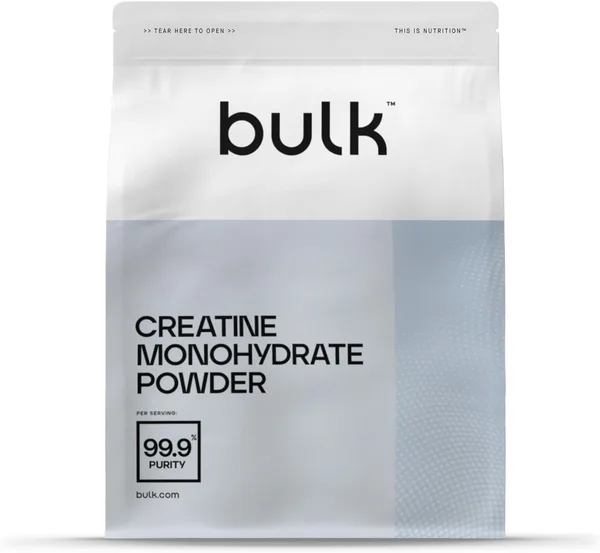
| 9 | 5.0★ | 54/100 | +2.3★ | 8 | |
| 10 | 4.9★ | 53/100 | +2.3★ | 60 |



How Wide the Gap Really Is
Converting AIScored's 0–100 ratings to a five-star equivalent — by dividing by twenty — allows direct numerical comparison with Amazon's displayed scores. The results are striking at both extremes of the distribution.
At the top end, 31 products carry Amazon ratings of 4.5 stars or higher yet score below 60 out of 100 on independent evaluation — equivalent to fewer than three stars on a five-point scale. These are products that the average shopper would classify as highly rated and worth buying. Independent analysis places them firmly in the below-average tier. A consumer purchasing any one of these 31 products based solely on its Amazon rating would be paying premium-tier trust for below-average formulation quality.
At the bottom end, only three products with Amazon ratings below 3.5 stars scored 70 or above on independent evaluation. Underrating is rare; overrating is endemic. The asymmetry is fundamental: the review system has a strong upward bias and almost no downward correction mechanism.
The average divergence of 0.97 stars understates the problem in the worst-affected categories, where gaps of 1.4 to 1.45 stars are routine. It also understates the problem for individual products, where gaps of two to three stars are documented in this dataset. What the average does convey is the direction: across 1,154 products and ten product categories, the bias runs in one direction, consistently, at a magnitude that changes consumer decisions.
| Rank | Product | Amazon | AI Score | Gap | Reviews |
|---|---|---|---|---|---|
| 1 | 1.0★ | 70/100 | -2.5★ | 1 | |
| 2 | 1.0★ | 48/100 | -1.4★ | 8 | |
| 3 | 2.7★ | 72/100 | -0.9★ | 3 | |
| 4 | 1.0★ | 39/100 | -0.9★ | 8 | |
| 5 | 2.4★ | 58/100 | -0.5★ | 8 | |
| 6 | 3.8★ | 82/100 | -0.3★ | 12 | |
| 7 | 3.1★ | 67/100 | -0.3★ | 12 | |
| 8 | 3.7★ | 80/100 | -0.3★ | 7 | |
| 9 | 2.9★ | 65/100 | -0.3★ | 12 | |
| 10 | 3.8★ | 79/100 | -0.2★ | 12 |





The Average Product Is Overpromised
The average Amazon rating across all 1,154 products analysed runs 0.97 stars higher than the equivalent AI-evaluated score. On Amazon's compressed five-star scale — where the distance between 4.2 and 4.9 stars represents the entire meaningful quality range — a near-one-star inflation means that consumers cannot reliably distinguish the top quarter of the market from the middle of it. Of 1,154 products, only 140 showed broad agreement between the two rating systems.
Which Categories Mislead Most
The inflation is not evenly distributed. Senior Dog Food shows the largest average divergence of any category at 1.45 stars, followed by Anti-Aging & Longevity at 1.42 stars and Heart Health supplements at 1.40 stars. The pattern across dog food categories is particularly revealing: Dog Treats register a 1.30-star average gap, the joint fifth-highest divergence in the dataset.
The explanation for dog food's dominance at the top of this list is structural: dogs cannot leave reviews. Their owners do, and owner feedback is naturally weighted towards palatability, convenience, and the satisfaction of seeing a pet eat eagerly. These are legitimate signals, but they are signals about short-term appeal — not about the long-term nutritional adequacy of a formulation that may be built around cereals, artificial additives, and low-quality protein derivatives. A dog that wolfs down a bowl of BAKERS cannot communicate that it would perform better on a higher-quality diet. Its owner, satisfied, leaves five stars.
The supplement categories that follow — Anti-Aging & Longevity (1.42★), Heart Health (1.40★), Immune Support (1.34★), and Magnesium (1.24★) — share a different failure mode. These are categories where buyers are attempting to address genuine health concerns but lack the specialist knowledge to evaluate the evidence base for what they are purchasing. An anti-aging supplement can claim to support cellular repair and reduce brain fog without those claims being falsifiable by the buyer within any reasonable timeframe. A magnesium supplement with poor bioavailability — magnesium oxide, the cheapest and most widely used form, absorbs at roughly 4% compared to 80% for magnesium glycinate — will still generate four-star reviews from buyers who feel broadly fine.
Even Protein Powders (1.30★ average divergence) and Pre-Workout & Performance products (1.24★) show substantial gaps despite serving a consumer base that might be expected to scrutinise labels more carefully. Skin, Hair & Nails products close the top-ten list at 1.22 stars of average divergence.
Rating Divergence Distribution (Amazon Stars - AI Stars)
When Five Stars Mean Almost Nothing
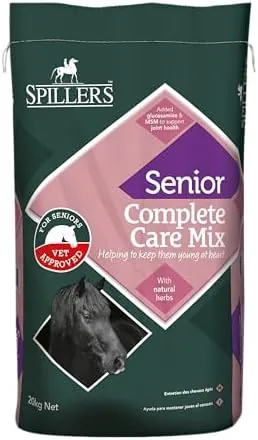
The single most extreme divergence in the dataset needs a quick note first. SPILLERS Complete Care Mix Senior — a 20kg equine feed product — appears in the database under a Senior Dog Food category as the result of a cataloguing anomaly. Its Amazon rating of 4.0 stars against an AI score of just 10 out of 100 (a gap of 3.5 stars) reflects the AI system correctly identifying that a horse feed product is entirely inappropriate for the category in which it was evaluated. The case is instructive as a demonstration of how category mismatches can produce meaningless ratings — but it does not reflect a quality failure in the product's intended use.
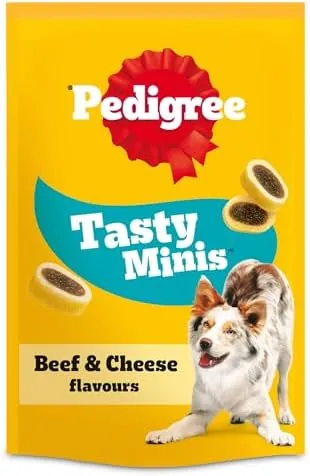
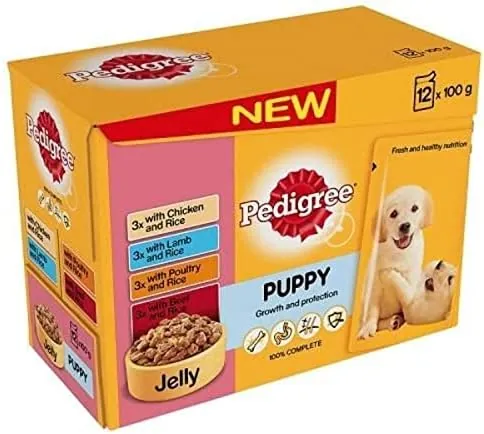
More representative of the genuine problem is BAKERS Superfoods Adult Dry Dog Food, which holds 4.9 stars on Amazon across seven reviews while scoring just 36 out of 100 on independent evaluation — a gap of 3.1 stars. BAKERS is a mass-market Purina brand formulated primarily around cereals and by-products, with documented reliance on artificial colourants and preservatives that independent nutritional analysis consistently flags as markers of low-quality pet food. Its buyers report satisfied dogs. The formulation tells a different story.
What makes BAKERS particularly significant is its appearance three times in the top-ten most overrated list: the adult range (4.9★ Amazon, 36/100 AI), the puppy range (4.2★ Amazon, 36/100 AI, gap of 2.5★), and the Senior 7+ range (4.9★ Amazon, 51/100 AI, gap of 2.4★). This isn't noise. It's a consistent pattern across the whole BAKERS range, suggesting that customer satisfaction with palatability and familiarity systematically overrides any quality signal in the review data.
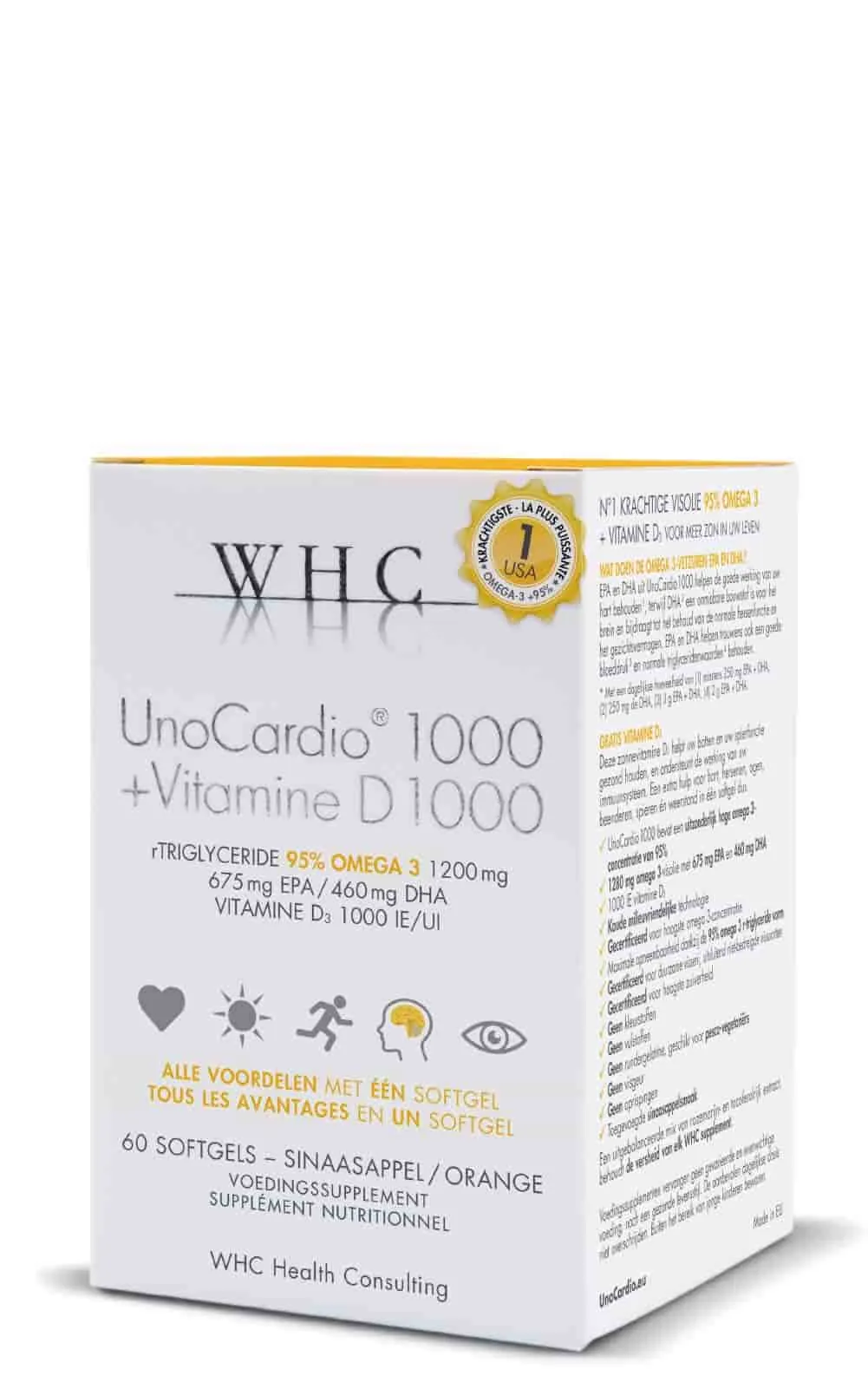
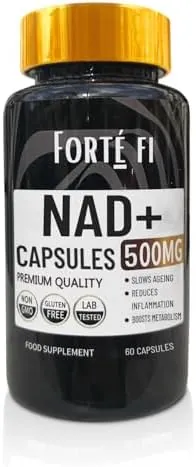
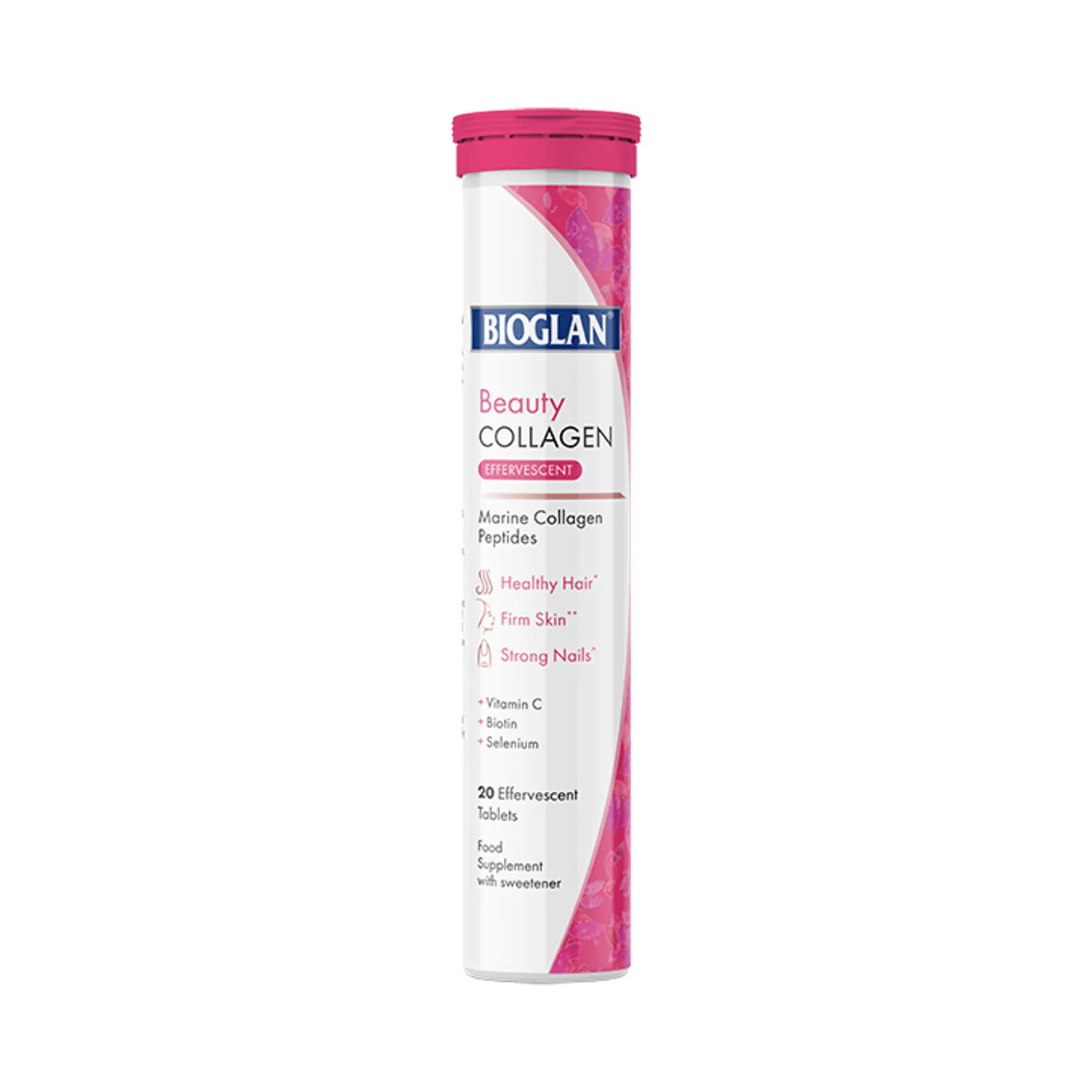
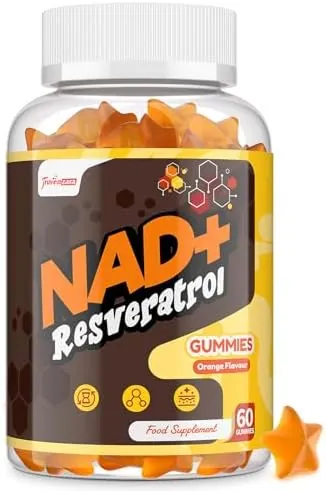
In the supplement space, the anti-aging category illustrates a distinct failure mode: the unfalsifiable claim. A generic product selling under the title NAD Supplements Booster Anti-Aging Resveratrol and Metabolism Booster — with a title that runs to nearly thirty words and promises anti-aging, cellular repair, cortisol reduction, and brain fog support simultaneously — holds 4.6 stars across 11 reviews while scoring 42 out of 100 on independent evaluation. A Truvenzara NAD+ Resveratrol Gummies product holds a perfect 5.0 stars across eight reviews while scoring 54 out of 100. Both represent the same pattern: early adopters who cannot evaluate the clinical evidence leave positive reviews based on the experience of having taken a supplement, and the rating hardens into apparent legitimacy.
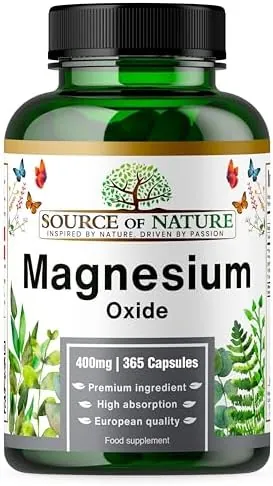
Nature Made Magnesium Oxide 400mg makes the top-ten overrated list with a more substantial review pool: 60 reviews averaging 4.9 stars, against an AI score of 53 out of 100. Magnesium oxide is the cheapest and most widely produced form of the mineral but has among the lowest bioavailability of any magnesium compound — an estimated 4% absorption rate in clinical conditions. Reviewers who take it may experience no immediate adverse effects and attribute any general sense of wellbeing to the supplement. The quality gap is entirely invisible to the review mechanism.
Amazon Rating vs AI Score (per product)
Good Products Buried by One Review
The inverse problem — high-quality products depressed by low Amazon ratings — is far less common but just as revealing.
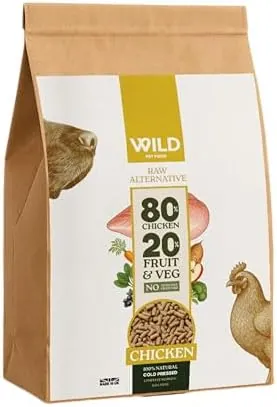
The most starkly underrated product in the dataset is a grain-free, cold-pressed dog food from Wild Pet Food, formulated on an 80:20 meat-to-vegetable ratio with no artificial additives. Its AI score of 70 out of 100 reflects a genuinely strong formulation profile. Its Amazon rating is 1.0 stars. The explanation: at the time of analysis, the product had received a single review. One dissatisfied customer had eliminated a high-quality niche product from the consideration set of every subsequent buyer who relied on star ratings without noticing the review count. A companion product from the same brand — Surf & Turf variant, scoring 72/100 — fares only marginally better with a 2.7-star average across three reviews.
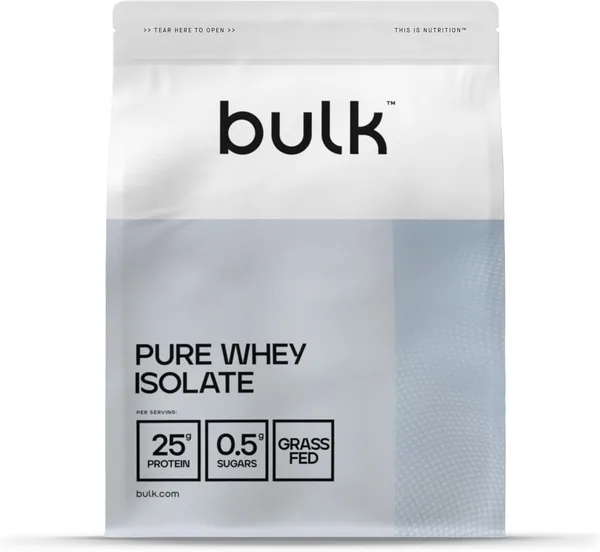
Myprotein Clear Whey Protein Isolate in Peach Tea flavour presents a different case: eight reviews averaging 1.0 stars against an AI score of 48/100. Clear whey is a format that divides opinion sharply — its texture and appearance differ substantially from conventional whey shakes, and consumers expecting a traditional protein drink often react negatively. The quality of the formulation is not the issue; the product's failure to meet category expectations is.
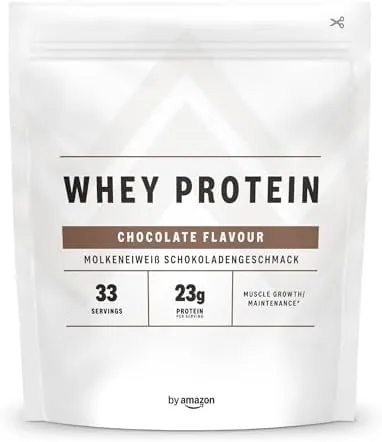
The biggest underrating in commercial terms is Optimum Nutrition Gold Standard Whey Protein, one of the most extensively studied protein powders on the mass market, which scores 82 out of 100 on independent evaluation yet carries just 3.8 stars across 12 reviews — 0.3 stars below what the evidence base would suggest. A pattern repeats across multiple Optimum Nutrition products in the dataset, pointing to a potential high-expectations effect: buyers who consider Optimum Nutrition a premium benchmark may rate a genuinely excellent product less generously than first-time users of a mediocre one who were pleasantly surprised.
Average Rating Divergence by Category
31 Products — High Stars, Poor Quality
31 products in this analysis carry Amazon ratings of 4.5 stars or higher while scoring below 60 out of 100 on independent evaluation — placing them below the halfway mark on a quality scale that accounts for formulation, ingredients, and clinical evidence. In the supplement and pet food categories, the consequences of acting on misleading ratings extend beyond financial loss. Choosing a poorly formulated senior dog food based on a 4.9-star rating, or selecting a magnesium supplement with near-zero bioavailability because 60 reviewers gave it five stars, represents a genuine failure of the information environment that consumers rely on.
Why Star Ratings Structurally Fail
The divergence between Amazon ratings and ingredient-based analysis isn't caused by isolated manipulation or bad luck. It comes from structural features of how consumer review systems are designed and how buyers behave within them.
Reviews measure satisfaction, not quality. This is the foundational problem. A pet owner whose dog eats BAKERS with obvious enthusiasm has had a satisfying purchase experience. They have no mechanism to compare that enthusiasm against what a nutritionally superior diet would have produced over years, or against the long-term health outcomes of a formulation built around artificial colourants and low-quality proteins. The five-star rating they leave reflects their experience, not the product's quality relative to alternatives they have not tried.
Survivorship bias selects for positivity. Products with poor early ratings are returned, abandoned, or removed. Products that remain on the platform have accumulated, over months or years, enough positive reviews to survive. The ratings consumers see are not a representative sample of all products at their quality level — they are the subset whose marketing, packaging, and short-term sensory appeal generated enough early positive feedback to persist. The comparison set has already been filtered.
The five-star scale compresses meaningful differences into noise. The gap between 4.2 and 4.6 stars appears visually small. On the actual distribution of Amazon ratings — where almost everything sits between 4.0 and 5.0 — that gap represents a substantial range of quality signals. An analytical system operating on a 100-point scale offers twenty times the resolution of a five-star system, allowing genuinely poor performers to be distinguished from genuinely good ones. The Nature Made Magnesium Oxide case illustrates this precisely: 4.9 stars on Amazon versus 53 out of 100 under independent evaluation. The star rating suggests near-perfection; the analytical score suggests a mediocre product that happens to cause no immediately obvious harm.
Small review pools are vulnerable to noise and manipulation. A perfect 5.0-star rating across eight reviews is not evidence of quality; it is evidence that eight people were satisfied. The economics of early-stage review cultivation — sending products to influencers, offering post-purchase incentives, mobilising brand communities — favour products with compelling marketing over products with strong formulations. The anti-aging supplement category, which shows the second-highest average divergence in the dataset at 1.42 stars, is particularly susceptible: buyers cannot verify anti-aging claims within any reasonable review window, and the placebo effect of believing one has taken an effective supplement is well-documented.
What This Means for Shoppers
The practical implication of this analysis for UK consumers is clear: in the supplement, skincare, and pet food categories, a high Amazon star rating should be treated as a weak positive signal rather than a reliable quality endorsement. It is useful to know that a product has not generated widespread dissatisfaction. It is not sufficient basis for concluding that the product is well-formulated or that it will deliver its stated benefits.
The categories where this caveat matters most are those with the largest documented divergences: Senior Dog Food, Anti-Aging & Longevity, Heart Health, and Immune Support all show average gaps exceeding 1.3 stars between Amazon ratings and independent evaluation. In these categories, the star rating system is particularly unreliable as a quality signal, and independent ingredient analysis provides meaningfully different information.
Review volume deserves more attention than it typically receives. The Wild Pet Food grain-free formula — a strong product by formulation standards — carries 1.0 stars because a single reviewer was dissatisfied. The Truvenzara NAD+ gummies carry 5.0 stars because eight early reviewers were satisfied. Neither figure carries statistical weight, but both will influence purchasing decisions for thousands of shoppers who see the star rating without noticing the small print on sample size.
The broader pattern is one of information asymmetry: sellers of well-formulated products lack a reliable mechanism to communicate their quality advantage to buyers, while sellers of poor-quality products with effective marketing and good palatability face no rating penalty. Closing this gap requires consumers to cross-reference star ratings with ingredient-based evaluation — particularly when purchasing products intended to address genuine health needs, where the cost of a poor decision extends beyond the price of a disappointing supplement.
How This Analysis Was Conducted
This analysis drew on 1,154 products listed on Amazon UK across supplement, skincare, and dog food categories that had received five or more customer reviews at the time of data collection. Products with fewer than five reviews were excluded to reduce distortion from single-reviewer outliers — though individual products with small review pools are discussed in the analysis where they illustrate specific failure modes.
Each product received an AIScored rating based on a structured evaluation of: ingredient quality, sourcing, and grade; active ingredient dosages relative to published clinical evidence; third-party certifications including NSF International, Informed Sport, and BRCGS; labelling accuracy and transparency; and formulation efficiency, including the absence of unnecessary fillers, artificial additives, and poorly-absorbed ingredient forms. Scores are expressed on a 0–100 scale.
For direct comparison with Amazon's five-star system, AIScored ratings were converted to a 0–5 star equivalent by dividing by twenty. A significant divergence was defined as a gap of 0.5 stars or more between the Amazon rating and the AI-equivalent score. Significantly overrated refers to products where Amazon's rating exceeds the AI equivalent by 0.5 stars or more; significantly underrated refers to the inverse.
Amazon ratings represent the platform-displayed aggregate star score at the time of data collection and were not adjusted for review volume, recency weighting, or verified-purchase proportion. Category-level divergences represent arithmetic means across all products within each category meeting the minimum five-review threshold.
This analysis was conducted by AIScored, an independent product rating platform. AIScored participates in the Amazon Associates affiliate programme; affiliate relationships do not influence AIScored ratings, which are determined solely by the ingredient and formulation evaluation framework described above.
Our Top Picks
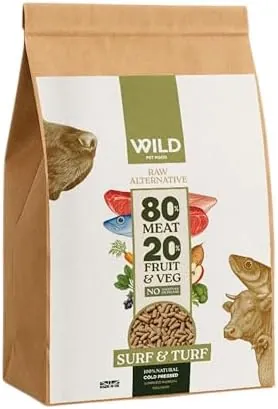
Surf & Turf (2.5 kg) Dog Food Dry, Grain-Free and Raw 80:20 Cold Pressed, Low Fat, High Protein and Nutritionally Complete with Superfoods - Gastrointestinal Dog Food - Adult or Puppy
AI: 72.0/100, Amazon: 2.7★ — underrated
View →