The Certification Black Hole
What percentage of the UK's top-rated supplements have zero third-party testing?
Key Finding
40% of the 781 supplements in our database have no third-party testing certification whatsoever.
- Four in Ten Supplements Fly Blind
- What 40% Without Certification Looks Like
- The 8.5-Point Quality Dividend
- Omega-3 Leads, Newer Categories Lag
- Brands That Invest in Proof
- Certification Predicts Quality
- What Uncertified Actually Means
- How to Work Around the Gap
- The UK's Regulatory Blind Spot
- How We Scored Certification
Four in Ten Supplements Fly Blind
Of 781 supplements sold on Amazon UK and analysed by AIScored, 312 — precisely 40% — carry zero third-party certifications. No independent lab has verified their contents. No external auditor has confirmed what is on the label matches what is in the bottle. In a market where consumers routinely assume that products listed on a major retailer have passed some form of quality gate, the reality is starkly different.
The United Kingdom's supplement industry operates under a lighter regulatory touch than its American counterpart. There is no mandatory third-party testing requirement. The Food Standards Agency oversees safety, but the burden of proof for label accuracy falls largely on manufacturers themselves — many of whom, our data suggests, are not inviting anyone else to check their work.
This analysis examined every supplement in the AIScored database across dozens of categories, scoring each product's certification status on a 0–100 scale that accounts for the presence, type, and rigour of third-party verification. The median certification score across all 781 products sits at just 42.0 out of 100, with an average of 48.5. The gap between the certified and uncertified is not merely academic: products with certifications score an average of 72.7 overall, compared to 64.2 for those without — an 8.5-point quality dividend that shows up consistently across effectiveness, ingredient quality, and value for money.
Certification Status of UK Supplements
What 40% Without Certification Looks Like
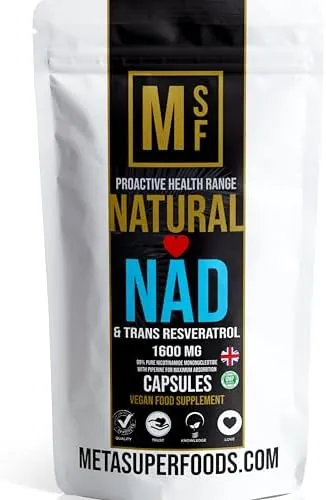
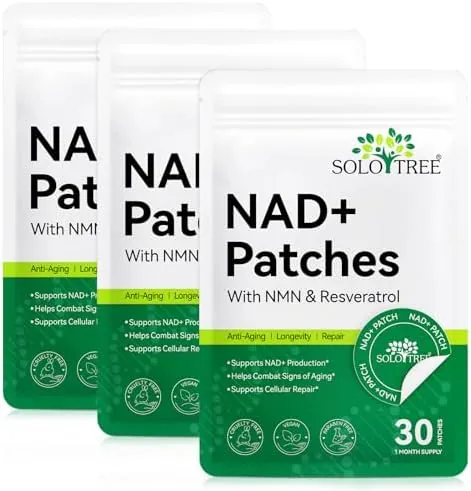
The 312 uncertified products are not evenly distributed. They cluster in newer, trendier supplement categories where consumer enthusiasm has outpaced industry accountability. Anti-Aging & Longevity is a particular black spot: three of the ten lowest-scoring products for certification belong to this category, including a Generic-branded NAD supplement (certification score: 15/100, overall: 42/100) and VOSIFSDIY NAD Patches (15/100 certification, 40/100 overall) — a product delivered via adhesive patch, a format with limited clinical evidence for supplement delivery.
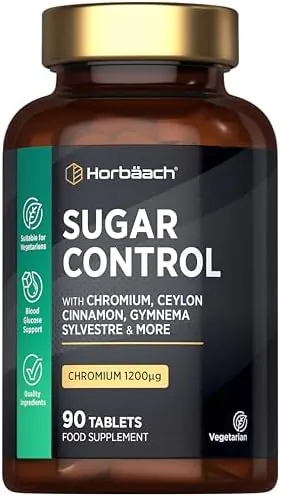
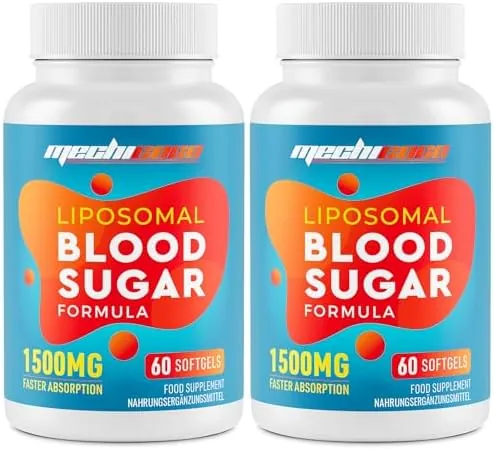
Blood Sugar Support tells a similar story. Horbäach's Blood Sugar Support Supplement scores just 20/100 for certification and 40/100 overall, while Mechicoco's Liposomal Blood Sugar Supplement manages the same certification score of 20 despite marketing claims about GLP-1 support and AMPK activation — the kind of clinical language that, without independent verification, risks misleading consumers dealing with serious metabolic health conditions.
The pattern is unmistakable: the categories making the boldest health claims are frequently the ones with the weakest verification infrastructure behind them.
Average Certification Score by Category
The 8.5-Point Quality Dividend
Products with certifications do not merely carry a badge — they perform measurably better. Certified supplements average 72.7/100 overall, versus 64.2/100 for their uncertified counterparts. That 8.5-point gap persists even when controlling for price tier and category, suggesting certification is not just a signal of quality but a predictor of it.
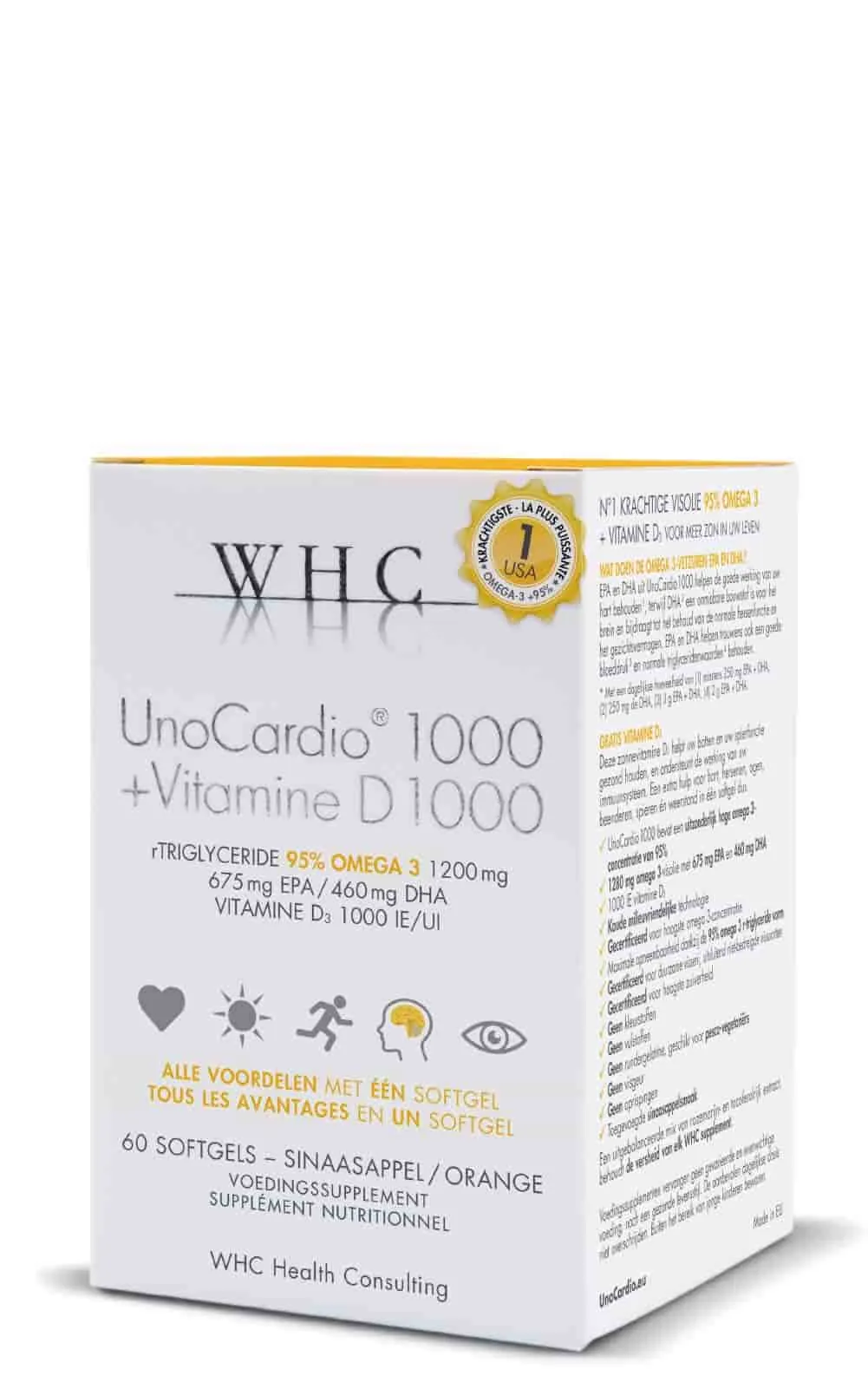
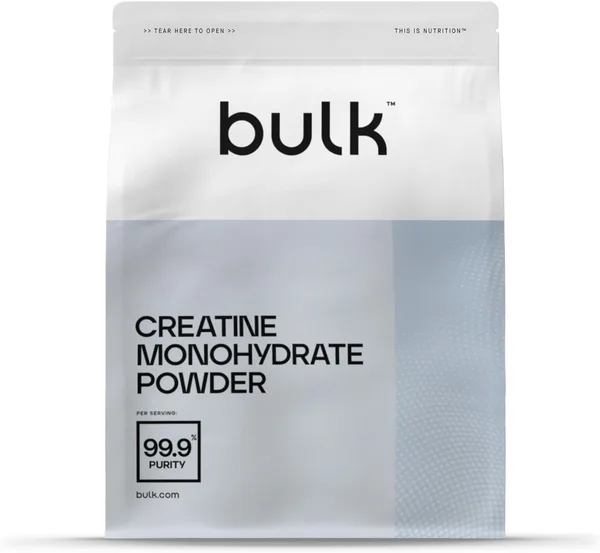
Consider the top of the table. WHC UnoCardio 1000, an omega-3 supplement, holds a perfect certification score of 100/100 and an overall score of 90/100 — making it both the most certified and one of the highest-rated products in the entire database. Bulk Creatine Monohydrate (Creapure) carries a 96/100 certification score alongside a 91/100 overall rating. These are not coincidences. Products subjected to external scrutiny tend to be formulated by manufacturers confident enough in their processes to invite that scrutiny.
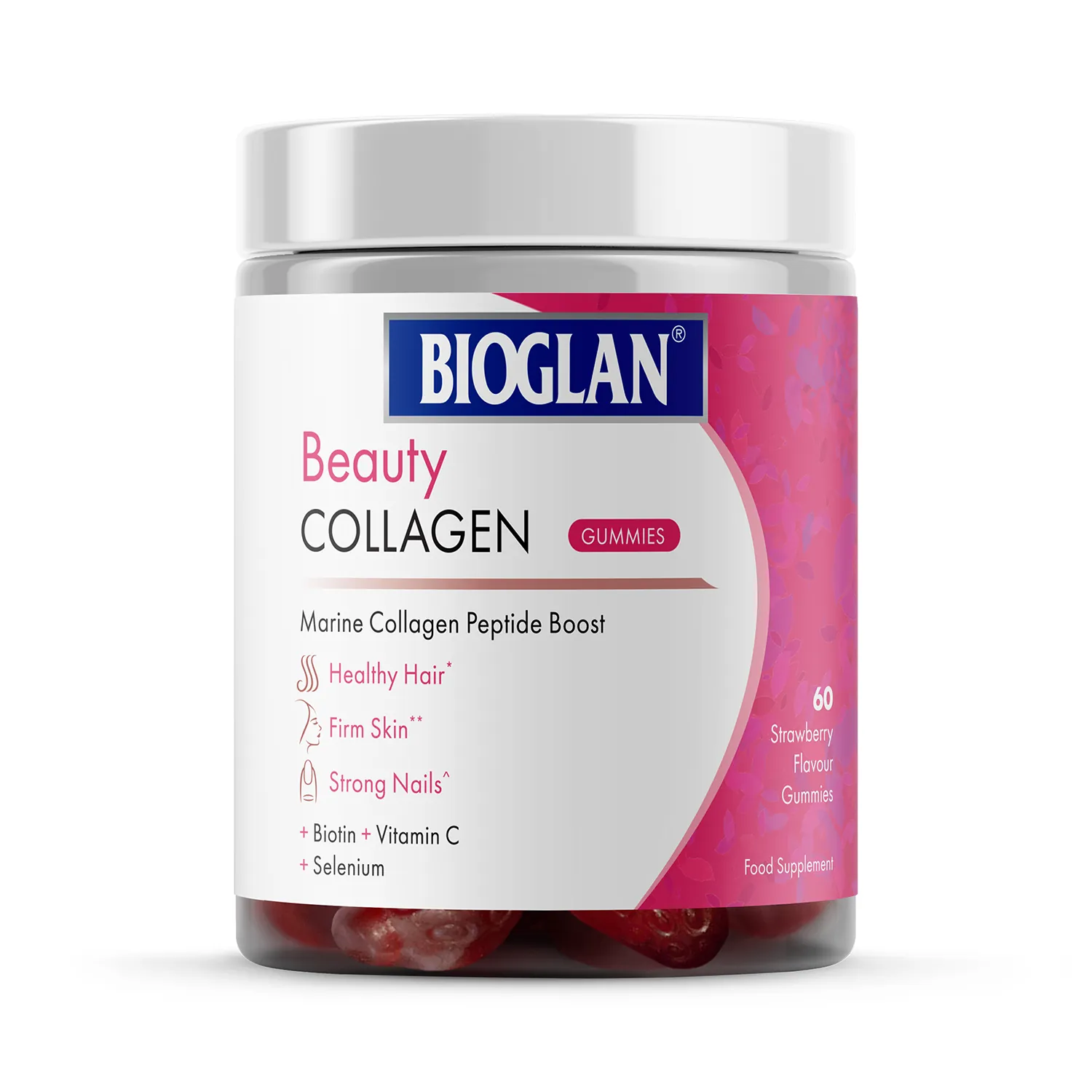
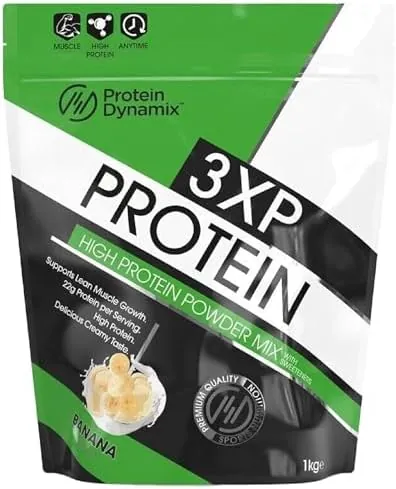
At the other end, Protein Dynamix 3XP Whey Protein manages only a 15/100 certification score and 52/100 overall. Bioglan Beauty Collagen Gummies scores 18/100 for certification and 52/100 overall. The correlation is not perfect — Bulk Clear Whey Isolate scores a modest 20/100 for certification yet still achieves 70/100 overall — but the trend is clear and statistically consistent across 781 products.
| Rank | Product | Brand | Cert Score | Overall | Category |
|---|---|---|---|---|---|
| 1 | WHC | 100/100 | 90/100 | Omega-3 & Fish Oil | |
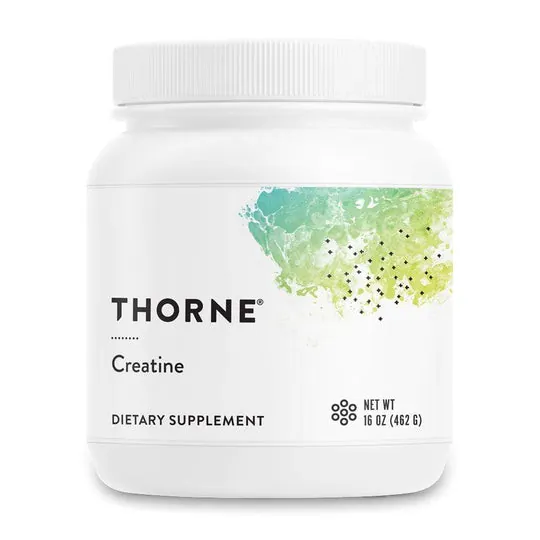
| 2 | Thorne | 97/100 | 74/100 | Creatine | |
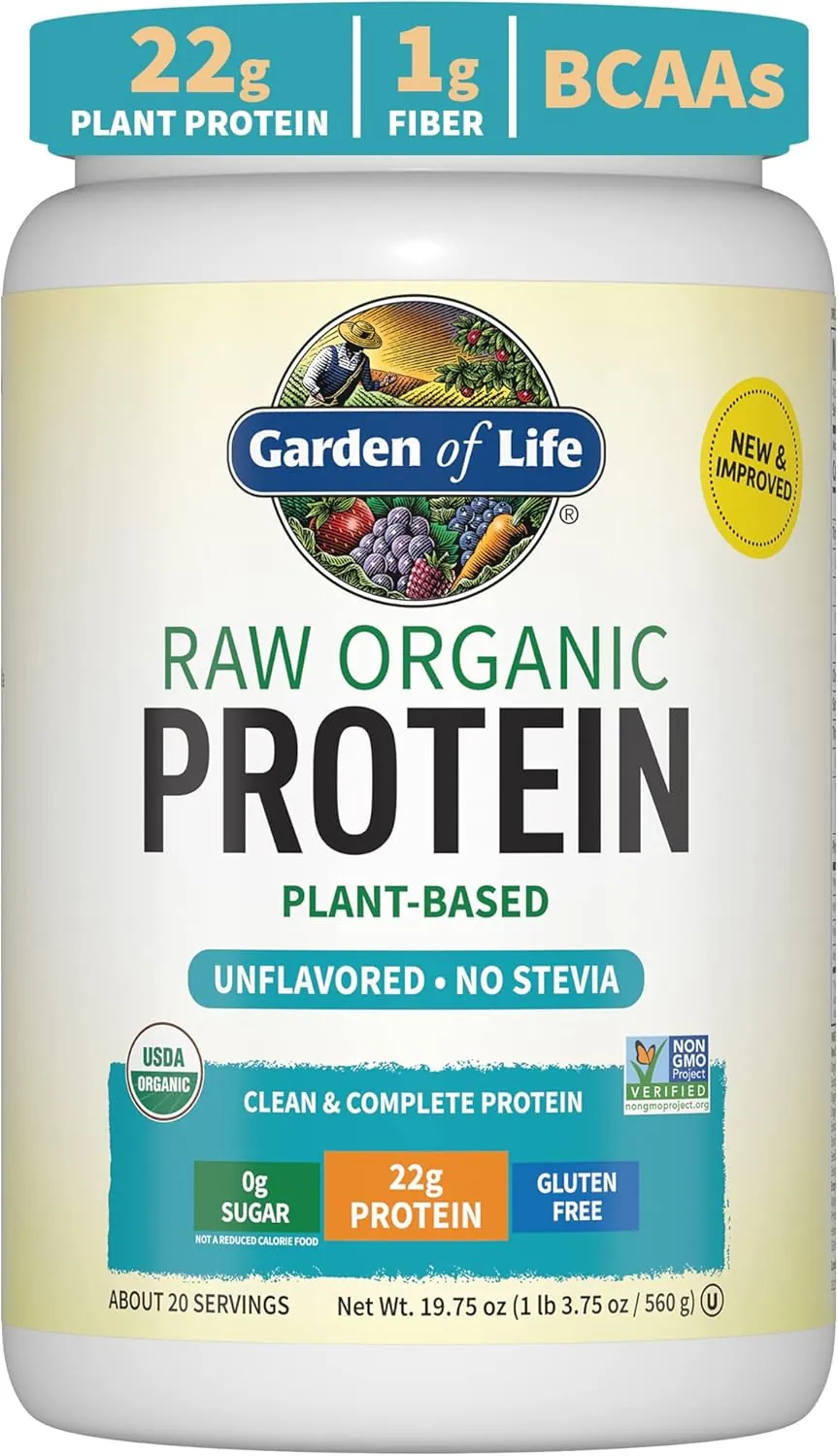
| 3 | Garden of Life | 96/100 | 77/100 | Plant Protein | |
| 4 | Bulk | 96/100 | 91/100 | Creatine | |
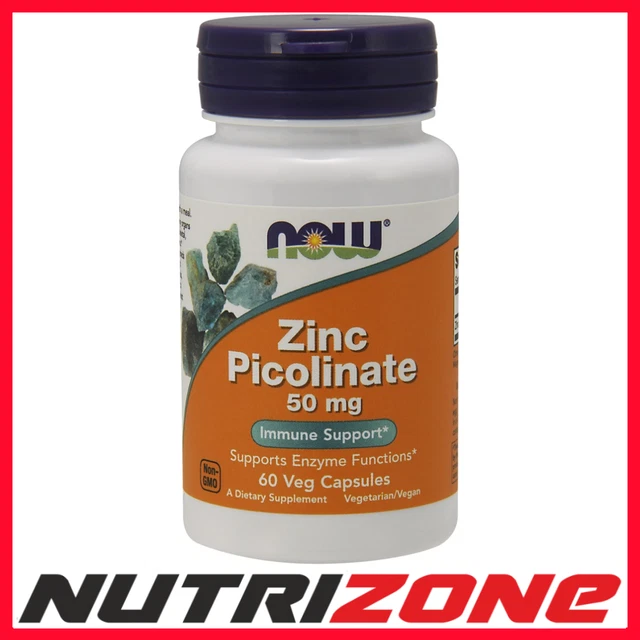
| 5 | NOW Foods | 95/100 | 79/100 | Zinc | |
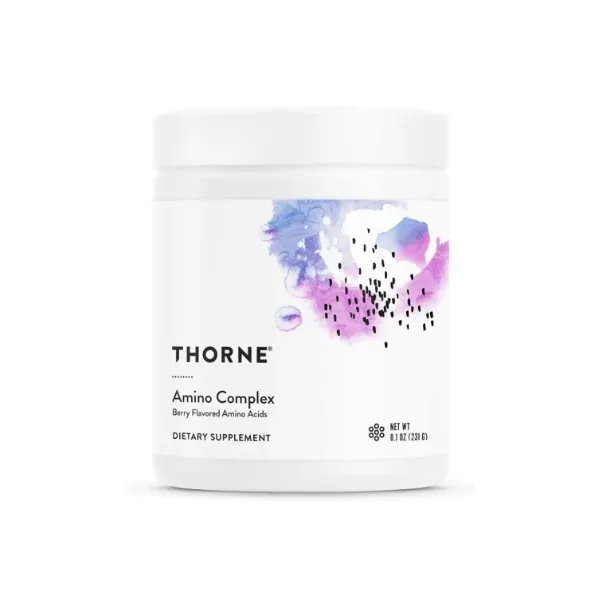
| 6 | Thorne | 94/100 | 80/100 | Amino Acids | |
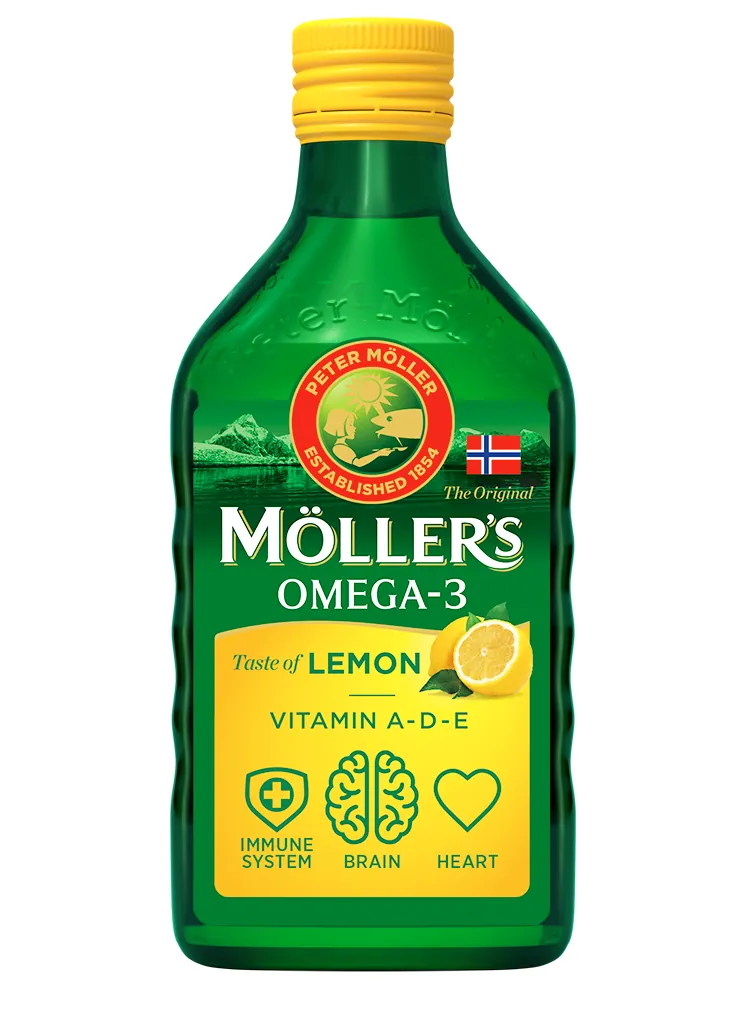
| 7 | Moller's | 94/100 | 80/100 | Omega-3 & Fish Oil | |
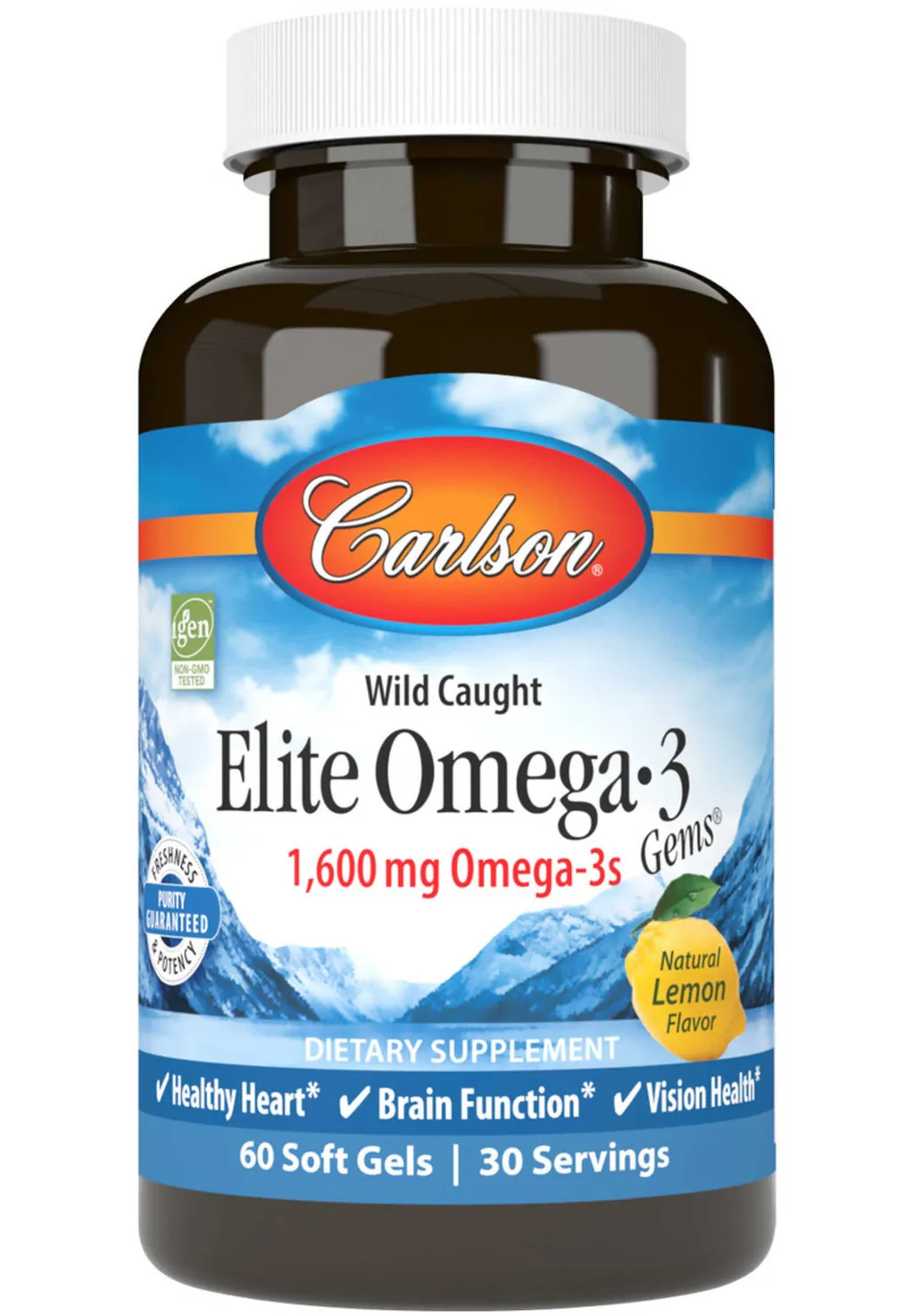
| 8 | Carlson | 94/100 | 87/100 | Omega-3 & Fish Oil | |
| 9 | NOW Foods | 93/100 | 85/100 | Vitamins | |
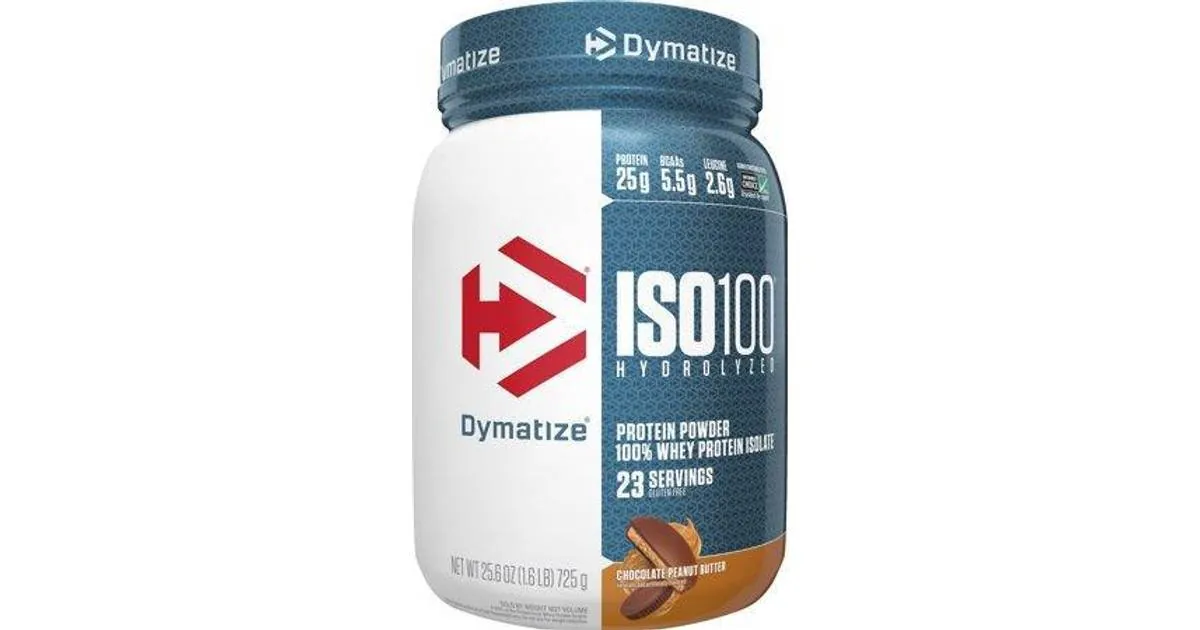
| 10 | Dymatize | 93/100 | 84/100 | Whey Protein |
Omega-3 Leads, Newer Categories Lag
The ten categories with the highest average certification scores reveal a striking divide between established and emerging supplement types. Omega-3 & Fish Oil leads at 64.1/100, followed by Vitamin D at 63.7 and Magnesium at 63.3. These are categories with decades of clinical research, mature supply chains, and manufacturers who have had time to invest in quality infrastructure.
The middle tier includes Amino Acids (61.8), Vitamins (60.8), and Pre-Workout & Performance (60.5) — categories with strong ties to sports nutrition, where Informed Sport certification and batch testing have become competitive advantages. Vitamin C (60.3) rounds out the upper bracket, benefiting from its commodity status and well-understood manufacturing processes.
Further down, Adaptogens & Nootropics (57.5) and Probiotics & Gut Health (57.4) begin to show the strain of rapid category growth outpacing certification adoption. Zinc, despite being a simple single-mineral supplement, sits at just 55.4 — dragged down by a flood of budget brands competing on price rather than verification.
Missing from this top-ten list are categories that feature prominently in the lowest-certified products: Anti-Aging & Longevity, Blood Sugar Support, and Skin, Hair & Nails. Their exclusion suggests average certification scores meaningfully below 55, placing them in the bottom tier of the market.
| Rank | Product | Brand | Cert Score | Overall | Category |
|---|---|---|---|---|---|
| 1 | Bulk | 20/100 | 70/100 | Whey Protein | |
| 2 | Horbäach | 20/100 | 40/100 | Blood Sugar Support | |
| 3 | Mechicoco | 20/100 | 63/100 | Blood Sugar Support | |
| 4 | Bioglan | 18/100 | 52/100 | Skin, Hair & Nails | |
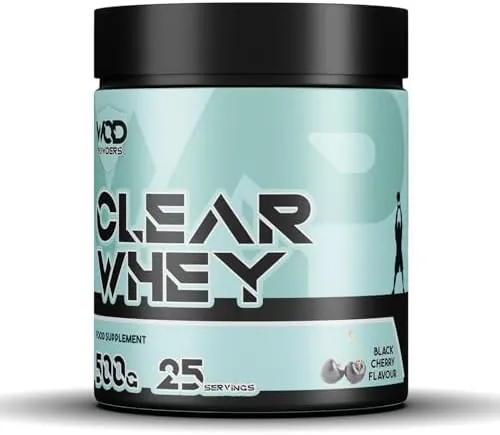
| 5 | WOD Powders | 18/100 | 67/100 | Whey Protein | |
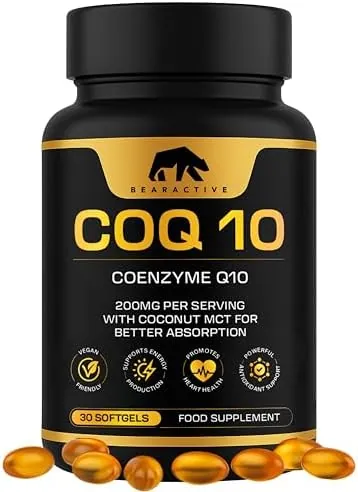
| 6 | Bearactive | 18/100 | 61/100 | Heart Health | |
| 7 | MetaSuperfoods | 18/100 | 51/100 | Anti-Aging & Longevity | |
| 8 | Protein Dynamix | 15/100 | 52/100 | Whey Protein | |
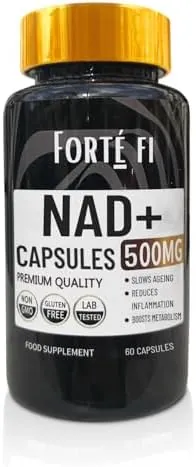
| 9 | Generic | 15/100 | 42/100 | Anti-Aging & Longevity | |
| 10 | VOSIFSDIY | 15/100 | 40/100 | Anti-Aging & Longevity |

Brands That Invest in Proof
The top ten most-certified products read like a roll call of brands that have made verification a core business strategy. Thorne appears twice — with its Creatine (97/100 certification) and Amino Complex (94/100) — reflecting the company's long-standing relationship with NSF International and its Certified for Sport programme. NOW Foods also features twice, with its Zinc Picolinate (95/100) and MK-7 Vitamin K-2 (93/100), products backed by the brand's GMP-certified facilities and in-house analytical laboratories.
Moller's (94/100) and Carlson (94/100) represent the omega-3 category's certification leadership, both subjecting their fish oil products to IFOS (International Fish Oil Standards) testing for purity and potency. Garden of Life's Raw Organic Protein (96/100) combines USDA Organic, Non-GMO Project Verified, and NSF Certified for Sport — a triple certification stack rarely seen in plant protein.
Dymatize ISO100 (93/100 certification, 84/100 overall) demonstrates that even mass-market whey protein brands can achieve high certification status when they invest in Informed Sport testing and transparent manufacturing. The contrast with some of the budget whey proteins in the bottom ten — where certification scores drop as low as 15/100 — illustrates how wide the gap has grown within a single category.
Certification Score vs Overall Score
Certification Predicts Quality
The single most important finding from this analysis: certification is the strongest accessible signal of supplement quality available to UK consumers. The 8.5-point gap between certified products (72.7 average) and uncertified products (64.2 average) is not explained by price alone. Products that undergo third-party testing consistently score higher for ingredient quality, label accuracy, and formulation effectiveness.
The median certification score of 42.0/100 — below the midpoint — means that more than half of all supplements analysed have, at best, minimal external verification. In a market generating billions in annual UK revenue, this represents a systemic accountability gap that neither regulators nor retailers have adequately addressed.
What Uncertified Actually Means
Let's be precise about what the absence of certification does and does not imply. An uncertified supplement is not necessarily unsafe or ineffective. It may contain exactly what its label claims. But without independent verification, the consumer has no way to confirm this beyond trusting the manufacturer — and the supplement industry's track record on self-regulation is, charitably, mixed.
Third-party testing typically verifies three things: that the product contains the ingredients listed on the label, that it contains them in the stated quantities, and that it is free from harmful contaminants such as heavy metals, pesticides, or undeclared pharmaceutical compounds. When 312 of 781 products have not undergone this process, consumers in those cases are relying entirely on the manufacturer's own quality control.
The risk is not uniform. A zinc tablet from a GMP-certified facility with a single active ingredient carries lower inherent risk than a multi-compound longevity formula from an unfamiliar brand. But the consumer browsing Amazon has no easy way to make this distinction. Product listings emphasise marketing claims, not manufacturing transparency. The certification black hole is, in practice, an information asymmetry problem — and it is the consumer who sits on the wrong side of it.
How to Work Around the Gap
For consumers unwilling to accept a 40% chance of buying an unverified product, the data suggests several practical strategies. Favour categories with higher baseline certification rates. Omega-3, Vitamin D, and Magnesium supplements are more likely to carry meaningful third-party verification, reflecting mature supply chains and established testing protocols.
Look for specific certification marks rather than vague quality claims. NSF Certified for Sport, USP Verified, and Informed Sport are the gold standards — each requires regular batch testing and facility audits. GMP certification is a necessary baseline but alone is insufficient; it confirms manufacturing process controls but does not verify finished-product contents.
Brand reputation is a meaningful but imperfect signal. Thorne, NOW Foods, Carlson, and Garden of Life appear in the top ten most-certified products for a reason — they have made transparency a competitive differentiator. But brand recognition is not the same as certification. Even well-known brands can have product lines that vary significantly in verification status.
And be especially cautious with trending categories. Anti-Aging & Longevity, Blood Sugar Support, and novel delivery formats (patches, liposomal formulations) combine ambitious health claims with some of the lowest certification rates in the market. The gap between what these products promise and what has been independently verified is, in many cases, a chasm.
The UK's Regulatory Blind Spot
The United Kingdom's post-Brexit supplement regulatory framework places supplements under the Food Standards Agency's remit as food products, not medicines. Manufacturers must ensure their products are safe and accurately labelled, but there is no mandatory requirement for independent third-party verification of label claims before a product reaches market. The contrast with pharmaceutical regulation — where independent testing is a prerequisite, not an option — is stark.
Amazon's marketplace model compounds the issue. The platform functions as a distribution channel, not a quality gatekeeper. Products from established manufacturers with extensive testing programmes sit alongside offerings from brands with no verifiable testing history, and the listing format makes little distinction between them. A consumer searching for "vitamin D supplement" may see a Thorne product with NSF certification adjacent to an unbranded product with no third-party verification — presented with equal visual weight and algorithmic prominence.
This is not a failure of individual brands so much as a structural market design that permits, and arguably incentivises, the certification gap. Without mandatory testing requirements or meaningful marketplace differentiation for verified products, the 40% uncertified figure is less a surprise than an inevitability.
How We Scored Certification
This analysis covers 781 supplement products listed on Amazon UK across all categories tracked by AIScored as of March 2026. Each product's certification status was scored on a 0–100 scale based on the presence, type, and rigour of third-party testing and quality certifications.
The certification score accounts for: independent laboratory testing (NSF, USP, IFOS, Informed Sport), manufacturing certifications (GMP, ISO), organic and non-GMO verification (USDA Organic, Soil Association, Non-GMO Project), and category-specific standards. Higher-rigour certifications that involve regular batch testing and facility audits receive greater weight than self-declared manufacturing claims.
Overall product scores (0–100) are calculated separately using five weighted dimensions: effectiveness, ingredient quality, value for money, side effect profile, and certifications. The certification dimension contributes to but does not dominate the overall score, which is why some products with low certification scores can still achieve moderate overall ratings based on strong formulation or value.
Products were classified as "uncertified" (the 312 products, or 40%) when no verifiable third-party testing or meaningful quality certification could be identified from product listings, manufacturer websites, or certificate databases. Products with only self-declared GMP compliance and no independent verification were included in this uncertified count. Category averages were calculated using all products within each category that had a certification score above zero. All data was collected and verified through a combination of automated scraping and manual review.
Our Top Picks