Father's Day 2026: The Best Supplements for Dads, by Age
We scored nearly 500 supplements across 13 categories and checked every health claim against systematic reviews, meta-analyses, and NHS guidance. Here's what dads in their 30s, 40s, and 50s should be taking — and what they can skip.
Key Finding
Most UK men are short on at least one key nutrient. Nearly half have below-optimal vitamin D, and the average man gets only about 90% of the recommended magnesium intake. The NHS recommends vitamin D for everyone — and beyond that, the evidence points to five more supplements whose case gets stronger with age: omega-3, magnesium, creatine, zinc, and CoQ10.
- The Gift He Won't Buy Himself
- Vitamin D: The Only Supplement the NHS Tells You to Take
- In Your 30s: The Busy Decade
- In Your 40s: Protecting What You've Got
- In Your 50s and Beyond
- Three Starter Packs: What to Buy by Age
- What to Skip — and Why
- Before He Starts: Important Notes
- How We Chose These Supplements
The Gift He Won't Buy Himself
Father's Day is June 21st. You're probably thinking about socks, a barbecue gadget, or a bottle of something nice. All fine gifts. But there's something that might make more of a difference to his health, and he's almost certainly not buying it himself.
The numbers are stark. Nationwide testing by Forth (2024–25) found that 49.5% of UK adults have below-optimal vitamin D levels. The National Diet and Nutrition Survey shows that the average UK adult gets only about 80–90% of the recommended magnesium intake, with young men faring worst. These aren't fringe shortfalls — they're the norm.
Men are particularly bad at addressing this. The typical dad isn't reading supplement labels or comparing bioavailability charts. He's grabbing whatever's cheapest at the supermarket — if he's taking anything at all.
We've scored nearly 500 supplements across 13 categories and cross-referenced every health claim against systematic reviews, meta-analyses, and NHS guidance. What follows is what we'd tell a friend if he asked what to take.
One thing upfront: supplements don't replace a proper diet. They fill specific gaps. If your dad eats well, sleeps enough, and stays active, most of these are optimisations, not essentials. And if he's on medication — statins, blood thinners, blood pressure drugs — he should talk to his GP before adding anything.
Right. Let's start with the one supplement the NHS says every UK adult should be taking.
Vitamin D: The Only Supplement the NHS Tells You to Take
Who needs it: Every dad. Every age. No exceptions.
The evidence: Vitamin D is the only supplement the NHS universally recommends for all UK adults. The guidance: 10 micrograms (400 IU) daily, at least through autumn and winter. Year-round if he works indoors, has darker skin, or doesn't get regular sun exposure.
Geography is the problem. At UK latitudes (51–55°N), your skin can't make vitamin D from sunlight between roughly October and March, regardless of how much time you spend outside. Nationwide testing confirms the problem: 49.5% of UK adults fall below optimal levels, and roughly 1 in 6 are clinically deficient.
Vitamin D supports bone health, immune function, and muscle strength. Deficiency is associated with increased respiratory infection risk, fatigue, and bone pain. For dads over 50, maintaining adequate vitamin D is particularly important for preventing falls and fractures.
Dosage: The NHS RNI is 10mcg (400 IU) daily. For those with diagnosed deficiency, 50–100mcg (2,000–4,000 IU) is commonly used under clinical guidance. The safe upper limit is 100mcg (4,000 IU) daily.
Our picks:
- NOW Foods Vitamin D3 2,000 IU (87/100, £8.82) — 240 softgels per bottle, so eight months for under a tenner.
- California Gold Nutrition Vitamin D3 5,000 IU — 87/100, £14.99. Higher dose for those topping up after confirmed low levels.
- Thorne Vitamin D + K2 — 87/100, £27.77. Premium liquid format with added K2 for calcium metabolism.
In Your 30s: The Busy Decade
Your 30s are the decade when you're probably at your busiest — career, young kids, less sleep than you'd like — and ironically the decade when most men stop paying attention to their nutrition. These are the supplements worth adding.
Creatine — Yes, for Your Brain Too
Most people write creatine off as a gym supplement. It's not — or at least, not only.
A systematic review of six randomised controlled trials (Avgerinos et al., 2018) found that creatine supplementation improved short-term memory and reasoning in most of the included trials, with the strongest effects in older adults and during cognitively demanding tasks. A separate body of evidence — with moderate certainty according to systematic review grading — confirms that creatine increases lean muscle mass and strength when combined with resistance training.
The dose is simple: 5 grams per day of creatine monohydrate. No loading phase needed. Creapure (a patented German-manufactured form) is considered the gold standard for purity. It's also dirt cheap.
Our pick: Bulk Creatine Monohydrate (Creapure), £16.99. Scored 91/100 — the highest rating in our entire database. 500g lasts over three months.
Magnesium — Most Men Don't Get Enough
The National Diet and Nutrition Survey data is clear: the average UK man gets only about 91% of the Reference Nutrient Intake for magnesium (300mg/day). About 14% of men aged 20–59 fall below the Lower Reference Nutrient Intake — the threshold where deficiency is likely — rising to 22% among men in their 20s (Derbyshire, 2018).
So why does it matter? A 2025 meta-analysis of 38 randomised controlled trials (published in the AHA journal Hypertension) found that magnesium supplementation reduced systolic blood pressure by 2.81 mmHg on average, rising to 7.68 mmHg in people with hypertension. A systematic review of three RCTs in older adults (Mah & Pitre, 2021) found it reduced sleep onset latency by approximately 17 minutes, though the evidence was graded low quality. There's also moderate evidence for improved muscle recovery, particularly in people who are deficient.
The form matters. Magnesium glycinate (bisglycinate) has the best absorption and fewest gastrointestinal side effects — it uses a different absorption pathway to cheaper forms like oxide. Magnesium citrate is a solid alternative. Magnesium oxide has roughly 4% absorption (Lindberg et al., 1990) and is mainly useful as a laxative.
Our picks:
- Doctor's Best High Absorption Magnesium (82/100, £26.40). Chelated bisglycinate — absorbs well, easy on the stomach.
- On a budget? Magnesium Glycinate 400mg at £12.25 (80/100) does the job.
B Vitamins — The Energy Metabolism Essentials
The B vitamin family (B1, B2, B3, B5, B6, B7, B9, B12) plays a well-established role in energy metabolism — they're cofactors in the biochemical pathways that convert food into cellular energy. Men in their 30s with demanding schedules, poor diets, or high alcohol intake are most likely to benefit.
B12 deserves particular attention if your dad is reducing meat intake. Plant foods contain virtually no bioavailable B12, and deficiency develops slowly — sometimes over years — before symptoms appear.
Our pick: Life Extension BioActive Complete B-Complex — 82/100 and only £8.08. Uses methylated forms, which your body can use straight away.
In Your 40s: Protecting What You've Got
By your 40s, the priorities change. Heart disease risk goes up, your brain starts slowing down a bit, and your immune system isn't as sharp as it was. The supplements that matter now are more about defence than performance.
Omega-3 — The Most Studied Supplement in Cardiology
Omega-3 is probably the most researched supplement for heart health. The evidence is solid but complicated.
The VITAL trial (New England Journal of Medicine, 2018) followed 25,871 healthy adults for over five years. The primary endpoint — major cardiovascular events — was not statistically significant. However, a pre-specified secondary endpoint found a 28% reduction in heart attacks and roughly a 50% reduction in fatal heart attacks. The benefit was strongest in people with low baseline fish intake.
For cognition, a 2024 dose-response meta-analysis in BMC Medicine (24 RCTs, approximately 9,660 participants) found that omega-3 may benefit executive function in middle-aged and elderly adults, particularly those whose dietary intake is already low.
One catch: NICE guideline CG181 states "do not offer omega-3 fatty acid compounds for the prevention of CVD." The NHS does not recommend omega-3 supplements — it recommends eating two portions of fish per week, including one oily fish. The European Food Safety Authority (EFSA) sets a minimum of 250mg EPA+DHA daily for normal cardiac function.
And a word of caution: a 2022 meta-analysis of five RCTs (50,277 participants, Frontiers in Cardiovascular Medicine) found supplemental omega-3 was associated with increased risk of atrial fibrillation, with risk rising at higher doses. The absolute risk increase is small, but worth flagging for men with existing AF risk factors.
Our picks:
- WHC UnoCardio 1000 — 90/100, £26.95. The highest-rated omega-3 in our database. Excellent EPA+DHA concentration.
- Carlson Elite Omega-3 Gems — 87/100, £29.99. Norwegian-sourced, IFOS 5-star certified.
- Life Extension Super Omega-3 — 86/100, £24.99. Strong formulation at a lower price point.
A Decent Multivitamin
A multivitamin won't transform anything. But it covers the small gaps that even a good diet leaves, and for dads who don't eat perfectly (which is most of them), a decent one earns its place. The key is quality: most supermarket multivitamins use cheap, poorly absorbed forms of key nutrients (folic acid instead of methylfolate, cyanocobalamin instead of methylcobalamin, magnesium oxide instead of chelated forms).
Our pick: Life Extension Two-Per-Day Multivitamin — 85/100, £29.95. Bioactive forms throughout, two-month supply per bottle. The highest-rated multivitamin in our database.
Zinc — Immune Function and More
Zinc is involved in over 300 enzymatic reactions and is critical for immune cell function. A meta-analysis of 35 randomised controlled trials (1,995 participants, Critical Reviews in Food Science and Nutrition, 2022) found significant reductions in inflammatory markers (CRP and hs-CRP) and increases in CD4 cell counts following supplementation.
There's also a commonly repeated claim about zinc and testosterone. A 2023 systematic review in the Journal of Trace Elements in Medicine and Biology (38 papers) found that zinc supplementation does raise testosterone — but primarily in men who are already zinc-deficient. There's no strong evidence it boosts testosterone beyond normal levels in zinc-replete men.
The UK RNI for adult men is 9.5mg/day. Zinc picolinate is one of the best-absorbed forms.
Our pick: Thorne Zinc Picolinate 22mg — 85/100, £21.38. Premium form, excellent absorption. If budget is a concern: NOW Foods Zinc Picolinate 50mg — 79/100, £14.90.
In Your 50s and Beyond
After 50, several of the supplements above become more important, and a few new ones enter the picture with stronger evidence.
CoQ10 — Your Cells Are Making Less of It
Coenzyme Q10 is an essential component of the mitochondrial electron transport chain — the process your cells use to produce energy (ATP). Your body makes its own CoQ10, but production declines with age. In heart tissue specifically, only about 50% of endogenous CoQ10 production remains by age 80 (Hernandez-Camacho et al., 2018, Antioxidants).
The landmark Q-SYMBIO trial (Mortensen et al., 2014, JACC: Heart Failure) randomised 420 patients with moderate-to-severe heart failure to CoQ10 (100mg three times daily) or placebo for two years. The result: a 50% reduction in major adverse cardiovascular events (hazard ratio 0.50, p=0.003), with significant reductions in cardiovascular death and heart failure hospitalisations.
A 2025 meta-analysis of 45 RCTs found that CoQ10 supplementation reduced systolic blood pressure by an average of 3.44 mmHg, with more pronounced effects at doses below 200mg/day over longer treatment periods.
For men on statins: statins block the mevalonate pathway, which your body uses to produce both cholesterol and CoQ10. The theory that statin-induced CoQ10 depletion causes muscle pain is biologically plausible, but the clinical evidence is mixed — of five meta-analyses on this topic, only one showed a significant benefit for statin-related muscle symptoms. There are no known risks to supplementing, however, and many clinicians recommend it alongside statin therapy.
Our pick: Solgar CoQ-10 200mg — 79/100, £27.99 (Amazon UK). Vegetarian capsules, well-established brand.
Omega-3 — Higher Priority Now
The cardiovascular evidence for omega-3 becomes more relevant in your 50s, when heart disease risk rises significantly. If your dad isn't eating two portions of oily fish per week (and statistically, he isn't), an omega-3 supplement starts to make a lot more sense. The VITAL trial's 28% heart attack reduction was most pronounced in participants with existing cardiovascular risk factors — exactly the demographic of men over 50.
Probiotics — When Gut Health Starts to Matter More
Probiotic evidence is strain-specific and more modest than the marketing suggests. A 2023 meta-analysis of 26 RCTs (1,891 participants, Frontiers in Immunology) found that probiotics significantly improved gut barrier function and reduced inflammatory markers (CRP, TNF-alpha, IL-6). The World Gastroenterology Organisation's 2023 guidelines identify specific strains with the best evidence — Lactobacillus rhamnosus GG, Saccharomyces boulardii, and multi-strain products for IBS.
An important caveat: a 2025 systematic review (22 studies, BMC Medicine) found that probiotics do not produce significant changes in gut microbiota diversity in already-healthy people. The benefit is clearest in people with specific GI issues. The NHS classifies probiotics as items of limited clinical effectiveness and they are not available on NHS prescription.
Our pick: Bio-Kult Advanced Multi-Strain — 80/100, £16.95. 14 live bacterial cultures. One of the most studied multi-strain probiotics available in the UK.
Three Starter Packs: What to Buy by Age
If you're buying a Father's Day gift and want to keep it simple, here are three evidence-based starter packs by age bracket. First purchase costs are exact; monthly costs are approximate based on typical bottle sizes and standard dosing.
Each pack starts with vitamin D — the one supplement the NHS says everyone should take — and adds evidence-backed options for each life stage. The 50s+ pack is the most expensive primarily because of CoQ10, which comes in smaller bottles. You don't need to start every supplement at once — adding one or two at a time is perfectly fine.
| Supplement | 30s Pack | 40s Pack | 50s+ Pack |
|---|---|---|---|
| Vitamin D (10–50mcg/day) | NOW Foods D3 2,000 IU — £8.82 | NOW Foods D3 2,000 IU — £8.82 | Thorne D + K2 — £27.77 |
| Creatine (5g/day) | Bulk Creapure — £16.99 | Bulk Creapure — £16.99 | Bulk Creapure — £16.99 |
| Magnesium (200–400mg/day) | Magnesium Glycinate — £12.25 | Doctor's Best Mg — £26.40 | Doctor's Best Mg — £26.40 |
| Omega-3 (250mg+ EPA/DHA) | — | WHC UnoCardio 1000 — £26.95 | WHC UnoCardio 1000 — £26.95 |
| Multivitamin | — | Life Extension Two-Per-Day — £29.95 | Life Extension Two-Per-Day — £29.95 |
| Zinc (15–22mg/day) | — | Thorne Zinc Picolinate — £21.38 | Thorne Zinc Picolinate — £21.38 |
| CoQ10 (200mg/day) | — | — | Solgar CoQ-10 200mg — £27.99 |
| B-Complex | LE BioActive B — £8.08 | — | — |
| Approximate First Purchase | ~£46 | ~£131 | ~£177 |
| Approximate Monthly Cost | ~£15/month | ~£50/month | ~£75/month |
What to Skip — and Why
Glucosamine for joint pain: Despite widespread marketing, NICE guideline NG226 explicitly recommends against offering glucosamine for osteoarthritis. The largest independent trial (GAIT, 1,583 patients, New England Journal of Medicine, 2006) found it was not significantly better than placebo. The Cochrane review found that positive results disappeared when only high-quality studies were included. Save the money.
Mega-dose vitamins: More is not better. Fat-soluble vitamins (A, D, E, K) can accumulate to harmful levels. Water-soluble vitamins (B, C) are simply excreted in urine at high doses — you're paying for expensive urine. Stick to evidence-based doses.
Unverified supplements: Our analysis of 781 UK supplements found that 40% carry zero third-party testing. No independent lab check, no external audit. When choosing supplements, look for brands with ISO, GMP, BRC, or USP certifications. Every product we recommend in this guide scores 79/100 or higher in our overall assessment.
Ashwagandha (use with caution): The evidence for stress and cortisol reduction is genuinely moderate-to-strong — a meta-analysis published in BJPsych Open (2025) found significant cortisol reduction at 8 weeks. However, there are now at least 23 published case reports of ashwagandha-associated liver injury, ranging from elevated enzymes to acute liver failure. The NIH LiverTox database classifies it as Grade B ("likely cause of clinically apparent liver injury"), and Australia's TGA issued an official safety warning in 2024. If your dad wants to try it, that's his call — but he should be aware of the risk, and it's not something we'd recommend as a gift without that conversation.
Before He Starts: Important Notes
Talk to a GP first if your dad takes any prescription medication — particularly statins, blood thinners (warfarin, apixaban), blood pressure medication, or immunosuppressants. Some interactions are clinically meaningful:
- Omega-3 + blood thinners: High-dose omega-3 may have additive anticoagulant effects. A 2022 meta-analysis also found increased atrial fibrillation risk at supplemental doses above 1,000mg/day — relevant for men with existing AF risk factors.
- CoQ10 + warfarin: CoQ10 may reduce the effectiveness of warfarin. Dose adjustments may be needed.
- Zinc + antibiotics: Zinc can reduce absorption of certain antibiotics (tetracyclines, quinolones). Separate by at least 2 hours.
- Magnesium + bisphosphonates: Magnesium can reduce absorption of osteoporosis medications. Separate by at least 2 hours.
None of this compensates for a bad diet, no exercise, and too much booze. Supplements fill gaps — they don't paper over cracks.
All prices in this guide are based on current UK retail prices at the time of publication and may change. We link to the best available price from our tracked retailers.
How We Chose These Supplements
This guide draws on our database of over 1,300 scored products, focusing on nearly 500 supplements across 13 health categories relevant to men. Each product is scored on a 100-point scale across five dimensions: effectiveness, ingredient quality, value for money, side effects profile, and certifications.
Health claims are checked against systematic reviews, meta-analyses, and guidance from the NHS, NICE, EFSA, the Cochrane Collaboration, and the World Gastroenterology Organisation. Where evidence is mixed, we say so.
We distinguish between three evidence levels:
- Strong evidence: Consistent findings across multiple high-quality meta-analyses or endorsed by NHS/NICE guidance.
- Moderate evidence: Supported by meta-analyses with positive findings, but with caveats (small effect sizes, moderate study quality, or inconsistent results across trials).
- Weak/emerging evidence: Limited to small trials or observational data. Not strong enough for confident recommendations.
Product recommendations are based on our scoring methodology, which analyses real customer reviews, ingredient profiles, pricing, and third-party certifications. We receive affiliate commissions from some retailers, but this does not influence our scoring or recommendations — products are ranked by score, not commercial relationship.
Key sources cited: VITAL trial (NEJM, 2018), Q-SYMBIO trial (JACC: Heart Failure, 2014), Cochrane Review on omega-3 (2020), NICE CG181, NICE NG226, NHS vitamin D guidance, National Diet and Nutrition Survey, Forth vitamin D report (2024–25), AHA Science Advisory on omega-3 (2019), EFSA opinions on omega-3 and magnesium, WGO Probiotics Guidelines (2023), and multiple systematic reviews published 2022–2025 in peer-reviewed journals.
Our Top Picks
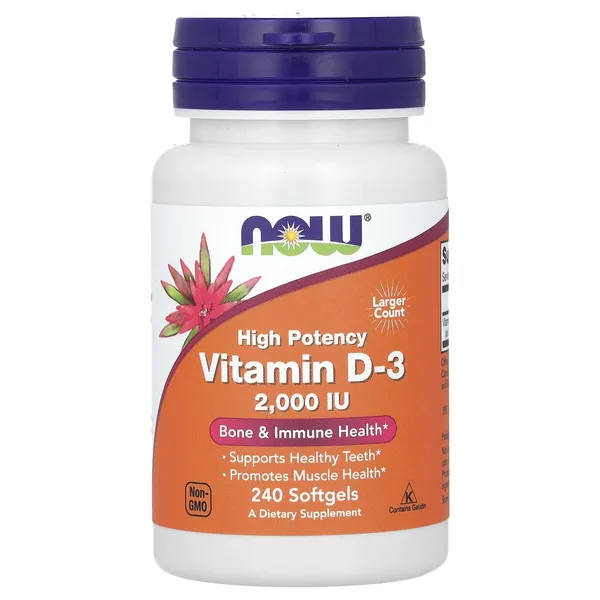
NOW Foods Vitamin D3 2,000 IU (240 Softgels)
87/100 — 240 softgels for under £10. The NHS says every UK adult needs this.
View →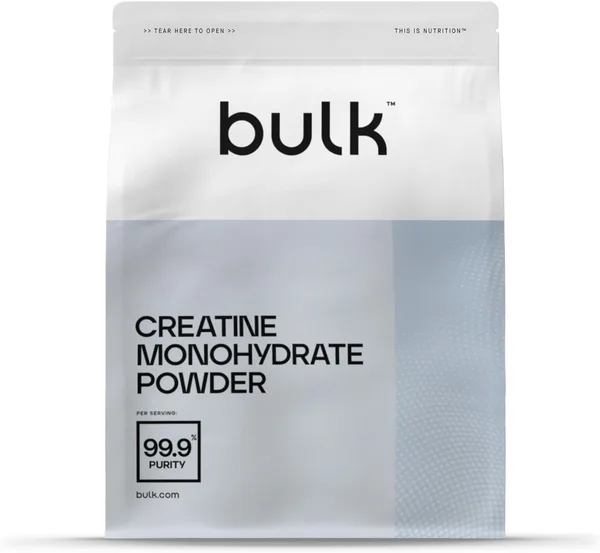
Bulk Creatine Monohydrate (Creapure) 500g
91/100 — the highest score in our entire database. Cognitive and muscle benefits backed by systematic reviews.
View →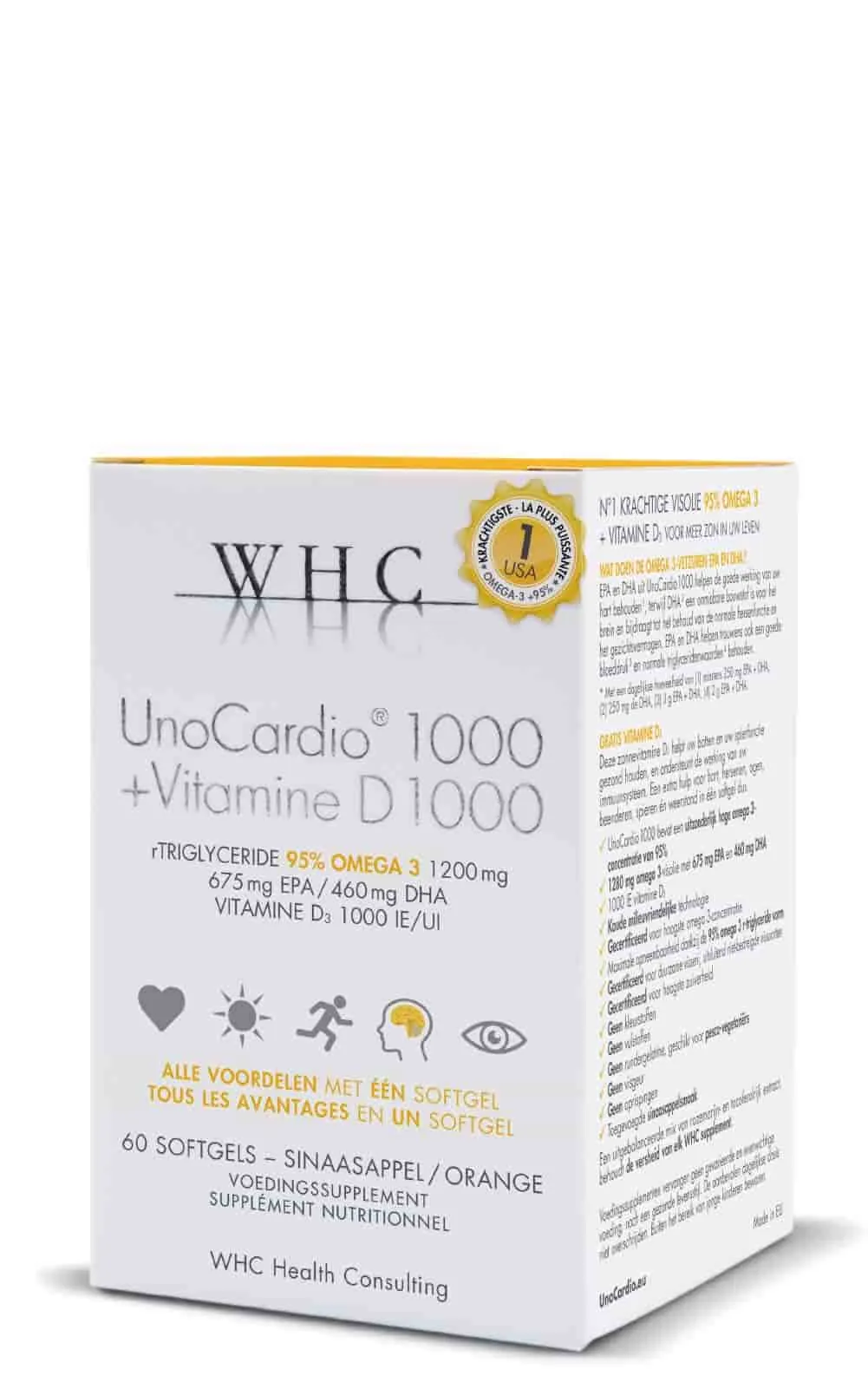
WHC UnoCardio 1000
90/100 — highest-rated omega-3 in our database. Excellent EPA+DHA concentration.
View →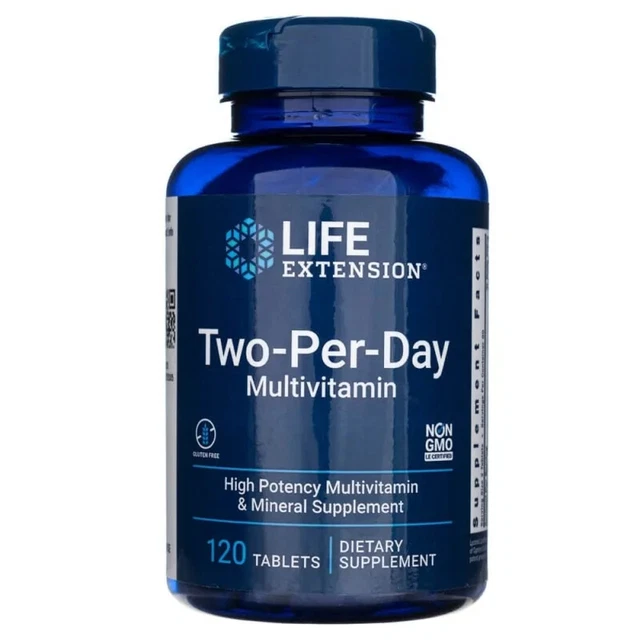
Life Extension Two-Per-Day Multivitamin (120 Tablets)
85/100 — bioactive forms throughout, two-month supply. The insurance policy for dads over 40.
View →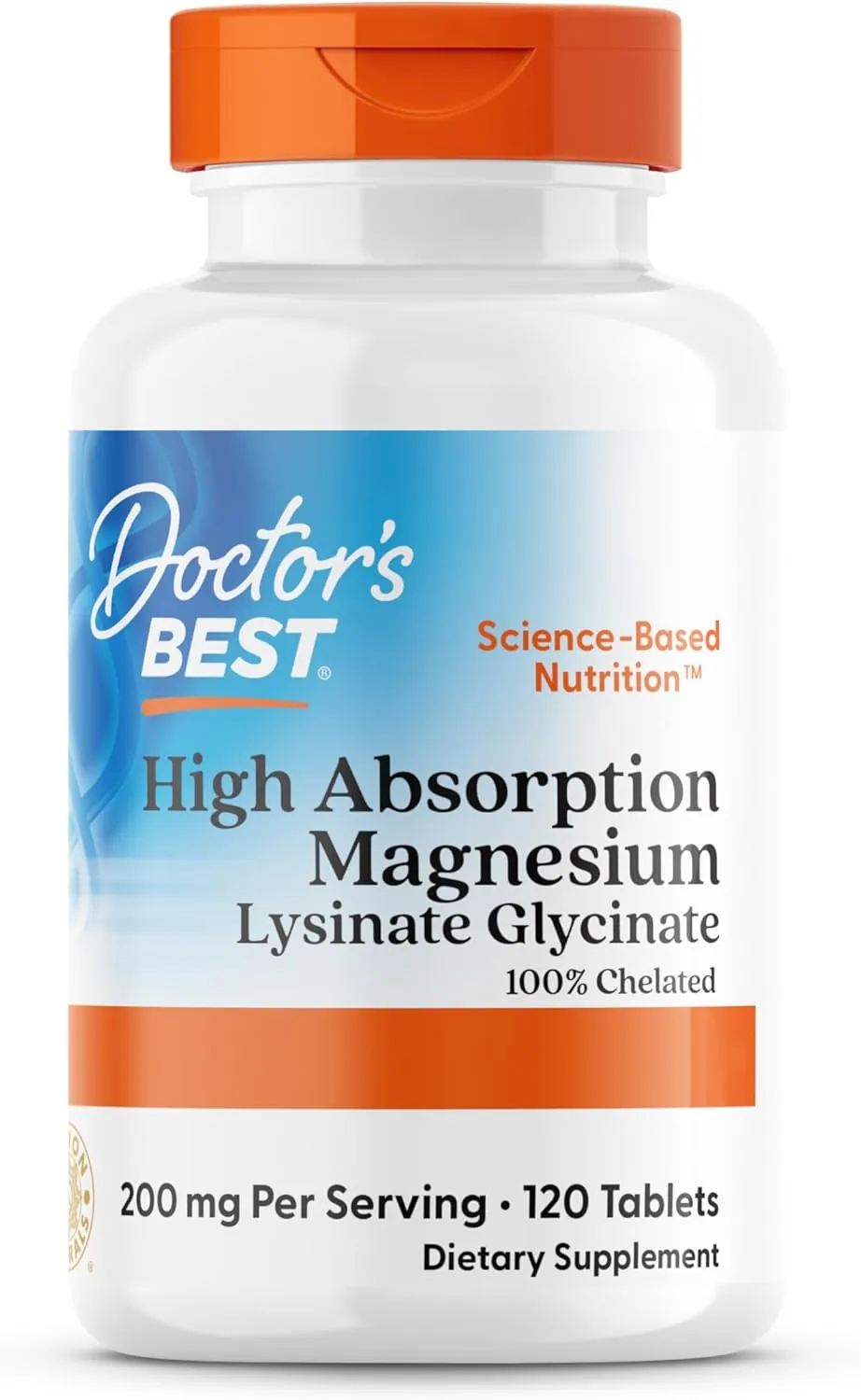
Doctor's Best High Absorption Magnesium 100mg
82/100 — chelated bisglycinate for superior absorption. Most UK men fall short on magnesium.
View →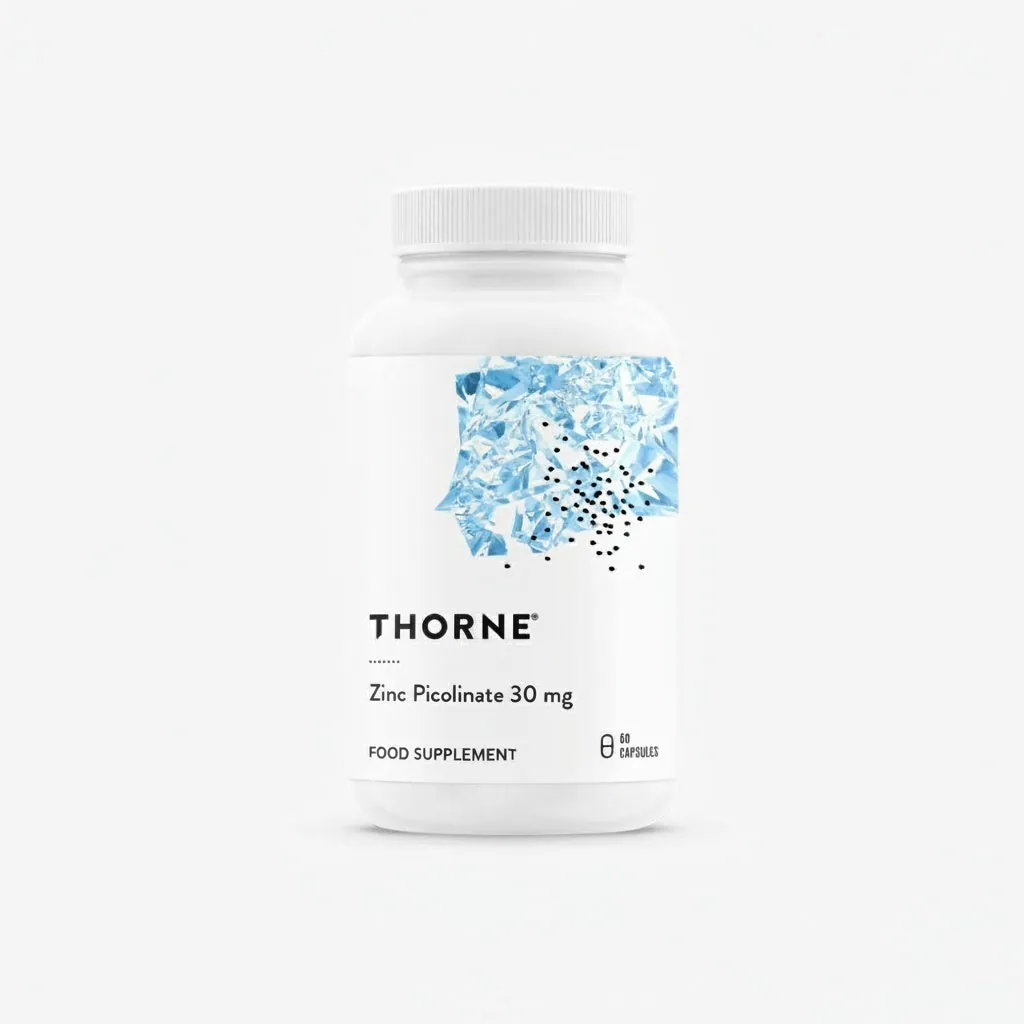
Thorne Zinc Picolinate 22mg
85/100 — premium picolinate form. Supports immune function backed by a 35-RCT meta-analysis.
View →