The Protein Powder Value Index
Price per gram of protein: which UK whey protein gives you the most bang for your buck?
Key Finding
The most expensive protein costs 5.2x more per gram than the cheapest — £0.093/g vs £0.018/g — with no consistent quality advantage.
- Plant Protein Costs 26% More Per Gram
- A 5.2x Gap in Cost Per Gram
- The True Cost of Organic Protein
- Why Plant Protein Looks More Expensive
- How Bulk Undercuts the Entire Market
- Price Does Not Predict Quality
- The Serving Size Distortion
- Diet Formulations Sacrifice Protein Density
- What the Data Means for Consumers
- How This Analysis Was Conducted
Plant Protein Costs 26% More Per Gram
The most counterintuitive finding from our analysis of UK protein powder pricing is that plant-based options cost, on average, more per gram of actual protein than whey — not less. Across 11 products with complete nutritional data, plant proteins averaged £0.054 per gram of protein versus £0.043 for whey, a 26 per cent premium for what many consumers assume to be the budget-friendly alternative.
This matters because the protein powder market is built on a fundamental unit-of-measure confusion. Brands advertise price per kilogram of powder, but a kilogram of powder is not a kilogram of protein. Protein concentration varies significantly across products, and serving sizes range from 25 grams to 40 grams. The only honest comparison metric is price per gram of actual protein delivered — and when that lens is applied to the UK market, the price hierarchy looks nothing like the marketing suggests.
Our analysis examined 189 protein products tracked on AIScored, of which 11 contained sufficient data on protein content per serving to calculate a meaningful cost-per-gram figure. The overall average was £0.049 per gram (median: £0.048), with a range from £0.018 to £0.093 — a 5.2-fold difference between the cheapest and most expensive product in the dataset.
Price per Gram of Protein: Best to Worst Value
A 5.2x Gap in Cost Per Gram
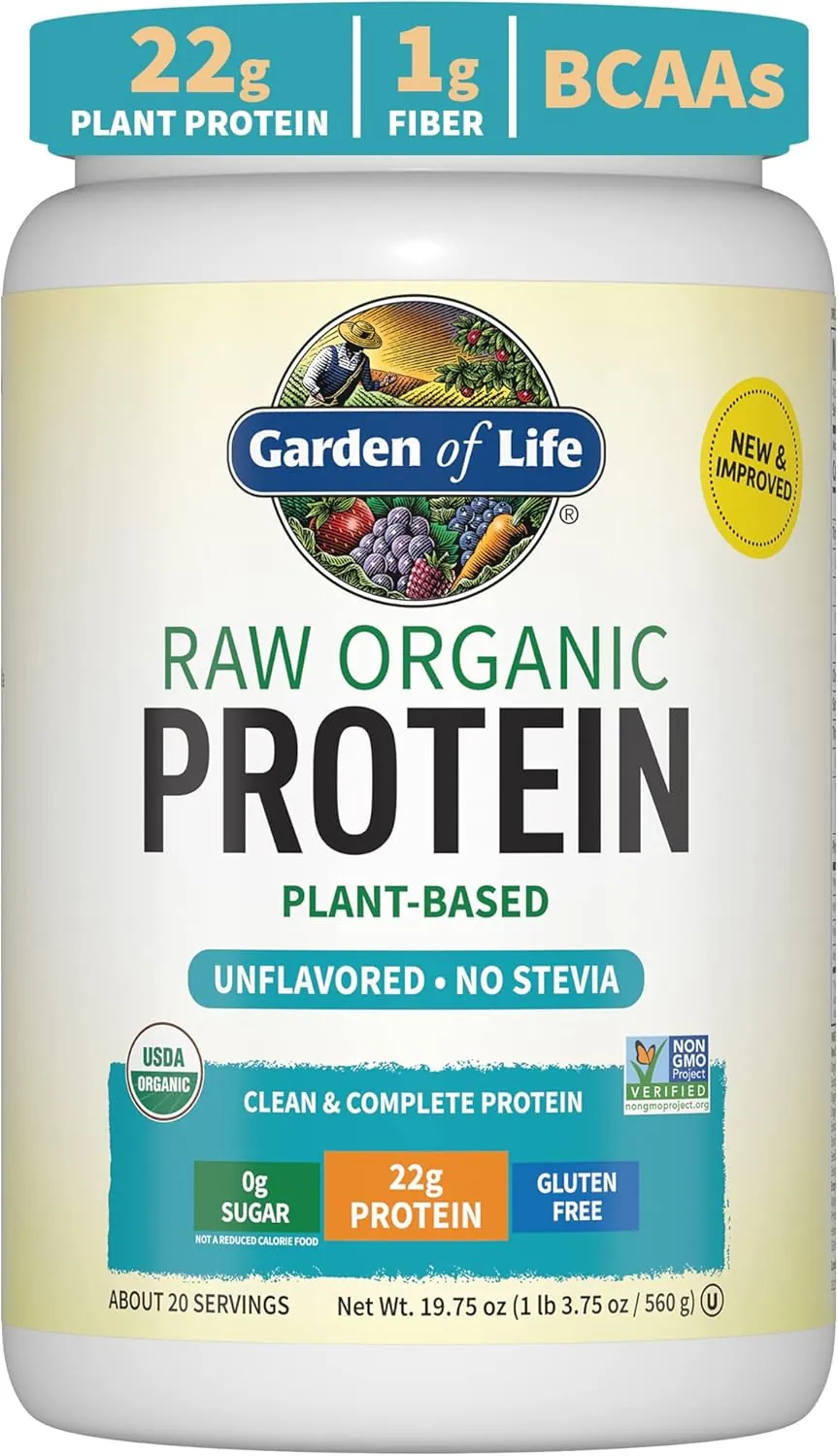
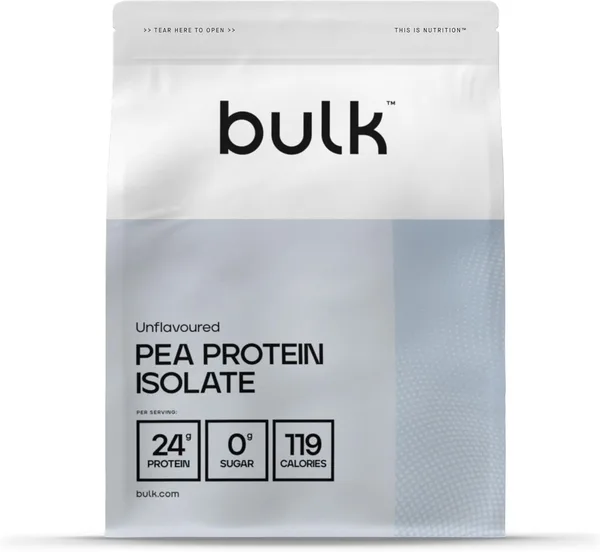
The difference between the best and worst value products in this analysis is not a marginal variation — it is commercially significant for any consumer supplementing consistently. Bulk's Pea Protein Isolate, at £0.018 per gram of protein, sits at the bottom of the cost table. At the opposite extreme, Garden of Life's Raw Organic Protein Unflavoured costs £0.093 per gram — more than five times as much for a broadly comparable quantity of protein per serving.
To put this in practical terms: a consumer aiming to supplement 30 grams of protein per day would spend approximately 54 pence daily on Bulk's pea protein, rising to £2.79 for the Garden of Life equivalent. Over twelve months, that differential compounds to roughly £197 versus £1,018 — a difference of over £820 per year for broadly equivalent protein intake.
The premium at the expensive end is largely attributable to organic certification and premium brand positioning rather than superior protein delivery. Garden of Life provides 22 grams of protein per serving — comparable to the 23–24 grams found in Bulk's mid-range plant and whey products — but at more than double the cost per gram of the dataset average. Whether that premium is justified depends entirely on what the consumer is actually paying for.
| Rank | Product | Brand | Protein/Serving | Price/g | Overall |
|---|---|---|---|---|---|
| 1 | Bulk | 24g | £0.018 | 58/100 | |
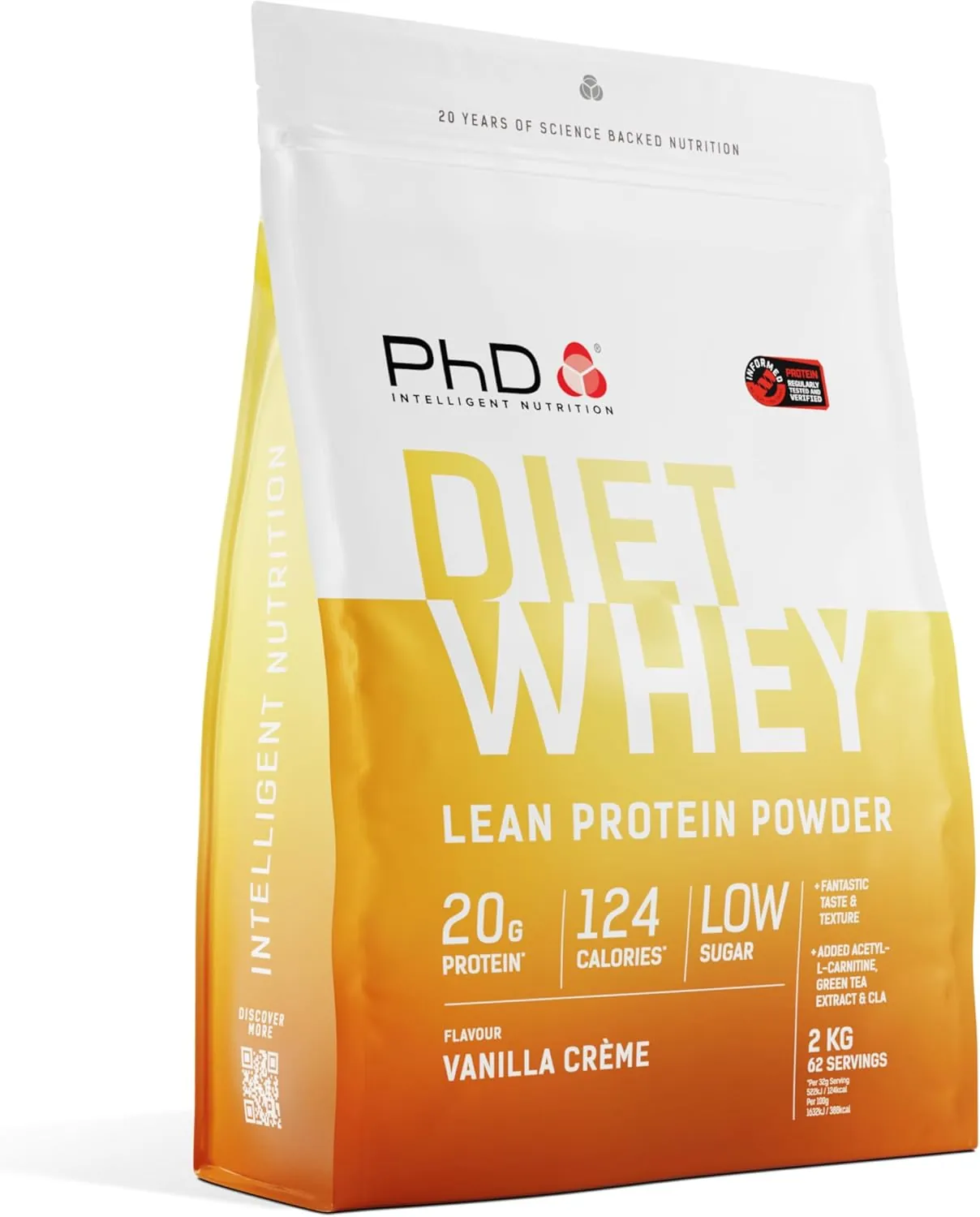
| 2 | PhD Nutrition | 17g | £0.032 | 49/100 | |
| 3 | Bulk | 23g | £0.034 | 60/100 | |
| 4 | Bulk | 24g | £0.042 | 67/100 | |
| 5 | Optimum Nutrition | 24g | £0.043 | 85/100 | |
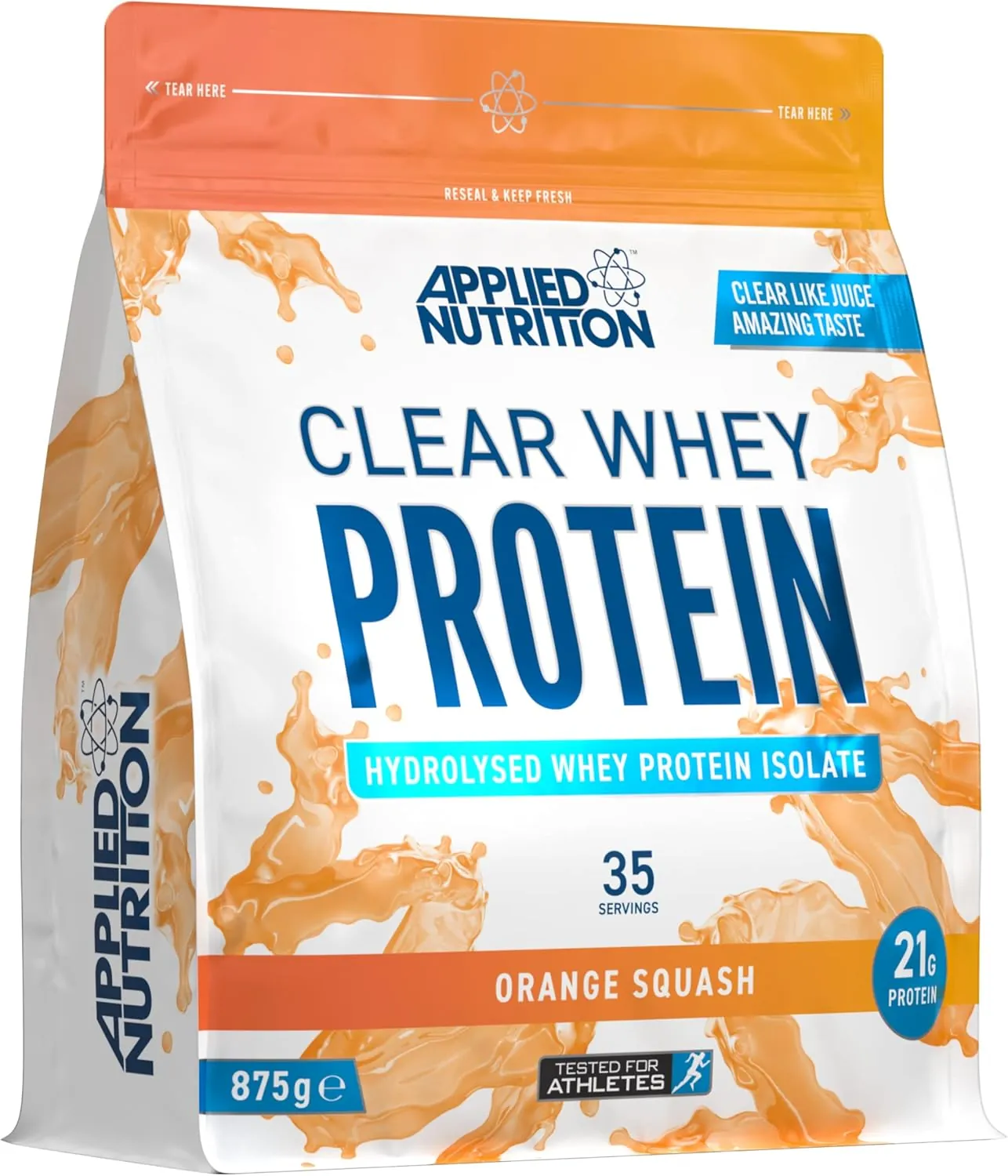
| 6 | Applied Nutrition | 21g | £0.048 | 78/100 | |
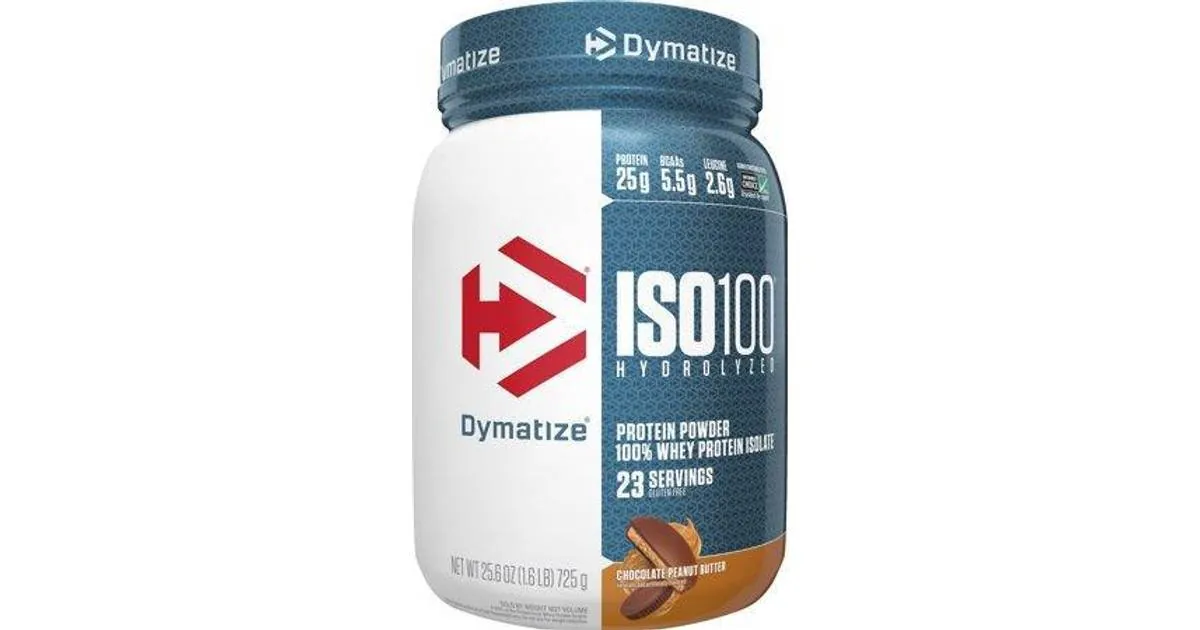
| 7 | Dymatize | 25g | £0.052 | 84/100 | |
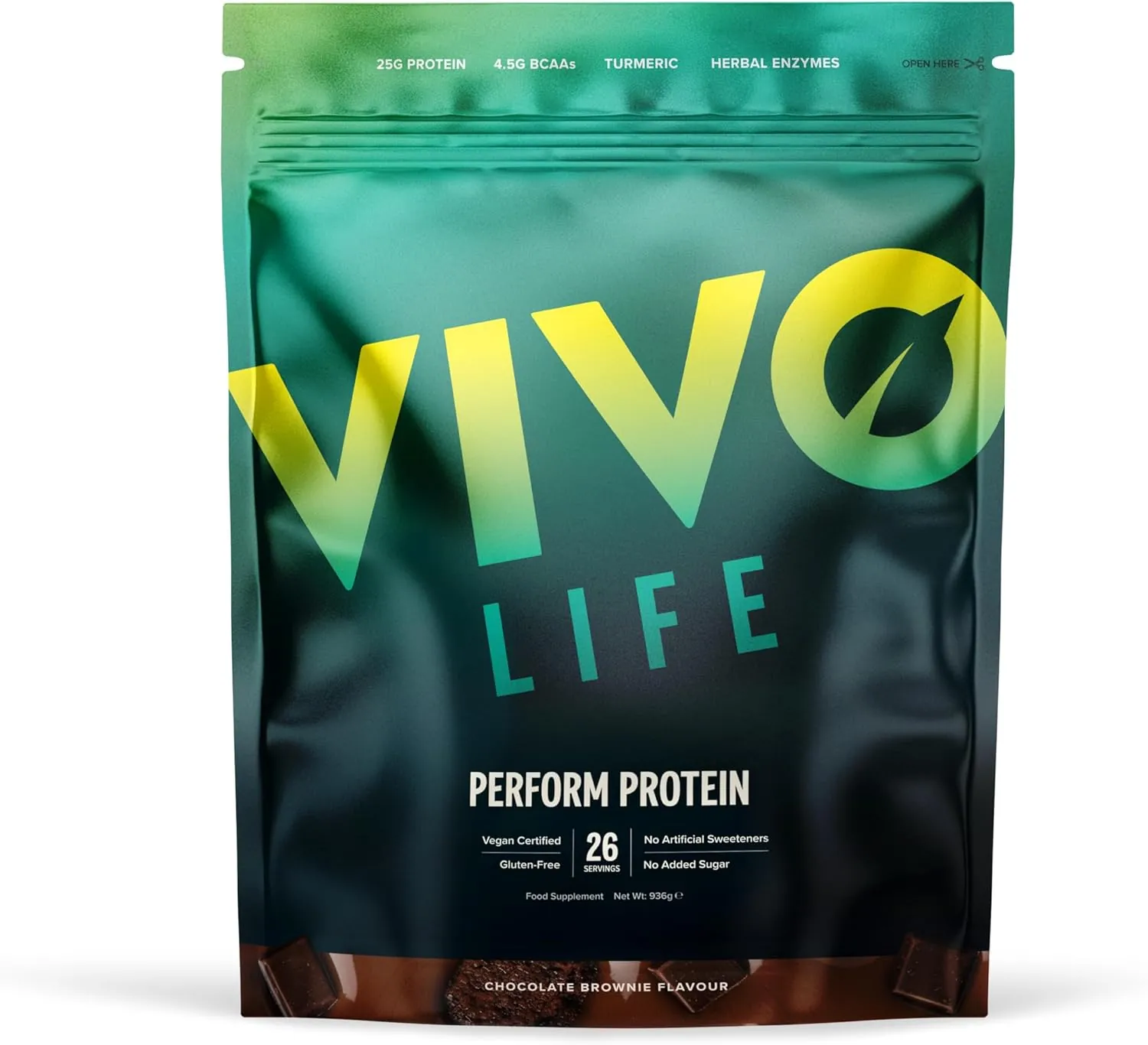
| 8 | Vivo Life | 26g | £0.052 | 76/100 | |
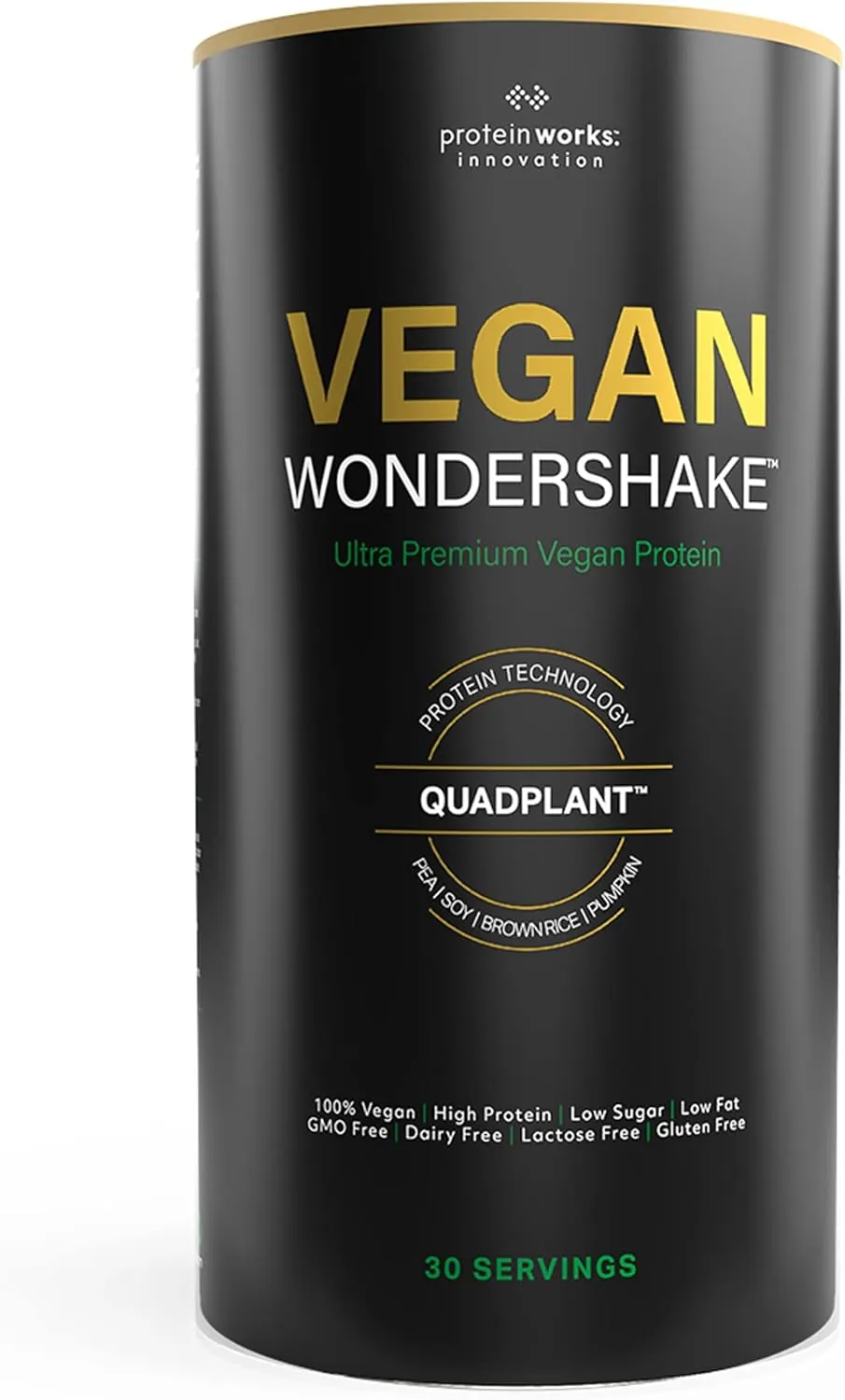
| 9 | The Protein Works | 21g | £0.057 | 72/100 | |
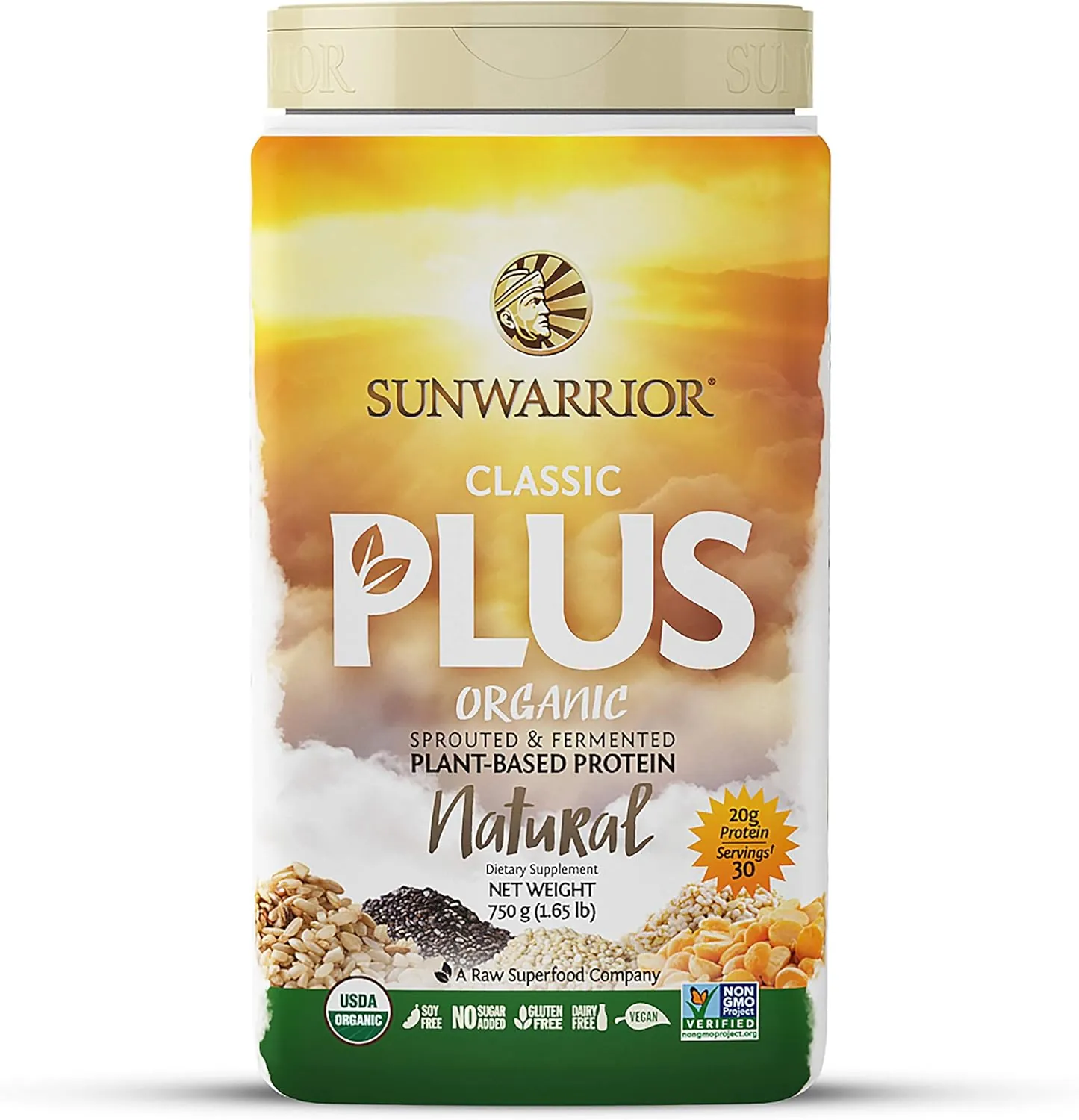
| 10 | Sunwarrior | 18g | £0.070 | 78/100 |
Why Plant Protein Looks More Expensive
The 26 per cent average cost gap between plant and whey protein in this dataset is not inherent to plant-based ingredients; it is driven primarily by premium-positioned organic products at the top of the price range. When the two most expensive plant proteins — Garden of Life (£0.093/g) and Sunwarrior Classic Plus (£0.070/g) — are removed from the plant protein group, the gap between categories narrows substantially.
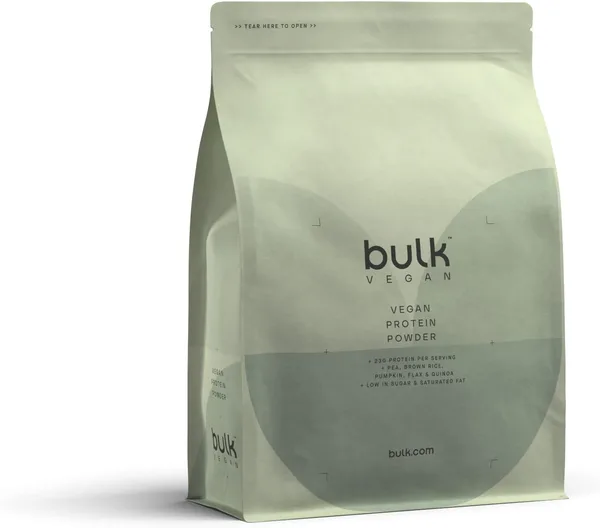
The budget-oriented plant proteins tell a markedly different story. Bulk's Pea Protein Isolate (£0.018/g) and Vegan Protein Powder (£0.034/g) are both cheaper than all but one whey product in the dataset. Vivo Life Perform Plant Protein at £0.052 per gram sits at precisely the same cost as Dymatize ISO100 Hydrolyzed Whey Isolate, also at £0.052. The Protein Works Vegan Wondershake at £0.057 per gram falls only marginally above the whey category average of £0.043.
This analysis suggests that the plant protein premium is a brand positioning choice rather than a cost-of-goods reality. Organic certification, sustainable sourcing messaging, and premium packaging command significant price uplifts in this category. Consumers who are not specifically seeking organic credentials can access plant-based protein at costs that are competitive with — or cheaper than — conventional whey alternatives. The category average masks a bifurcated market: budget plant options are genuinely cheap, while organic brands inflate the mean considerably.
Price per Gram vs Overall Quality Score
How Bulk Undercuts the Entire Market
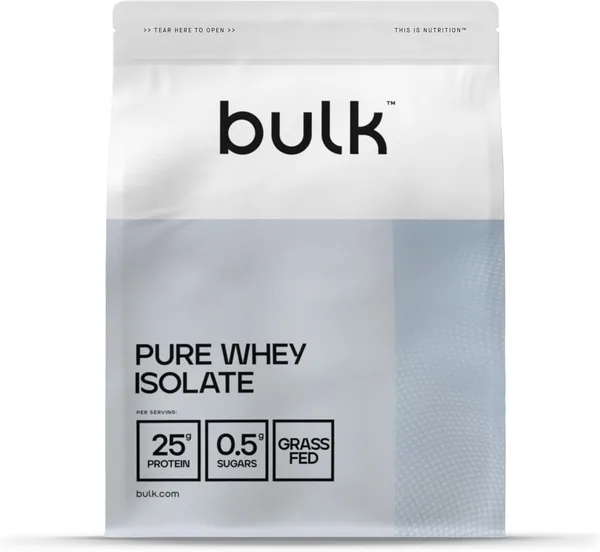
Bulk is the only brand to appear three times in the top five best-value products, and their pricing strategy represents the most aggressive value positioning in the UK protein market. Their Pea Protein Isolate leads the entire analysis at £0.018 per gram, followed by their Vegan Protein Powder at £0.034 and Pure Whey Protein Isolate at £0.042. Across these three products, Bulk's average cost per gram of protein is £0.031 — 37 per cent below the overall dataset average of £0.049.
The brand's formula is transparently volume-led: large pack sizes (1 kilogram as standard), minimal flavour complexity in baseline products, and direct-to-consumer distribution that removes retailer margin. Their Pea Protein Isolate's £0.018 figure stands out in particular — it is 2.7 times cheaper than the dataset average and nearly 5.2 times cheaper than the most expensive product analysed.
However, value leadership comes with measured trade-offs. Bulk's products score between 58 and 67 out of 100 on the AIScored quality index — adequate but not exceptional ratings. The products function as intended but lack the ingredient sophistication, third-party certification, or sourcing transparency that commands higher scores. For consumers whose primary objective is cost-efficient protein intake, Bulk represents a clear market leader. For those seeking the most refined nutritional profile, the value-quality frontier points elsewhere.
| Rank | Product | Brand | Protein/Serving | Price/g | Overall |
|---|---|---|---|---|---|
| 1 | Garden of Life | 22g | £0.093 | 77/100 | |
| 2 | Sunwarrior | 18g | £0.070 | 78/100 | |
| 3 | The Protein Works | 21g | £0.057 | 72/100 | |
| 4 | Vivo Life | 26g | £0.052 | 76/100 | |
| 5 | Dymatize | 25g | £0.052 | 84/100 | |
| 6 | Applied Nutrition | 21g | £0.048 | 78/100 | |
| 7 | Optimum Nutrition | 24g | £0.043 | 85/100 | |
| 8 | Bulk | 24g | £0.042 | 67/100 | |
| 9 | Bulk | 23g | £0.034 | 60/100 | |
| 10 | PhD Nutrition | 17g | £0.032 | 49/100 |
Price Does Not Predict Quality
The most commercially significant finding in this analysis is the near-complete absence of a positive correlation between cost per gram and quality score. The highest-scoring product in the dataset — Optimum Nutrition Gold Standard 100% Whey — achieves 85 out of 100 and costs £0.043 per gram, fractionally below the overall average. The second highest scorer, Dymatize ISO100 Hydrolyzed Whey Protein Isolate, achieves 84 out of 100 at £0.052 per gram.
Meanwhile, the most expensive product — Garden of Life's Raw Organic Protein at £0.093 per gram — scores 77 out of 100, a full ten points below Optimum Nutrition Gold Standard despite costing more than double. Sunwarrior Classic Plus, the second most expensive at £0.070 per gram, scores 78 — also below both higher-rated whey products available at lower price points.
This inversion is consistent across the dataset. If price per gram reliably predicted quality, the value rankings and quality score rankings would be broadly aligned. They are not. Optimum Nutrition's Gold Standard has been the benchmark product in its category for over a decade — extensively reviewed, consistently formulated, and widely distributed — yet it sits below the dataset average on cost. This represents the market efficiency of an established category leader: reputation built on consistent quality, without exploiting that reputation for maximum price extraction.
The practical implication for UK consumers is direct: spending more does not reliably purchase better protein. The two highest-quality products in this dataset cost less per gram than all four of the organic alternatives that dominate the expensive end of the range.
The Serving Size Distortion
One underappreciated variable in protein supplement pricing is the protein concentration within each serving — a figure that varies significantly across the products analysed. The lowest-concentration product is PhD Nutrition's Diet Whey, delivering only 17 grams of protein per serving. At the upper end, Dymatize ISO100 provides 25 grams per serving and Bulk's Pea Protein Isolate delivers 24 grams — up to 47 per cent more protein per scoop than PhD's diet formulation for what appears, on pack, to be a similar product category.
PhD Diet Whey illustrates the danger of evaluating protein supplements without scrutinising protein content per serving. At £0.032 per gram of protein, it appears to be among the better-value options in the dataset — second cheapest by this metric. But it is a formulation designed for calorie control rather than protein optimisation, and it carries the lowest quality score in the dataset at 49 out of 100, indicating that its trade-offs extend beyond simply reduced protein density.
More broadly, serving size variation means that front-of-pack protein claims can mislead without being technically inaccurate. A product claiming 21 grams of protein per serving could be using a 35-gram scoop at 60 per cent concentration, while a competitor achieves the same headline figure from a 25-gram scoop at 84 per cent concentration. The two products are nutritionally and economically distinct despite identical front-of-pack numbers. Price per gram of actual protein — not price per kilogram of powder — is the only metric that normalises these differences effectively.
Diet Formulations Sacrifice Protein Density
PhD Diet Whey delivers only 17g of protein per serving — the lowest in the dataset — and scores 49 out of 100, the weakest quality rating among all products analysed. Products marketed as 'diet' or 'lean' protein typically sacrifice protein concentration in favour of calorie reduction. Before selecting a diet-positioned powder, confirm the protein-per-serving figure and ensure any price-per-gram calculation reflects actual protein delivered rather than powder weight.
What the Data Means for Consumers
For UK consumers shopping in a highly competitive protein powder market with significant price variation, the data from this analysis points to a few practical conclusions.
Optimum Nutrition Gold Standard represents the clearest value-quality anchor in this dataset. At £0.043 per gram of protein with a quality score of 85 out of 100, it delivers the best combination of assessed quality and cost efficiency among the 11 products analysed. It is not the cheapest option — that remains Bulk's pea protein at £0.018 per gram — but it consistently outperforms both cheaper and more expensive alternatives on composite quality metrics. For most consumers, it occupies the efficient frontier of the value-quality trade-off.
Organic premiums demand careful interrogation. The two most expensive products in this analysis, Garden of Life (£0.093/g) and Sunwarrior Classic Plus (£0.070/g), both carry organic certification. Their quality scores of 77 and 78 respectively do not justify a substantial price premium over non-organic alternatives scoring 84 and 85. Whether organic certification is worth a 5-fold cost increase is a personal values question, but the nutritional evidence in this dataset does not support the premise that organic protein powders are superior products.
Bulk's pricing genuinely disrupts conventional market expectations. Their pea protein isolate at £0.018 per gram is not a compromised product — it scores 58 out of 100 — but it is a stripped-back one, with minimal flavour variety and no added micronutrients. Consumers whose primary goal is economical protein intake and who are indifferent to formulation sophistication have a clear market-leading option. For those seeking flavour variety, digestive enzymes, or third-party quality certifications, the non-organic middle ground at £0.042–0.052 per gram offers strong alternatives without the organic price premium.
How This Analysis Was Conducted
Price per gram of protein was calculated from 11 of 189 protein products in the AIScored database that contained complete and parseable nutritional data as of March 2026. Protein content per gram of powder was derived by dividing the listed protein per serving by the serving size in grams; total protein content per product was then calculated, and the retail price divided by total protein content to produce the cost-per-gram figure. Prices reflect listed retail prices, predominantly from Amazon UK at time of data collection.
Quality scores are composite ratings produced by AIScored's analytical framework, assessing products across dimensions including effectiveness, ingredient quality, and verified consumer experience.
The sample of 11 products represents a significant limitation of this analysis. Of 189 protein products tracked, the majority did not contain machine-parseable serving size and protein-per-serving data in a standardised format at time of extraction, meaning findings should be treated as directional rather than statistically representative of the full UK protein supplement market. Products in the sample span whey protein concentrates, whey isolates, hydrolysed whey, pea protein isolates, and blended plant protein formulas. Direct comparisons between protein types should account for differences in amino acid profiles, digestibility coefficients, and intended use cases that a price-per-gram metric alone cannot capture.
Our Top Picks
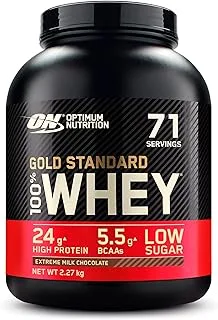
Optimum Nutrition Gold Standard 100% Whey Protein 2.27kg
85.0/100 score at £0.043/g
View →