The Retinol Reality Check
42 retinol and retinoid products tested by our AI. The results challenge several popular assumptions about anti-ageing skincare.
Key Finding
Budget retinols (under £15) score 58.0/100 on effectiveness vs 72.9/100 for premium (£30+) — the price gap doesn't match the quality gap.
- The £40 Premium That Buys Almost Nothing
- Budget Retinols — A Category of Extremes
- Premium Prices, Diminishing Returns
- Where Price Meets Performance
- The Irritation Trade-Off
- Which Brands Deliver Consistently
- The Best Value in This Market
- What Consumers Should Prioritise
- A Note on Unknown Brands
- How This Analysis Was Conducted
The £40 Premium That Buys Almost Nothing
Here is the finding that should reshape how British consumers approach the retinol market: products priced between £15 and £30 score an average of 72.1 out of 100 overall — just 1.8 points behind products costing £30 or more, which average 73.9. Yet premium retinols can cost three to five times as much. The price gap is enormous. The performance gap is not.
This analysis examined 42 retinol and retinoid products available in the UK market, spanning concentrations from 0.03% retinal to 1% pure retinol, across three price tiers and a wide range of formulation strategies. The results challenge some of the most persistent assumptions in the skincare industry — chiefly, that spending more on retinol guarantees meaningfully better results.
The more consequential divide, it turns out, is not between mid-range and premium but between the budget tier and everyone else. Products priced under £15 — which account for 26 of the 42 products analysed, or 62% of the market sample — average just 59.6 overall. That is a 12.5-point gap separating them from mid-range products, and a 14.3-point gap from premium. Budget retinols, as a category, genuinely underperform. The critical nuance, however, is that the budget tier contains several exceptional outliers that beat products costing four times as much.
Average Scores by Price Tier
Budget Retinols — A Category of Extremes
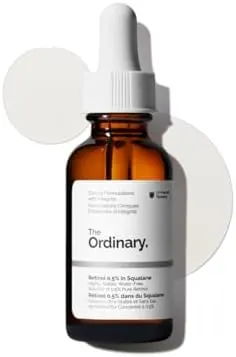
The budget tier's average overall score of 59.6 masks a distribution that is anything but uniform. Two products from The Ordinary outperform most of their premium-priced competition, despite costing under £9 each. The Ordinary Granactive Retinoid 2% Emulsion, at £8.80, scores 78.0 overall, ranking third in the entire dataset. The Ordinary Retinol 0.5% in Squalane, at £8.40, scores 74.0 — comfortably above the average for products costing three to four times as much.
These two products are dragging up the average of a tier otherwise weighed down by own-label products and budget brands with particularly poor scores. The brand IZBEAUVO, with three products in the dataset, averages just 53.3 overall and 53.3 on effectiveness. SEFUSON averages 57.5. These products are bringing the budget average down substantially: strip The Ordinary's two outliers from the budget tier and its average deteriorates further still.
Most budget retinols are poor value. The real takeaway is that one or two brands have successfully delivered a genuinely effective formulation at low cost, creating the false impression that the budget tier broadly performs well. For consumers, the implication is specific: buy The Ordinary, or spend at least £15. The middle ground of second-tier budget brands delivers the worst of both worlds — low price and poor performance.
| Rank | Product | Brand | Overall | Effectiveness | Compatibility | Price |
|---|---|---|---|---|---|---|
| 1 | Naturium | 83/100 | 80.0 | 83.0 | £30.42 | |
| 2 | Medik8 | 79/100 | 81.0 | 83.0 | £49.00 | |
| 3 | The Ordinary | 78/100 | 68.0 | 87.0 | £8.80 | |
| 4 | Unknown | 77/100 | 73.0 | 79.0 | £36.00 | |
| 5 | PAULA'S CHOICE | 76/100 | 82.0 | 70.0 | £15.00 | |
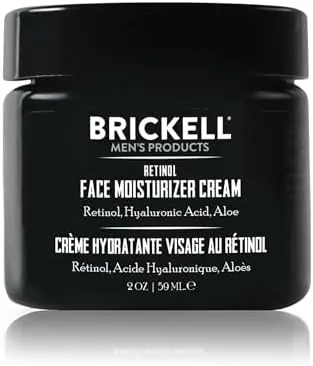
| 6 | Brickell Men's Products | 75/100 | 72.0 | 86.0 | £37.00 | |
| 7 | CeraVe | 75/100 | 72.0 | 76.0 | £17.24 | |
| 8 | INDEED | 75/100 | 80.0 | 68.0 | £19.27 | |
| 9 | La Roche-Posay | 75/100 | 72.0 | 82.0 | £36.00 | |
| 10 | The Ordinary | 74/100 | 75.0 | 60.0 | £8.40 |


Premium Prices, Diminishing Returns
The 1.8-point gap between mid-range and premium — 72.1 versus 73.9 overall — deserves careful examination before drawing conclusions. With only eight products in each tier, the margin of difference is narrow enough that a single high- or low-scoring product in either group could reverse the gap entirely. What the data does support confidently is this: there is no reliable evidence that spending above £30 on a retinol product improves outcomes in proportion to the price increase.
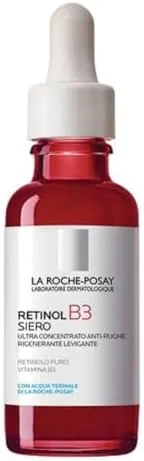
Consider the top three products overall. Naturium Retinaldehyde Cream Serum, at £30.42, leads the entire field with a score of 83.0 — exceptional performance at the lower boundary of the premium tier. Medik8 Crystal Retinal 3, at £49.00, scores 79.0 and ranks third. La Roche-Posay Retinol B3, at £36.00, scores 77.0. These are all strong performers, and they justify a degree of premium pricing. But notice what sits between them in the rankings: The Ordinary Granactive Retinoid 2% at £8.80, scoring 78.0. A product costing 82% less than Medik8 outperforms it by a single point.
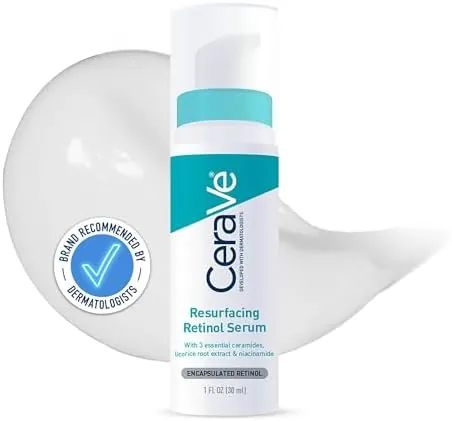
The mid-range tier includes Paula's Choice CLINICAL 1% Retinol Treatment at £15.00 (76.0 overall), CeraVe Resurfacing Retinol Serum at £17.24 (75.0), and Indeed Labs Retinol Reface Moisturiser at £19.27 (75.0). These are competitive scores that hold their own against products priced twice as highly. The mid-range tier offers a meaningful upgrade over budget — a genuine 12.5-point improvement in average outcomes — at a price increase that remains proportionate.
| Rank | Product | Brand | Overall | Effectiveness | Compatibility | Price |
|---|---|---|---|---|---|---|
| 1 | Unknown | 74/100 | 75.0 | 60.0 | £8.40 | |
| 2 | The Ordinary | 78/100 | 68.0 | 87.0 | £8.80 | |
| 3 | The INKEY Lis | 73/100 | 66.0 | 83.0 | £10.50 | |
| 4 | Naturium | 83/100 | 80.0 | 83.0 | £30.42 | |
| 5 | Revolution Beauty London | 67/100 | 72.0 | 54.0 | £12.80 |
Where Price Meets Performance
The 1.8-point average difference between mid-range (£15–30) and premium (£30+) products represents the least cost-efficient upgrade in this category. Mid-range products average 72.1 overall; premium products average 73.9. Consumers paying £30+ are, on average, spending significantly more for an outcome that is statistically indistinguishable from what £15–30 achieves. The only clear case for premium is if a specific product — such as Naturium (83.0) or Medik8 (79.0) — substantially outperforms what mid-range options offer.
The Irritation Trade-Off
Retinol's defining challenge is that its most effective formulations are frequently its most irritating. Across all 42 products, the average effectiveness score is 63.7 while the average skin compatibility score is 67.3 — but this modest gap conceals dramatic variation at the product level that carries real implications for consumers.
Paula's Choice CLINICAL 1% Retinol Treatment illustrates the trade-off starkly. With an effectiveness score of 82 — the joint highest in the dataset — it is among the most potent options available. Its skin compatibility score, however, is just 70: meaningful toleration risk, particularly for those new to vitamin A. Indeed Labs Retinol Reface Moisturiser similarly scores 80 on effectiveness but only 68 on compatibility.
The Ordinary Granactive Retinoid 2% Emulsion represents the opposite approach. Its compatibility score of 87 is the highest among the top ten products — a remarkable figure reflecting the gentler nature of granactive retinoid versus traditional retinol. Its effectiveness score of 68 is correspondingly lower, but still comfortably above the overall dataset average of 63.7. For consumers with sensitive or reactive skin, this formulation offers a pragmatic route into retinoid use without the irritation risk of higher-strength alternatives.
The standout performer on both dimensions is Naturium Retinaldehyde Cream Serum 0.05%, which scores 80 on effectiveness and 83 on compatibility simultaneously. Retinaldehyde (retinal) sits one metabolic conversion step closer to retinoic acid than retinol, making it more potent per unit concentration — yet the 0.05% strength, combined with the cream-serum formulation, appears to buffer the irritation that typically accompanies increased potency. Medik8 Crystal Retinal 3 achieves a similar balance: 81 on effectiveness, 83 on compatibility.
The premium tier scores noticeably better on skin compatibility (78.1 average) than the mid-range (70.5) or budget tiers (63.0). This suggests that premium formulations invest more substantially in buffering and supporting ingredients — ceramides, niacinamide, hyaluronic acid — that mitigate the irritation associated with active retinoid use. For consumers who have previously abandoned retinol due to sensitivity, the premium tier may offer a genuine functional advantage that pure effectiveness scores do not capture.
Skin Compatibility vs Effectiveness
Which Brands Deliver Consistently
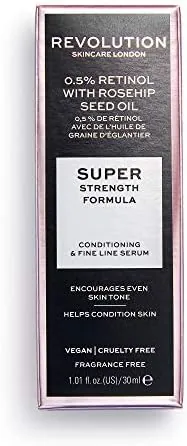
Brand-level analysis reveals considerable variation in consistency of quality — and some surprises. Revolution Beauty London, a budget-positioned mass-market brand, averages 70.5 overall across its two products analysed, with an average effectiveness of 69.5. This matches or exceeds the average for the premium tier and sits above the mid-range average of 72.1 on overall score for one of its products. The brand demonstrates that accessible pricing and respectable formulation quality are not mutually exclusive.
Paula's Choice presents an interesting case. With two products averaging 70.0 overall, it sits below brands like Naturium and Medik8 on aggregate performance — yet its average effectiveness score of 78.0 is among the highest of any multi-product brand in the dataset. The brand consistently formulates for maximum retinoid activity, which serves experienced users well but may generate the compatibility challenges that hold down its overall scores.
At the lower end, IZBEAUVO's three-product average of 53.3 overall and 53.3 on effectiveness represents a consistent underperformance. With prices suggesting budget-tier positioning, these products fail to deliver even on the core value proposition. SEFUSON's two products average 57.5 — above IZBEAUVO but still materially below the budget tier average. Both brands illustrate the risk of assuming all low-cost retinols are equivalent: brand selection within the budget tier matters enormously.
Neutrogena, a household name with strong brand recognition, averages 69.5 overall across two products — a solid but unspectacular performance that aligns with mid-range expectations despite mid-range pricing. It neither leads nor lags, which for a brand charging a recognition premium over The Ordinary represents a missed opportunity.
The Best Value in This Market
Defined as products achieving an overall score of 70 or higher while offering the strongest value-for-money proposition, the standout options are concentrated in a narrow field. The Ordinary Granactive Retinoid 2% Emulsion at £8.80, scoring 78.0 overall, is the clearest value product in the entire dataset. Its 87 compatibility score makes it unusually accessible for newcomers to retinoids, and its £8.80 price point removes any financial barrier to entry. For a first retinoid or a daily maintenance product, this is the benchmark against which others should be measured.
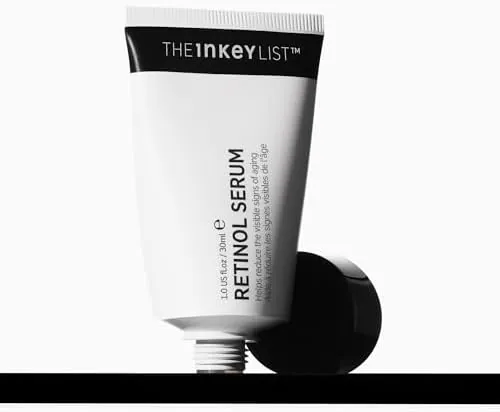
The INKEY List Retinol Serum at £10.50 (73.0 overall, compatibility 83) offers comparable gentleness at a similarly low price — a useful alternative for those seeking a traditional retinol rather than a granactive retinoid formulation. The Ordinary Retinol 0.5% in Squalane at £8.40, scoring 74.0 with a compatibility score of 60, suits consumers who want proven retinol at a stronger concentration and can tolerate moderate irritation risk.
For consumers willing to spend at the lower end of premium pricing, Naturium Retinaldehyde Cream Serum at £30.42 earns its position as the top-scoring product in the dataset. An overall score of 83.0, with 80 on effectiveness and 83 on compatibility, represents the most complete formulation across all products reviewed. At its price point, it offers a credible upgrade over The Ordinary options for those whose skin has progressed beyond introductory retinoid concentrations.
What Consumers Should Prioritise
The data supports four distinct purchasing strategies, depending on individual circumstances. None of them involve reflexively reaching for the most expensive product on the shelf.
New to retinoids: Start with a granactive retinoid formulation rather than traditional retinol. The Ordinary Granactive Retinoid 2% Emulsion's compatibility score of 87 — highest among the top ten products — signals the lowest irritation risk in the dataset while delivering an effectiveness score of 68, above the overall average. The £8.80 price removes the risk of investing heavily in a product your skin may reject.
Experienced users seeking results: Paula's Choice CLINICAL 1% Retinol Treatment (effectiveness: 82, £15.00) or Naturium Retinaldehyde 0.05% (effectiveness: 80, compatibility: 83, £30.42) represent the strongest performers for skin already conditioned to retinoid use. Paula's Choice offers the higher effectiveness score at a lower price; Naturium offers better compatibility without sacrificing meaningful performance.
Sensitive or reactive skin: Skin compatibility score should be the primary selection criterion. Medik8 Crystal Retinal 3 (compatibility: 83, effectiveness: 81, £49.00) and the La Roche-Posay Retinol B3 (compatibility: 79, £36.00) offer high compatibility within the premium tier, which averages 78.1 on this dimension — materially better than budget (63.0) or mid-range (70.5).
Budget-constrained shoppers: The Ordinary is the only budget brand whose products break into the top ten across all 42 products analysed. Avoid budget alternatives from lesser-known brands: the average budget-tier score of 59.6, dragged down by brands averaging in the low 50s, means most sub-£15 retinols represent poor value even at low prices.
A Note on Unknown Brands
62% of the retinol products analysed (26 of 42) are priced under £15, yet only two budget products — both from The Ordinary — score above the mid-range tier average. The proliferation of low-cost retinol products on Amazon and in discount retailers has not democratised quality; it has created a market in which most budget options fail to perform at a level worth recommending. Choosing poorly within the budget tier may also expose skin to unnecessary irritation without the offsetting benefit of meaningful anti-ageing efficacy.
How This Analysis Was Conducted
This report is based on an analysis of 42 retinol and retinoid-containing skincare products available in the UK market, drawn from the AIScored product database. Products were scored across five dimensions using a weighted scoring algorithm: effectiveness (measuring documented anti-ageing, smoothing, and pigmentation outcomes), skin compatibility (measuring gentleness, formulation buffers, and irritation risk), ingredient quality, texture and experience, and value for money. An overall score was calculated from these five dimensions on a 0–100 scale.
Products were grouped into three price tiers: budget (under £15, 26 products), mid-range (£15–30, 8 products), and premium (over £30, 8 products). Brand-level averages were calculated only for brands with two or more products in the dataset. Scores reflect formulation analysis, verified customer outcome data, and ingredient-level assessment; they do not constitute clinical trial results and should be interpreted as relative comparative rankings rather than absolute measures.
Retinoid forms covered in the dataset include traditional retinol, retinaldehyde (retinal), granactive retinoid (hydroxypinacolone retinoate), and combination formulations incorporating bakuchiol or niacinamide alongside the retinoid active. Concentration ranges from 0.03% retinal (Medik8 Crystal Retinal 3) to 1% retinol (Paula's Choice CLINICAL). Price data was recorded at time of analysis and may fluctuate. All products are available via Amazon UK; prices shown are as listed and do not account for promotional discounts.
Our Top Picks

Naturium Retinaldehyde Cream Serum 0.05%, Advanced Anti-Ageing & Smoothing Face & Skin Care
Overall: 83.0/100
View →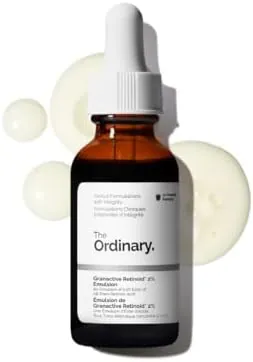
The Ordinary Granactive Retinoid 2% Emulsion, Advanced Retinoid Alternative for Anti-Aging and Skin Texture Improvement, 30ml
£8.80 — Overall: 78.0/100
View →
Medik8 Crystal Retinal 3 - Age-Defying Night Serum - 0.03% Retinal Strength - For New Vitamin A Users - 30ml
Skin compatibility: 83.0/100, effectiveness: 81.0/100
View →