Side Effects: The Silent Score
Which supplement categories have the worst side effect profiles — and is there a trade-off with effectiveness?
Key Finding
Pre-Workout & Performance has the worst average side effect score at 65.7/100. Only 226 out of 781 supplements score above 75 on both effectiveness and safety.
The Score UK Shoppers Ignore
When British consumers evaluate supplements, they tend to check price, star ratings, and perhaps an ingredient list. Side effects — the single metric most likely to cause them direct harm — rarely appear on product listings and almost never influence a purchase. That omission, this analysis suggests, carries a measurable cost.
Across 781 UK supplements spanning 28 categories, a composite side-effects safety score reveals a 20-point gulf between the riskiest and safest product types. Pre-workout and performance supplements — one of the UK's fastest-growing supplement segments — average just 65.7 out of 100 on the index, where a higher score indicates fewer and milder adverse effects. Vitamin D products, which clinical guidance suggests most Britons actually need given the country's latitude and light levels, average 85.7: not only safer but simultaneously more effective.
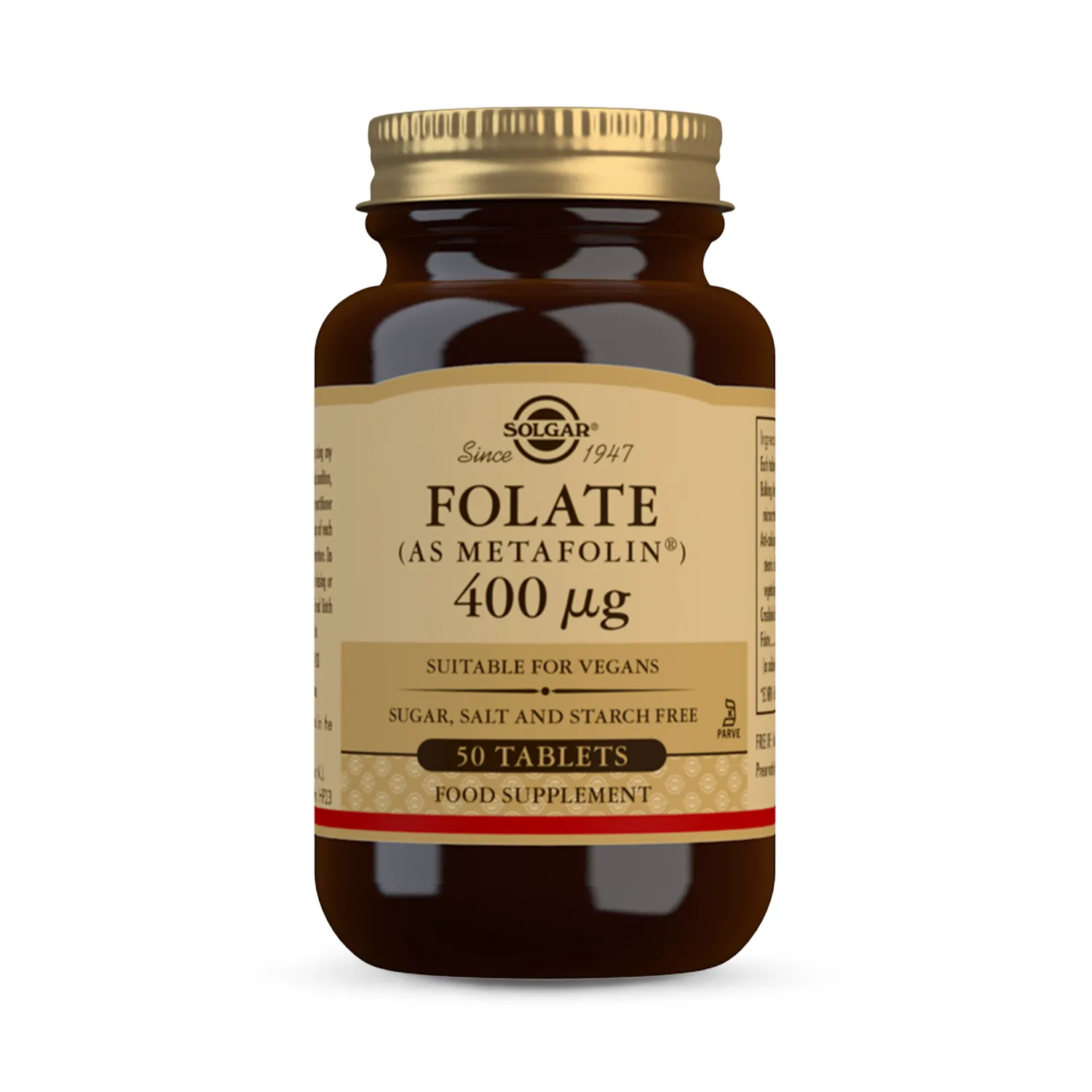
The most striking individual finding is not from an unlicensed grey-market stimulant. It is a product from Solgar, one of the most trusted supplement brands on the UK high street. The company's Vitamin B-Complex “100” Extra High Potency formulation scores just 28.0 out of 100 for side effects — the joint-worst result in the entire dataset. The same brand's Vitamin D3 1000 IU softgels score 92.0. The lesson is one of formulation philosophy, not brand trust: the two products sit on opposite ends of the safety spectrum, separated not by manufacturer reputation but by dosing decisions.
The picture is not uniformly alarming. Of the 781 supplements assessed, 226 — nearly three in ten — achieve both strong clinical effectiveness and a solid safety profile. Only seven products in the dataset simultaneously score well for effectiveness and poorly for side effects: the genuinely difficult trade-offs are rarer than the debate around supplement safety might suggest. But when they occur, consumers are rarely equipped to identify them.
| Rank | Product | Brand | Side Effects | Effectiveness | Overall |
|---|---|---|---|---|---|
| 1 | Solgar | 28.0 | 72.0 | 58/100 | |
| 2 | XAYGHE | 28.0 | 52.0 | 41/100 | |
| 3 | Grenade | 32.0 | 58.0 | 52/100 | |
| 4 | NOW Foods | 32.0 | 72.0 | 66/100 | |
| 5 | Optimum Nutrition | 32.0 | 57.0 | 40/100 | |
| 6 | Horbäach | 35.0 | 44.0 | 40/100 | |
| 7 | MOBU | 38.0 | 46.0 | 43/100 | |
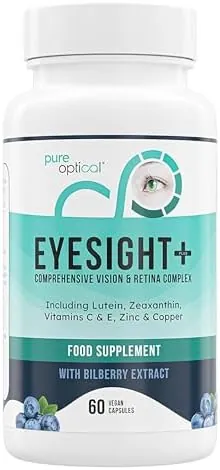
| 8 | Pure Optical | 38.0 | 50.0 | 44/100 | |
| 9 | Vitabiotics | 40.0 | 65.0 | 54/100 | |
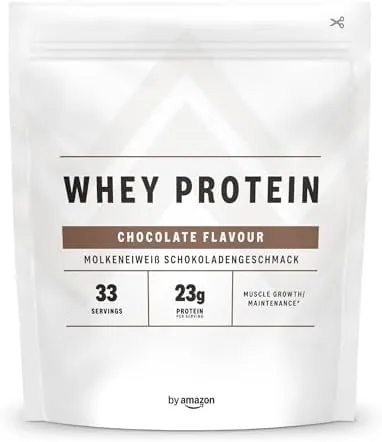
| 10 | by Amazon | 42.0 | 48.0 | 39/100 |


Riskiest Categories by the Numbers
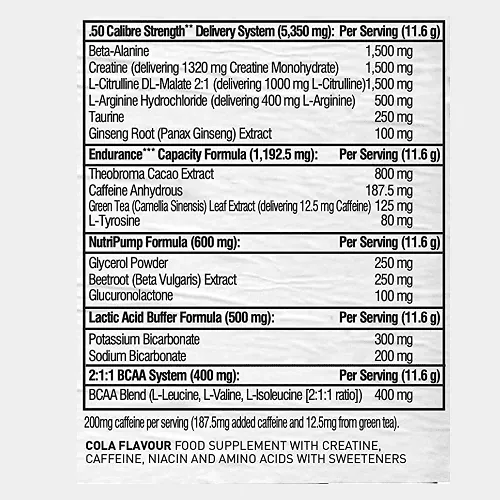
Pre-workout and performance supplements emerge as the category with the worst aggregate side-effects score across the 781-product dataset: 65.7 out of 100 across 19 assessed products. This is not a surprise to sports nutrition researchers. These formulations routinely combine high-dose caffeine — frequently 200–300mg per serving, equivalent to two to three strong espressos — with beta-alanine, nitric oxide precursors, and proprietary blends in combinations associated with palpitations, acute hypertension, paraesthesia, and gastrointestinal distress. The average effectiveness score for the category, at 73.5, is reasonable; the problem is what consumers absorb alongside the performance benefit.
Mass gainers follow at 67.2 across 25 products — a statistically substantial sample. The category's side-effect burden reflects the sheer ingredient volume packed into single servings: artificial sweeteners, bulking agents, concentrated protein fractions, and carbohydrate fillers at doses that frequently cause bloating, flatulence, and, for the significant proportion of UK adults with lactose sensitivity, acute gastrointestinal upset. Their average effectiveness score of 76.0 is the highest of the three worst-performing categories, making the safety trade-off particularly pointed.
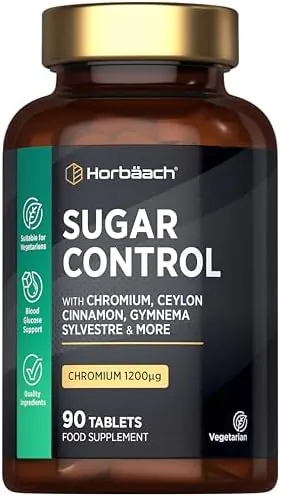
Blood sugar support supplements, at 69.0 across 14 products, represent perhaps the most clinically concerning category from a risk-population perspective. These products are disproportionately purchased by consumers managing type 2 diabetes or prediabetes — populations that are already on prescribed medication and acutely vulnerable to interactions. Berberine, chromium, cinnamon extract, and bitter melon — common ingredients in this category — are pharmacologically active compounds with demonstrated effects on blood glucose. Used alongside metformin or insulin analogues, they can potentiate hypoglycaemia. The category's average effectiveness score of just 62.1, the lowest of all 28 categories, compounds the concern: these are products carrying meaningful risk without proportionate benefit.
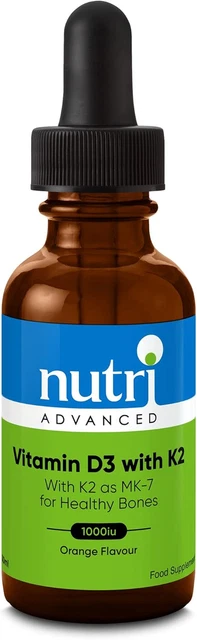
At the opposite end of the spectrum, Vitamin D averages 85.7 across 30 products — the safest category in the dataset, and also among the largest samples, lending statistical weight to the finding. Minerals score 85.2 across 12 products, and amino acids average 84.4 across 25. These categories share a consistent profile: well-characterised single or dual active compounds, decades of clinical safety data, and formulation norms that have not drifted toward escalating doses in pursuit of marketing differentiation.
| Rank | Product | Brand | Side Effects | Effectiveness | Overall |
|---|---|---|---|---|---|
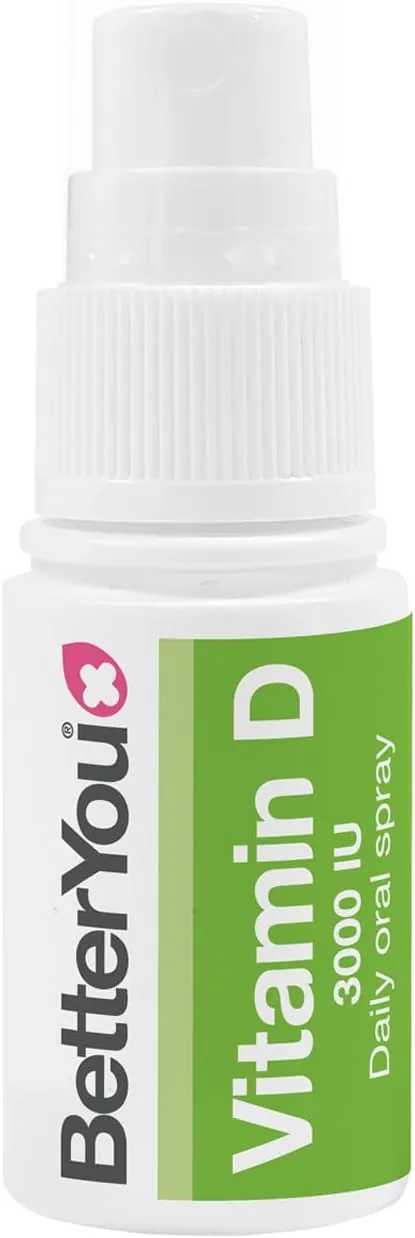
| 1 | BetterYou | 93.0 | 83.0 | 79/100 | |
| 2 | Solgar | 92.0 | 81.0 | 83/100 | |
| 3 | Nutri Advanced | 91.0 | 75.0 | 83/100 | |
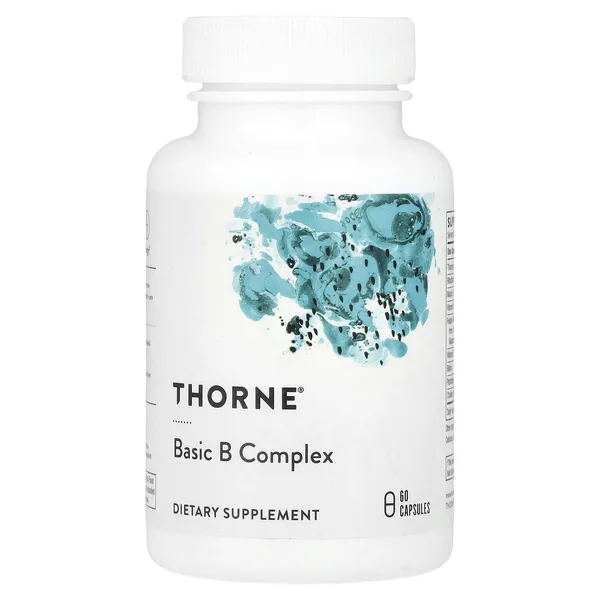
| 4 | Thorne | 90.0 | 82.0 | 80/100 | |
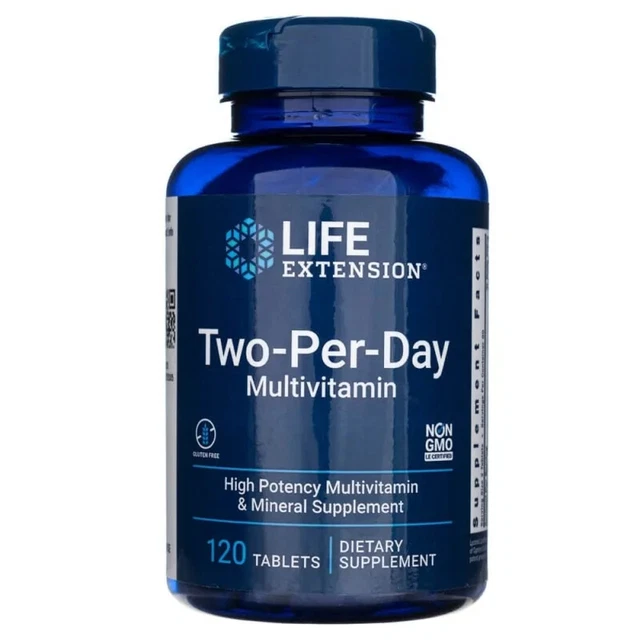
| 5 | Life Extension | 87.0 | 83.0 | 85/100 | |
| 6 | NOW Foods | 91.0 | 83.0 | 85/100 | |
| 7 | Doctor's Best | 84.0 | 83.0 | 82/100 | |
| 8 | Solgar | 88.0 | 80.0 | 79/100 | |
| 9 | Thorne | 93.0 | 84.0 | 84/100 | |
| 10 | Optimum Nutrition | 83.0 | 87.0 | 85/100 |
When Higher Dose Means Higher Risk
The supplement market has a persistent problem with dosing philosophy. For many consumers, more active ingredient implies more benefit. For some categories, this is broadly true. For others, it produces the worst safety profiles in the dataset.
The Solgar Vitamin B-Complex “100” case is instructive. The “100” in the product name refers to 100mg of each B vitamin per capsule — a formulation that signals comprehensiveness and potency to the average shopper. Clinically, it is a concern. High-dose niacin (vitamin B3) at 100mg is associated with flushing, pruritus, and in sustained use, hepatotoxicity. High-dose pyridoxine (vitamin B6) has been linked to peripheral neuropathy at supplemental doses above 10–50mg taken over extended periods; 100mg daily places users squarely within the risk range identified in European Food Safety Authority guidance. A vitamin commonly purchased to support neurological function can, at “extra high potency,” damage the peripheral nervous system it is marketed to protect. The product scores 28.0 for side effects and 72.0 for effectiveness — functional, but at a meaningful cost.
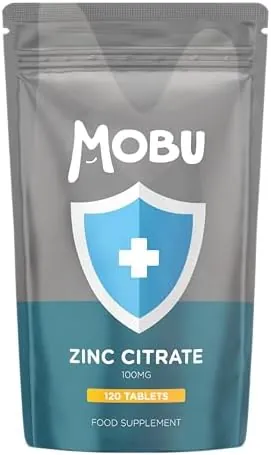
The MOBU Zinc 100mg product (side-effects score: 38.0) follows the same pattern with greater arithmetic clarity. The EU tolerable upper intake level for zinc is 40mg per day. At 100mg per serving, MOBU's “Max Strength” product delivers 2.5 times that limit — and ten times the EU nutrient reference value of 10mg. Prolonged excess zinc supplementation is associated with copper deficiency, impaired immune function, and in severe cases neurological complications. The product's name presents its primary clinical risk as a competitive feature.
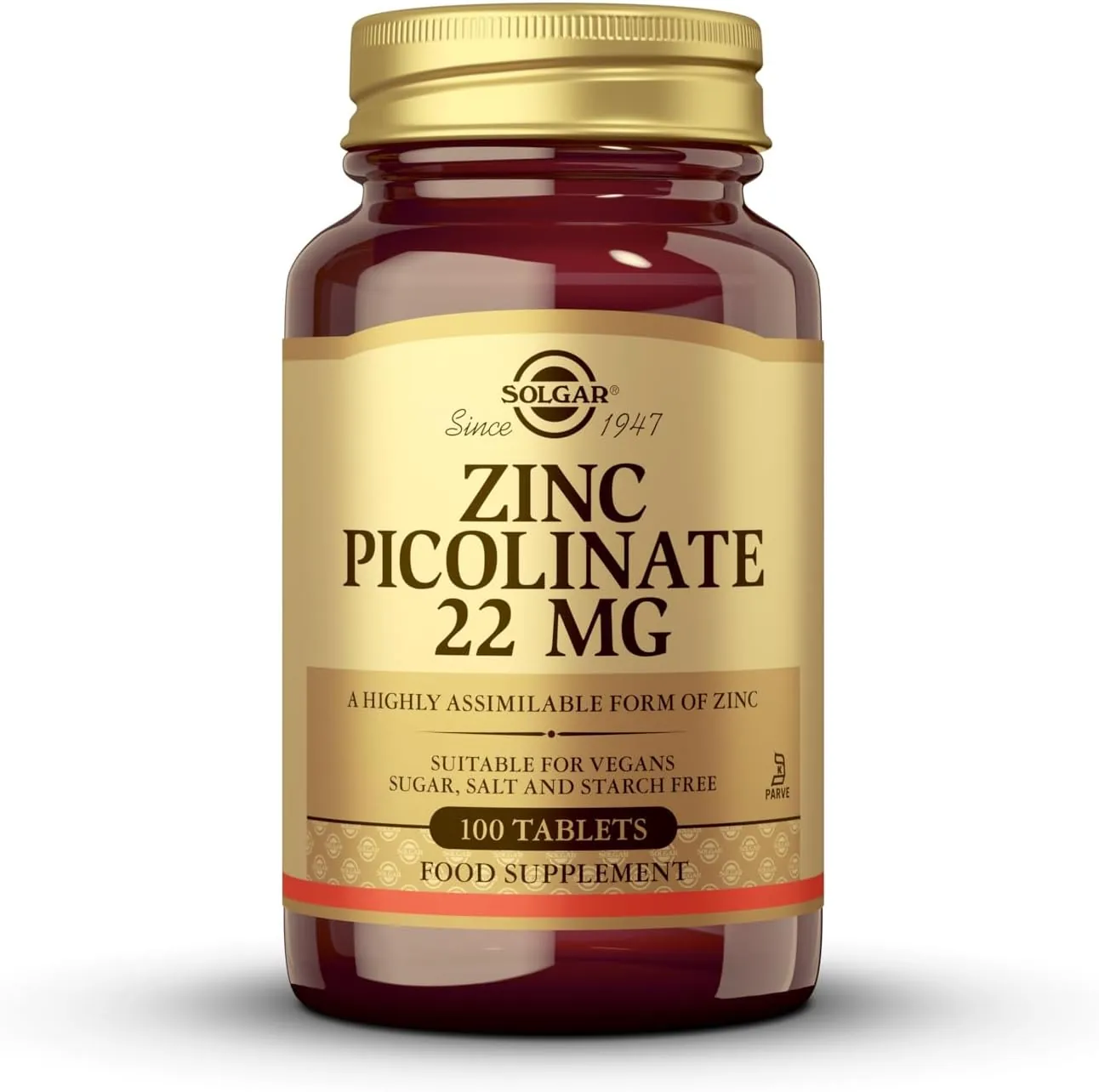
The counterexample within the same category is instructive. Solgar Zinc Picolinate 22mg — a product from the same brand — scores 88.0 for side effects and 80.0 for effectiveness. The picolinate chelation improves bioavailability; the 22mg dose keeps the product within safe ranges. The result is a product that outperforms the high-dose alternative on both dimensions.
Pregnacare Plus, scoring 40.0 for side effects alongside 65.0 for effectiveness, merits mention with appropriate nuance. Marketed specifically for pregnant women, the product combines high-dose iron, niacin, and multiple active compounds in concentrations that commonly produce nausea and gastrointestinal discomfort — effects documented in clinical literature and frequently reported in consumer reviews. These are in part known and accepted trade-offs in prenatal nutrition, where iron sufficiency is a genuine clinical priority. But they are trade-offs that warrant explicit communication to a population with limited supplemental alternatives and heightened sensitivity to adverse effects.
Side Effect Safety Score by Category (Lower = Worse)
Seven Products That Work — With Caveats
The most analytically significant finding in the dataset is the identification of just seven products — fewer than 1% of the 781 assessed — that score well for effectiveness while carrying a meaningful side-effect burden. These are not simply poor-quality products. They represent the supplement market's genuine trade-off problem: real clinical benefit packaged alongside real clinical risk, with no reliable mechanism for consumers to distinguish one from the other at point of sale.
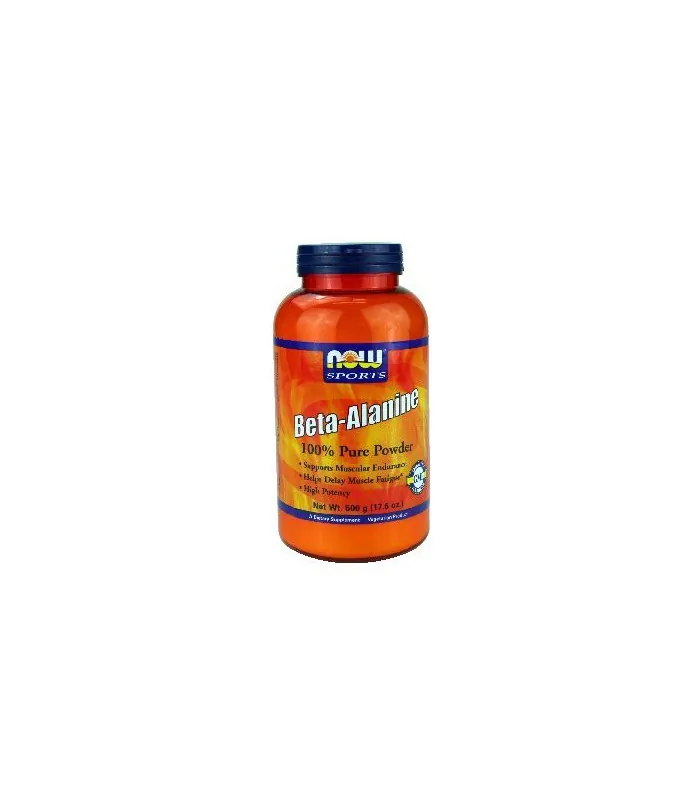
NOW Foods Beta-Alanine Pure Powder (effectiveness: 72.0, side effects: 32.0) is the clearest example of an informed trade-off. Beta-alanine's capacity to increase muscle carnosine and extend high-intensity exercise capacity is among the better-supported findings in sports nutrition science. So is its most common adverse effect: intense paraesthesia — a tingling or flushing sensation affecting the face, neck, and hands — that occurs in the majority of users at clinically effective doses. This is not dangerous at standard dosing, but it is reliably disconcerting and frequently misidentified as an allergic reaction by consumers encountering it for the first time. The product is effective; it requires better labelling.
Grenade .50 Calibre, scoring 32.0 for side effects alongside 58.0 for effectiveness, sits in the pre-workout category where the aggregate risk is already established. The stimulant stack at its centre delivers a short-term performance signal at the cost of a side-effect profile that includes heart rate elevation, anxiety, and sleep disruption — outcomes that the majority of its target demographic will encounter at some point during use.
That these products represent fewer than 1% of the market — 7 of 781 — should be acknowledged as a qualified reassurance. The UK supplement market is not uniformly dangerous. But the 7 are not evenly distributed across the consumer base: they cluster in high-marketing categories purchased by health-conscious consumers who typically believe they are making informed choices.
The 226 That Achieve Both
The most practically useful finding in the dataset cuts the other way: 226 of the 781 supplements assessed — 28.9% — achieve both strong clinical effectiveness and a solid safety profile. This is not a marginal cluster. It represents more than one in four products and challenges the assumption that potency and safety necessarily exist in tension.
The best-balance products share consistent characteristics: well-established active ingredients with decades of clinical study rather than novel or combination formulations; doses within or modestly above established nutrient reference values rather than the escalating potencies that dominate marketing copy; and deliberate form selection, because the chemical form of an active ingredient matters substantially for both bioavailability and tolerability. The highest-performing products consistently choose form over price.
BetterYou Vitamin D3 3000 IU Daily Oral Spray leads the individual rankings with a side-effects score of 93.0 and an effectiveness score of 83.0. Its oral spray delivery bypasses the gastrointestinal tract, addressing one of the few reliable sources of adverse response to Vitamin D — the mild GI discomfort that oily softgels can produce in sensitive users. The mechanism is elegantly matched to the tolerability problem.
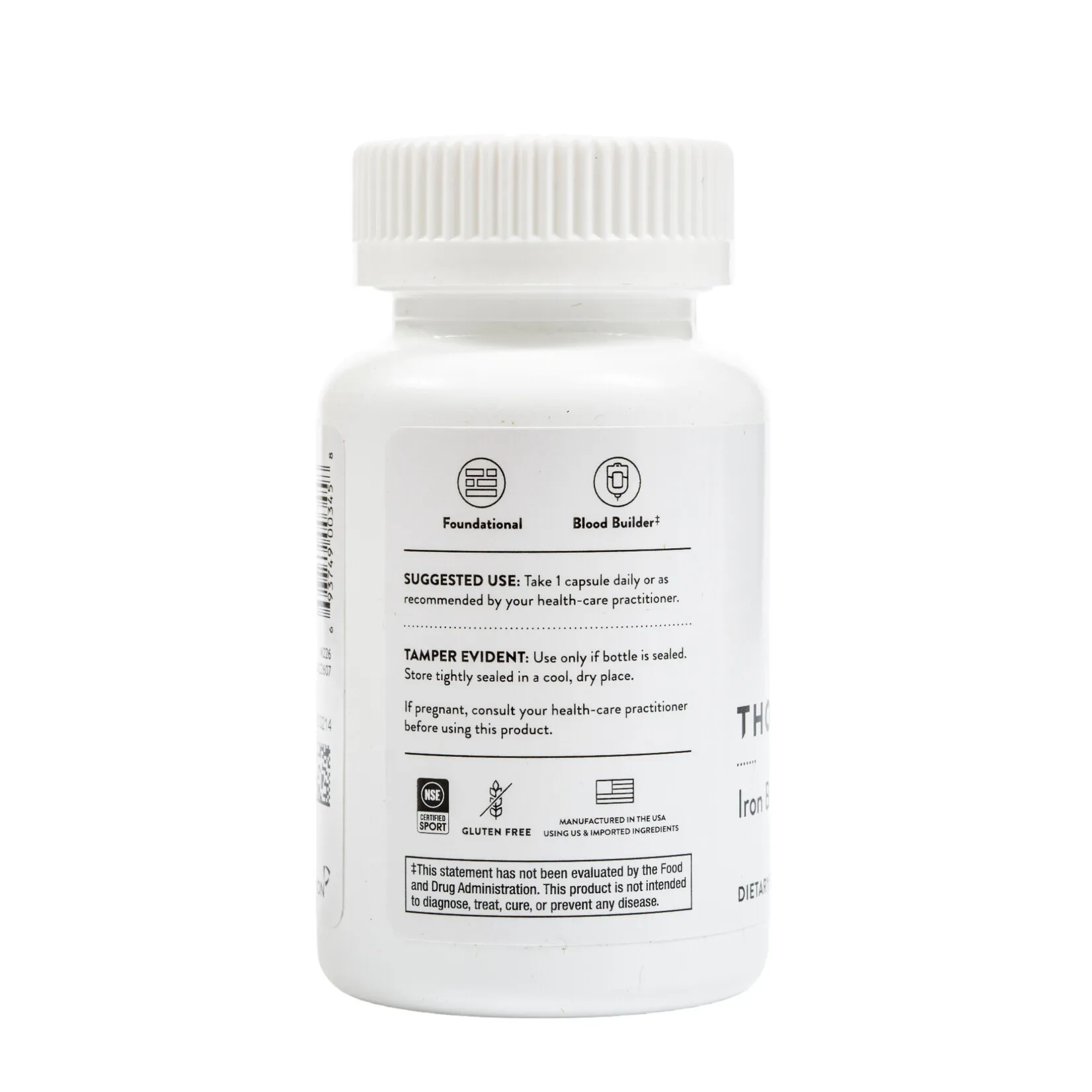
Thorne Iron Bisglycinate 25mg achieves an identical side-effects score of 93.0 alongside an effectiveness score of 84.0. Iron is a supplement category with a well-documented tolerability problem: ferrous sulphate, the form used in most budget products, produces constipation and nausea at rates high enough to cause users to abandon supplementation before clinical benefit is achieved. Bisglycinate, a chelated form, has a substantially lower incidence of these effects. The product costs more; it produces fewer side effects and better adherence.
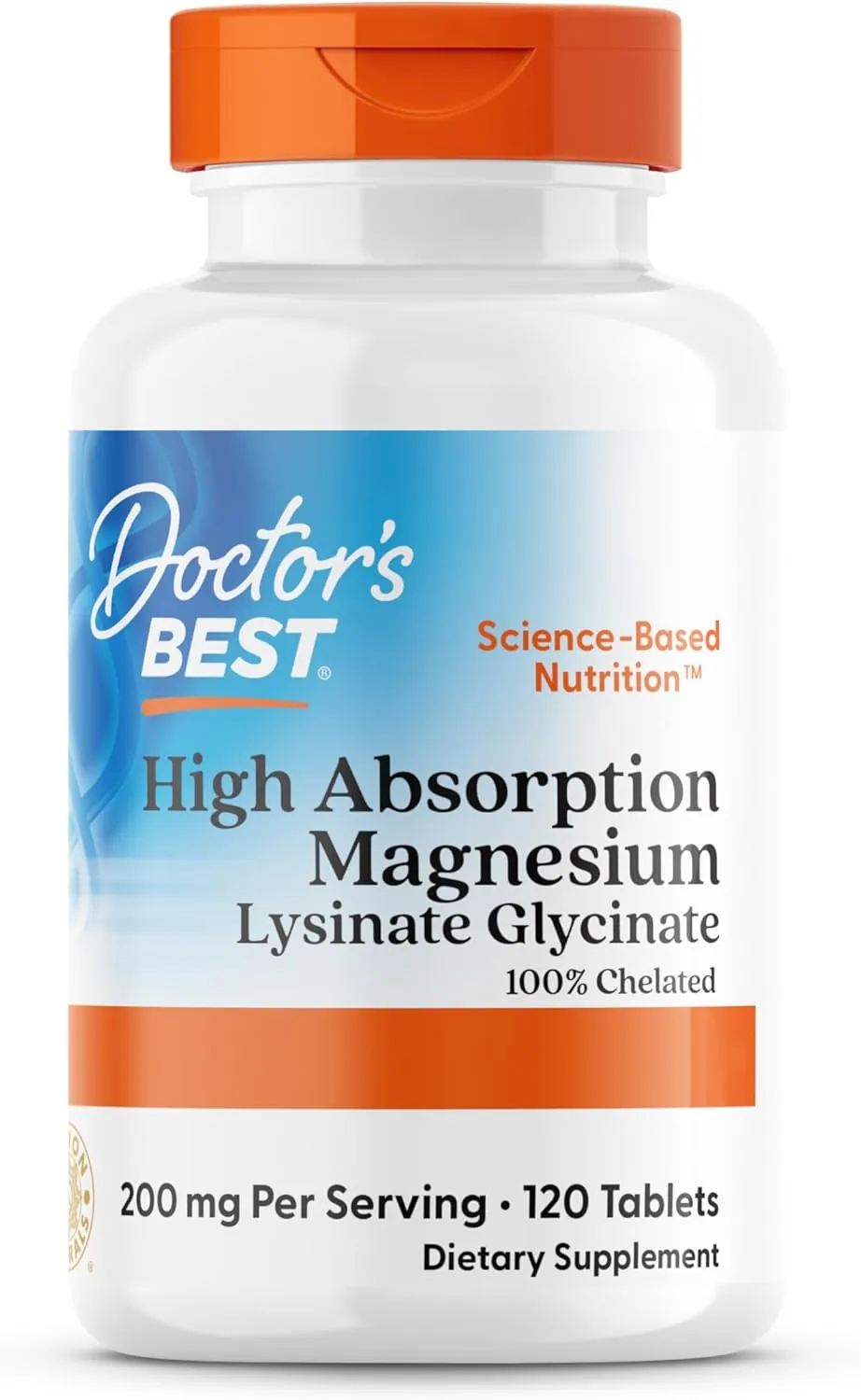
NOW Foods MK-7 Vitamin K-2 (side effects: 91.0, effectiveness: 83.0) and Doctor's Best High Absorption Magnesium (side effects: 84.0, effectiveness: 83.0) follow the same logic. In each case, the product's design reflects a formulator making deliberate choices about bioavailability and tolerability rather than optimising for manufacturing cost or shelf appeal. The result appears in the data.
Missing from the best-balance top ten: pre-workout supplements, mass gainers, blood sugar products, and sleep aids — the categories that dominate the risk end of the distribution. Whether this reflects intrinsic category characteristics or formulation culture within those segments is a question the data cannot fully resolve, but the pattern is consistent across the dataset.
Effectiveness vs Side Effect Safety
What Brand Consistency Actually Means
Thorne Research appears twice in the top-ten best-balance products: its Basic B Complex (side effects: 90.0, effectiveness: 82.0) and Iron Bisglycinate (side effects: 93.0, effectiveness: 84.0) both perform well in categories where the aggregate data is troubling. The contrast with Solgar's B-Complex “100” result is instructive. Thorne's B-Complex formulation uses bioavailable active forms — methylcobalamin, methylfolate, pyridoxal-5-phosphate — at physiological doses. Solgar's “100” provides 100mg of each regardless of whether that dose is evidence-supported. The gap in side-effects scores (90.0 versus 28.0) is not a difference of brand quality; it is a difference of dosing philosophy.
Solgar itself presents a revealing internal case study. Three of its products appear across the safety rankings: Vitamin D3 (side effects: 92.0), Zinc Picolinate 22mg (side effects: 88.0), and the B-Complex “100” (side effects: 28.0). The brand demonstrates strong formulation in categories where dosing conventions are well-established and weaker discipline in a product line where consumer appetite for “high potency” has apparently influenced formulation decisions. Brand trust, this suggests, does not transfer across a product range.
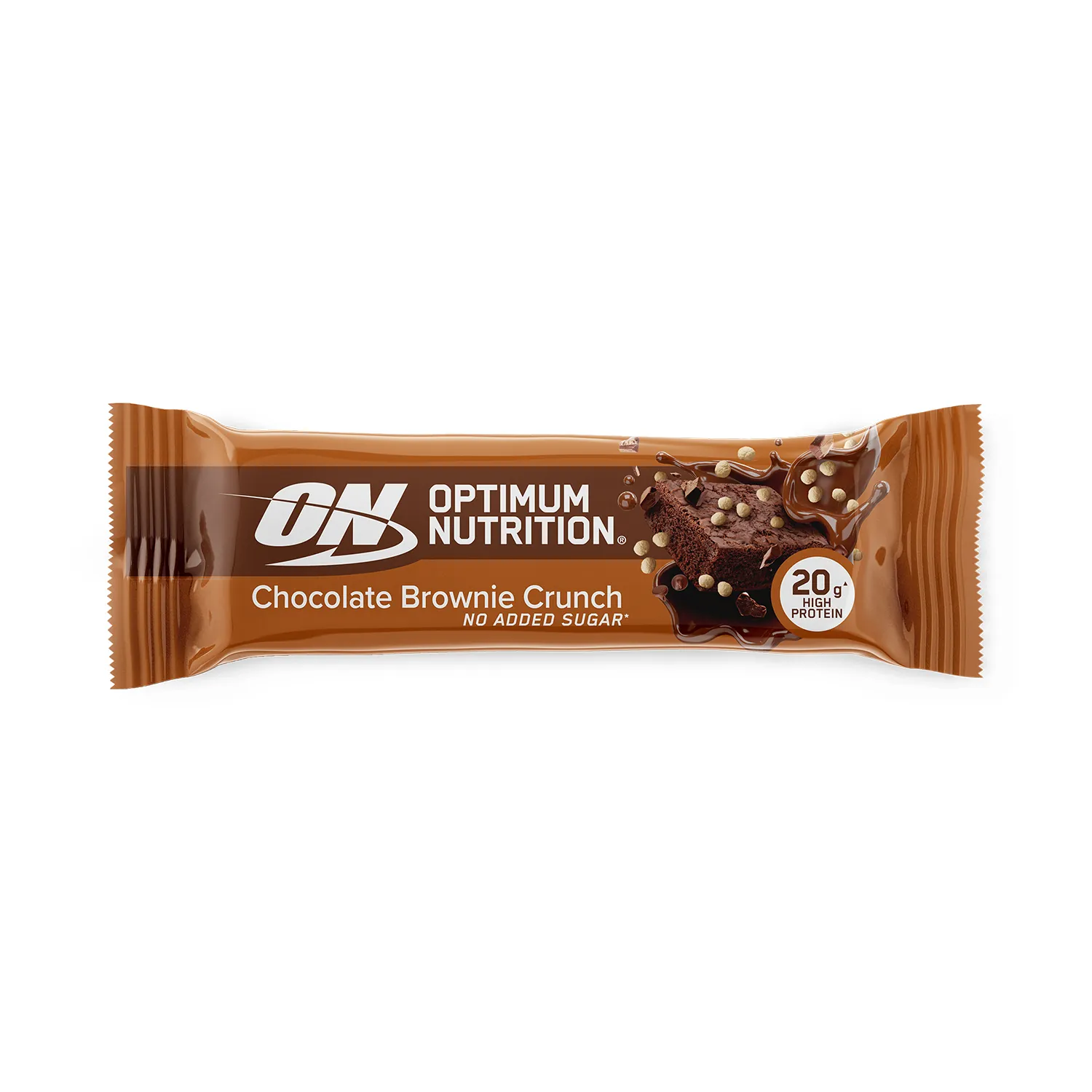
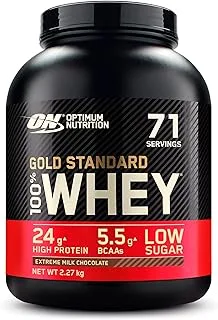
Budget and own-brand products are disproportionately represented in the worst side-effects profiles. Amazon's Amfit Nutrition Whey Protein Powder (side effects: 42.0) and the MOBU Zinc 100mg product (side effects: 38.0) suggest that price competition in some categories produces formulation shortcuts. The correlation is not absolute: Optimum Nutrition's Gold Standard 100% Whey 2.27kg scores 83.0 for side effects and appears in the best-balance top ten, while the same brand's Chocolate Brownie Crunch Protein Bar scores just 32.0. Product format matters as well as brand positioning: a processed protein bar with artificial sweeteners, flavourings, and bulking agents presents a different safety profile than a straightforward protein concentrate, even from an identical manufacturer.
What to Look For Before Buying
The category data provides an actionable starting point. Consumers in the market for pre-workout supplements, mass gainers, or blood sugar support products are entering the three highest-risk categories in the dataset, where average side-effects scores of 65.7, 67.2, and 69.0 respectively indicate that adverse effects are common rather than exceptional. That does not mean avoiding these categories — it means applying greater scrutiny to ingredient lists and doses before purchase.
Four patterns distinguish the safest products from the most problematic. Single or dual active ingredients: the products with the strongest safety profiles — Vitamin D sprays, iron bisglycinate, K2 capsules — contain well-studied compounds rather than proprietary blends that obscure individual ingredient doses. Doses within established reference ranges: products marketing “extra high potency” or “max strength” formulations carry a measurable safety penalty in this dataset; the evidence does not support the assumption that more is better for most micronutrients. Form over price: bisglycinate iron, methylcobalamin B12, and chelated magnesium cost more than their cheaper alternatives and consistently score better on tolerability. Category awareness: the 20-point gap between the riskiest and safest categories in this analysis is not incidental — it reflects substantive differences in the compounds involved and how they interact with human physiology.
Consumers taking prescription medication — particularly those managing blood sugar, cardiovascular conditions, or thyroid disorders — should treat blood sugar support supplements, high-dose B vitamins, and combination herbal products with particular caution. Pharmacologically active ingredients in these categories interact with prescribed drugs in ways that are not prominently communicated on product packaging.
How the Analysis Was Conducted
This analysis draws on data from 781 UK supplements across 28 product categories, assessed using a composite scoring system that evaluates each product across five dimensions: effectiveness, ingredient quality, value for money, side effects, and certifications. All products in the dataset are available to UK consumers, primarily via Amazon UK and specialist supplement retailers.
The side-effects score used throughout this report runs from 0 to 100, where a higher score indicates a better safety profile — fewer reported adverse effects, milder severity, and lower clinical risk. Scores are derived from three data sources: analysis of each product's ingredient list against clinical and regulatory literature, including EFSA tolerable upper intake levels and established adverse-event documentation; structured analysis of real user reviews sourced from Amazon UK and specialist retailers; and assessment against known drug-nutrient and nutrient-nutrient interaction data. Scores are not self-reported by manufacturers.
Category averages are calculated from the mean side-effects score across all assessed products within that category. The “best balance” cohort of 226 products was defined as those scoring above a threshold on both effectiveness and side effects, indicating clinical utility without a disproportionate safety burden. The “effective but problematic” cohort of seven products was defined as those exceeding the effectiveness threshold while falling below the side-effects threshold — products where the data indicates meaningful benefit alongside meaningful risk.
Limitations of the analysis include the inherent subjectivity in translating clinical literature and user sentiment into a numerical score, and the fact that individual response to supplement ingredients varies considerably based on genetics, health status, and concurrent medication. The scores represent population-level risk assessments, not individual predictions. Consumers with specific health conditions or medication regimens should consult a healthcare professional before introducing any supplement discussed in this report.
Our Top Picks
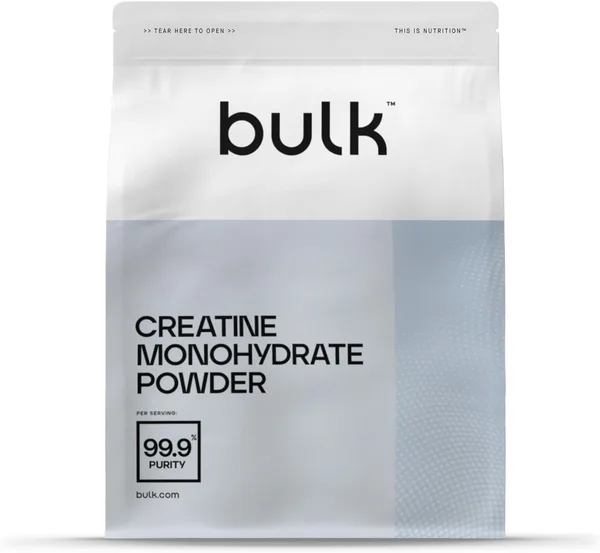
Bulk Creatine Monohydrate (Creapure) 500g
Effective (89.0/100) and safe (84.0/100)
View →