Which Skincare Combinations Actually Work
Cross-referencing effectiveness scores across 244 skincare products reveals which active ingredient pairings deliver results and which clash.
Key Finding
Multi-active skincare products (116) average 66.0/100 effectiveness vs 67.3/100 for single-active (97).
The Simplest Products Win
The skincare industry has spent a decade convincing consumers that complexity equals efficacy. Layer your vitamin C serum before your hyaluronic acid, follow with niacinamide, finish with SPF — and that is just the morning routine. Yet an analysis of 244 skincare products across seven ingredient categories reveals a finding that cuts against the grain of this received wisdom: single-active products outperform their multi-active counterparts, achieving an average effectiveness score of 67.3 compared with 66.0 for products containing two or more active ingredients.
The gap may appear modest — 1.3 percentage points — but it is consistent. Across overall scores, which incorporate ingredient quality, skin compatibility, texture, and value, single-active products again lead: 67.8 versus 66.1. In a market where brands routinely charge a premium for complexity, this data suggests the premium is largely unjustified.
The findings emerge from an assessment of 244 products spanning face moisturisers, cleansers, hyaluronic acid serums, SPF and sunscreens, retinol and retinoids, vitamin C serums, and niacinamide serums. Products were scored across five criteria — effectiveness, ingredient quality, skin compatibility, texture and experience, and value for money — and aggregated into overall and effectiveness sub-scores. A further 31 products carried no identifiable active ingredient and were excluded from the single-versus-multi comparison.
The headline result for category performance is equally counterintuitive: face moisturisers, the most ordinary of skincare products, top the effectiveness rankings at 73.3, a full 11.2 points above niacinamide serums at the bottom of the table at 62.1. The serums that dominate social media skincare discourse — vitamin C, retinol, niacinamide — consistently underperform the humble moisturiser when measured against the same rubric.
| Rank | Product | Brand | Effectiveness | Overall | Actives | Price |
|---|---|---|---|---|---|---|
| 1 | AESTURA | 84.0 | 81/100 | ceramides | £26.00 | |
| 2 | PAULA'S CHOICE | 82.0 | 76/100 | retinol, vitamin c, peptides | £15.00 | |
| 3 | MAELOVE | 83.0 | 85/100 | vitamin c, hyaluronic acid | £40.00 | |
| 4 | Unknown | 83.0 | 84/100 | niacinamide | £5.00 | |
| 5 | PURITO | 83.0 | 81/100 | retinol, niacinamide | £17.60 | |
| 6 | Piz Buin | 84.0 | 78/100 | spf | £8.50 | |
| 7 | Unknown | 83.0 | 80/100 | Cleansers | £13.19 |


Moisturisers Beat the Serums
The effectiveness rankings across the seven categories analysed present a clear hierarchy, and it is not the one that skincare content creators would have you expect. Face moisturisers lead at 73.3 out of 100 across 39 products. Cleansers follow at 71.4 across 30 products. Hyaluronic acid serums rank third at 68.8 across 31 products, and SPF products sit at 68.1 across 31 products.
The gap widens sharply after that. Retinol and retinoids — the active ingredient most consistently supported by clinical dermatological research for anti-ageing and skin texture — score only 63.7 across 42 products, the second-largest category in the dataset. Vitamin C serums, which command some of the highest price points in the market, average 63.5 across 39 products. Niacinamide serums bring up the rear at 62.1 across 32 products.
The disparity between moisturisers (73.3) and the active-ingredient serums (ranging from 62.1 to 68.8) is partly explained by what effectiveness measures capture. A product that repairs and reinforces the skin barrier — as a well-formulated ceramide or hyaluronic acid moisturiser does — delivers results that are consistent, visible, and low-risk. Active serums, particularly retinoids and vitamin C, are more potent in theory but generate more variable outcomes: irritation, purging, and concentration-dependent efficacy all compress average scores across a diverse product field.
The best-performing individual product by overall score is the MAELOVE Vitamin C Serum at £40, achieving an overall score of 85 and an effectiveness score of 83 — well above the 63.5 category average, suggesting that within the vitamin C serum category, quality distribution is highly skewed. At the other end of the value spectrum, The Ordinary Niacinamide 10% + Zinc 1% at £5 scores 84 overall with an effectiveness score of 83, surpassing the category average by more than 20 points.
| Rank | Product | Brand | Effectiveness | Overall | Actives | Price |
|---|---|---|---|---|---|---|
| 1 | CeraVe | 83.0 | 83/100 | hyaluronic acid, ceramides | £13.11 | |
| 2 | MAELOVE | 83.0 | 85/100 | vitamin c, hyaluronic acid | £40.00 | |
| 3 | PURITO | 83.0 | 81/100 | retinol, niacinamide | £17.60 | |
| 4 | PAULA'S CHOICE | 82.0 | 76/100 | retinol, vitamin c, peptides | £15.00 | |
| 5 | COSRX | 82.0 | 79/100 | niacinamide, spf | £11.99 | |
| 6 | Beauty of Joseon | 82.0 | 80/100 | hyaluronic acid, spf | £15.11 | |
| 7 | Dermatica | 82.0 | 81/100 | niacinamide, hyaluronic acid, spf | £19.75 | |
| 8 | Medik8 | 82.0 | 82/100 | vitamin c, hyaluronic acid, spf | £60.00 | |
| 9 | Medik8 | 82.0 | 80/100 | vitamin c, hyaluronic acid, spf | £16.00 | |
| 10 | PURITO | 82.0 | 81/100 | spf, ceramides | £13.99 |


Does Combining Actives Help?
The single-versus-multi-active question is, in many respects, the central debate of modern skincare. The Ordinary built a £300 million business on the premise that single-ingredient products at clinical concentrations represent better science and better value than complex blends. Their philosophy has been widely imitated. Yet simultaneously, brands continue to launch products stacking three, four, or five actives into a single formula, arguing that synergistic benefits outweigh any dilution of individual ingredients.
The data from this analysis supports The Ordinary's position, at least on aggregate. 97 single-active products average 67.3 for effectiveness and 67.8 overall. The 116 multi-active products average 66.0 for effectiveness and 66.1 overall. The multi-active category is actually larger in this dataset — more products feature ingredient combinations than single actives — yet they underperform consistently.
There are, however, important exceptions. The top-ranked multi-active product by overall score is the MAELOVE Vitamin C Serum (overall: 85, effectiveness: 83), which combines vitamin C, vitamin E, ferulic acid, and hyaluronic acid. This is not a random stack: the combination of vitamin C with vitamin E and ferulic acid is one of the best-evidenced synergies in skincare chemistry, with ferulic acid stabilising the notoriously unstable vitamin C molecule and extending its antioxidant activity. The MAELOVE formulation reflects genuine biochemical logic, and its score reflects that.
Similarly, the CeraVe Moisturising Cream (overall: 83, effectiveness: 83, £13.11) combines hyaluronic acid with ceramides — two ingredients with complementary mechanisms: hyaluronic acid attracts and holds water in the skin, while ceramides lock in moisture by reinforcing the lipid barrier. The combination works because the ingredients operate at different structural levels rather than competing for the same biochemical pathway.
The underperformers in the multi-active set tend to be those stacking incompatible concentrations or using complexity as a marketing signal rather than a formulation rationale. The lesson from the data: combinations can work, but they must be purposeful.
Average Effectiveness by Skincare Category
Combinations the Data Supports
Examining the top-scoring multi-active products reveals a short list of ingredient pairings that consistently deliver above-average scores. A few combinations stand out.
Vitamin C + vitamin E + ferulic acid is the most evidenced antioxidant trio in cosmetic chemistry, and the data corroborates it. The MAELOVE Vitamin C Serum — which adds hyaluronic acid to this core trio — achieves the highest overall score (85) of any product in the analysis. The rationale is biochemical: ferulic acid raises the photo-stability of both vitamin C and E, allowing lower concentrations to achieve more sustained antioxidant protection. This combination is particularly well-suited to morning use alongside SPF.
Hyaluronic acid + ceramides represents a complementary pairing for barrier repair. CeraVe's Moisturising Cream (overall: 83) demonstrates this at accessible price points, and the AESTURA ATOBARRIER365 Cream (effectiveness: 84, overall: 81, £26) shows the combination performing at the premium end. The data also supports ceramides + SPF — the PURITO Seoul Daily Soft Touch Sunscreen (overall: 81, effectiveness: 82, £13.99) combines ceramide-based barrier support with SPF50+ protection in a single morning product, eliminating the need for a separate moisturiser.
Retinol + niacinamide was once considered a contested pairing — an older body of literature suggested niacinamide could degrade retinol's efficacy. That position has been substantially revised; current evidence indicates the combination is not only safe but beneficial, with niacinamide helping to mitigate retinol-associated irritation. The PURITO TXA 6% Niacinamide 10 Retinal Serum (overall: 81, effectiveness: 83, £17.60) is the top-scoring product in the dataset to carry this pairing, and its above-average score for a niacinamide serum is consistent with the combination hypothesis.
The combination the data implicitly cautions against is indiscriminate stacking without rationale. Paula's Choice CLINICAL 1% Retinol Treatment pairs retinol with vitamin C and peptides — three actives each with distinct and demanding pH requirements — and achieves a relatively modest overall score of 76 despite an effectiveness score of 82. The ingredient list is impressive on paper; the skin-compatibility and texture scores appear to pull the overall figure down, consistent with the formulation challenge of keeping both retinol and vitamin C stable and non-irritating in the same product.
Price Does Not Buy Effectiveness
One of the more striking patterns in the dataset is the absence of a reliable relationship between price and performance. The highest overall score in the entire analysis — 85 — belongs to the MAELOVE Vitamin C Serum at £40. The second-highest overall score — 84 — belongs to The Ordinary Niacinamide 10% + Zinc 1% at £5. These two products are separated by £35 and a single overall point.
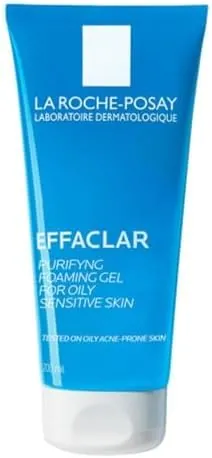
At the category level, the best SPF product — Piz Buin Allergy Sun Sensitive Skin Face Cream SPF50+ — costs £8.50 and achieves an effectiveness score of 84, placing it among the top performers in the entire dataset. The best cleanser, La Roche-Posay Effaclar Purifying Foaming Gel at £13.19, scores 83 for effectiveness and 80 overall. Neither brand occupies the luxury tier; both represent the functional, dermatologist-adjacent mid-market that appears to offer the best return on investment.
The outlier in the value analysis is Medik8 Hydr8 B5 Intense, priced at £60. Its overall score of 82 and effectiveness score of 82 are strong, but nearly matched by the £16 travel-size version of the same product, which scores 80 overall and 82 for effectiveness. Two points and £44 separate the two SKUs — a poor return on the price increase.
CeraVe's Moisturising Cream warrants particular attention in any value discussion. At £13.11 for 454g, it achieves an overall score of 83 and an effectiveness score of 83 — placing it above the category average for face moisturisers (73.3) by a considerable margin. Its combination of three ceramides and hyaluronic acid, delivered in a formulation developed with dermatologists, represents the clearest case in the dataset of evidence-based value.
Single-Active vs Multi-Active Products
Building a Routine from the Data
The practical implication of this analysis is that a high-performing skincare routine does not require many products, nor expensive ones. The data points towards a two-phase model — morning and evening — with a total of three to four products, each selected for evidenced mechanisms rather than ingredient novelty.
Morning: The data supports prioritising antioxidant protection and SPF. A vitamin C serum applied before sunscreen amplifies photoprotection — this is one of the best-evidenced pairings in dermatology, and the MAELOVE Vitamin C Serum (overall: 85) represents the top-scoring option in the analysis. For those who prefer a streamlined routine, the Beauty of Joseon Aqua Fresh Relief Sun (overall: 80, effectiveness: 82, £15.11) combines hyaluronic acid with SPF50+ PA++++ in a single product, eliminating a separate moisturising step. SPF products as a category average 68.1 for effectiveness — respectable, and notably higher than several pure serum categories.
Evening: Retinol remains the most clinically evidenced anti-ageing active, but the 63.7 category average reflects real variability in formulation quality and tolerability. The PURITO TXA 6% Retinal + Niacinamide Serum (overall: 81, effectiveness: 83, £17.60) is the best-scoring multi-active product in the retinoid space, with niacinamide serving a genuine function in reducing potential irritation rather than acting as padding.
A ceramide-based moisturiser used twice daily appears, based on the category-level data, to offer the most consistent effectiveness return across the dataset. Face moisturisers average 73.3 — the highest of any category — and the CeraVe Moisturising Cream (overall: 83, £13.11) represents a high-confidence, cost-effective choice.
What this routine costs: MAELOVE Vitamin C Serum (£40) + Piz Buin SPF50+ (£8.50) + PURITO Retinal Serum (£17.60) + CeraVe Moisturising Cream (£13.11) totals approximately £79 — considerably less than many single-product luxury alternatives that the data does not support on performance grounds.
What the Data Cannot Tell You
Several important caveats apply to this analysis. Effectiveness scores are derived from an AI-assisted assessment of product formulations, ingredient evidence bases, and user review data — they are not the result of randomised controlled trials conducted on individual subjects. The scores capture population-level signal, not individual skin response.
Skin type is the largest confounding variable the aggregate scores cannot resolve. A product that scores 73 average effectiveness for a face moisturiser may perform significantly better for dry or sensitive skin types and worse for oily or acne-prone skin. The AESTURA ATOBARRIER365 Cream is explicitly formulated for dry and sensitive skin; its effectiveness score of 84 reflects this specificity. Consumers with oily skin may find ceramide-heavy formulations occlusive.
The single-versus-multi-active comparison also carries a structural limitation: the two groups are not matched by category. If single-active products are disproportionately represented in the higher-scoring moisturiser category, and multi-active products disproportionately in lower-scoring serum categories, some of the observed performance gap may reflect category composition rather than formulation architecture. The directional finding — that complexity does not reliably improve scores — holds, but the magnitude of the difference should be treated with appropriate caution.
Finally, 31 products in the dataset carried no identifiable active ingredient and were excluded from the comparison. These products — typically barrier-support or soothing formulas — may serve important functions in a routine without fitting neatly into an active-ingredient framework.
How the Analysis Was Conducted
This analysis covers 244 skincare products listed on the AIScored platform across seven ingredient categories: face moisturisers (39 products), cleansers (30), hyaluronic acid serums (31), SPF and sunscreens (31), retinol and retinoids (42), vitamin C serums (39), and niacinamide serums (32).
Each product was assigned scores across five criteria: effectiveness, ingredient quality, skin compatibility, texture and experience, and value for money. Scores range from 0 to 100. The effectiveness sub-score and overall composite score are both reported here; the overall score weights all five criteria. Products were classified as single-active (one identifiable primary active ingredient), multi-active (two or more), or no active identified. This classification was based on ingredient analysis of each product's listed formulation. 97 products were classified as single-active, 116 as multi-active, and 31 as carrying no identified active.
Category averages are unweighted means across all products within each category. Product-level data including affiliate pricing reflects information available at time of publication and is subject to change. Price data is indicative and sourced from Amazon UK listings. All scores and rankings are produced independently of brand relationships; products appear on the platform across a range of price points and brand sizes.
Our Top Picks

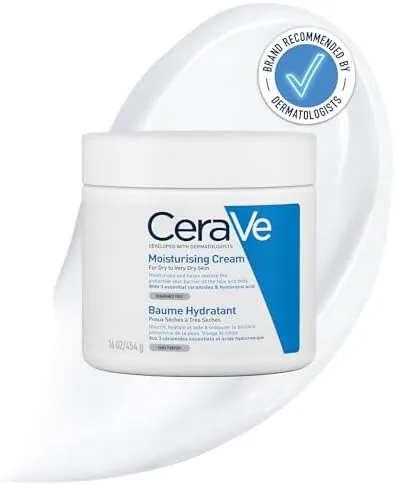
CeraVe Moisturising Cream, Face & Body, With 3 essential ceramides & hyaluronic acid, For dry to very dry skin, 454 g/16 oz
Effectiveness: 83.0/100
View →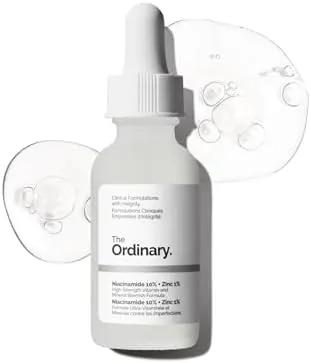
The Ordinary Niacinamide 10% + Zinc 1%, Brightening & Smoothing Serum for Blemish-Prone Skin, 30ml
Overall: 84.0/100 at just £5
View →