The Sleep Supplement Showdown
Magnesium vs 5-HTP vs Valerian vs Melatonin — what does the data actually say about effectiveness?
Key Finding
Among 23 sleep supplements, Magnesium-based products lead with 67.5/100 average effectiveness.
Magnesium's Stranglehold on Sleep
The most revealing finding from our analysis of 23 UK sleep supplements is not which ingredient works best — it is how thoroughly one mineral has come to dominate an entire category. Magnesium appears in 21 of the 23 products examined, a 91.3% saturation rate that reflects both genuine clinical backing and a market retreat from more contested alternatives. This category is shaped by one ingredient, one regulatory constraint, and a recurring gap between formulation ambition and demonstrable safety.
Britain's relationship with sleep is troubled. An estimated one in three UK adults reports persistent sleep difficulties, and the sleep supplement sector has expanded rapidly to meet demand. Yet behind the proliferation of branded products — gummies, capsules, topical lotions, chewables — lies a surprisingly narrow ingredient base, a structural gap created by the UK's strict melatonin regulations, and a meaningful disconnect between marketing claims and ingredient-level evidence.
Our data shows a clear performance hierarchy. Magnesium-based formulas score an average effectiveness rating of 67.5 out of 100, compared with just 49.5 for products centred on 5-HTP — a gap of 18 percentage points. The category leader, Bioglan's SmartMinds Magnesium Night-Time Gummies, achieves an effectiveness score of 90.0, well above the field average, while simultaneously recording a side-effects score of 90.0. That dual excellence is the exception rather than the rule: across the 23 products analysed, the relationship between high effectiveness and low adverse-effect risk is far from guaranteed.
What follows is a data-led examination of the sleep supplement market — which ingredients the evidence supports, which products deliver on their claims, where safety concerns lurk, and what the UK's unique regulatory environment means for the millions of Britons who struggle to get a reliable night's rest.
| Rank | Product | Brand | Effectiveness | Side Effects | Overall |
|---|---|---|---|---|---|
| 1 | Bioglan | 90.0 | 90.0 | 80/100 | |
| 2 | Bioglan | 80.0 | 90.0 | 70/100 | |
| 3 | PAQ | 78.0 | 85.0 | 72/100 | |
| 4 | Solgar | 78.0 | 71.0 | 74/100 | |
| 5 | Sleep Oracles | 77.0 | 89.0 | 71/100 | |
| 6 | Solgar | 72.0 | 58.0 | 66/100 | |
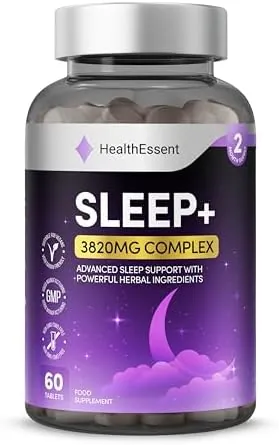
| 7 | HealthEssent | 72.0 | 50.0 | 62/100 | |
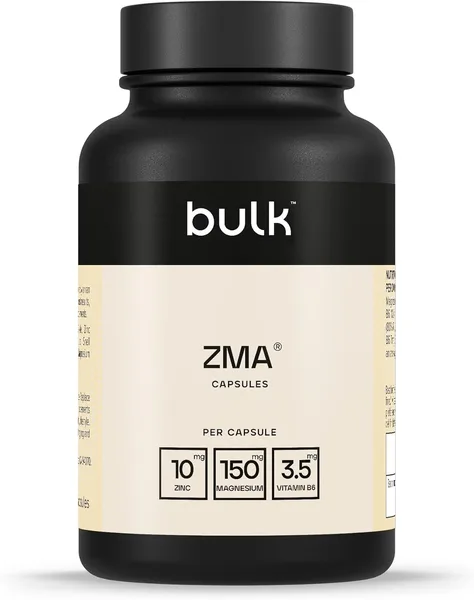
| 8 | Bulk | 68.0 | 55.0 | 62/100 | |
| 9 | BetterYou | 68.0 | 78.0 | 70/100 | |
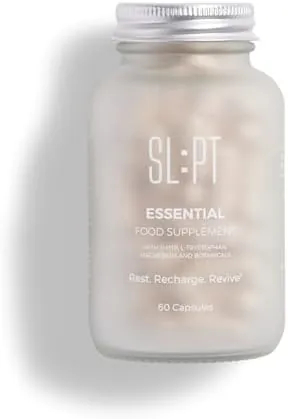
| 10 | SL:PT | 68.0 | 82.0 | 65/100 |


Why 91% of Products Lead with Magnesium
That 21 of 23 sleep supplements contain magnesium is not a coincidence of branding. The clinical rationale is well-established: magnesium activates the parasympathetic nervous system, regulates GABA receptors — the same inhibitory neurotransmitter pathways targeted by prescription sleep aids — and has a well-documented role in melatonin synthesis. Deficiency is common in the UK, estimated to affect between 20% and 30% of adults, meaning that simple repletion can produce measurable improvements in sleep latency and duration. For the supplement industry, this creates an attractive proposition: a genuinely efficacious ingredient with strong tolerability, strong clinical literature, and no regulatory barrier to over-the-counter sale.
The aggregate performance figures support the commercial logic. Across the 21 magnesium-containing products, the average effectiveness score is 67.5 out of 100, the average overall score is 65.2, and the average side-effects score is 76.4 — the last figure indicating a generally benign tolerability profile relative to the broader supplement market. The average retail price is £17.92, a significant premium over basic magnesium tablets available for under £5, which implies that consumers are paying for formulation quality, optimised dosage, and in the better products, ingredient synergy.
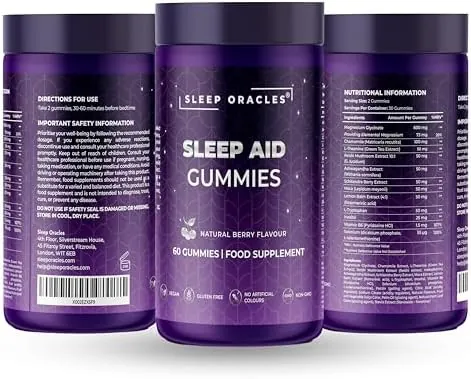
Form matters considerably, however, and the data reflects this. Magnesium glycinate — the chelated form bound to the amino acid glycine — offers superior bioavailability and the gentlest gastrointestinal profile of any common magnesium salt. Magnesium oxide, widely used in cheaper products because of its high elemental magnesium content per gram, has poor intestinal absorption and a well-documented laxative effect at the doses required to achieve meaningful systemic levels. The top-performing products in this analysis are largely those that specify glycinate explicitly: Bioglan SmartMinds (effectiveness 90.0), Sleep Oracles Magnesium Glycinate Gummies (effectiveness 77.0), and HealthEssent's tablet formula all name glycinate on the label. Products at the lower end of the effectiveness range are more likely to rely on unspecified or cheaper forms.
The practical implication is that the form of magnesium should be the first thing a consumer checks on any sleep supplement label. A product charging a premium price for magnesium in a suboptimal form is capturing margin rather than delivering value.
Sleep Ingredients: Effectiveness vs Side Effects
5-HTP — Promising Science, Weaker Scores
Only 2 of the 23 products analysed — both from Solgar's Griffonia range — rely primarily on 5-hydroxytryptophan (5-HTP) as their lead active ingredient. The numbers tell a sobering story. These products average an effectiveness score of 49.5 out of 100, compared with 67.5 for magnesium-based formulas — a gap of 18 points that is difficult to dismiss regardless of the small sample size. Average side-effects scores tell the same tale: 66.0 for 5-HTP products versus 76.4 for magnesium, a 10.4-point difference that implies a meaningfully worse tolerability profile.
The scientific premise behind 5-HTP is theoretically compelling. As a direct precursor to serotonin, which the brain then converts into melatonin, 5-HTP sits closer to the sleep-regulation pathway than magnesium does. Human trials have demonstrated that supplementation increases serotonin production, reduces sleep latency, and in some studies improves sleep quality in patients with depression-related insomnia. It also provides a legitimate workaround to the UK's melatonin restriction, achieving indirectly what melatonin achieves directly. The mechanism is sound in principle.
Yet the real-world product data exposes complications. The most commonly reported adverse effects associated with 5-HTP include gastrointestinal distress, nausea, headaches, and — most seriously — serotonin syndrome risk when combined with antidepressant medication. Given that antidepressants are now the most commonly prescribed drug class in England, with over 8 million people receiving them, this is not a minor caveat. It is a population-level concern.
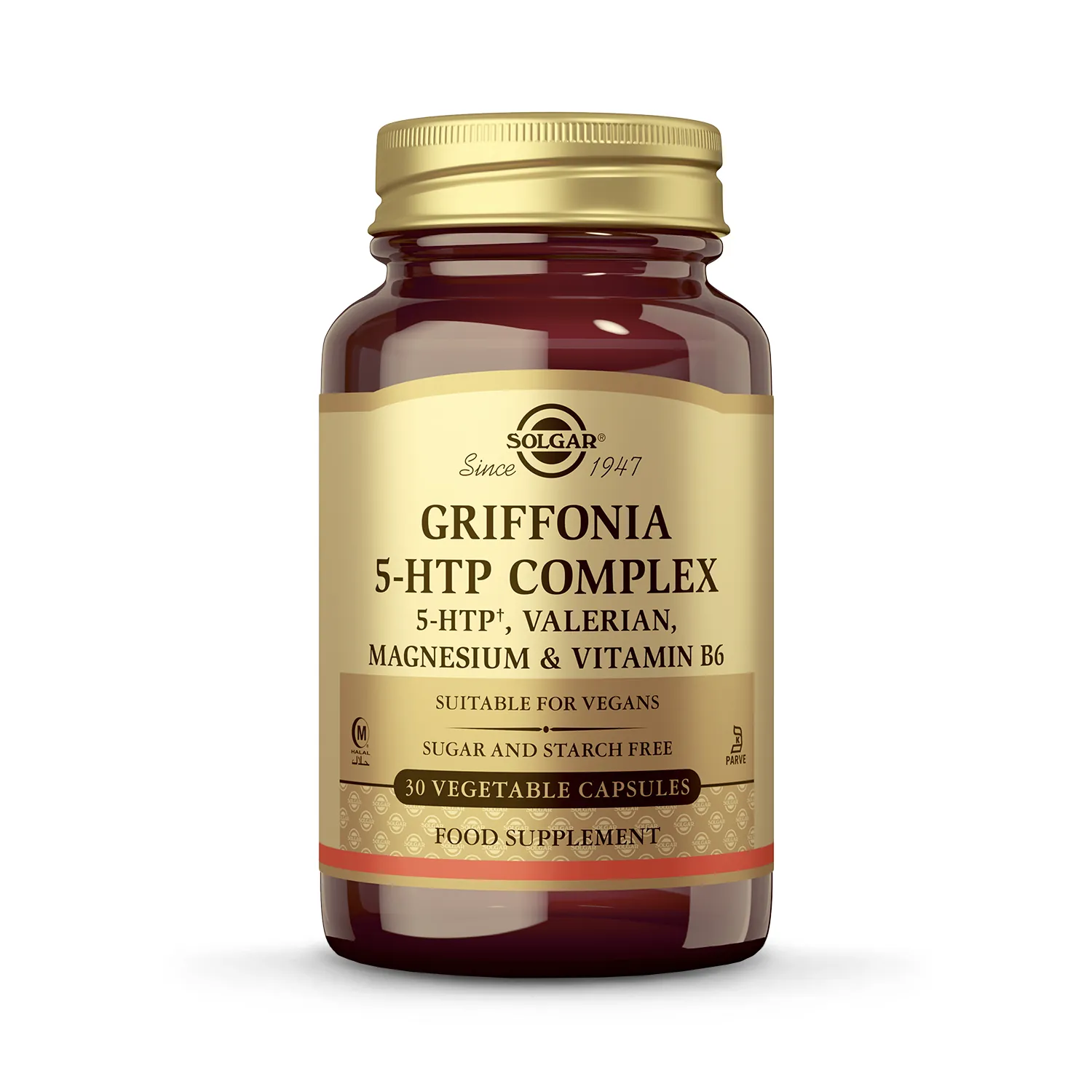
An instructive comparison emerges between the two Solgar products themselves. The standalone Griffonia 5-HTP Complex (30 capsules) scores effectiveness 72.0 but a concerning side-effects score of just 58.0. The expanded formula — which adds valerian root, magnesium, and vitamin B6 alongside the base 5-HTP — scores effectiveness 78.0 and a substantially improved side-effects score of 71.0. The message is clear: 5-HTP performs better when scaffolded by complementary ingredients, and the addition of magnesium in particular appears to improve both efficacy and tolerability. A product built around 5-HTP in isolation faces a harder trade-off than one that uses it as one element in a considered multi-ingredient formula.
Effectiveness vs Price: All Sleep Supplements
The Melatonin Regulatory Vacuum
The near-total absence of melatonin-containing products in this analysis reflects regulation, not market preference. In the United Kingdom, melatonin is classified as a prescription-only medicine, available for adults over 55 under the brand name Circadin, and is not legally sold over the counter. This places the UK out of step with most of continental Europe and the United States, where low-dose melatonin is widely available as an unregulated food supplement.
The restriction has shaped the entire sleep supplement market. Manufacturers have responded by emphasising 5-HTP — which converts through serotonin to melatonin endogenously — and by highlighting botanical ingredients such as valerian root, passion flower, and tart cherry, all of which have some evidence for supporting melatonin production indirectly. PAQ's Sleep PAQ product explicitly labels itself "No Melatonin", functioning simultaneously as a regulatory compliance statement and a market differentiator.
Consumers should be alert to products acquired through online marketplaces from non-UK sources. Some imported supplements contain melatonin in concentrations that require a prescription under UK law. The MHRA has issued guidance on this, but enforcement at the consumer level is inconsistent. Any product purchased outside regulated UK retail channels that lists melatonin on the label should be treated with caution — not only for legal reasons, but because quality control cannot be assumed for products outside the UK regulatory framework.
Products That Deliver on the Promise
The top of the rankings reveals a consistent pattern: the highest-scoring products combine a well-specified form of magnesium with one or more synergistic ingredients, maintain clarity about dosage, and avoid the complexity trap of adding numerous compounds without evidential rationale. The products occupying the top four positions illustrate this principle from different angles.
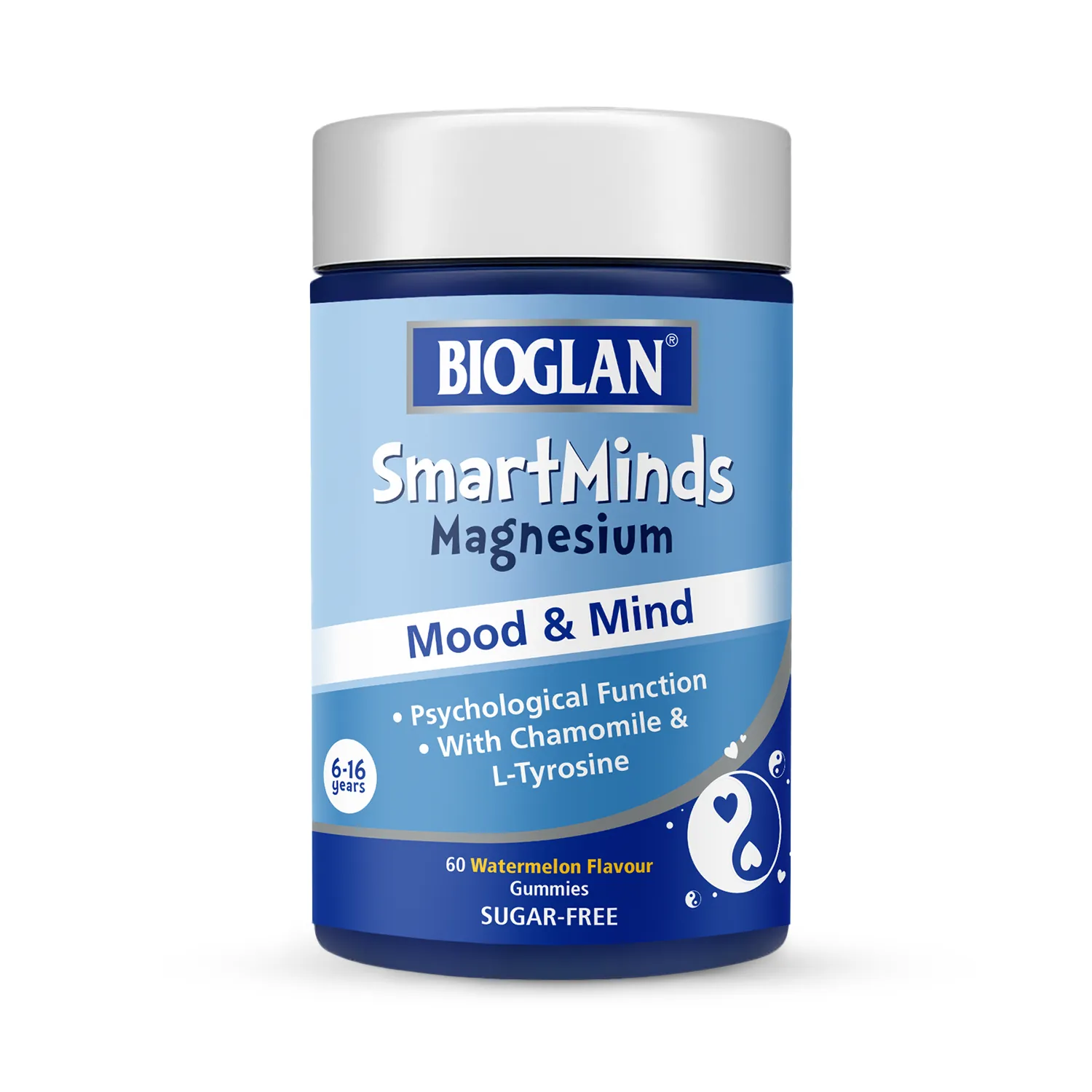
Bioglan SmartMinds Magnesium Night-Time Gummies (rank 1, overall score 80.0) achieves the highest effectiveness score in the entire sample at 90.0, matched by an equally strong side-effects score of 90.0. Its sister product, SmartMinds Magnesium Mood and Mind Gummies (rank 2, overall score 70.0), demonstrates consistent formulation quality across the brand, though its mood-and-cognition positioning dilutes the sleep-specific signal. The SmartMinds range is targeted at children and families, which may explain the emphasis on gummy format and the particularly cautious safety profile — paediatric-oriented products face higher consumer and commercial scrutiny on tolerability.
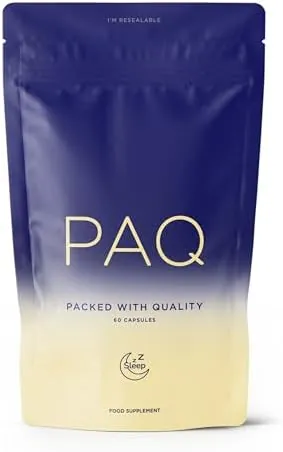
PAQ Sleep PAQ (rank 3, overall score 72.0, effectiveness 78.0) is the most interesting formulation in the top five. Its ingredient list — magnesium, L-theanine, passion flower, and tart cherry — represents a deliberate multi-mechanism approach to sleep support. L-theanine promotes alpha-wave brain activity associated with relaxed, non-drowsy calm; passion flower has evidence for reducing anxiety-mediated insomnia; tart cherry is one of the few plant-based sources of naturally occurring melatonin at pharmacologically plausible concentrations. The combination earns a side-effects score of 85.0, suggesting good tolerability despite the formulation complexity — the mark of a product where ingredient interactions have been considered rather than ignored.
Solgar Griffonia 5-HTP Complex with Valerian, Magnesium and B6 (rank 4, overall score 74.0) is the highest-ranked 5-HTP product and offers a useful comparison with its simpler stablemate. Its effectiveness score of 78.0 and side-effects score of 71.0 both improve substantially on the standalone Solgar 5-HTP formula (rank 6, effectiveness 72.0, side-effects 58.0). The supporting cast of magnesium and valerian root appears to mitigate the tolerability concerns associated with isolated 5-HTP supplementation and to improve overall formula coherence. The lesson is that 5-HTP is a useful ingredient in a considered combination, but a difficult anchor for a product on its own.
Below the top four, the rankings expose how additional ingredients can cut both ways. HealthEssent's Sleeping Tablets (rank 7, overall 62.0) combine magnesium glycinate, valerian root, lemon balm leaf, and L-theanine — a combination that looks promising on paper — yet the product records a side-effects score of just 50.0, the lowest in the entire top 10. Combining multiple central-nervous-system-calming agents amplifies interaction risk even when each compound individually has a reasonable safety profile. Bulk's ZMA Capsules (rank 8, overall 62.0) score a side-effects score of 55.0. The ZMA format — zinc, magnesium, and vitamin B6 — is well-established in sports nutrition for recovery, and its appearance in a sleep context reflects how broadly magnesium's effects are understood. Neither product's safety profile would recommend it over the top five.
Safety Scores Expose Hidden Trade-offs
The side-effects score in this analysis operates on an inverted scale: higher scores indicate fewer reported adverse effects. Read this way, the data exposes a 40-point spread in tolerability across the top 10 products alone — from 50.0 (HealthEssent Sleeping Tablets) to 90.0 (Bioglan SmartMinds Night-Time Gummies) — a gap that product marketing almost never surfaces.
The category averages by ingredient compound the concern. The two 5-HTP products average a side-effects score of 66.0, versus the magnesium category average of 76.4. That 10.4-point differential carries real clinical weight given that 5-HTP carries documented interaction risks with SSRIs, tricyclic antidepressants, and certain opioid analgesics — drug classes with millions of regular users in England. Consumers on any of these medications should consult a GP before using 5-HTP in any concentration.
More broadly, the safety score divergence within the magnesium category itself — where products range from 50.0 to 90.0 despite sharing the same headline ingredient — is a reminder that formulation complexity introduces risk that ingredient lists alone do not communicate. The presence of a safe primary ingredient does not guarantee a safe product overall.
What Buyers Should Know
The data from this analysis supports several practical conclusions for UK consumers navigating the sleep supplement market.
Prioritise magnesium form over brand name. The most consistent predictor of a high effectiveness score is the specification of magnesium glycinate or magnesium bisglycinate rather than cheaper forms such as magnesium oxide or magnesium carbonate. Manufacturers who have invested in bioavailable forms generally advertise that fact explicitly on the label. Products that list simply "magnesium" without specifying the compound should be treated with scepticism.
Multi-ingredient formulas require ingredient-by-ingredient scrutiny. PAQ Sleep PAQ and Solgar's enhanced 5-HTP complex demonstrate that well-constructed combination products can outperform single-ingredient alternatives. But formulation complexity is not inherently a virtue. Adding more ingredients multiplies interaction risk, increases the likelihood that individual components are under-dosed, and makes it harder to attribute any observed effect to a specific compound. For each ingredient listed, verify that the dose falls within the range studied in clinical trials — products frequently include an ingredient at a fraction of the evidential dose, sufficient to appear on the label but insufficient to produce an effect.
The price premium deserves examination. With magnesium-based sleep supplements averaging £17.92 in this sample, consumers are paying substantially more than the cost of a basic magnesium glycinate supplement. The top-scoring products justify some of that premium through formulation quality, but the data shows no consistent relationship between price and overall score across the category. High-quality magnesium glycinate supplementation does not require the most expensive product on the shelf.
Weight the side-effects score according to your circumstances. For an otherwise healthy adult taking no prescription medication, the tolerability differences between products may be of limited practical significance. For those on antidepressants, blood pressure medication, or anticoagulants — or for anyone supplementing a child or elderly relative — the side-effects score should carry as much weight as effectiveness in the purchase decision. The 40-point range observed within the top 10 products is a meaningful signal of heterogeneous risk profiles, not a statistical artefact.
Be cautious about products implying melatonin equivalence. In the UK, legitimate over-the-counter sleep supplements work around the melatonin restriction through 5-HTP, tart cherry, and supporting botanicals. Any product — particularly those acquired from international online marketplaces — that contains melatonin directly, or that makes efficacy claims that imply direct melatonin activity, warrants scrutiny of both its formulation and its source. Regulatory compliance is not an administrative detail; it is a proxy for quality oversight.
How This Analysis Was Conducted
This analysis covers 23 sleep supplement products available in the UK market, spanning oral formats (capsules, tablets, gummies) and one topical formulation. Products were scored across five dimensions: effectiveness (based on ingredient-level clinical evidence, formulation quality, and user review data), side-effects profile (reflecting reported adverse effects in both product reviews and clinical literature), value for money, ingredient quality, and certification status.
The ingredient-level comparison presented in this report focuses on the two most prevalent active compounds — magnesium, present in 21 products (91.3%), and 5-HTP, present in 2 products (8.7%). Effectiveness and side-effects averages by ingredient are calculated across all products in which that ingredient functions as a primary or materially contributing component. Average prices reflect retail pricing at the time of data collection.
Effectiveness scores incorporate both the mechanistic evidence base (peer-reviewed clinical trial literature and systematic reviews) and reported user experience at scale. The side-effects score operates on an inverted scale: a score of 90 indicates very few reported adverse effects; a score of 50 indicates a more problematic tolerability profile. Overall scores represent a weighted composite of all five dimensions, with effectiveness and ingredient quality given the highest individual weightings. All scores are on a 0–100 scale.
Products were scored independently of any commercial relationship; no manufacturer provided data or editorial input into this analysis. The sample of 23 products is not exhaustive of the UK sleep supplement market. Findings should be interpreted as indicative of market patterns rather than definitive assessments of the complete category. Individual responses to supplement ingredients vary considerably, and no score in this analysis constitutes medical advice.
Our Top Picks
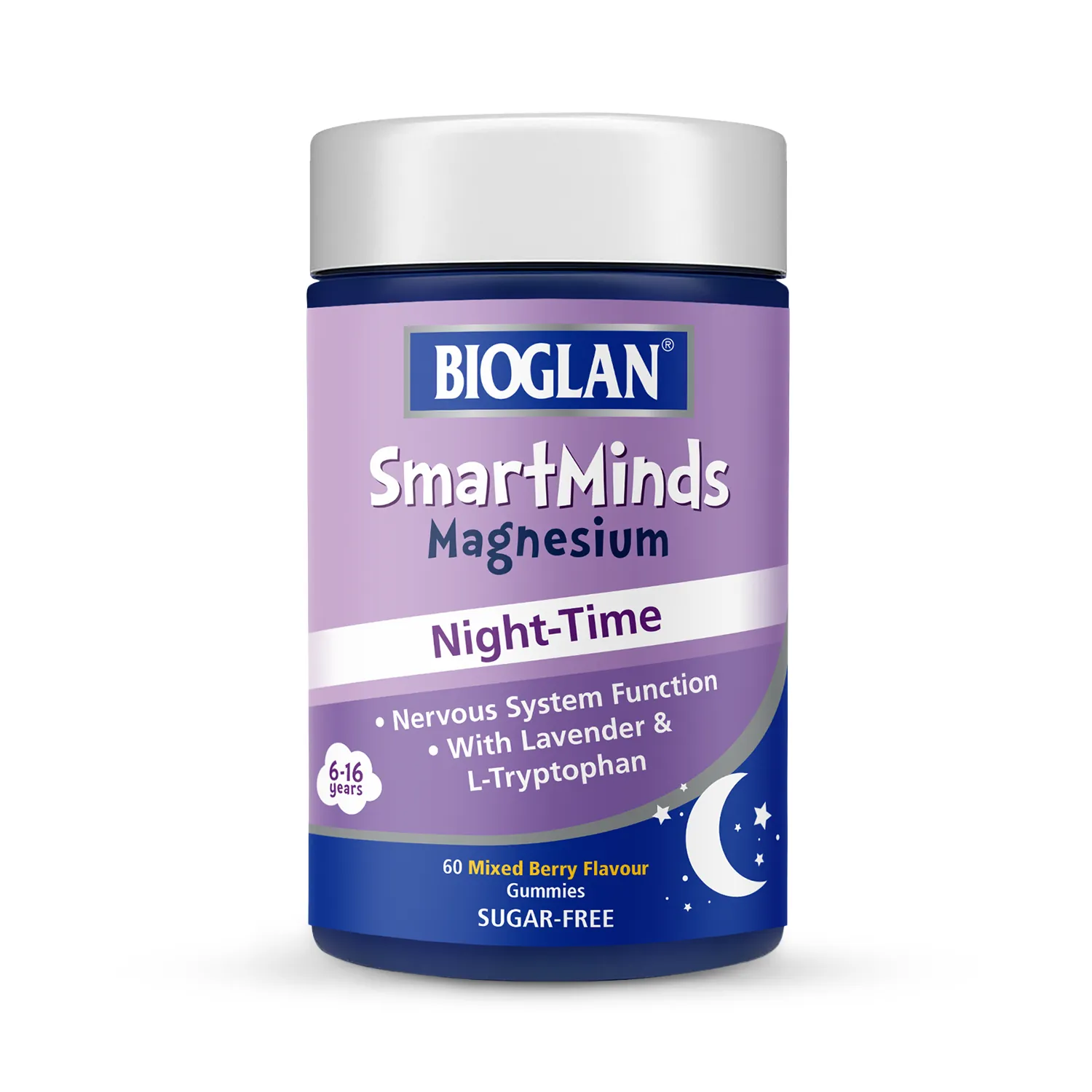
SmartMinds Magnesium Night-Time 60 Gummies
Side effects: 90.0/100, Effectiveness: 90.0/100
View →