The Hidden Cost of Supplement Stacking
When your vitamin B complex, multivitamin, and energy blend all contain the same ingredients, you're paying three times for one benefit.
Key Finding
Vitamin C appears in 8 different supplement categories. Targeted supplements score 76.0/100 vs 67.0/100 for broad-spectrum blends.
Paying Three Times for One Vitamin
The most economically damaging secret in the supplement industry is the quiet duplication hiding across your entire medicine cabinet. An analysis of 790 supplements reveals that vitamin C alone appears across eight distinct supplement categories, meaning that a consumer who takes a daily multivitamin, an immune support formula, and a collagen supplement could be ingesting — and paying for — the same nutrient three times over, often at fragmented doses too small to be clinically meaningful in any single product.
The scale of this overlap is striking. The pairing of multivitamins and mass gainers shares 17 common ingredients, the highest of any category pairing analysed. Multivitamins and general supplements overlap on 13 ingredients; mass gainers and immune support products share eight. These are not trace overlaps — they represent a systematic redundancy built into the architecture of how supplement ranges are constructed and marketed.
The financial consequence is rarely discussed in consumer health media. Data on 85 targeted, single-ingredient supplements versus 68 broad-spectrum blends reveals a persistent performance gap. Targeted supplements — products focused on a single ingredient such as zinc, vitamin D, or omega-3 — score an average of 76.0 on our composite rating, compared to 67.0 for broad-spectrum blends. The effectiveness gap is similarly pronounced: 76.9 versus 69.5. The targeted products carry a higher average price (£17.48 versus £14.31 for broad-spectrum), yet their superior value scores — 76.2 against 67.4 — suggest that for many consumers, consolidating from a multi-product stack into fewer, better-dosed products would improve both outcomes and value at the same time.
This report maps the duplication and examines what the data means for the estimated millions of UK adults who currently take more than one supplement daily.
Most Duplicated Ingredients Across Supplement Categories
Vitamin C Appears in Eight Categories
A granular look at ingredient frequency across 790 supplements exposes a clear hierarchy of duplication. Vitamin C is the most widely distributed active ingredient in the dataset, appearing in eight separate supplement categories — from immune support and multivitamins to sports nutrition and skin formulas. Its ubiquity reflects its marketing versatility: the nutrient supports immune function, collagen synthesis, and antioxidant activity, making it a cost-effective addition to almost any formula. For the manufacturer, its inclusion costs little. For the consumer doubling up on three products each containing it, the cost accumulates silently.
Five further nutrients each appear across five categories: biotin, folic acid, zinc, vitamin D3, inositol, and vitamin D. The presence of both vitamin D3 and vitamin D as distinct entries underscores a broader labelling problem: supplement ingredient lists vary enough that consumers cannot easily identify duplication even when they wish to. A product listing cholecalciferol and another listing vitamin D3 may be delivering an identical compound — a subtlety few shoppers have the biochemistry background to spot on their own.
Zinc's appearance across five categories is particularly notable given its toxicological profile. Unlike water-soluble vitamin C — where excess is excreted — zinc accumulates in tissue. Chronic intake above the UK tolerable upper intake level of 25 mg per day carries documented risks: copper deficiency, impaired immune function, and reduced HDL cholesterol. A consumer taking a multivitamin (typically 10 mg zinc), an immune support supplement (often 10–15 mg), and a pre-workout formula (commonly 5 mg) may be consuming 25–30 mg daily from supplements alone, before any dietary contribution. The duplication, in this case, goes beyond waste — it carries a safety dimension that product labelling rarely flags.
Biotin's presence in five categories also warrants scrutiny. At high doses, biotin is known to interfere with thyroid function blood tests, producing falsely elevated or suppressed results. A consumer who does not realise they are consuming biotin from three separate products may inadvertently affect the accuracy of routine health screening.
| Category Pair | Shared Ingredients | Examples |
|---|---|---|
| Multivitamins + Mass Gainers | 17 | vitamin e, biotin, zinc |
| Supplements + Mass Gainers | 15 | vitamin e, zinc, calcium |
| Multivitamins + Supplements | 13 | vitamin e, zinc, calcium |
| Multivitamins + Immune Support | 8 | biotin, zinc, selenium |
| Mass Gainers + Immune Support | 8 | biotin, zinc, selenium |
| Multivitamins + Pre-Workout & Performance | 7 | niacin, vitamin d3, grape seed extract |
| Multivitamins + Plant Protein | 4 | iron, vitamin d3, zinc |
| Pre-Workout & Performance + Mass Gainers | 4 | folic acid, creatine monohydrate, niacin |
| Skin, Hair & Nails + Supplements | 4 | vitamin c (as l-ascorbic acid), l-proline |
| Supplements + Immune Support | 4 | vitamin d, zinc, quercetin |
Mass Gainers and Multivitamins — 17 Shared Ingredients
The category pairing that generates the most overlap is, at first glance, a counterintuitive one. Multivitamins and mass gainers share 17 common ingredients — the highest of any pairing in the analysis. The examples are instructive: vitamin E, biotin, and zinc all appear in both product types. Mass gainers, nominally marketed as calorie-dense muscle-building formulas, routinely include full vitamin and mineral blends as a secondary selling point. A consumer who takes a daily multivitamin and a mass gainer is, in effect, paying for two near-identical micronutrient profiles alongside a protein and carbohydrate matrix.
The second-largest overlap — 15 shared ingredients between general supplements and mass gainers (vitamin E, zinc, and calcium among them) — reflects a similar pattern. The broad supplement category acts as a catch-all for complex formulas that inevitably replicate the micronutrient content found in muscle-building products. The third-ranking pair, multivitamins and general supplements at 13 shared ingredients, illustrates how the general supplement category fragments what a single well-rounded product could theoretically provide.
The immune support category generates significant cross-category duplication despite being smaller in product count. It shares eight ingredients with both multivitamins and mass gainers, with biotin, zinc, and selenium appearing in both overlapping pairs. The popularity of immune stacking — combining a daily multivitamin with a dedicated immune formula — is therefore doubly redundant for consumers who also take any sports nutrition product.
The pre-workout and performance category adds a further layer. It shares seven ingredients with multivitamins (including niacin, vitamin D3, and grape seed extract) and four with mass gainers (folic acid, creatine monohydrate, and niacin). A consumer following a standard gym protocol — multivitamin, mass gainer, and pre-workout — may be triplicating niacin and folic acid intake before leaving the locker room. Excess niacin above 500 mg daily is associated with liver stress and flushing reactions; excess folic acid, particularly in consumers with the MTHFR gene variant, is a topic of increasing clinical concern.
| Rank | Product | Brand | Overall | Effectiveness | Value | Category |
|---|---|---|---|---|---|---|
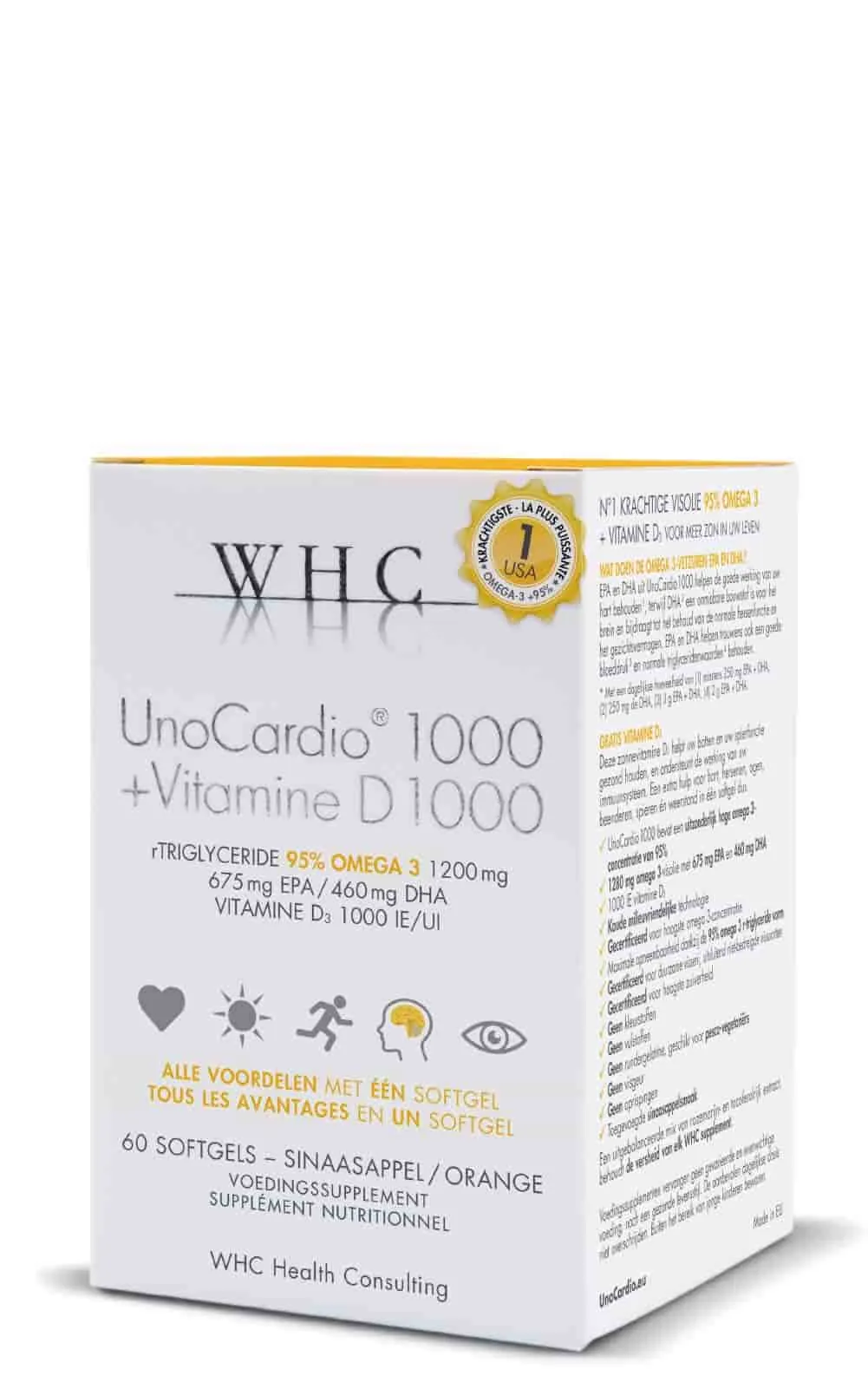
| 1 | WHC | 90/100 | 90.0 | 60.0 | Omega-3 & Fish Oil | |
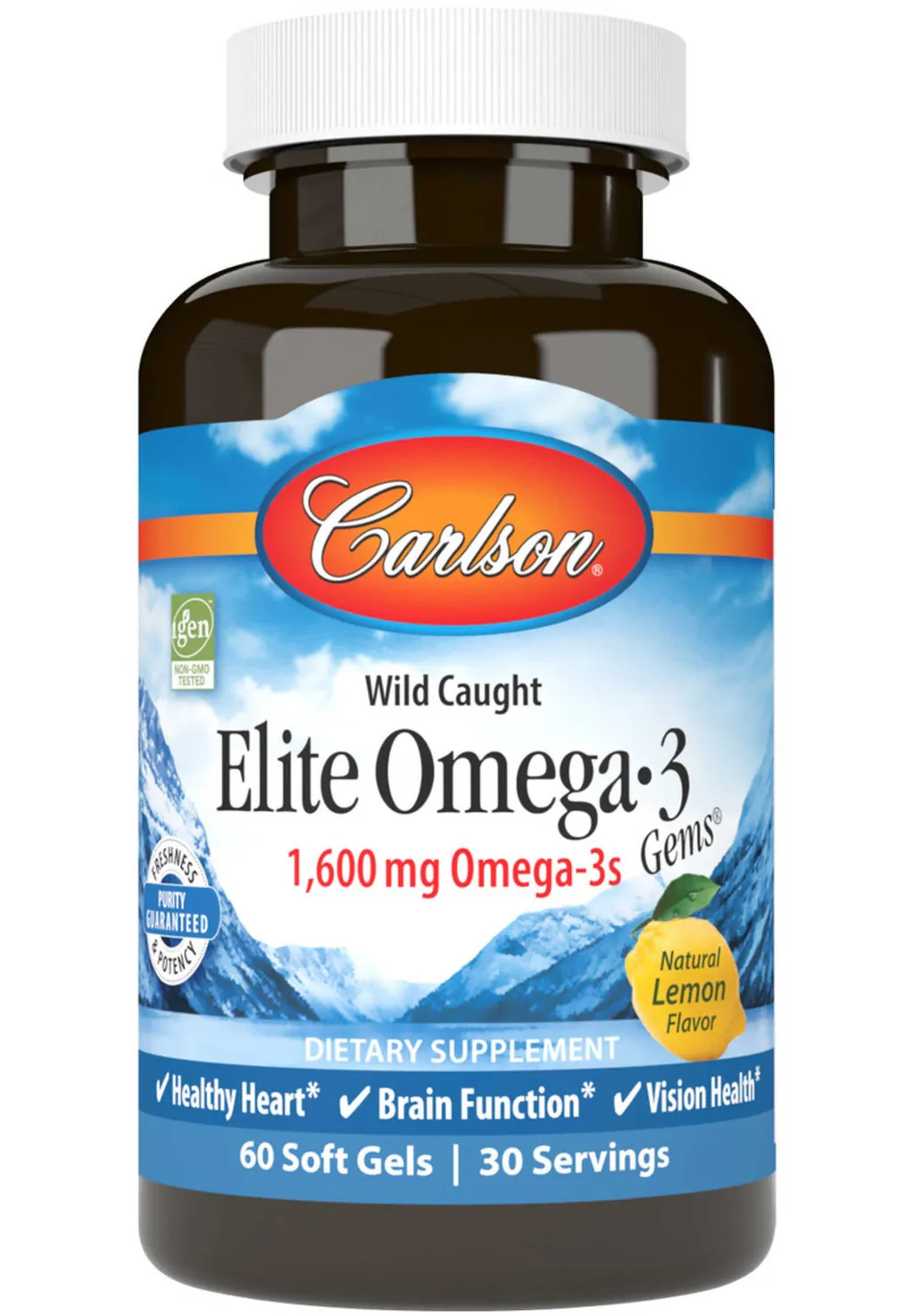
| 2 | Carlson | 87/100 | 87.0 | 76.0 | Omega-3 & Fish Oil | |
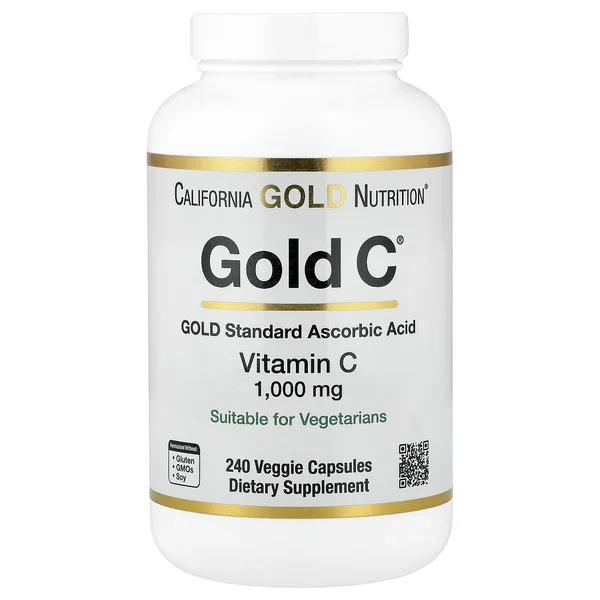
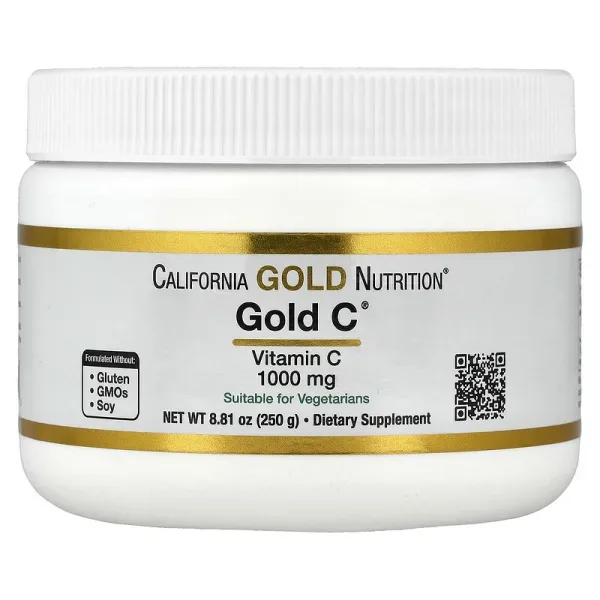
| 3 | California Gold Nutrition | 87/100 | 84.0 | 92.0 | Vitamin C | |
| 4 | California Gold Nutrition | 87/100 | 90.0 | 93.0 | Vitamin D | |
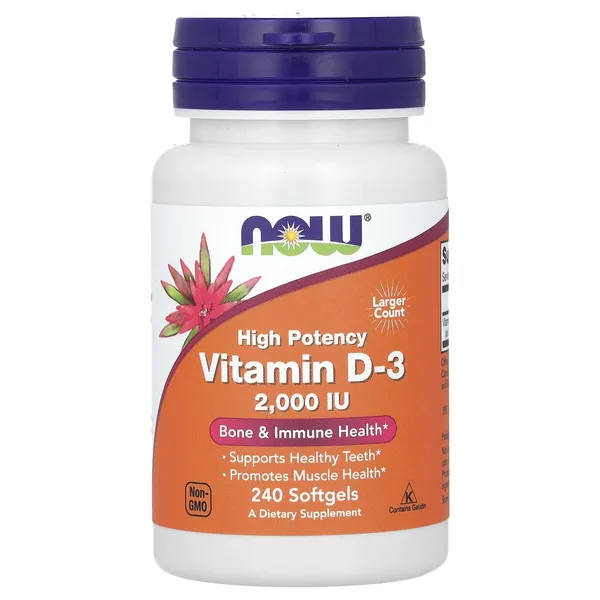
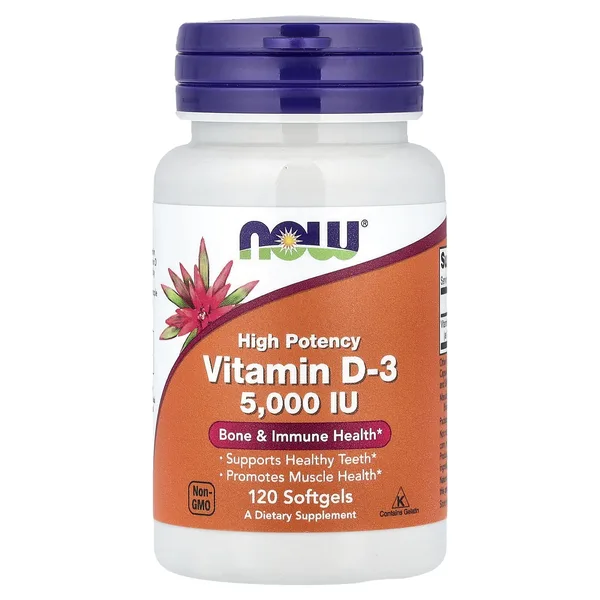
| 5 | NOW Foods | 87/100 | 87.0 | 94.0 | Vitamin D | |
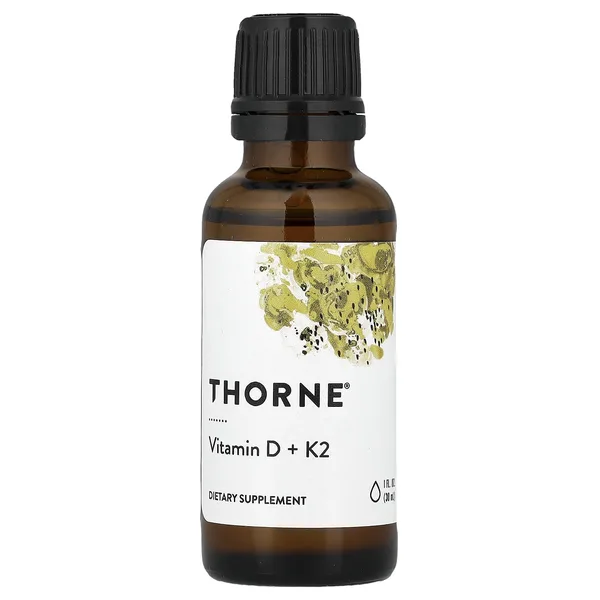
| 6 | Thorne | 87/100 | 88.0 | 76.0 | Vitamin D | |
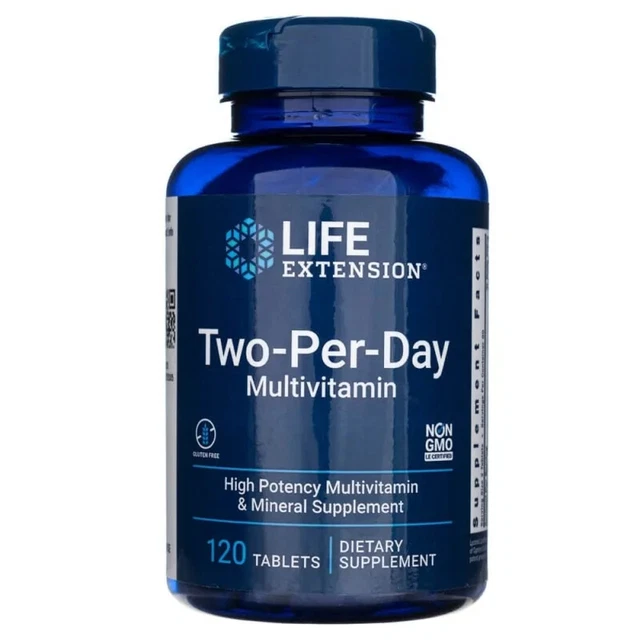
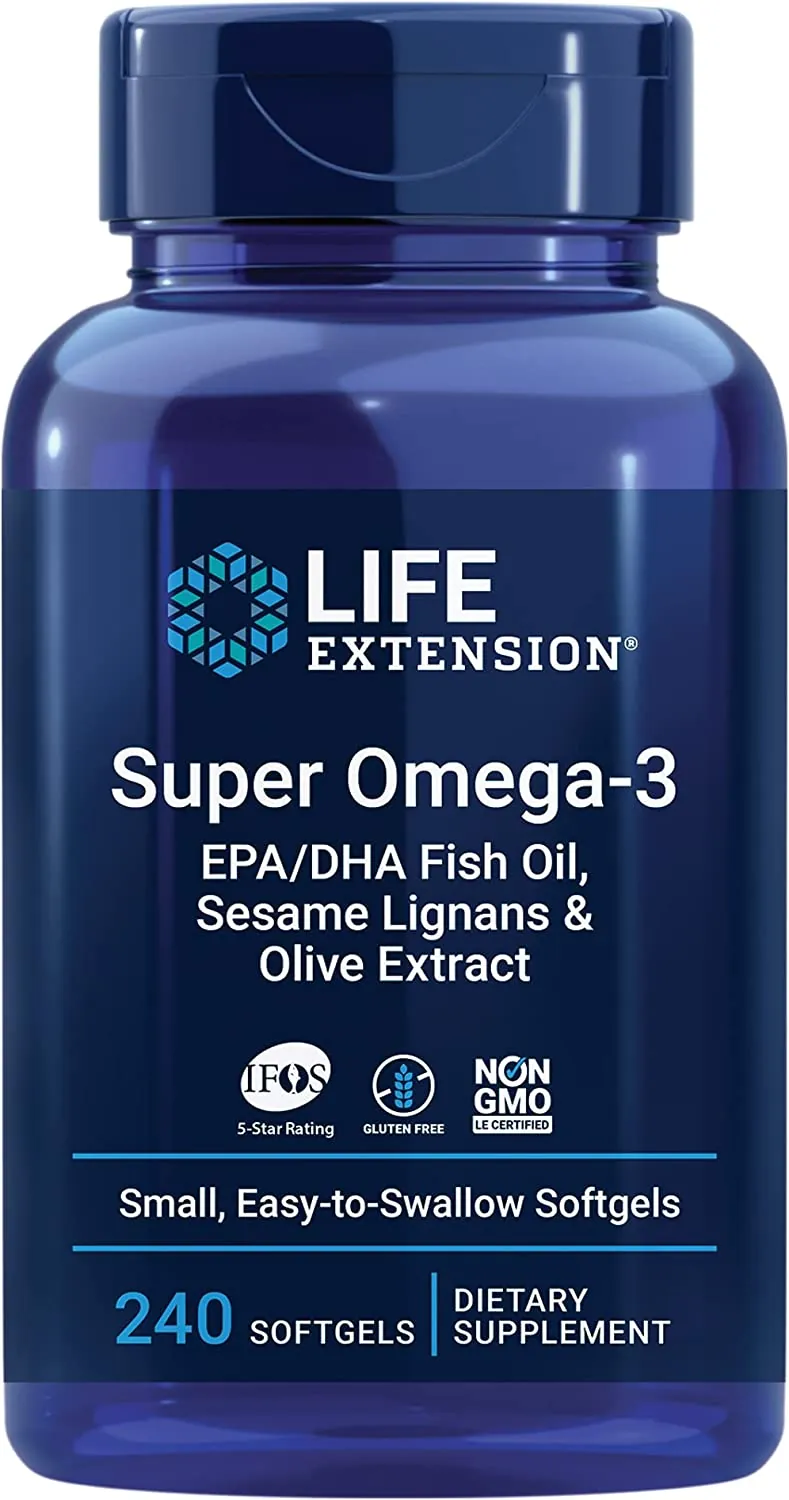
| 7 | Life Extension | 86/100 | 83.0 | 80.0 | Omega-3 & Fish Oil | |
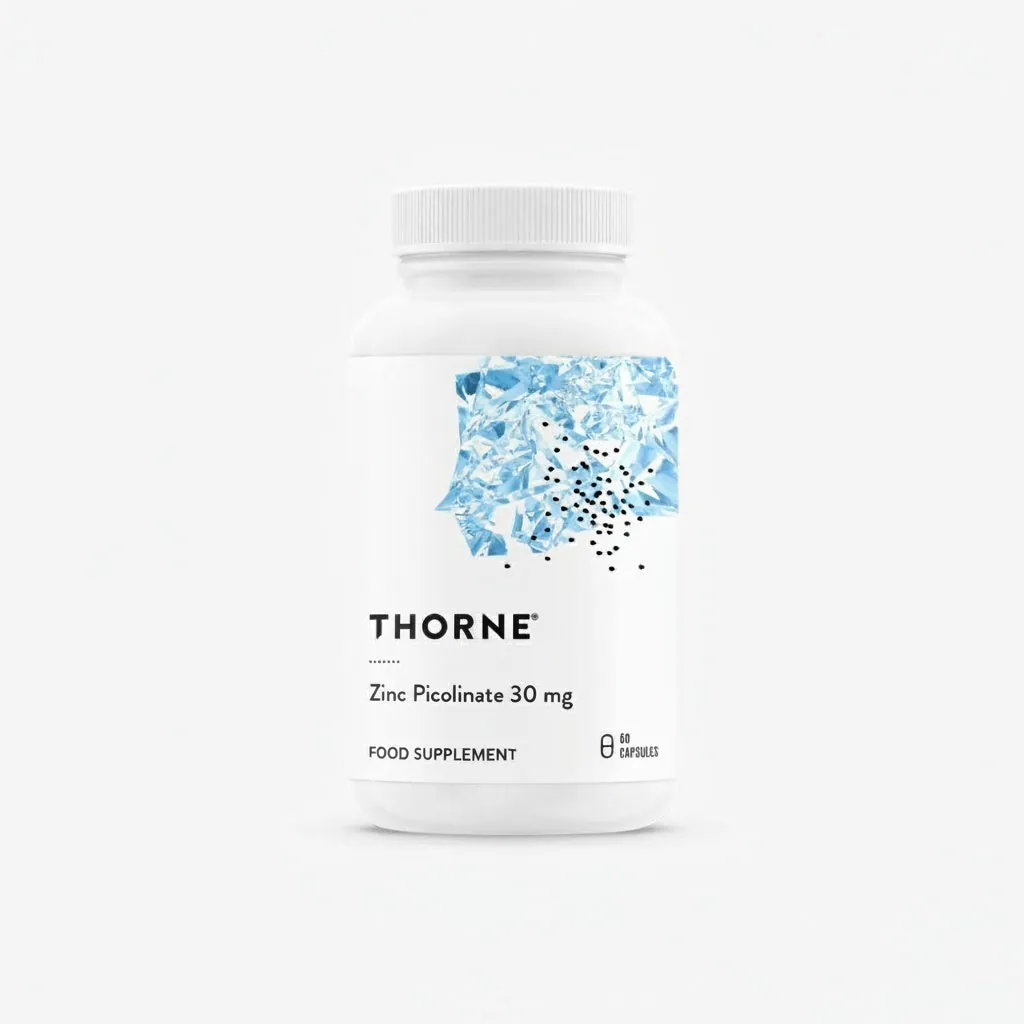
| 8 | Thorne | 85/100 | 84.0 | 74.0 | Zinc | |
| 9 | California Gold Nutrition | 85/100 | 82.0 | 93.0 | Vitamin C | |
| 10 | NOW Foods | 85/100 | 88.0 | 91.0 | Vitamin D |

Nine Points Separate Focus from Formula
The performance data from 153 scored products makes a compelling case for ingredient specificity. Targeted supplements achieve a mean overall score of 76.0 compared to 67.0 for broad-spectrum blends — a nine-point gap across the full dataset. The effectiveness dimension, where ingredient quality and dosage appropriateness carry the most weight, shows a 7.4-point advantage for targeted products: 76.9 versus 69.5.
The reasons are structural. Targeted supplements — a single omega-3 formulation, a standalone vitamin D, a zinc picolinate capsule — concentrate their cost, formulation space, and dosage on one ingredient. The result is typically a clinically relevant dose of a well-evidenced compound. Broad-spectrum blends, by contrast, distribute their budget across 20 or 30 ingredients, leaving many at doses too low to produce a meaningful physiological effect. The label reads impressively; the pharmacology does not always follow.
Price reinforces the picture in a way that challenges the conventional wisdom about supplement value. Targeted supplements average £17.48, compared to £14.31 for broad-spectrum products — a £3.17 premium per product. Yet targeted products score 8.8 points higher on value (76.2 versus 67.4). A consumer running three broad-spectrum products simultaneously spends an average of £42.93 per month on supplements. Replacing that stack with two well-chosen targeted supplements costs approximately £34.96 — a saving of nearly £8.00 — whilst delivering meaningfully higher effectiveness scores by every measure in the dataset.
The top-scoring products reflect this dynamic almost without exception. WHC UnoCardio 1000 — a premium omega-3 formula — achieves an overall score of 90.0 and an effectiveness rating of 90.0, the highest in our targeted supplement cohort. Carlson Elite Omega-3 Gems scores 87.0 overall. California Gold Nutrition's standalone vitamin D3 (5,000 IU, 360 softgels) achieves 87.0 overall with an effectiveness rating of 90.0 and a value score of 93.0, illustrating that focused formulation need not command a luxury premium. NOW Foods Vitamin D-3 5,000 IU delivers an effectiveness rating of 88.0 with a value score of 91.0. By contrast, none of the broad-spectrum blends in the dataset match these combined scores.
Targeted Supplements vs Broad-Spectrum Blends
More Products, Lower Doses, Worse Outcomes
The mechanism behind supplement stacking's hidden cost is dose dilution. Each broad-spectrum blend — a multivitamin, a hair-skin-nails formula, an immune complex — typically includes zinc at 5 mg. Individually, none approaches the 22–25 mg picolinate dose associated in clinical trials with immune function and hormonal support. Collectively, a consumer taking three products may consume 15–20 mg of zinc daily: above typical dietary intake, potentially approaching the tolerable upper limit, yet from no single source at a therapeutically meaningful dose. More products, more spending, and pharmacologically less than a single targeted supplement.
Thorne's Zinc Picolinate 22mg — which scores 85.0 overall with an effectiveness rating of 84.0 — illustrates the alternative. It delivers one ingredient at a researched dose in a well-absorbed form. The equivalent zinc dose spread across three stacked products would cost more in total, deliver uncertain absorption from mixed compound forms, and produce a supplementation protocol that is difficult to troubleshoot if an adverse effect or unexpected test result emerges.
What This Means for Supplement Shoppers
The evidence from this analysis points towards a clear practical conclusion: for most consumers, a smaller and more targeted supplement protocol will outperform a larger, blended one on both efficacy and value. A few practical steps follow from the data.
Audit for duplication before adding any new supplement. If you already take a multivitamin and are considering an immune support formula, the data shows you will likely duplicate at least eight ingredients — including zinc and biotin, which carry tolerable upper intake levels. The cost of those duplicated nutrients is waste; in the case of zinc above 25 mg daily, it carries a documented safety consideration.
If you take a mass gainer or fortified protein supplement, assess whether a standalone multivitamin is still necessary. The 17-ingredient overlap between multivitamins and mass gainers — the largest pairing in the dataset — suggests that many gym-going consumers are paying the full retail price of a multivitamin for ingredients already delivered by their protein powder. Cross-referencing the two label ingredient lists takes under five minutes and could eliminate one product purchase entirely.
For nutrients with strong and well-replicated evidence bases, prioritise targeted products. Vitamin D3, omega-3 fatty acids, and zinc each have substantial bodies of randomised trial data supporting their use at specific doses. California Gold Nutrition's vitamin D3 (overall score 87.0, value score 93.0) and NOW Foods' equivalent (value score 94.0) demonstrate that high-quality, research-aligned dosing is available at accessible price points. At the premium end, WHC UnoCardio 1000's omega-3 formula (90.0 overall) illustrates what focused formulation achieves when cost is directed entirely at one therapeutic target.
The supplement industry has clear financial incentives to encourage stacking: more products mean more revenue. The framing of total coverage and synergistic blends serves that commercial interest. The data here suggests a different framing — fewer products, higher doses, clearer evidence — delivers superior results at comparable or lower total expenditure. The hidden cost of supplement stacking goes beyond the money spent on duplicate ingredients. It includes the clinical value foregone by diluting spending across formulas that cannot, by their construction, deliver any single ingredient at a dose that matters.
How This Analysis Was Conducted
This report draws on AIScored's database of 790 supplement products spanning multiple categories including multivitamins, mass gainers, immune support, omega-3 and fish oil, vitamin D, vitamin C, zinc, pre-workout and performance, plant protein, and skin, hair and nails formulas listed in the UK market.
Ingredient duplication analysis was performed by mapping the ingredient lists of all products against a standardised ingredient taxonomy. Where possible, synonyms and alternative chemical names were grouped — for example, cholecalciferol and vitamin D3. However, labelling practices vary significantly across manufacturers, and it is likely that some duplication is undercounted where non-standard nomenclature was used. All duplication counts represent the number of distinct supplement categories, not individual products, in which each ingredient appears.
Category overlap was calculated by identifying shared ingredients between all category pairs in the database and ranking pairs by total shared ingredient count. The overlap examples cited for each pair reflect the most frequently shared ingredients within that pairing.
The targeted versus broad-spectrum comparison covers 153 products: 85 single-ingredient or narrow-focus supplements (omega-3, vitamin D, vitamin C, zinc) and 68 broad-spectrum blends (multivitamins, immune complexes, and sports nutrition formulas with multiple micronutrients). Overall, effectiveness, and value scores are derived from AIScored's multi-criteria evaluation methodology, which incorporates ingredient quality, clinical evidence strength, dosage appropriateness, third-party certification, and price-per-serving analysis. All scores are expressed on a 0–100 scale. Average price comparisons use UK retail prices recorded in the database at the time of analysis. This report was produced in March 2026.
Our Top Picks