Important: This page is for informational purposes only, based on published peer-reviewed research and official UK dietary guidelines (NHS, EFSA, SACN). It does not constitute medical advice. Always consult your GP or pharmacist before starting, stopping, or combining supplements.
Ashwagandha and Valerian — Can You Take Them Together?
Overview
Ashwagandha (Withania somnifera) and valerian (Valeriana officinalis) are both widely used herbal supplements for sleep support and stress management, each with distinct but overlapping mechanisms. Research suggests both herbs engage GABAergic pathways — the brain's primary inhibitory neurotransmitter system — which creates a meaningful interaction when taken together. For individuals using both supplements simultaneously, this is important to understand: the combination may enhance sleep-promoting effects, but it also raises the potential for additive sedation that could be excessive in some individuals. Individual responses may vary considerably depending on dose, preparation, and personal sensitivity.
How They Interact
Ashwagandha's sedating properties appear to stem from multiple converging mechanisms. Research published in the Journal of Ethnopharmacology (Candelario et al., 2015; PMID 26068424) provided direct electrophysiological evidence that aqueous Withania somnifera extract acts as an agonist at both GABA-A and GABAρ1 receptors in mammalian neurons — notably the first study to demonstrate direct receptor activation rather than indirect modulation. Withanolides also modulate the hypothalamic-pituitary-adrenal (HPA) axis, reducing cortisol output and facilitating a shift towards parasympathetic tone, which independently supports sleep onset. Valerian's primary active constituent, valerenic acid, is a subunit-selective allosteric positive modulator of GABA-A receptors, preferentially potentiating GABAergic transmission at β2 and β3-containing receptor subtypes, as characterised in molecular studies by Trincavelli et al. (2007; PMID 17585957). Unlike benzodiazepines, neither herb is a direct GABA agonist; both instead enhance endogenous GABA activity at partially overlapping but distinct receptor sites. Co-administration may therefore produce additive — and in some individuals synergistic — central nervous system depression, with the degree of interaction likely dose-dependent.
Timing & Dosage Guidance
Research on both herbs individually supports evening administration, typically 30 to 60 minutes before bedtime, to align peak sedative effects with intended sleep onset. When combining ashwagandha and valerian for sleep support, this evening timing window is most appropriate and best supported by the available clinical evidence. Daytime use of either supplement, and particularly both together, is best avoided if the individual needs to drive, operate machinery, or sustain cognitive alertness — the combination increases this risk relative to either herb alone. In the RCT by Langade et al. (2019; PMID 31728244), ashwagandha was administered in part as an evening dose in the context of sleep support. Those new to either herb should assess tolerance to each separately before combining. Individual responses may vary.
In clinical trials, ashwagandha has been studied at 300–600 mg of standardised root extract (KSM-66 or Sensoril) per day, with sleep-focused applications typically using an evening dose of 300–600 mg. Valerian has been investigated at 300–600 mg of standardised extract (typically 0.8% valerenic acid content) taken as a single evening dose. When combining both herbs, beginning at the lower end of each dosage range — for example 300 mg ashwagandha and 300 mg valerian — is prudent to assess individual sensitivity to any additive sedative effect before considering escalation. Neither supplement has an established UK dietary reference value, and EFSA has not approved specific health claims for either herb. Doses meaningfully above those used in clinical trials remain poorly characterised for safety, particularly in combination.
Recommended Action
If combining, evening use for sleep support is most appropriate. Individuals sensitive to sedation may want to start with one and assess tolerance before combining.
Ashwagandha Timing
When: Evening
Note: Evening preferred for stress/sleep. Can be taken morning for energy/endurance. With food to avoid GI discomfort.
Valerian Timing
When: Evening
Note: Evening only — 30-60 minutes before bed. Sedating. Do not combine with alcohol or sedative medications. May take 2-4 weeks for full effect.
Scientific Evidence
4 peer-reviewed studies cited. All links lead to PubMed abstracts.
Journal of Ethnopharmacology (2015) · PMID: 26068424
Aqueous Withania somnifera root extract demonstrated direct agonist activity at both GABA-A and GABAρ1 receptors in mammalian neurons, providing the first electrophysiological evidence for a direct GABAergic basis of ashwagandha's sedative properties.
Cureus (2019) · PMID: 31728244
KSM-66 ashwagandha root extract (300 mg twice daily for 10 weeks) significantly improved sleep onset latency and sleep efficiency in patients with sleep difficulties compared to placebo, with no serious adverse events reported.
American Journal of Medicine (2006) · PMID: 17145239
Meta-analysis of 16 randomised placebo-controlled trials found valerian supplementation was associated with a statistically significant improvement in subjective sleep quality (relative risk 1.8), though methodological variability across preparations was noted.
Indian Journal of Psychological Medicine (2012) · PMID: 23439798
KSM-66 ashwagandha (300 mg twice daily for 60 days) significantly reduced serum cortisol levels and self-reported stress scores versus placebo, consistent with measurable HPA axis modulation.
Frequently Asked Questions
Research suggests both can be taken together, specifically in the evening for sleep support, but the combination is likely to produce greater sedation than either supplement alone. Because both herbs engage GABAergic pathways through overlapping mechanisms, additive effects are pharmacologically plausible. It is generally advisable to establish tolerance to each herb separately before combining them, and to avoid this pairing when alertness is required. Individual responses may vary.
Next-morning grogginess is a possible outcome for some individuals, particularly at higher doses or when either supplement is taken several hours before intended sleep onset. Valerian has been associated with morning sedation in some trial participants. Taking both supplements close to bedtime, and starting at the lower end of each dose range, may help reduce this effect. Individual responses may vary significantly and are difficult to predict in advance.
Both ashwagandha and valerian have demonstrated generally favourable safety profiles in short-term clinical trials conducted independently. However, their combined use has not been evaluated in formal human safety studies. The primary concern is additive central nervous system sedation, which may be amplified by alcohol or sedative medications. Individuals taking prescribed sedatives, anxiolytics, anticonvulsants, or sleep medications should consult a healthcare professional before using either herb, let alone the combination.
Top Ashwagandha Products on AIScored

Nutravita Organic Ashwagandha KSM-66® 500mg - Premium Full-Spectrum Root Extract - Naturally Occurring Withanolides - 60 Vegan Capsules – Certified Organic Ashwagandha Supplement - Made in the UK


Shilajit Gummies with 50% Fulvic Acid & Ashwagandha - Energy Support & Brain Health
Top Valerian Products on AIScored

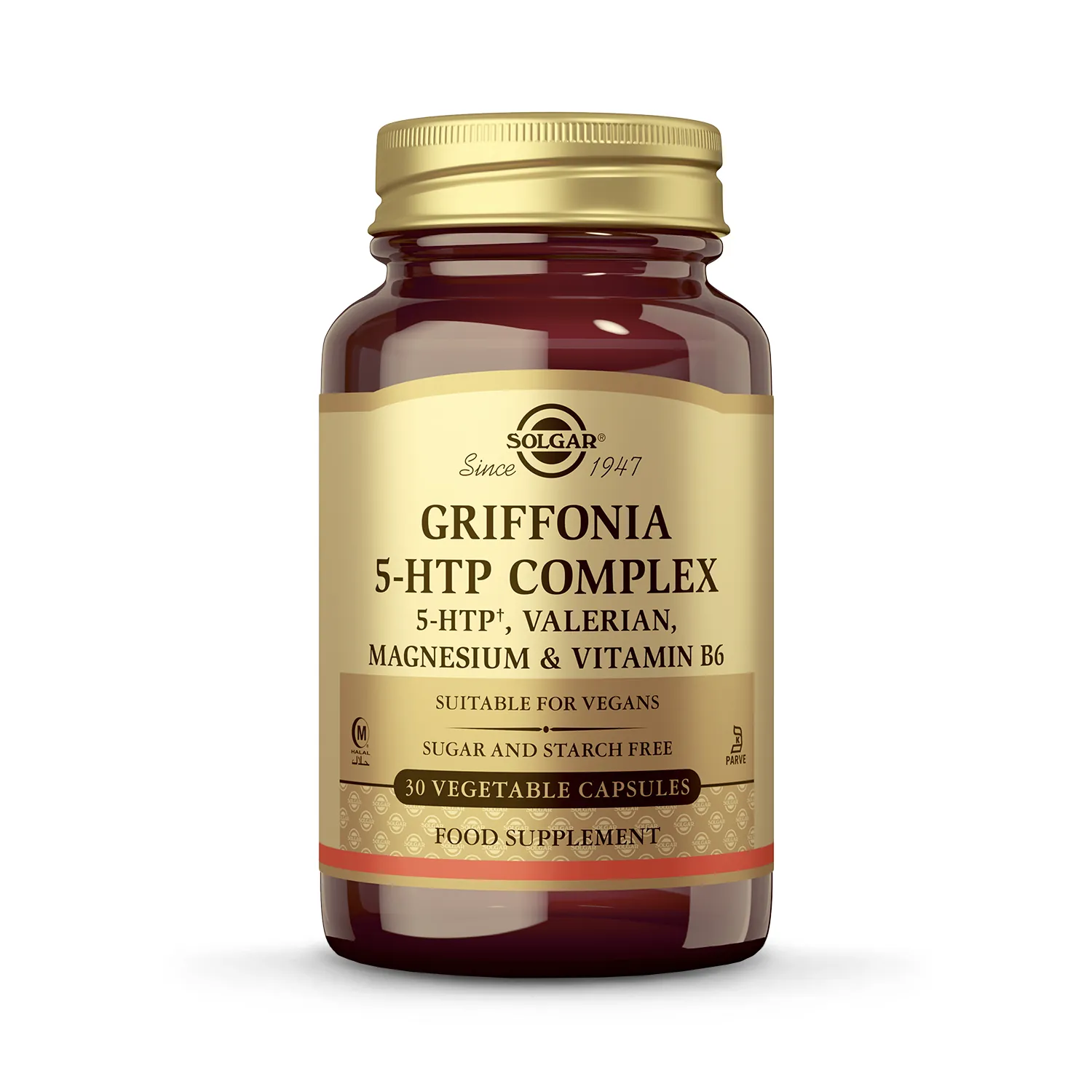
Solgar Griffonia 5-HTP Complex – Sleep and Mood Support with Valerian Root, Magnesium, and Vitamin B6 - Vegan & Gluten Free - Pack of 30
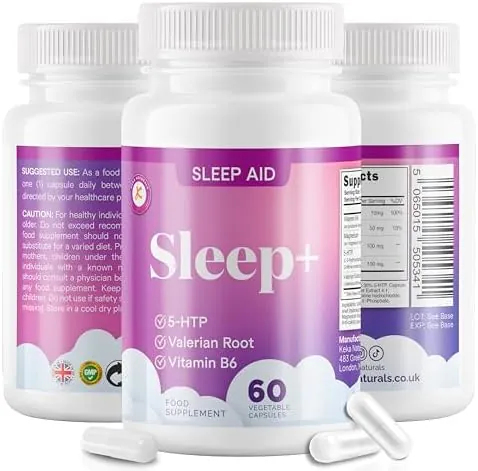
Sleep Support with 5-HTP, Valerian Root, Magnesium and Vitamin B6, Advanced High Strength Formula - 60 Veg Capsules
Want to check more interactions?
Add these and other supplements to our interactive Stack Analyzer for a full analysis.
Build your full stack →