Important: This page is for informational purposes only, based on published peer-reviewed research and official UK dietary guidelines (NHS, EFSA, SACN). It does not constitute medical advice. Always consult your GP or pharmacist before starting, stopping, or combining supplements.
Boron and Calcium — Can You Take Them Together?
Overview
Boron is a trace mineral that has attracted growing scientific interest for its apparent influence on mineral metabolism, particularly its relationship with calcium. While boron has no established Reference Nutrient Intake in the UK, emerging evidence suggests that supplemental doses of 3 to 6mg per day may help reduce urinary calcium losses, thereby supporting the body's ability to maintain adequate calcium levels. Given that calcium is the dominant mineral in bone tissue, and that many UK adults fall short of the 700mg daily intake recommended by SACN, this interaction is of potential relevance for those looking to support long-term bone health. Individual responses may vary.
How They Interact
The biological basis for boron's influence on calcium centres on its apparent modulation of steroid hormone and parathyroid hormone (PTH) activity. A controlled study by Nielsen et al. (1987), published in the FASEB Journal (PMID 3678698), found that 3mg per day of dietary boron markedly reduced urinary calcium and magnesium excretion in postmenopausal women, with the effect most pronounced under conditions of low dietary magnesium. The researchers observed concurrent elevations in serum 17-beta-estradiol and testosterone, suggesting boron may enhance steroid hormone metabolism. Since oestrogen is known to promote renal calcium reabsorption and suppress bone resorption, elevated oestradiol may be one pathway through which boron supports calcium retention. PTH is a principal regulator of calcium homeostasis, acting on the kidneys to increase reabsorption and on bone to mobilise calcium reserves; boron may modulate this signalling pathway as well. This multi-pathway hormonal mechanism distinguishes boron from nutrients that act directly on intestinal calcium transport. Evidence remains emerging, and the degree to which these effects manifest may depend on individual hormonal status and background dietary magnesium intake.
Timing & Dosage Guidance
There is currently no evidence that the timing of boron relative to calcium supplementation significantly alters their interaction. Both can be conveniently taken together with a main meal. When supplementing with calcium, the form matters: calcium carbonate requires stomach acid for optimal dissolution and absorption, making it most suitable with food, whilst calcium citrate is effective with or without meals. Boron, typically supplemented at 3 to 6mg, is absorbed via distinct mechanisms and does not compete with calcium for intestinal uptake. Taking both with a main meal is practical and may also reduce the mild gastrointestinal discomfort that some individuals experience with calcium carbonate taken on an empty stomach.
Published research on boron and mineral metabolism has predominantly used 3mg per day as the test dose. EFSA has not established a Tolerable Upper Intake Level for boron, though intakes above 10mg per day are generally considered high, making 3 to 6mg per day a reasonable range for most adults. SACN sets the Reference Nutrient Intake for calcium at 700mg per day for adults, noting that dietary shortfalls are common in the UK. When supplementing calcium, doses of 500mg or less per serving are more efficiently absorbed than larger single doses. Individuals with impaired kidney function, hypercalcaemia, or hormone-sensitive conditions should consult a healthcare professional before combining these supplements, as individual responses may vary.
Recommended Action
Boron is typically taken in small doses (3-6mg) and can be taken alongside calcium supplements.
Boron Timing
When: Any
Note: Take with food. Often combined with calcium and vitamin D for bone support.
Calcium Timing
When: Any
Note: Carbonate requires stomach acid — take with food. Citrate can be taken on empty stomach. Split doses of >500 mg for better absorption.
Scientific Evidence
3 peer-reviewed studies cited. All links lead to PubMed abstracts.
FASEB Journal (1987) · PMID: 3678698
Boron supplementation of 3mg per day markedly reduced urinary excretion of calcium and magnesium and significantly elevated serum 17-beta-estradiol in postmenopausal women, indicating boron modulates mineral retention via steroid hormone pathways.
Journal of Trace Elements in Medicine and Biology (2020) · PMID: 32540741
A narrative review of 11 human studies concluded that 3mg per day of boron supplementation demonstrably supports bone health and helps maintain adequate bone mineral density through modulation of calcium, vitamin D, and sex steroid hormone metabolism.
American Journal of Clinical Nutrition (1997) · PMID: 9062533
Under conditions of low magnesium intake, boron supplementation reduced the proportion of dietary calcium lost in urine in postmenopausal women, indicating that dietary magnesium status modulates the extent of boron's effect on calcium retention.
Frequently Asked Questions
Research suggests boron does not directly increase intestinal calcium absorption. Instead, it appears to work by reducing urinary calcium excretion — the amount of calcium lost via urine. A controlled study by Nielsen et al. (1987) found that boron supplementation significantly reduced urinary calcium losses in postmenopausal women. This indicates boron may support calcium retention within the body rather than increasing initial uptake from food or supplements. Individual responses may vary depending on hormonal status and background dietary intake.
Calcium fructoborate is a naturally occurring boron compound found in plant foods, providing both boron and a small quantity of calcium. Some researchers have proposed it may offer bioavailability advantages over synthetic boron salts such as boron citrate or boron glycinate, but direct comparative human trials remain limited. A 2020 narrative review by Rondanelli et al. in the Journal of Trace Elements in Medicine and Biology (PMID 32540741) found evidence for bone health benefits across multiple boron forms at 3mg per day, without establishing superiority for any particular form.
Boron and calcium do not compete for absorption and there is no known antagonism between the two at standard supplemental doses. SACN advises against exceeding 1,500mg per day of total calcium from all sources combined. Those with kidney disease, hypercalcaemia, or conditions affecting hormone metabolism should seek guidance from a healthcare professional before long-term supplementation with either mineral, as individual responses may vary and suitability will depend on personal health context.
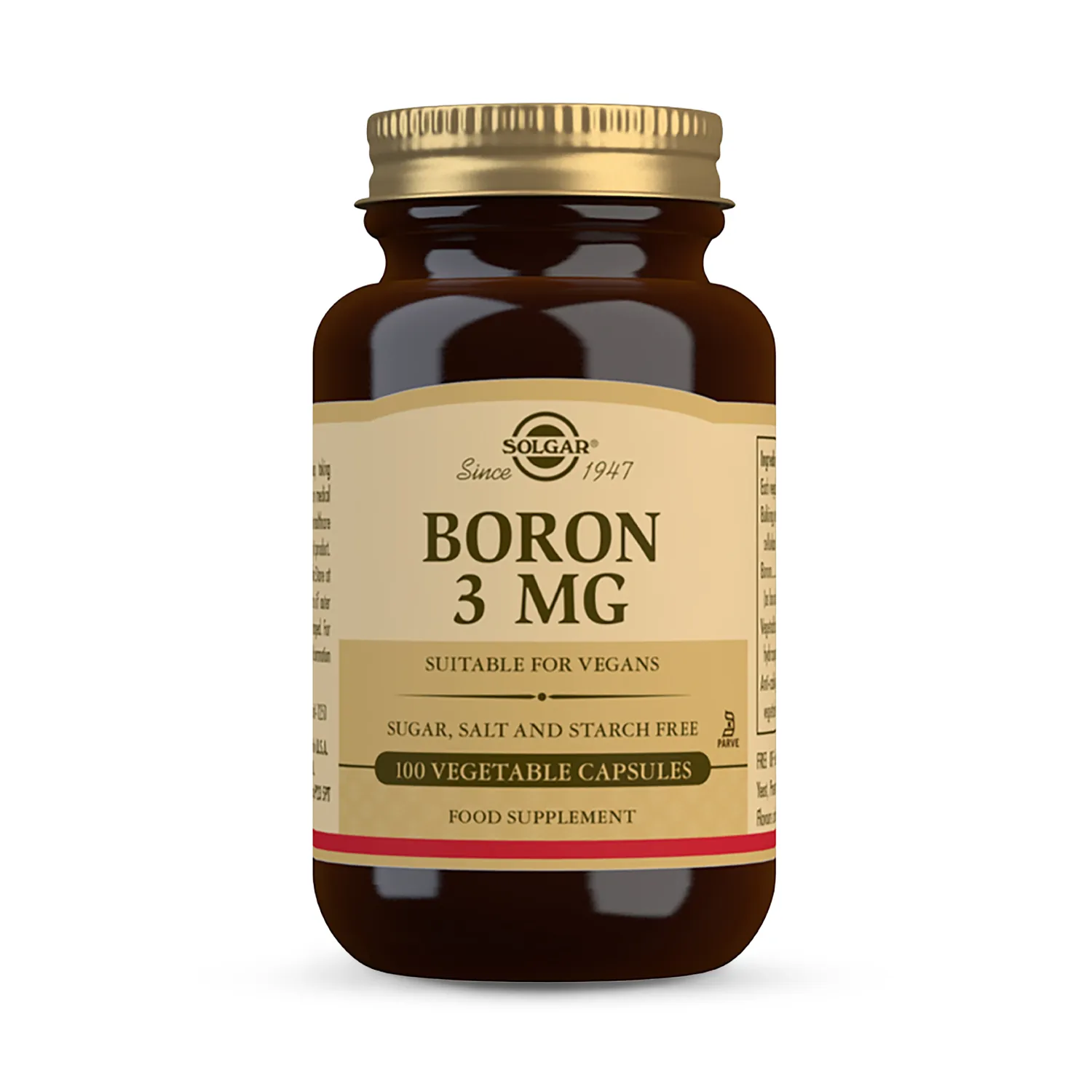
Top Boron Products on AIScored
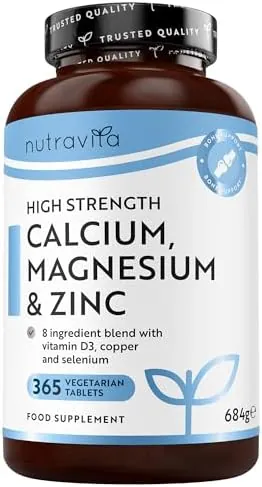
Nutravita Calcium Magnesium & Zinc with Vitamin D D3 Copper Selenium Boron and Manganese - 365 Tablets
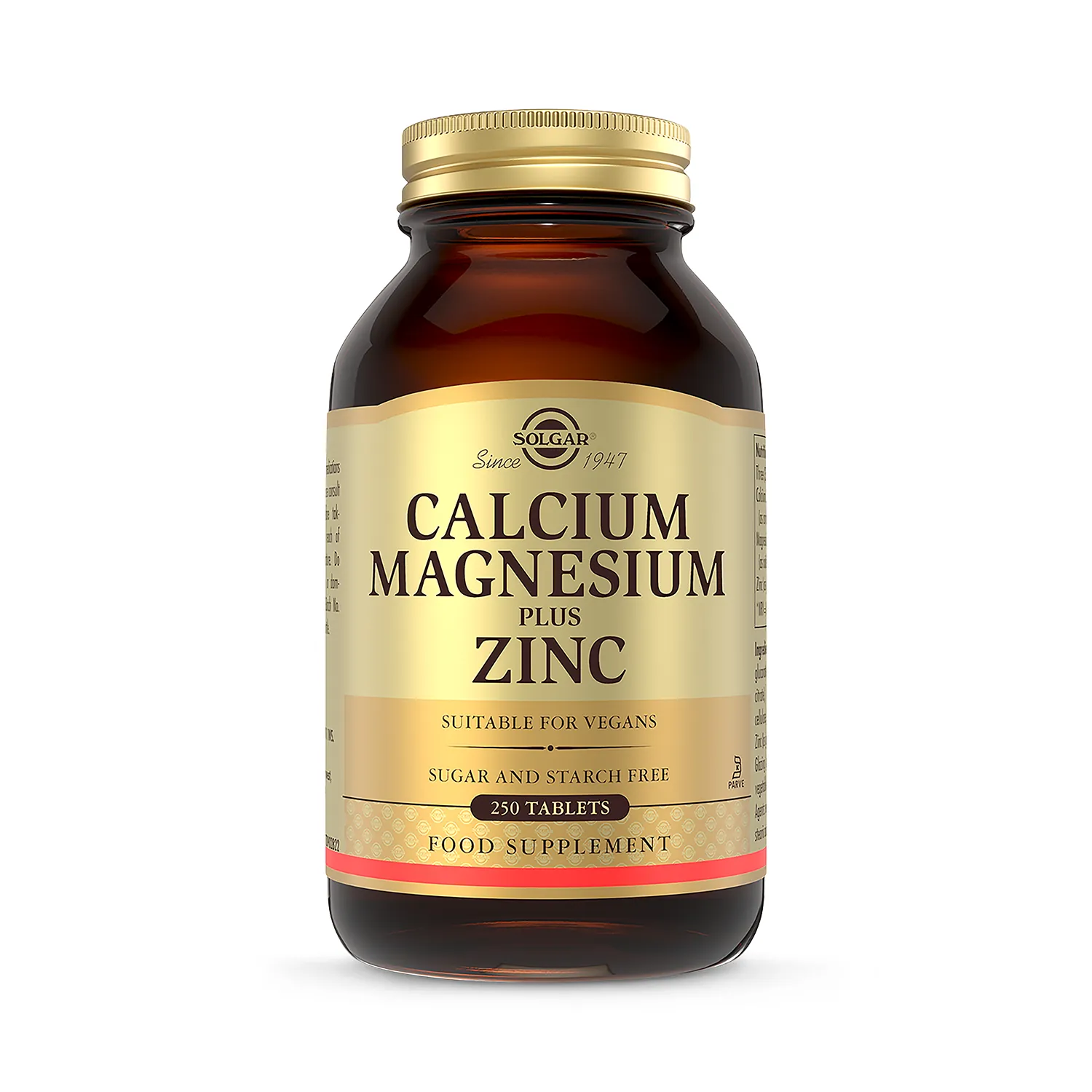
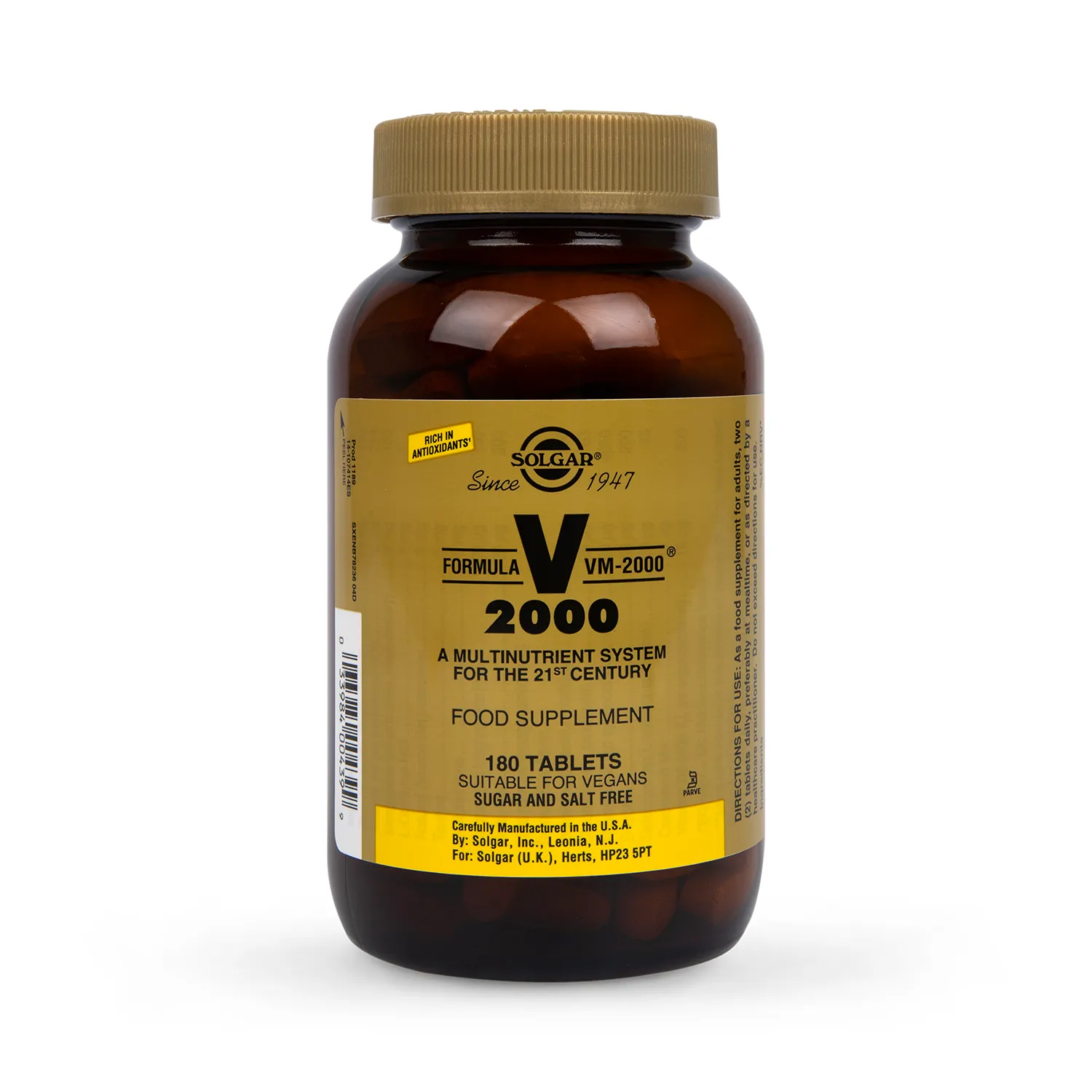
Top Calcium Products on AIScored
Want to check more interactions?
Add these and other supplements to our interactive Stack Analyzer for a full analysis.
Build your full stack →