Important: This page is for informational purposes only, based on published peer-reviewed research and official UK dietary guidelines (NHS, EFSA, SACN). It does not constitute medical advice. Always consult your GP or pharmacist before starting, stopping, or combining supplements.
Boron and Vitamin D3 — Can You Take Them Together?
Overview
Boron and Vitamin D3 represent one of the more intriguing emerging areas of nutritional science, with research suggesting this trace mineral may meaningfully influence how the body retains the 'sunshine vitamin.' Vitamin D deficiency remains highly prevalent in the UK — the NHS recommends supplementation for all adults during autumn and winter — making any factor that affects its metabolism clinically relevant. Boron, found in nuts, legumes, and leafy vegetables, has a well-established role in bone health and mineral metabolism. Emerging evidence indicates these two nutrients may act synergistically, with boron potentially extending Vitamin D3's biological activity by slowing its enzymatic breakdown.
How They Interact
The proposed mechanism centres on 24-hydroxylase (CYP24A1), an enzyme responsible for converting the active form of Vitamin D — calcitriol [1,25(OH)₂D] — into inactive metabolites, thereby regulating its clearance from circulation. Boron appears to inhibit this catabolic enzyme, which would theoretically extend the half-life of circulating Vitamin D metabolites, including 25-hydroxyvitamin D [25(OH)D] — the principal marker used to assess Vitamin D status in clinical practice. Miljkovic et al. (2004), writing in Medical Hypotheses, formally proposed this mechanism after observational data showed elevated serum 25(OH)D concentrations in individuals with higher boron intakes. This hypothesis was further elaborated by Pizzorno in a 2015 comprehensive review in Integrative Medicine, which positioned boron's influence on Vitamin D retention alongside its roles in calcium absorption and parathyroid hormone regulation as collectively significant for musculoskeletal health. It is important to note that this research remains largely mechanistic and observational in nature. Large-scale randomised controlled trials specifically examining boron's effect on Vitamin D status are limited, and the magnitude of any effect at standard supplemental doses has not been precisely quantified. Individual responses may vary considerably depending on baseline Vitamin D status and dietary boron intake.
Timing & Dosage Guidance
Vitamin D3 (cholecalciferol) is fat-soluble and its absorption is meaningfully enhanced when taken alongside a meal containing dietary fats — such as olive oil, oily fish, avocado, or nuts. The NHS and EFSA both note that food co-ingestion improves D3 bioavailability. Boron, by contrast, is water-soluble and not dependent on fat for absorption, though taking it with food is generally better tolerated. There is no published clinical evidence specifying an optimal timing relationship between boron and Vitamin D3. Taking both with a main meal is a practical and sensible default. Morning or midday dosing is preferable for Vitamin D3, as some individuals report disrupted sleep when taking it late in the evening, though evidence on this is limited.
The NHS recommends 10 micrograms (400 IU) of Vitamin D3 daily for the general UK adult population, with some clinicians advising 25 micrograms (1,000 IU) or more for those with confirmed deficiency. SACN's 2016 review set the Reference Nutrient Intake at 10 mcg/day. The UK Expert Group on Vitamins and Minerals (EVM) has established a safe upper level for supplemental boron of 9.6 mg per day; standard supplemental doses of 3–6 mg are well within this threshold. If the proposed CYP24A1 inhibition mechanism holds at meaningful scale, its interaction with Vitamin D3 becomes most relevant at higher doses — particularly above 4,000 IU/day — where any reduction in clearance could theoretically prolong Vitamin D activity beyond intended levels. At standard UK-recommended doses, the interaction is considered beneficial.
Recommended Action
Boron is typically taken in small amounts (3-6mg). It may complement Vitamin D3 supplementation at standard doses (1000-4000 IU), particularly in individuals with low dietary boron intake.
Boron Timing
When: Any
Note: Take with food. Often combined with calcium and vitamin D for bone support.
Vitamin D3 Timing
When: Morning
Note: Fat-soluble — better absorbed with a meal containing dietary fat
Scientific Evidence
2 peer-reviewed studies cited. All links lead to PubMed abstracts.
Medical Hypotheses (2004) · PMID: 15504573
Proposed that boron inhibits CYP24A1-mediated catabolism of calcitriol, providing a mechanistic basis for observed associations between boron intake and elevated serum 25-hydroxyvitamin D concentrations.
Integrative Medicine (Encinitas) (2015) · PMID: 26770156
Comprehensive narrative review concluding that boron influences Vitamin D metabolism, oestrogen and testosterone levels, and calcium absorption, with evidence supporting its role as a micronutrient of significance for bone health and chronic disease prevention.
Frequently Asked Questions
Research suggests boron may help maintain higher circulating concentrations of 25-hydroxyvitamin D [25(OH)D] by inhibiting CYP24A1, the enzyme responsible for its degradation. Miljkovic et al. (2004) proposed this mechanism based on observational data correlating boron intake with elevated serum 25(OH)D. However, boron should not be regarded as a substitute for adequate Vitamin D3 supplementation or sensible sun exposure. The evidence remains preliminary, and individual responses may vary depending on baseline Vitamin D and boron status.
At standard doses — 3–6 mg of boron and 400–4,000 IU of Vitamin D3 — the combination is generally considered safe and potentially beneficial, particularly for bone and mineral health. Greater caution applies at high Vitamin D3 doses above 10,000 IU, where reduced enzymatic clearance could theoretically contribute to elevated serum Vitamin D levels over time. Individuals taking high-dose Vitamin D3 therapeutically under medical supervision should discuss any additional supplementation, including boron, with their healthcare provider.
Those with low dietary boron intake — common among individuals with limited consumption of fruits, vegetables, and nuts — and those with borderline or suboptimal Vitamin D status may be most likely to benefit. Pizzorno's 2015 review in Integrative Medicine highlighted that boron's combined effects on Vitamin D metabolism, calcium absorption, and bone mineral density make it a potentially useful co-supplement alongside Vitamin D3 for musculoskeletal support. This may be particularly relevant for older adults and postmenopausal women, in whom both nutrient deficiencies are disproportionately prevalent. Individual responses may vary.
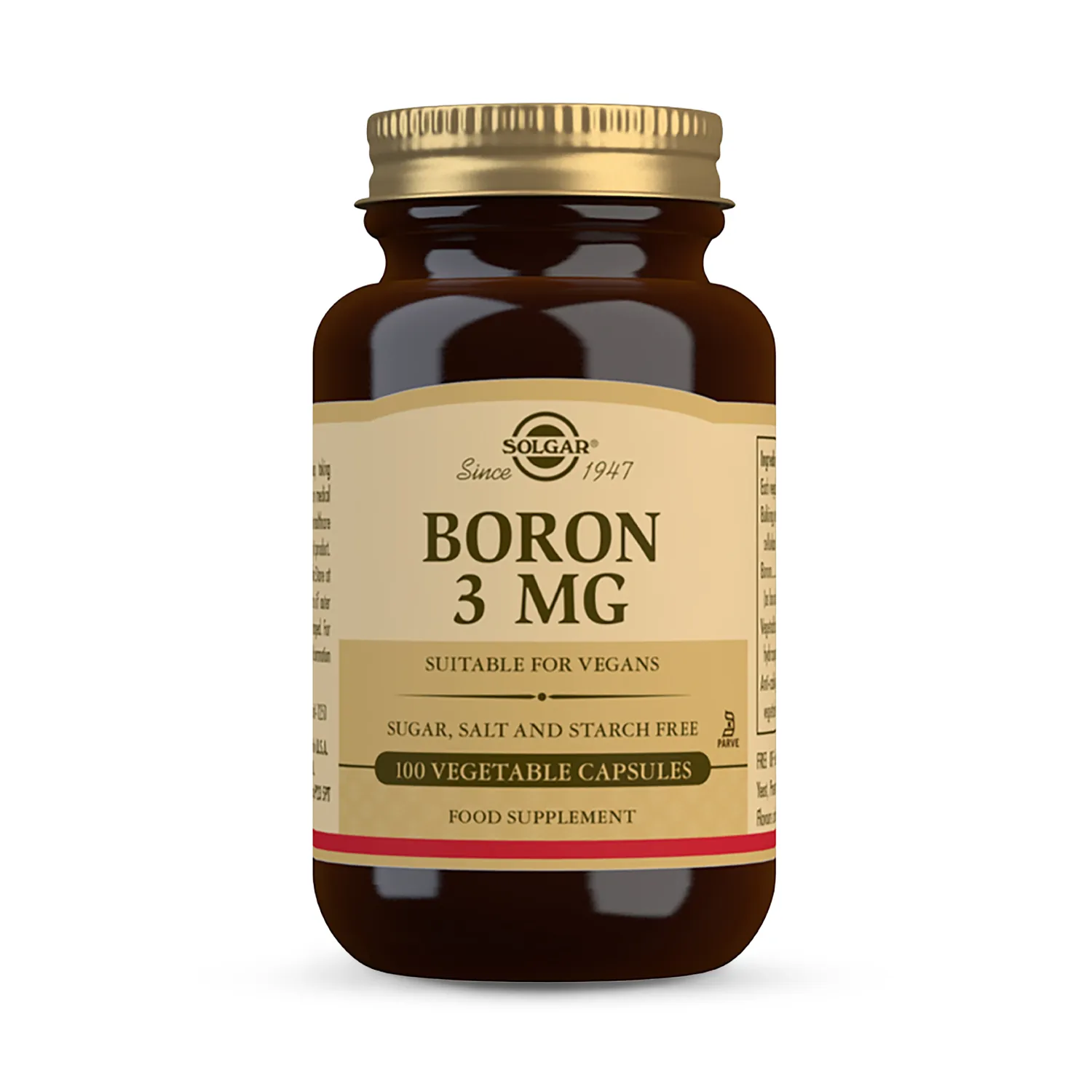
Top Boron Products on AIScored
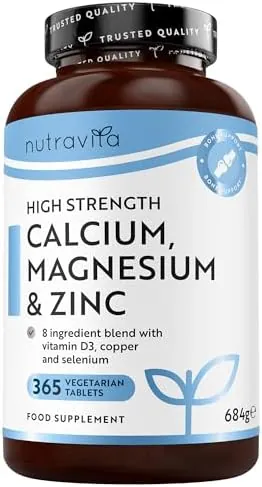
Nutravita Calcium Magnesium & Zinc with Vitamin D D3 Copper Selenium Boron and Manganese - 365 Tablets
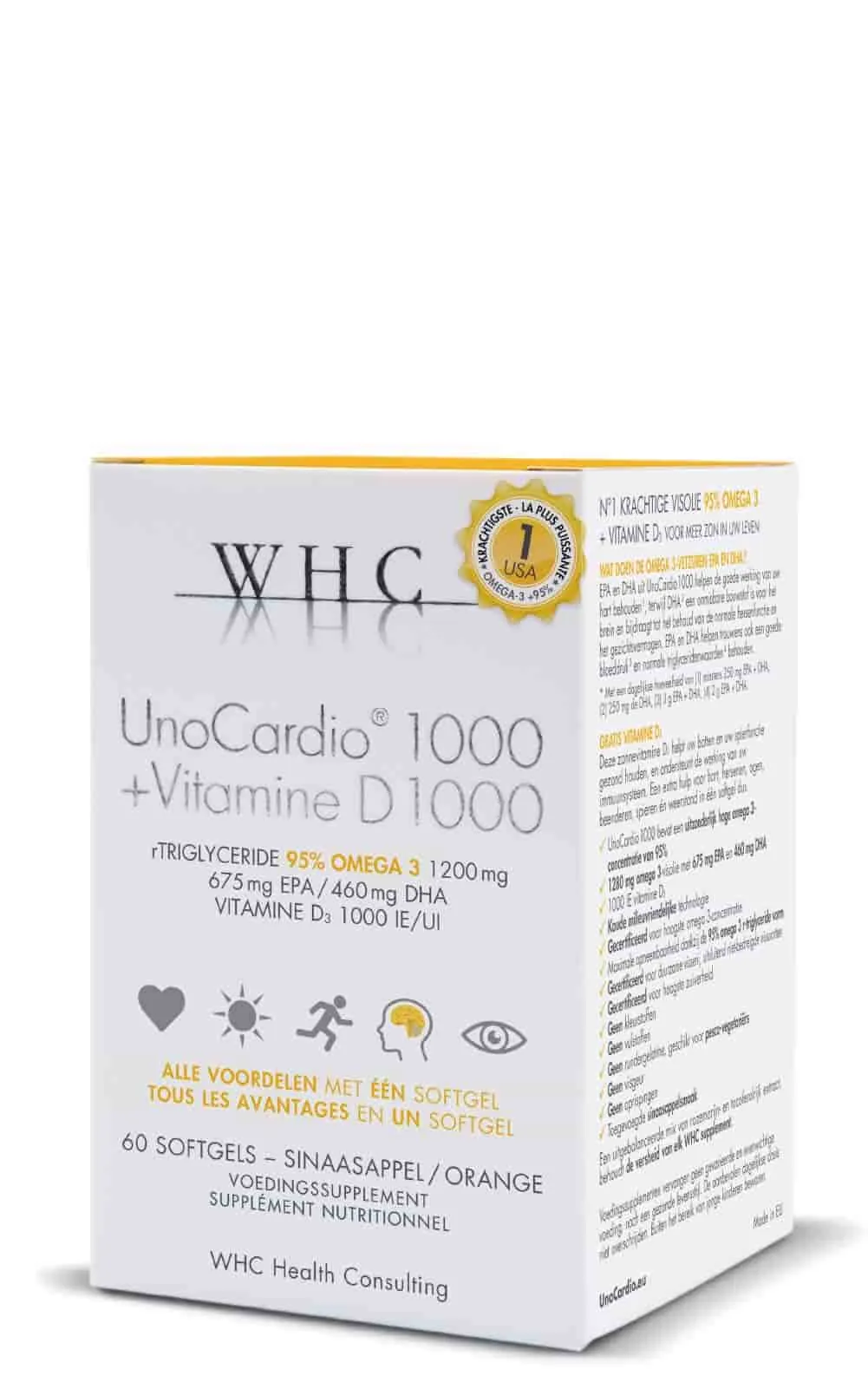
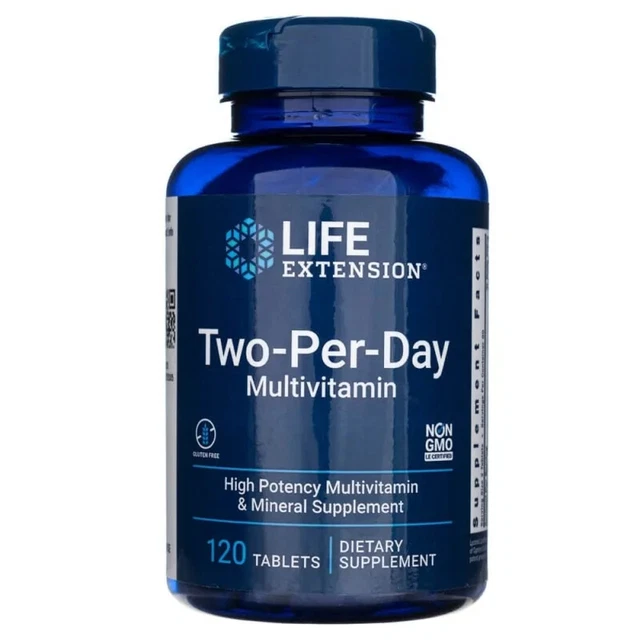
Top Vitamin D3 Products on AIScored
Want to check more interactions?
Add these and other supplements to our interactive Stack Analyzer for a full analysis.
Build your full stack →