Important: This page is for informational purposes only, based on published peer-reviewed research and official UK dietary guidelines (NHS, EFSA, SACN). It does not constitute medical advice. Always consult your GP or pharmacist before starting, stopping, or combining supplements.
Calcium and Chromium — Can You Take Them Together?
Overview
Calcium and chromium are both essential minerals, though with markedly different roles in the body. Calcium — the most abundant mineral — is central to bone and muscle function, whilst chromium, a trace element present in microgram quantities, is involved in insulin signalling and blood glucose management. Research suggests that calcium carbonate, the most widely used supplemental calcium form, may impair chromium absorption when the two are taken simultaneously. This interaction is most relevant for those combining high-dose calcium with chromium for blood sugar management support, and for anyone looking to optimise the efficacy of both minerals.
How They Interact
The proposed mechanism centres on gastric pH. Calcium carbonate is an alkaline compound that acts similarly to an antacid, raising stomach pH when ingested. Inorganic trivalent chromium (Cr³⁺) relies on a degree of gastric acidity to remain soluble and available for intestinal uptake; in a more alkaline environment, it may precipitate or form insoluble complexes, reducing the fraction available for absorption. Parallel evidence for this pathway comes from studies on other divalent minerals: research published in JAMA (O'Neil-Cutting & Crosby, 1986; PMID 3005669) found that calcium carbonate reduced simultaneous iron absorption by approximately 67%, demonstrating how alkalinisation of the gastric environment disrupts trace mineral uptake. A comparable effect on zinc was reported by Argiratos and Samman (Eur J Clin Nutr, 1994; PMID 8194505), who concluded that elemental calcium acts as the primary inhibiting factor in these mineral-mineral interactions. Chromium picolinate — a chelated form — is absorbed as an intact molecule whose intestinal uptake is less dependent on gastric pH. Kottwitz et al. (Biometals, 2009; PMID 18923913) found chromium picolinate achieved approximately twice the intestinal absorption of inorganic chromium chloride (1.16% vs 0.55%), a difference that becomes particularly relevant when the gastric environment is alkalised by concurrent calcium carbonate intake.
Timing & Dosage Guidance
If supplementing both calcium and chromium, separating doses by at least two hours is a practical approach to minimising potential absorption competition. A commonly used strategy is to take calcium supplements with the evening meal — when many people take higher doses for bone health or sleep support — and to take chromium with breakfast or lunch, particularly if the goal is blood glucose management around meals. If using calcium citrate rather than calcium carbonate, the pH-mediated interaction may be less pronounced, as citrate does not raise gastric pH to the same extent. That said, timing separation remains a sensible precaution regardless of the calcium form chosen. Individual responses may vary.
UK adults are advised to consume 700 mg of calcium daily (NHS/SACN recommendation), with typical supplemental doses ranging from 500–1,000 mg per day. The UK does not have an established RDA for chromium; EFSA has set an Adequate Intake (AI) of 25 mcg per day for adults, though doses used in research typically range from 200–1,000 mcg daily. The potential absorption conflict is most clinically relevant when calcium carbonate doses are high (≥500 mg per single dose) and chromium is taken simultaneously. Research by Anderson (J Am Coll Nutr, 1997; PMID 9322187) indicates that chromium's efficacy is both dose-dependent and form-dependent, reinforcing the importance of appropriate supplement selection and timing to maximise absorption.
Recommended Action
If supplementing both, taking them at different times of day may optimise chromium absorption.
Calcium Timing
When: Any
Note: Carbonate requires stomach acid — take with food. Citrate can be taken on empty stomach. Split doses of >500 mg for better absorption.
Chromium Timing
When: Morning
Note: Take with meals — may help support blood sugar metabolism after eating.
Scientific Evidence
4 peer-reviewed studies cited. All links lead to PubMed abstracts.
JAMA (1986) · PMID: 3005669
Calcium carbonate reduced simultaneous iron absorption by approximately 67%, demonstrating how alkalinisation of the gastric environment by calcium salts impairs divalent mineral uptake — a mechanism analogous to the proposed calcium-chromium interaction.
European Journal of Clinical Nutrition (1994) · PMID: 8194505
Both calcium carbonate and calcium citrate significantly reduced zinc absorption in healthy women, with the authors concluding that elemental calcium acts as the primary inhibiting factor in these mineral-mineral interactions.
Biometals (2009) · PMID: 18923913
Intestinal absorption of chromium was approximately twice as high from chromium picolinate (1.16%) compared to inorganic chromium chloride (0.55%), supporting the use of chelated chromium forms when gastric absorption conditions may be suboptimal.
Journal of the American College of Nutrition (1997) · PMID: 9322187
Both the amount and chemical form of chromium are critical determinants of its biological effectiveness in supporting insulin sensitivity, underscoring the importance of optimising absorption conditions when combining with other mineral supplements.
Frequently Asked Questions
The interaction appears most significant with calcium carbonate, which raises gastric pH and may impair inorganic chromium solubility. Calcium citrate, which does not raise gastric pH to the same extent, may present a lesser risk. Chromium picolinate — the chelated form — is absorbed via a mechanism less reliant on gastric acidity (Kottwitz et al., Biometals, 2009; PMID 18923913) and appears more resilient to this interaction. Individual responses may vary depending on gastric acid status and the specific supplement forms used.
Chromium picolinate appears to be the most resilient to absorption interference from calcium carbonate. Unlike inorganic chromium chloride, it is taken up as an intact chelated molecule whose absorption is less dependent on gastric acidity. Research by Kottwitz et al. (Biometals, 2009; PMID 18923913) found intestinal absorption of chromium was approximately twice as high from chromium picolinate compared to chromium chloride, suggesting it may be a preferable option for those also supplementing with calcium carbonate.
The interaction is classified as moderate — it may reduce chromium absorption but is unlikely to pose a direct safety risk. For most people, separating doses by two hours is a practical and sufficient mitigation. Evidence from analogous mineral interactions (O'Neil-Cutting & Crosby, JAMA, 1986; PMID 3005669) suggests timing adjustments can meaningfully improve trace mineral bioavailability when calcium carbonate is involved. This is most relevant for those supplementing chromium specifically for blood sugar management support.
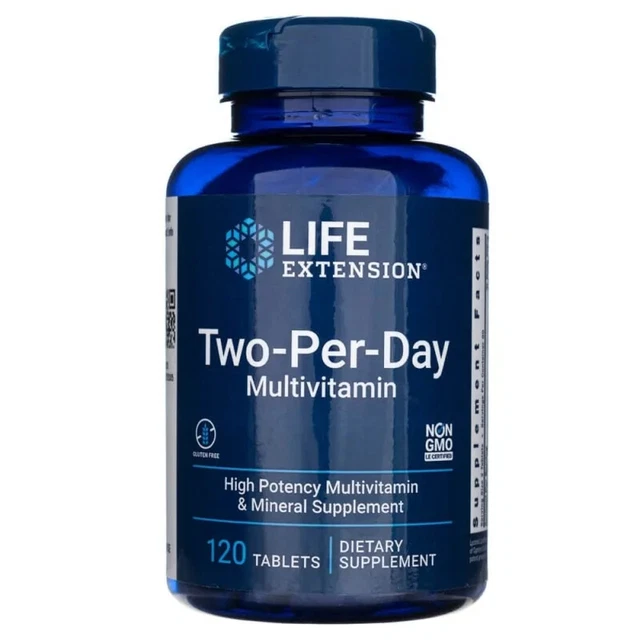
Top Calcium Products on AIScored



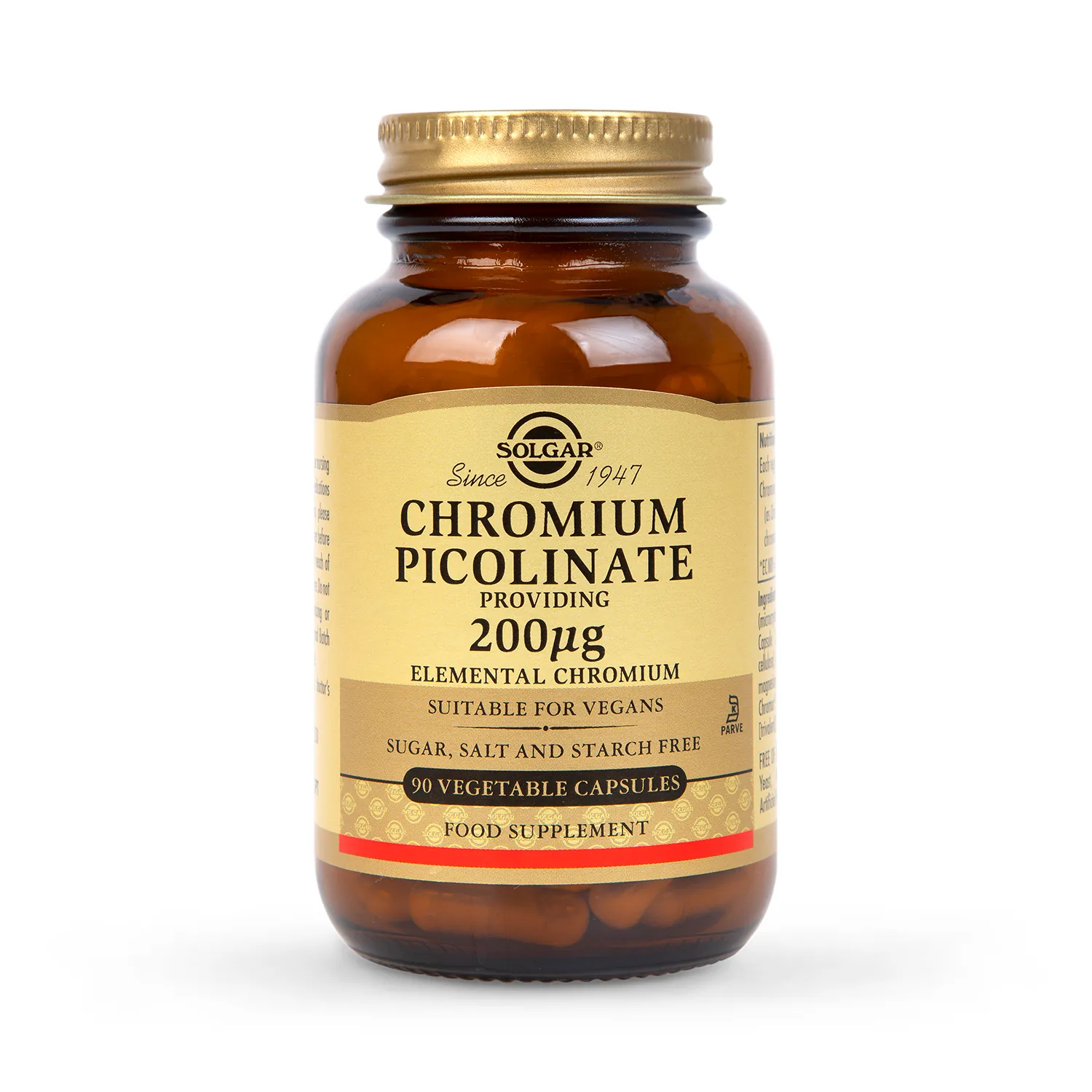
Top Chromium Products on AIScored

Want to check more interactions?
Add these and other supplements to our interactive Stack Analyzer for a full analysis.
Build your full stack →