Important: This page is for informational purposes only, based on published peer-reviewed research and official UK dietary guidelines (NHS, EFSA, SACN). It does not constitute medical advice. Always consult your GP or pharmacist before starting, stopping, or combining supplements.
Calcium and Iron — Can You Take Them Together?
Overview
Calcium and iron are two of the most widely supplemented minerals in the UK, yet taking them together may significantly undermine the absorption of both. Research suggests that calcium at doses of 300mg or above can reduce iron absorption by 40–60%, making this one of the better-documented mineral interactions for those managing their supplement regimen. This is particularly relevant for women of reproductive age, who often face the dual requirement of adequate calcium for bone health and sufficient iron to support healthy red blood cell production. Understanding how these minerals interact at the point of absorption can help inform more effective timing strategies.
How They Interact
The absorption conflict between calcium and iron occurs primarily in the small intestine at the level of the enterocyte — the absorptive cell lining the gut wall. Both minerals compete for uptake via the divalent metal transporter 1 (DMT1), a protein responsible for transporting non-heme iron across the intestinal brush border membrane. Research published by Hallberg et al. in the American Journal of Clinical Nutrition (1991) demonstrated that calcium inhibits this transporter at doses as low as 300mg, with the inhibitory effect appearing to plateau at higher doses rather than scaling proportionally. Notably, calcium appears to inhibit both heme iron (from animal-based sources) and non-heme iron (from plant-based sources and most supplements), making this a broad-spectrum interaction rather than one confined to vegetarian or vegan diets. The precise intracellular mechanism is not fully established by the current evidence base, but research points to interference at a mucosal step within the enterocyte itself — likely affecting ferritin-mediated iron storage or the basolateral export of iron into systemic circulation. Individuals with low iron stores typically exhibit upregulated DMT1 expression, which may amplify the practical significance of calcium-mediated inhibition in those most reliant on supplemental iron. Individual responses may vary depending on baseline iron status, dietary composition, and supplement form.
Timing & Dosage Guidance
Research supports separating calcium and iron supplements by a minimum of two hours to reduce competitive inhibition at the intestinal level. A practical approach is to take iron in the morning — ideally on an empty stomach or alongside a source of vitamin C, which enhances non-heme iron absorption — and to take calcium later in the day, such as with an evening meal. For those dividing their calcium across two daily doses (a common strategy for intakes above 500mg, as single large doses are absorbed less efficiently), scheduling iron supplementation away from both calcium doses helps minimise interference. NHS guidance encourages consulting a healthcare professional when managing multiple mineral supplements simultaneously, particularly when addressing a diagnosed deficiency. Individual responses may vary.
The inhibitory effect of calcium on iron absorption is dose-dependent, with research indicating that even a 300mg calcium dose can produce a clinically meaningful reduction. Standard UK calcium supplements typically provide 400–600mg per tablet, meaning a single dose is likely sufficient to substantially impair concurrent iron absorption. The form of calcium also warrants consideration: calcium carbonate requires adequate gastric acid for dissolution and is generally recommended to be taken with food, whereas calcium citrate can be taken independently of meals and may be better tolerated by those with lower stomach acid. For iron, bisglycinate forms are generally better tolerated at the gastrointestinal level and may exhibit slightly different absorption kinetics compared to ferrous sulfate or ferrous fumarate. UK NHS RDA figures stand at 700mg/day for calcium in adults, and 8.7mg/day for men and 14.8mg/day for women aged 19–50 for iron, in line with SACN recommendations.
Recommended Action
Research supports separating calcium and iron supplements by at least 2 hours for optimal absorption of both.
Calcium Timing
When: Any
Note: Carbonate requires stomach acid — take with food. Citrate can be taken on empty stomach. Split doses of >500 mg for better absorption.
Iron Timing
When: Morning
Note: Best absorbed on an empty stomach with Vitamin C. Avoid with tea, coffee, calcium, or zinc within 2 hours.
Scientific Evidence
1 peer-reviewed study cited. All links lead to PubMed abstracts.
American Journal of Clinical Nutrition (1991) · PMID: 2007406
Supplemental calcium at 300mg significantly reduced iron absorption from a standardised test meal, confirming that the inhibitory effect occurs with isolated supplemental calcium and is not confined to calcium naturally present within dairy food matrices.
Frequently Asked Questions
Research suggests that taking calcium and iron simultaneously — particularly at calcium doses of 300mg or above — can reduce iron absorption by 40–60% (Hallberg et al., Am J Clin Nutr, 1991). The current evidence base supports separating the two by at least two hours. The practical impact on an individual will depend on their baseline iron status, dietary iron intake, and the specific supplement forms used. Individual responses may vary, and those managing a diagnosed deficiency should seek guidance from a GP or registered dietitian.
Yes, calcium from food sources such as dairy products can also inhibit iron absorption, though the effect is often partially offset by other dietary components present in a mixed meal — notably vitamin C, which enhances non-heme iron uptake. Supplemental calcium, delivered as a concentrated bolus dose rather than distributed across a meal matrix, is likely to produce a more consistent inhibitory effect. Where practical, avoiding high-calcium foods — such as milk, cheese, and fortified plant milks — in close proximity to iron supplementation may help improve absorption outcomes. Individual responses may vary.
Women of reproductive age, pregnant women, and individuals with diagnosed iron deficiency or iron deficiency anaemia face the greatest risk from this interaction, given that their iron requirements are substantially higher than the general adult population (NHS RDA: 14.8mg/day for women aged 19–50, compared with 8.7mg/day for adult men). Those already finding it difficult to meet iron requirements through diet alone may find that co-administration with calcium further limits progress. Vegans and vegetarians relying solely on non-heme iron sources may be particularly sensitive. Individual responses may vary, and personalised guidance from a GP is advisable when managing diagnosed deficiencies.
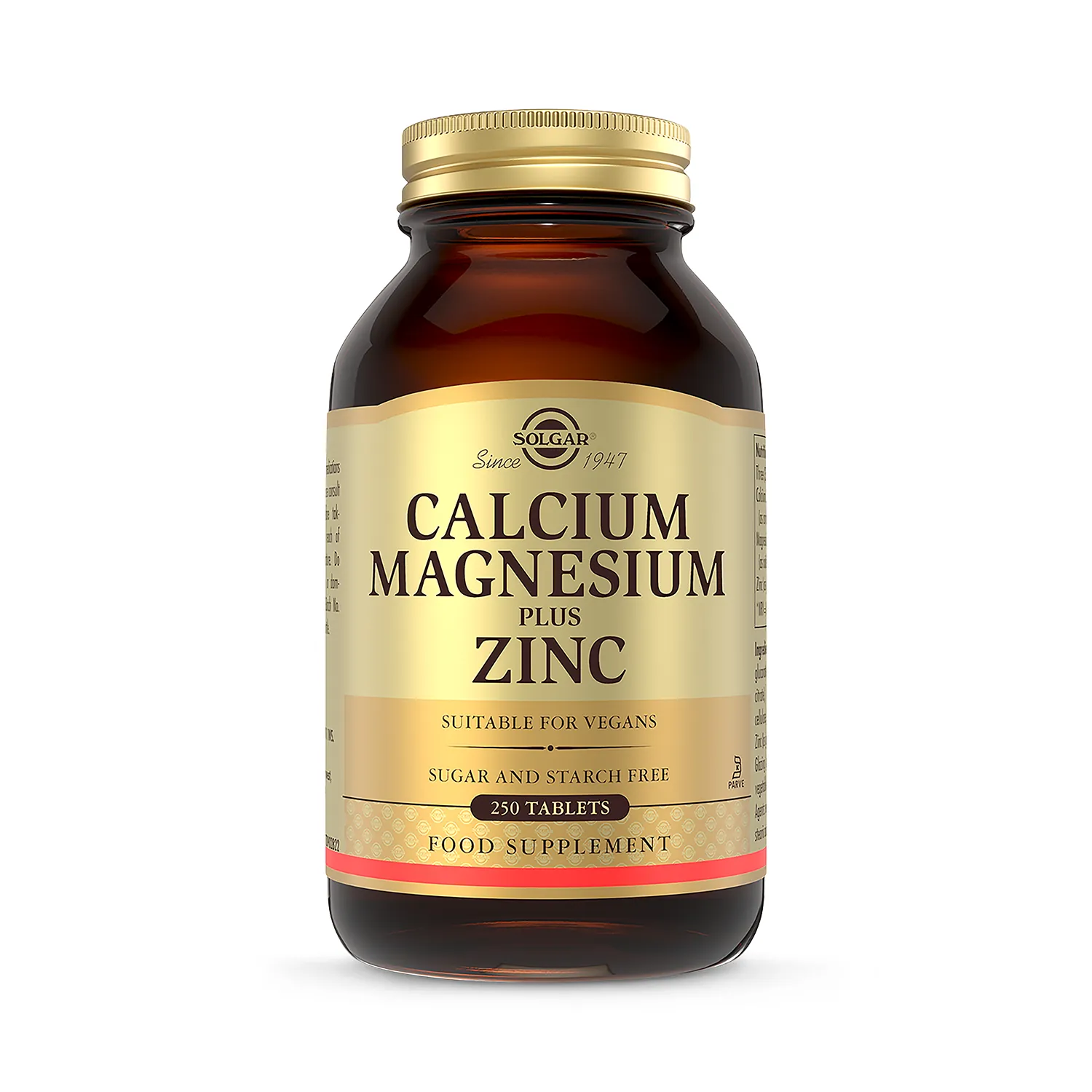
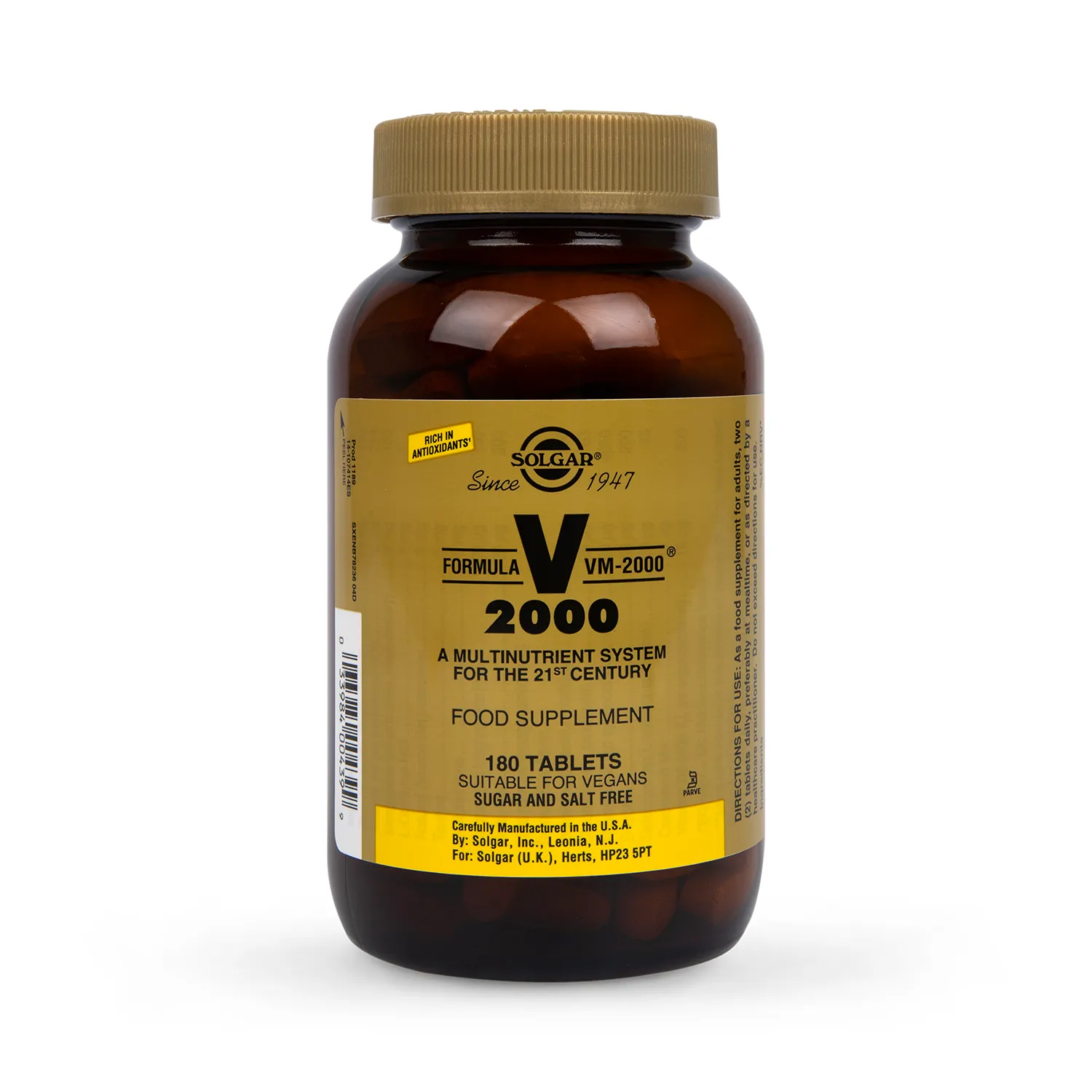
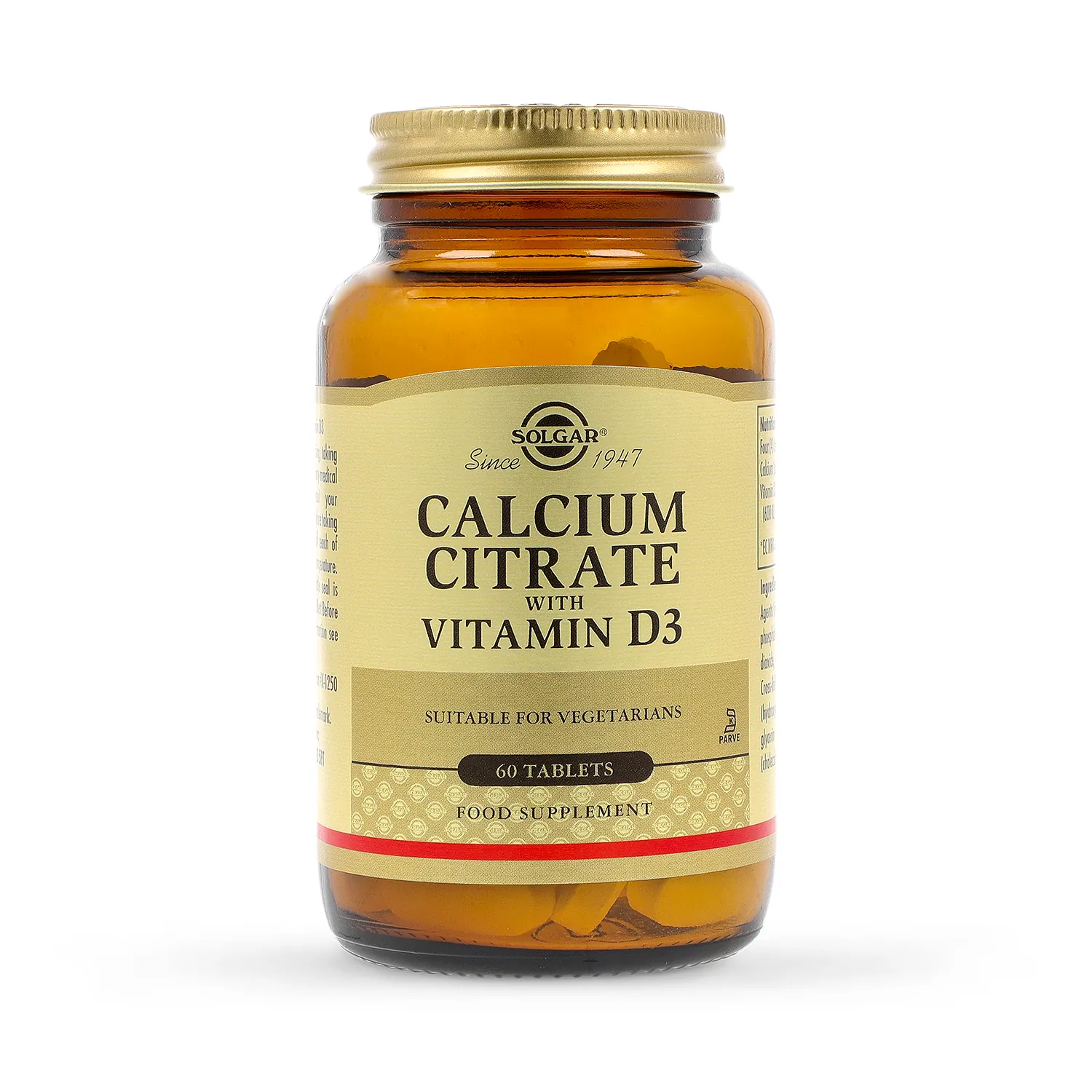
Top Calcium Products on AIScored
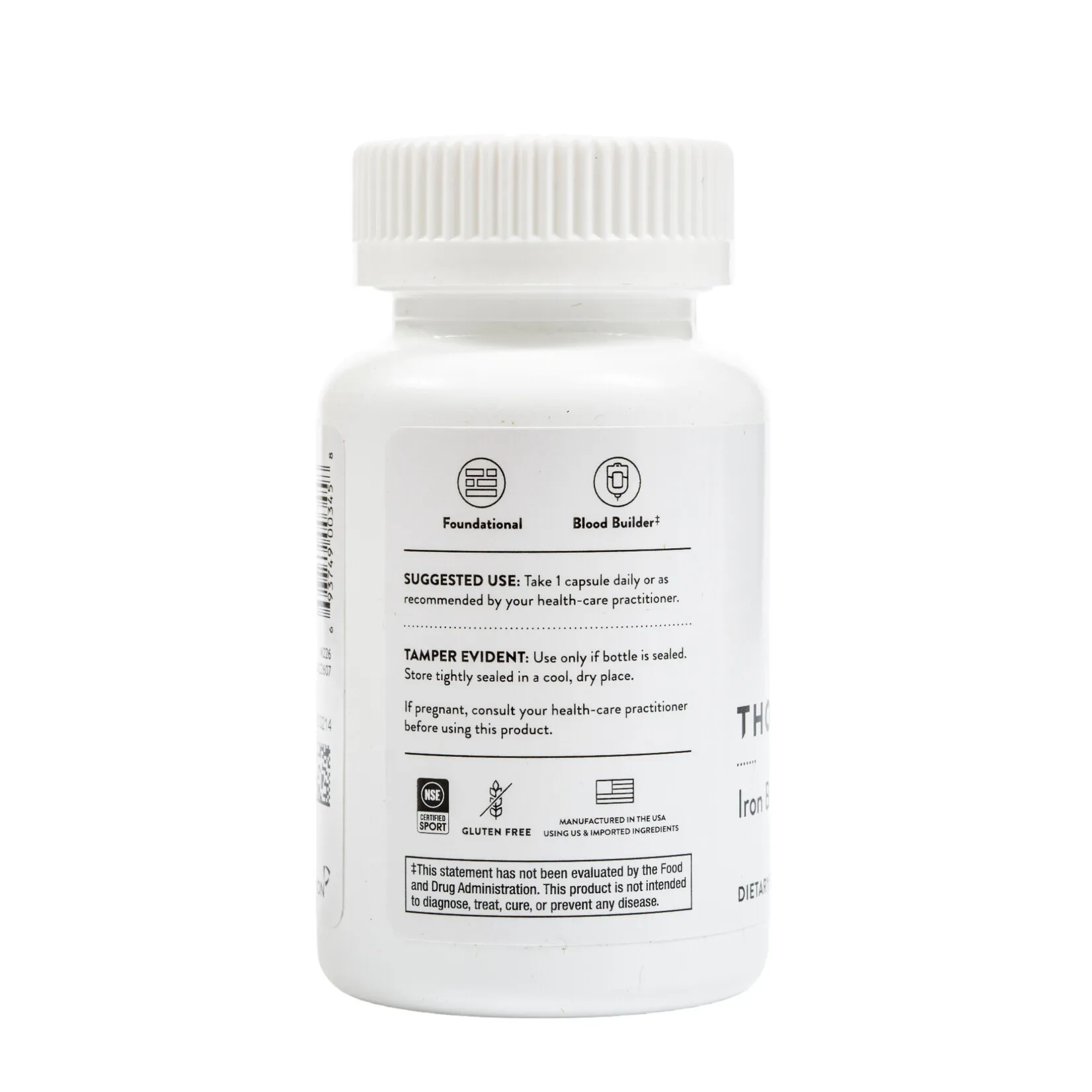
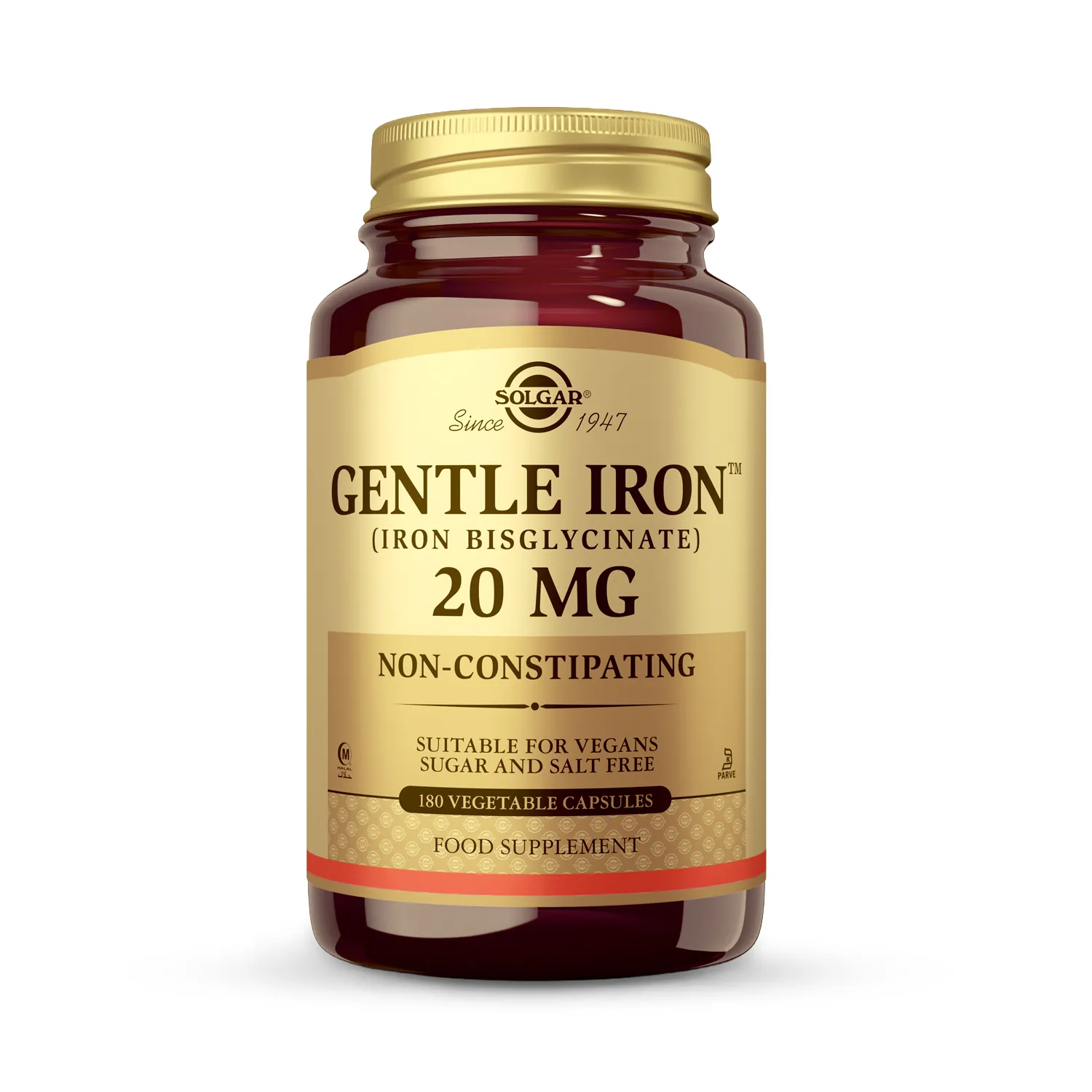
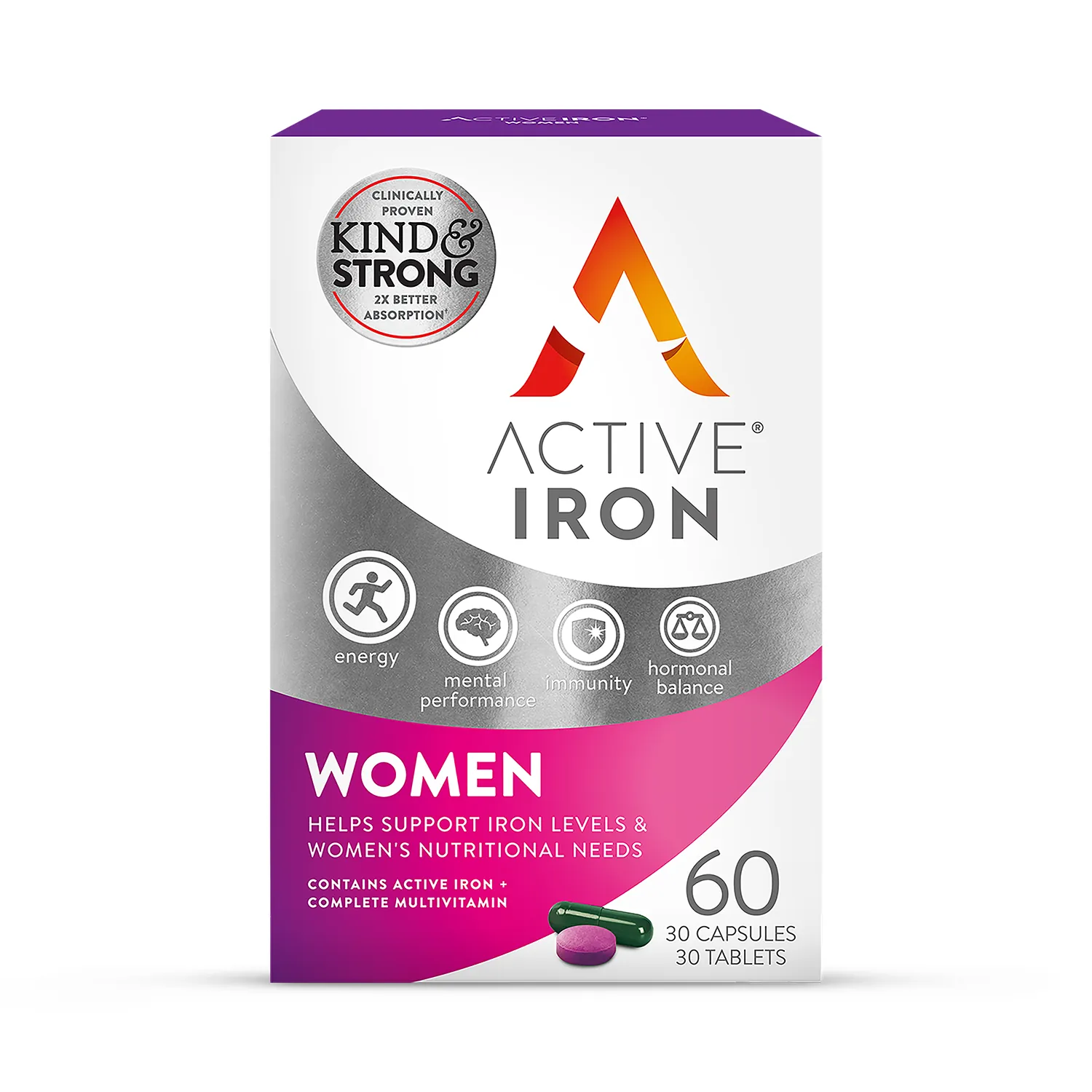
Top Iron Products on AIScored
Want to check more interactions?
Add these and other supplements to our interactive Stack Analyzer for a full analysis.
Build your full stack →