Important: This page is for informational purposes only, based on published peer-reviewed research and official UK dietary guidelines (NHS, EFSA, SACN). It does not constitute medical advice. Always consult your GP or pharmacist before starting, stopping, or combining supplements.
Calcium and Manganese — Can You Take Them Together?
Overview
Calcium and manganese are both essential minerals, yet they share certain intestinal transport pathways that create the potential for a competitive absorption conflict when taken together in supplement form. Calcium is widely supplemented in the UK — particularly among women and older adults — for its well-established role in bone maintenance. Manganese, whilst required in smaller amounts, is critical for antioxidant enzyme function (notably manganese superoxide dismutase, MnSOD), connective tissue synthesis, and carbohydrate metabolism. Research suggests that high-dose calcium supplementation may reduce manganese bioavailability, making timing and formulation considerations relevant for those taking both minerals concurrently. Individual responses to this interaction may vary.
How They Interact
The competitive relationship between calcium and manganese is rooted in overlapping intestinal uptake mechanisms. Manganese is transported across the intestinal mucosa in part via divalent metal transporter 1 (DMT1) — a shared pathway also used by iron and, under certain conditions, calcium. When luminal calcium concentrations are high, as occurs following ingestion of a large calcium supplement, competitive inhibition of manganese transport is thought to occur at the level of the intestinal epithelium. Freeland-Graves and Lin (1991, J Am Coll Nutr) demonstrated in human subjects that an oral load of 800 mg calcium as calcium carbonate essentially blocked plasma uptake of manganese. Davidsson et al. (1991, Am J Clin Nutr) similarly found that adding calcium to human milk significantly reduced manganese absorption using a radionuclide technique. Calcium carbonate in particular raises intestinal pH following dissolution, which may further reduce manganese solubility and availability for uptake. The magnitude of this effect appears dose-dependent; typical dietary calcium intakes from food are considered unlikely to cause clinically significant suppression, whereas high supplemental doses present a more meaningful barrier to manganese bioavailability.
Timing & Dosage Guidance
Separating calcium and manganese supplements by at least two hours is a practical step to mitigate competitive absorption. Because manganese absorption appears more sensitive to mineral competition than calcium absorption, timing priority should lean towards the manganese dose. Taking manganese in the morning and calcium in the evening — or vice versa — is a straightforward approach that reflects the findings of Freeland-Graves and Lin (1991), who demonstrated that co-administration of oral calcium essentially blocked manganese plasma uptake in human subjects. Calcium citrate formulations may be less disruptive to manganese absorption than calcium carbonate, as they do not rely on stomach acid for dissolution and cause less elevation of intestinal pH. Individual responses may vary.
The UK Reference Nutrient Intake (RNI) for calcium in adults is 700 mg per day, as set by the Department of Health. The European Food Safety Authority (EFSA) has established an Adequate Intake (AI) of 3.0 mg per day for manganese in adults, noting that no formal Tolerable Upper Intake Level (UL) from food sources has been set. The competitive effect on manganese absorption is most relevant at high supplemental calcium doses — particularly single doses of 500 mg or more. Manganese requirements are modest, and dietary sources including wholegrains, nuts, seeds, and leafy vegetables typically provide adequate baseline intake for most people. Those supplementing both minerals should consider divided dosing across different times of day to minimise the likelihood of competitive inhibition.
Recommended Action
If supplementing both, taking them at different times may improve manganese absorption.
Calcium Timing
When: Any
Note: Carbonate requires stomach acid — take with food. Citrate can be taken on empty stomach. Split doses of >500 mg for better absorption.
Manganese Timing
When: Any
Note: Take with food. Competes with iron and calcium for absorption — separate if supplementing both.
Scientific Evidence
4 peer-reviewed studies cited. All links lead to PubMed abstracts.
Journal of the American College of Nutrition (1991) · PMID: 2010579
An oral load of 800 mg calcium as calcium carbonate or 2% milk essentially blocked plasma uptake of manganese in human subjects, with no significant difference between calcium sources in their inhibitory effect.
American Journal of Clinical Nutrition (1991) · PMID: 1957822
Using a radionuclide technique in human adults, addition of calcium to human milk resulted in a statistically significant decrease in manganese absorption, whereas other dietary components tested did not produce significant differences.
Biological Trace Element Research (1993) · PMID: 7509179
In vivo luminal perfusion experiments in rats showed that calcium inhibited manganese absorption in the proximal jejunum and colon, and high luminal calcium concentrations blocked the enhancing effect of lactose on manganese transport.
Reproduction Nutrition Development (1992) · PMID: 1292482
In rat intestine, manganese and calcium share common transfer mechanisms; high calcium concentrations blocked the lactose-mediated enhancement of manganese absorption, indicating direct competitive inhibition.
Frequently Asked Questions
Research suggests the competitive interaction between calcium and manganese is most clinically significant at high supplemental doses, not at the levels encountered through typical dietary intake. Consuming dairy products alongside manganese-rich whole foods — such as wholegrains, nuts, and leafy vegetables — is unlikely to meaningfully impair manganese status in otherwise healthy individuals eating a varied diet. Individual responses may vary.
Calcium citrate formulations may be less disruptive than calcium carbonate. Carbonate forms require stomach acid for dissolution and temporarily raise intestinal pH, which may reduce manganese solubility and uptake. Citrate forms are absorbed in a less pH-dependent manner and are generally considered gentler on co-ingested minerals. If manganese absorption is a priority, calcium citrate taken at a separate time to manganese represents a sensible formulation choice, though individual responses may vary.
Manganese deficiency is rare in those following a varied diet. EFSA notes that typical European dietary intakes generally meet adequate intake levels without supplementation. However, if you are supplementing manganese for specific purposes — such as joint or connective tissue support — alongside high-dose calcium, separating intake by a few hours is a straightforward precaution to help ensure adequate manganese absorption. This interaction alone is not considered sufficient grounds for concern about overall manganese status.
Top Calcium Products on AIScored
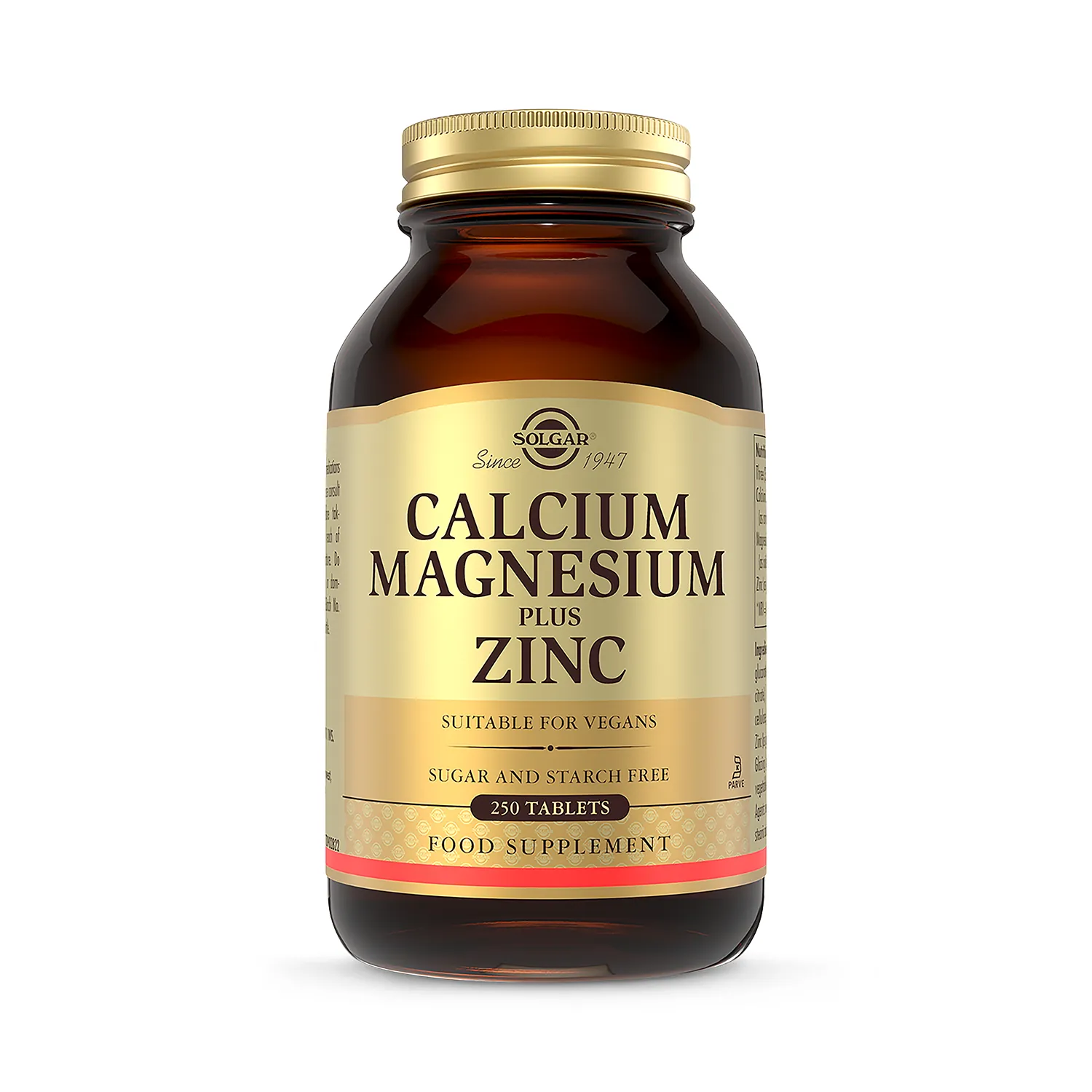
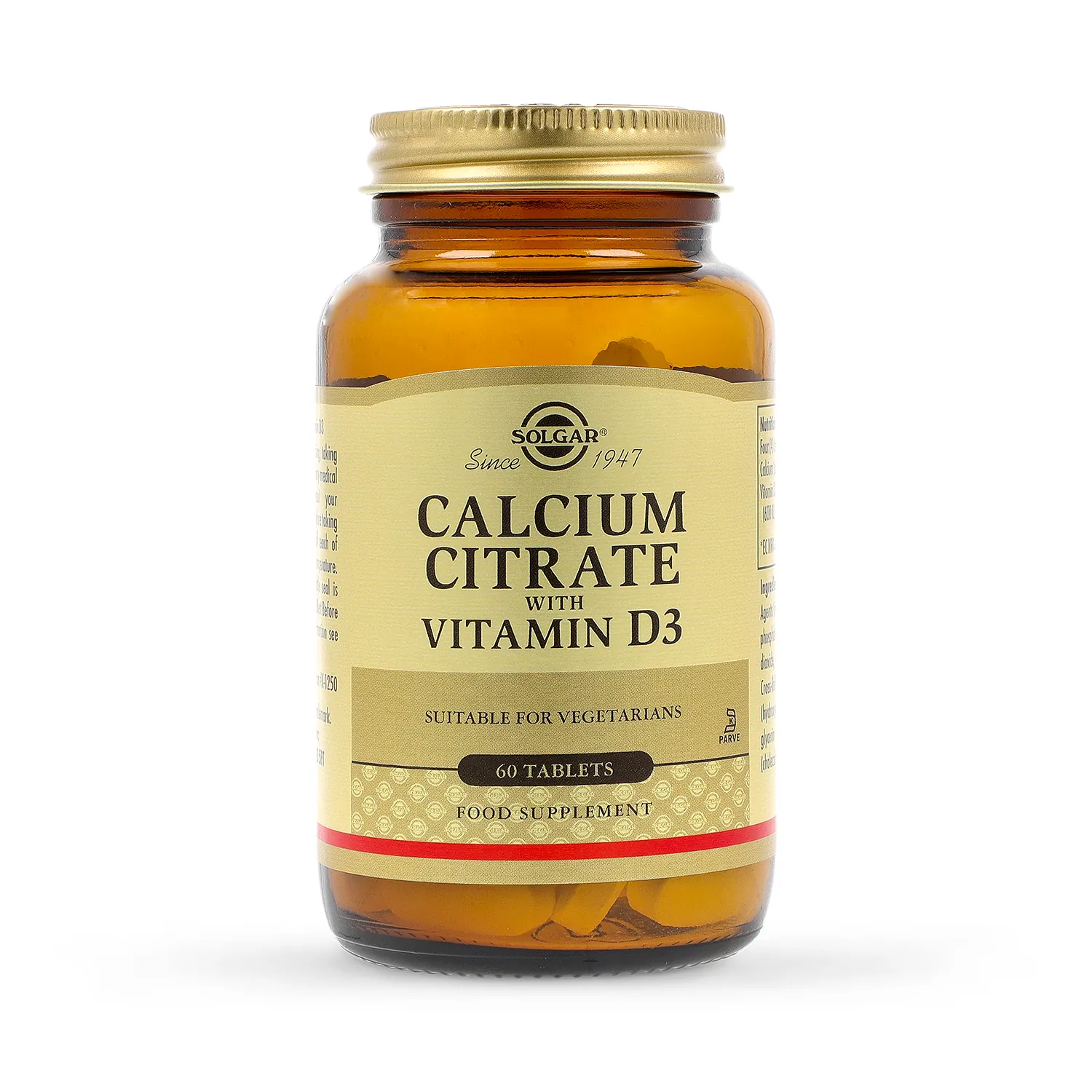
Top Manganese Products on AIScored
Want to check more interactions?
Add these and other supplements to our interactive Stack Analyzer for a full analysis.
Build your full stack →