Important: This page is for informational purposes only, based on published peer-reviewed research and official UK dietary guidelines (NHS, EFSA, SACN). It does not constitute medical advice. Always consult your GP or pharmacist before starting, stopping, or combining supplements.
Calcium and Vitamin D3 — Can You Take Them Together?
Overview
Calcium and vitamin D3 represent one of the most extensively studied nutrient pairings in human physiology. Vitamin D3 is essential for intestinal calcium absorption — without adequate vitamin D status, the body absorbs only a fraction of dietary or supplemental calcium. For the estimated one billion people worldwide with vitamin D insufficiency, this relationship has significant implications for skeletal health. However, the synergy carries nuance: combining high-dose vitamin D3 with high-dose calcium supplementation meaningfully increases the risk of hypercalcaemia, making informed total intake assessment important. Individual responses may vary based on baseline vitamin D status, dietary calcium, renal function, and genetic variation.
How They Interact
The active form of vitamin D — 1,25-dihydroxyvitamin D (calcitriol), produced via sequential hydroxylation in the liver and kidneys — drives calcium absorption through both transcellular and paracellular pathways in the proximal small intestine. Calcitriol binds to the vitamin D receptor (VDR) expressed in intestinal epithelial cells, triggering genomic upregulation of three key proteins: TRPV6 (an apical calcium entry channel), calbindin-D9k (an intracellular calcium-binding carrier), and PMCA1b (a basolateral calcium export ATPase). This coordinated response can increase fractional calcium absorption from roughly 10–15% in vitamin D-deficient individuals to 30–40% in those with replete vitamin D status, as demonstrated by Heaney et al. (2003, Journal of the American College of Nutrition). At supraphysiological vitamin D intakes, upregulation of this transport machinery may proceed beyond homeostatic requirements, elevating serum calcium to levels that compromise renal, cardiovascular, and neurological function — a condition termed hypercalcaemia.
Timing & Dosage Guidance
Research suggests taking calcium and vitamin D3 together with a meal is optimal. Calcium carbonate — the most common supplemental form — requires gastric acid for dissolution and absorption; it is best taken with food. Calcium citrate is acid-independent and may be taken without food, making it preferable for individuals using proton pump inhibitors or with reduced gastric acid output. As a fat-soluble vitamin, D3 absorption is enhanced when co-ingested with a fat-containing meal, as dietary fat promotes micellar incorporation in the gut. Splitting calcium doses to no more than 500mg elemental calcium per dose is advisable, as the intestinal active transport system saturates at higher single doses, reducing overall absorption efficiency.
SACN (Scientific Advisory Committee on Nutrition) recommends 700mg of calcium daily for UK adults, with a safe upper level of 1,500mg/day from combined dietary and supplemental sources. The UK reference nutrient intake for vitamin D3 is 10 mcg (400 IU), with SACN recommending supplementation for the general population throughout autumn and winter. When combining supplements, total daily calcium — diet plus supplements — ideally remains within 1,000–1,200mg for most adults. EFSA sets the tolerable upper intake level for vitamin D at 100 mcg (4,000 IU) per day for adults. High-dose vitamin D3 supplementation above this threshold substantially amplifies calcium absorption and may warrant periodic monitoring of serum 25-hydroxyvitamin D and serum calcium. Individual responses may vary considerably based on age, renal function, and baseline vitamin D status.
Recommended Action
Vitamin D3 enhances calcium absorption. When supplementing both, total daily calcium intake (including dietary sources) ideally stays within 1000-1200mg for most adults. High-dose Vitamin D3 (>4000 IU) may warrant serum calcium monitoring.
Calcium Timing
When: Any
Note: Carbonate requires stomach acid — take with food. Citrate can be taken on empty stomach. Split doses of >500 mg for better absorption.
Vitamin D3 Timing
When: Morning
Note: Fat-soluble — better absorbed with a meal containing dietary fat
Scientific Evidence
3 peer-reviewed studies cited. All links lead to PubMed abstracts.
Journal of the American College of Nutrition (2003) · PMID: 12672712
Fractional calcium absorption was positively correlated with serum 25-hydroxyvitamin D across the entire clinical reference range, indicating that even suboptimal — not merely deficient — vitamin D levels impair calcium uptake.
New England Journal of Medicine (2006) · PMID: 16481635
In 36,282 postmenopausal women, daily supplementation with 1,000mg calcium carbonate plus 400 IU vitamin D3 increased hip bone density by 1.06% relative to placebo, though overall hip fracture reduction was not statistically significant, and kidney stone risk was modestly elevated.
American Journal of Clinical Nutrition (2007) · PMID: 17209171
A systematic review of the vitamin D safety literature identified hypercalcaemia driven by excessive intestinal calcium absorption as the principal adverse effect of high-dose vitamin D3, with evidence supporting a conservative tolerable upper intake of 10,000 IU/day for adults without co-existing conditions.
Frequently Asked Questions
Research indicates yes, and the effect is meaningful across the entire reference range — not only in clinically deficient individuals. Heaney et al. (2003, Journal of the American College of Nutrition) demonstrated that fractional calcium absorption correlates positively with serum 25-hydroxyvitamin D throughout normal ranges. Those with replete vitamin D status absorb approximately twice as much calcium as those who are deficient. Individual responses may vary based on gut health, age, and genetic variation in vitamin D receptor expression.
For most healthy UK adults at standard doses, combined calcium and vitamin D3 supplementation is considered safe. The Women's Health Initiative trial (Jackson et al., 2006, New England Journal of Medicine) followed over 36,000 postmenopausal women taking 1,000mg calcium carbonate plus 400 IU vitamin D3 daily over seven years. However, individuals already meeting calcium needs through diet may inadvertently exceed recommended upper limits. Those with hypercalcaemia, sarcoidosis, primary hyperparathyroidism, or impaired renal function should seek medical advice before supplementing.
Hypercalcaemia may present as fatigue, nausea, constipation, increased thirst, frequent urination, or muscle weakness in milder cases. Hathcock et al. (2007, American Journal of Clinical Nutrition) identified excessive vitamin D-driven calcium absorption as the primary mechanism of vitamin D toxicity, with symptoms generally appearing at very high intakes sustained over time. Symptoms can be non-specific and easily attributed to other causes; individuals taking high-dose vitamin D3 supplements may wish to discuss periodic serum calcium monitoring with their GP.
Top Calcium Products on AIScored



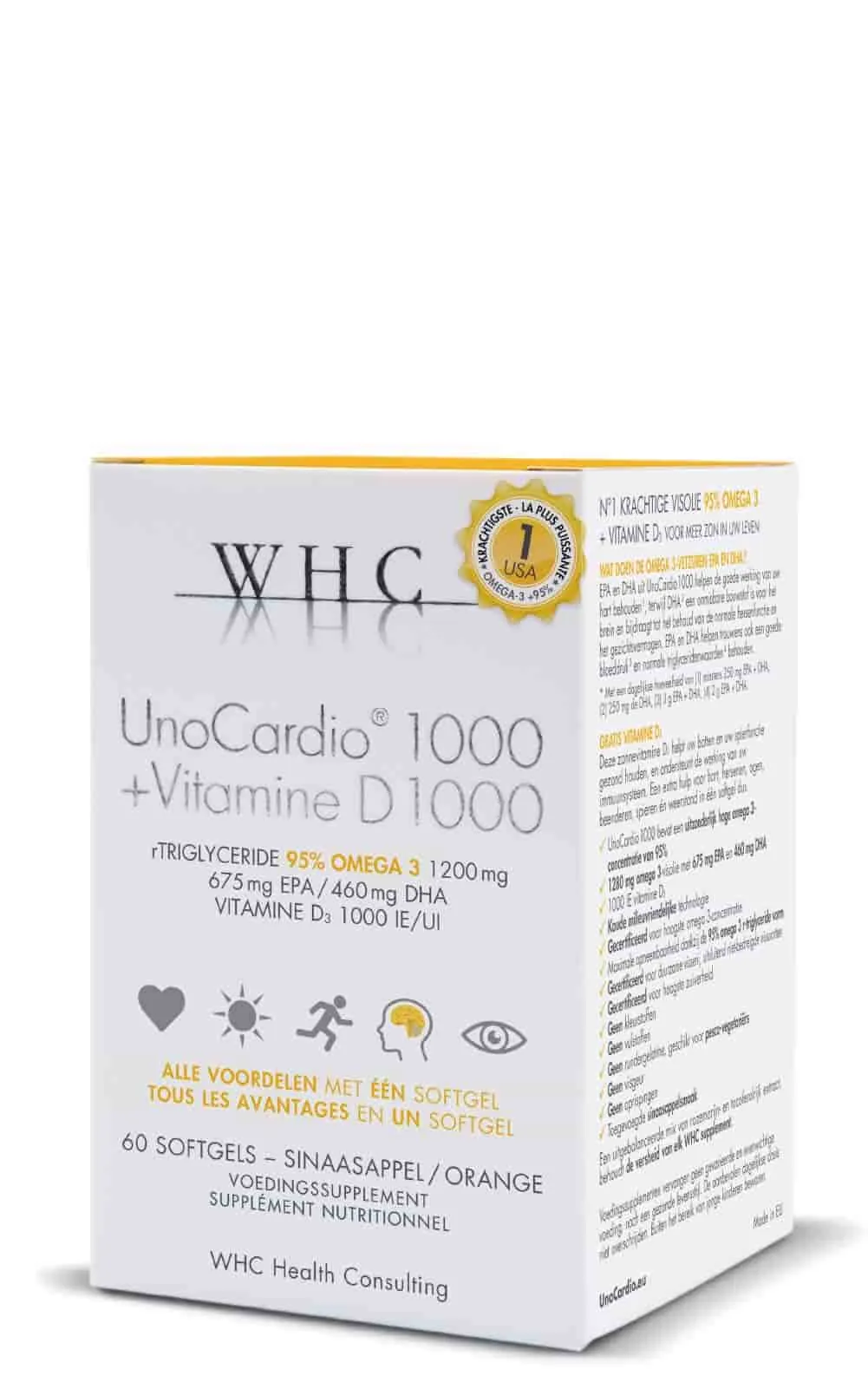
Top Vitamin D3 Products on AIScored

Want to check more interactions?
Add these and other supplements to our interactive Stack Analyzer for a full analysis.
Build your full stack →