Important: This page is for informational purposes only, based on published peer-reviewed research and official UK dietary guidelines (NHS, EFSA, SACN). It does not constitute medical advice. Always consult your GP or pharmacist before starting, stopping, or combining supplements.
Calcium and Zinc — Can You Take Them Together?
Overview
Calcium and zinc are among the most commonly supplemented minerals in the UK, frequently recommended for bone health, immune function, and general nutritional support. Research suggests, however, that taking both simultaneously at supplemental doses may reduce zinc absorption — a consideration that is easy to overlook when following multi-supplement regimens. This interaction is most relevant to postmenopausal women, older adults, and others taking moderate-to-high doses of both minerals. Understanding the mechanism and applying straightforward timing strategies may help ensure each supplement delivers its intended benefit. Individual responses may vary depending on diet, supplement form, and baseline mineral status.
How They Interact
The calcium-zinc interaction operates primarily at the level of the small intestine, where both minerals compete for uptake. Zinc is absorbed chiefly via the ZIP4 transporter (encoded by SLC39A4) on the apical surface of enterocytes, with additional roles played by the ZnT family of transporters in zinc trafficking across the intestinal wall. At high intraluminal calcium concentrations — typical of supplemental rather than dietary intake — calcium ions appear to compete with zinc at these uptake sites, reducing the fraction of zinc that can be transported into the bloodstream. A secondary mechanism involves the physicochemical environment of the gut lumen: elevated calcium concentrations may precipitate zinc into insoluble complexes, diminishing the pool of soluble, absorbable zinc before it even reaches the enterocyte surface. A controlled study by Wood and Zheng (1997, American Journal of Clinical Nutrition) demonstrated that calcium intakes above approximately 800 mg/day significantly reduced fractional zinc absorption in healthy women, with the effect most pronounced for calcium carbonate — a form commonly found in standard UK supplements and antacid preparations. Dietary calcium from food sources appears to exert a less marked effect, likely because the food matrix buffers mineral transit and reduces direct ionic competition.
Timing & Dosage Guidance
Research suggests that separating calcium and zinc supplements by at least two hours may help minimise absorption interference. A practical approach is to take calcium with an evening meal — which aligns with evidence that food slows gastric emptying and may improve calcium utilisation — and to take zinc in the morning or at a separate mealtime. Zinc is generally better absorbed in a relatively fasted state, though taking it on a completely empty stomach may cause mild gastrointestinal discomfort in some individuals; a small amount of food can help. It is also worth noting that zinc absorption is further reduced by high-phytate foods such as wholegrains and legumes, so timing zinc away from these may be beneficial. Individual responses may vary.
The absorption conflict between calcium and zinc appears to be dose-dependent and becomes most clinically relevant at higher supplemental calcium doses. Research suggests the interaction is meaningful when calcium is taken in single doses exceeding approximately 800 mg. The UK SACN Reference Nutrient Intake for calcium is 700 mg/day for adults, whilst the RNI for zinc is 9.5 mg/day for men and 7.0 mg/day for women. Those supplementing calcium at therapeutic levels — for instance, 1,000–1,200 mg/day, as is common in bone health protocols for postmenopausal women — are most likely to benefit from separating their zinc dose. At lower calcium doses (below 500 mg), the interaction is considered less clinically significant. Calcium citrate, being water-soluble without requiring stomach acid, may have a slightly different absorption profile compared to calcium carbonate, though robust clinical evidence distinguishing their effects on zinc absorption specifically remains limited.
Recommended Action
If taking both, separating calcium and zinc supplements by 2 hours may optimise absorption.
Calcium Timing
When: Any
Note: Carbonate requires stomach acid — take with food. Citrate can be taken on empty stomach. Split doses of >500 mg for better absorption.
Zinc Timing
When: Morning
Note: Take with food to prevent nausea. Away from iron and calcium supplements.
Scientific Evidence
2 peer-reviewed studies cited. All links lead to PubMed abstracts.
American Journal of Clinical Nutrition (1997) · PMID: 9094888
Calcium intakes above 800 mg/day significantly reduced fractional zinc absorption and zinc balance in healthy adult women under controlled dietary conditions.
Journal of Nutrition (2000) · PMID: 10801947
Comprehensive review identifying calcium as one of several dietary and supplemental factors capable of reducing zinc bioavailability, with the effect most significant at high supplemental doses.
Frequently Asked Questions
Research suggests the interaction is considerably more pronounced with supplemental calcium than with dietary calcium from food. The complex food matrix — including proteins, fats, and other nutrients — appears to buffer mineral transit through the gut, reducing direct ionic competition. Wood and Zheng (1997) specifically noted this distinction in their controlled trial. Obtaining calcium from whole food sources such as dairy, leafy greens, and fortified foods is unlikely to meaningfully impair zinc absorption in most people. Individual responses may vary.
Evidence on form-specific differences in the calcium-zinc interaction is limited. Calcium carbonate requires stomach acid for dissolution and is typically taken with food, placing it in the gut at the same time as other supplements. Calcium citrate dissolves without stomach acid and can be taken without food, which may make it easier to separate from zinc supplementation in practice. However, no strong clinical evidence confirms that one form substantially reduces the zinc interaction compared to another. Timing separation remains the most pragmatic and evidence-supported strategy regardless of calcium form.
Research does not indicate that calcium supplementation reliably causes zinc deficiency in otherwise well-nourished individuals. The interaction primarily affects the efficiency of zinc absorption from a concurrent dose rather than depleting total zinc stores. That said, individuals with already marginal zinc intakes — including older adults, those following plant-based diets, and people with gastrointestinal conditions affecting absorption — may wish to be mindful of their zinc status. Any concerns about deficiency should be discussed with a GP or registered dietitian, particularly before adjusting supplementation. Individual responses may vary.
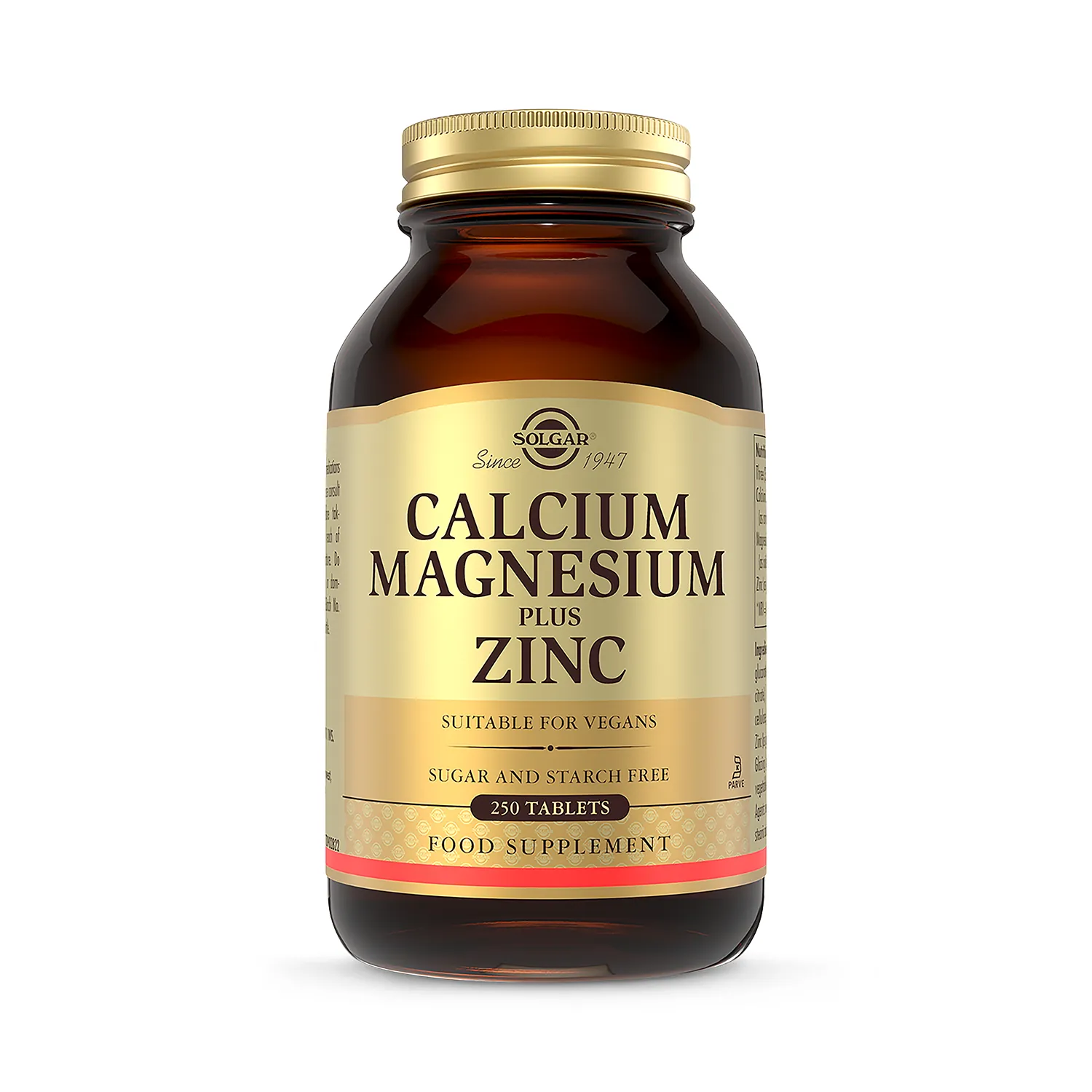
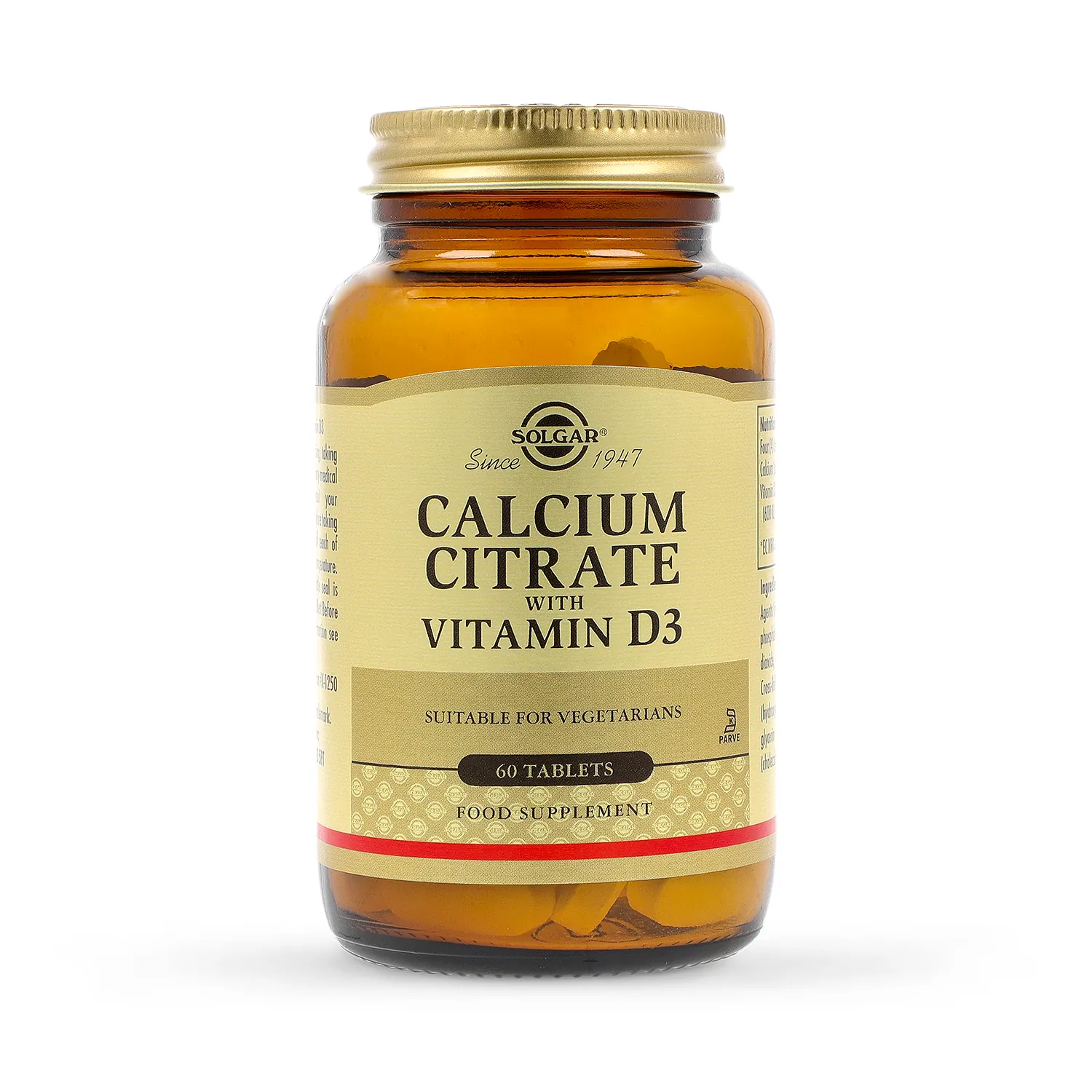
Top Calcium Products on AIScored
Top Zinc Products on AIScored

The Ordinary Niacinamide 10% + Zinc 1%, Brightening & Smoothing Serum for Blemish-Prone Skin, 30ml
Want to check more interactions?
Add these and other supplements to our interactive Stack Analyzer for a full analysis.
Build your full stack →