Important: This page is for informational purposes only, based on published peer-reviewed research and official UK dietary guidelines (NHS, EFSA, SACN). It does not constitute medical advice. Always consult your GP or pharmacist before starting, stopping, or combining supplements.
Chromium and Iron — Can You Take Them Together?
Overview
Chromium and iron are both essential trace minerals with distinct but vital roles in human physiology. Chromium is involved in carbohydrate and lipid metabolism, whilst iron underpins oxygen transport via haemoglobin. Iron deficiency remains one of the most prevalent nutritional concerns in the UK, and chromium supplements are widely used for blood sugar management. Emerging research suggests these two minerals may compete for the same plasma transport protein when supplemented simultaneously, potentially limiting the effectiveness of both. Understanding this interaction is particularly relevant for anyone managing iron deficiency alongside metabolic health goals.
How They Interact
The interaction between chromium and iron centres on transferrin, the primary iron-binding glycoprotein responsible for transporting ferric iron (Fe³⁺) through the bloodstream to tissues. Transferrin contains two metal-binding sites with high affinity for Fe³⁺. Research by Vincent (2000, Journal of Nutrition) established that trivalent chromium (Cr³⁺) also relies substantially on transferrin for systemic plasma transport following intestinal absorption — a consequence of the similar ionic charge and radius shared between Cr³⁺ and Fe³⁺. When iron intake is elevated, or when supplemental iron substantially raises plasma iron levels, transferrin saturation increases, leaving fewer binding sites available for chromium. This competition may reduce chromium's delivery to target tissues via transferrin receptor-mediated endocytosis. The magnitude of this effect appears dose-dependent: competition is likely negligible at typical dietary intake levels but potentially more relevant when therapeutic iron doses (65–200 mg elemental iron daily) are combined with high-dose chromium supplements (200–1,000 mcg daily). Individual responses may vary depending on baseline iron status and transferrin saturation.
Timing & Dosage Guidance
Separating chromium and iron supplementation by at least two to four hours is a practical approach that may help optimise systemic transport of both minerals. Iron is generally recommended to be taken on an empty stomach or with a small, tannin-free meal to maximise intestinal uptake. Chromium supplements — particularly chromium picolinate — are often better tolerated with food to reduce gastrointestinal discomfort. One workable arrangement is taking iron in the morning and chromium with an evening meal. Those being treated for iron deficiency anaemia should discuss any changes to their supplementation routine with their GP or a registered dietitian, as iron repletion remains a clinical priority.
The NHS recommends 8.7 mg of elemental iron daily for adult men and post-menopausal women, and 14.8 mg for women aged 19–50. Therapeutic supplementation for iron deficiency anaemia may involve 65–200 mg of elemental iron per day — doses at which competition with chromium for transferrin binding becomes a more pertinent consideration. For chromium, EFSA has established an Adequate Intake of 25 mcg per day for adults; no UK Dietary Reference Value has been formally set. Commercial chromium picolinate supplements typically provide 200–400 mcg per serving, with some products reaching 1,000 mcg daily. At these supplemental quantities — substantially above typical dietary exposure — the potential for transferrin-mediated competition with iron is a more clinically relevant factor than at food-derived intake levels.
Recommended Action
Separating iron and chromium supplements by a few hours may optimise absorption of both.
Chromium Timing
When: Morning
Note: Take with meals — may help support blood sugar metabolism after eating.
Iron Timing
When: Morning
Note: Best absorbed on an empty stomach with Vitamin C. Avoid with tea, coffee, calcium, or zinc within 2 hours.
Scientific Evidence
2 peer-reviewed studies cited. All links lead to PubMed abstracts.
Journal of Nutrition (2000) · PMID: 10801944
Established that trivalent chromium (Cr³⁺) is transported in plasma primarily via transferrin, providing the mechanistic basis for potential competition with iron for available transferrin binding sites.
American Journal of Clinical Nutrition (1985) · PMID: 3984927
Demonstrated that chromium absorption from food is typically low (under 2.5% of intake), underscoring how factors that influence bioavailability — including competition with iron for transport proteins — may meaningfully affect chromium nutritional status.
Frequently Asked Questions
At doses typically found in multivitamin-mineral supplements — commonly around 10–14 mg iron and 25–50 mcg chromium — any competitive interaction is likely to be minimal. The concern becomes more relevant when separate, higher-dose supplements are used concurrently, particularly therapeutic iron doses prescribed for diagnosed deficiency. If you rely on a multivitamin for modest amounts of both nutrients, the practical impact is probably limited, though individual responses may vary based on iron status and overall diet.
Potentially, yes. Because chromium uses transferrin for plasma transport, your iron status and transferrin saturation may influence how efficiently chromium reaches target tissues. Individuals with high iron stores or those taking therapeutic iron doses may have elevated transferrin saturation, leaving less binding capacity for chromium. Conversely, in iron deficiency, transferrin levels are often raised as a compensatory mechanism, which might theoretically improve chromium transport capacity. Individual responses may vary considerably, and both markers can be assessed via standard blood tests.
Iron bisglycinate, an amino acid chelate, is absorbed partly via the intestinal peptide transporter PEPT1 — a different pathway to ferrous sulphate or ferric iron forms. This may reduce intestinal-level competition between the two minerals. However, once absorbed, all iron forms ultimately enter plasma where they compete with chromium for transferrin binding sites. Evidence directly comparing iron forms in relation to chromium bioavailability is currently limited, so timing separation remains the most practical strategy regardless of the iron form chosen.
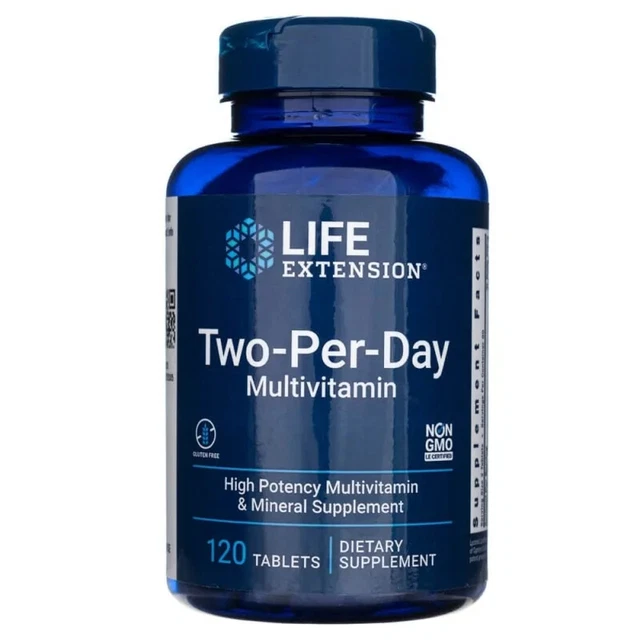
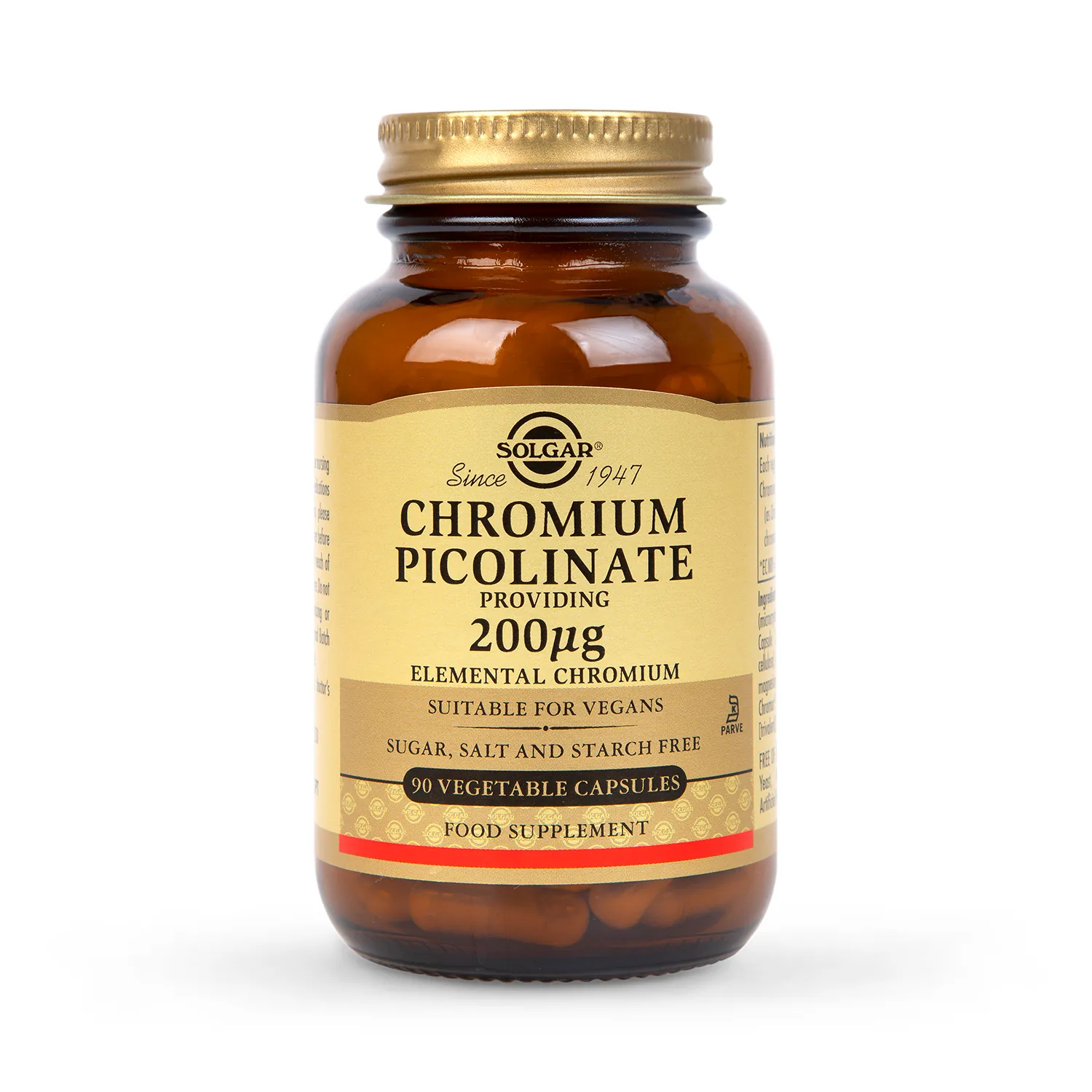
Top Chromium Products on AIScored

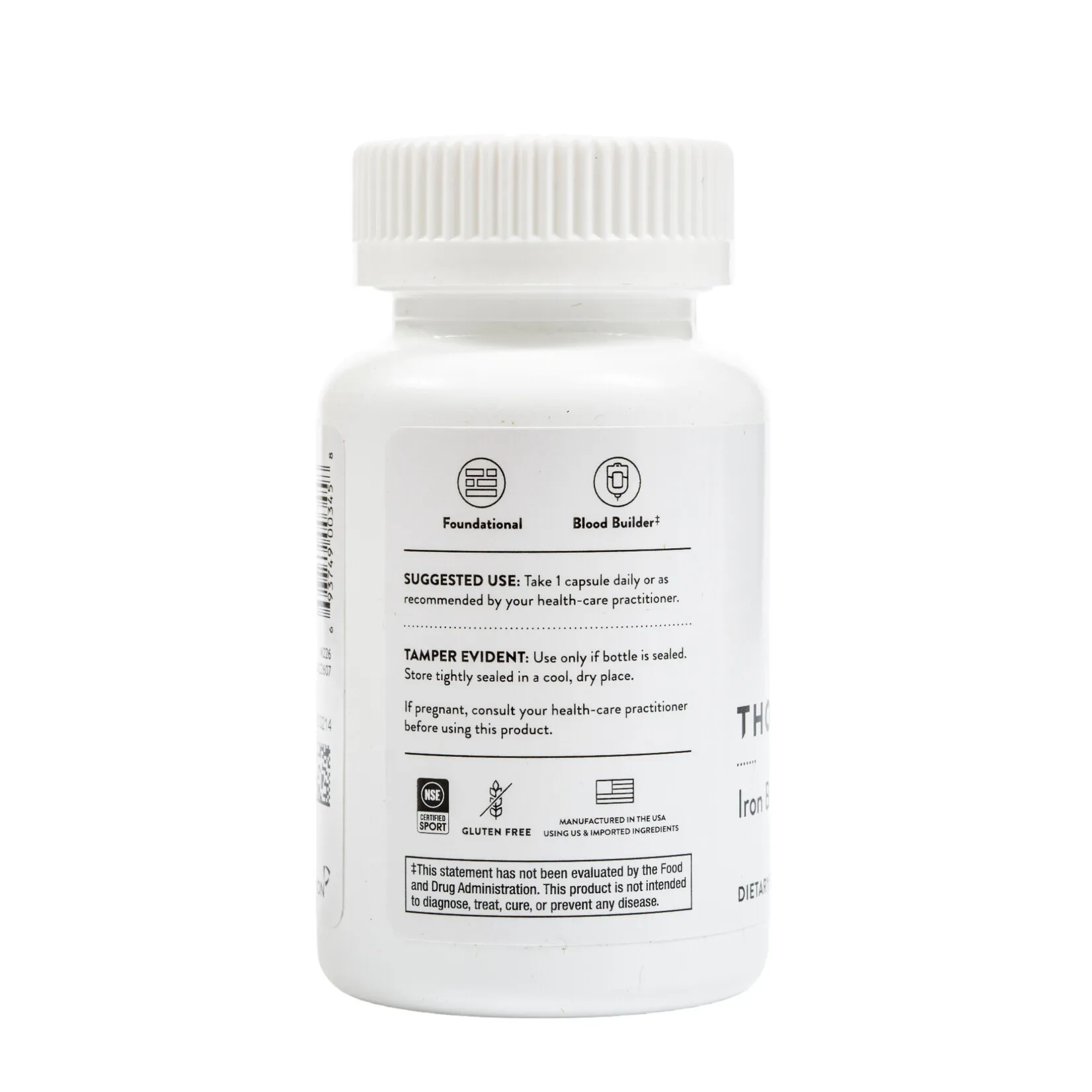
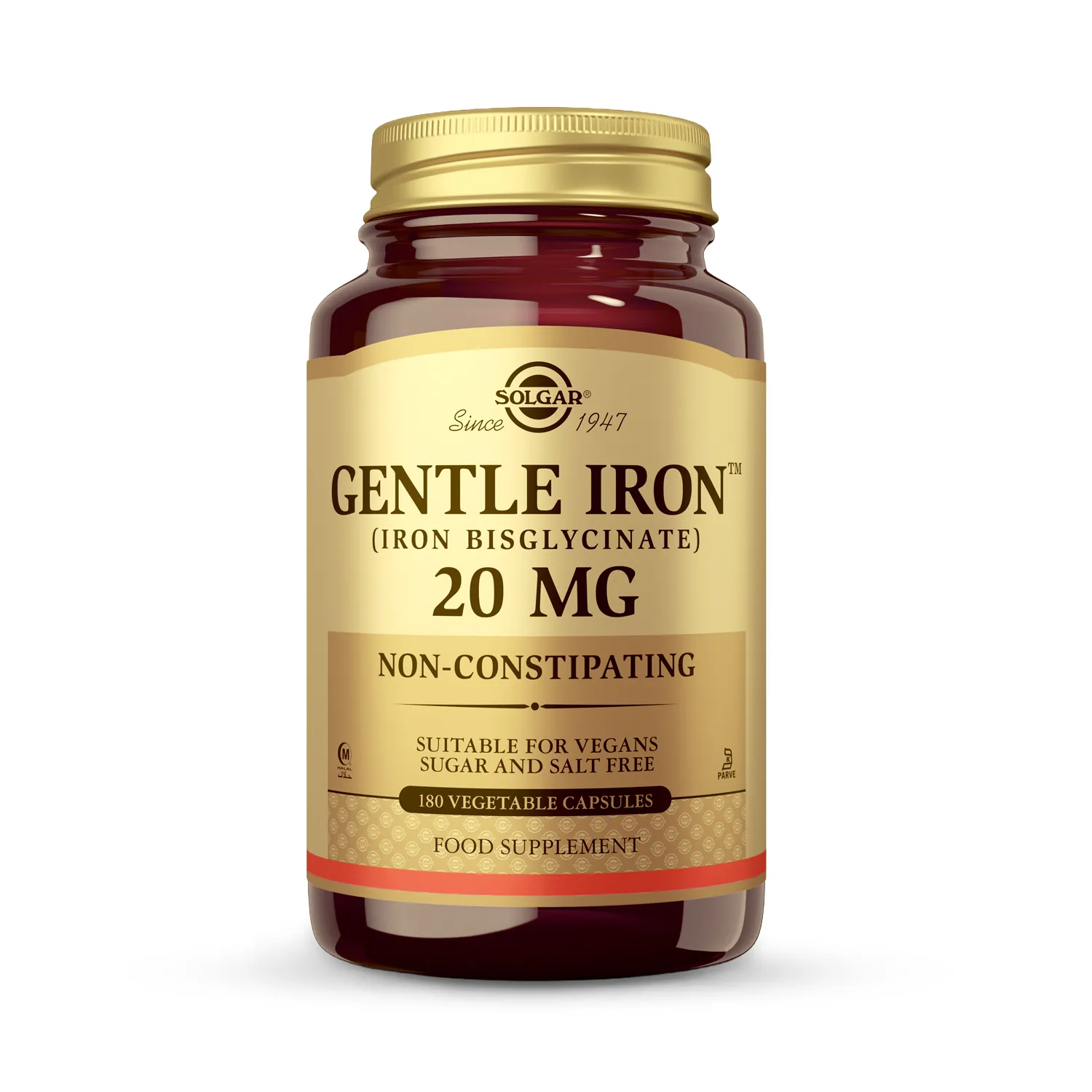
Top Iron Products on AIScored
Want to check more interactions?
Add these and other supplements to our interactive Stack Analyzer for a full analysis.
Build your full stack →