Important: This page is for informational purposes only, based on published peer-reviewed research and official UK dietary guidelines (NHS, EFSA, SACN). It does not constitute medical advice. Always consult your GP or pharmacist before starting, stopping, or combining supplements.
Chromium and Vitamin B3 — Can You Take Them Together?
Overview
Chromium and vitamin B3 (niacin) are two nutrients with overlapping roles in metabolic function, particularly in how the body handles blood glucose and lipid levels. Research dating back to the 1950s suggests these nutrients may interact at a biochemical level through the glucose tolerance factor (GTF), a chromium-containing complex that requires nicotinic acid as a structural component. For those interested in metabolic health support, the combination has attracted moderate scientific interest, though evidence quality varies. Individual responses may vary, and neither nutrient should be used as a substitute for professional medical guidance.
How They Interact
The glucose tolerance factor (GTF) is a low-molecular-weight chromium-binding complex first characterised by Schwarz and Mertz in 1959. GTF is understood to contain trivalent chromium coordinated with nicotinic acid — a specific form of vitamin B3 — alongside amino acids, forming a structure that may facilitate insulin binding at cellular receptors. The prevailing hypothesis is that chromium incorporated into GTF potentiates insulin's action by enhancing receptor sensitivity, allowing insulin to function more efficiently. A key clinical trial by Urberg and Zemel (1987, Metabolism) demonstrated that neither chromium nor nicotinic acid alone significantly improved glucose tolerance in elderly subjects; however, the combined supplement produced a measurable 15% reduction in integrated glucose area (p < 0.025). This finding suggests the two nutrients may require each other's presence for meaningful metabolic effect. Additionally, nicotinic acid independently modulates lipid metabolism by inhibiting hepatic diacylglycerol acyltransferase-2, raising HDL cholesterol and reducing LDL — complementing chromium's glucose-focused mechanism.
Timing & Dosage Guidance
Research suggests both chromium and niacin are best taken with food to minimise the risk of gastrointestinal discomfort and to align with natural postprandial insulin activity. Taking chromium alongside a meal containing some carbohydrate may be particularly relevant given its proposed role in glucose metabolism. If using nicotinic acid rather than nicotinamide, the well-documented flushing reaction — mediated by prostaglandin D2 release — tends to be less pronounced when taken with food. There is no established evidence that the two nutrients must be taken simultaneously, but consistent daily intake at mealtimes reflects the approach used in the primary synergy research by Urberg and Zemel (1987).
The UK has no established RDA for chromium; the European Food Safety Authority (EFSA) has set an adequate intake of 25 mcg per day for adults. Typical supplemental doses in research range from 200–400 mcg daily. For niacin, SACN recommends 16.5 mg/day for men and 13.2 mg/day for women under dietary reference values. The chromium-niacin synergy study used 100 mg of nicotinic acid — well above standard dietary intake levels. Pharmacological doses of niacin (1–3 g/day), as used in lipid management settings, are associated with significant side effects including flushing and, at sustained high doses, potential hepatotoxicity. Individuals considering supplemental doses above dietary reference values should seek professional guidance, as individual responses vary considerably.
Recommended Action
These can be taken together. Both are relevant for metabolic health support.
Chromium Timing
When: Morning
Note: Take with meals — may help support blood sugar metabolism after eating.
Vitamin B3 Timing
When: Morning
Note: Water-soluble. Nicotinic acid form causes flushing at >10 mg; nicotinamide does not.
Scientific Evidence
4 peer-reviewed studies cited. All links lead to PubMed abstracts.
Metabolism (1987) · PMID: 3626867
In a randomised trial of 16 healthy elderly volunteers, daily supplementation with 200 mcg chromium plus 100 mg nicotinic acid for 28 days produced a 15% reduction in integrated glucose area, whereas neither nutrient alone produced significant effects.
Diabetes (1997) · PMID: 9356027
Anderson et al. found that chromium supplementation at 1000 mcg/day significantly improved HbA1c, fasting glucose, fasting insulin, and cholesterol levels, reinforcing chromium's role as a modulator of insulin sensitivity.
Biological Trace Element Research (1996) · PMID: 9096856
Thomas and Gropper found that chromium nicotinic acid supplementation produced modest reductions in fasting plasma total cholesterol, LDL, triglycerides, and glucose, although changes did not reach statistical significance in the small study sample.
Atherosclerosis (2010) · PMID: 20079494
Bruckert et al.'s pooled analysis found nicotinic acid was associated with a 25% relative reduction in major coronary events and significant improvements in HDL cholesterol and atherosclerosis regression across included trials, supporting niacin's independent lipid-modulating action.
Frequently Asked Questions
Chromium polynicotinate — sometimes labelled as niacin-bound chromium — directly combines chromium with nicotinic acid, mirroring the proposed structure of the glucose tolerance factor. Some researchers have suggested this form may be more physiologically relevant than chromium picolinate. However, head-to-head clinical evidence in humans remains limited, and EFSA has not endorsed a superior supplemental form for metabolic health claims. Individual absorption and response to different chromium forms vary, and product quality also differs between brands.
The niacin flush is a vasodilatory response caused by nicotinic acid's activation of the GPR109A receptor, triggering prostaglandin D2 release in skin vessels. This is a pharmacological effect distinct from niacin's metabolic actions, and research does not suggest flushing diminishes the chromium-niacin interaction. The synergy study by Urberg and Zemel used 100 mg nicotinic acid — a dose at which mild flushing may occur in some individuals. Notably, nicotinamide (niacinamide) does not cause flushing but may not form the same GTF complex, which is an important distinction when selecting a supplement form.
Research suggests that chromium and nicotinic acid taken together may support normal blood sugar management, particularly when dietary chromium intake is suboptimal. The Urberg and Zemel (1987) study demonstrated improvements in glucose tolerance in healthy elderly volunteers with no diagnosed condition. However, effects in younger adult populations are less well studied, and the evidence base is rated as moderate. This combination is not a substitute for dietary and lifestyle measures, and individual responses may vary significantly. Those with blood sugar concerns should seek GP advice.
Top Chromium Products on AIScored

Top Vitamin B3 Products on AIScored
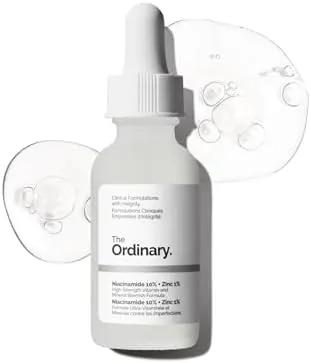
The Ordinary Niacinamide 10% + Zinc 1%, Brightening & Smoothing Serum for Blemish-Prone Skin, 30ml

Cetaphil Moisturising Lotion, 236ml, Face & Body Moisturiser, For Normal To Dry Sensitive Skin, With Niacinamide, Packaging May Vary
Want to check more interactions?
Add these and other supplements to our interactive Stack Analyzer for a full analysis.
Build your full stack →