Important: This page is for informational purposes only, based on published peer-reviewed research and official UK dietary guidelines (NHS, EFSA, SACN). It does not constitute medical advice. Always consult your GP or pharmacist before starting, stopping, or combining supplements.
Collagen and Iron — Can You Take Them Together?
Overview
Collagen hydrolysate and iron are both widely used supplements in the UK, often taken as part of a broader health routine. Collagen provides glycine, proline, and hydroxyproline — amino acids critical for connective tissue, skin, and joint integrity — whilst iron underpins haemoglobin synthesis and aerobic energy metabolism. Emerging research suggests these two supplements interact at the gut lumen, where amino acids released during collagen digestion can form chelate complexes with iron. Crucially, the science reveals a nuanced picture: rather than a straightforward conflict, collagen peptides may in some contexts support iron bioavailability. Individual responses may vary depending on iron form, supplement dose, and baseline iron status.
How They Interact
The central mechanism involves amino acid–iron chelation in the duodenum. Glycine — the dominant amino acid in bovine and marine collagen hydrolysate — is the same amino acid used to manufacture iron bisglycinate, one of the most bioavailable supplemental iron forms. When collagen hydrolysate is digested, free glycine and small peptides are released into the gut lumen where they may bind available iron, creating new chelate complexes. This has two competing consequences: the chelated iron may remain soluble under the duodenum's alkaline pH (favouring absorption), but may also compete with unbound iron for occupancy at DMT1 (divalent metal transporter 1), the primary transporter for non-haem iron. Research by Zhu et al. (2022, Journal of Agricultural and Food Chemistry, PMID 36475394) identified a further mechanism: collagen-derived prolyl-hydroxyproline dipeptides can inhibit prolyl hydroxylase enzymes, stabilising hypoxia-inducible factor 2α (HIF-2α) and transcriptionally upregulating iron transport proteins including Dcytb, DMT1, and ferroportin. The net effect in humans taking typical supplemental doses has not yet been definitively established in clinical trials, and the clinical significance at ordinary doses remains uncertain.
Timing & Dosage Guidance
As a precautionary measure, separating collagen and iron supplements by approximately one hour is a reasonable approach given the current state of evidence. Taking iron first — on an empty stomach or with a small amount of food — allows absorption to proceed before collagen peptides reach the duodenum and potentially compete for the same transport proteins. Pairing non-haem iron with vitamin C (ascorbic acid) remains one of the best-supported strategies for enhancing iron absorption, and this practice is advisable regardless of whether collagen is also being taken. If using iron bisglycinate specifically, the interaction with collagen may be less pronounced, as this form is already delivered as a glycine-iron chelate. Individuals with low iron stores may wish to prioritise iron absorption timing more carefully.
At typical UK supplemental doses — 5–15 g per day of collagen hydrolysate and 14–18 mg per day of elemental iron — the clinical significance of this interaction remains uncertain. Laboratory studies demonstrating chelation and competitive transport effects have largely used in vitro cell models or animal models at concentrations that do not translate directly to everyday human supplementation. Those managing diagnosed iron deficiency, heavy menstrual blood loss, or malabsorptive conditions such as coeliac disease or post-bariatric surgery may have reduced tolerance for any factor that could compromise iron uptake, and would benefit from discussing their supplementation plan with a GP or registered dietitian. Monitoring serum ferritin and haemoglobin levels provides the most reliable indication of whether iron intake is adequate over time.
Recommended Action
If taking both, separating them by an hour may be prudent, though the clinical significance at typical doses is uncertain.
Collagen Timing
When: Any
Note: Can be taken any time. Often mixed into coffee, smoothies, or water. Pair with vitamin C to support collagen synthesis.
Iron Timing
When: Morning
Note: Best absorbed on an empty stomach with Vitamin C. Avoid with tea, coffee, calcium, or zinc within 2 hours.
Scientific Evidence
4 peer-reviewed studies cited. All links lead to PubMed abstracts.
Journal of Agricultural and Food Chemistry (2022) · PMID: 36475394
Porcine collagen hydrolysate and the dipeptide prolyl-hydroxyproline upregulated intestinal iron transport proteins (Dcytb, DMT1, ferroportin) by stabilising HIF-2α, suggesting collagen peptides may actively promote rather than inhibit iron absorption via a transcriptional mechanism.
Nutrients (2017) · PMID: 28617327
A comprehensive review concluded that protein hydrolysates, including collagen-derived peptides, promote non-haem iron absorption by maintaining iron solubility, reducing ferric to ferrous iron, and facilitating transport across intestinal cell membranes.
Frontiers in Nutrition (2022) · PMID: 36618683
A collagen peptide–ferrous chelate demonstrated greater efficacy than ferrous sulphate in a rat model of iron deficiency anaemia, with reduced gastrointestinal irritation and improved hepatic iron delivery, supporting the potential of collagen-iron complexes as well-tolerated iron carriers.
American Journal of Clinical Nutrition (2002) · PMID: 12198002
Iron chelated with glycine enters the same non-haem absorption pathway as ionic iron and competes with ferrous sulphate at the DMT1 transporter, indicating that glycine-bound iron complexes — potentially including those formed from collagen digestion — share competitive transport mechanisms in the duodenum.
Frequently Asked Questions
Research suggests that amino acids released during collagen hydrolysate digestion — particularly glycine — can form chelate complexes with iron in the gut. Whether this enhances or hinders absorption appears to depend on the iron form, dose, and individual iron status. Some emerging studies indicate collagen peptides may upregulate iron transport proteins via the HIF-2α signalling pathway, potentially supporting bioavailability rather than reducing it. At typical supplemental doses the interaction's clinical significance remains uncertain, and individual responses may vary.
Iron bisglycinate is often considered the most compatible option, as it is already presented as a glycine-iron chelate and has demonstrated superior bioavailability compared to ferrous sulphate in multiple human studies. Because collagen hydrolysate also releases glycine during digestion, any competitive effect on absorption may be less pronounced than with inorganic iron salts such as ferrous fumarate or ferrous sulphate. Direct clinical data specifically comparing iron forms in the presence of collagen hydrolysate is limited, and these observations remain preliminary.
Current research does not indicate that collagen supplementation must be discontinued during iron deficiency anaemia treatment. A practical approach is to separate the two supplements by at least one hour and to pair iron with vitamin C to support absorption. Anyone managing diagnosed iron deficiency anaemia should discuss their full supplement regimen with a GP or registered dietitian, as iron status should be monitored via regular serum ferritin and full blood count testing throughout treatment. Individual responses may vary.
Top Collagen Products on AIScored

Advanced Hydrolysed Marine Liquid Collagen Couples Supply (2x 28-Day Supply)
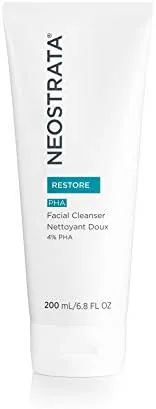
NEOSTRATA RESTORE PHA Hydrating Gel Facial Cleanser; Sensitive Skin Exfoliating Blackhead Remover; Pore Minimizer; Acne Face Wash Makeup Remover with Glycine for Collagen & Polyhydroxy Acid, 6.8 oz
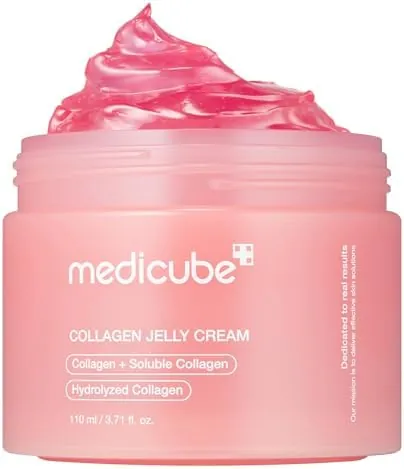
medicube Collagen Jelly Cream- Niacinamide & Freeze-Dried Hydrolyzed Collagen-Boosts skin barrier hydration & gives 24h Glow & Firmer looking skin
Top Iron Products on AIScored
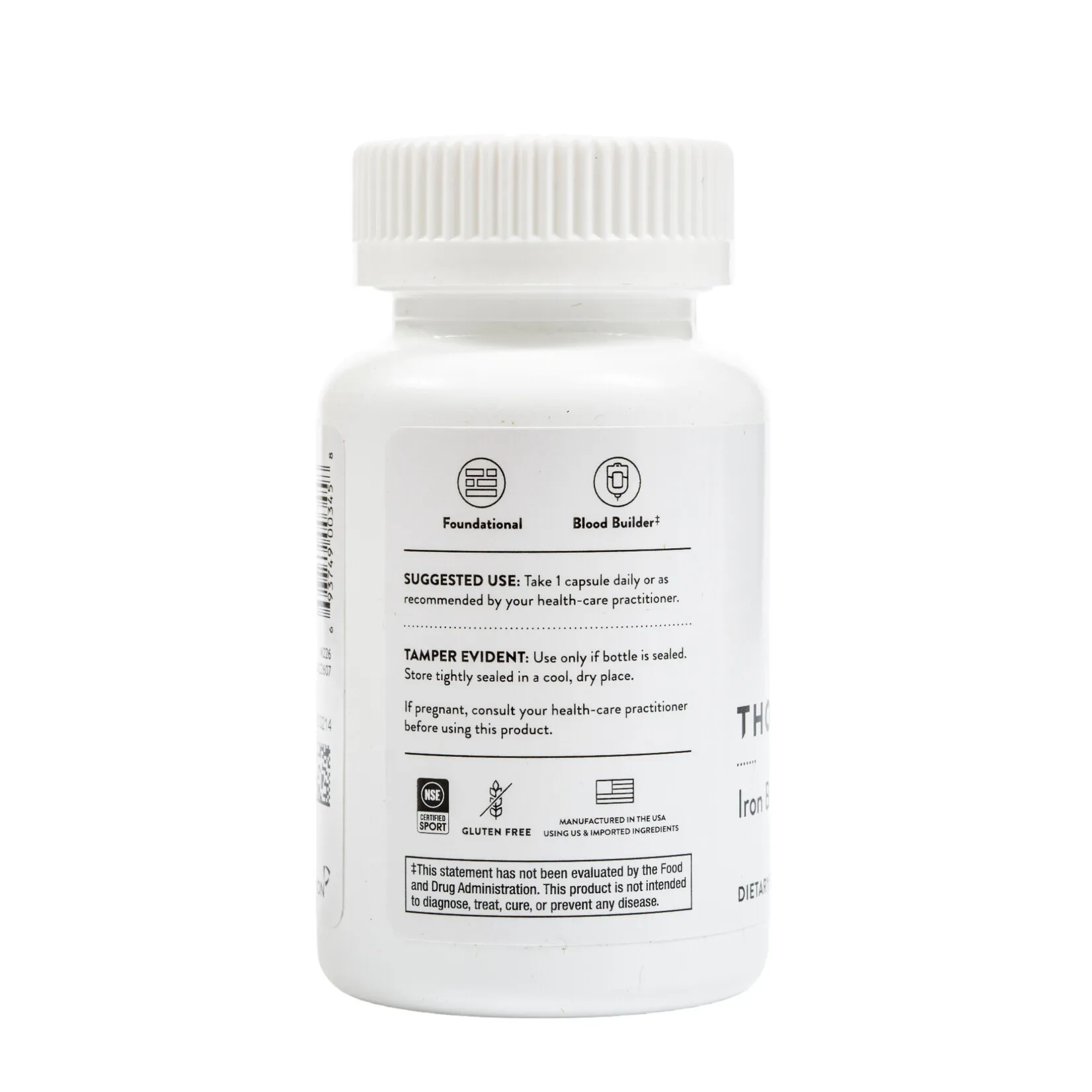
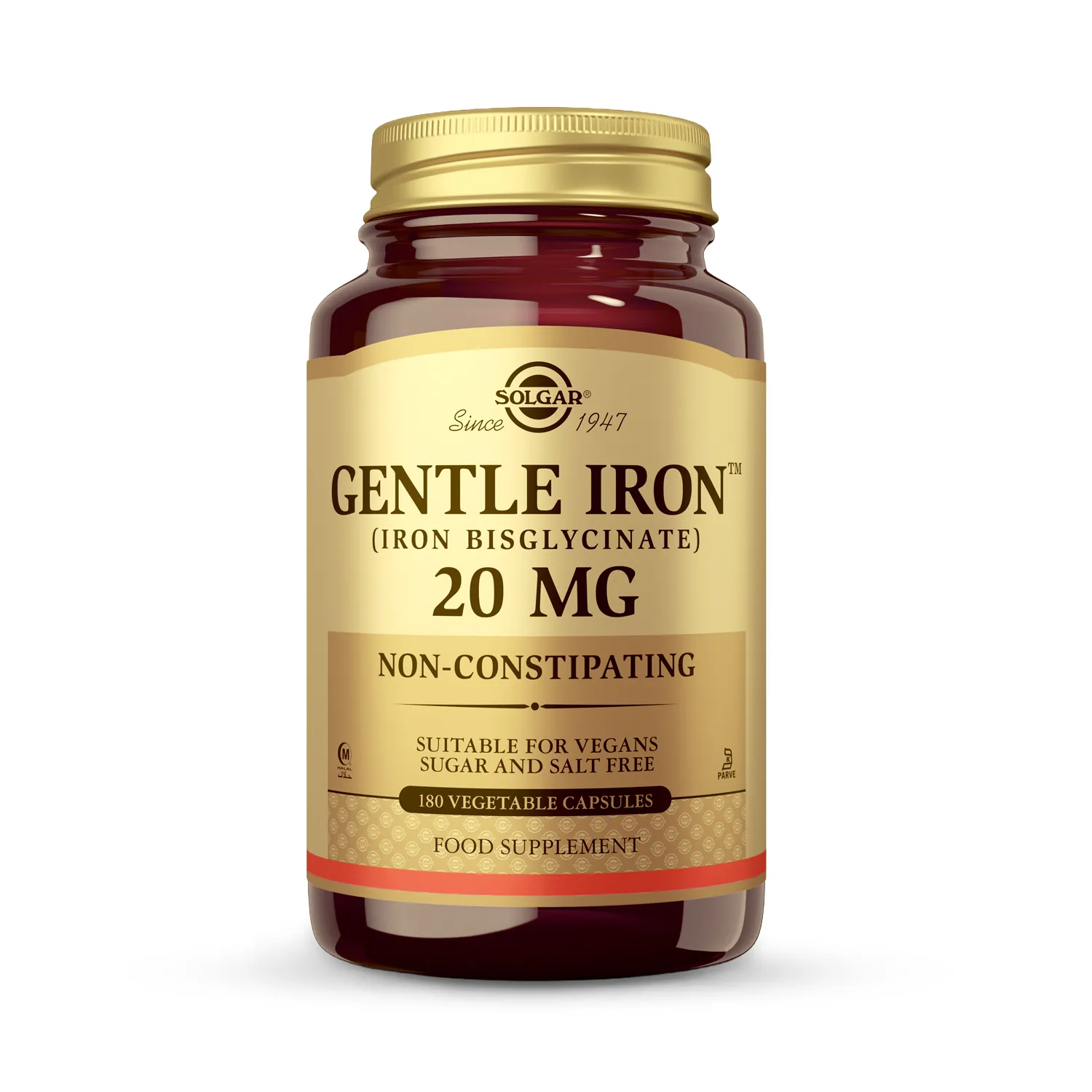
Want to check more interactions?
Add these and other supplements to our interactive Stack Analyzer for a full analysis.
Build your full stack →