Important: This page is for informational purposes only, based on published peer-reviewed research and official UK dietary guidelines (NHS, EFSA, SACN). It does not constitute medical advice. Always consult your GP or pharmacist before starting, stopping, or combining supplements.
Collagen and Vitamin C — Can You Take Them Together?
Overview
Collagen is the most abundant structural protein in the human body, forming the scaffolding of skin, tendons, cartilage, and bone. Vitamin C (ascorbic acid) is not simply a complementary nutrient — research demonstrates it is a biochemical prerequisite for proper collagen formation. Without adequate Vitamin C, the enzymes responsible for stabilising collagen's characteristic triple-helix structure cannot function correctly. For individuals supplementing with collagen peptides, ensuring sufficient Vitamin C intake may therefore be an important consideration. This page reviews the evidence behind this well-characterised interaction, drawing on published research and established UK nutritional guidelines.
How They Interact
The interaction between Vitamin C and collagen synthesis is mediated by two iron-dependent enzymes: prolyl 4-hydroxylase and lysyl hydroxylase. These enzymes catalyse the hydroxylation of proline and lysine residues within procollagen alpha-chains — a post-translational modification essential for structural integrity. Hydroxylation of proline produces 4-hydroxyproline, which provides the thermal stability required for the collagen triple helix to maintain its form at body temperature. Without adequate hydroxylation, procollagen chains cannot fold correctly and are targeted for degradation by the cell. Vitamin C maintains the catalytic iron within these enzymes in its reduced (Fe²⁺) state, which is required for enzymatic activity, and regenerates enzyme function after each catalytic cycle. This mechanism explains why scurvy — severe ascorbic acid deficiency — manifests primarily as connective tissue failure. Beyond this cofactor role, research by Pullar et al. (2017, Nutrients) indicates that Vitamin C also stimulates collagen gene expression in dermal fibroblasts and protects newly synthesised collagen from oxidative degradation within the extracellular matrix.
Timing & Dosage Guidance
Research suggests that taking Vitamin C alongside or shortly before collagen supplementation may support the biochemical environment for collagen utilisation. Shaw et al. (2017, American Journal of Clinical Nutrition) observed that consuming Vitamin C-enriched gelatin approximately one hour before intermittent exercise significantly increased markers of collagen synthesis compared to placebo. For daily supplementation outside an exercise context, evidence suggests that consistent daily intake matters more than precise timing. There is no established research indicating that large temporal gaps between doses confer advantage. A combined or proximate intake appears most practical based on current evidence. Individual responses may vary.
The UK Reference Nutrient Intake (RNI) for Vitamin C is 40 mg per day for adults, as established by the Scientific Advisory Committee on Nutrition (SACN). Research examining Vitamin C in the context of collagen synthesis has employed a range of doses — Shaw et al. (2017) used approximately 48 mg per dose, whilst other studies have explored supplementation up to 500 mg daily. For collagen peptides, doses of 2.5–15 g per day have been studied in clinical trials. The NHS advises against regularly exceeding 1,000 mg Vitamin C per day, as this may cause adverse effects including gastrointestinal discomfort. Individual requirements may vary according to dietary intake and health status.
Recommended Action
Taking collagen supplements alongside Vitamin C may support the body's ability to utilise the supplemental collagen peptides.
Collagen Timing
When: Any
Note: Can be taken any time. Often mixed into coffee, smoothies, or water. Pair with vitamin C to support collagen synthesis.
Vitamin C Timing
When: Any
Note: Water-soluble — can be taken any time. Split doses improve absorption at higher amounts.
Scientific Evidence
3 peer-reviewed studies cited. All links lead to PubMed abstracts.
American Journal of Clinical Nutrition (2017) · PMID: 27852613
Consuming Vitamin C-enriched gelatin one hour before exercise significantly increased collagen synthesis markers in the blood compared to placebo, supporting a role for Vitamin C in optimising collagen production during activity.
Nutrients (2017) · PMID: 28805671
A comprehensive review confirming Vitamin C's dual role as an enzymatic cofactor for collagen synthesis and as a stimulator of collagen gene expression in dermal fibroblasts, alongside its antioxidant protection of the extracellular matrix.
Orthopaedic Journal of Sports Medicine (2018) · PMID: 30386805
Systematic review concluding that Vitamin C supplementation supports collagen synthesis and reduces oxidative stress following musculoskeletal injuries, with implications for connective tissue repair and recovery.
Frequently Asked Questions
Research suggests that Vitamin C is required for the enzymatic processes that stabilise collagen structure within the body. Whilst supplemental collagen peptides are absorbed as amino acids regardless of Vitamin C status, the body's ability to incorporate these precursors into new collagen fibres depends on adequate enzyme function. Individuals with low dietary Vitamin C intake may therefore see reduced benefit from collagen supplementation. Those consuming adequate fruit and vegetables may already have sufficient Vitamin C status. Individual responses may vary.
No official guidance specifically addresses Vitamin C dosing for collagen synthesis support. The UK RNI of 40 mg per day is sufficient to prevent deficiency. Shaw et al. (2017, Am J Clin Nutr) used approximately 48 mg per dose before exercise and observed increased collagen synthesis markers. Supplementation research commonly uses 250–500 mg daily. The NHS advises against regularly exceeding 1,000 mg per day. Consulting a healthcare professional before significantly exceeding the RNI is advisable, particularly for those with underlying health conditions.
Current research does not indicate meaningful differences between marine and bovine collagen sources in terms of their interaction with Vitamin C. The cofactor requirement applies to the body's own collagen-synthesising enzymes rather than the supplement source itself. Both marine and bovine hydrolysed collagen provide hydroxyproline-rich peptides as substrates. Note that products marketed as 'plant-based collagen' typically contain precursor nutrients rather than collagen itself. Choice between sources may be guided by dietary preferences, allergen considerations, and collagen type profile. Individual responses may vary.
Top Collagen Products on AIScored

Advanced Hydrolysed Marine Liquid Collagen Couples Supply (2x 28-Day Supply)
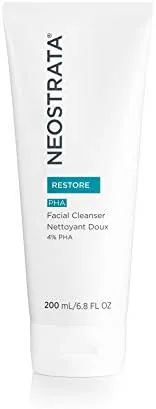
NEOSTRATA RESTORE PHA Hydrating Gel Facial Cleanser; Sensitive Skin Exfoliating Blackhead Remover; Pore Minimizer; Acne Face Wash Makeup Remover with Glycine for Collagen & Polyhydroxy Acid, 6.8 oz
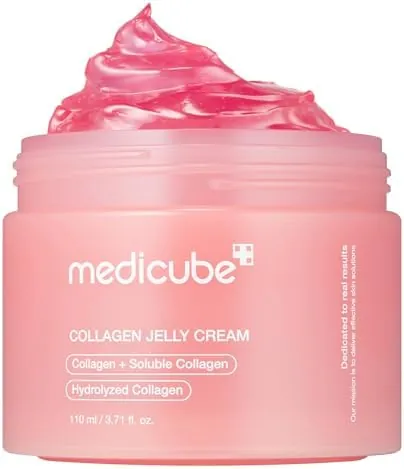
medicube Collagen Jelly Cream- Niacinamide & Freeze-Dried Hydrolyzed Collagen-Boosts skin barrier hydration & gives 24h Glow & Firmer looking skin
Top Vitamin C Products on AIScored
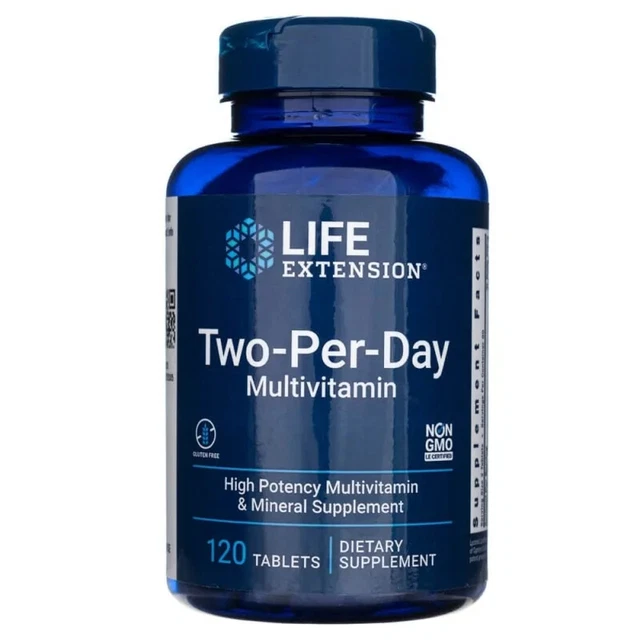
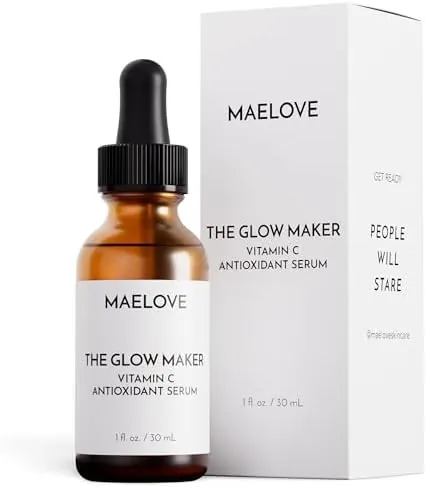
MAELOVE Vitamin C Serum, Glow Maker with Vitamins C, E, Ferulic Acid and Hyaluronic Acid, Fragrance-Free, Award-Winning Highlighting and Moisturizing Face Serum, 50 ml
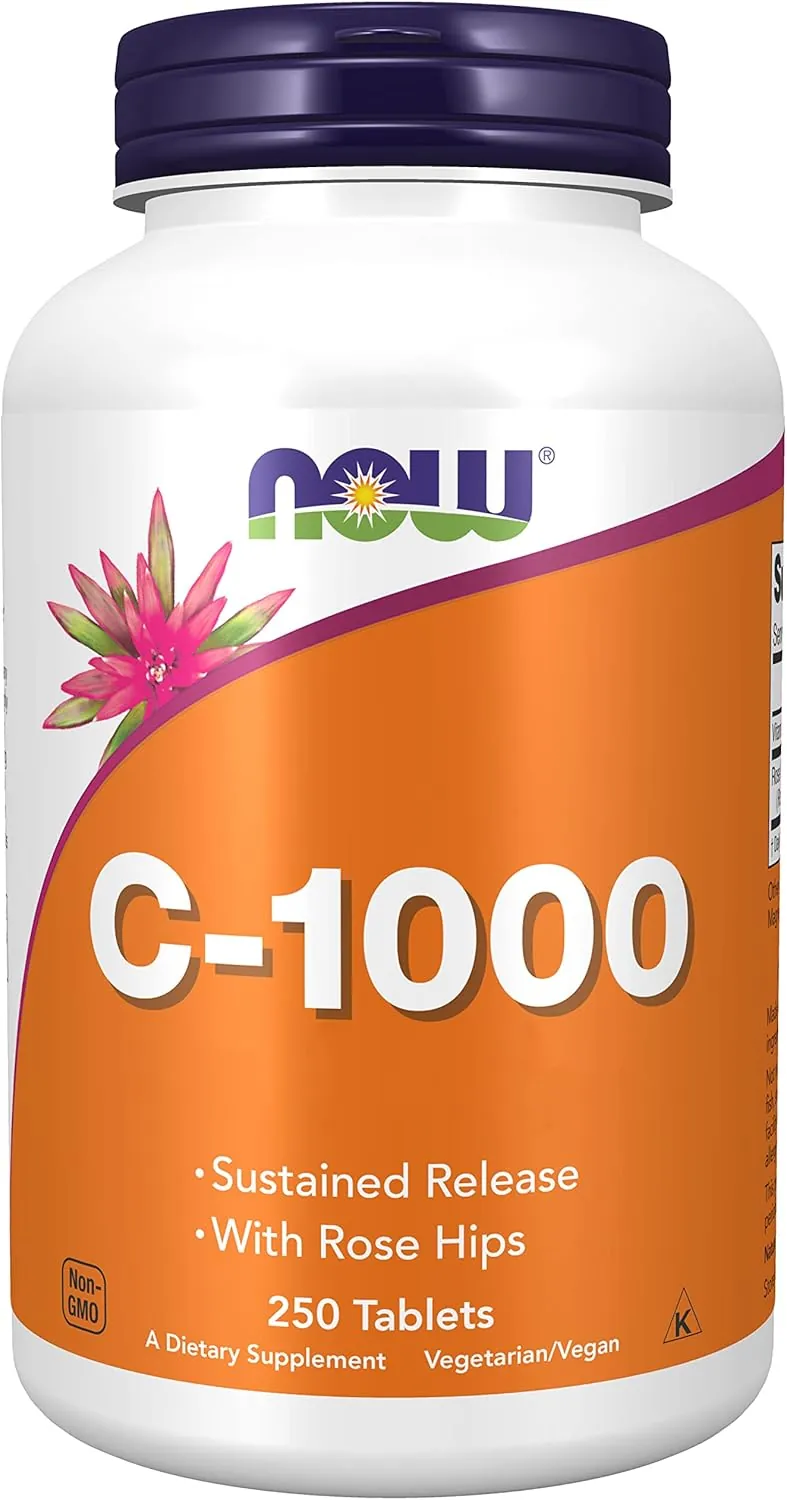
NOW Foods Vitamin C-1000 with Rose Hips & Bioflavonoids - 250 Tablets
Want to check more interactions?
Add these and other supplements to our interactive Stack Analyzer for a full analysis.
Build your full stack →