Important: This page is for informational purposes only, based on published peer-reviewed research and official UK dietary guidelines (NHS, EFSA, SACN). It does not constitute medical advice. Always consult your GP or pharmacist before starting, stopping, or combining supplements.
Collagen and Zinc — Can You Take Them Together?
Overview
Collagen and zinc are two nutrients that research suggests work in concert to support connective tissue integrity. Collagen is the most abundant structural protein in the human body, forming the scaffolding for skin, joints, tendons, and bone. Zinc is a trace mineral that plays an essential role in the enzymes responsible for producing, remodelling, and maintaining that collagen matrix. Studies indicate that suboptimal zinc status may impair the body's ability to utilise supplemental collagen effectively. For those supplementing collagen for skin health, joint support, or post-exercise recovery, ensuring adequate zinc intake is an evidence-supported consideration. Individual responses may vary.
How They Interact
Zinc's relationship with collagen operates through several well-characterised biochemical pathways. Most directly, zinc is an obligate cofactor for the matrix metalloproteinases (MMPs) — a family of zinc-dependent endopeptidases responsible for cleaving and remodelling extracellular matrix components, including fibrillar collagens. Without adequate zinc, MMP activity is compromised, disrupting the orderly breakdown of old collagen and the deposition of new collagen fibres (Lansdown et al., Wound Repair and Regeneration, 2007; PMID 17244314). Zinc also supports collagenase specifically, which initiates the first catalytic step in fibril degradation during tissue remodelling. Beyond enzymatic function, zinc acts as a cofactor for zinc-finger transcription factors that regulate expression of collagen-encoding genes, particularly COL1A1 and COL3A1. Lin et al. (Nutrients, 2017; PMID 29295546) identified zinc's role in modulating cellular repair across all stages of wound healing, including the proliferative phase in which new collagen is actively synthesised. Zinc also supports lysyl oxidase — an enzyme essential for cross-linking collagen and elastin fibres to provide tensile strength. Zinc deficiency therefore creates a biochemical environment unfavourable to effective collagen synthesis and maintenance.
Timing & Dosage Guidance
Collagen peptides and zinc can generally be taken at the same time, as their mechanisms are complementary rather than competitive. Research suggests consuming both with a meal: hydrolysed collagen peptides are absorbed more consistently in a fed state, and zinc is generally better tolerated alongside food to minimise gastric discomfort. One practical consideration: zinc and iron share the same intestinal transporter and may compete for absorption, so avoid combining zinc with high-dose iron supplements in the same sitting. High calcium intake may also reduce zinc absorption. If supplementing iron or high-dose calcium separately, spacing zinc by one to two hours is advisable. Individual responses may vary depending on overall dietary composition.
The UK Reference Nutrient Intake for zinc, as defined by the Department of Health and Social Care, is 9.5 mg/day for men and 7 mg/day for women. EFSA has established a tolerable upper intake level of 25 mg/day for adults, above which adverse effects — including copper depletion and impaired immune function — become a concern. For collagen, trials investigating skin and joint outcomes have typically used 5–15 g of hydrolysed peptides daily. Research does not suggest that zinc supplementation needs to substantially exceed RDA levels to support collagen synthesis; achieving sufficiency rather than excess is the relevant goal. Dietary zinc from red meat, shellfish, legumes, and wholegrains should be factored into any total intake assessment.
Recommended Action
These can be taken together for skin health and wound healing support.
Collagen Timing
When: Any
Note: Can be taken any time. Often mixed into coffee, smoothies, or water. Pair with vitamin C to support collagen synthesis.
Zinc Timing
When: Morning
Note: Take with food to prevent nausea. Away from iron and calcium supplements.
Scientific Evidence
4 peer-reviewed studies cited. All links lead to PubMed abstracts.
Wound Repair and Regeneration (2007) · PMID: 17244314
Zinc acts as a cofactor for zinc-dependent matrix metalloproteinases that regulate collagen remodelling and epithelialisation throughout all stages of wound repair.
Nutrients (2017) · PMID: 29295546
Zinc serves as an essential cofactor for metalloenzymes across all phases of wound healing, including the proliferative phase during which new collagen matrix is actively synthesised.
Skin Pharmacology and Physiology (2014) · PMID: 23949208
Eight weeks of oral collagen hydrolysate supplementation produced statistically significant improvements in skin elasticity versus placebo, with sustained benefit observed in older participants after the intervention period.
The Journal of Nutrition (2020) · PMID: 31897483
A combination of arginine, glutamine, vitamin C, and zinc significantly elevated wound fluid collagen biomarker concentrations on the second post-operative day compared to an unsupplemented control group.
Frequently Asked Questions
Not necessarily. UK dietary surveys suggest many adults meet zinc requirements through food — red meat, oysters, legumes, and wholegrains are rich sources. However, research indicates that those following plant-based diets, older adults, and individuals under physiological stress (surgery, wound healing, intense training) may have elevated needs. If collagen supplementation is a priority for skin or connective tissue health, confirming adequate dietary zinc — or discussing blood testing with a GP — is a reasonable precaution. Individual responses may vary.
Absorption studies suggest that organic zinc compounds — picolinate, bisglycinate, and citrate — demonstrate higher bioavailability than inorganic forms such as zinc oxide. For individuals using collagen supplements for skin or joint health, zinc bisglycinate or picolinate are frequently selected based on tolerability and absorption profiles. Zinc gluconate is a well-studied alternative widely available in UK pharmacies. That said, standard doses of any form are generally sufficient to meet RDA requirements in healthy adults.
Zinc toxicity from food alone is uncommon, but excessive supplementation can deplete copper — itself required by lysyl oxidase, an enzyme directly involved in collagen cross-linking. EFSA's tolerable upper limit of 25 mg/day for adults is relevant if combining a zinc supplement with a multivitamin that already contains zinc. Anyone with underlying health conditions, or taking prescribed medication, should seek guidance from a GP or registered dietitian before beginning supplementation.
Top Collagen Products on AIScored

Advanced Hydrolysed Marine Liquid Collagen Couples Supply (2x 28-Day Supply)
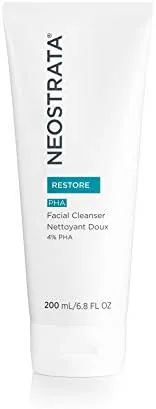
NEOSTRATA RESTORE PHA Hydrating Gel Facial Cleanser; Sensitive Skin Exfoliating Blackhead Remover; Pore Minimizer; Acne Face Wash Makeup Remover with Glycine for Collagen & Polyhydroxy Acid, 6.8 oz
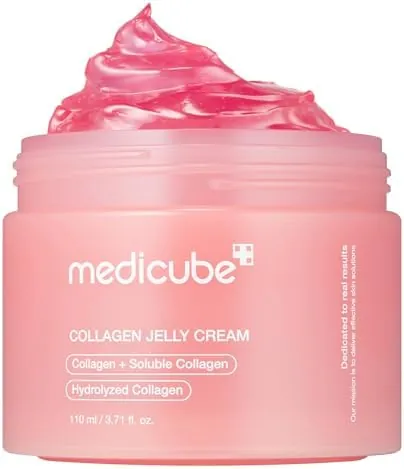
medicube Collagen Jelly Cream- Niacinamide & Freeze-Dried Hydrolyzed Collagen-Boosts skin barrier hydration & gives 24h Glow & Firmer looking skin
Top Zinc Products on AIScored
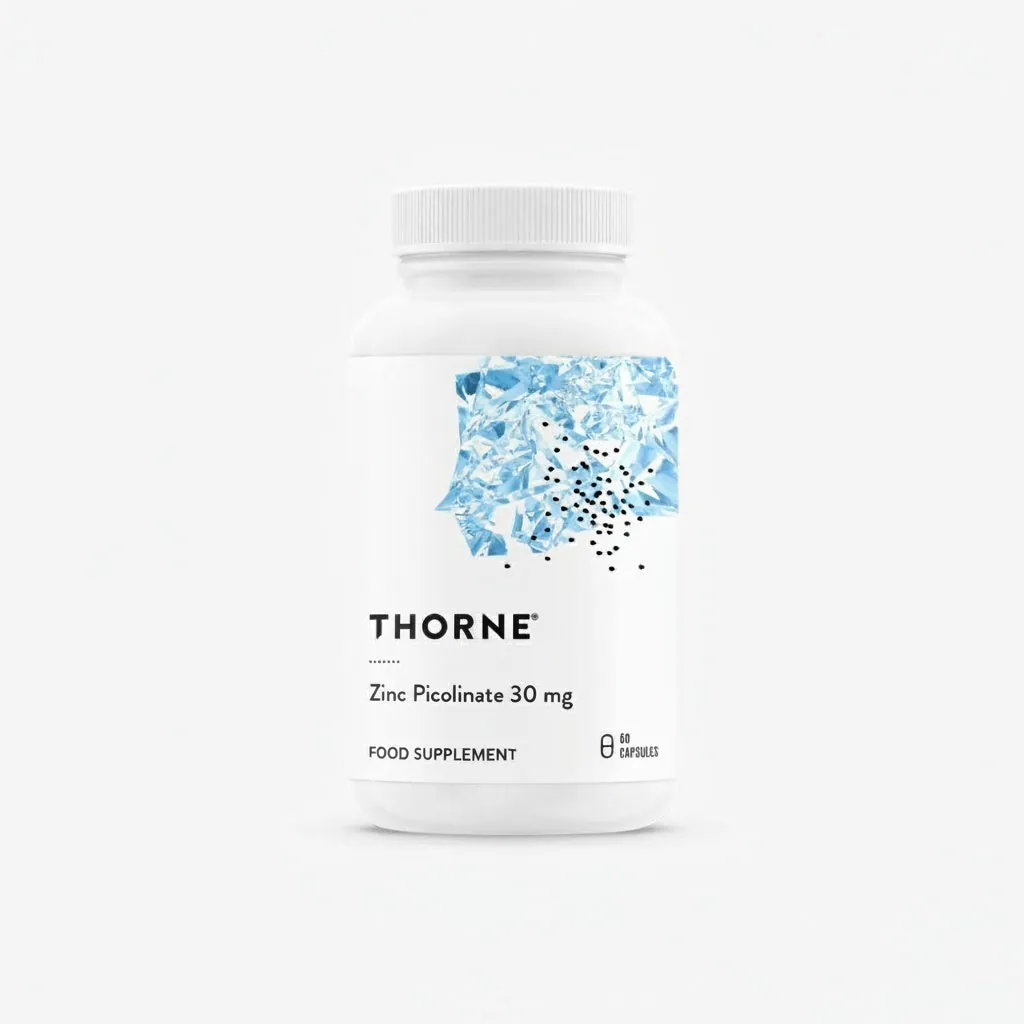
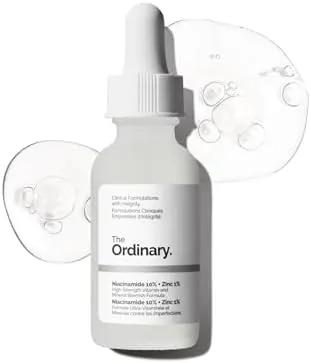
The Ordinary Niacinamide 10% + Zinc 1%, Brightening & Smoothing Serum for Blemish-Prone Skin, 30ml
Want to check more interactions?
Add these and other supplements to our interactive Stack Analyzer for a full analysis.
Build your full stack →