Important: This page is for informational purposes only, based on published peer-reviewed research and official UK dietary guidelines (NHS, EFSA, SACN). It does not constitute medical advice. Always consult your GP or pharmacist before starting, stopping, or combining supplements.
Copper and Iron — Can You Take Them Together?
Overview
Copper and iron are both essential minerals with a surprisingly intertwined physiological relationship. Rather than simply competing for absorption, these two metals are functionally interdependent: copper is required to mobilise iron from storage tissues and load it onto transferrin for systemic circulation. At the same time, both metals share the intestinal transporter DMT1, meaning very high iron intakes may reduce copper uptake. For most individuals taking standard supplement doses, this interaction is rarely of practical consequence. However, those prescribed therapeutic iron — for example, during pregnancy or following a confirmed deficiency diagnosis — may benefit from understanding how copper and iron status can influence one another.
How They Interact
The copper-iron relationship operates through several distinct and well-characterised pathways. At the intestinal brush border, DMT1 (divalent metal transporter 1) is the primary route for iron uptake and is also capable of transporting copper. Gunshin et al. (1997, Nature) established that DMT1 accepts an unusually broad range of divalent cations — including Fe²⁺ and Cu²⁺ — providing the molecular basis for competitive uptake when both metals are present at high concentrations simultaneously. Beyond absorption, copper plays an indispensable structural role in iron metabolism. Ceruloplasmin, a copper-dependent multi-copper oxidase synthesised primarily in the liver, acts as a serum ferroxidase — oxidising ferrous iron (Fe²⁺) to ferric iron (Fe³⁺) to enable binding to transferrin for systemic transport. Sharp (2004, Proceedings of the Nutrition Society) highlighted that copper deficiency reduces ceruloplasmin activity, causing iron to accumulate in storage depots despite adequate dietary intake. A related intestinal protein, hephaestin, performs a similar ferroxidase function at the mucosal barrier, further underscoring copper's essential role upstream of iron delivery. These mechanisms explain why copper deficiency can produce an anaemia that responds to copper supplementation rather than additional iron — a clinically relevant distinction.
Timing & Dosage Guidance
At typical UK supplement doses — copper at or below the EFSA tolerable upper intake of 5 mg/day, and iron within standard therapeutic ranges — temporal separation is unlikely to confer meaningful clinical benefit, as research has not established a definitively optimal dosing interval for this pair. Nevertheless, individuals taking high-dose therapeutic iron (for example, ferrous sulphate 200 mg two to three times daily, as sometimes prescribed for iron-deficiency anaemia per NHS guidance) may choose to separate copper supplementation by two to three hours as a precautionary measure, allowing peak intestinal absorption competition to subside. Individual responses may vary; consult a qualified healthcare professional for personalised guidance.
The UK Reference Nutrient Intake for copper is 1.2 mg/day (SACN). Iron requirements differ substantially by sex: 8.7 mg/day for men and post-menopausal women, rising to 14.8 mg/day for women aged 19–50. EFSA has set a tolerable upper intake level of 5 mg/day for supplemental copper. At these reference amounts, competition at DMT1 is unlikely to be clinically significant. Concerns are more plausible at sustained high-dose iron intakes above 45 mg elemental iron per day, where transporter saturation could meaningfully impair copper absorption. Copper bisglycinate and copper gluconate are generally considered well-absorbed forms at low doses, which may further reduce the likelihood of a significant interaction under typical supplementation conditions. Individual responses may vary.
Recommended Action
At typical supplement doses, this interaction is rarely clinically significant. If taking high-dose iron, copper status may be worth monitoring.
Copper Timing
When: Any
Note: Take with food. Must balance with zinc — high zinc intake depletes copper. Typical ratio: 15 mg zinc to 1-2 mg copper.
Iron Timing
When: Morning
Note: Best absorbed on an empty stomach with Vitamin C. Avoid with tea, coffee, calcium, or zinc within 2 hours.
Scientific Evidence
4 peer-reviewed studies cited. All links lead to PubMed abstracts.
Nature (1997) · PMID: 9242408
DMT1, the primary intestinal iron transporter, was found to accept an unusually broad range of divalent cations including both Fe²⁺ and Cu²⁺, establishing the molecular basis for competitive intestinal absorption between iron and copper.
Proceedings of the Nutrition Society (2004) · PMID: 15831128
Copper deficiency reduces ceruloplasmin and hephaestin ferroxidase activity, impairing iron mobilisation from stores and producing an anaemia that is responsive to copper supplementation rather than additional dietary iron.
Biometals (2008) · PMID: 18038202
Copper-deficient rat pups showed near-zero ceruloplasmin activity, reduced iron absorption, and lower plasma iron despite adequate iron intake, demonstrating that copper status is rate-limiting for iron transport and delivery.
Annals of Clinical Laboratory Science (1980) · PMID: 7447387
Copper participates in multiple stages of iron metabolism — including intestinal absorption, mobilisation from reticuloendothelial cells via ceruloplasmin, and heme synthesis — establishing it as a critical cofactor rather than merely a competing mineral.
Frequently Asked Questions
At standard supplemental doses, iron-induced copper depletion is considered unlikely in healthy adults. Research suggests the interaction becomes more clinically relevant at sustained high iron intakes above 45 mg elemental iron per day, where competition at DMT1 may meaningfully reduce copper absorption. Those prescribed high-dose iron over extended periods — for example, during treatment for iron-deficiency anaemia — may find it worthwhile to discuss copper status monitoring with their GP. Individual responses may vary.
Some formulations incorporate copper alongside iron because copper is required for efficient iron utilisation. As Sharp (2004, Proceedings of the Nutrition Society) noted, the copper-dependent enzyme ceruloplasmin is essential for mobilising stored iron and loading it onto transferrin for distribution around the body. Including a small amount of copper helps ensure supplemental iron can be fully metabolised. Quantities used are typically well within safe ranges, though not all products take this approach.
Pregnant women are frequently advised to take supplemental iron, sometimes at substantial doses. Research by Pyatskowit and Prohaska (Biometals, 2008) demonstrated that copper deficiency can impair iron transport and contribute to anaemia even when iron intake appears adequate, due to reduced ceruloplasmin ferroxidase activity. The NHS recommends discussing all supplementation with a midwife or GP during pregnancy to ensure both copper and iron status remain appropriate throughout. Individual responses may vary.
Top Copper Products on AIScored
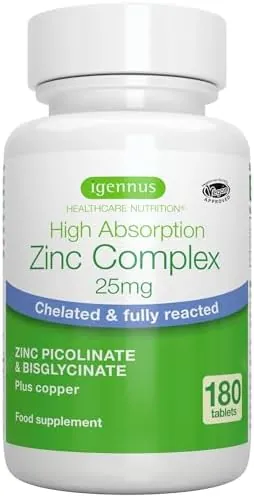
Igennus Clean Chelated Zinc Picolinate & Bisglycinate Complex 25mg with Copper, 6 Month Supply 180 Tablets, High Absorption & Lab Verified, Non-GMO, Supplement for Men & Women, Immune Support & Skin
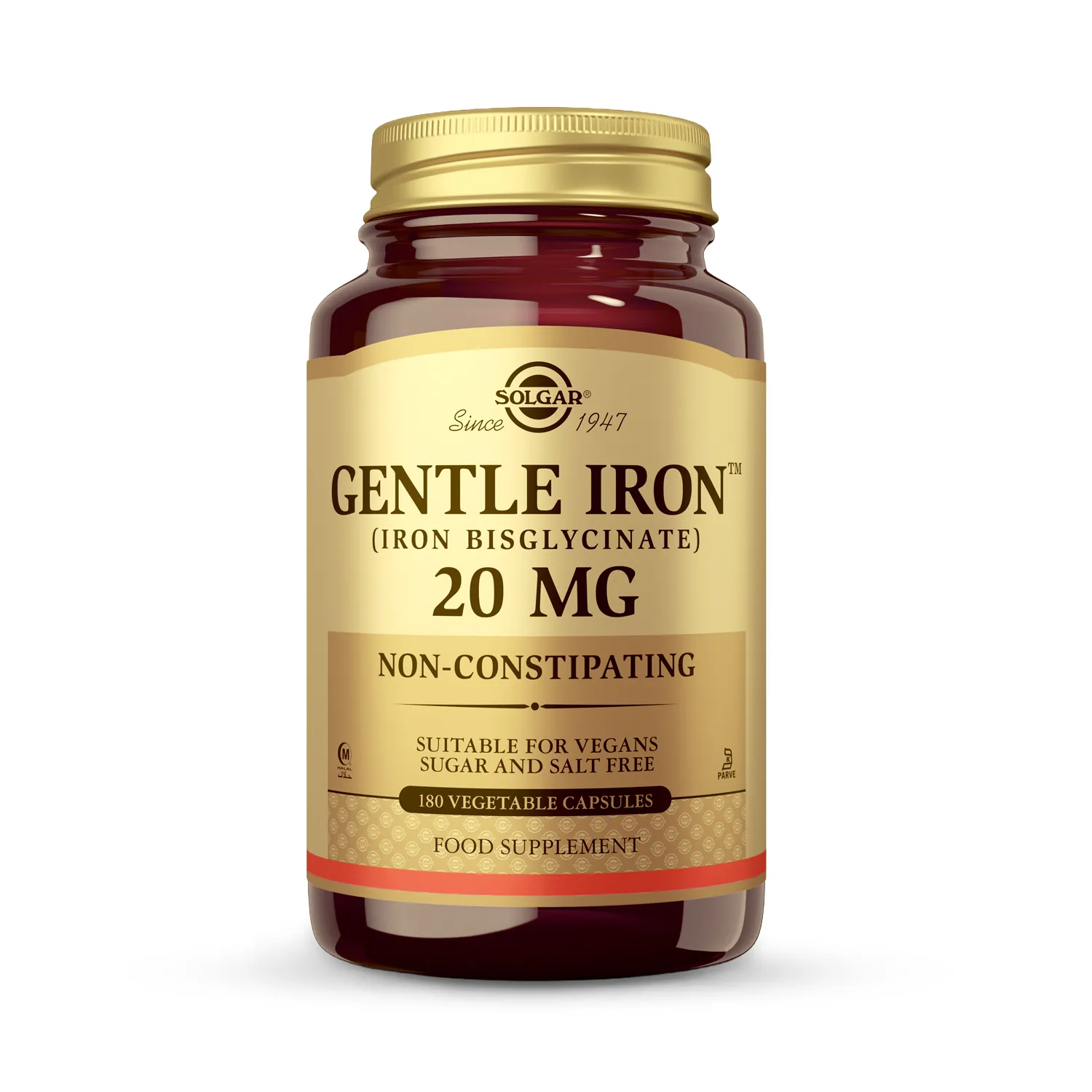
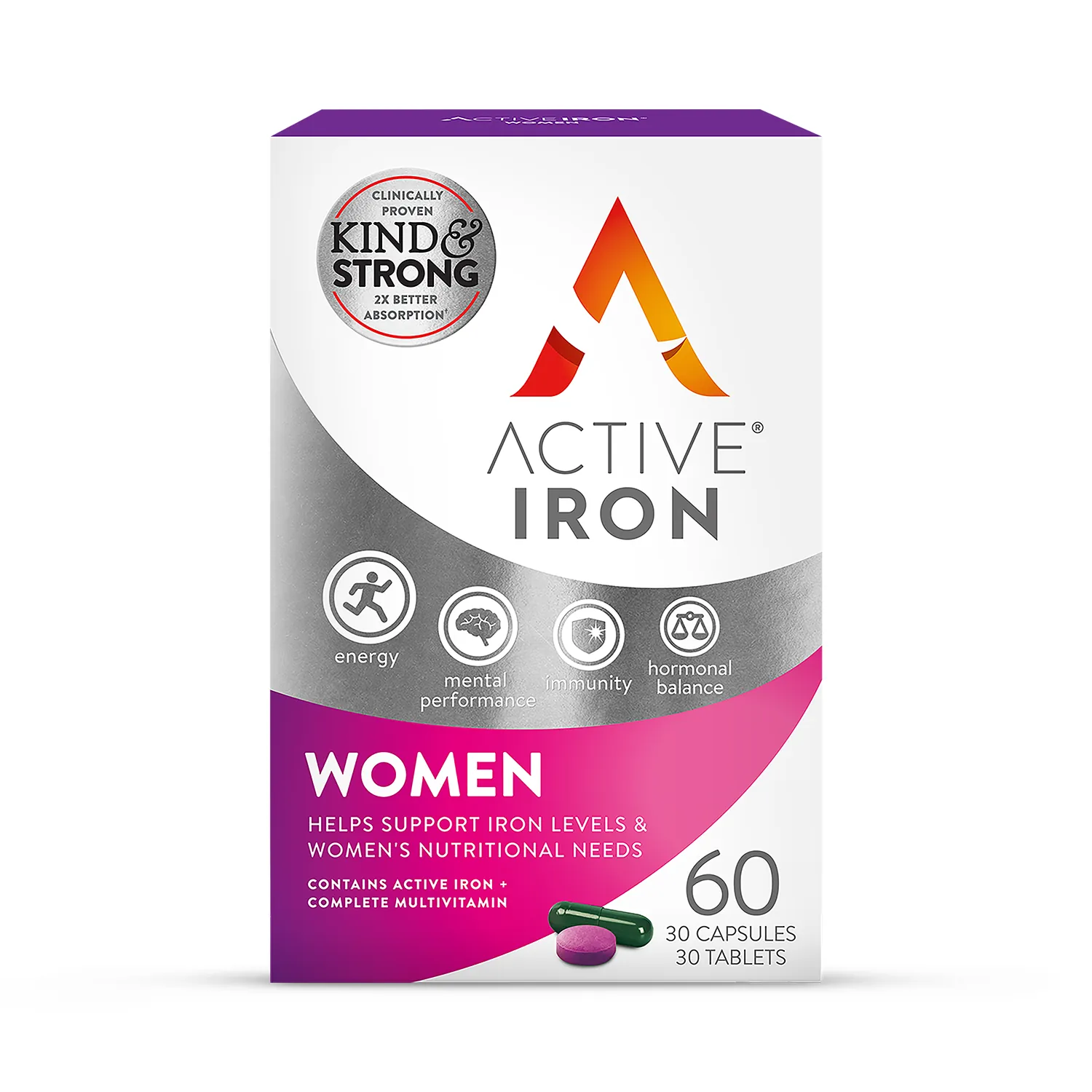
Top Iron Products on AIScored
Want to check more interactions?
Add these and other supplements to our interactive Stack Analyzer for a full analysis.
Build your full stack →